Free written scope consultation - allowances, timeline, and change-order rules on paper before a single trade is scheduled
Styles & brands we work with
- Kitchen remodeling
- Bathroom remodeling
- Home additions & ADU
- Roofing
- Windows & doors
- Driveway & pavers
- Fence
See the difference
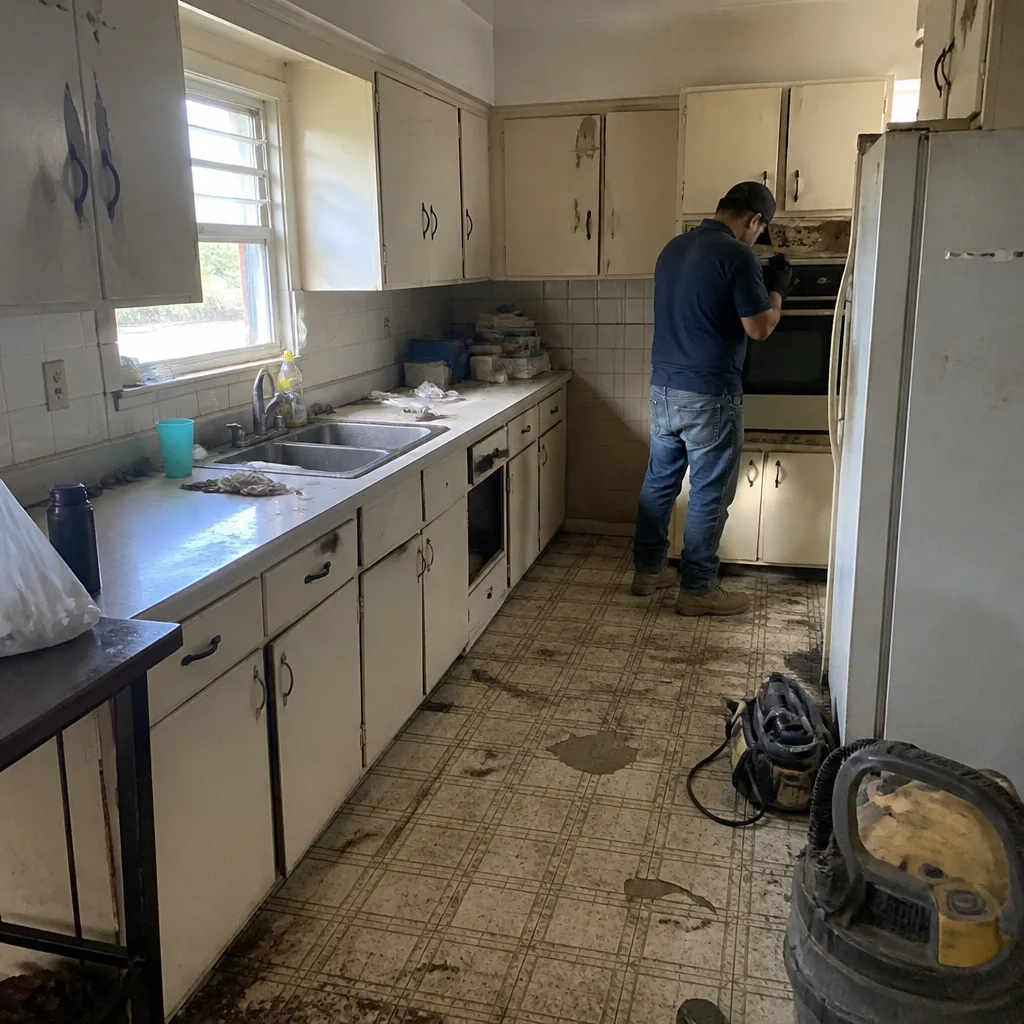 Before
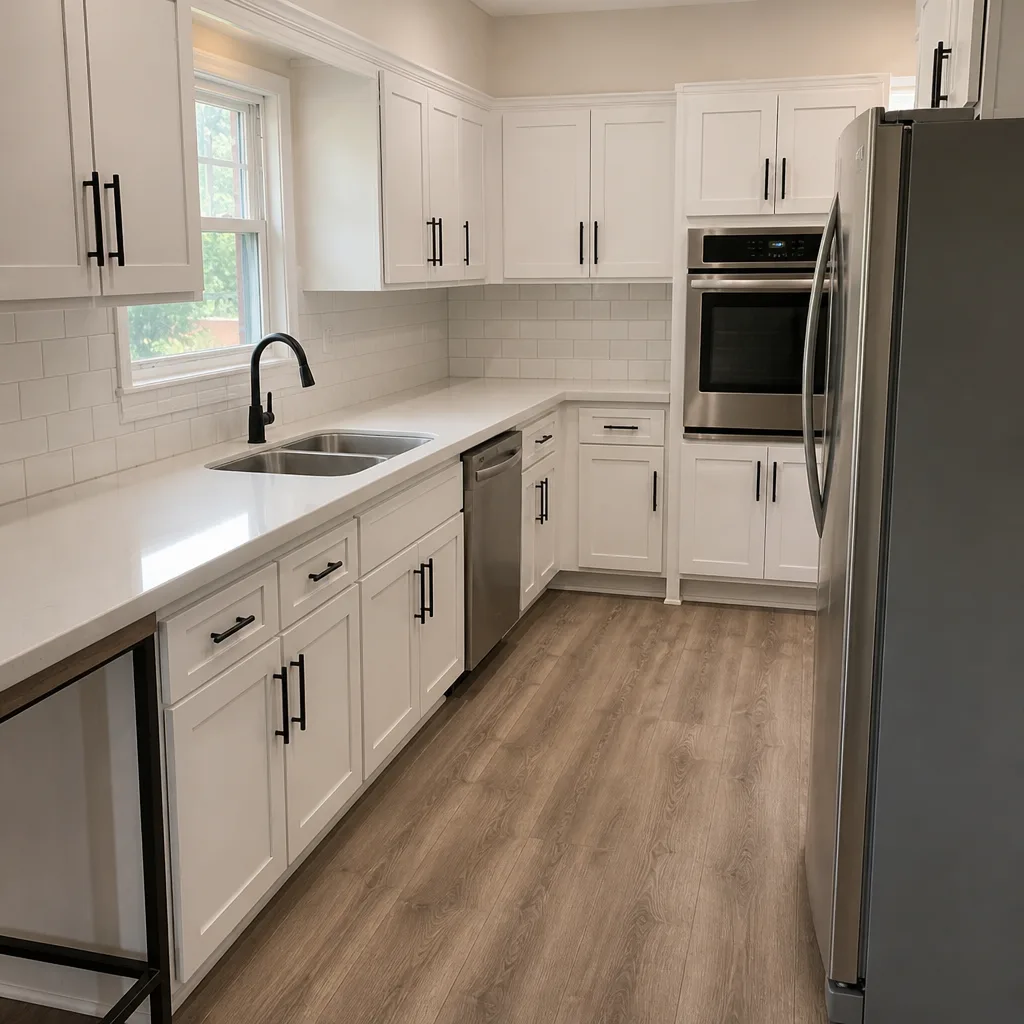 After
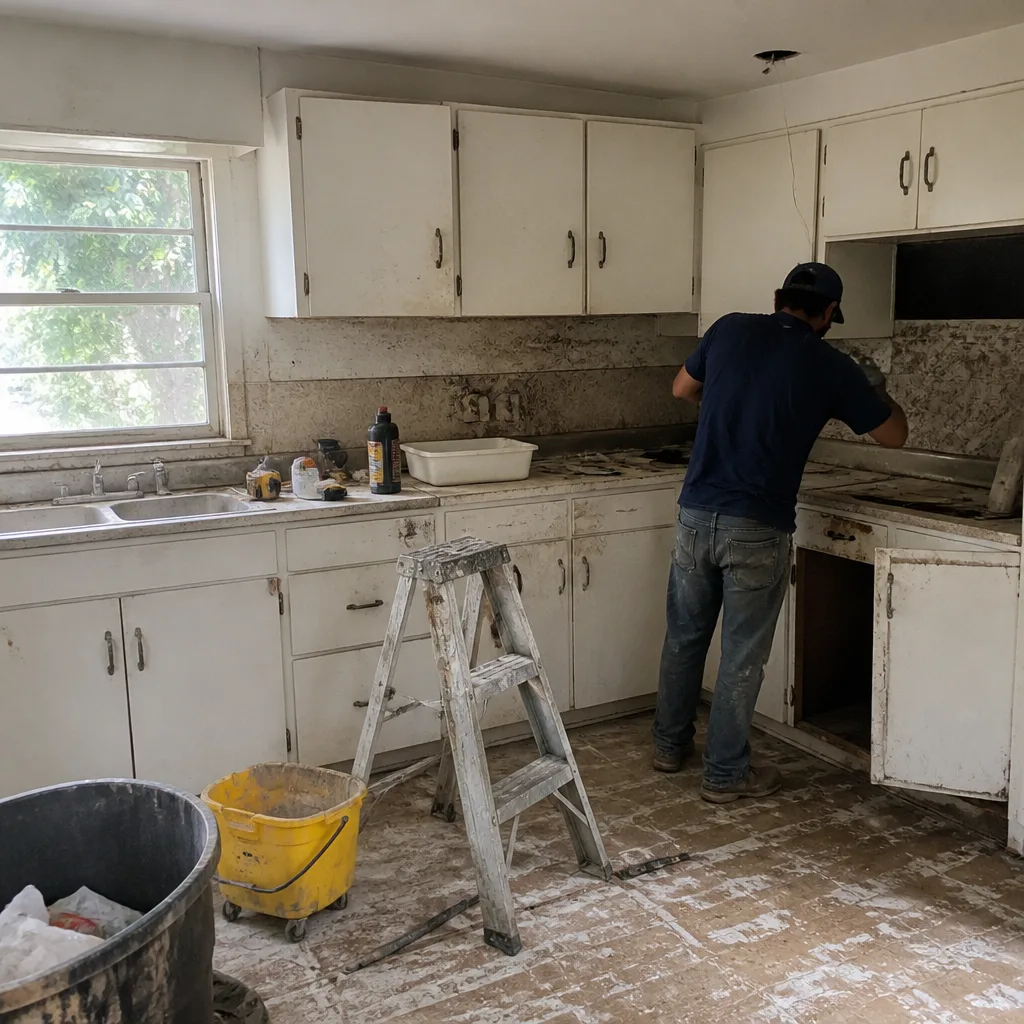 Before
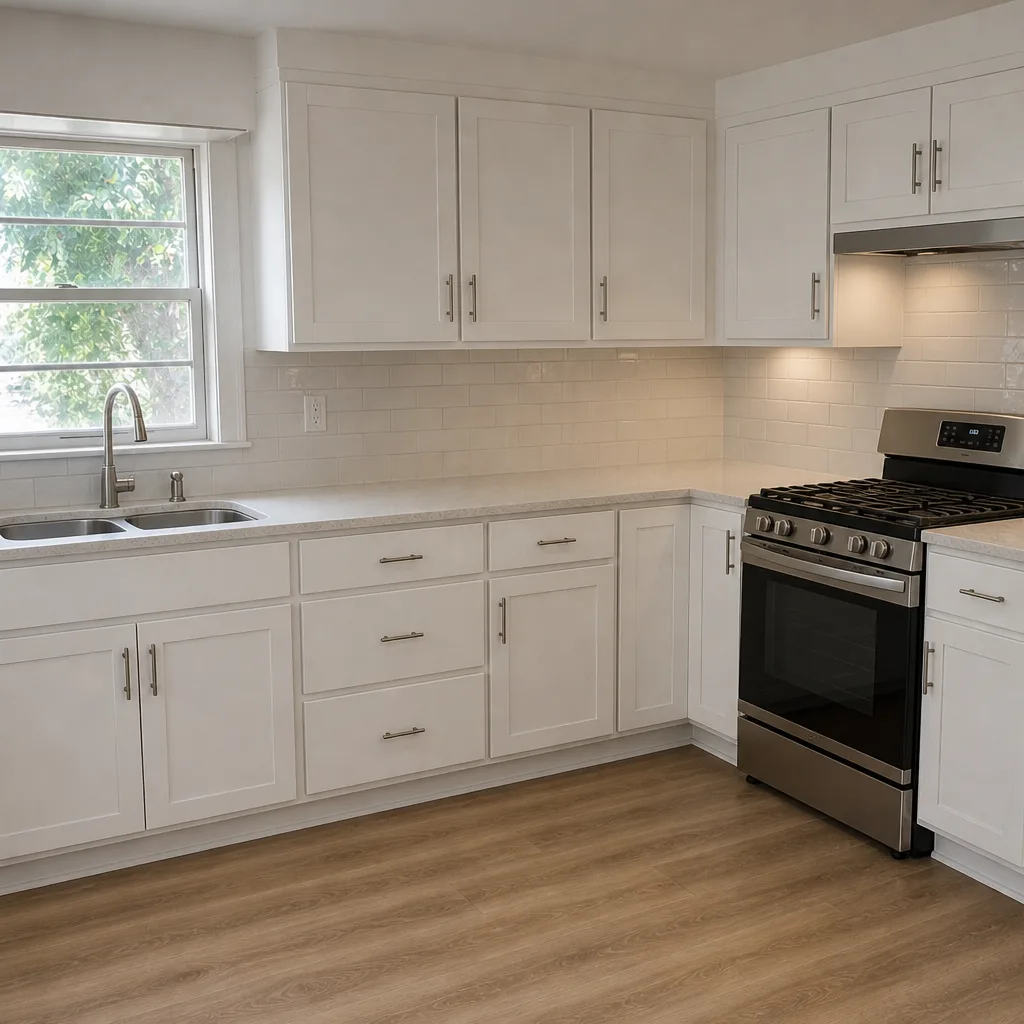 After
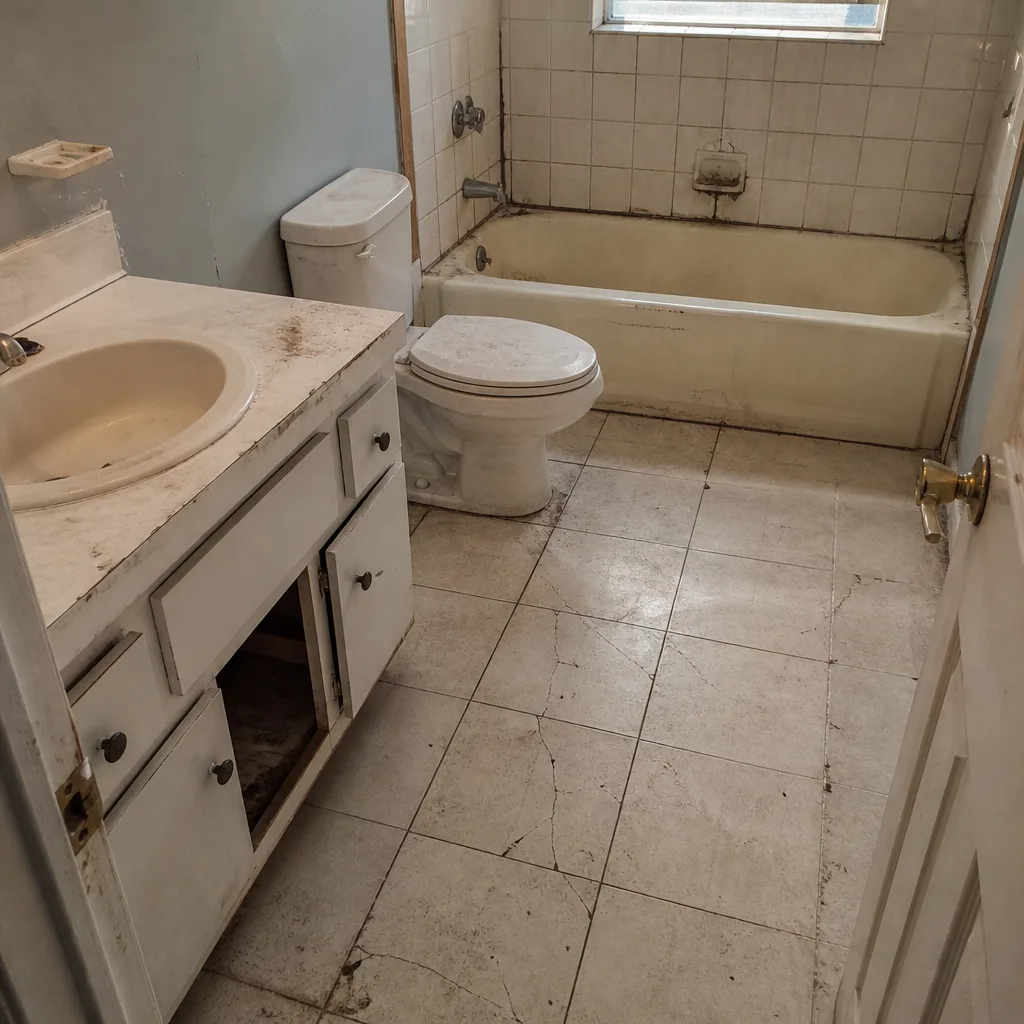 Before
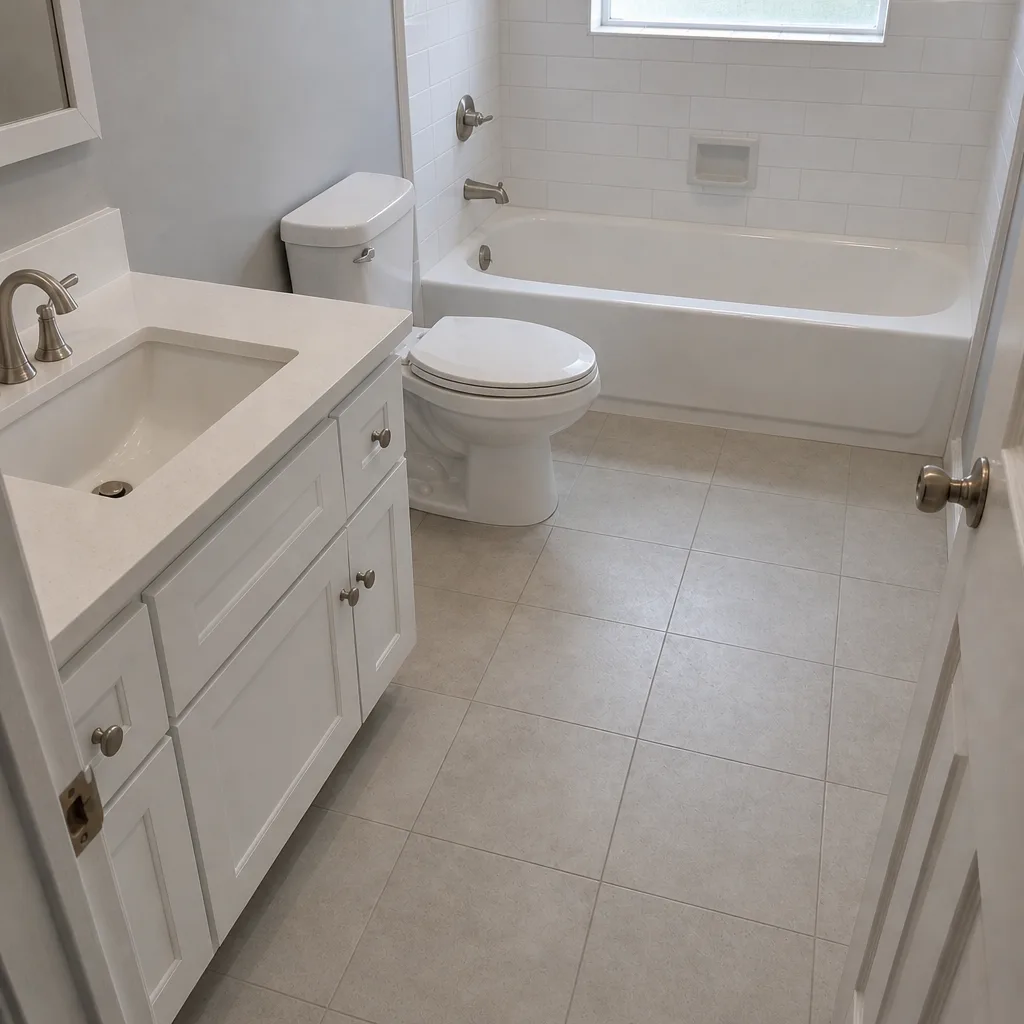 After
Home Addition vs ADU in Westchester, FL: Which One Fits Your Lot?
Choose a home addition if your goal is more living space for the family you already have and your lot is already tight on setbacks. Choose an ADU if the lot has room, you can satisfy Miami-Dade County’s owner-occupancy rules, and you want a unit that can legally be rented. That’s the short answer. The longer one runs through parcel data, zoning review, and a few hurricanes’ worth of building code, and it’s worth ten minutes before you spend six figures. Call (833) 630-4214 for a free assessment.
Both options add square footage. They don’t add it the same way on paper, and in unincorporated Miami-Dade County, the paper comes first.
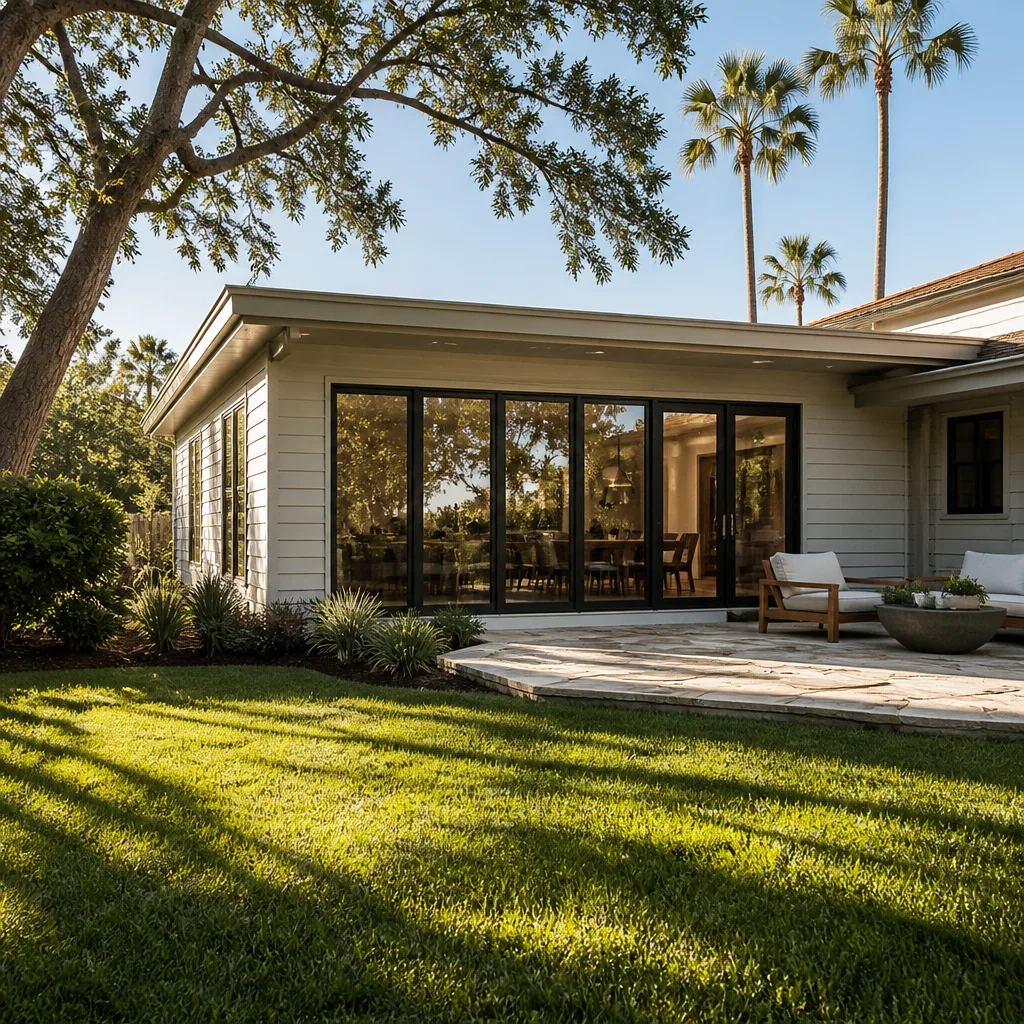
Why the Addition vs. ADU Decision Is Really a Zoning Decision
A home addition is treated as an expansion of your primary structure. It has to respect the setbacks and lot-coverage limits that already apply to your house. An ADU is classified as a separate accessory dwelling unit. That opens a different set of rules: its own setback requirements, owner-occupancy conditions, and in some zones, restrictions on how the unit can be used for short-term rentals.
This matters more in Westchester than a general guide will tell you. Westchester is unincorporated, which means there’s no city hall to walk into and no local building department to interpret things loosely. Every permit, inspection, and code-enforcement question runs through Miami-Dade County, often through county e-permitting. The county applies its code to the recorded parcel, not to what looks possible from the street.
So the real question isn’t “which one is better.” It’s “what does your recorded lot actually allow.” Two houses on the same block can produce different answers because their lots are platted differently.
Side-by-Side: Home Addition vs. ADU in Westchester
| Factor | Home Addition | ADU |
|---|---|---|
| Zoning classification | Expansion of primary structure | Separate accessory dwelling unit |
| Setbacks & lot coverage | Must meet existing primary-structure limits | Own setback rules; separate review |
| Owner-occupancy | Not typically required | Often required by county code |
| Rental legality | Stays part of the main house | Can be a leasable unit with its own status |
| Permitting path | Usually faster; no separate ADU review | Additional zoning review layer |
| Typical Westchester cost | $45,000-$130,000 | $90,000-$220,000 |
Garage conversions sit in between at roughly $30,000-$80,000, and they’re worth asking about separately: an existing garage already occupies a footprint, which sometimes makes the ADU math easier than a fresh detached structure.
The HVHZ Cost Nobody Ever Differentiates On
Here’s where most comparisons go wrong. They’ll tell you an ADU costs more because of “code requirements.” That’s not quite true in Miami-Dade. Whether you’re adding a master suite or a detached casita, the hurricane-zone requirements are identical.
- Impact window product approval (NOA documentation) for every opening
- Roof strap nailers and engineered roof-to-wall connections
- Roof-to-deck attachment that meets High-Velocity Hurricane Zone standards
- Waterproofing and flashing detailed for wind-driven summer rain
Both paths carry the same HVHZ cost. It is not a differentiator, and anyone using it to push you toward one option is either misinformed or selling. The real cost gap between the two comes from foundation work, utility hookups, and the extra zoning review an ADU requires, not from hurricane hardware.
That said, the HVHZ details are where cheap bids fall apart. Westchester’s housing stock leans on concrete block and stucco with flat or low-slope roofs, and when we tie a new addition into an existing 1970s-era wall, the roof-to-wall connection and flashing work is where the inspection either passes clean or forces a redo. Our technicians have up to 12 years of experience with exactly this kind of tie-in, and every project is backed by our 730-Day Done Right Promise.
What About Financing? Both Paths Are Reachable
The cost difference is real, but it doesn’t have to be a refinance question. Groundwork offers no-hassle upfront pricing, and any project over $10,000 qualifies for our $1,000 discount plus 0% financing for 18 months. Because ADU projects almost always clear that threshold, and most additions do too, both paths stay accessible without touching a HELOC.
The number you see is the number you pay. That matters more on additions and ADUs than on almost any other project, because the scope grows quietly once walls open up. When we walk a Westchester lot before quoting, we’re reading recorded parcel dimensions and building the estimate from what the county will actually approve, not from a rough square-foot guess.
How We Help You Decide Before a Single Permit Is Filed
Groundwork Construction Co. of Westchester runs a pre-construction zoning review using the county’s recorded parcel data before recommending an addition versus an ADU. You get a straight answer on which path fits your lot and your goal, not a sales pitch for the more expensive option. If an addition is the faster, cleaner path, we’ll tell you. If your lot supports an ADU and rental income is the goal, we’ll tell you that too.
When the answer is an addition, we scope it as a full-scope partner from foundation to finish line, drawing on brand partners like Mr-Glass and Therma-Tru for the impact openings the county will require. When the answer is an ADU, the same team handles the utility hookups and the separate zoning review. You can read more detail on either path on our Home Additions & ADU page. And if you’re still mapping the broader plan for the property, our home page lays out the full scope of what we handle.
Calls are answered by a live person 24/7, so a question about setbacks at 9 p.m. on a Sunday doesn’t wait until Monday.
Key Takeaways
- Your recorded lot dimensions decide this, not a general rule of thumb.
- An addition is usually the faster permit path in Westchester’s infill lots.
- An ADU creates a leasable unit, but adds owner-occupancy and zoning review.
- HVHZ requirements are identical for both, so they aren’t a cost differentiator.
- Both paths qualify for $1,000 off and 0% financing for 18 months over $10,000.
FAQs
A home addition is typically the faster permitting path in Westchester, because it doesn’t trigger the separate ADU zoning review. For the common infill scenario here, a 1970s ranch on a standard lot being expanded, the addition usually moves through Miami-Dade County e-permitting with fewer review layers. An ADU adds an owner-occupancy check and its own setback analysis. Call (833) 630-4214 to find out which path your parcel supports.
In many cases yes, but it depends on the zone and you have to meet Miami-Dade County’s owner-occupancy requirements. That’s the part that catches homeowners off guard: an ADU built without the right zoning review can end up as a structure you can’t legally rent. Some zones also restrict short-term rentals specifically. The only reliable answer comes from checking your parcel against the county’s recorded zoning.
No. The HVHZ requirements are identical for both. Whether you’re adding a master suite or a detached casita, you need the same impact window NOA documentation, roof strap nailers, and engineered roof-to-wall connections. The ADU costs more because of the extra foundation, utility hookups, and zoning review, not the hurricane hardware. A typical ADU in Westchester runs $90,000-$220,000 versus $45,000-$130,000 for an addition.
Realistically, no. Switching mid-project means a new zoning review, revised plans, and a fresh permit cycle, and by then the foundation is poured. That’s exactly why we run the zoning review before recommending one over the other. If you’re weighing the two, our Home Additions & ADU in Westchester page breaks down the design side, or call us and we’ll look at your lot.
If you’d rather have your lot looked at before you commit to either path, Groundwork Construction Co. of Westchester offers a no-pressure assessment in Westchester. Call (833) 630-4214 for a free estimate, and we’ll pull your recorded parcel data and tell you straight which option fits. Upfront pricing, no surprises.
Written by the team at Groundwork Construction Co. of Westchester, serving Westchester, FL.