
Free written scope consultation - allowances, timeline, and change-order rules on paper before a single trade is scheduled
Styles & brands we work with
- Kitchen remodeling
- Bathroom remodeling
- Home additions & ADU
- Roofing
- Windows & doors
- Driveway & pavers
- Fence
See the difference
 Before
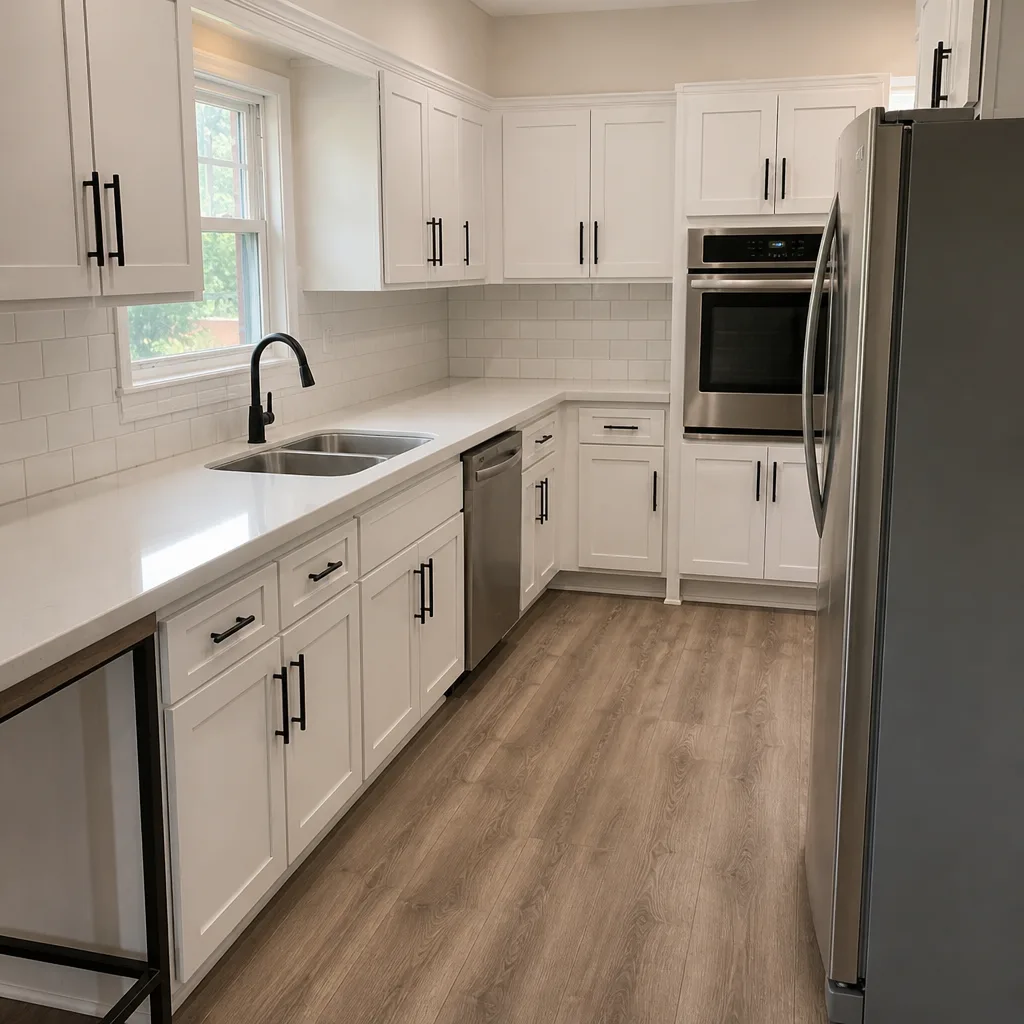 After
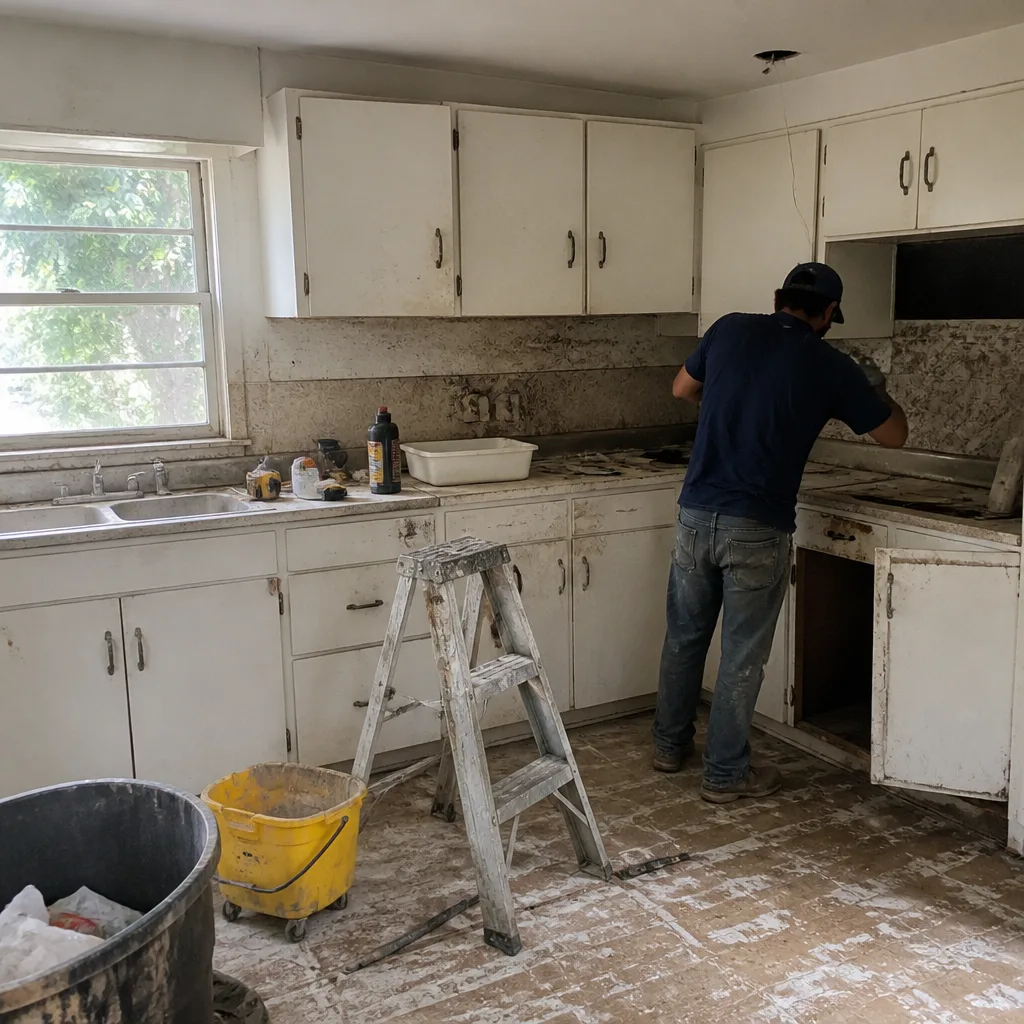 Before
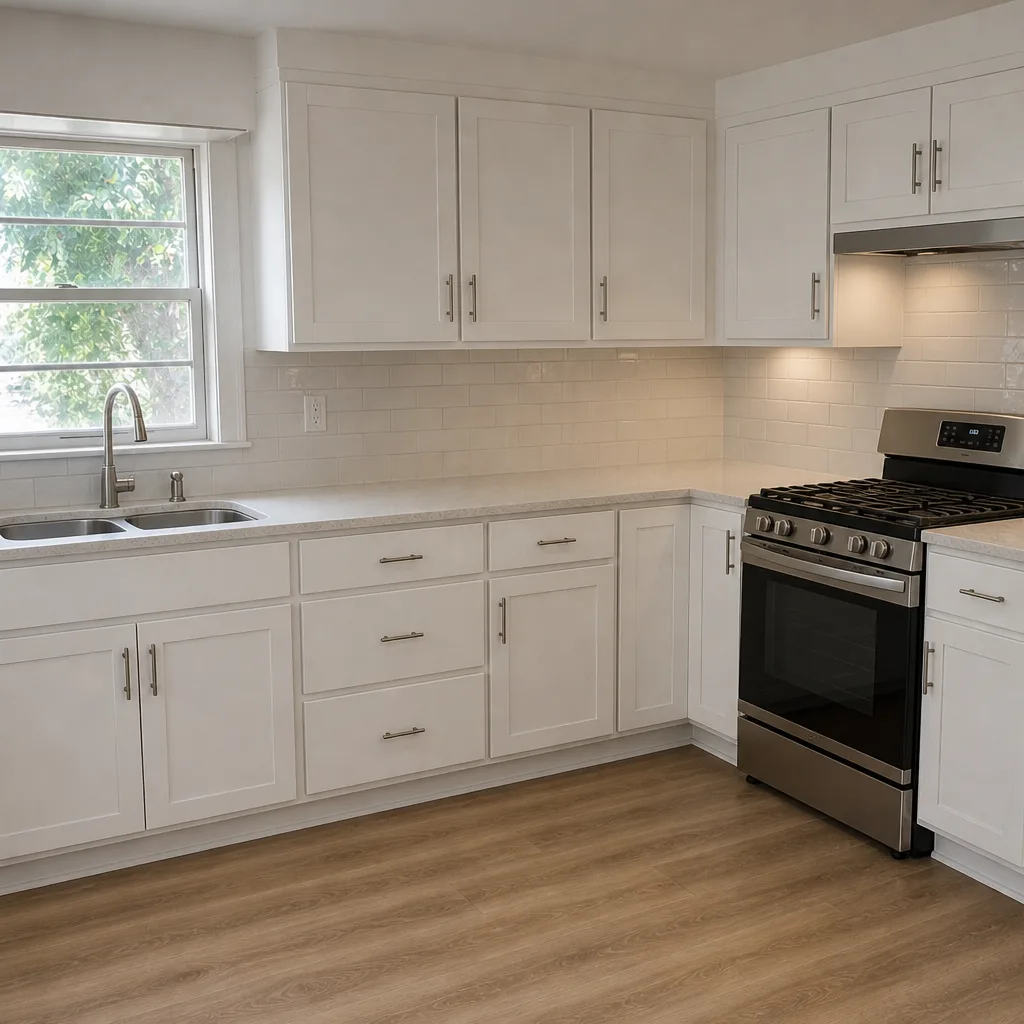 After
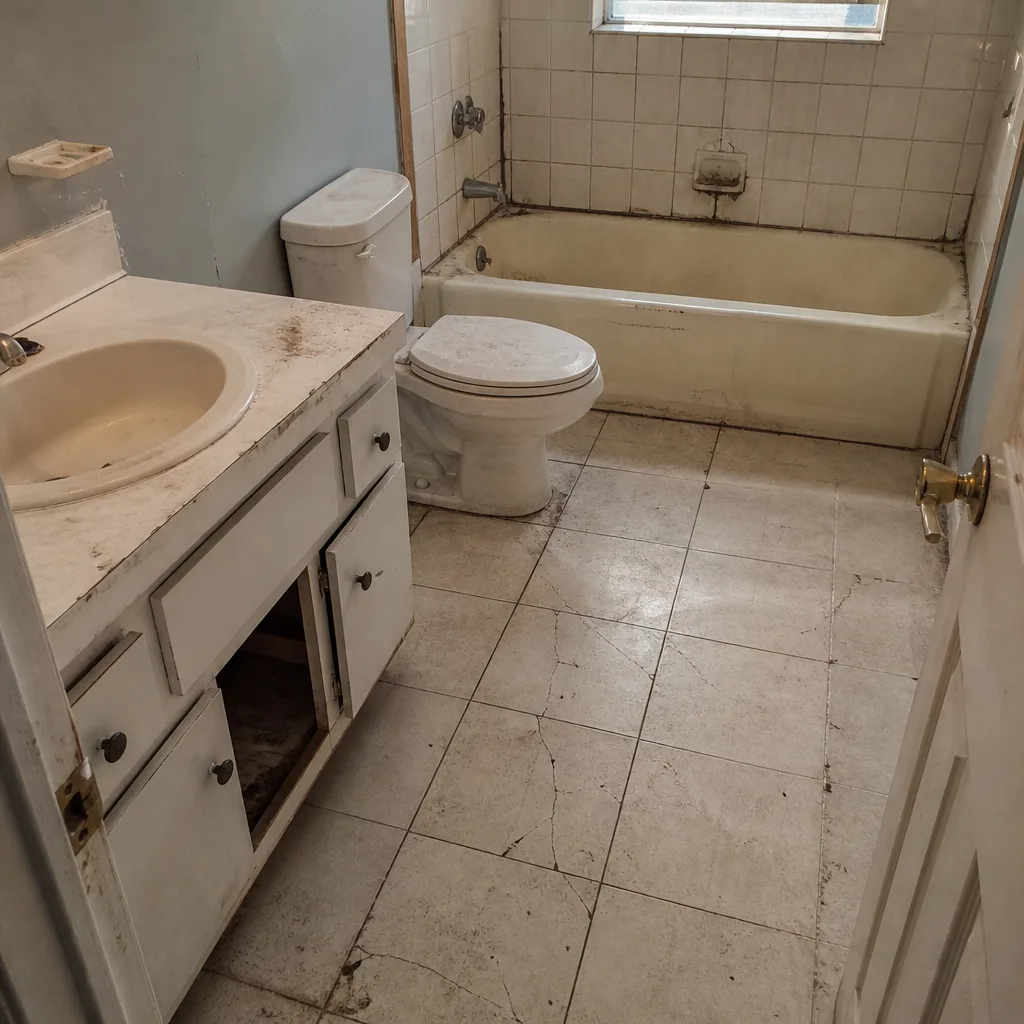 Before
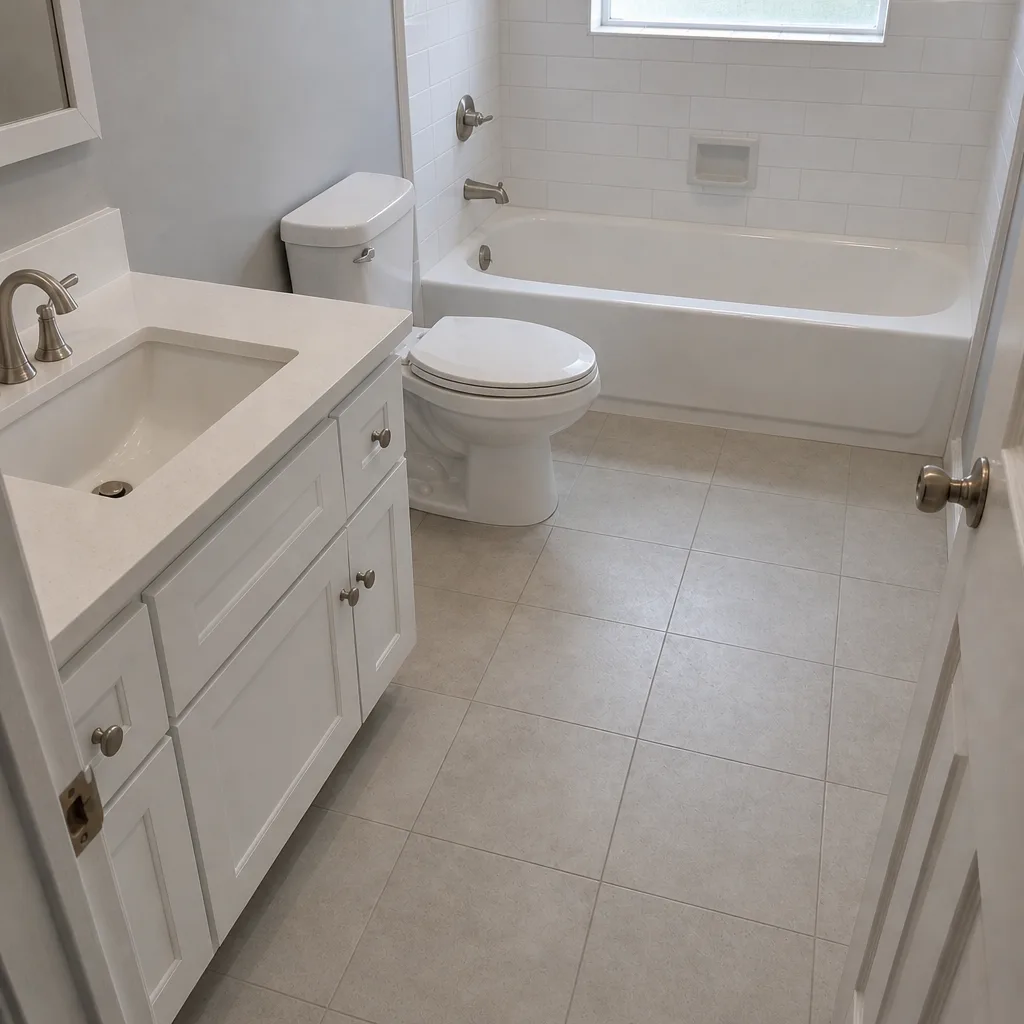 After
How to Remodel a Small Bathroom in Westchester, FL: Get the Sequence Right the First Time
Remodeling a small bathroom in Westchester means answering one structural question before you talk tile, vanity, or paint: what’s behind the wall and under the slab? Most Westchester ranch homes were built with 3-inch cast-iron drain stacks and lath-and-plaster walls that have no secondary waterproofing membrane behind the tile, so a “quick” refresh often needs a Miami-Dade County rough-in permit before a single tile goes up. The short answer to how to remodel a small bathroom here is sequence: demo, rough-in permit, inspection, waterproofing, then finishes. Skipping a step is what turns a $5,000-$12,000 small bathroom remodel into a tear-out two years later. Call (833) 630-4214 to talk through your bathroom and get a free estimate.
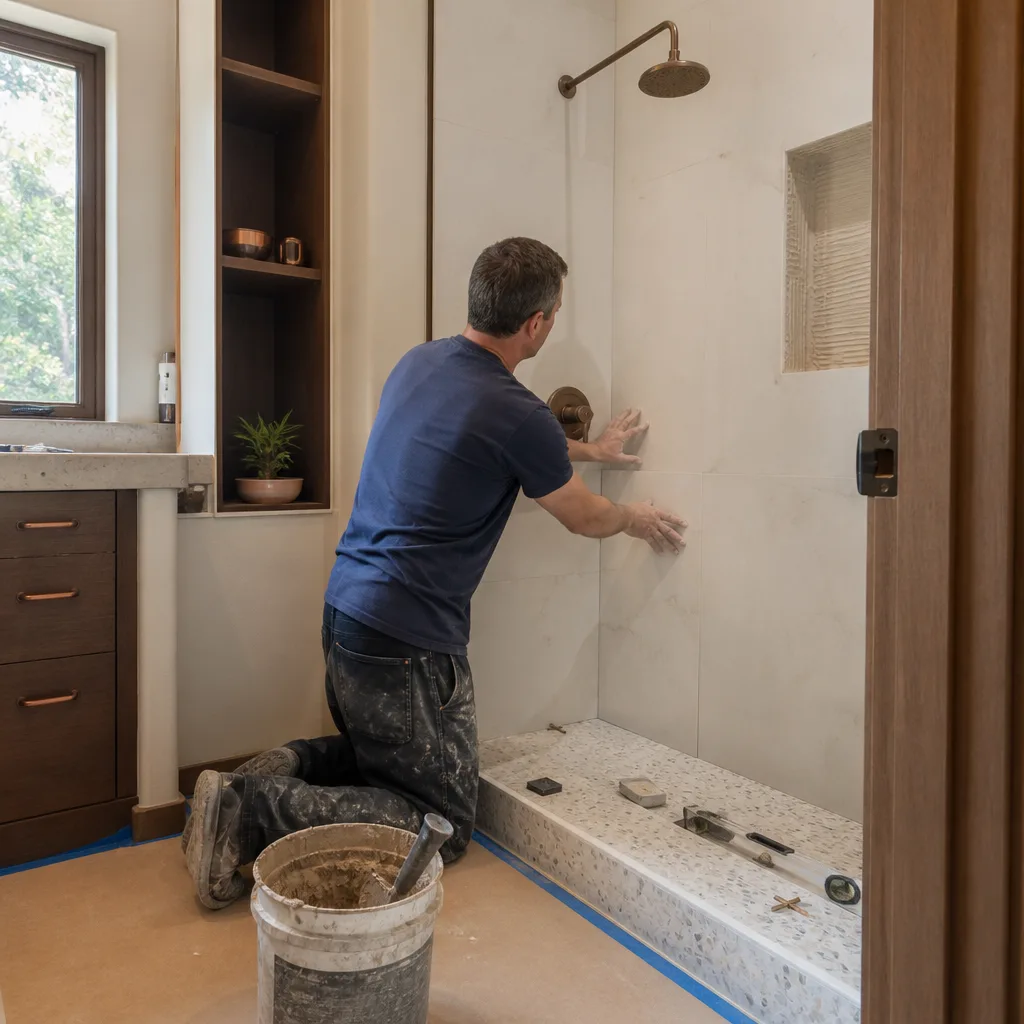
Why Westchester Bathrooms Aren’t Just a Design Problem
Westchester is an unincorporated pocket of Miami-Dade, which changes how a bathroom project runs. There’s no city hall to walk into for a sign-off. All permitting, inspection, and code enforcement go through Miami-Dade County, usually online through the county’s e-permitting system. That matters in a bathroom because plumbing rough-in is a permitted scope of work. Move a drain, relocate a toilet, or replace a cast-iron stack, and the county wants to see it before it’s buried under cement board.
The housing stock drives the rest. The 1960s-80s concrete-block ranches and Spanish/Mediterranean homes throughout Westchester share two traits that shape a bathroom remodel: lath-and-plaster interior walls and original cast-iron drain lines now past 40 years of service. Open a wall for a new shower valve and you’re looking at both at once. That’s the point where a cosmetic project becomes a code-and-structure project, and it’s why we plan the whole sequence up front instead of discovering it mid-demo.
What’s actually required behind the wall
When you open walls in a pre-1980s Westchester home, the lath-and-plaster has to come out and go back as gypsum drywall. In wet areas (shower surrounds, tub alcoves, the lower half of walls near the tub), it has to be moisture-resistant board, and cement backer board like Hardiebacker is the standard behind tile. Miami-Dade sits in the High-Velocity Hurricane Zone, so product approval documentation (a NOA) applies to exterior assemblies, impact glazing, and roof connections. Interior wet-wall assemblies still follow the county’s moisture and substrate rules, and we build to them. What you don’t want is greenboard screwed directly to studs with mastic-set tile and no membrane. That’s the assembly that fails quietly.
The layout step most homeowners get backwards
For concrete-block construction, the drain layout gets cut before any finish material lands on site. Core-drilling or saw-cutting the slab for a new drain line is a rough-in activity. It happens during demo and framing, gets inspected, and then gets backfilled and waterproofed. If you’ve already set a vanity, hung drywall, or laid floor tile when you decide to move the shower drain, that’s a redo. Lock the fixture locations on paper first, then execute the slab work, then build out.
What to Look For in a Small-Bathroom Contractor (and What to Avoid)
Small bathrooms are where vague bids hide the most. A single 5-by-8 room touches plumbing, electrical, waterproofing, tile, and cabinetry, and a contractor who’s only pricing the visible finishes is going to hand you change orders once the wall comes down. Here’s the comparison that matters when you’re interviewing contractors in Westchester:
- Permit handling: Ask who pulls the rough-in permit and who schedules the inspection. If the answer is “you do,” that’s a red flag in unincorporated Miami-Dade, because unpermitted bathroom work can block a future home sale when the county record shows a remodel with no inspection trail.
- Wall and substrate plan: A serious bid states what happens to the lath-and-plaster and what goes behind the tile. “We’ll patch it” isn’t a plan.
- Waterproofing detail: A bonded membrane or a properly detailed backer board system, not mastic over greenboard. Ask to see it in writing.
- Warranty terms: What’s covered, for how long, and what voids it. A warranty that doesn’t spell out grout and caulk isn’t protecting you.
- Pricing structure: Upfront numbers with a defined scope. No-handshake estimates that creep.
We recommend getting a written scope that names the rough-in, the substrate, the waterproofing method, and the finish selections before you compare a single dollar figure. A bid without a scope is a bid you can’t compare. If you want a reference point for what a full-scope bathroom project covers, our Bathroom Remodeling page lays out the trades involved, and our Bathroom Remodeling in Westchester page walks through the local specifics. When you’re ready to talk numbers, a home improvement partner that handles the whole envelope from foundation to finish line is a real advantage in a county this particular about inspections.
How Much Does a Small Bathroom Remodel Cost in Westchester?
A small bathroom remodel in Westchester typically runs $5,000-$12,000 for a straightforward refresh, and a full bathroom remodel with layout changes and a new shower runs $9,000-$28,000. The range depends almost entirely on how much plumbing moves and what’s behind the walls. Here’s how the line items break down:
| Scope | Typical Westchester range |
|---|---|
| Small bathroom remodel (same layout) | $5,000-$12,000 |
| Full bathroom remodel (layout and fixture changes) | $9,000-$28,000 |
| Walk-in shower installation | $4,500-$12,000 |
| Tub-to-shower conversion | $3,500-$10,000 |
| Shower replacement | $3,000-$8,500 |
| Vanity installation | $800-$3,000 |
Those numbers assume the rough-in is straightforward. In a Westchester home where the cast-iron stack needs replacement or the drain has to move, budget the upper end. The reason to plan the whole thing once rather than phase it is simple math: two half-jobs pay for demo twice, drywall twice, and tile twice. That’s before you count the cost of living through a second construction cycle in a house with one usable bathroom. This is where 0% financing for 18 months earns its keep: it lets a homeowner do the whole small bathroom correctly in one pass instead of chopping it into two cheaper-looking jobs that cost more overall. Add our $1,000 off projects over $10,000 and the gap between phasing and doing it right closes further.
What you pay for isn’t the tile pattern. It’s the rough-in done to code, the substrate built to spec, and the waterproofing detailed correctly. That’s the work that decides whether your bathroom is still solid in year five.
What Happens 12-18 Months After a Cheap Remodel
Three failure modes show up in that window with almost clockwork reliability: grout cracking, tile delamination, and caulk failure at the shower-to-wall and floor-to-wall joints. They’re usually not a materials problem. They’re a substrate-and-movement problem. A tile set over a flexible, moisture-compromised wall with no membrane cracks its grout as the assembly moves. Delamination starts at a corner where water got behind the tile. Caulk fails because the joint was filled with the wrong product and no room was left for movement.
Groundwork Construction Co. of Westchester covers those three failures under our 730-Day Done Right Promise, one of the longest workmanship guarantees in residential construction. If the grout cracks, the tile lifts, or the caulk fails inside those two years, we make it right. Our technicians have up to 12 years of experience, they’re background-checked and arrive in uniform, and every project gets a live person on the other end of the phone any hour of the day. That warranty is only meaningful because the assembly behind the tile was built to hold up; you can’t warranty your way out of bad substrate.
FAQs
Yes, in most cases you do: any plumbing rough-in work (moving a drain, relocating a toilet, replacing a drain stack) requires a Miami-Dade County permit, pulled through the county e-permitting system. Cosmetic work like paint, tile over existing sound substrate, and fixture swaps in the same location may not need a permit, but once walls open and plumbing moves, the county wants to inspect it before it’s covered. Unpermitted work can create problems at resale. Call (833) 630-4214 and we’ll tell you exactly what your bathroom needs.
Yes, and it’s the single biggest cost lever you have. Keeping the toilet, sink, and shower where they are avoids slab cutting, drain relocation, and a longer inspection cycle, and it’s the main reason a same-layout small bathroom remodel in Westchester lands in the $5,000-$12,000 range rather than the higher full-remodel number. That said, moving a drain isn’t off the table; it just has to happen during the rough-in phase before any finishes. Call (833) 630-4214 for a free estimate that prices both options.
A same-layout small bathroom typically takes a few weeks from demo to final walkthrough, and a layout-change remodel runs longer because of the rough-in permit and inspection cycle. The permitting step is the wildcard in unincorporated Miami-Dade, since review timing through the county varies. Scheduling the inspection early is the single best way to keep the project on track. Call (833) 630-4214 and we’ll give you a realistic timeline for your bathroom.
Moisture-resistant gypsum drywall or cement backer board, and never the original lath-and-plaster. When walls open in a pre-1980s Westchester home, the lath comes out and goes back as gypsum drywall, with cement backer board like Hardiebacker behind tile in wet areas, detailed with a proper membrane. That assembly is what keeps water out of the wall cavity, where heavy summer rain and humidity will find any gap. Call (833) 630-4214 if you want someone to look at what’s behind your tile before you commit to a finish schedule.
Get Your Small Bathroom Planned Right
If you’d rather have it looked at, Groundwork Construction Co. of Westchester offers a no-pressure assessment in Westchester. We’ll walk the bathroom, tell you what’s behind the wall, and give you upfront pricing on the whole job, not a guess you’ll pay for twice. Free estimate and design consult, 0% financing for 18 months, $1,000 off projects over $10,000, and a 730-Day Done Right Promise behind every one. Call (833) 630-4214.
Written by the team at Groundwork Construction Co. of Westchester, serving Westchester, FL.