




Free written scope consultation - allowances, timeline, and change-order rules on paper before a single trade is scheduled
Styles & brands we work with
- Kitchen remodeling
- Bathroom remodeling
- Home additions & ADU
- Roofing
- Windows & doors
- Driveway & pavers
- Fence
See the difference
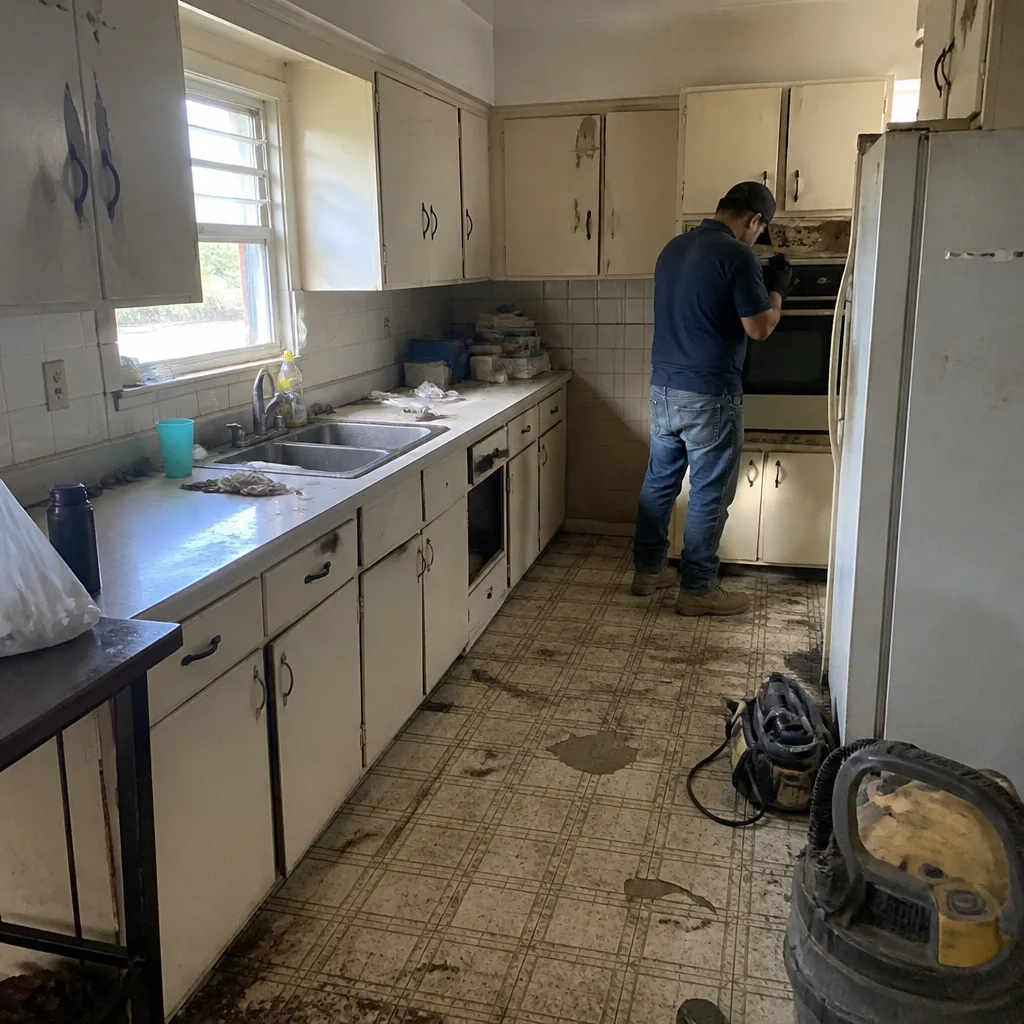 Before
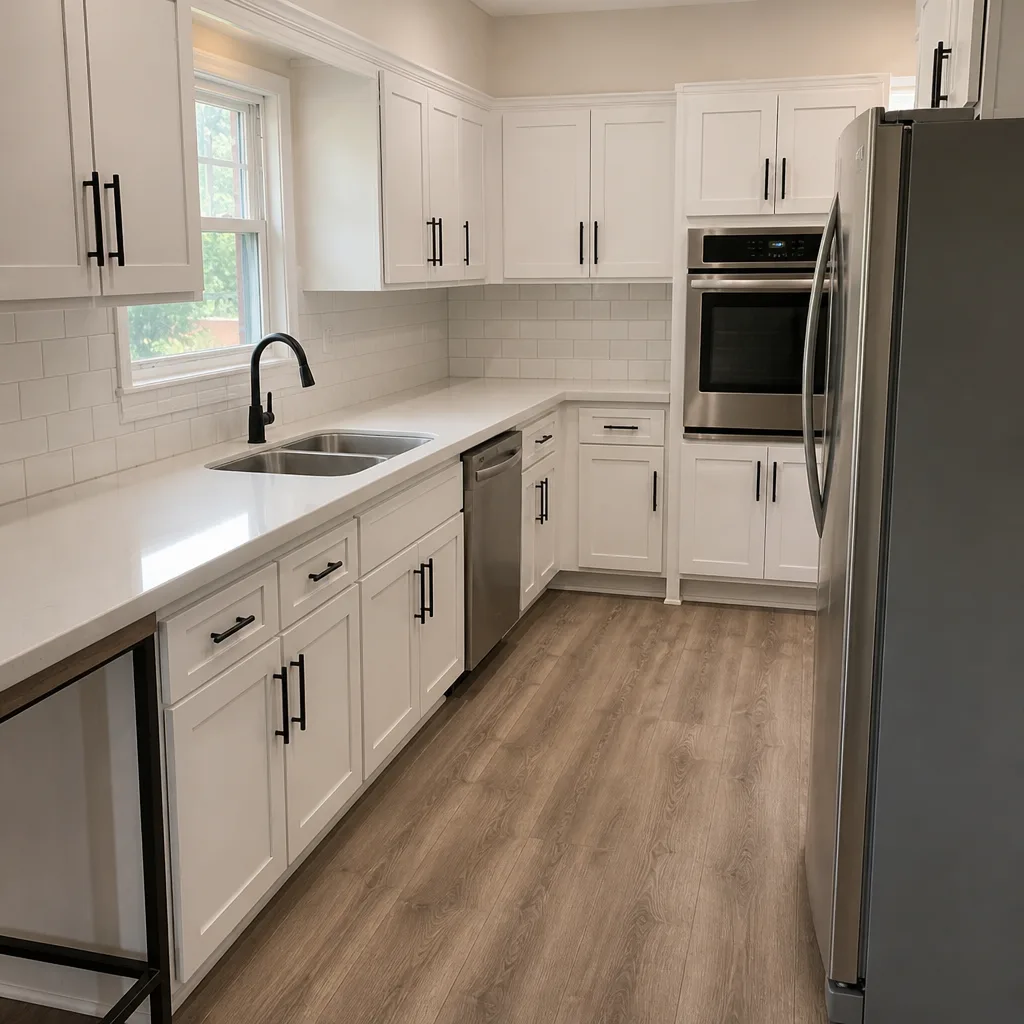 After
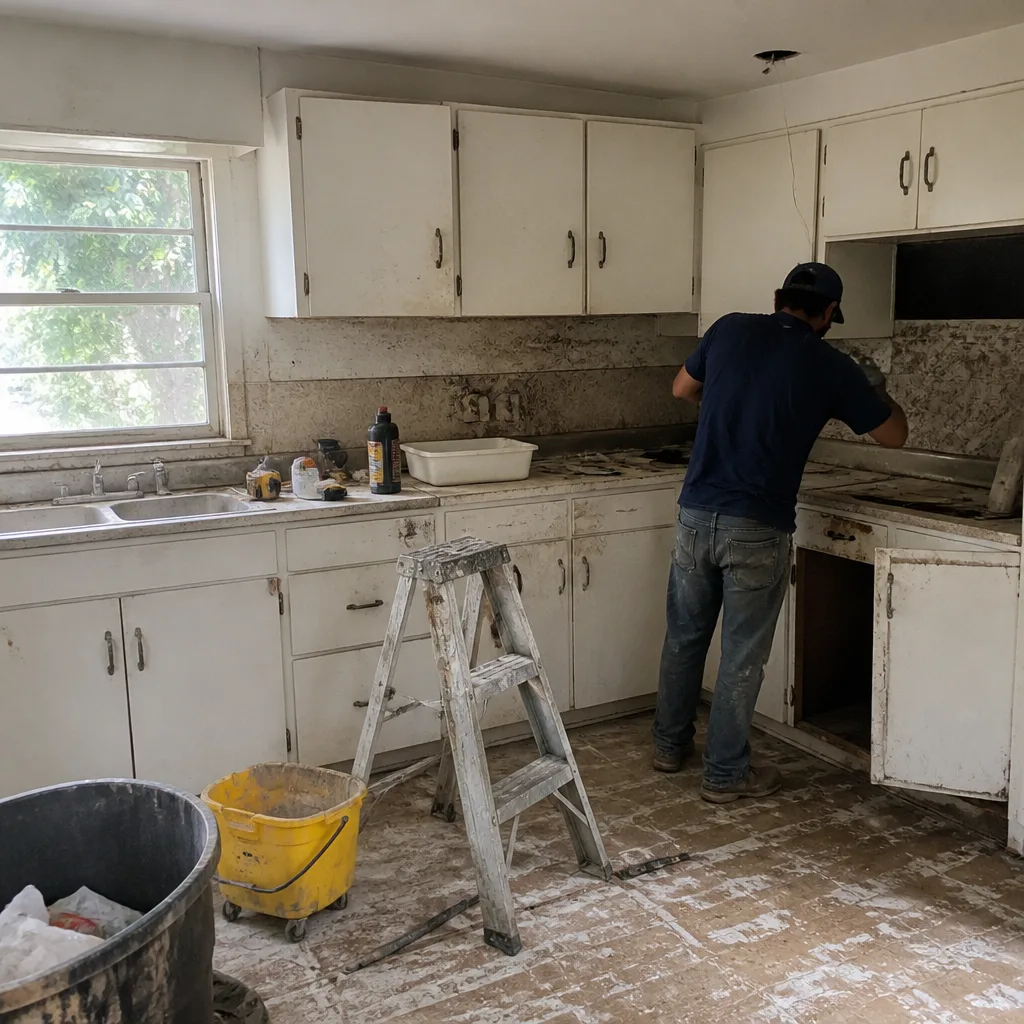 Before
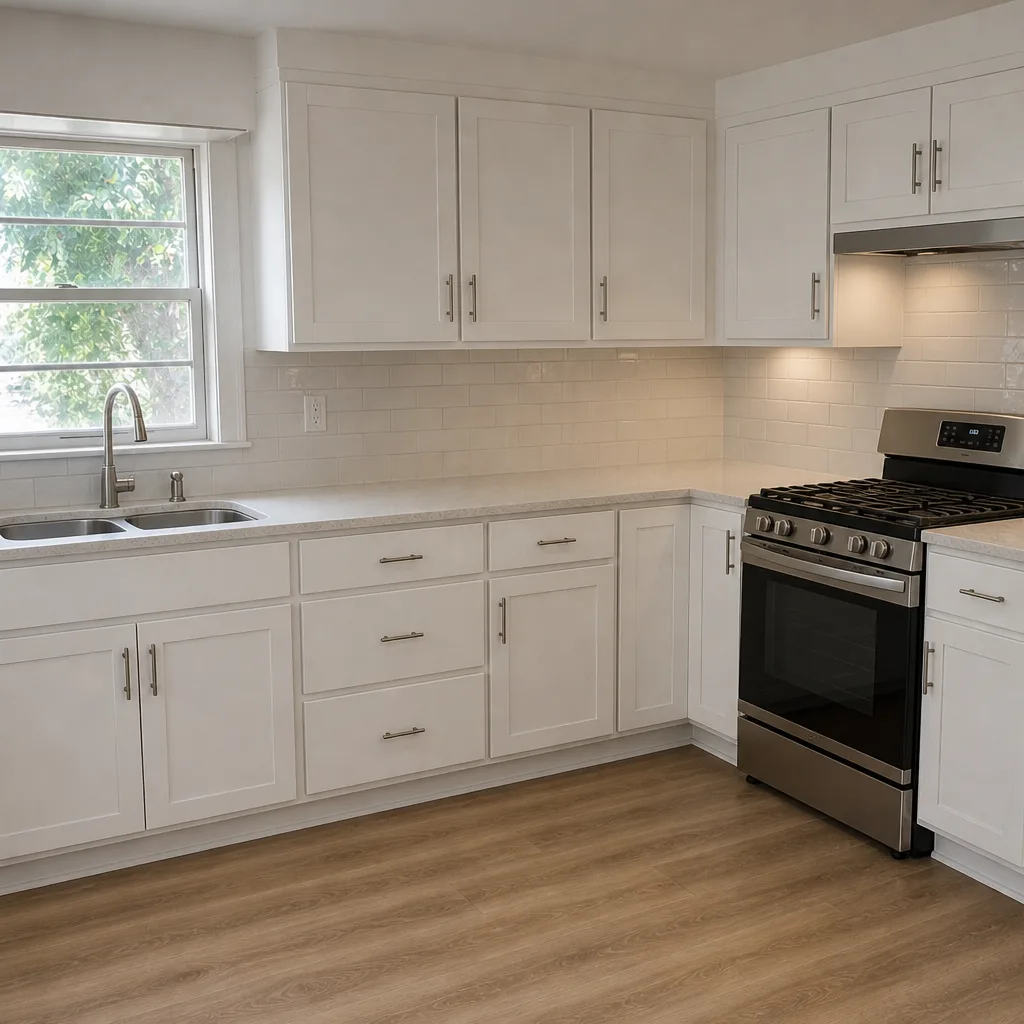 After
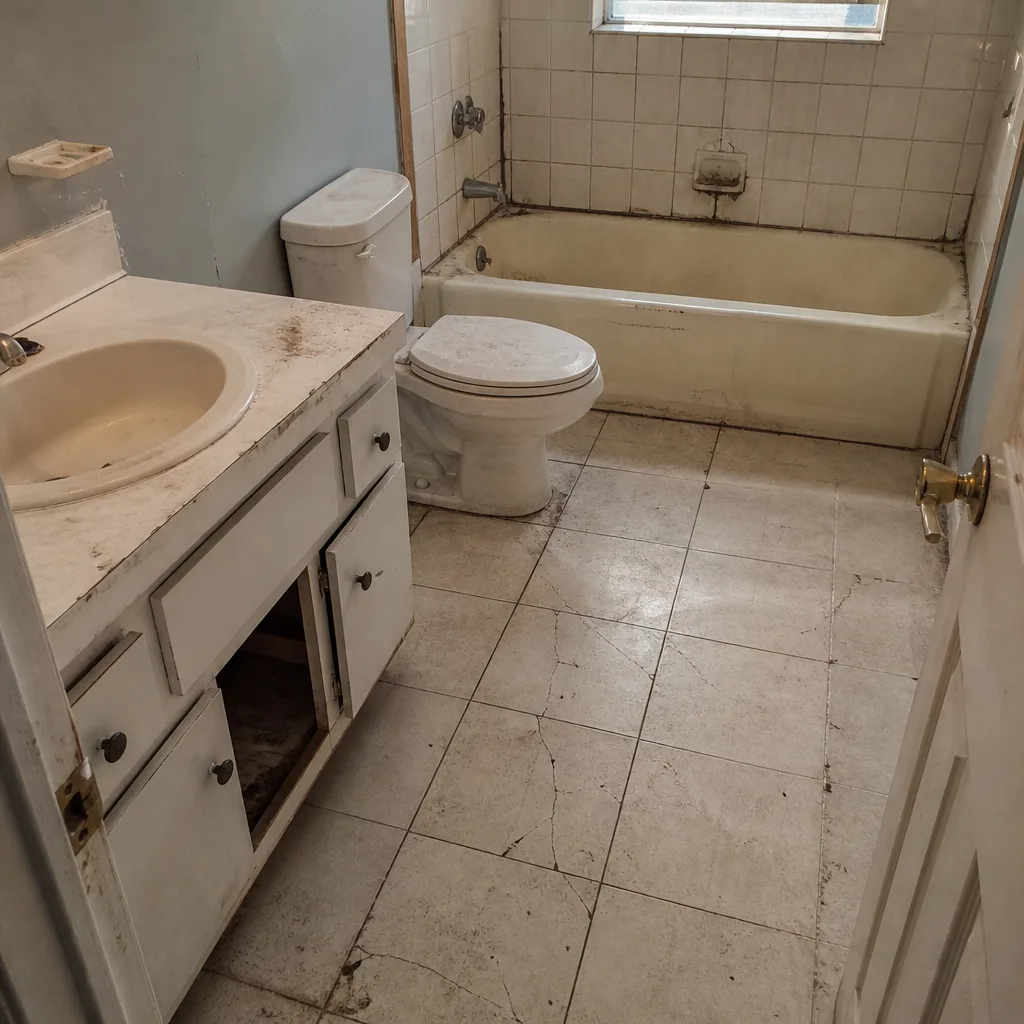 Before
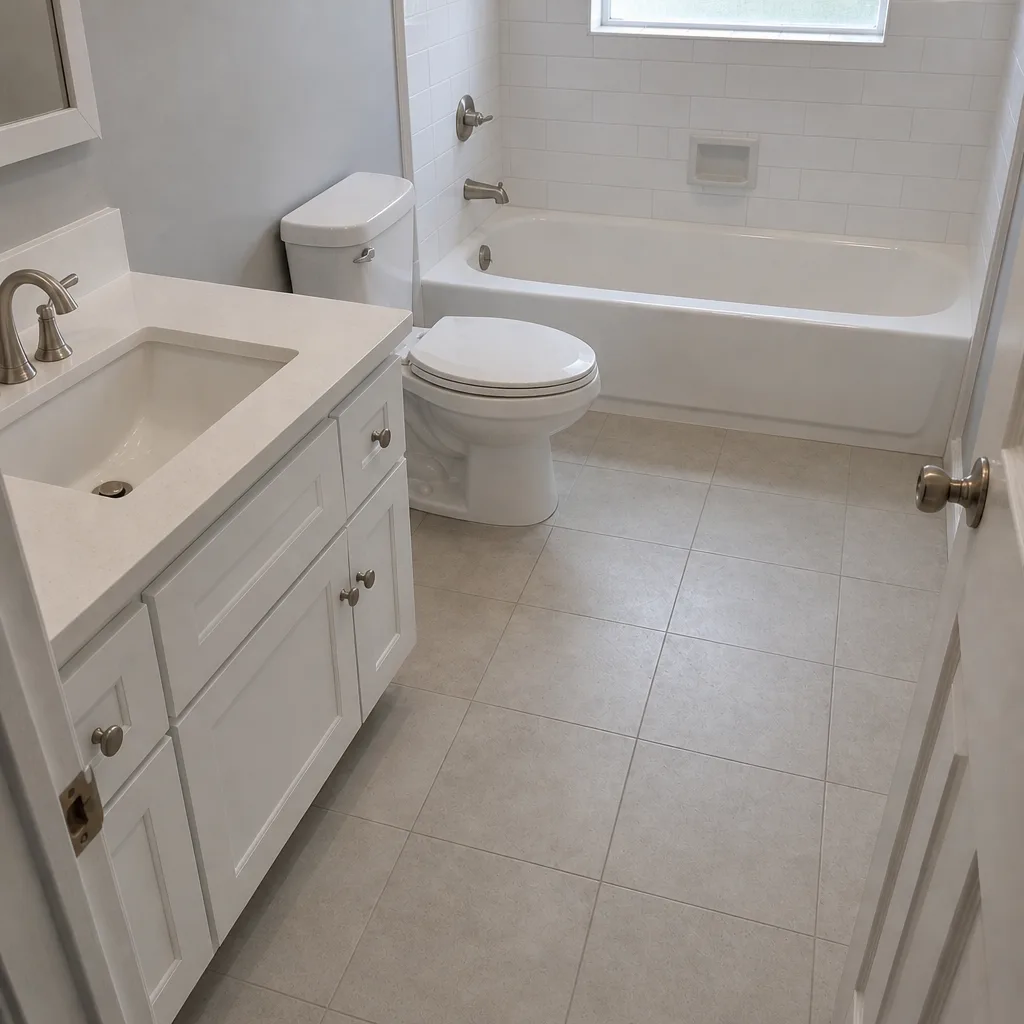 After
Roof Hail Damage Signs in Westchester, FL: What to Look For Before You File a Claim
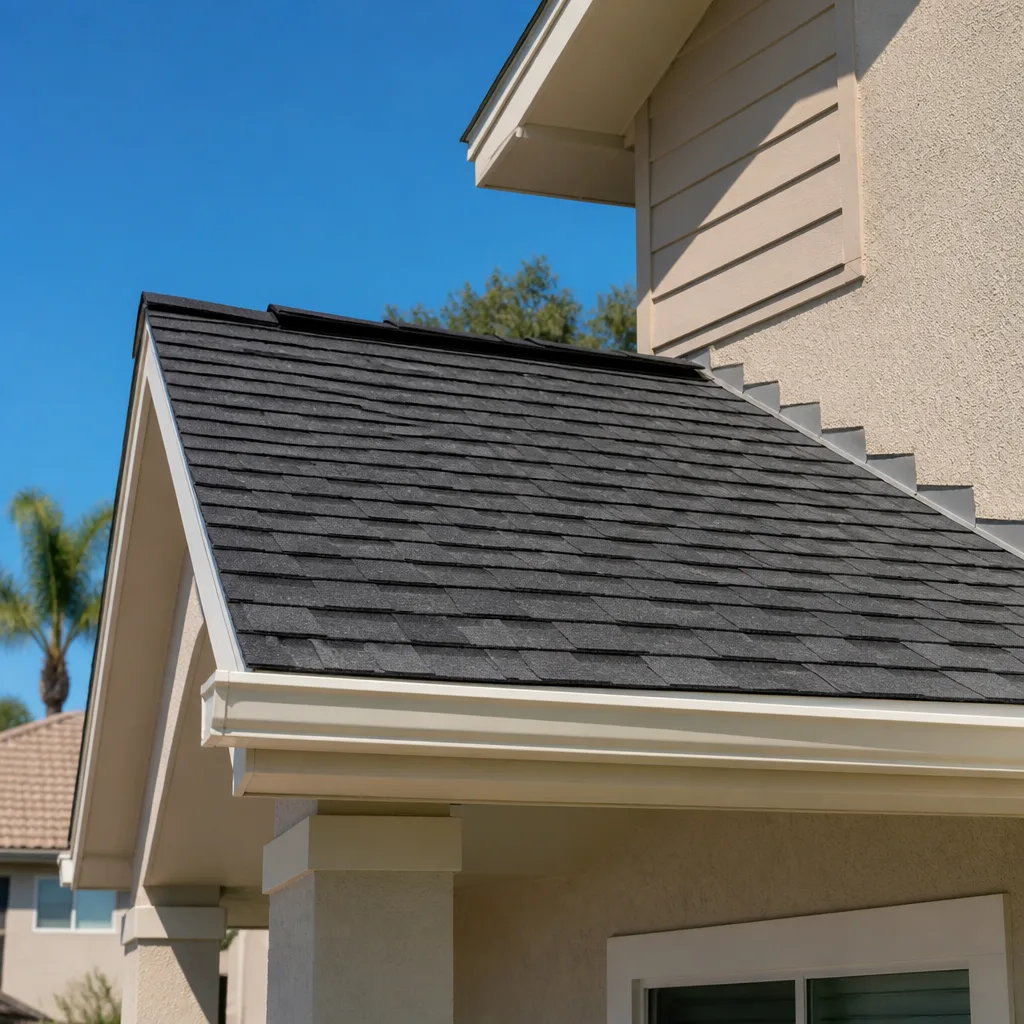
The most common roof hail damage signs in Westchester, FL are not dents in the middle of the tile field - they’re cracked mortar joints along the ridge and hip lines, spalled tile edges, bruised granules on NOA-rated shingles, and flashing that’s been bent away from the wall. Those four spots are where small-to-medium hail driven sideways at 80+ mph during a South Florida thunderstorm cell actually does its damage, and they’re also the spots a midwest-trained insurance adjuster is most likely to walk right past. If you suspect your roof took a hit, call Groundwork Construction Co. of Westchester at (833) 630-4214 for a written assessment before you touch your claim.
Why Westchester Hail Damage Doesn’t Look Like the Storm Videos
Search “hail damage roof” and you’ll get a hundred pages of golf-ball-sized craters on asphalt shingles in Oklahoma. That’s not what happens here. Westchester’s hail events ride in on the same thunderstorm cells that drop two inches of rain in forty minutes, and the stones come in small, dense, and horizontal. A quarter-inch hailstone moving at 80 mph carries real energy, but it doesn’t punch through - it chips, cracks, and bruises.
On a Spanish or Mediterranean tile roof, that shows up as spalling along the exposed tile edges and as hairline fractures in the mortar bed holding the ridge caps and hip tiles. The tile itself often survives. The mortar doesn’t. And once the mortar joint opens even a sixteenth of an inch, every summer rain pushes water into the underlayment. Six months later you’re looking at a ceiling stain and wondering where it came from.
What it does to HVHZ-rated shingles
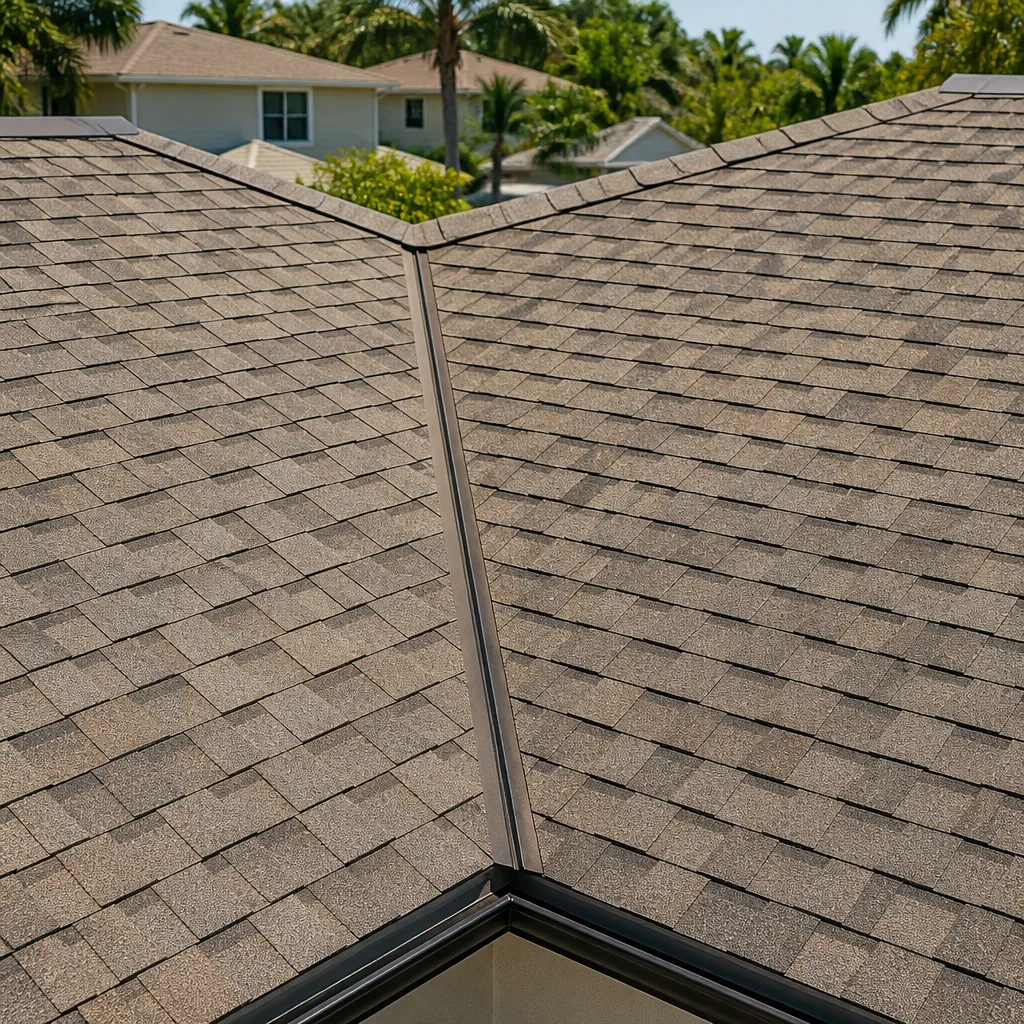
Miami-Dade requires severe testing for any roofing product, and those approvals come with a documented wind-resistance rating. Hail doesn’t have to tear the shingle to compromise that. Granule bruising - the darker, rougher patches where the protective mineral surface has been knocked loose - accelerates UV breakdown on the exposed asphalt beneath. The shingle passes a visual inspection because there’s no hole, no missing tab, no obvious tear. The rating still matters for coverage continuity, and that’s the part most homeowners never hear about until they’re trying to insure or sell the house.
We’ve walked roofs in the 33165 and 33175 ZIPs after a March cell came through and found bruising on the entire west-facing slope while the east slope looked untouched. Hail with a directional wind signature behaves like that. It’s why a ground-level look from the driveway tells you almost nothing.
The Flashing Problem Nobody Documents
Every hail event in Westchester arrives mixed with wind. Lead and aluminum flashing at your chimney, wall intersections, and roof-to-porch transitions is soft metal, and impact bends it. That bend breaks the sealant bond underneath and lifts the metal a few millimeters off the substrate. You can’t see it from the yard. You may not see it from a ladder. You see it when negative pressure from a sideways rainstorm pulls water under the flashing and into the wall cavity.
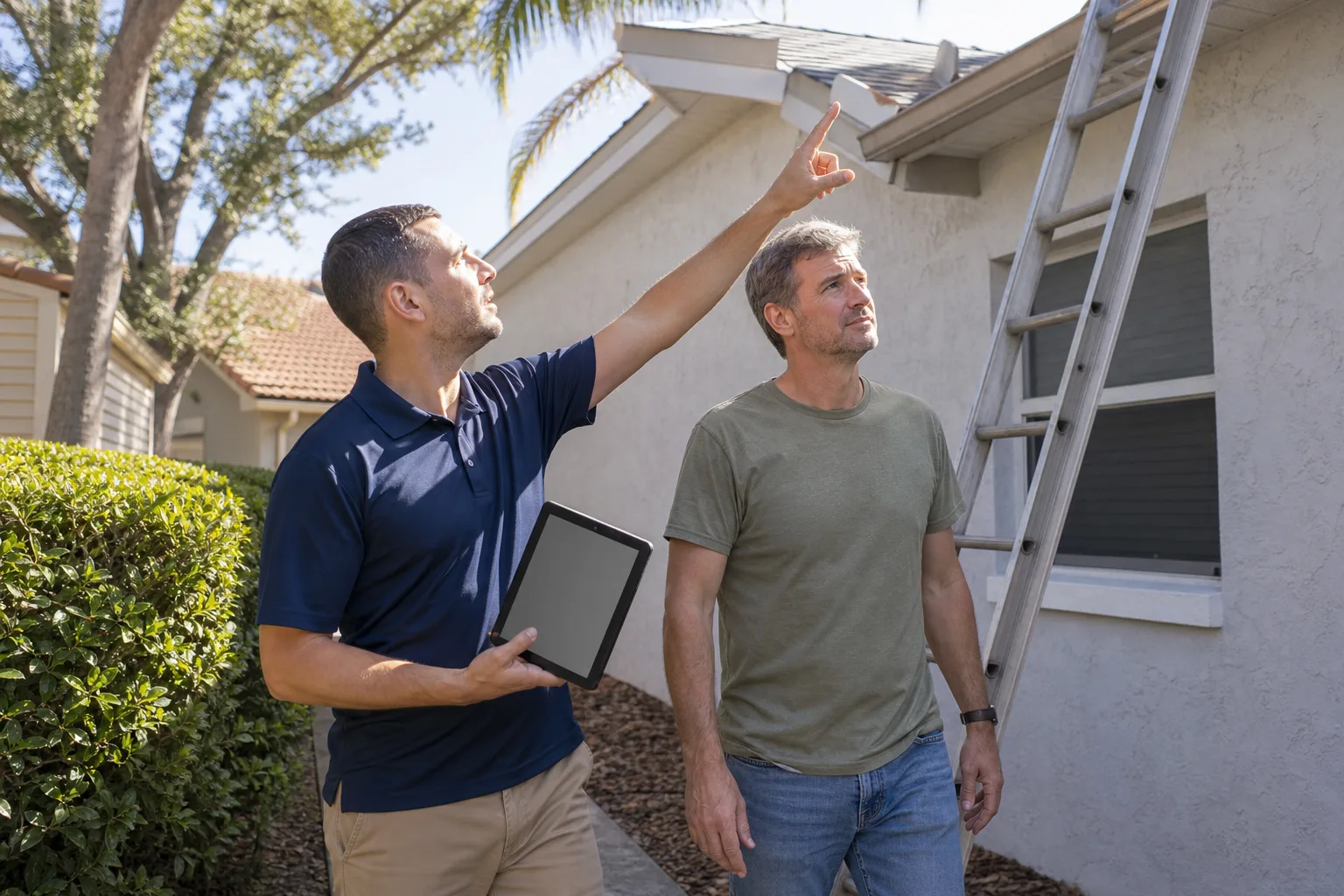
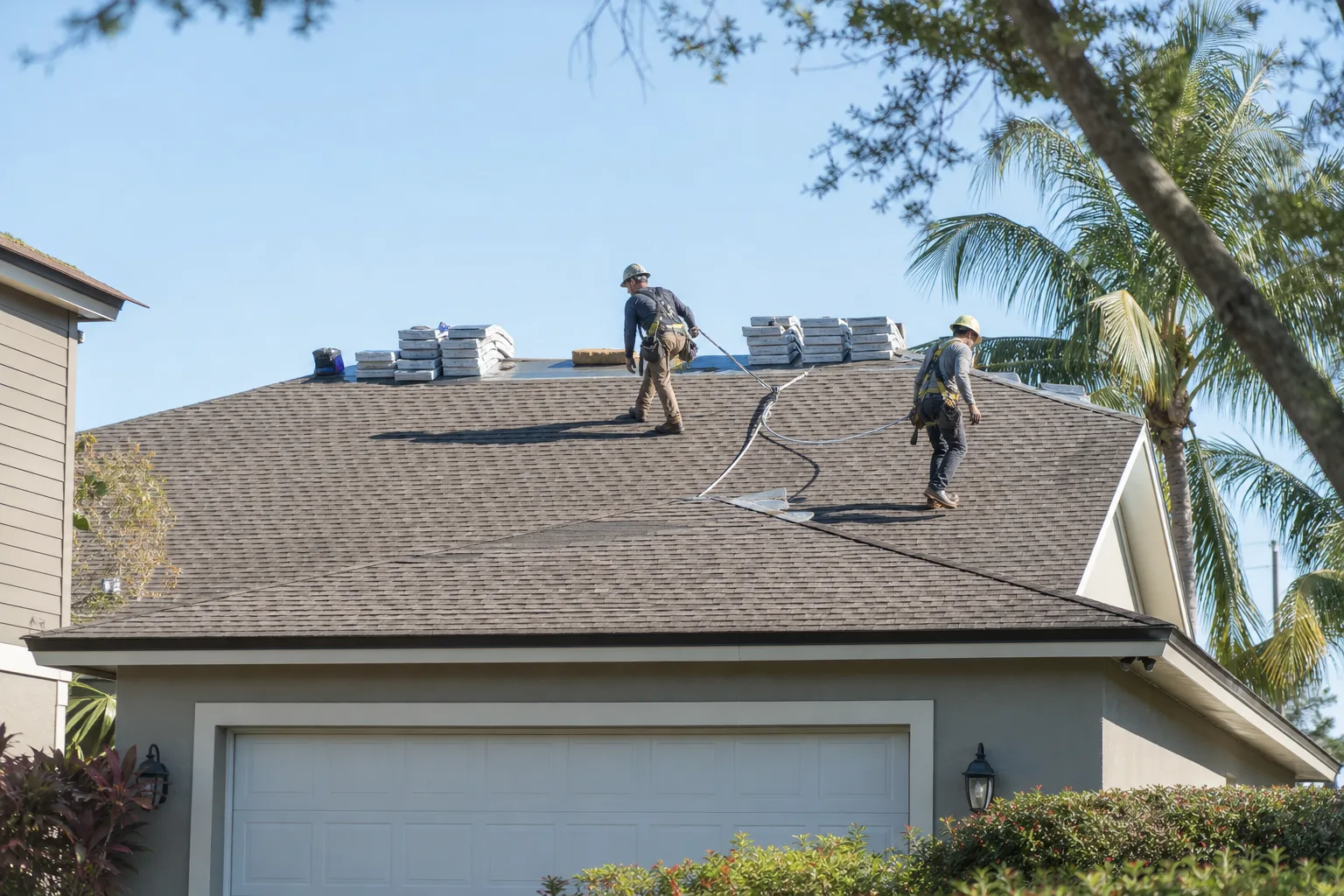
This is where a background-checked, uniformed inspector earns their keep. A verbal walkthrough that says “looks fine up there” leaves you arguing with an adjuster six weeks later with no evidence. A written damage assessment with date-stamped photo documentation - close-ups of the flashing lift, the mortar crack, the granule bruising - is the difference between a claim that gets processed and a claim that gets denied. Our team writes those reports, and insurance adjusters can use them directly.
Your Post-Storm Documentation Checklist
Before you call anyone, build the record. Miami-Dade insurers expect it, and a claim filed without it invites a denial.
- Date-stamped photos of every visible issue - ground-level shots of tile edges, ridge lines, and any interior staining, taken before anything gets cleaned up or repaired.
- A radar archive screenshot for the event date - the National Weather Service and several commercial weather services keep historical radar. Pin the timestamp to the hour the storm crossed your address.
- A written contractor assessment - not a text message, not a verbal quote. A document with photos attached, describing each damaged component and its location on the roof.
- Any loose tile fragments or metal flashing pieces - bag them, don’t toss them. Physical samples are the strongest evidence there is.
- Your current policy declarations page - know your named-storm deductible and any cosmetic damage exclusions before you file.
Filing before you have the documentation is the single most common mistake we see in Westchester. Once a claim is opened and denied without evidence, reopening it is an uphill fight. Get the assessment first.
Common Local Scenarios
The 1980s concrete-block ranch with a low-slope roof
Westchester’s housing stock leans heavily on that 1960s-to-1980s concrete-block ranch with a flat or low-slope rear roof section. Hail on a low-slope membrane doesn’t dent visibly. It scuffs and bruises the top ply, and the damage concentrates at the drain collars and seam laps where water already wants to stand. These are the roofs where a “minor” hail event quietly becomes a roof replacement two summers later.
The tile roof after a March line of storms
Tile roofs dominate Westchester’s Spanish and Mediterranean homes, and they’re the ones where hail damage gets missed most often. The tile field looks intact from the ground. The cracked mortar at the hip and ridge is the tell. We regularly find three or four failed joints on a single hip after a storm that never made the news.
The recently replaced roof
Newer roofs are not immune, and a fresh installation changes your coverage picture. If you’re within your manufacturer’s warranty window when a hail event hits, you want documentation that separates storm damage from installation defects before you call either party. Our Roofing work is backed by GAF and CertainTeed materials and the 730-Day Done Right Promise - if something isn’t done right, we make it right. That matters when you’re trying to prove a bruise came from weather, not workmanship.
When to Call, and What It Costs to Find Out
A roof repair in Westchester runs $400 to $1,800. A targeted tile roof repair runs $600 to $2,500. A full roof replacement runs $8,000 to $20,000. Those ranges tell you why the assessment matters: if you’re looking at a flashing lift and two cracked mortar joints, you’re in repair territory. If the bruising spans a whole slope on an aging roof, you may be looking at replacement.
| What we find | Typical Westchester cost |
|---|---|
| Flashing reseal and mortar joint repair | $400-$1,800 |
| Tile replacement at spalled edges and ridge | $600-$2,500 |
| Full roof replacement (shingle or tile) | $8,000-$20,000 |
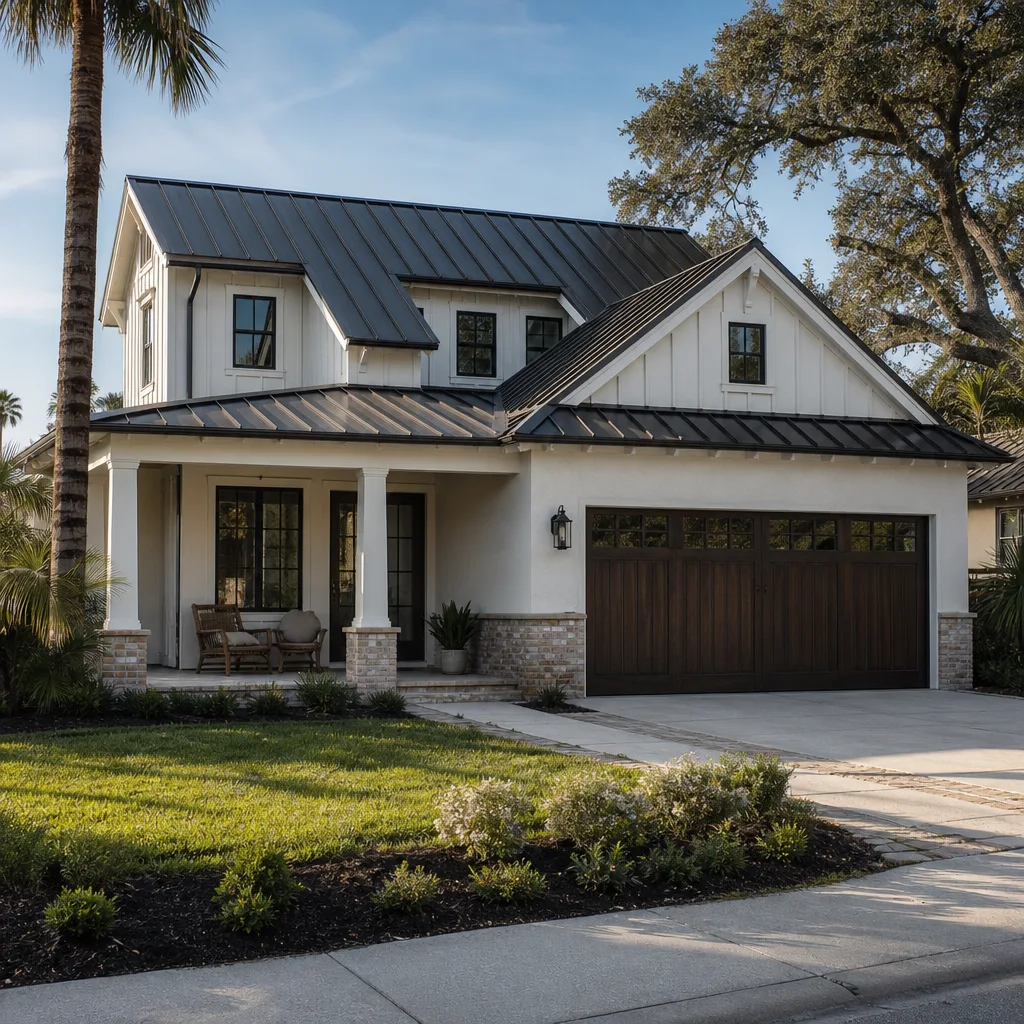
| Metal roof replacement | $15,000-$40,000 |
Before any of that happens, you need the assessment. Our inspectors arrive background-checked and in uniform, and you get upfront pricing with no surprises. Projects over $10,000 qualify for $1,000 off, and 0% financing is available for 18 months. Every project carries the 730-Day Done Right Promise, which is one of the longest workmanship guarantees in residential construction. Calls are answered by a live person, 24/7 - no voicemail, no waiting until Monday.
The Westchester service area is unincorporated Miami-Dade, which means any roof repair or replacement here runs through county e-permitting and HVHZ product approval rather than a city building department. Our technicians have up to 12 years of experience navigating that process, and our material partners include Mr-Glass and Therma-Tru for the related window and door work that often follows a storm claim.
FAQs
Start at the ridge and hip lines, then check the flashing - cracked mortar joints, spalled tile edges, and soft metal pulled away from the wall are the earliest indicators in South Florida. Center-mass dents show up last, and often never on a tile roof. If you see any of the three, call (833) 630-4214 for a free written assessment - estimates cost you nothing.
Coverage depends on your policy and your documentation, not on whether there’s a hole. Granule bruising and bent flashing are legitimate covered damage when they’re photographed and described in a written contractor report. Adjusters trained on midwest claims routinely miss both, so the report does the arguing for you. Call (833) 630-4214 and we’ll build that report before you file.
Florida law gives you a limited window to file a new property claim, and it’s shorter than most homeowners assume - don’t wait for the next rainy season to confirm the damage. Call (833) 630-4214 now and schedule the inspection. Estimates are free, and same-day appointments are often available.
It can, and that’s why bruising on an NOA-rated shingle matters more than the cosmetic scuff suggests. A damaged surface can compromise the documented wind resistance behind your product approval, which affects coverage and resale. Have it assessed and documented rather than assumed. Call (833) 630-4214 for a straight answer.
Get It Looked At Before You File
If you’d rather have it looked at, Groundwork Construction Co. of Westchester offers a no-pressure assessment in Westchester - call (833) 630-4214. We’ll walk the roof, photograph what we find, and put it in writing you can hand to your adjuster. Live person, 24/7. Free estimate, upfront pricing, no surprises.
Written by the team at Groundwork Construction Co. of Westchester, serving Westchester, FL.