
Free written scope consultation - allowances, timeline, and change-order rules on paper before a single trade is scheduled
Styles & brands we work with
- Kitchen remodeling
- Bathroom remodeling
- Home additions & ADU
- Roofing
- Windows & doors
- Driveway & pavers
- Fence
See the difference
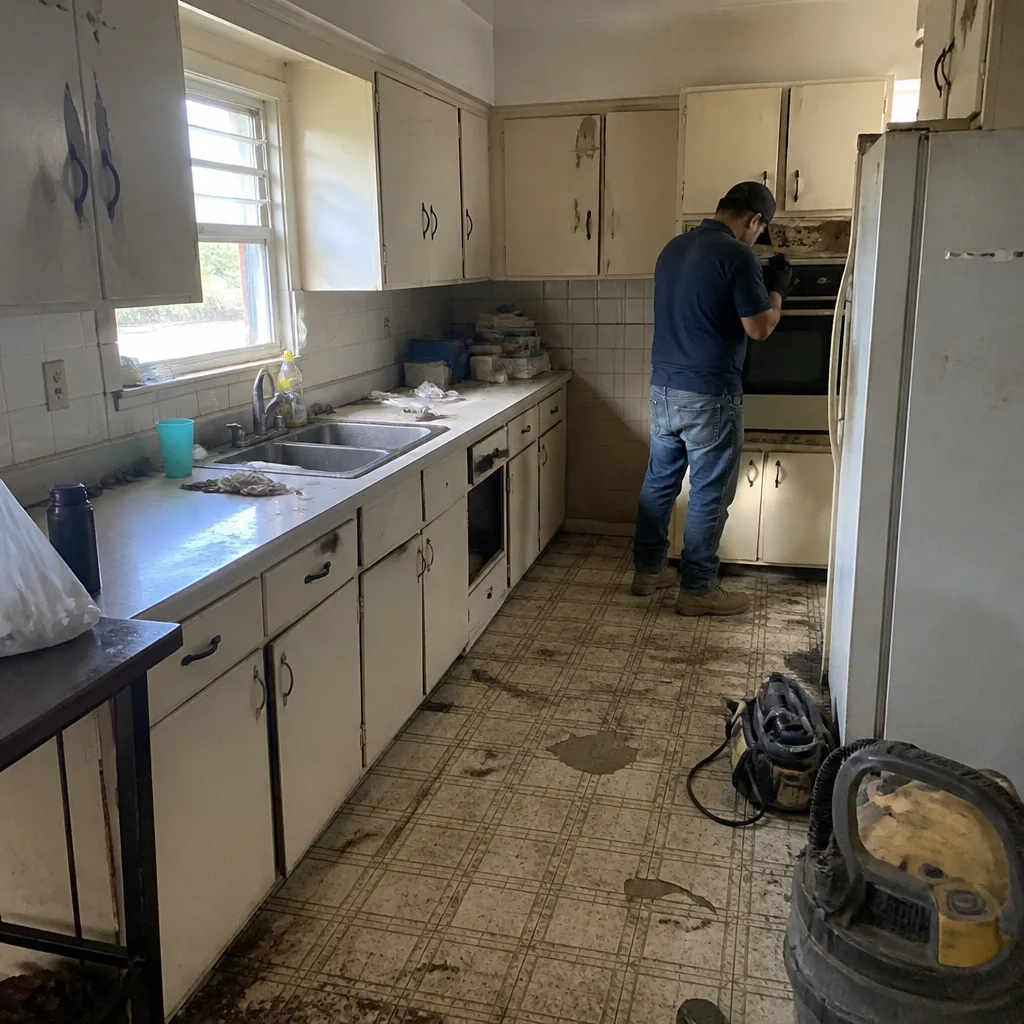 Before
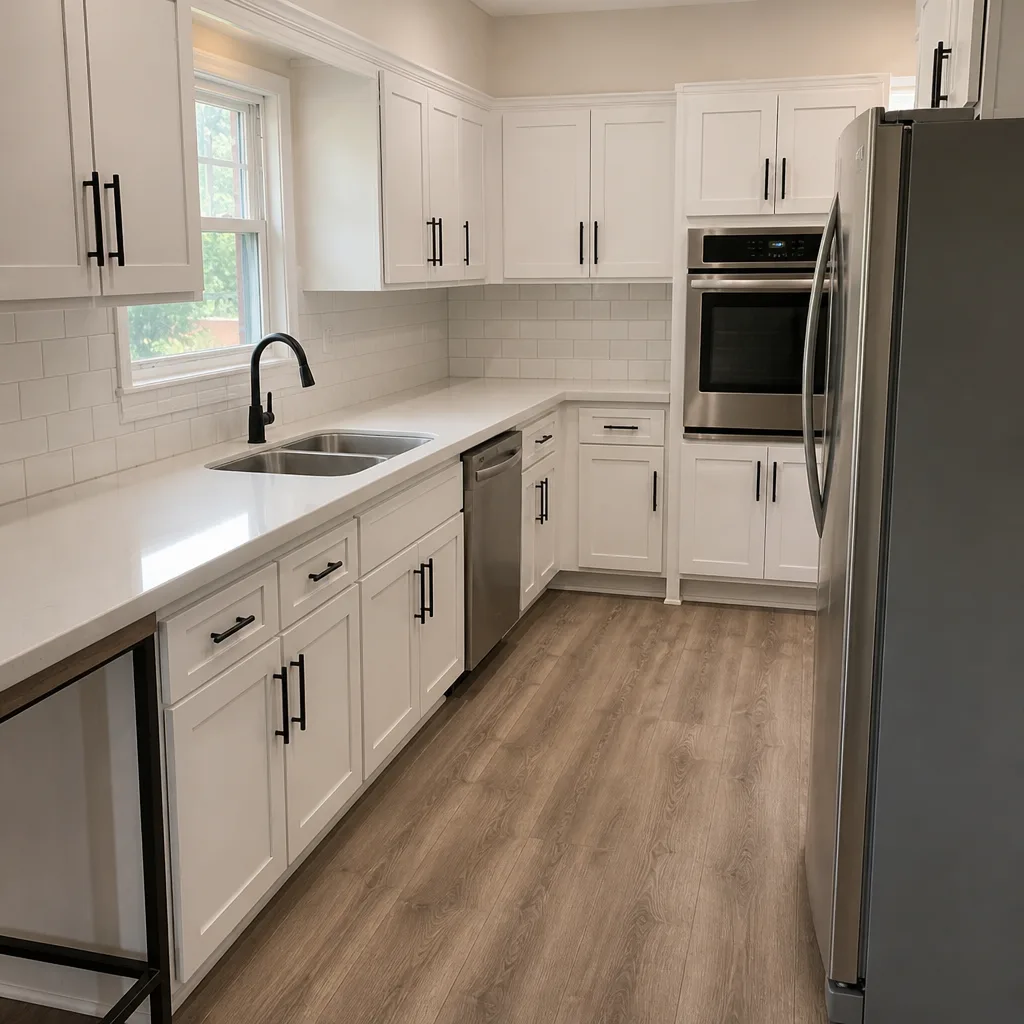 After
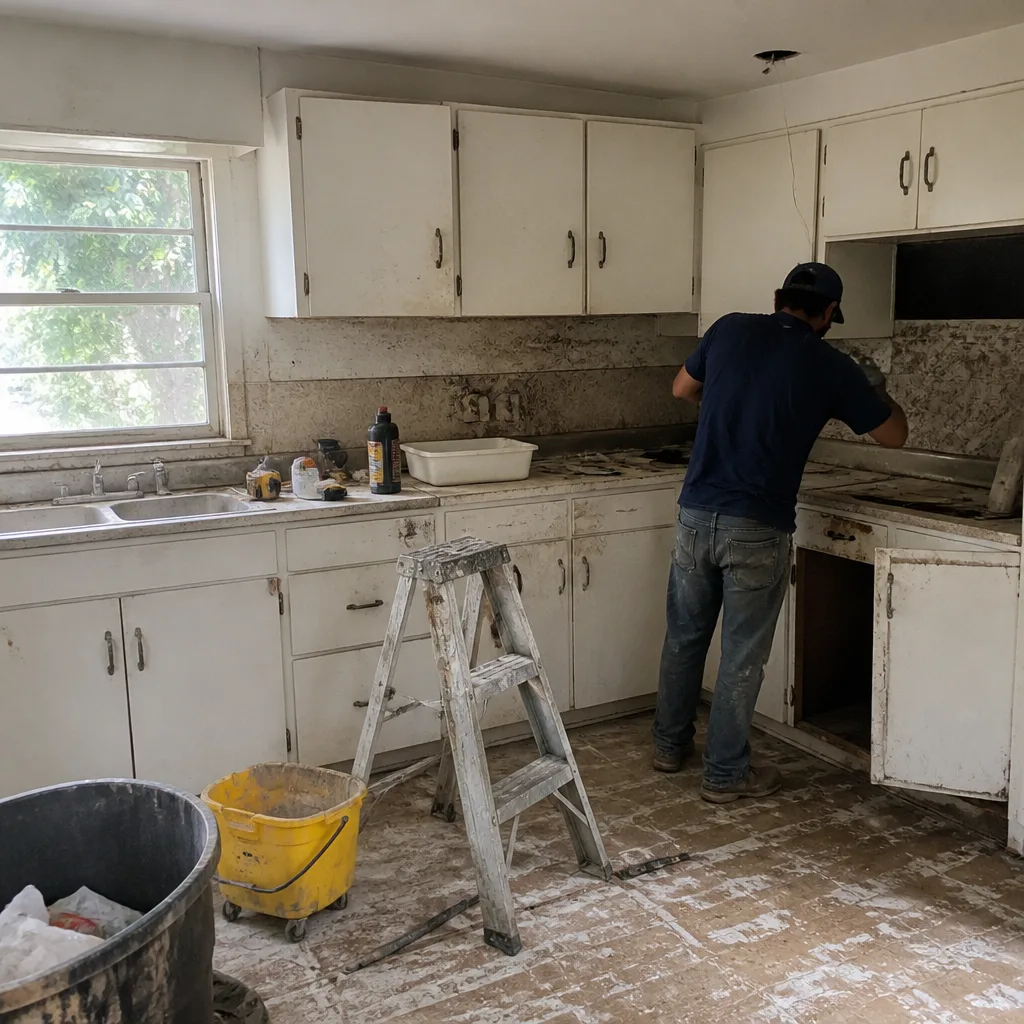 Before
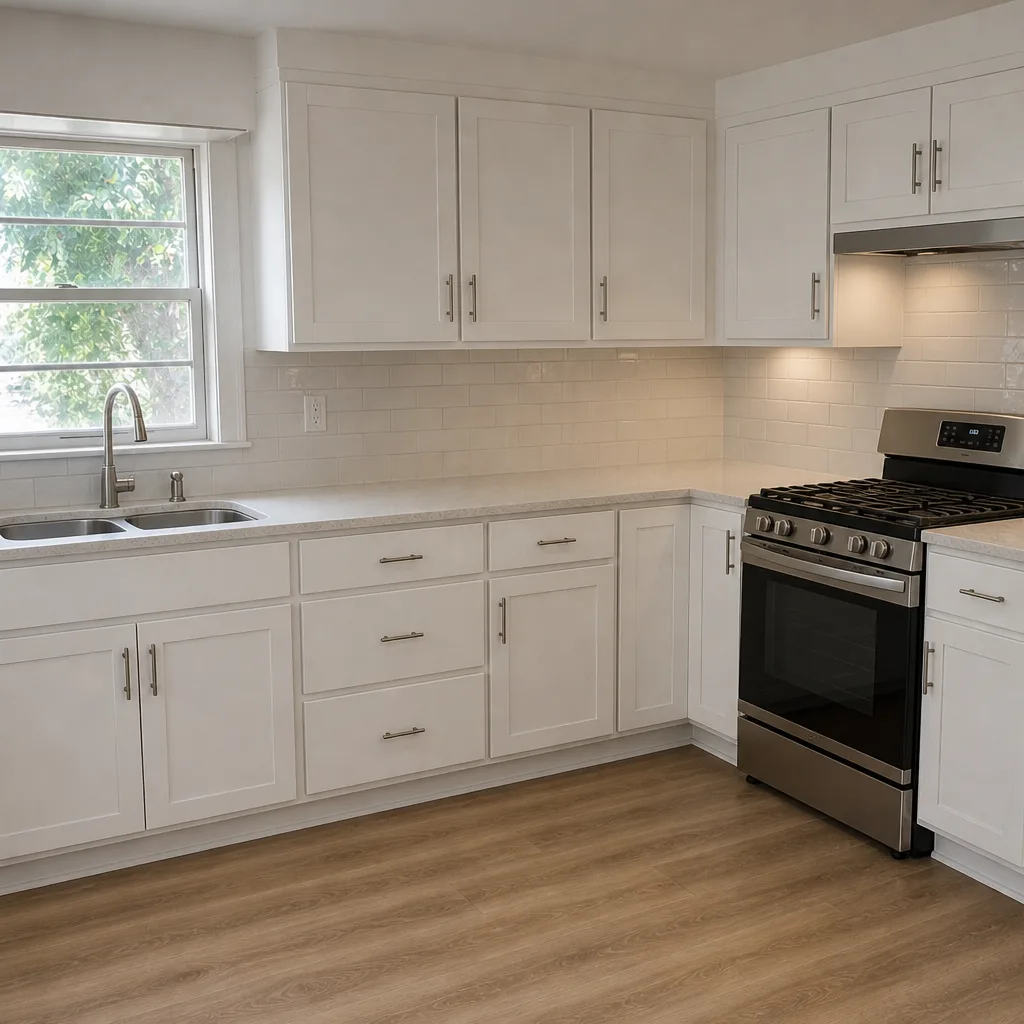 After
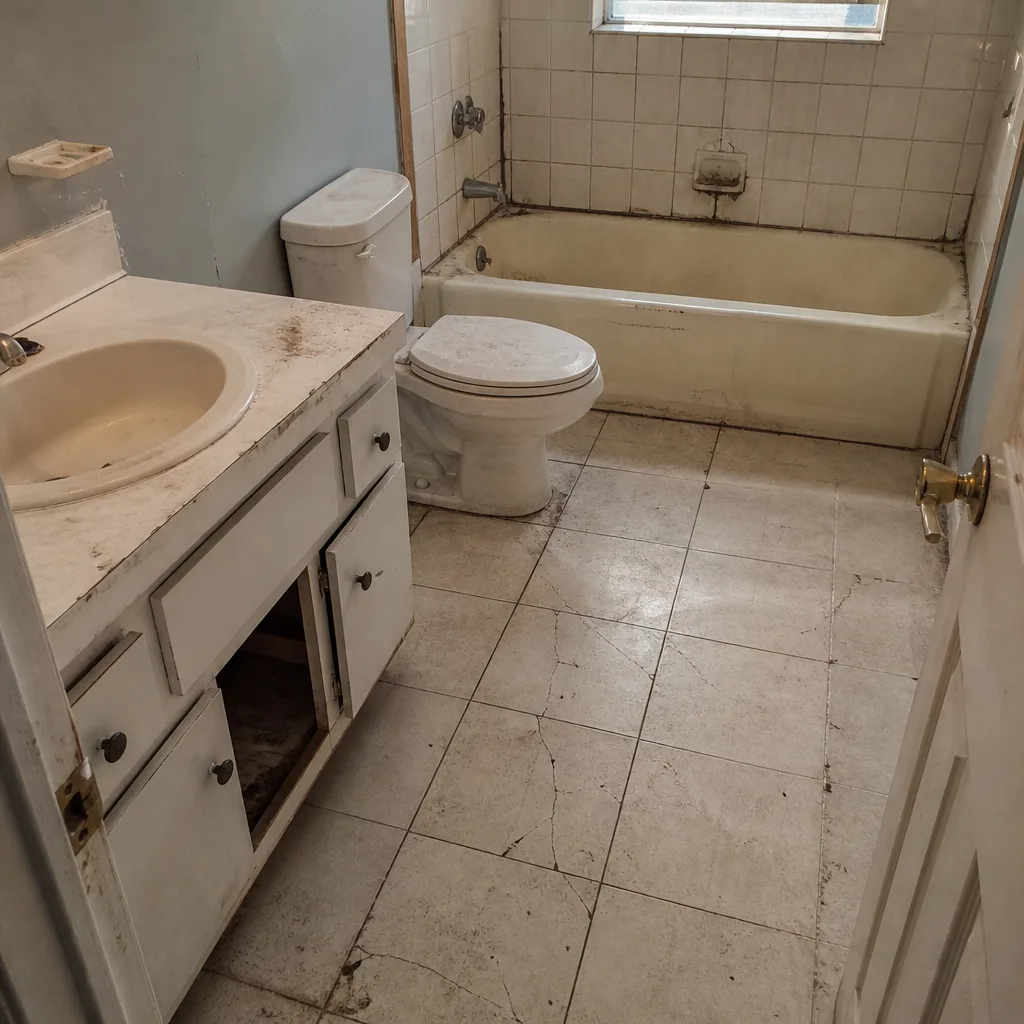 Before
 After
Clay vs Concrete Roof Tiles in Westchester, FL: Which Tile Belongs on Your Roof?
Choose concrete tile unless the structural check on your Westchester roof deck flags a dead-load problem, in which case clay’s lighter footprint wins by default. Concrete runs roughly 9-12 lbs per square foot, clay sits around 6-8, and on a 1975 Mediterranean home built to a 10-12 lb/sf deck capacity, that gap isn’t a style choice. It can be an engineering requirement. Call (833) 630-4214 and we’ll walk your roof, read the deck, and tell you which one your house can actually carry.
Key Takeaways
- Weight, not looks, decides most clay-vs-concrete calls on Westchester’s older concrete-block homes.
- Concrete tile chalks and fades faster under South Florida UV; clay holds color because it’s kiln-fired through.
- Miami-Dade requires a valid NOA covering the tile and the attachment system – not just the tile.
- Wind-driven rain gets in through underlayment and flashing failures, not cracked tiles.
- We itemize structural assessment, NOA-compliant underlayment, and e-permitting so you compare real numbers.
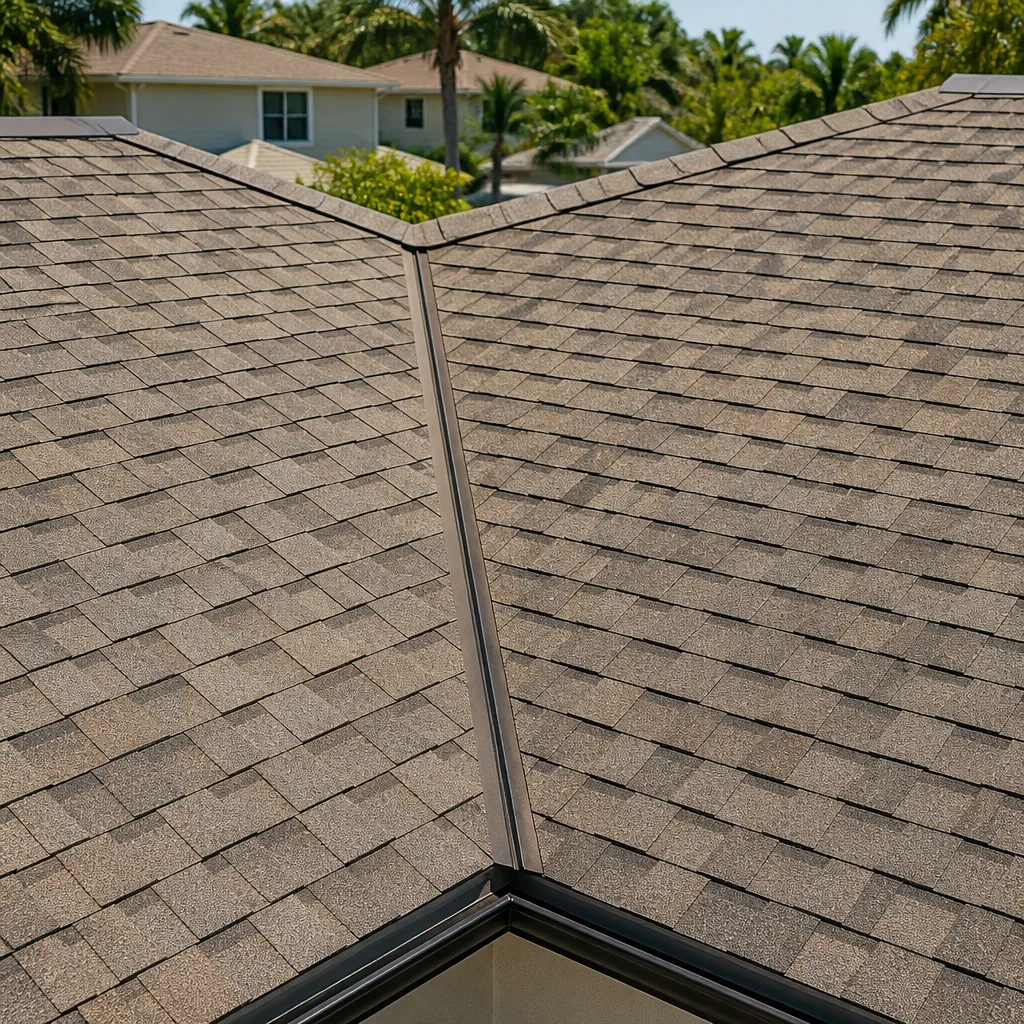
Why Westchester Roofs Make This Decision Harder Than the National Guides Admit
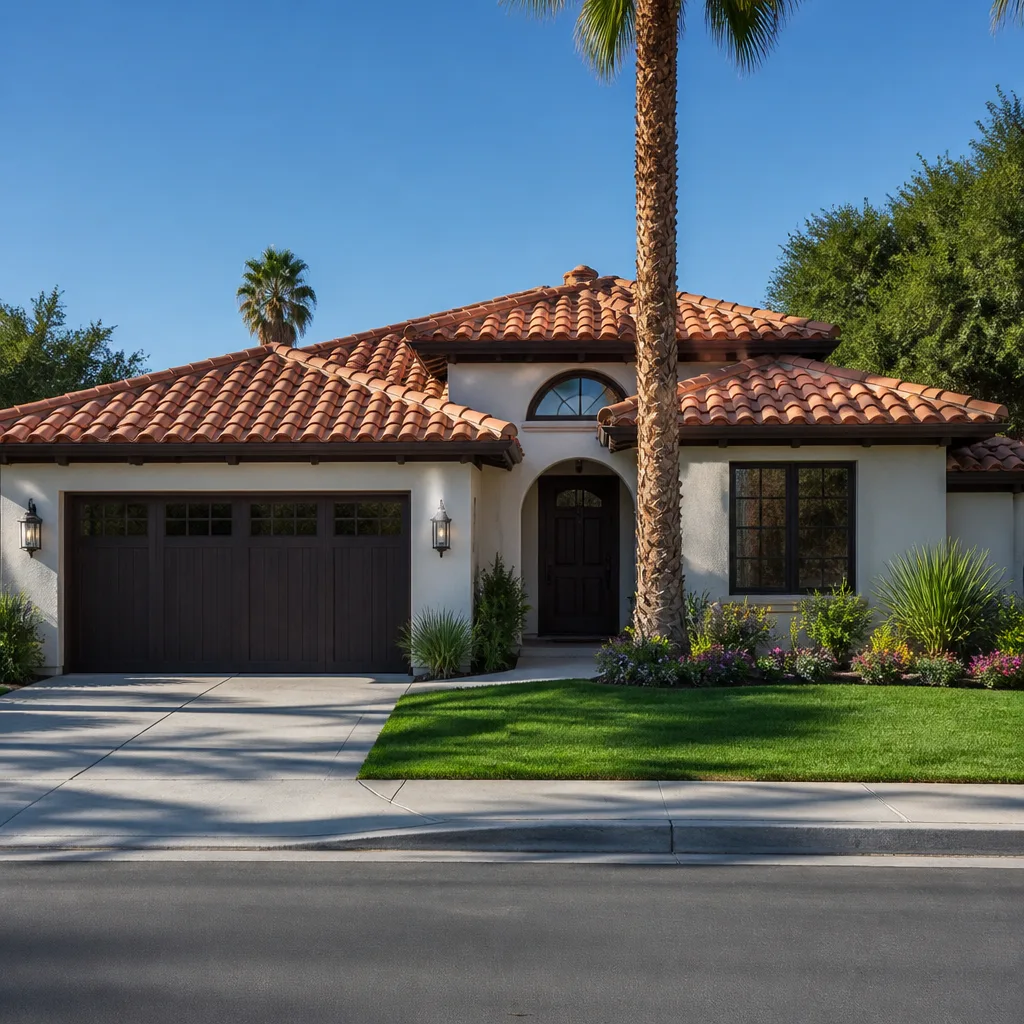
Most clay-vs-concrete articles are written for a neutral climate and a modern deck. Westchester isn’t neutral. This is an unincorporated pocket of Miami-Dade, which means there’s no city hall to sign off on your roof – every permit, inspection, and product approval runs through Miami-Dade County e-permitting and county inspectors. The housing stock skews to 1960s-80s concrete-block ranch and Spanish/Mediterranean homes, many with flat or low-slope roofs and stucco walls, plus a steady stream of infill replacement where older houses come down for larger two-story builds.
That mix matters because the roof deck under a 1975 Mediterranean home was poured and framed for a specific dead load. Not a flexible one. A deck engineered around a certain tile weight doesn’t happily accept a heavier system 50 years later without someone checking the trusses and the connection details. That’s the first thing we look at in Westchester, before a single tile gets discussed.
Then there’s the hurricane zone. Miami-Dade’s High-Velocity Hurricane Zone rules mean roof-to-wall and roof-to-deck connections, strap nailers, and strict product approval documentation all apply to your tile roof. The county is the permitting authority here, working through our Westchester service area the same way it does everywhere in unincorporated Dade.
How Clay and Concrete Actually Compare on a Westchester Roof
Here’s the honest side-by-side, weighted for what South Florida does to a roof rather than what looks good in a showroom.
| Factor | Concrete Tile | Clay Tile |
|---|---|---|
| Weight per square foot | ~9-12 lbs/sf | ~6-8 lbs/sf |
| Color stability under UV | Surface color; chalks and fades over time | Kiln-fired through the body; holds color |
| Heat behavior | Expands and contracts more with 90°+ swings | More dimensionally stable |
| Dead-load fit for older CB decks | Needs a structural check on many 1960s-80s homes | Often the safer fit on a lighter deck |
| NOA coverage | Tile plus mortar/adhesive or batten system | Tile plus mortar/adhesive or batten system |
| Typical installed range | At the lower end of a full tile replacement | Higher material cost |
Notice what’s not on that table: which one “looks nicer.” That’s your call, and both read as genuine Mediterranean on a Westchester Spanish-style home. The engineering and maintenance columns are where the real decision lives.
The heat problem nobody puts on the spec sheet
South Florida’s UV load and months of 90-degree-plus afternoons are hard on concrete tile surfaces. Concrete tiles are colored at the surface, and that surface chalks and fades faster here than in milder markets – you’ll see it as a dull, powdery wash on older roofs. Clay is fired at high heat, so the color runs through the tile body and doesn’t chalk off. If long-term color stability without recoating matters to you, clay earns its premium. That’s a maintenance reality, not a sales pitch, and it’s the kind of thing a manufacturer’s data sheet tends to leave out.
The underlayment is where your roof actually leaks
When wind-driven summer rain gets into a Westchester tile roof, it almost never comes through a cracked tile. It comes through a failed underlayment or a flashing detail that gave up. Tile is the rain screen; the underlayment underneath is the waterproofing. That means the spec that matters most is identical whether you choose clay or concrete – a NOA-compliant underlayment and properly detailed flashing at valleys, penetrations, and wall junctions. Skip that and you’ve bought expensive tiles over a leak waiting to happen.
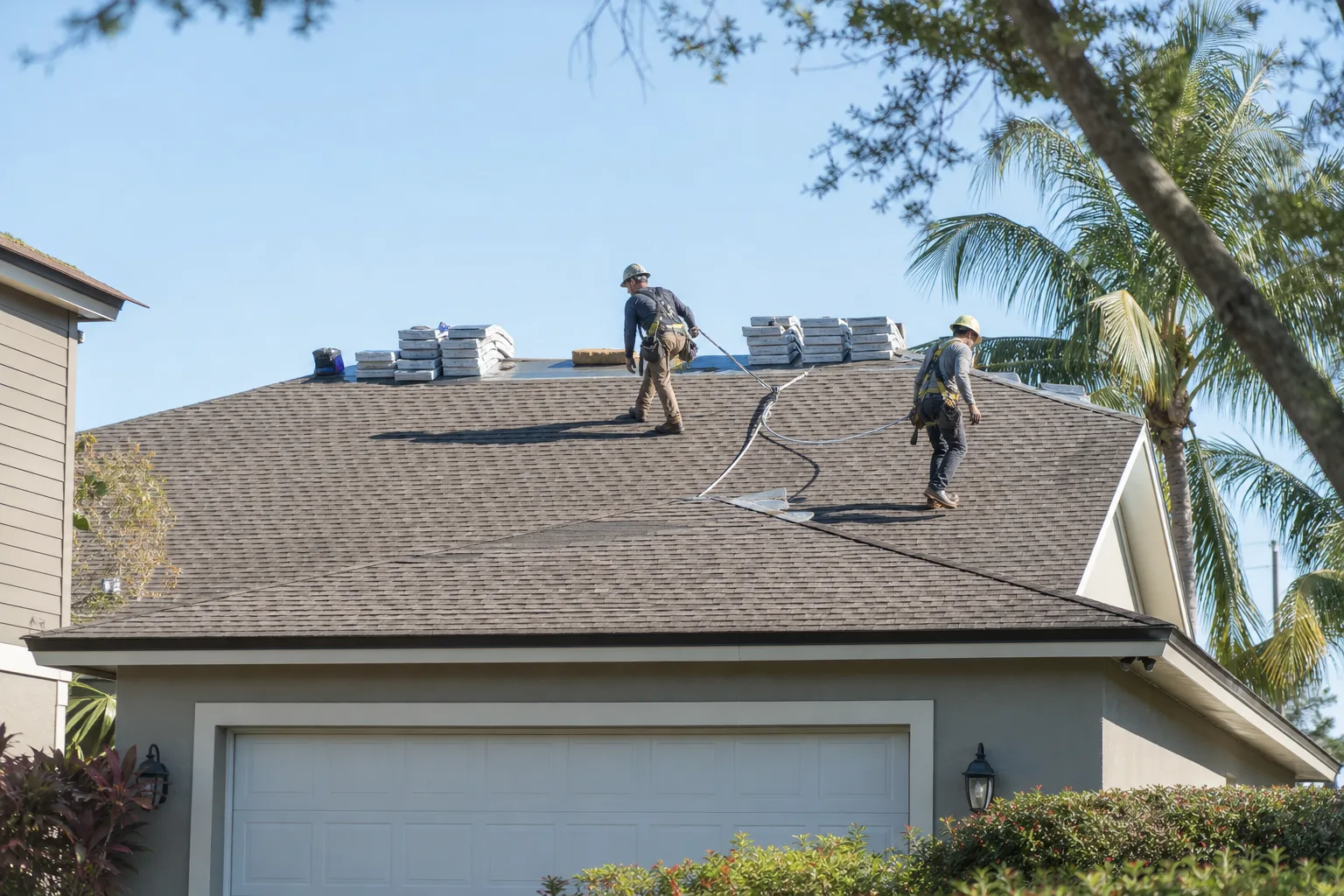
What Miami-Dade Inspectors Want Before Work Starts
This is the part that catches out contractors who source tile from a local yard without checking the full system. Miami-Dade’s HVHZ rules require a valid Notice of Acceptance – an NOA – that covers both the tile product and the attachment method: the mortar or adhesive set, or the batten system holding it down. A tile with an NOA doesn’t help you if the adhesive or batten it’s installed with isn’t on that same approval. The inspector checks the permit set, and an incomplete system approval stalls the job.
We verify the full system approval before we order material and build the permit package around it. Because Westchester runs through county e-permitting rather than a municipal building department, that documentation has to be right the first time – there’s no friendly local plans examiner to sort it out in person. That’s what we mean by county-level code fluency being the defining skill here. When we take on Roofing work in Westchester, the NOA paperwork is part of the job, not an afterthought.
What This Costs in Westchester, and Why the Line Items Matter
A full tile roof replacement in Westchester typically lands in the $8,000-$20,000 range, with clay sitting toward the higher end on material. Tile roof repair, when the deck and underlayment are sound, runs $600-$2,500. The catch is that a bare “installation” number hides the costs that actually decide whether your roof passes inspection and lasts: the structural check, the NOA-compliant underlayment, and the county e-permitting fees.
- Structural assessment of the existing deck and trusses – required before switching tile types.
- NOA-compliant underlayment and flashing – the waterproofing layer that actually keeps rain out.
- Miami-Dade e-permitting fees – county-level, not a city sign-off.
- Tile and attachment system – verified as an approved pair, not sourced piecemeal.
We itemize each of those so you can compare clay against concrete on true apples-to-apples numbers instead of two vague lump sums. Upfront pricing means the number you see is the number you pay. And when tile work is part of a larger project, we back the workmanship with our 730-Day Done Right Promise – if it’s not done right, we make it right. We work with established tile and roofing brands like Boral for tile and IKO across the broader roof package, and our technicians bring up to 12 years of experience to the deck.
So Which Tile Should You Put on Your Westchester Home?
If your deck checks out and you want the lower material cost with a straightforward install, go concrete. If the structural read shows a lighter deck, or long-term color stability without recoating matters to you, clay is the smarter buy despite the higher material price. Either way, the underlayment and NOA documentation do more for how long your roof lasts than the tile choice alone.
FAQs
Concrete is the better value when your deck can carry it; clay is better when the structural check shows a lighter deck or when you want color that won’t chalk under South Florida UV. The deciding factor is dead-load capacity, not appearance.
A full tile roof replacement in Westchester runs about $8,000-$20,000, with clay toward the higher end because of material cost. Call (833) 630-4214 for an exact quote – we itemize the structural check, underlayment, and county permitting so the comparison is real.
Only after a structural check on the existing deck and trusses – clay is lighter, but the deck, connections, and attachment system still have to be verified, and the full tile-plus-attachment system needs a valid Miami-Dade NOA. We assess the deck before recommending any switch.
Yes. Because Westchester is unincorporated Miami-Dade, your tile roof needs a valid NOA covering both the tile and the mortar, adhesive, or batten system, plus county e-permitting rather than a city permit. An incomplete system approval will hold up your inspection.
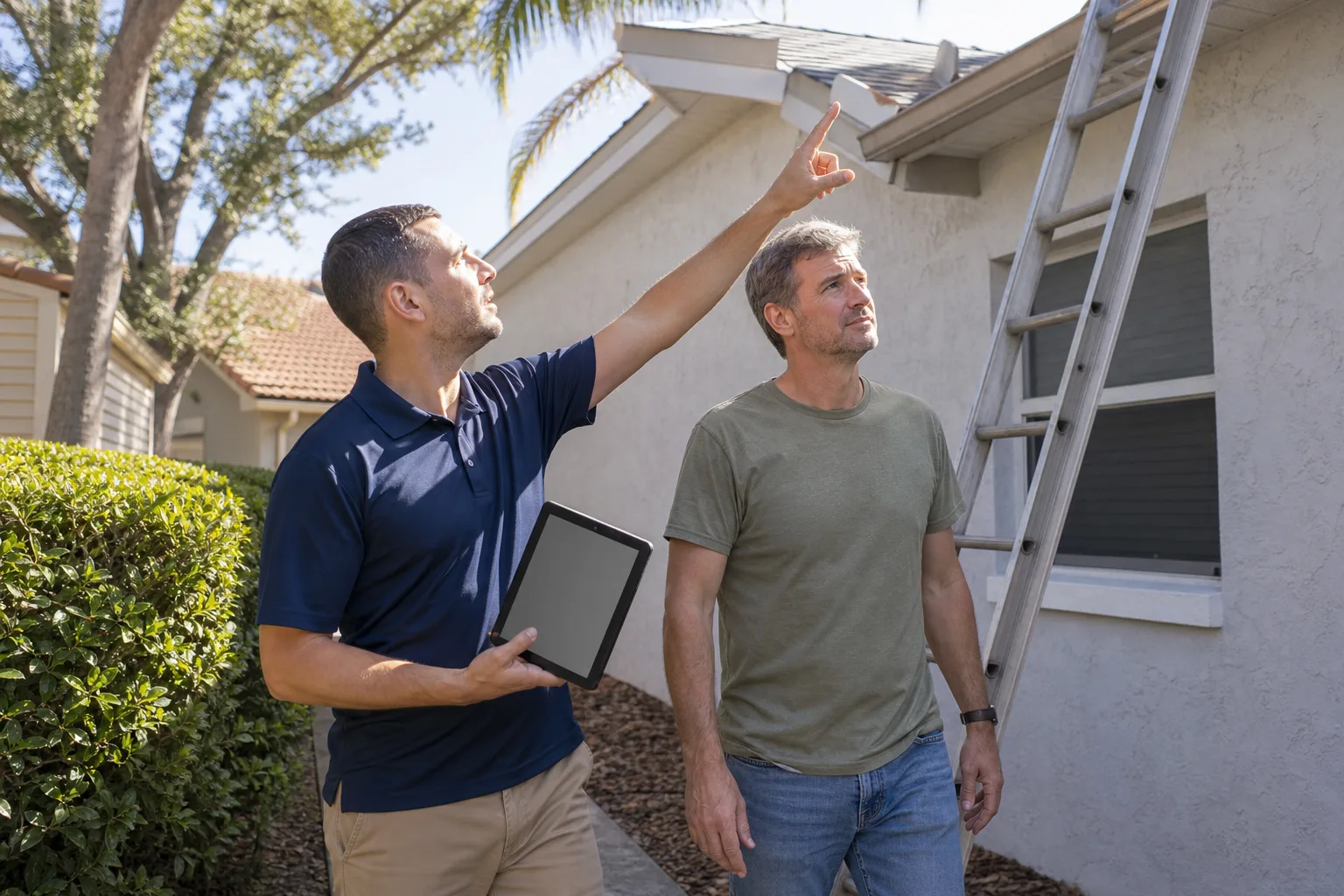
If you’d rather have it looked at, Groundwork Construction Co. of Westchester offers a no-pressure assessment in Westchester – call (833) 630-4214. We’ll read the deck, check the NOA requirements, and give you straight numbers on clay versus concrete before you commit to either.
Written by the team at Groundwork Construction Co. of Westchester, serving Westchester, FL.