

Free written scope consultation - allowances, timeline, and change-order rules on paper before a single trade is scheduled
Styles & brands we work with
- Kitchen remodeling
- Bathroom remodeling
- Home additions & ADU
- Roofing
- Windows & doors
- Driveway & pavers
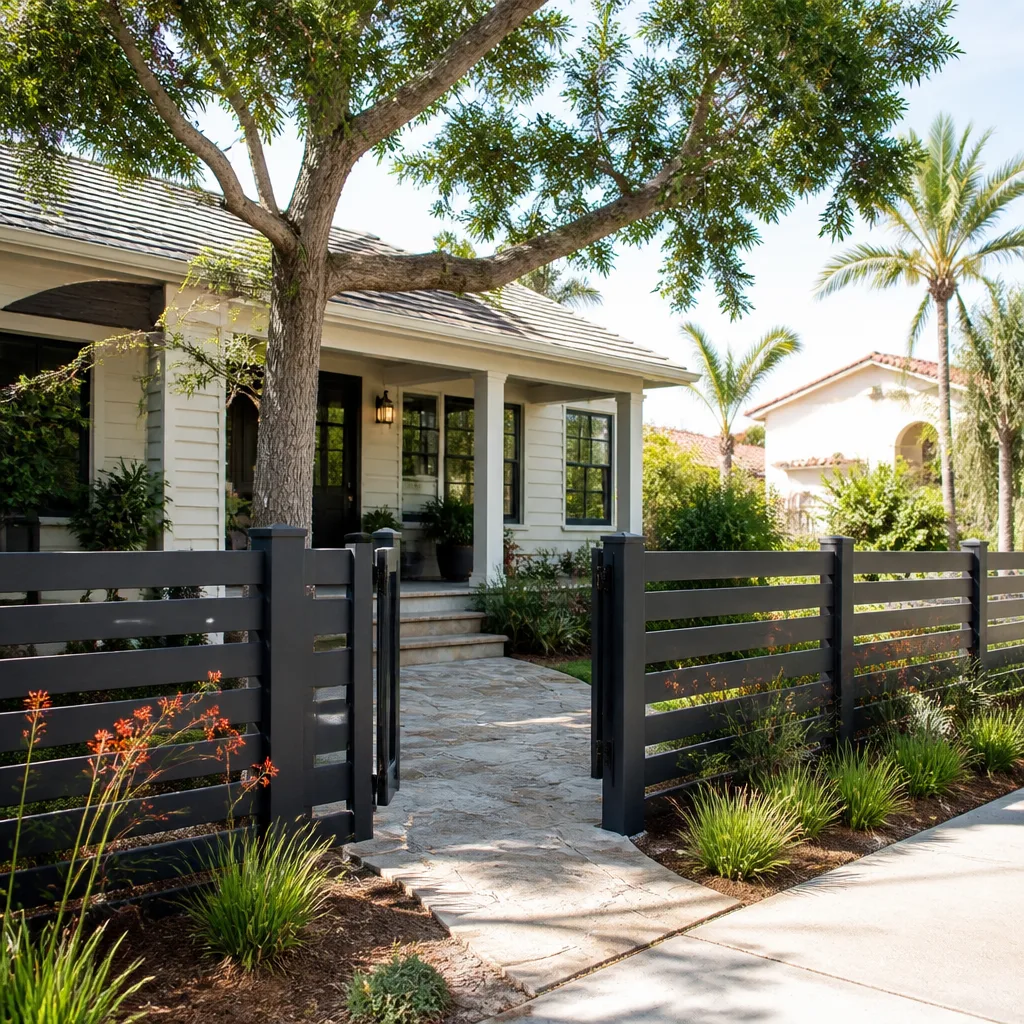
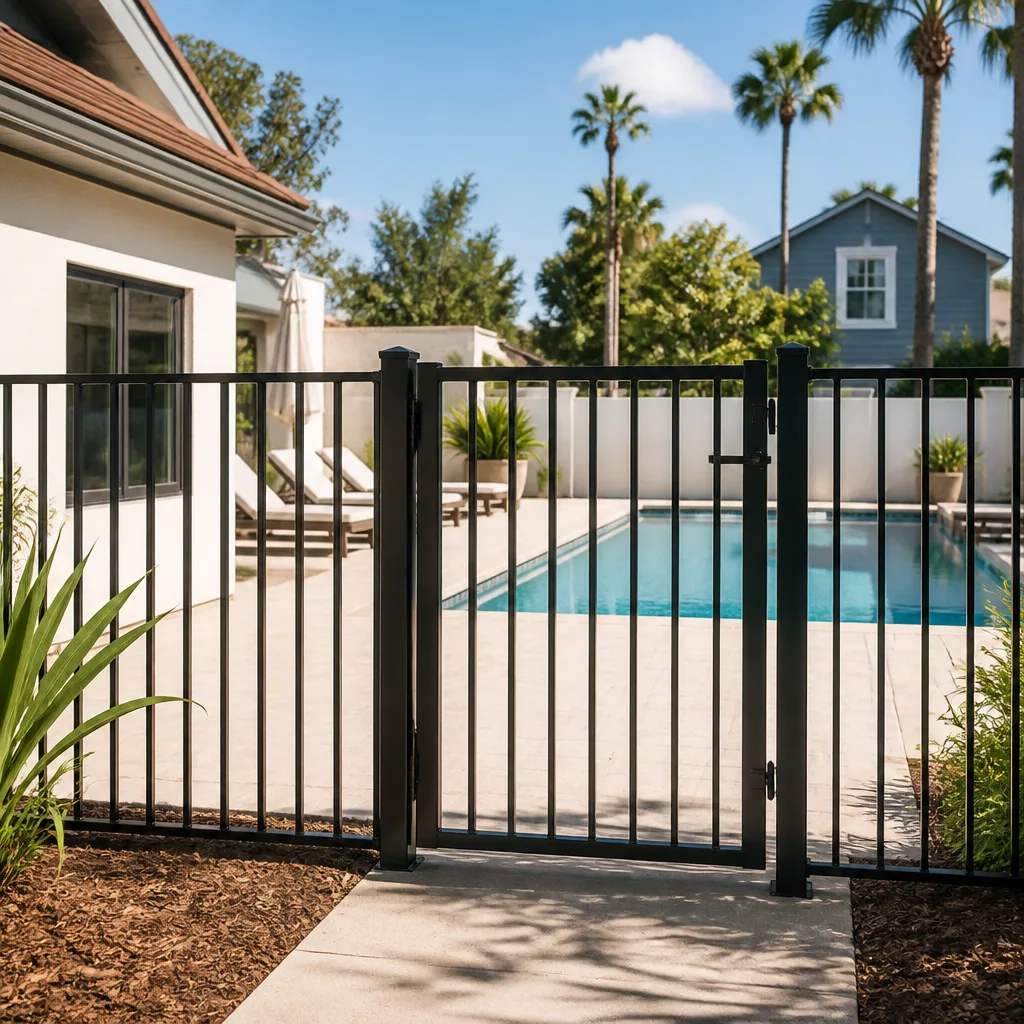
- Fence
See the difference
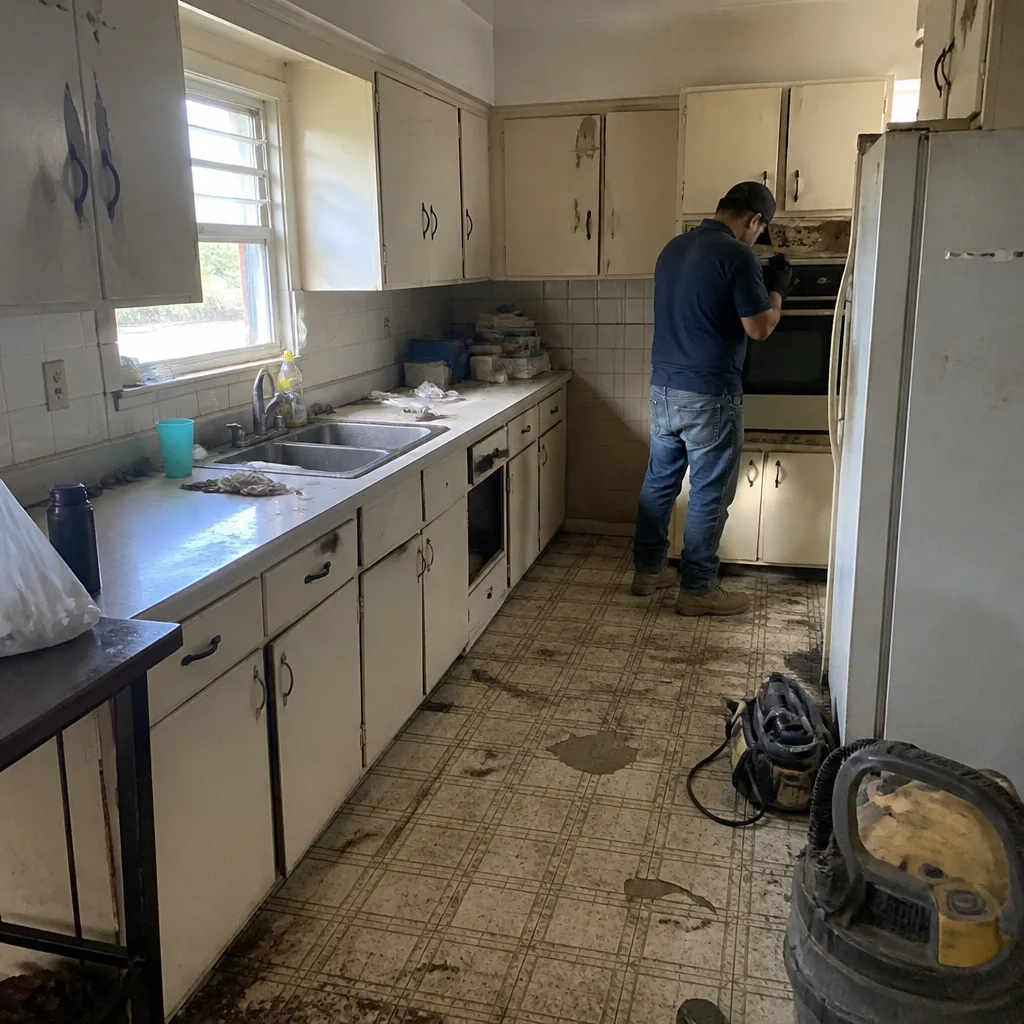 Before
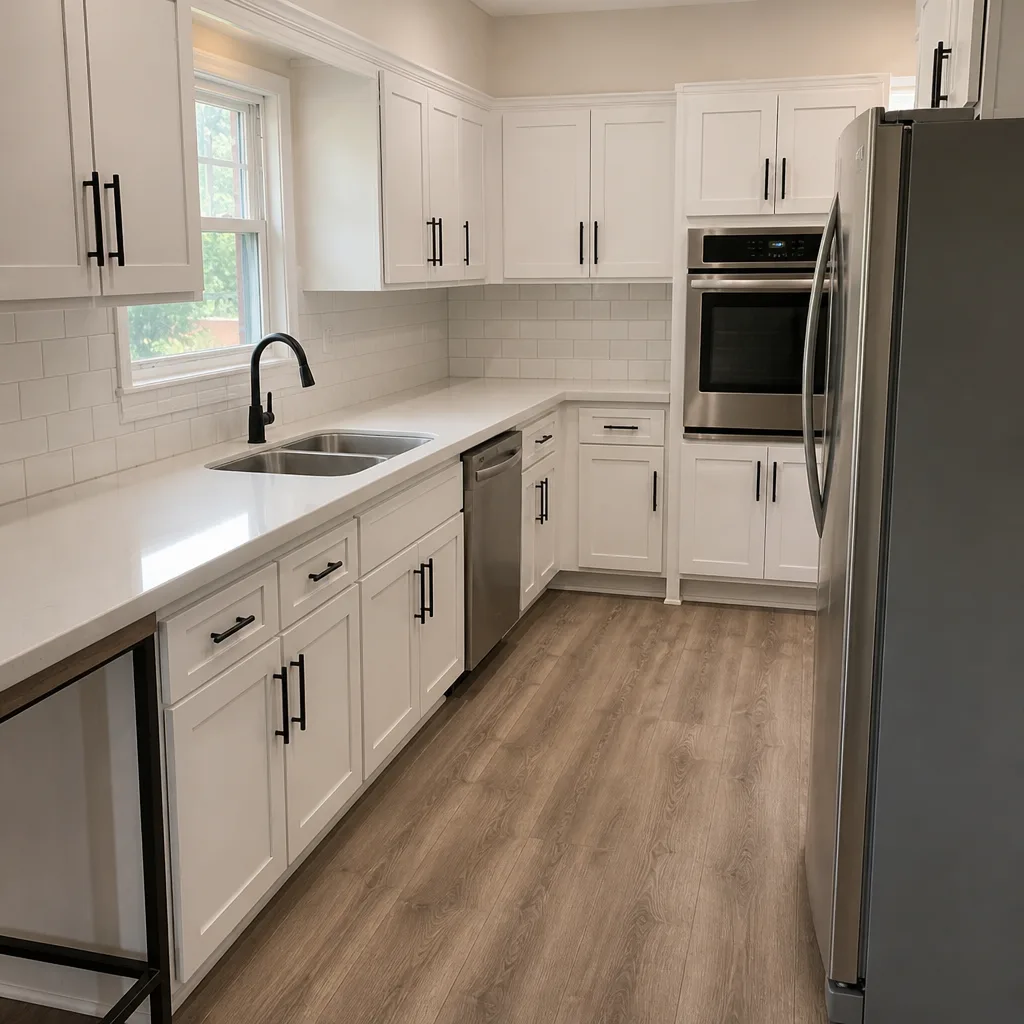 After
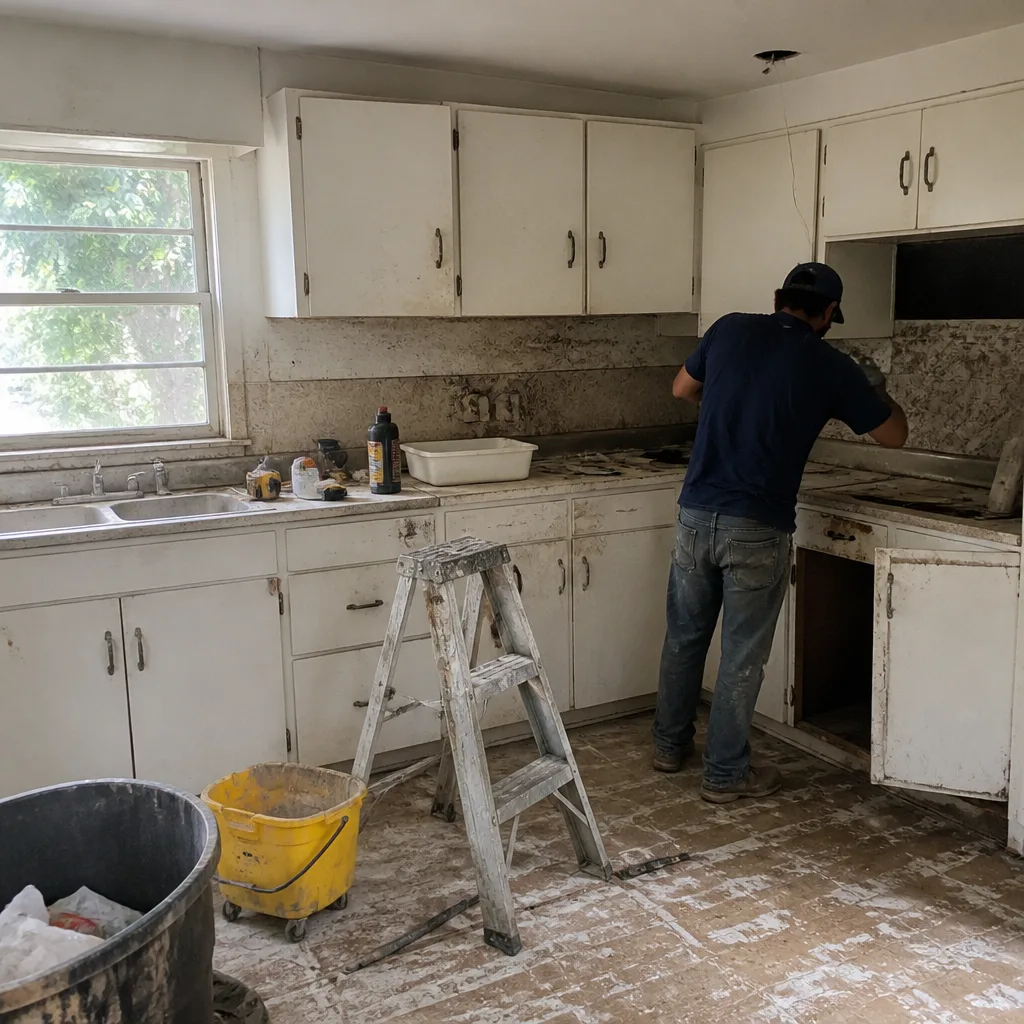 Before
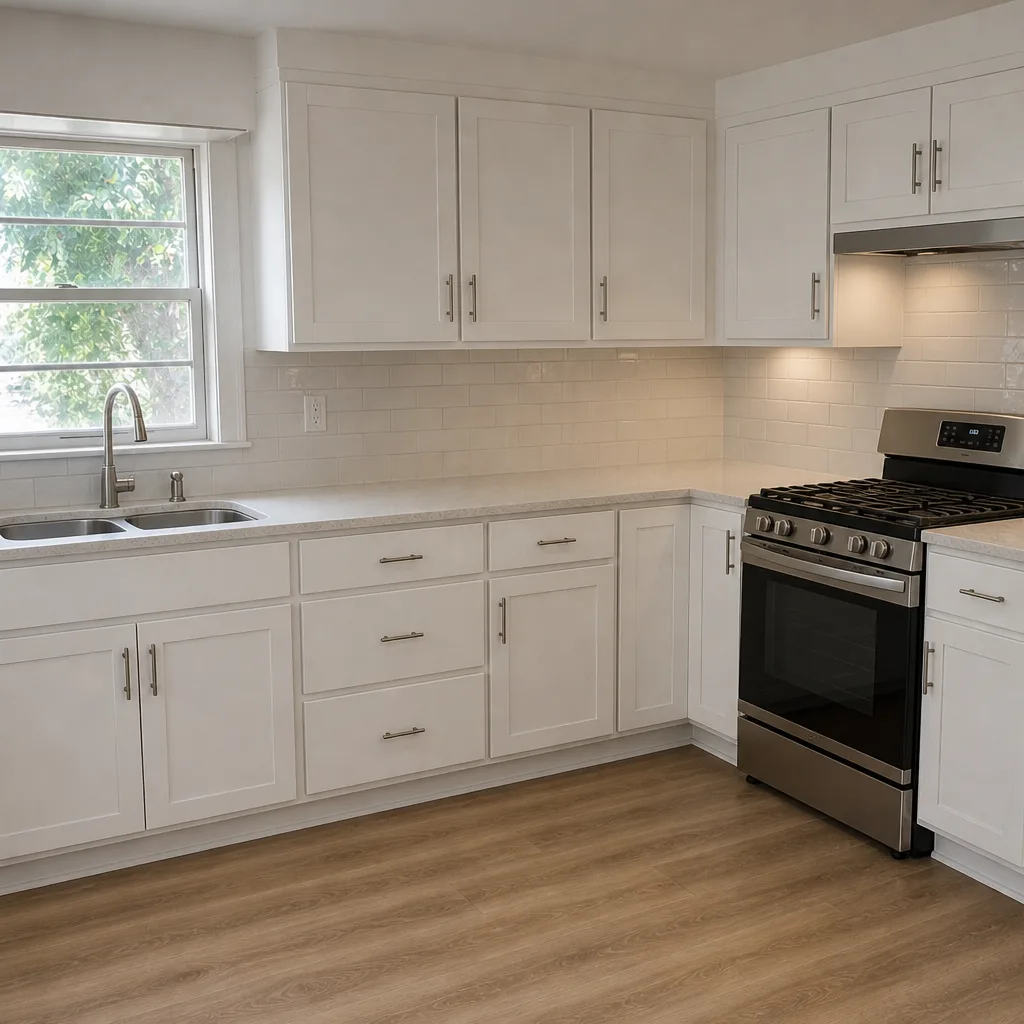 After
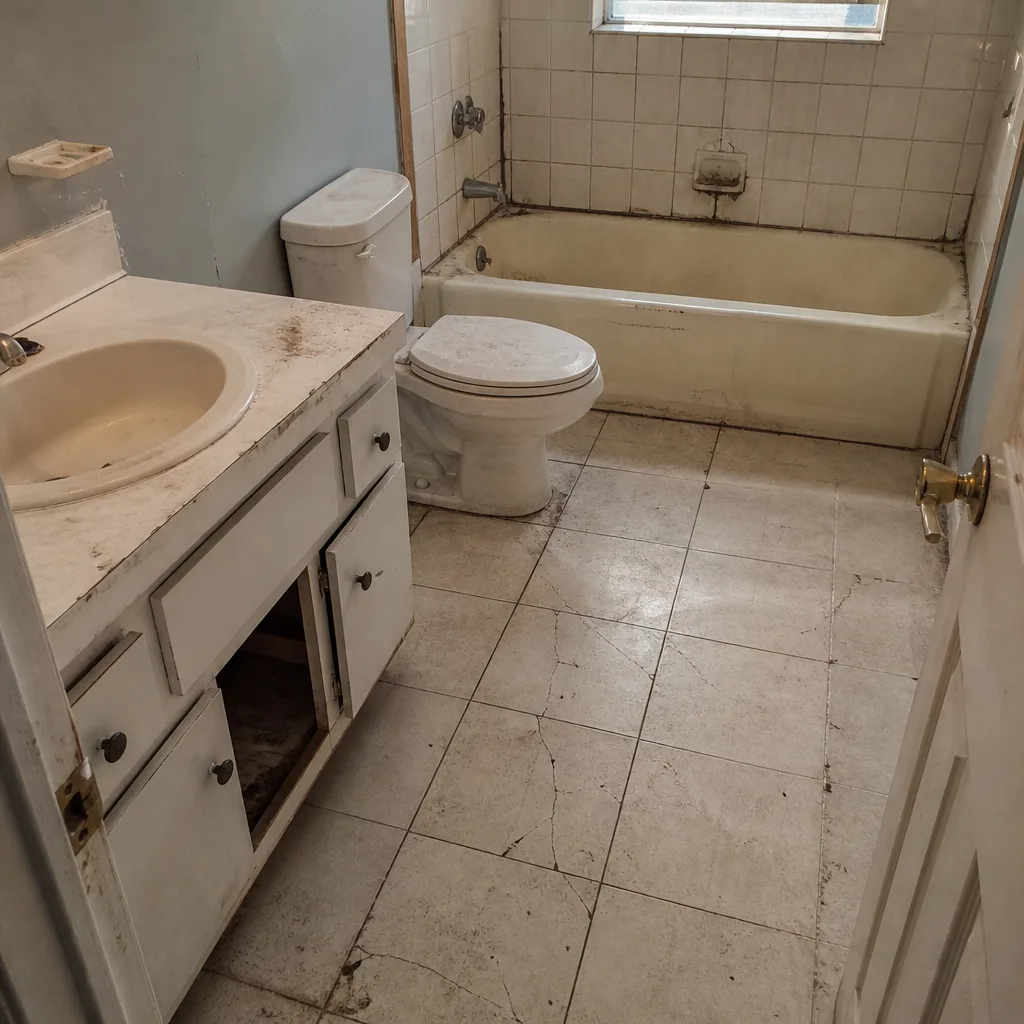 Before
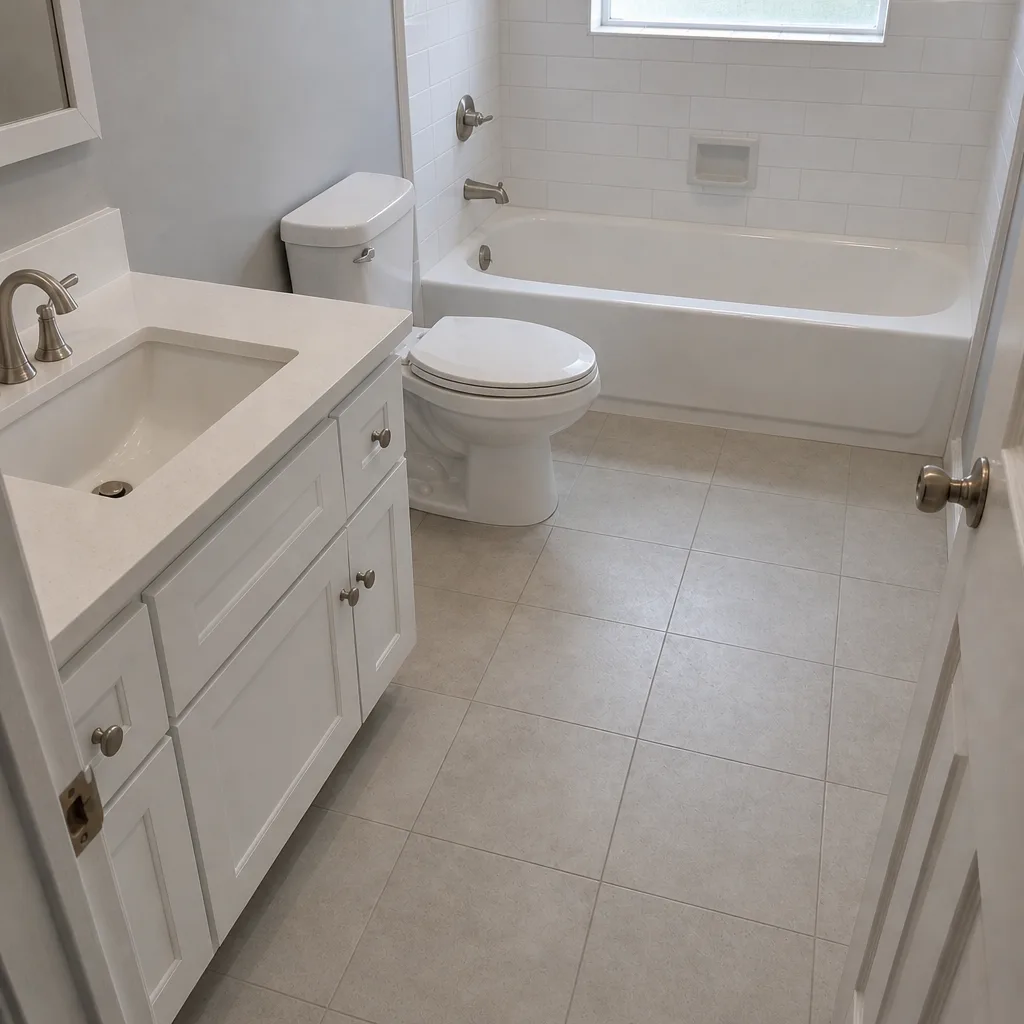 After
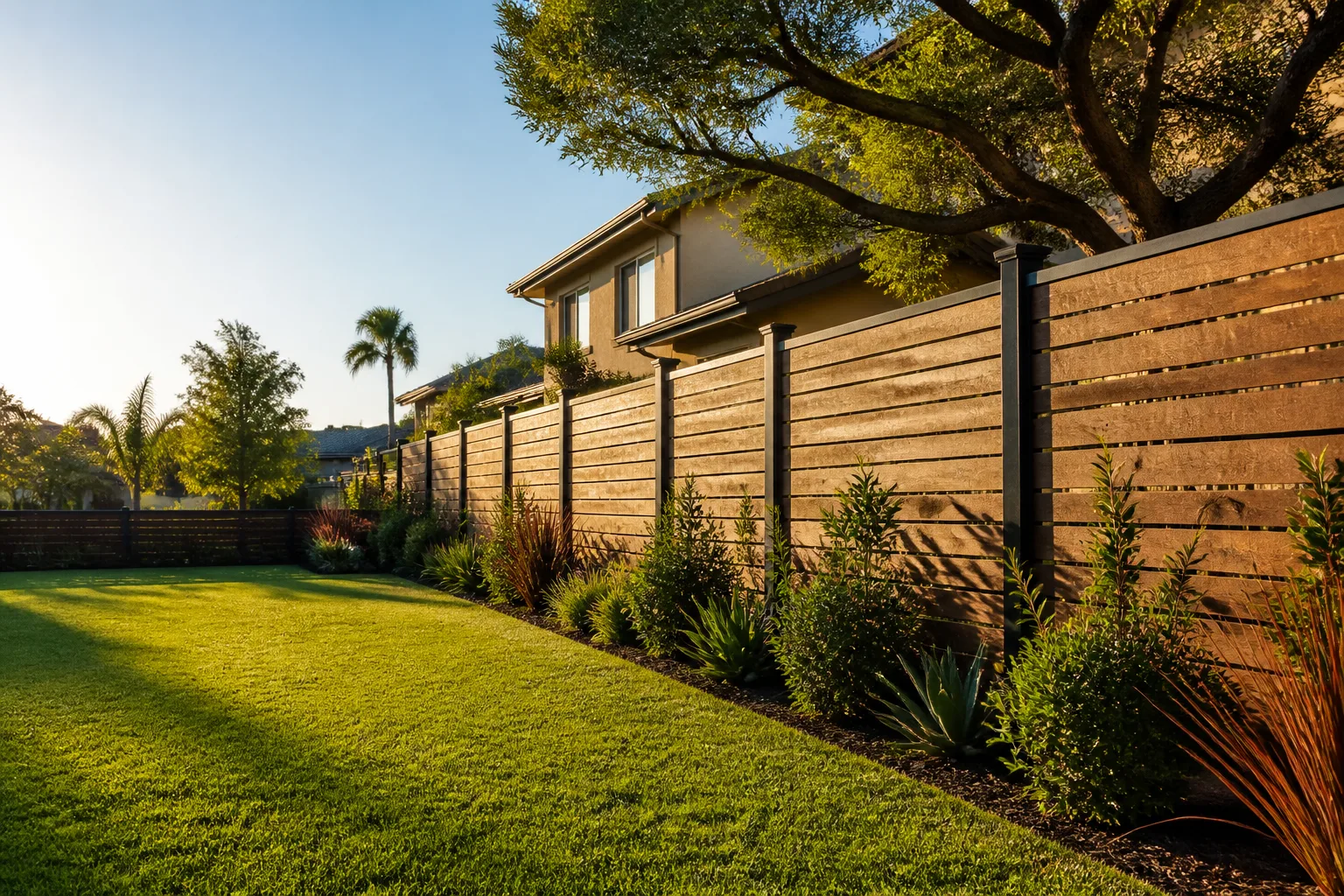
Vinyl vs Wood Fence Cost in Westchester, FL: Choose Vinyl Unless You Need Wood’s Look and Can Commit to Annual Sealing
For most Westchester homeowners, vinyl is the cheaper fence over a decade despite costing $8-$15 more per linear foot upfront. Our own installed numbers here run $3,500-$9,000 for vinyl and roughly $2,800-$8,000 for wood, and the gap closes and reverses by year five once South Florida’s rot rate and mandatory sealing enter the math. Call Groundwork Construction Co. of Westchester at (833) 630-4214 for a side-by-side quote that shows both options with permit costs included.
Westchester is an unincorporated pocket of Miami-Dade, which changes how fencing actually gets permitted. There’s no city hall to walk into with a plan set; everything routes through Miami-Dade County e-permitting, and every fence product in the High-Velocity Hurricane Zone needs a Notice of Acceptance on file. That single fact reshapes the vinyl-versus-wood decision more than sticker price does, and it’s the part most comparison articles skip.
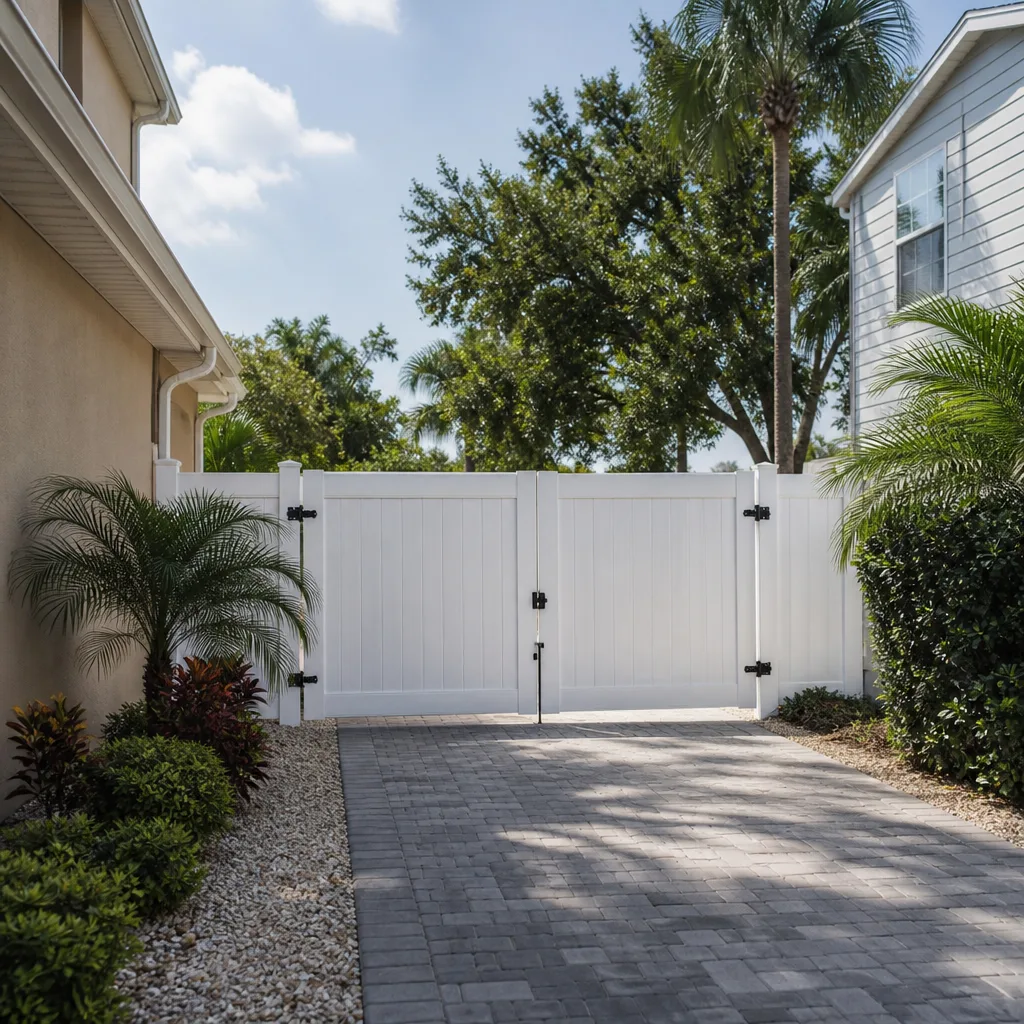
What actually drives fence cost in Westchester’s climate?
Wood rots faster here than in almost any mainland market. Between the summer rain cycle, year-round humidity, and the afternoon sun baking the west-facing side of a typical concrete-block ranch, a properly sealed pressure-treated pine fence still shows post softening in three to five years. Stripping and resealing runs $3-$6 per linear foot each time, and the job doesn’t wait, because once the grain opens, rot sets in fast.
Then there’s the hurricane variable. During a wind event, a wood panel acts like a sail. The wind load transfers straight into the posts and can shear them at the concrete anchor, which is why post-storm repairs often mean replacing whole sections rather than one board. A vinyl panel of the same height is built to flex under load and return to shape. That distinction affects both your insurance conversation and what you’re paying to fix after the storm passes.
In Miami-Dade’s HVHZ, both materials need NOA product approval to pass inspection. The difference is paperwork: vinyl fence systems usually carry pre-engineered NOA documentation, which streamlines the county permit review. Wood fencing often needs a custom engineering letter to verify anchoring and wind load. That letter costs money and adds weeks to the timeline.
How do wood and vinyl compare at install, and where’s the crossover?
Wood starts cheaper. It also arrives with a maintenance clock already running. Here’s the 10-year model we run for a typical 150-linear-foot lot in Westchester, comparing the same height and style on each side:
| Cost item | Wood (10 yrs) | Vinyl (10 yrs) |
|---|---|---|
| Installed cost (150 lf) | $2,800-$8,000 | $3,500-$9,000 |
| Seal / stain labor (annual) | $450-$900 / year | $0 |
| Post replacements from rot | 1-2 posts by year 5-6 ($150-$400 each) | None expected |
| Custom engineering letter (permit) | Often required | Rarely required |
| Post-storm section repair | Common after named storms | Uncommon |
Multiply the annual sealing cost out and wood adds roughly $4,500-$9,000 over a decade before you replace the first rotting post. By year five, the two options are close. By year eight, vinyl is clearly the cheaper fence in Westchester. That crossover point is exactly what makes this decision different from a fence quote in, say, Atlanta, where wood gets eight to ten good years between major maintenance.
For a closer look at how we scope and build fence jobs locally, see our Fence Installation in Westchester page.
What should you check before either fence gets installed?
Ask for the NOA product approval number for the exact fence system being quoted, not just the manufacturer. The number matters because it’s what the county permit reviewer pulls. If a contractor can’t produce it, the permit stalls, and your install date slips.
Then look at the anchor method. Westchester’s 1970s-80s CBS construction means many homes have a concrete-block wall that becomes part of the fence line. Both vinyl and wood have specific attachment methods for CBS walls, and those methods carry a real cost difference. Ask how the posts will tie in and whether the attachment detail is included in the bid. Get all three in writing before signing:
- The NOA number for the fence system, on the quote itself
- The permit cost, broken out separately from labor and materials
- The CBS wall attachment detail spelled out, not assumed
That’s the difference between an upfront price and a number that grows once the permit hits the county.
Does brand choice change the number?
It does at the top end. Premium vinyl systems are engineered with UV stabilizers that hold color through years of direct sun, which is why brands matter more than the material alone. For hardware and gate components, we work with partners like Sterling and Grohe on higher-end residential assemblies, and GAF and CertainTeed products show up across the wider envelope of our projects. Every install carries our 730-Day Done Right Promise, so if a panel, picket, or gate doesn’t hold up, we return and make it right. That guarantee is the same whether you pick vinyl or wood.
Our technicians have up to 12 years of experience, and every crew is background-checked and arrives in uniform. Calls are answered by a live person 24/7, so you’re not waiting until Monday to get a quote question answered.
What if the vinyl upfront cost is too much right now?
That’s a real budget question, and we don’t dodge it. The vinyl upfront hit can be managed with 0% financing for 18 months and $1,000 off projects over $10,000, which brings the monthly outlay closer to what you’d spend resealing wood each year anyway. No-hassle upfront pricing means the number we quote is the number you pay, permit included. You can see the full scope of our fence work on our Fence Installation page, and the broader picture on our home page.
FAQs
Vinyl is cheaper over 10 years for most Westchester properties once you add annual sealing ($450-$900/year) and post replacements into the wood total. Wood wins the upfront comparison by $8-$15 per linear foot, but South Florida’s rot rate erases that gap by around year five. Call (833) 630-4214 for a side-by-side quote on your specific lot.
Yes. Both materials require NOA product approval in the HVHZ, and both route through Miami-Dade County e-permitting because Westchester is unincorporated. Vinyl fence systems more often carry pre-engineered NOA documentation; wood frequently needs a custom engineering letter. Call (833) 630-4214 and we’ll confirm which path your product requires.
Humidity plus heavy summer rain opens the wood grain faster here than in drier climates, so properly sealed pressure-treated pine still softens at the post in three to five years. The fix is a reseal cycle every year, plus expect 1-2 post replacements by year five to six. Call (833) 630-4214 to talk through your post condition.
Vinyl fence installation in Westchester runs $3,500-$9,000 for a typical residential lot, permit and CBS wall attachment included in the quote. Most jobs finish in a single visit, and the vinyl cost is covered by our 730-Day Done Right Promise. Call (833) 630-4214 for a no-pressure number on your property.
If you’d rather have it looked at, Groundwork Construction Co. of Westchester offers a no-pressure assessment in Westchester, with both options priced side by side and permit costs included. Call (833) 630-4214 for a free estimate. We answer live, 24/7.
Written by the team at Groundwork Construction Co. of Westchester, serving Westchester, FL.