Free written scope consultation - allowances, timeline, and change-order rules on paper before a single trade is scheduled
Styles & brands we work with
- Kitchen remodeling
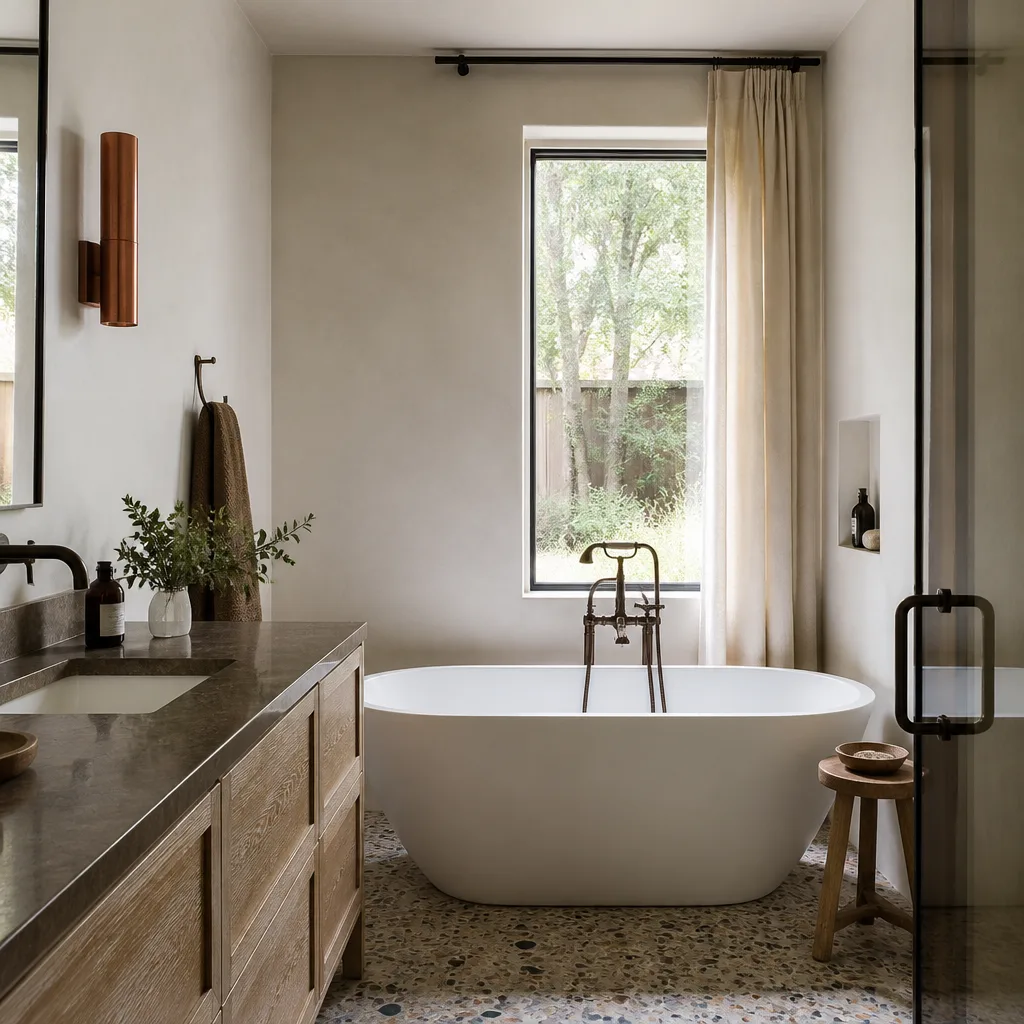
- Bathroom remodeling
- Home additions & ADU
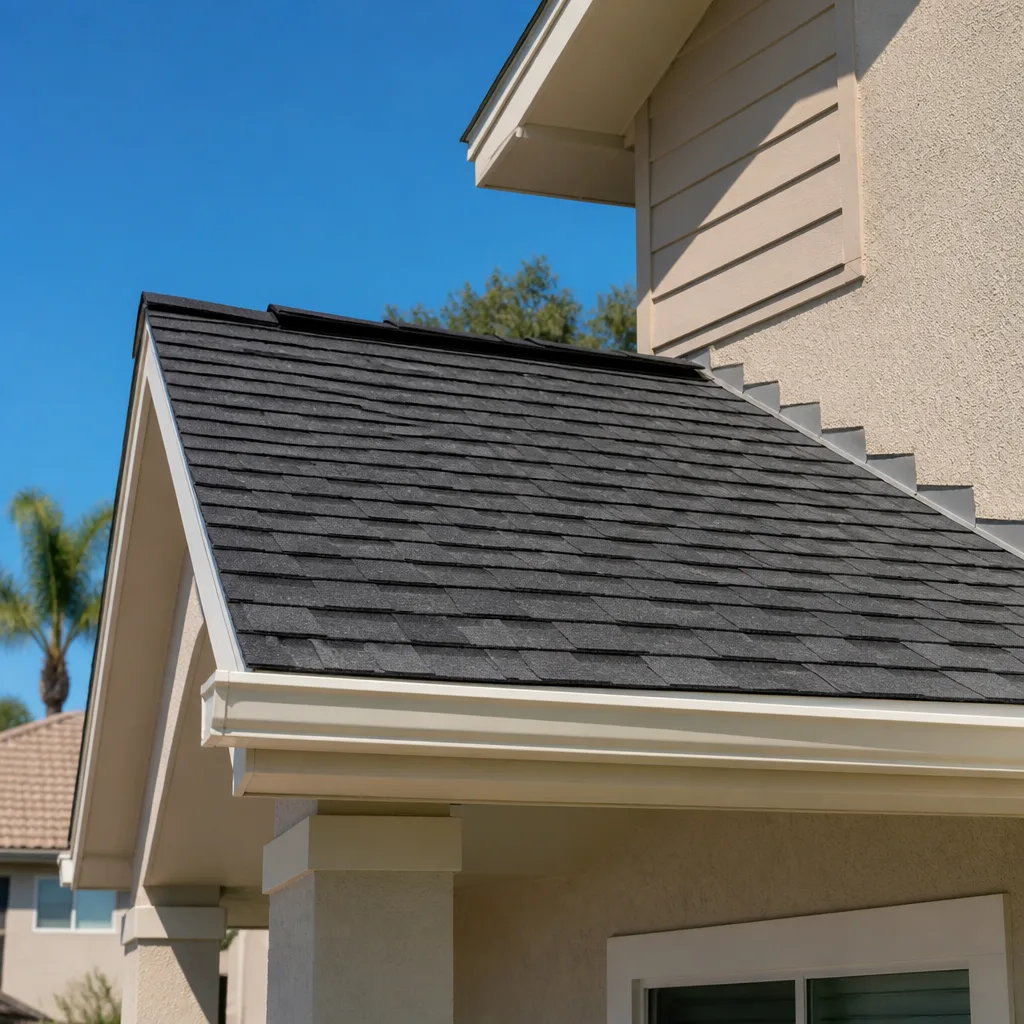
- Roofing
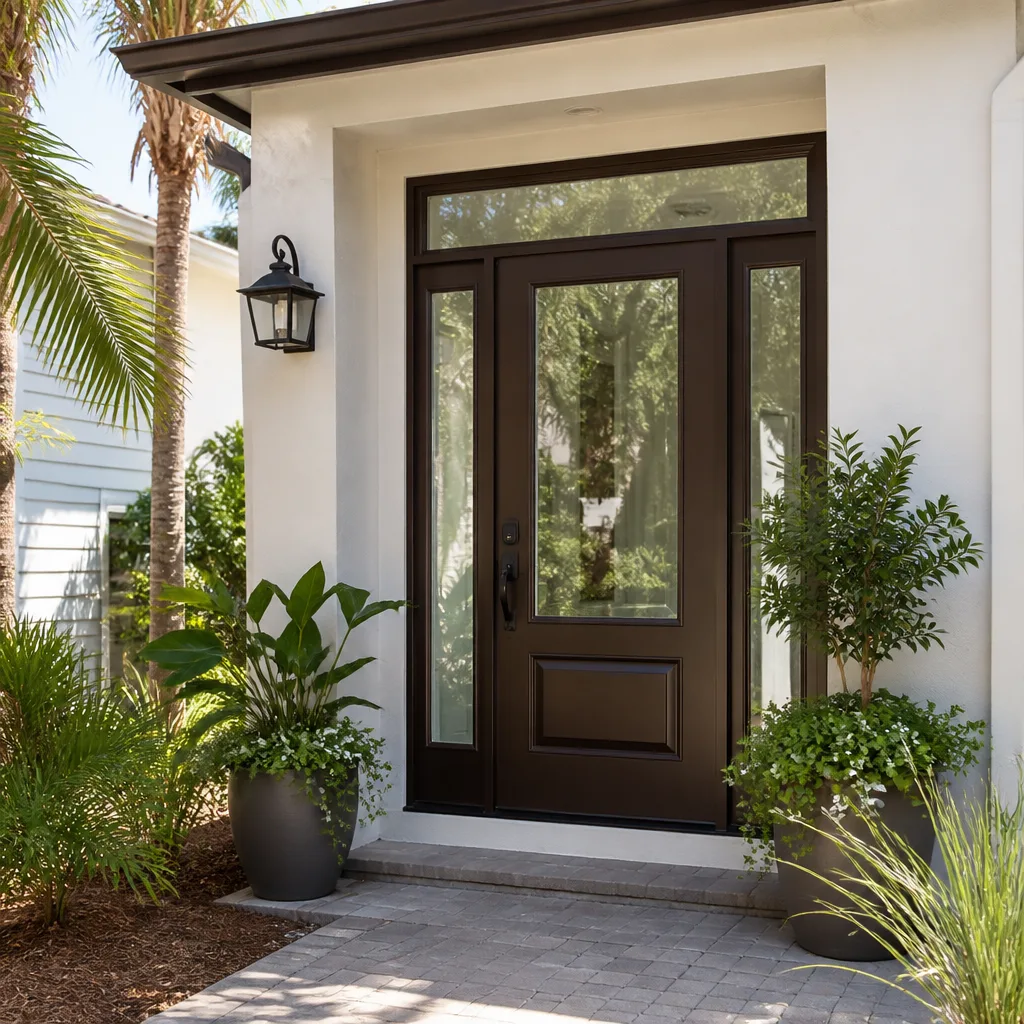
- Windows & doors
- Driveway & pavers
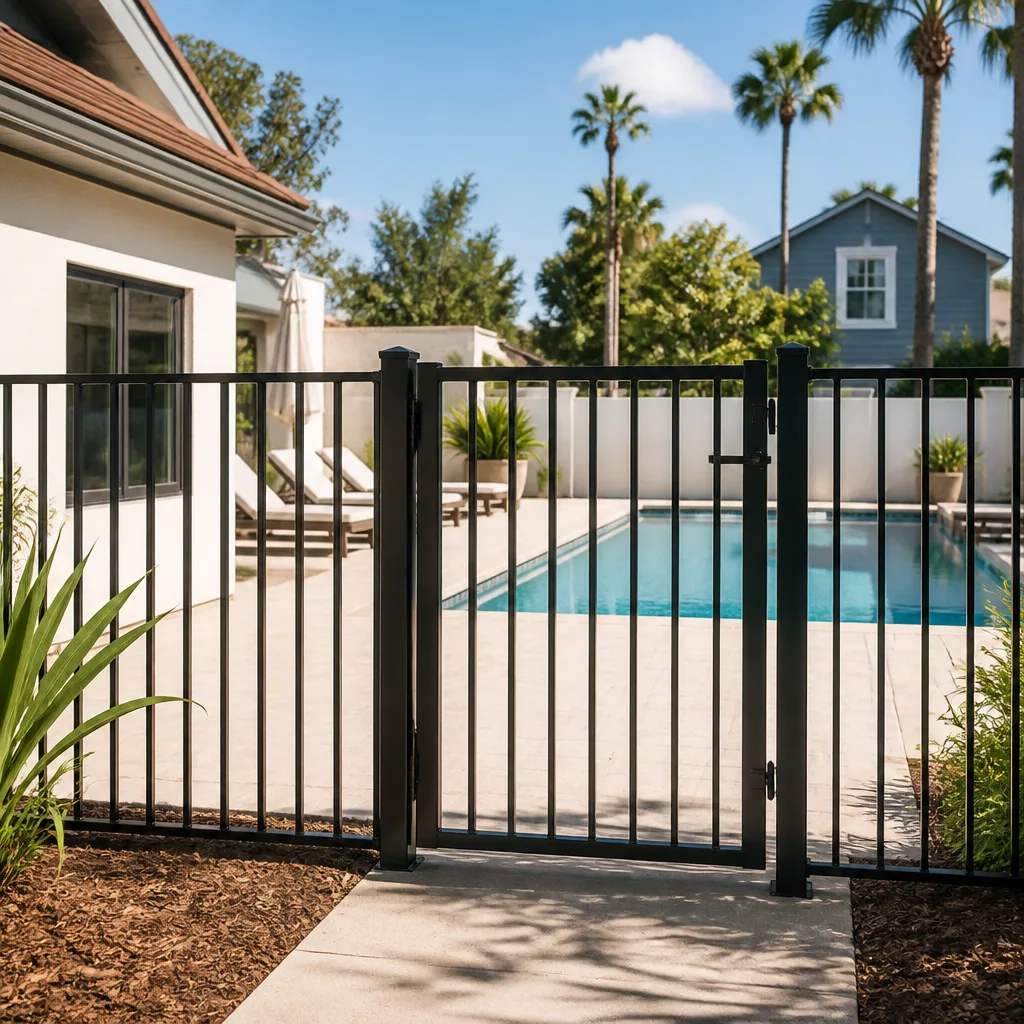
- Fence
See the difference
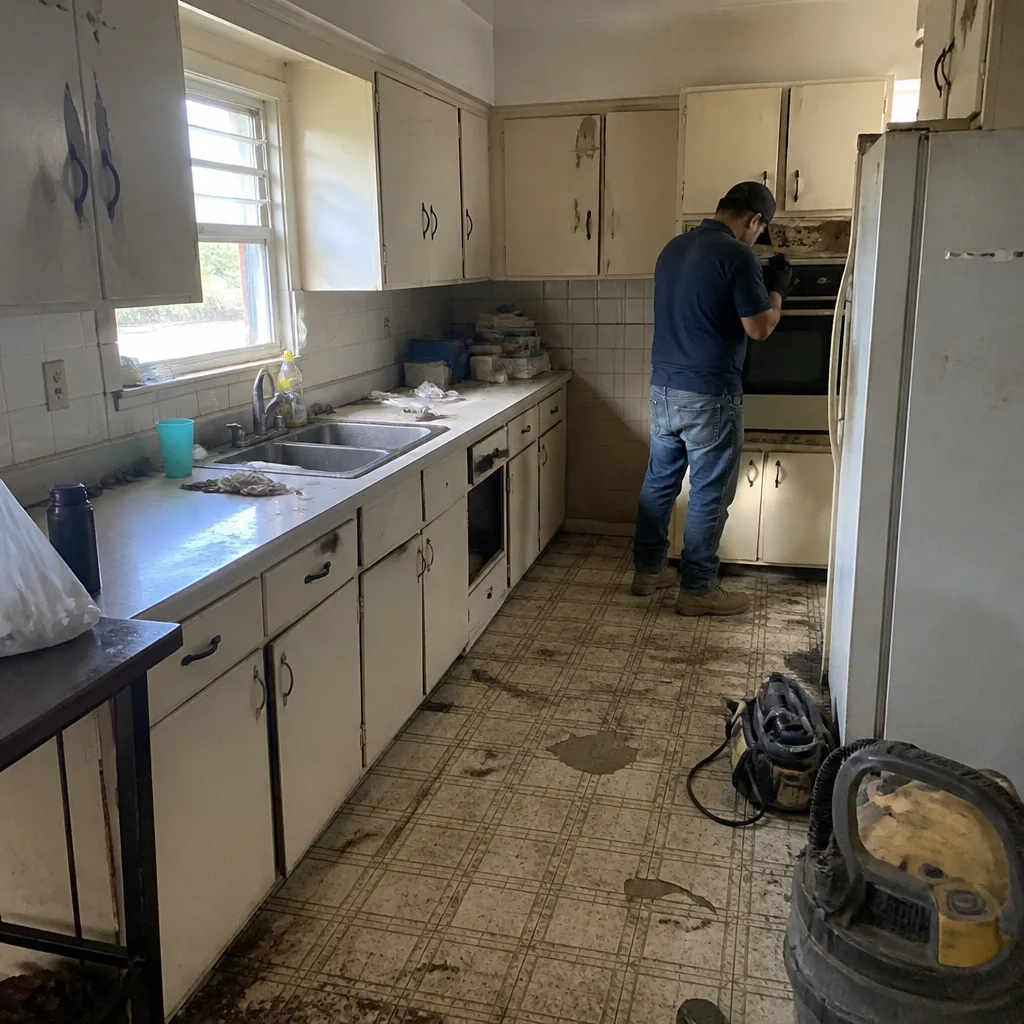 Before
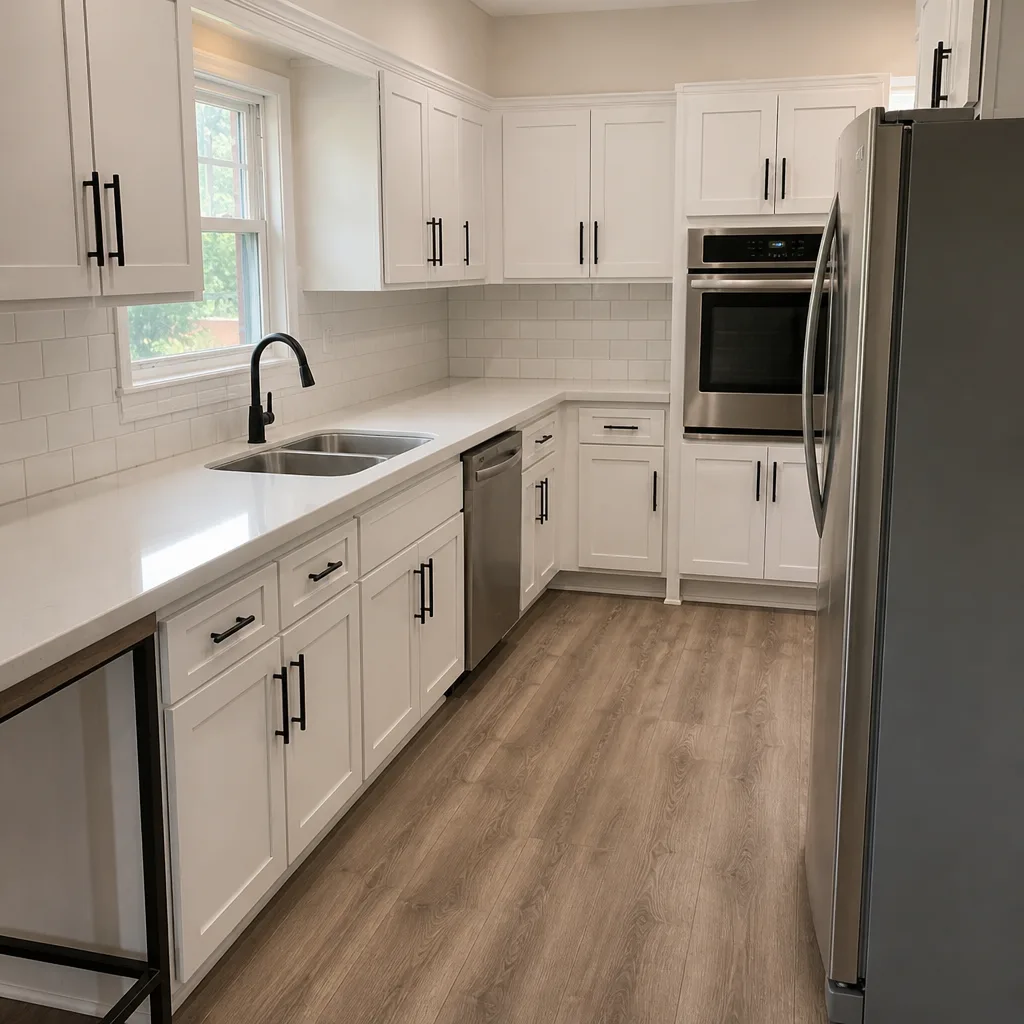 After
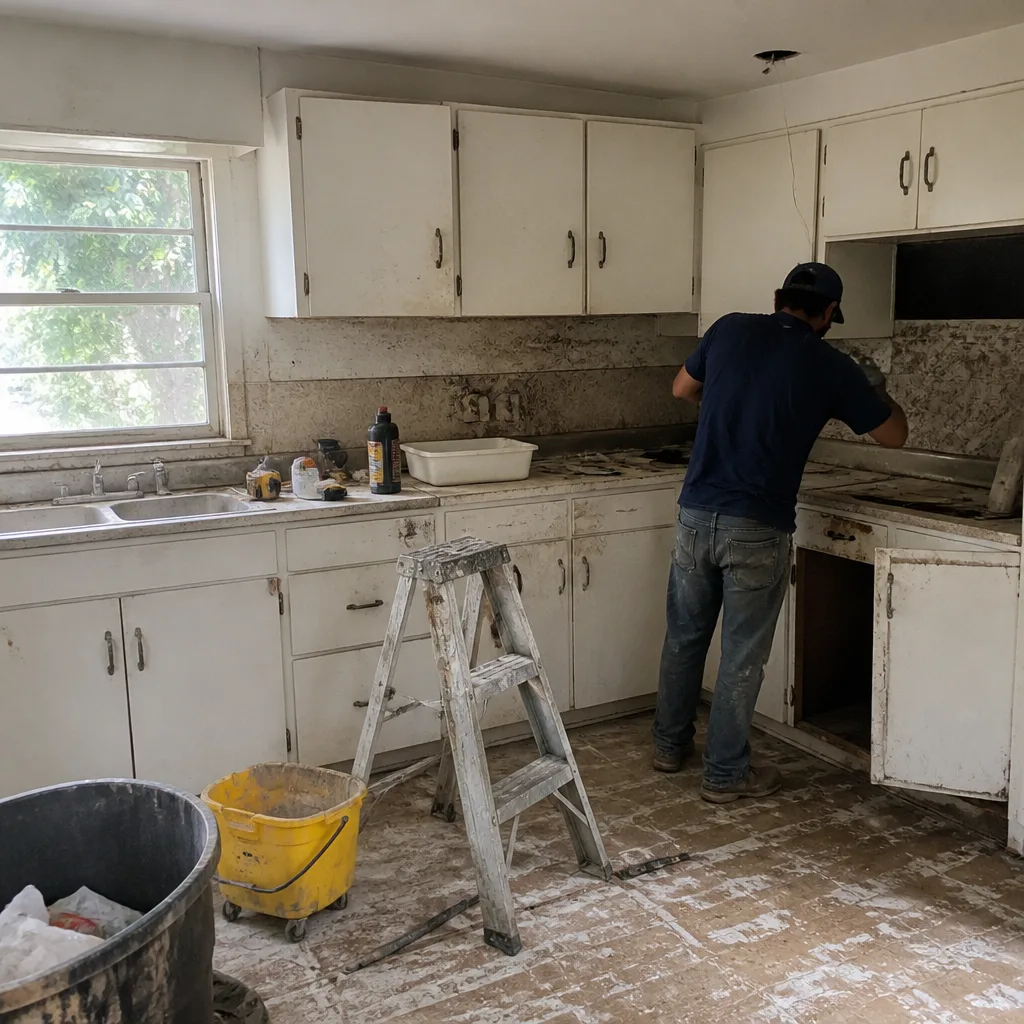 Before
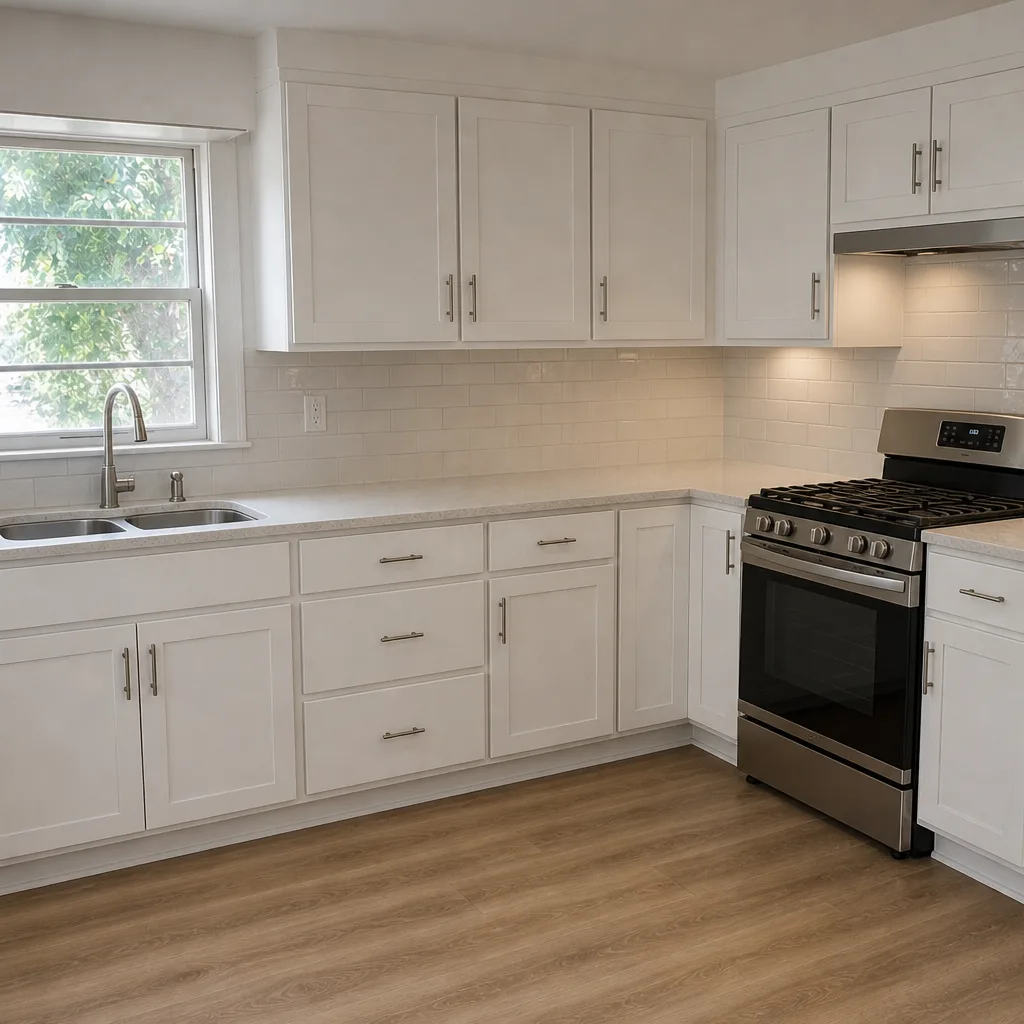 After
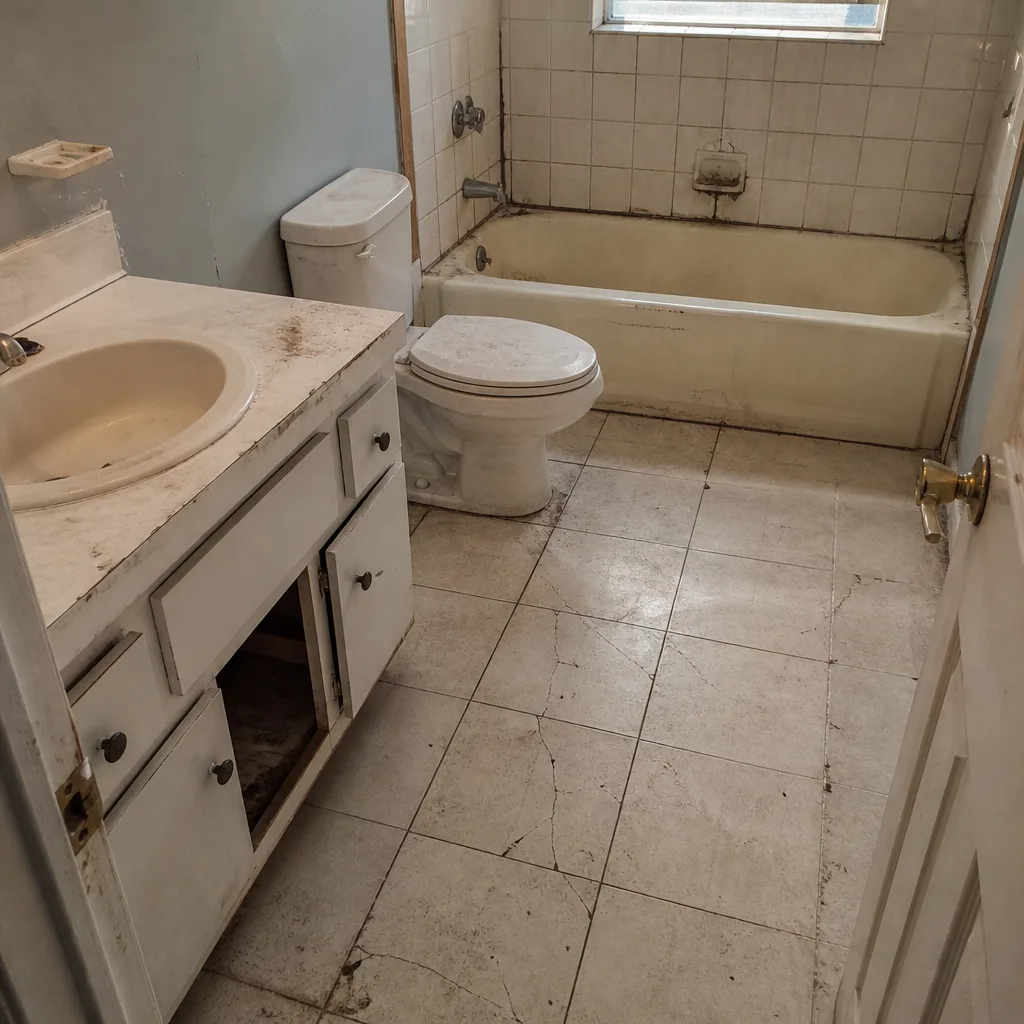 Before
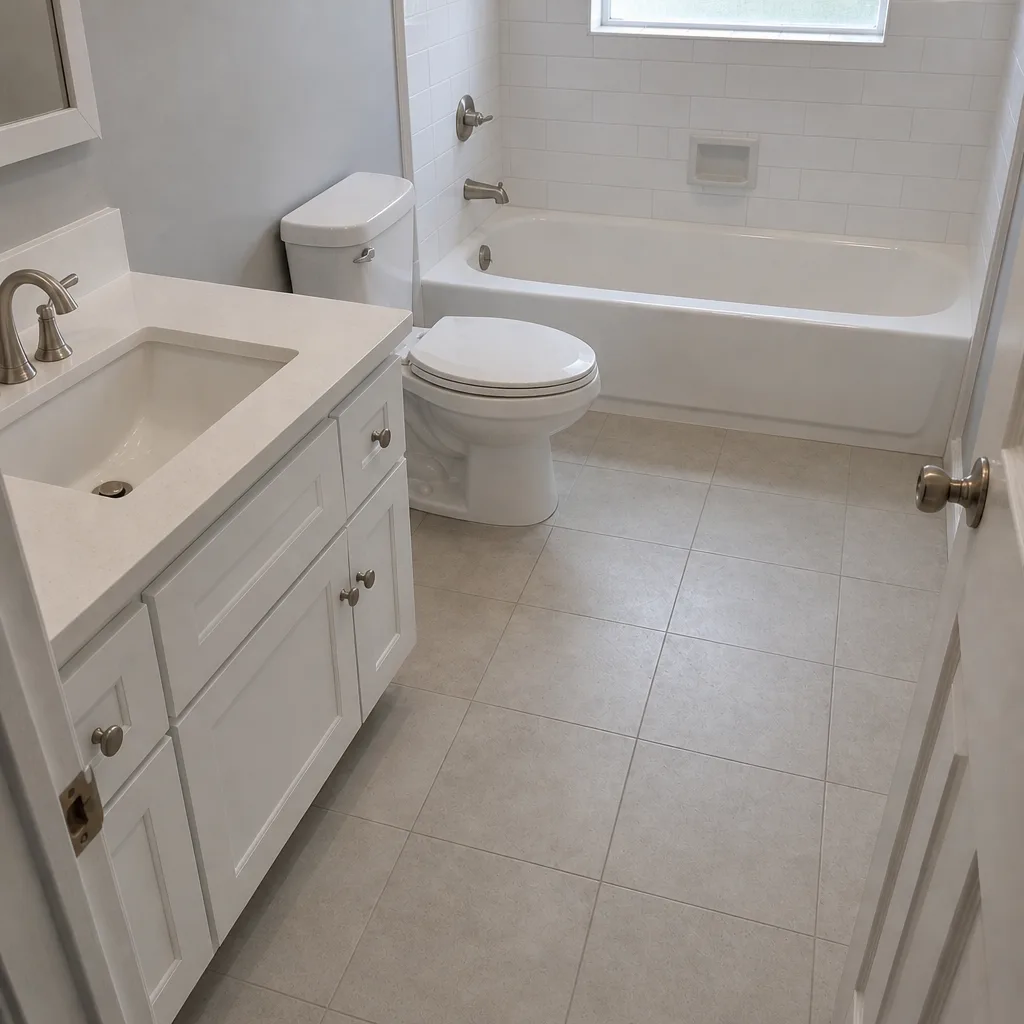 After
What Is a Junior ADU? A Westchester, FL Answer Built for Concrete-Block Homes
A Junior ADU (JADU) is a small living unit created inside the existing footprint of a single-family home, capped at 500 square feet, with an efficiency kitchen and a bathroom that can be private or shared with the main house. It is not a separate structure and it does not add square footage to your lot. In Westchester, FL, the practical catch is the exterior entry: because most homes here are 1960s-80s concrete-block-and-stucco construction, a compliant JADU door means cutting through a CBS wall, not framing a new opening in drywall. That single detail reshapes the whole project, and it is the one most online guides skip. If you want a straight read on whether your home can carry one, call (833) 630-4214 for a free estimate.
Why the JADU Definition Changes in Westchester
Most “what is a junior ADU” articles were written with a California wood-frame bungalow in mind. A separate exterior entry there is a framing job: open the wall, build the door, patch, paint. In Westchester’s CBS homes, the wall is block, the exterior is stucco, and the penetration has to carry structural load and shed Miami-Dade rain. That makes the doorway a masonry and waterproofing scope, not an interior remodel line item.
Here’s how the three pieces of a code-compliant CBS entry break down:
- A lintel. Remove block for a door and the wall above it needs a steel or concrete lintel sized to carry the load. Skip it and the block course above the opening sags and cracks the stucco.
- Waterproofing. Miami-Dade’s wind-driven summer rain finds every seam. The rough opening needs proper flashing, a sill pan, and a stucco detail that ties back into the wall assembly, not a bead of caulk over the gap.
- An approved impact door. This is High-Velocity Hurricane Zone (HVHZ) territory. The door must carry a Miami-Dade Notice of Acceptance (NOA) for impact and pressure, which is a product-approval requirement, not a style choice. We spec brands like Therma-Tru and ES Windows where the approval paperwork lines up with the look the homeowner wants.
That’s the real scope of a Westchester JADU entry. It’s also why we treat a JADU like a small structural project wrapped inside a living-space project, and why our Home Additions & ADU work here starts with the wall and works inward.
The Two-Layer Rulebook: Florida Law and Miami-Dade County
Most JADU articles stop at “check with your local jurisdiction.” In Westchester, there are two layers, and both matter.
The first is Florida’s ADU statute, Section 163.31771, Florida Statutes. It sets the state framework for where and how accessory dwelling units can be permitted and directs local governments to allow them in single-family zones with certain conditions. The second layer is Miami-Dade County’s own ordinance, which fills in the details: size caps, parking, setback treatment, and how a JADU is reviewed against the single-family home it lives inside. Because Westchester is an unincorporated Miami-Dade community, there is no city hall to walk into. Permitting, plan review, and inspection all run through Miami-Dade County, largely via county e-permitting.
That unincorporated status is the defining construction skill in Westchester. A contractor who “pulls a city permit” doesn’t exist here. Every JADU, every addition, every new build runs through county review and HVHZ product approval. If a builder hasn’t done that paperwork in Westchester, they’re learning on your project.
Owner-Occupancy: The Detail That Decides Who Can Build One
Florida’s ADU law carries an owner-occupancy requirement: the homeowner must live in either the main house or the JADU. A JADU cannot be a standalone rental property with an absentee owner collecting two checks. This is a practical gate, not a footnote.
What it means for you:
- If you plan to move out and rent both units, a JADU is not the right instrument. A full ADU in a separate structure may fit better, depending on the county rules for your lot.
- If you plan to live in the main house and rent the JADU, or move an aging parent into it, you’re squarely in the intended use.
- The occupancy requirement shapes financing too. Lenders look at owner-occupied JADU projects differently than investment-property builds, so bring it up early.
We walk this through with every Westchester homeowner before anyone touches a wall. A JADU that fails the occupancy test is money spent on the wrong project.
How a JADU Differs From a Full ADU in Scope
This is where people get confused, so let’s put it plainly. A JADU lives inside the existing home footprint. It adds no new structure, no new roofline, no new foundation. A full ADU is a separate dwelling, whether detached, attached, or a garage conversion. That difference changes the permit scope, the budget, and the timeline entirely.
On cost, Westchester projects land in fairly predictable bands. A JADU carved into an existing home typically runs $45,000-$130,000 depending on how much structural work the CBS entry and interior reconfiguration demand. A standalone ADU starts higher, at $90,000-$220,000. A garage conversion sits between the two at $30,000-$80,000. These are market-calibrated ranges, not quotes; every home’s wall condition and layout shifts the final number.
| Project Type | Typical Westchester Range | What Drives the Number |
|---|---|---|
| Junior ADU (interior conversion) | $45,000-$130,000 | CBS entry scope, lintel, waterproofing, impact door, interior finish |
| Garage Conversion | $30,000-$80,000 | Existing slab, door-to-wall conversion, insulation, HVAC |
| Full ADU Construction | $90,000-$220,000 | New foundation, framing, roof, full HVHZ compliance |
No-hassle upfront pricing is the standard on every Groundwork job: the number you see is the number you pay. We also carry 0% financing for 18 months and $1,000 off projects over $10,000 to keep a JADU within reach without hidden surprises at the end.
Common Westchester Scenarios We Walk Into
The 1970s CBS ranch on a corner lot. The homeowner wants a JADU for a parent, but the only sensible exterior entry point is a solid block wall facing the side yard. That’s a lintel, a flashing detail, and an NOA-approved impact door before anything interior happens. In these homes we also regularly find interior partition walls still set on lath that need upgrading to gypsum drywall during the remodel, which is a good moment to do it.
The flat or low-slope roof home. Adding a JADU entry under a low-slope roof means drainage has to be designed, not assumed. Miami-Dade’s summer rain will find a bad transition at the wall-to-roof junction, so we detail the flashing as part of the entry scope.
The homeowner who’s already been burned. Vague bids, a crew that disappeared mid-job, warranty fine print that excludes the work that failed. This is where the home construction partner you choose matters most. Groundwork’s 730-Day Done Right Promise is one of the longest workmanship guarantees in residential construction. If the entry leaks or the wall cracks, we make it right, in writing, for two full years. A JADU built into your existing envelope has to stay weathertight and structurally sound for years, and that guarantee is how we put our name behind the claim.
Why Groundwork Construction Co. of Westchester for a JADU
We’re a full-scope construction partner, and that matters for a project that touches structure, waterproofing, HVHZ product approval, and interior finish in a single permit. Our technicians have up to 12 years of experience, arrive background-checked and in uniform, and every project is covered by the 730-Day Done Right Promise. Calls are answered by a live person, 24/7: no voicemail black holes, no waiting until Monday when a question comes up mid-project. Background-checked, uniformed technicians, upfront pricing, and a workmanship guarantee you can point to are all on the table before we start.
If you’d like to see how a JADU fits your specific home, our Home Additions & ADU in Westchester page covers the build side in more depth.
FAQs
A junior ADU is a small living unit created inside the existing footprint of a single-family home, capped at 500 square feet, with an efficiency kitchen and a bathroom that can be private or shared. It doesn’t add a separate structure or new lot coverage. In Westchester’s concrete-block homes, the exterior entry through a CBS wall is the scope-defining detail. Call (833) 630-4214 for a free estimate on your specific home.
A junior ADU in Westchester typically runs $45,000-$130,000, driven mostly by the CBS exterior entry work and interior reconfiguration. Garage conversions run $30,000-$80,000 and full standalone ADUs start at $90,000-$220,000. We offer 0% financing for 18 months and $1,000 off projects over $10,000, with free estimates to get an exact number.
Yes. Every JADU requires Miami-Dade County permits, since Westchester is unincorporated and there is no city hall issuing them. Plan review runs through county e-permitting, and the impact door must carry a Miami-Dade NOA approval under HVHZ requirements. Call (833) 630-4214 and we’ll walk you through the county process.
You can rent a JADU, but under Florida’s ADU law you must occupy either the main unit or the JADU yourself. It’s an owner-occupancy requirement, not a rental-arbitrage play. If you’re planning to move out and rent both units, a full ADU may be the better fit. Call (833) 630-4214 and we’ll map which path suits your goals.
If you’d rather have it looked at, Groundwork Construction Co. of Westchester offers a no-pressure assessment in Westchester – call (833) 630-4214 for a free estimate and design consult. We’ll tell you what your CBS walls can actually do before you commit a dollar to the project.
Written by the team at Groundwork Construction Co. of Westchester, serving Westchester, FL.