Free written scope consultation - allowances, timeline, and change-order rules on paper before a single trade is scheduled
Styles & brands we work with
- Kitchen remodeling
- Bathroom remodeling
- Home additions & ADU
- Roofing
- Windows & doors
- Driveway & pavers
- Fence
See the difference
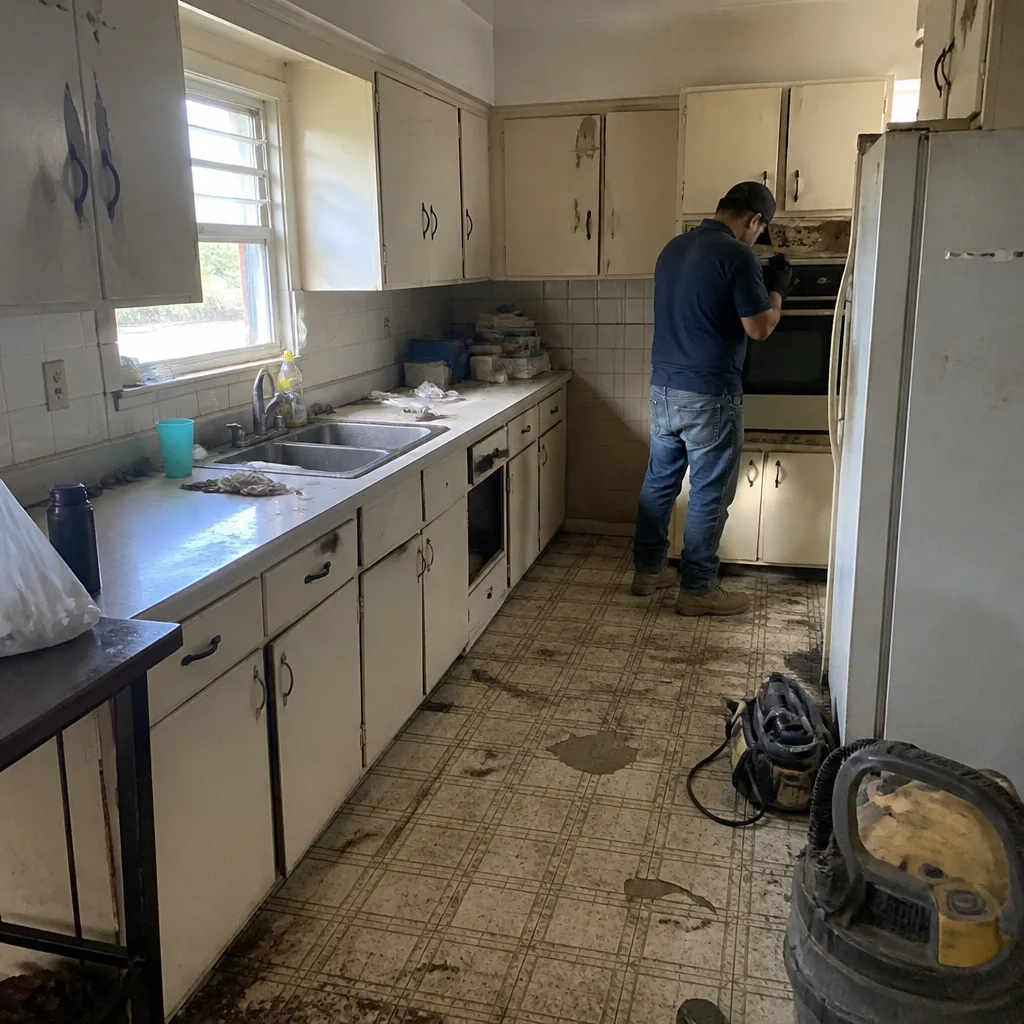 Before
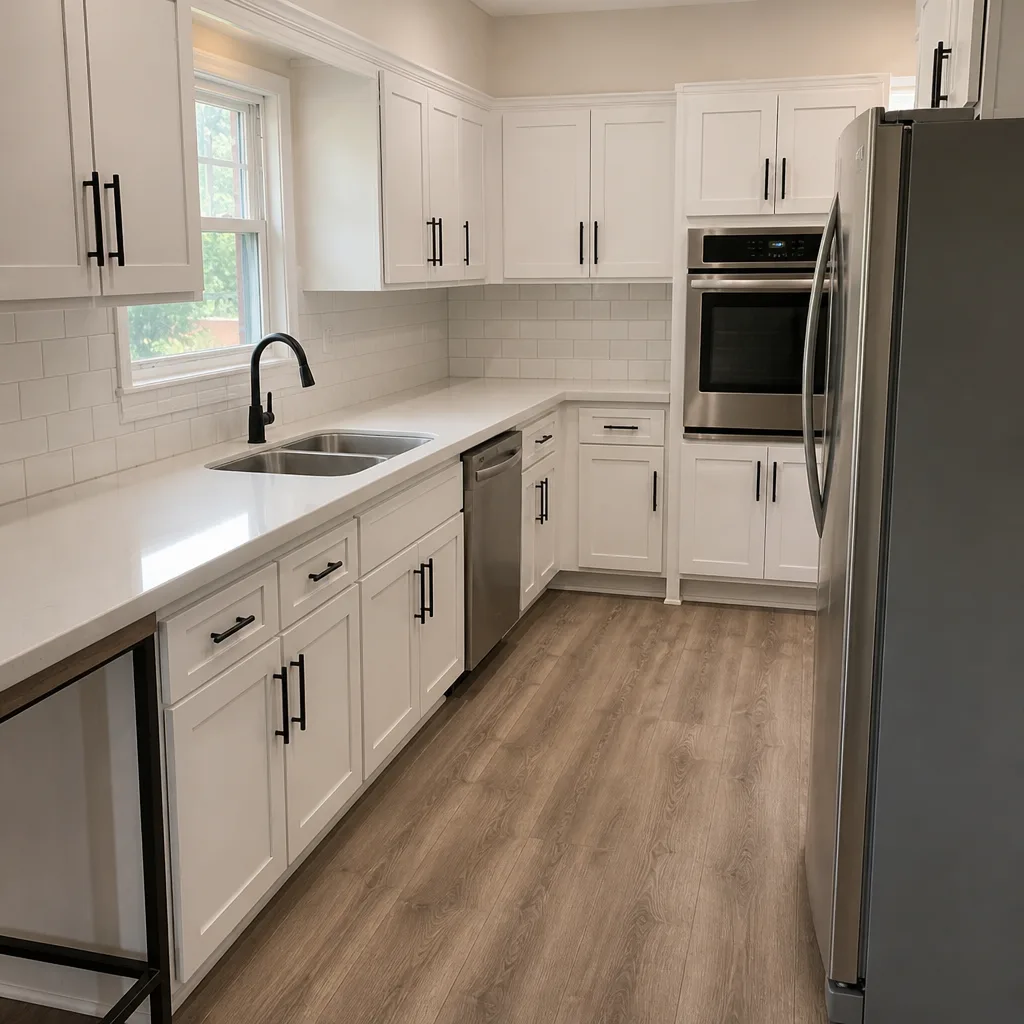 After
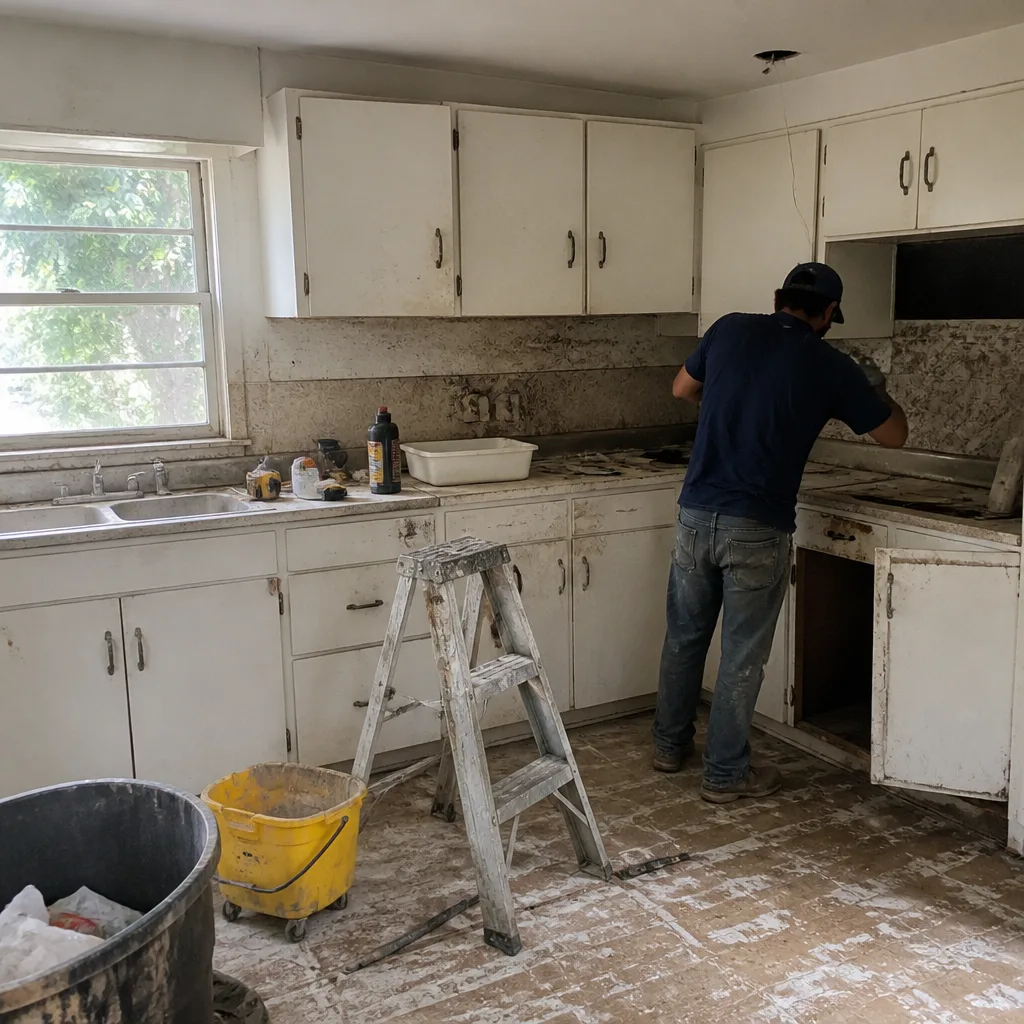 Before
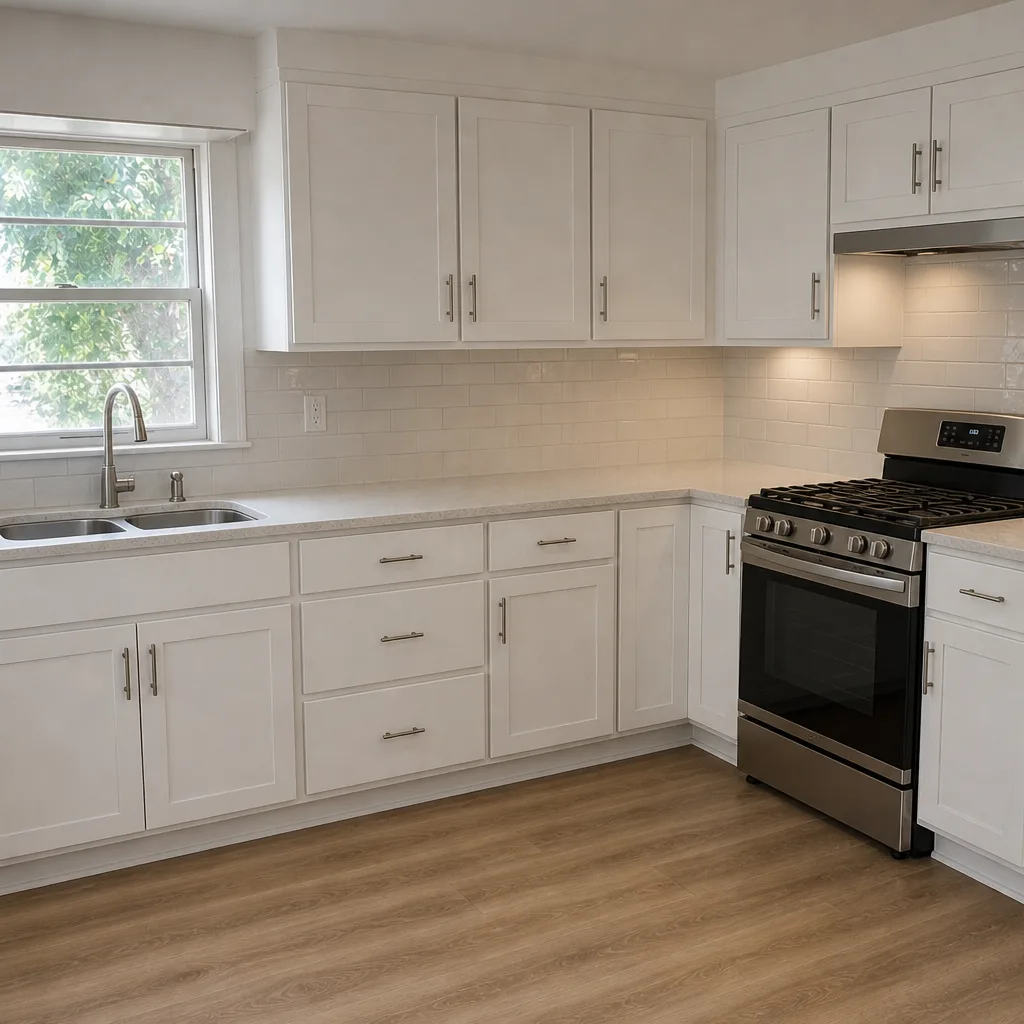 After
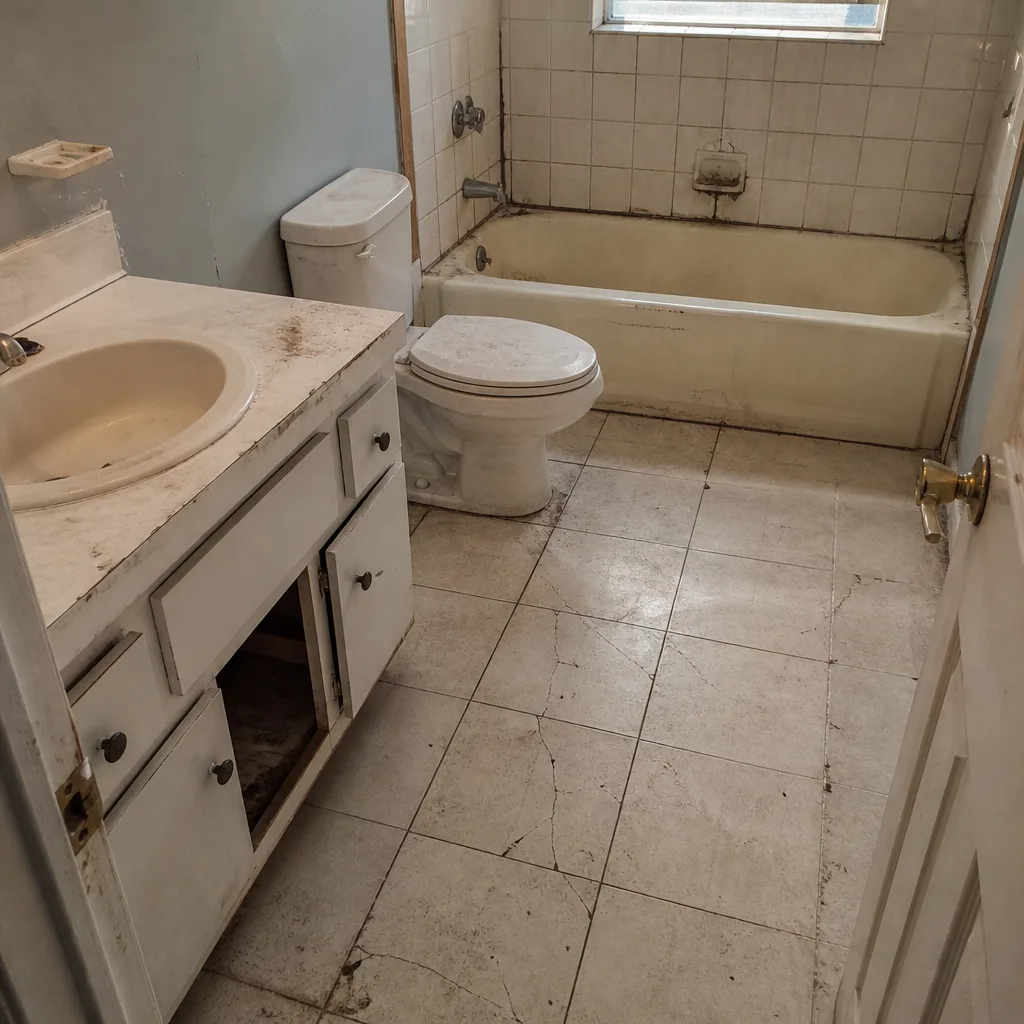 Before
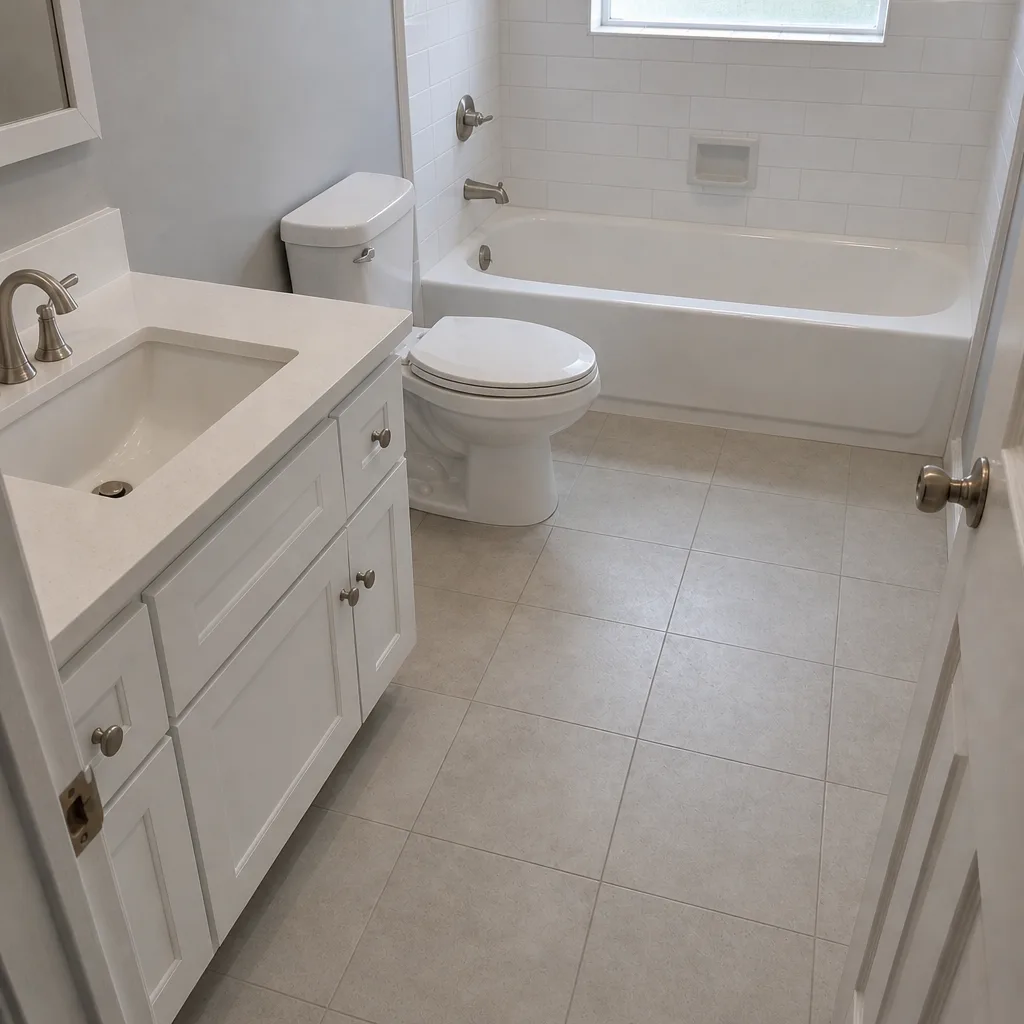 After
Can You Build an ADU on Your Property in Westchester, FL?
In most cases, yes. Florida law gives you the right to build an accessory dwelling unit on a single-family lot, and Miami-Dade County can’t ban it outright. But “allowed” and “buildable” are two different answers in Westchester. Whether your specific lot can hold an ADU comes down to three things most guides never mention: your unincorporated zoning designation, the minimum lot size Miami-Dade applies to accessory structures, and whether your existing home’s setbacks leave enough open ground for a second structure. Until those three check out, drawings are money spent on a guess. Call (833) 630-4214 and we’ll help you sort the real answer from the paperwork.
Florida’s 2020 ADU law made the process easier statewide. In Westchester, “easier” still means clearing the county zoning desk, confirming your unincorporated classification, and measuring your setback envelope before anyone commits to design fees.
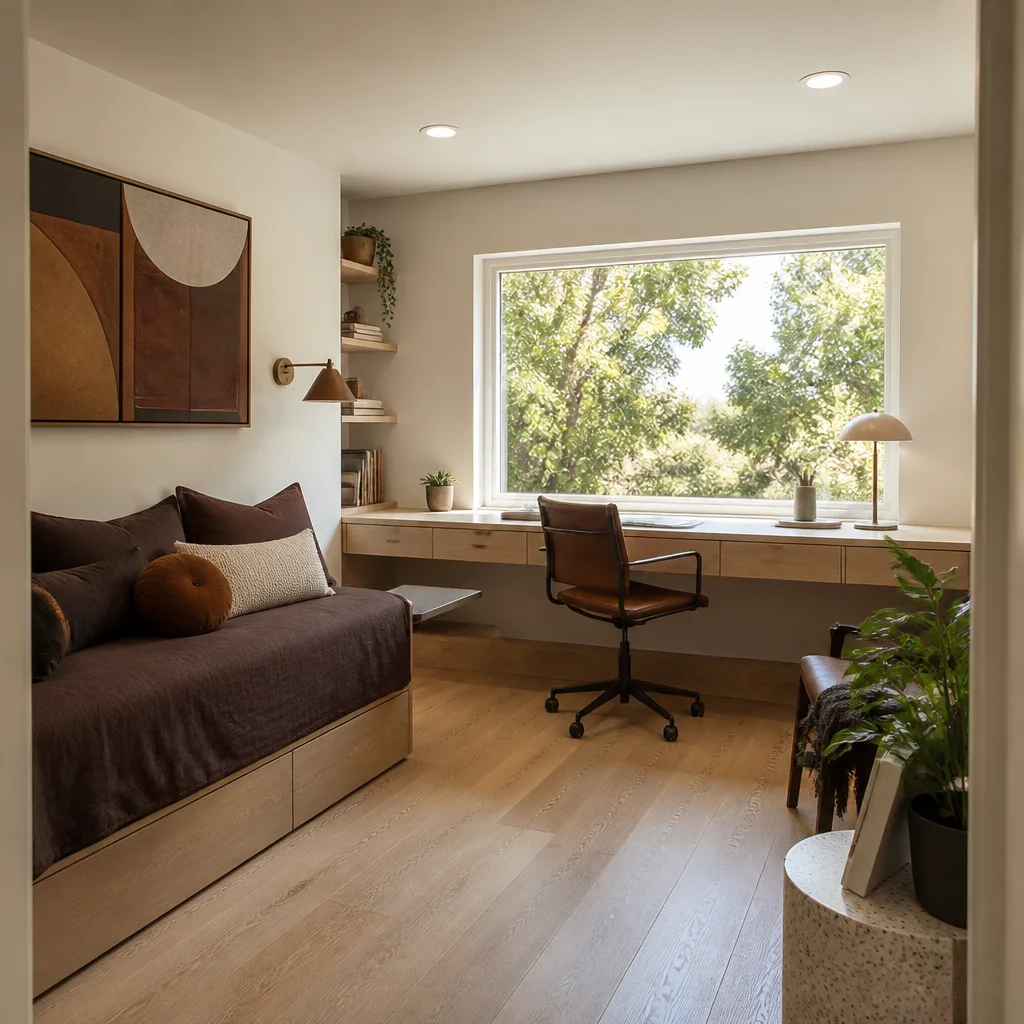
What the State Law Actually Does (and Doesn’t Do) for Westchester Lots
Florida Statute 163.31771 tells local governments they can’t prohibit ADUs on single-family lots. That’s real. It’s also narrower than most homeowners assume.
The statute stops a city or county from banning ADUs. It does not override Miami-Dade’s dimensional standards. Minimum lot size, rear and side yard setbacks, height limits, and how many accessory structures a lot can carry are all set by county code, and those rules still apply to your property. Westchester sits in unincorporated Miami-Dade, so there’s no local city hall to walk into for a friendlier reading. Everything runs through the county: zoning review, e-permitting, inspections, and High-Velocity Hurricane Zone product approval.
That last piece matters more here than in most of Florida. Miami-Dade’s hurricane zone rules mean an ADU has to meet impact-window requirements, roof-to-wall and roof-to-deck connections, and NOA product documentation from the ground up. The state law opened the door. The county still decides how wide it is.
Reading Your Zoning District: EU, RU-1, and RU-2
Your zoning district is the first filter. Miami-Dade publishes it on the county’s GIS portal, and you can look it up by address before spending a dollar on an architect. The three designations you’ll run into on Westchester’s residential streets:
- RU-1 – Single-family residential. This is the most common classification on the older ranch-block lots, and it’s the district where ADU eligibility is clearest.
- RU-2 – Duplex and low-density residential. Your ADU options are broader here, but the rules around second units and lot coverage get more layered.
- EU – Estate use. Larger lots, different minimums, and often more room to work with. Confirm your setbacks on the district sheet before assuming anything.
Pull the district, then pull the dimensional standards for that district. If your lot is under the minimum size for an accessory structure in your zone, the conversation ends there. If it clears, the next question is where the structure can actually sit.
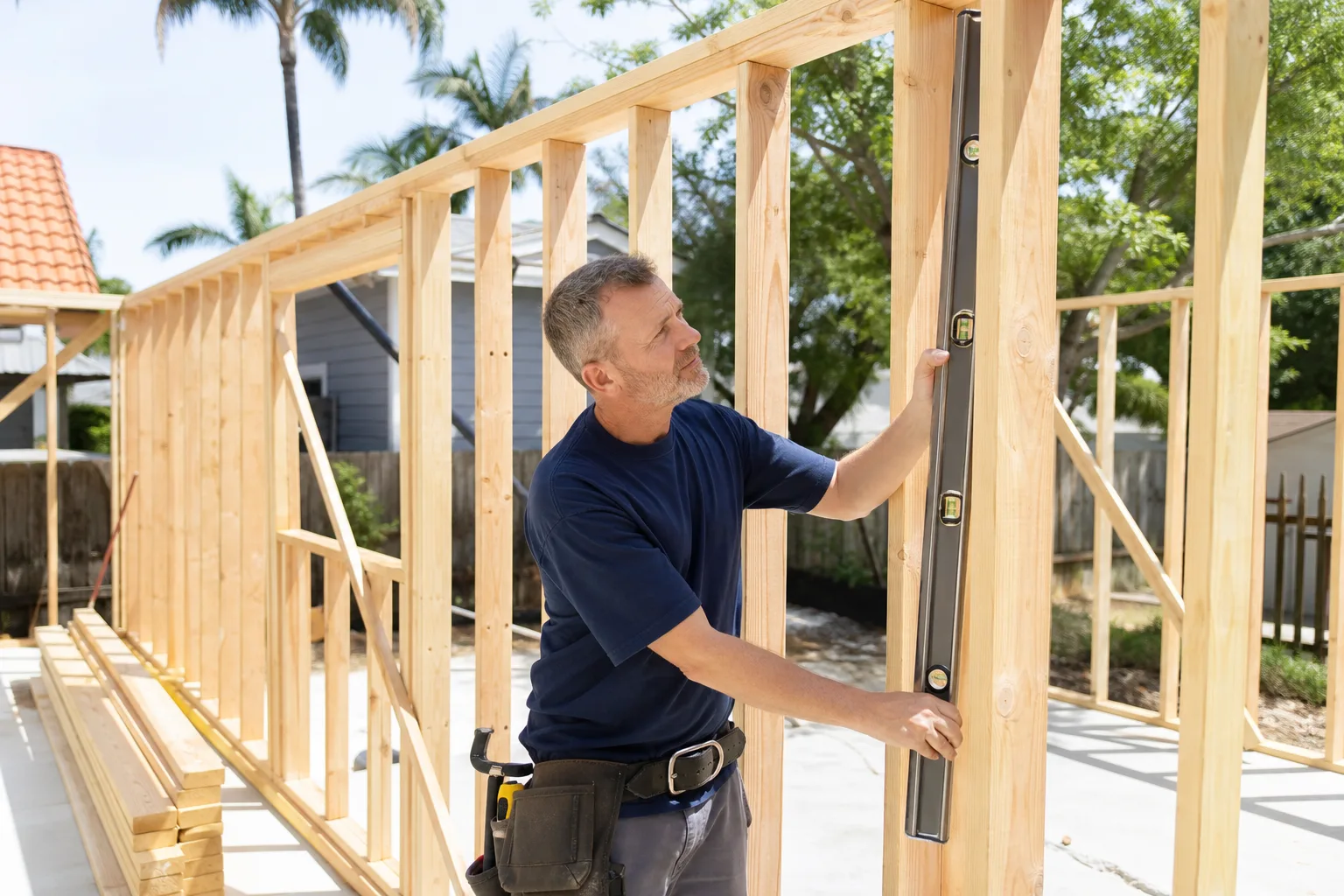
The Infill Complication Nobody Warns You About
Many Westchester lots already carry a detached garage or a utility shed. That counts. Miami-Dade limits both the number of accessory structures on a lot and the total square footage they can occupy. If your garage already eats the allowance, adding a second accessory structure requires confirming you haven’t hit the cap.
This catches people mid-design. They get a set of plans drawn, submit for permit, and learn the existing garage puts them over the limit. We’ve walked into that exact situation on mid-century lots where the original garage was never counted by the buyer. A site evaluation on the front end surfaces it in an afternoon instead of a month.
The Utility Question: Water, Sewer, and a Separate Bill
An ADU is a second dwelling unit, and that means it needs its own utility capacity. A lot of Westchester housing stock dates to the 1960s through the 1980s, and older water and sewer lines may not carry the added demand without upgrades.
Here’s the part that surprises homeowners: Miami-Dade Water and Sewer Department connection fees are billed separately from your building permit. They’re a real line item, and they can run into the thousands depending on the site. Budget them before you sign a construction contract, not after.
How We Verify This Before You Commit to Design
The first step isn’t a design. It’s a pre-construction site evaluation, and Groundwork Construction Co. of Westchester runs it as a practical service, not a sales pitch. We confirm the zoning district, measure the setback envelope against the county’s rear and side yard requirements, check the accessory structure cap against what’s already on the lot, and flag utility capacity concerns up front.
Once the site clears, the build itself lands in a well-defined range. Here’s how ADU work prices out in Westchester:
| Project | Typical Range |
|---|---|
| ADU Construction (full unit) | $90,000-$220,000 |
| Garage Conversion to ADU | $30,000-$80,000 |
| Home Addition | $45,000-$130,000 |
A garage conversion is usually the lower-cost path when your lot can’t carry a new detached structure. Full ADU construction runs higher because it’s a complete dwelling: foundation, walls, roof, HVHZ-compliant windows, plumbing, and electrical. Which route makes sense on your lot is exactly what the site evaluation is for. Learn more about our Home Additions & ADU work before you start pricing finishes.
Every project carries our 730-Day Done Right Promise, which means if something isn’t done right, we make it right; that coverage spans two full years of workmanship. We also build with brand partners you’ll recognize across the trades, from KraftMaid to Kohler to Andersen, so material choices are about quality, not availability. Financing at 0% for 18 months and $1,000 off projects over $10,000 apply here too.
Common Local Scenarios We See in Westchester
The 1970s ranch with an existing detached garage
The garage likely uses up your accessory allowance. Converting it into living space is often the cleaner path than adding a second structure, and it may not require the same dimensional review as new construction.
The oversized infill lot with room to spare
Newer two-story homes replaced older stock on some Westchester lots. If your setbacks leave a workable footprint behind the main house, a detached ADU is viable, though the utility connection and HVHZ detailing still drive the budget.
The condo or townhome owner
ADU rights under Florida law apply to single-family lots. If your property is part of a mid-rise or shared structure, the statute doesn’t reach you, and your HOA or association documents control any addition.
FAQs
Probably, if you own a single-family lot that meets Miami-Dade’s minimum lot size and setback standards for an accessory structure. Florida Statute 163.31771 stops the county from banning ADUs outright, but it doesn’t waive the dimensional requirements. Confirm your zoning district and available buildable area first; then you’ll know for sure. Call (833) 630-4214 and we’ll walk through your lot with you.
Full ADU construction in Westchester runs $90,000-$220,000. A garage conversion typically lands between $30,000 and $80,000, which is why it’s often the first option we price. Add Miami-Dade Water and Sewer connection fees on top of the building permit. Call (833) 630-4214 for a free estimate; the number you see is the number you pay.
No. The statute prevents local governments from prohibiting ADUs on single-family lots, but Miami-Dade’s lot size, setback, height, and accessory structure limits still apply to your property. State law opens the door; county code sets the dimensions. If you’d rather have it looked at, we’ll verify which rules govern your lot. Call (833) 630-4214.
Yes, and on many Westchester lots it’s the most practical route. Converting an existing garage sidesteps the accessory structure cap problem and usually costs less than new construction. Utility upgrades and HVHZ product approval still apply since it becomes a separate dwelling unit. Call (833) 630-4214 for a free assessment of your garage.
Get a Real Answer on Your Lot
Zoning lookups and setback math are easy to get wrong from a laptop, and the mistakes get expensive fast. If you’d rather have it looked at, Groundwork Construction Co. of Westchester offers a no-pressure assessment in Westchester: county zoning, setbacks, and utility capacity verified before you commit to design fees or a deposit. Call (833) 630-4214 for your free estimate.
Written by the team at Groundwork Construction Co. of Westchester, serving Westchester, FL.