Free written scope consultation - allowances, timeline, and change-order rules on paper before a single trade is scheduled
Styles & brands we work with
- Kitchen remodeling
- Bathroom remodeling
- Home additions & ADU
- Roofing
- Windows & doors
- Driveway & pavers
- Fence
See the difference
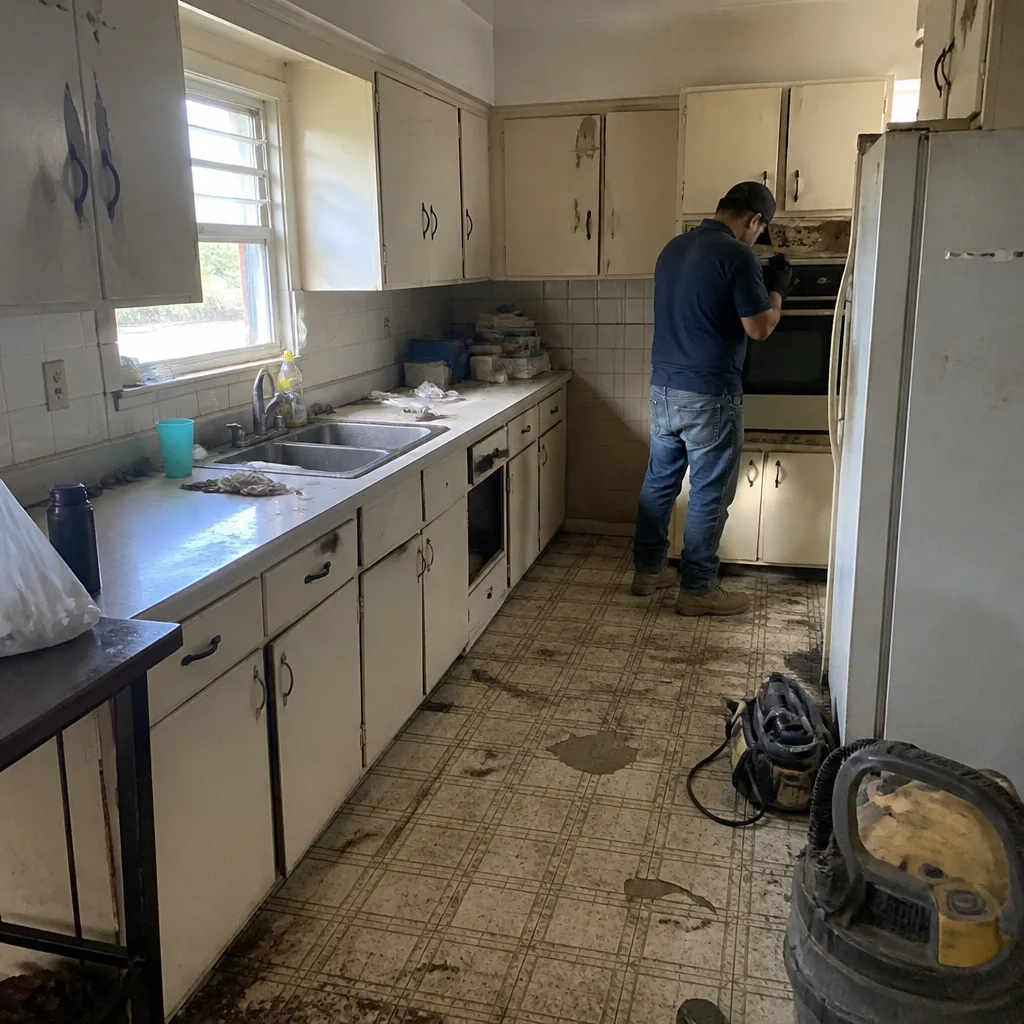 Before
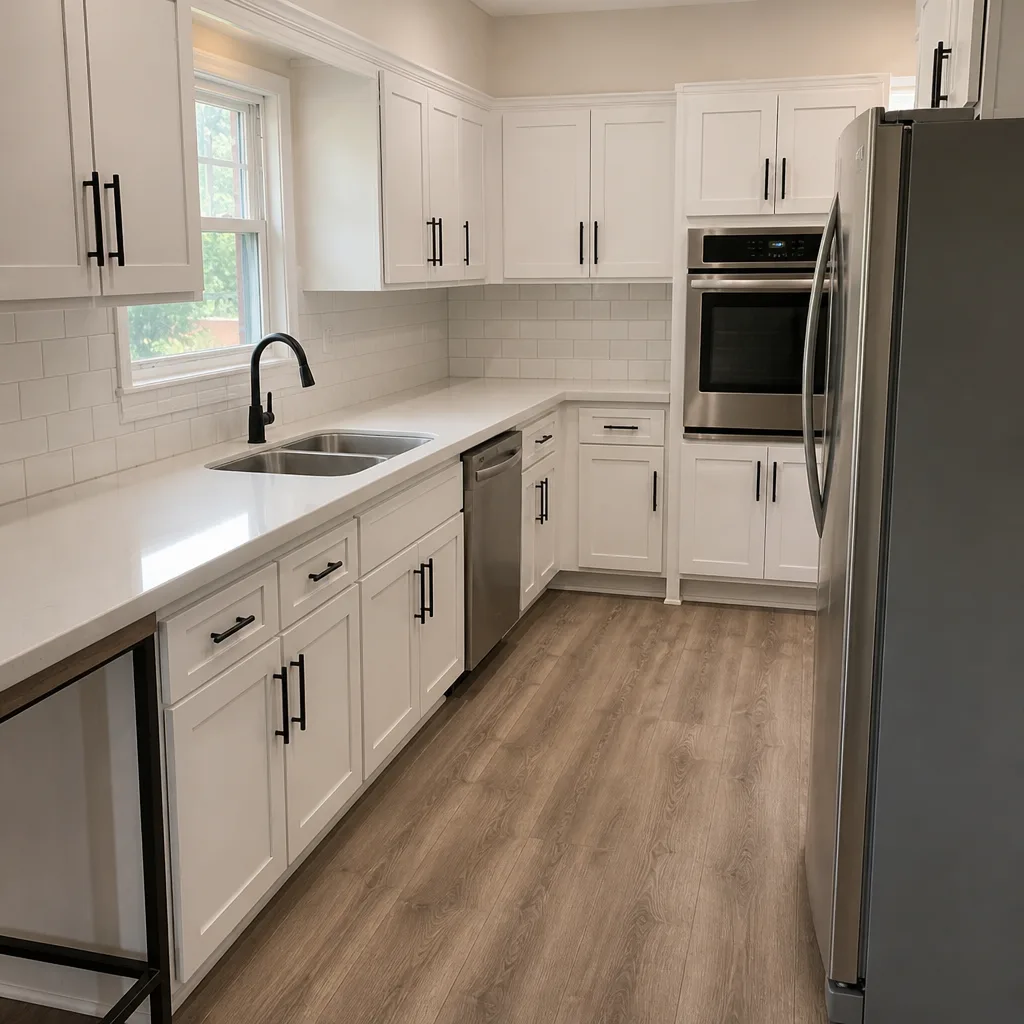 After
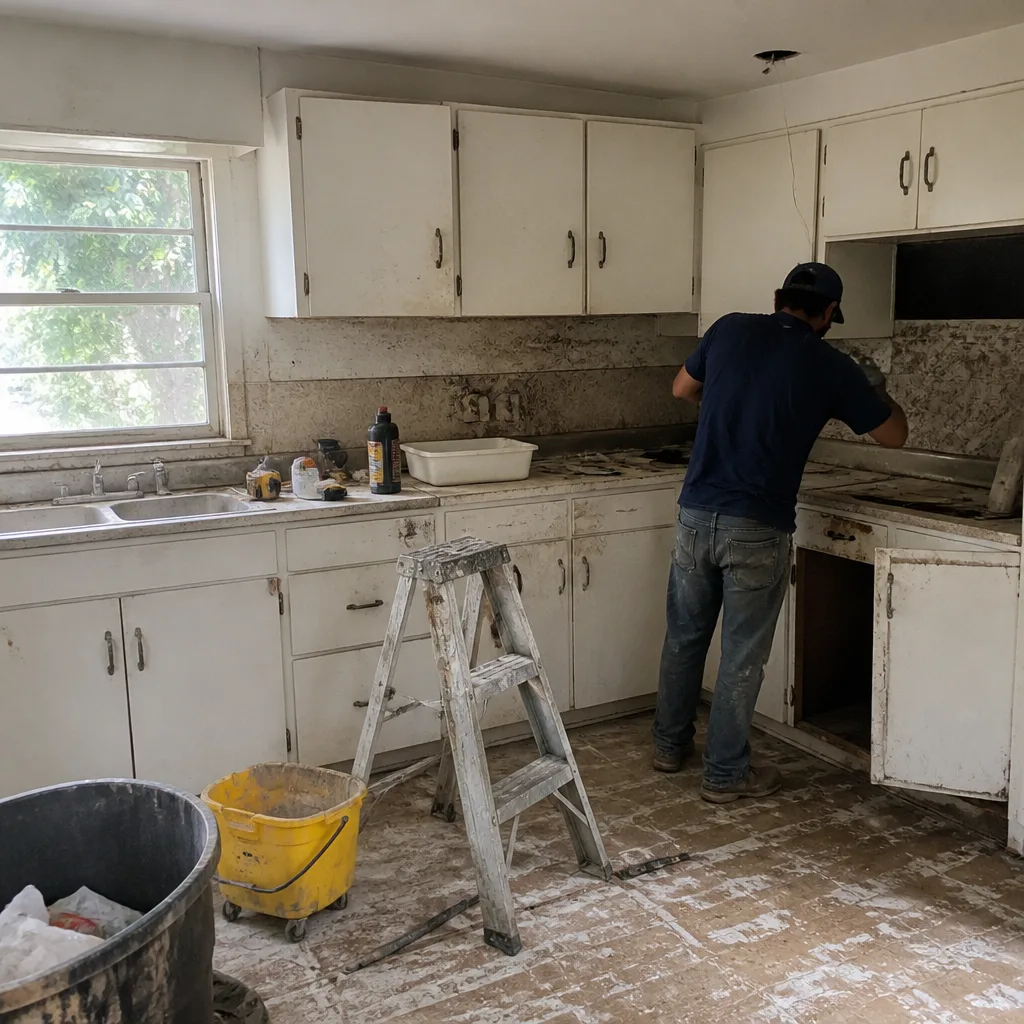 Before
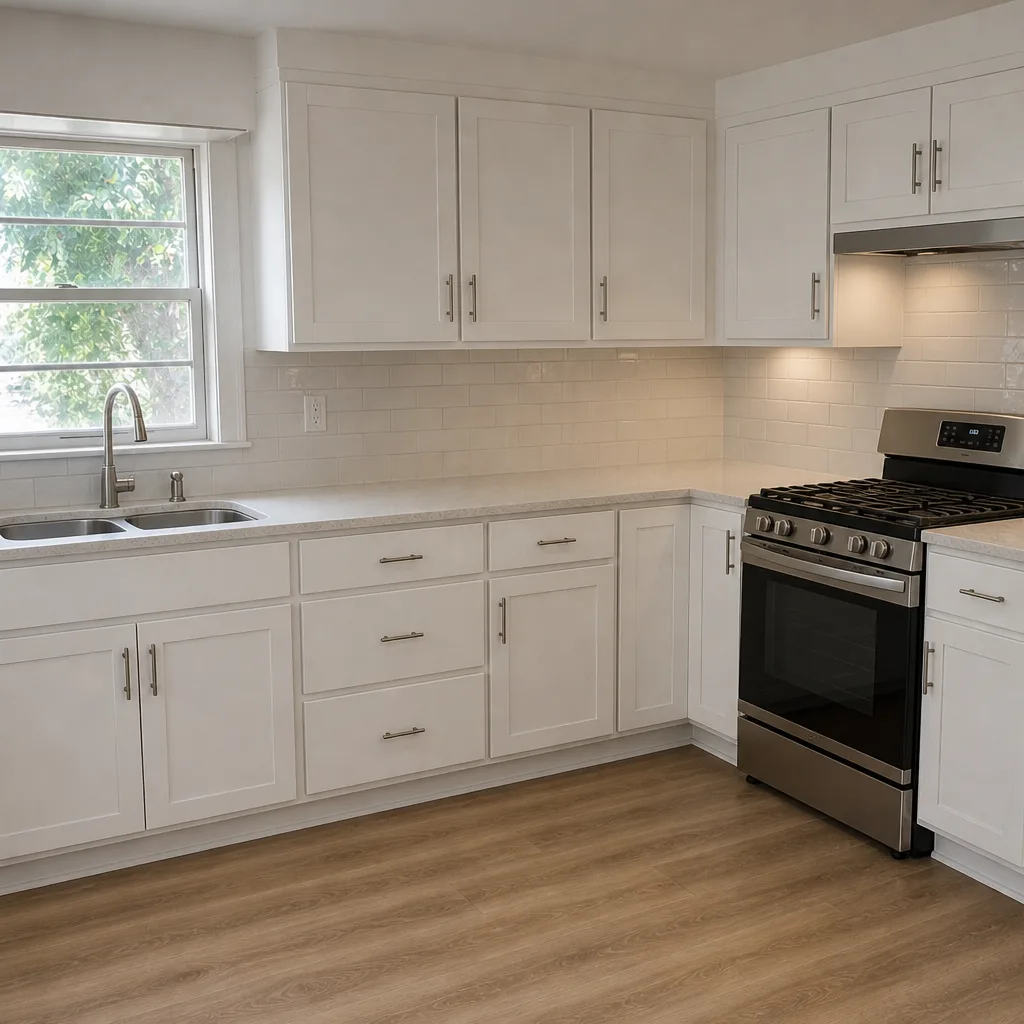 After
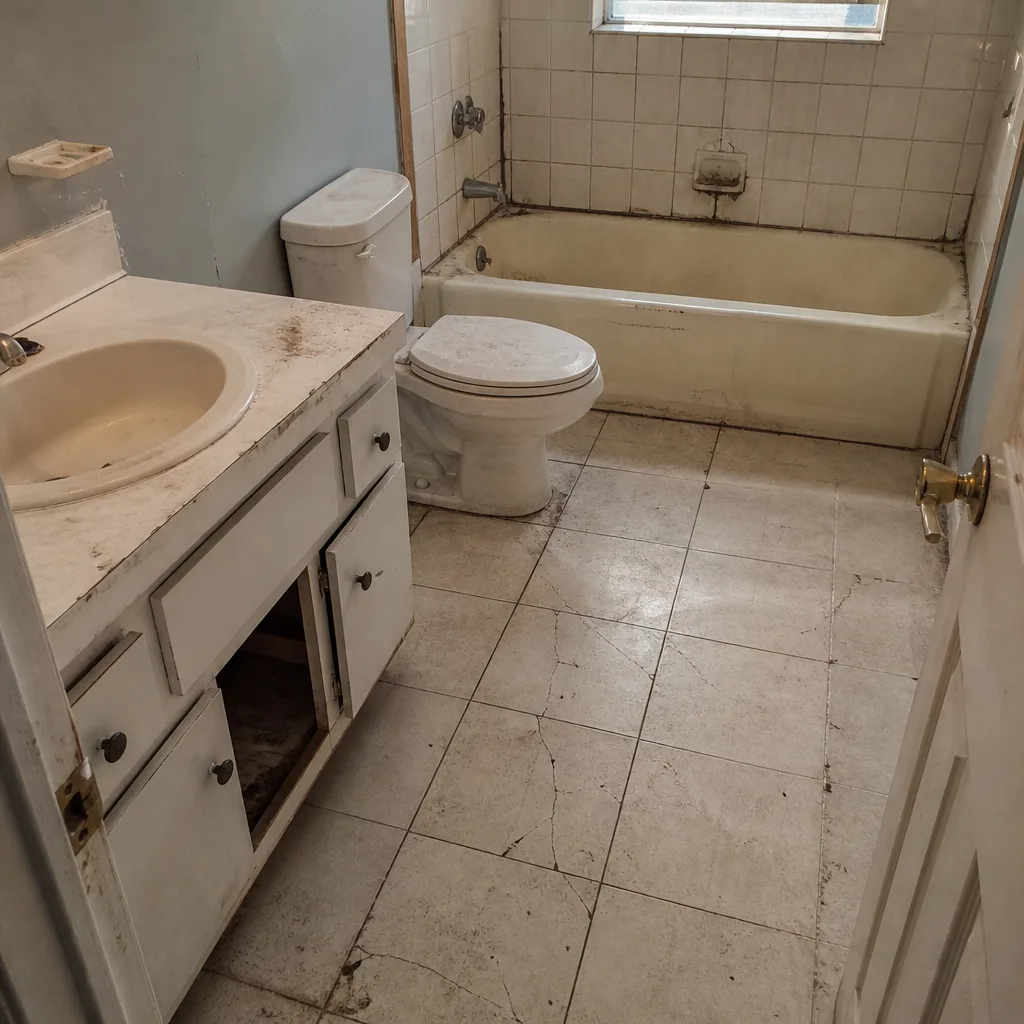 Before
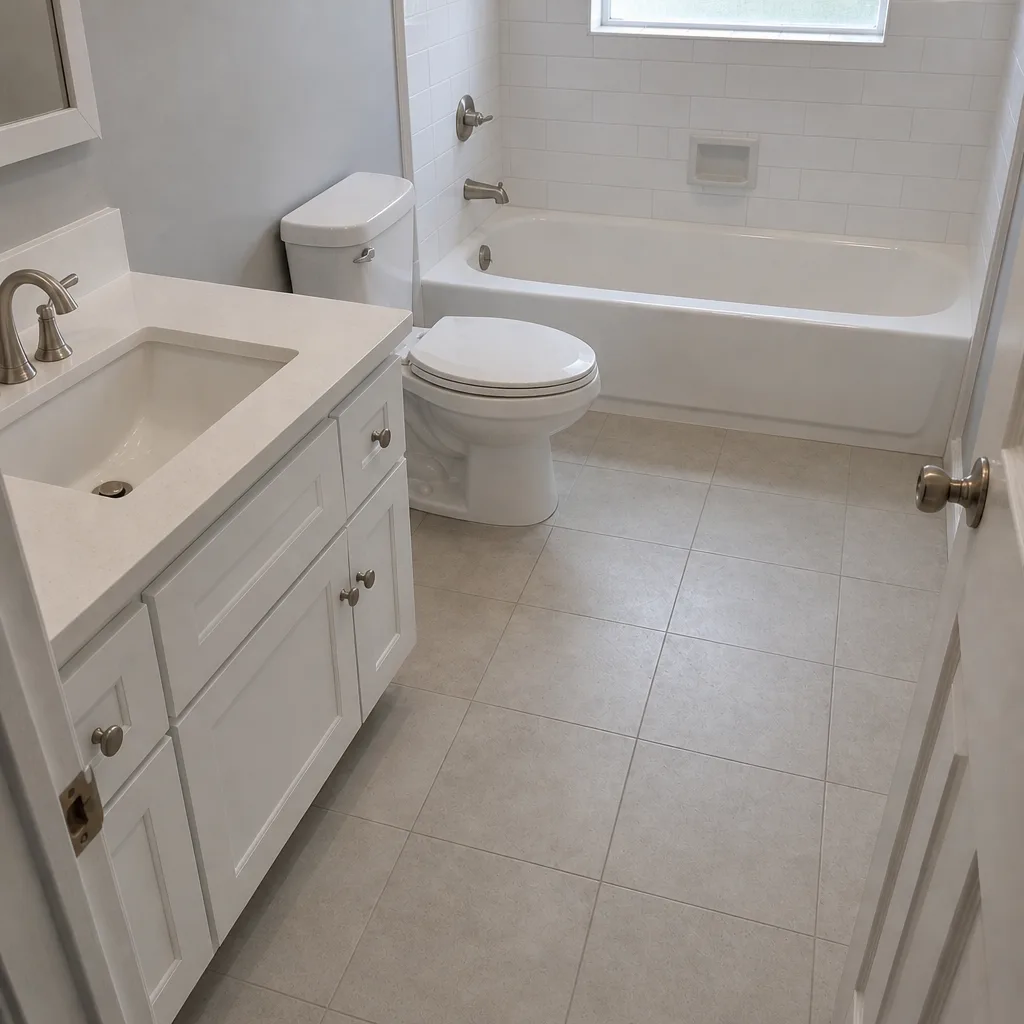 After
ADU Rules and Requirements in Westchester, FL: What Miami-Dade County Actually Enforces
If you search “ADU rules Florida” and follow what you find, you’ll likely land on Miami city code or Broward County rules. Neither governs a single ADU in Westchester. ADUs here are set entirely by Miami-Dade County’s unincorporated zoning code, enforced by the Department of Regulatory and Economic Resources (RER), and every attached or detached unit must meet High-Velocity Hurricane Zone (HVHZ) standards identical to a primary home. That means impact-rated windows with current NOA numbers, documented roof-to-wall connections, and an engineered roof-deck fastening schedule. They’re minimums, not upgrades.
If you’re staring at a lot with an older home on it and wondering what’s even possible, our team handles county zoning pre-application review before anything gets drawn. Call (833) 630-4214 and a live person picks up, day or night, to talk through your lot.
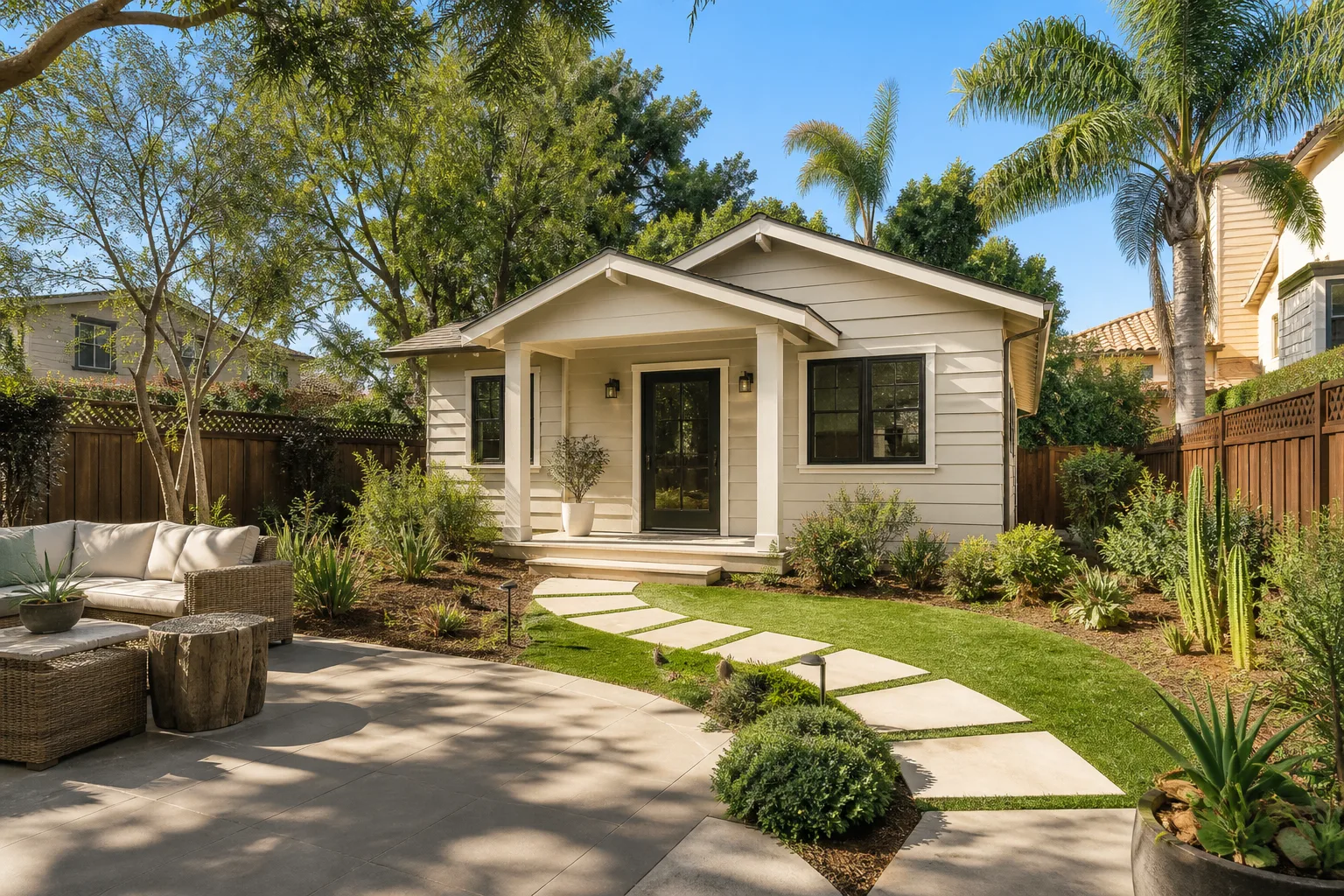
Why the Rules You Find Online Usually Don’t Apply to Westchester
Westchester sits in unincorporated Miami-Dade County. There’s no local building department to walk into, no city hall sign-off, no municipal inspector assigned to your street. Every permit, every inspection, every code check runs through the county, and most submissions go through the county’s e-permitting portal rather than a counter visit.
That distinction matters more than most homeowners realize. An ADU guide written for the City of Miami describes a completely different set of setbacks and review processes. A Broward County guide references a different hurricane code path. Follow either one for a Westchester project and you’ll spend months building toward a code the county doesn’t apply here.
What the county does enforce, specifically for ADUs:
- Lot coverage limits. The combined footprint of house, ADU, garage, and paved surface has to stay within unincorporated Miami-Dade’s cap. On Westchester’s infill lots, that cap is usually the tightest constraint.
- Setback requirements. Front, side, and rear setbacks are measured against the lot line, not the existing structure. Detached units need clearance to both the property line and the main house.
- Owner-occupancy conditions. County rules generally require the property owner to live in the primary residence when an ADU is present, and the ADU can’t be sold separately from the main house.
- HVHZ construction. Every structural element of the ADU has to meet hurricane zone standards, with product approval documentation filed before construction starts.
One more wrinkle: because Westchester is unincorporated, there’s no city permit to “pull” as a shortcut. Contractors who try to describe a municipal approval process for an address here are telling you they haven’t done the work.
The HVHZ Standard Applies to Your ADU the Same Way It Applies to Your House
This is where a lot of DIY plans and low-bid proposals fall apart. Miami-Dade’s hurricane zone requirements don’t have a reduced category for accessory structures. Your 600-square-foot detached ADU gets the same HVHZ treatment as the 2,200-square-foot house in front of it.
Concretely, that means:
- Impact-resistant windows and doors, each with a current Notice of Acceptance (NOA) number on file with the county
- A minimum roof-deck fastening schedule specified in the plans, not left to the crew
- Roof-to-wall and roof-to-deck connections with hurricane strap documentation
- A continuous load path engineered from foundation to roof, signed and sealed
Given Westchester’s heavy summer rains and wind-driven water, waterproofing and flashing details on new additions get scrutinized too. A flat or low-slope roof that leaks in year one usually traces back to a flashing detail that got value-engineered out. We specify materials from partners like Owens Corning and GAF precisely because their product approval documentation is complete and current, which keeps the county review from stalling on a submittal gap.
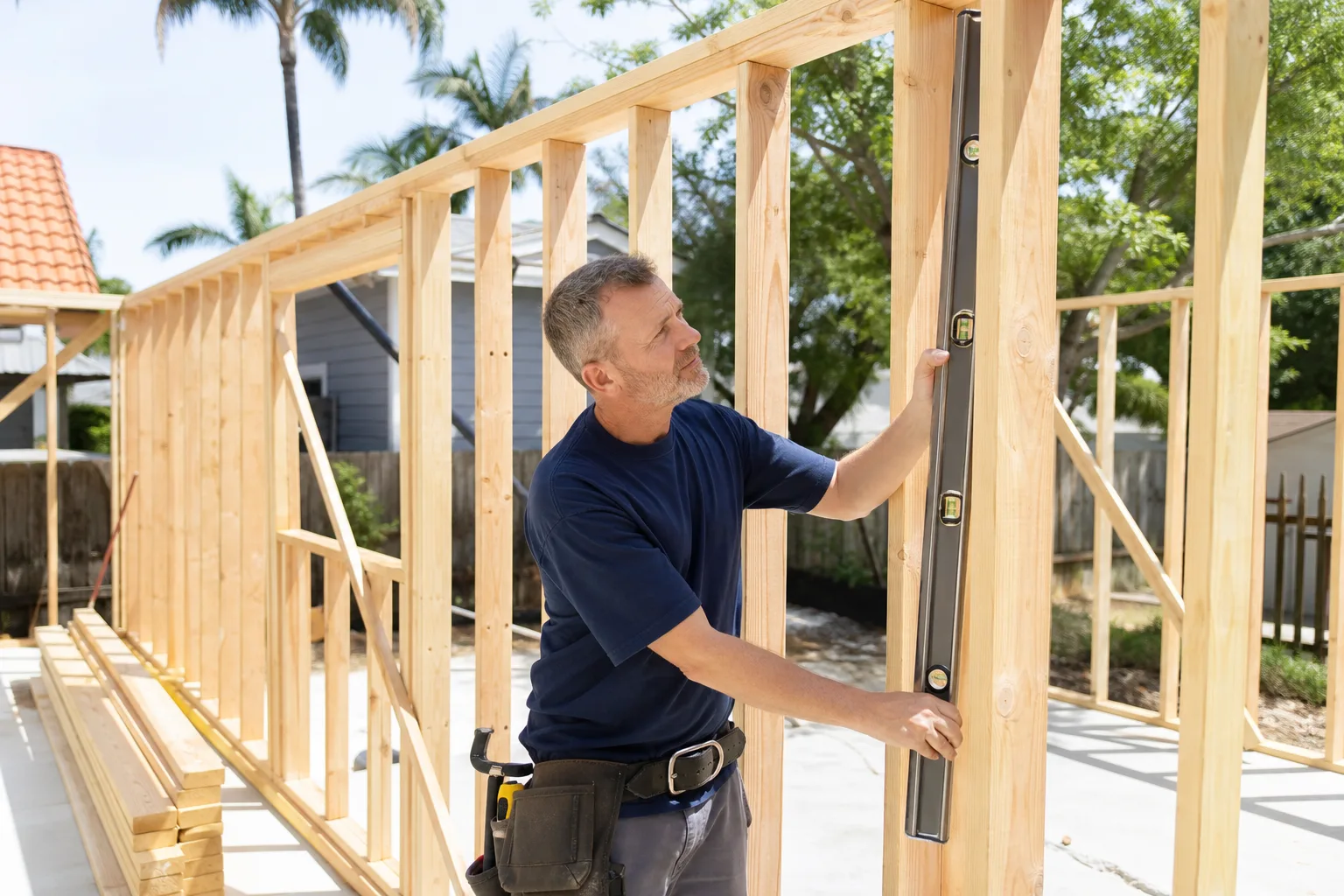
The 1970s Concrete-Block Lot: Westchester’s Most Common ADU Scenario
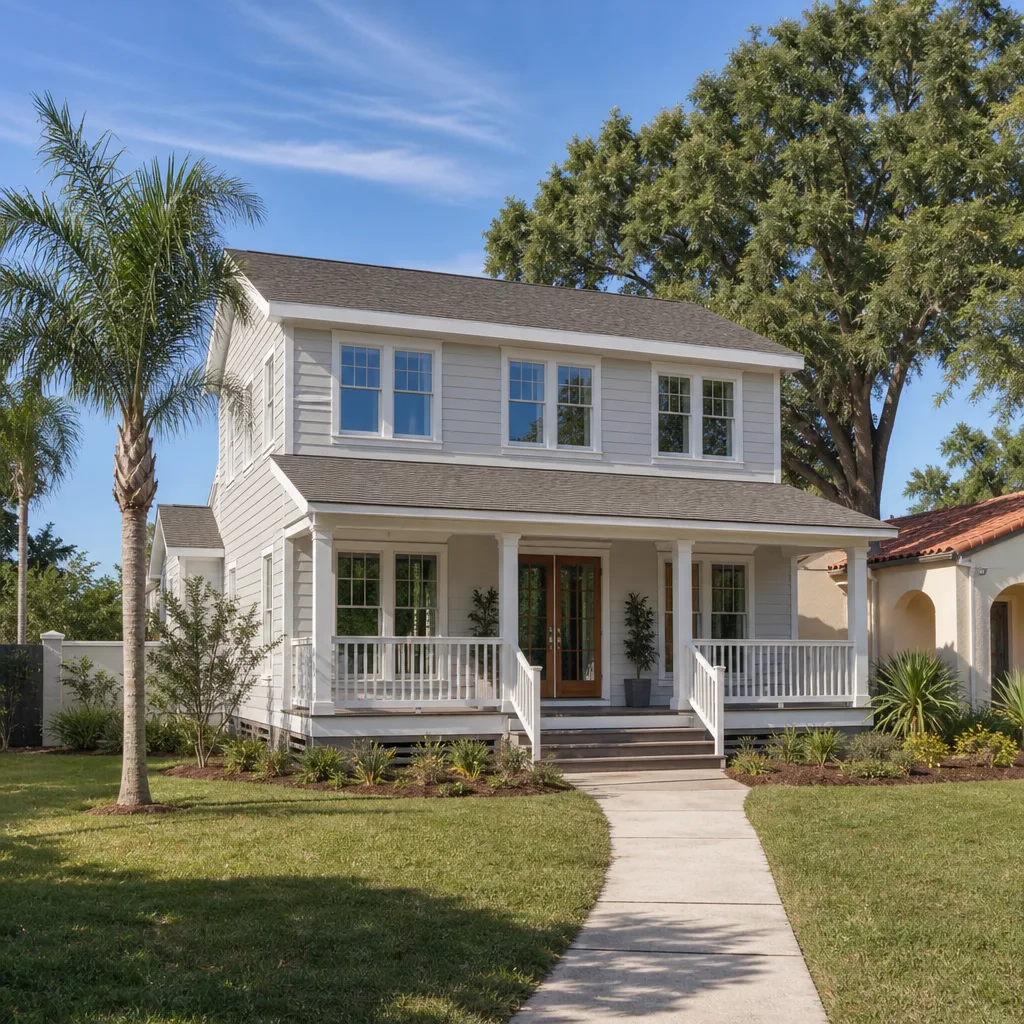
Ask anyone who has built on a Westchester infill lot and they’ll tell you the same thing: the existing home is the hard part, not the new unit. The neighborhood is full of 1960s through 1980s concrete-block ranch and Spanish/Mediterranean homes, with newer two-story replacements filling in around them. The 1970s block house is the classic setup, and it comes with a specific set of hurdles.
First, the survey. A current boundary and topographic survey is required before the county will review an ADU application. Old surveys don’t survive if the lot was ever subdivided or a fence line shifted.
Second, as-built documentation. The county wants to know what’s actually there. If the existing home was expanded, had a garage converted, or was never permitted properly, that has to be documented and often corrected before the ADU review moves forward.
Third, the variance question. When the combined footprint of the existing home plus the proposed ADU exceeds the county lot-coverage cap, you need a zoning variance. That’s a separate process, with its own timeline, and it’s the single most common reason an ADU project stalls midway. On tighter lots, our approach is to design the ADU footprint to what the lot actually allows, then negotiate upward only if the variance is realistic.
Because the county handles all of this through e-permitting, the paperwork discipline matters as much as the carpentry. Incomplete submittals get kicked back and restart the review clock. We file zoning pre-application review, NOA product documentation, and inspection sequencing together so nothing gaps between phases.
What an ADU Actually Costs in Westchester
ADU construction in Westchester runs $90,000 to $220,000, driven mostly by whether the unit is attached or detached, whether the lot needs a variance, and how much of the existing home’s documentation needs correcting. Garage conversion is the lower-cost path at $30,000 to $80,000, and a full home addition that includes an ADU component runs $45,000 to $130,000. These are the honest ranges you should budget against.
| Project | Typical Range |
|---|---|
| ADU Construction (new detached or attached) | $90,000-$220,000 |
| Garage Conversion to ADU | $30,000-$80,000 |
| Home Addition with ADU component | $45,000-$130,000 |
Financing is the real barrier, not the final number. Groundwork Construction Co. of Westchester offers 0% financing for 18 months and $1,000 off projects over $10,000, which often closes the gap between a code-compliant ADU and an “informal” addition built without permits. That informal path creates legal and insurance exposure you don’t want. An unpermitted unit typically can’t be insured, can’t be counted on a resale appraisal, and can trigger a code enforcement action that forces removal. Budgeting for the permit is cheaper than removing the unit later.
For a full breakdown of how an ADU fits within a larger addition project, see our Home Additions & ADU page. Every project here is covered by the 730-Day Done Right Promise, and pricing is upfront, so the number you see is the number you pay.
Common Local Scenarios We Run Into
Replacing a 1970s block house with a two-story plus a detached unit. Common in the infill sections of the neighborhood. Lot coverage is almost always the binding constraint, and the survey has to reflect the new structure, not the one coming down.
Converting a garage that was already converted informally. Builders picked a cheap path years ago and skipped the permit. Bringing that space to code means documenting the existing structure, upgrading walls from lath to gypsum drywall, and redoing the roof-to-wall connections to HVHZ standards.
Adding a unit for family, not rental. The owner-occupancy condition still applies. You live in the main house, the ADU can’t be sold separately, and the permit has to reflect that.
Flat or low-slope roof on a Mediterranean-style home. Waterproofing and drainage details are where these projects win or lose. Getting the flashing schedule right the first time is cheaper than tearing into a flat roof two summers later.
FAQs
No. Westchester is unincorporated Miami-Dade County, so all permitting and inspections run through the county’s Department of Regulatory and Economic Resources, not a local building department. Most submissions go through the county’s e-permitting portal, and HVHZ product approval documentation has to accompany the plans before review starts. Call (833) 630-4214 and we’ll walk through what your address specifically requires.
Expect $90,000 to $220,000 for a new ADU in Westchester. Garage conversions run $30,000 to $80,000, and an addition with an ADU component runs $45,000 to $130,000. Variance work, site conditions, and existing-home documentation can push the high end. Financing matters: our 0% financing for 18 months and $1,000 off projects over $10,000 keeps the upfront number manageable. Call (833) 630-4214 for a free estimate on your lot.
Yes. Miami-Dade’s HVHZ requirements apply to every attached or detached ADU with no reduced standard for accessory structures. That means impact-rated windows and doors with current NOA numbers, a specified roof-deck fastening schedule, and documented roof-to-wall connections. The same rules that apply to your primary residence apply to your unit.
You’ll likely need a zoning variance, which is a separate county process with its own timeline. The better move is often to right-size the ADU footprint to what the lot allows, then pursue a variance only if the numbers genuinely work. A current survey and as-built documentation of the existing home are the places to start, because the county won’t review an incomplete application. Call (833) 630-4214 before you commit to a design.
Talk Through Your Lot Before You Draw Anything
If you’d rather have it looked at, Groundwork Construction Co. of Westchester offers a no-pressure assessment in Westchester. We’ll pull the lot coverage math, check the existing home’s documentation, and tell you plainly whether an ADU fits, needs a variance, or isn’t realistic on your lot. That’s the start of any project that needs to clear Miami-Dade County’s rules. Call (833) 630-4214 for a free estimate, live person, 24/7.
Written by the team at Groundwork Construction Co. of Westchester, serving Westchester, FL.