Free written scope consultation - allowances, timeline, and change-order rules on paper before a single trade is scheduled
ADU Site Prep & Utilities in Glenvar Heights, FL: What It Costs and What It Takes
ADU Site Prep & Utilities in Glenvar Heights runs $45,000 – $130,000 for the site and utility work itself, and takes 6 – 14 weeks from the first excavation to final utility sign-off. That covers grading and drainage, the slab or pier foundation, water and sewer tie-ins, the electrical service and panel, and the inspections that hold it all together. Call (833) 630-4214 for a free on-site estimate. The number depends on how far your ADU sits from the house, what the soil does in the wet season, and how much of your existing service can be reused.
How the work actually runs, stage by stage
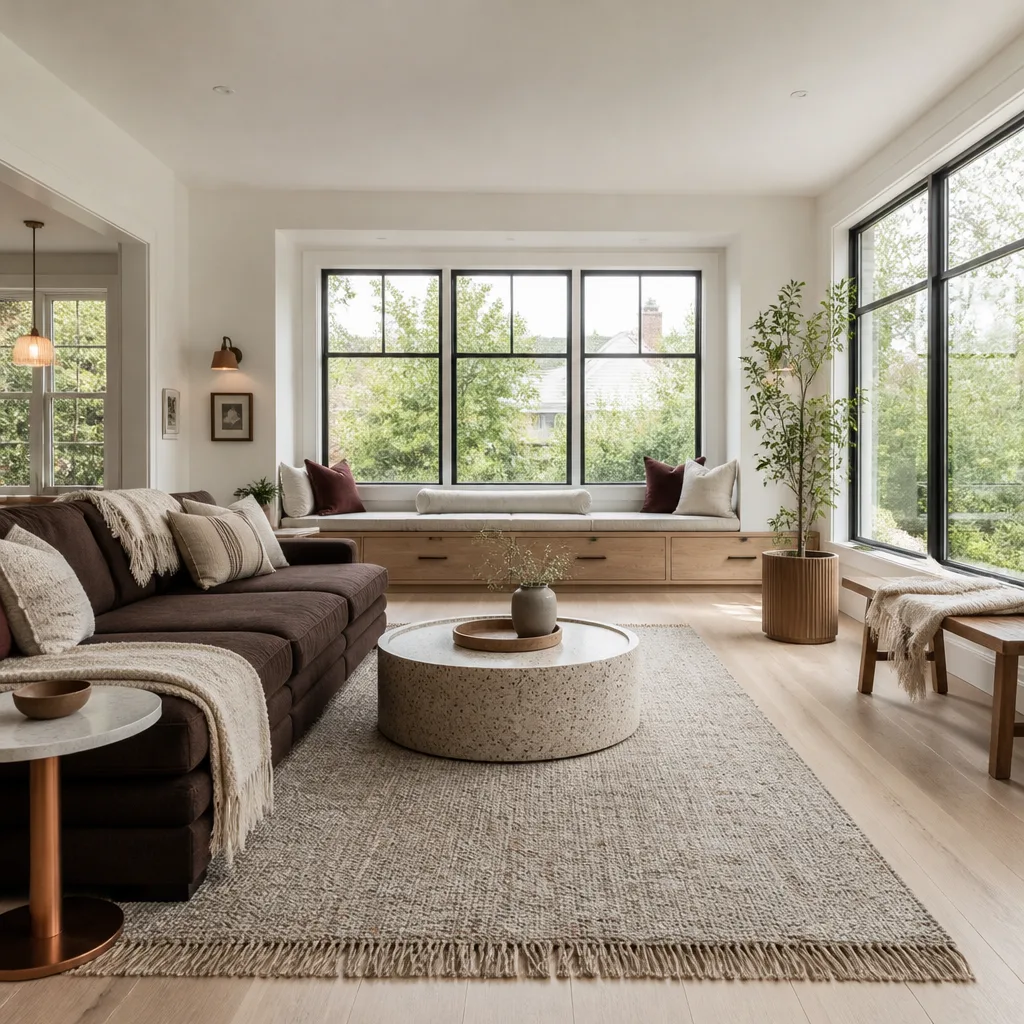
Site prep and utilities aren’t one job. They’re five, and each one has to pass before the next can start. Here’s the sequence we follow, with the time each stage usually takes on a Glenvar Heights lot.
1. Survey, utility locate, and tree review (week 1)
Before anything gets dug, we have the lot surveyed and call in the 811 utility locate so we know where the existing water, sewer, gas, and buried electrical lines sit. This matters more in Glenvar Heights than most people expect, because 1950s – 1970s lots here often have undocumented irrigation lines and old septic remnants buried under later landscaping. We also photograph the live oaks and ficus within the root-protection zone, since the City of South Miami’s tree rules can freeze site work if a protected tree sits too close to the excavation. You’ll decide where the ADU footprint lands relative to those trees at this stage, not after the excavator shows up.
2. Clearing, grading, and drainage design (weeks 1 – 2)
We strip the footprint and grade the pad to drain away from both the ADU and the main house. On Glenvar Heights’s flat terrain, that means establishing a positive slope and a swale or dry well to handle the intense afternoon thunderstorms from May through October. A lot that sheds water poorly will flood an ADU slab every summer. You’ll pick the drainage approach here, and whether the roof drains feed a rain garden or tie into the storm system.
3. Foundation: slab, stem-wall, or pier (weeks 2 – 5)
Most Glenvar Heights ADUs go on a monolithic slab or a stem-wall foundation, poured over a compacted base with vapor barrier and rebar. The high water table is the wild card: during the wet season, an over-excavated hole can fill overnight, so we schedule pours around the weather and sometimes dewater. You’ll decide slab versus pier-and-beam, and the honest trade-off is cost against how the floor feels and how future plumbing repairs work.
4. Utility rough-in and service upgrade (weeks 3 – 6)
While the foundation cures, we trench the water, sewer, and electrical runs from the main house or the street to the ADU. This is the stage that blows budgets, because a 100-amp subpanel may not be enough for a full ADU with an electric range, mini-split heat, and a washer. Many Glenvar Heights homes still run on the original 100-amp service from the 1960s, so a service upgrade to 200 amps is often part of the job. You’ll decide appliance loads and whether to run gas or go all-electric.
5. Final connections, inspections, and backfill (weeks 5 – 8)
We tie in the meter, set the panel, connect the sewer lateral, pressure-test the water lines, and coordinate the rough-in inspections before the drywall goes up. Backfill and compaction follow, then the final site grading. Glenvar Heights sits in the 33143 ZIP, and inspections here are scheduled through Miami-Dade County and, in some cases, City of South Miami, so inspection windows can add a week or two to the calendar. We pull the permits and pass the inspections, and you get the sign-off paperwork in writing.
Styles & brands we work with
- Kitchen remodeling
- Bathroom remodeling
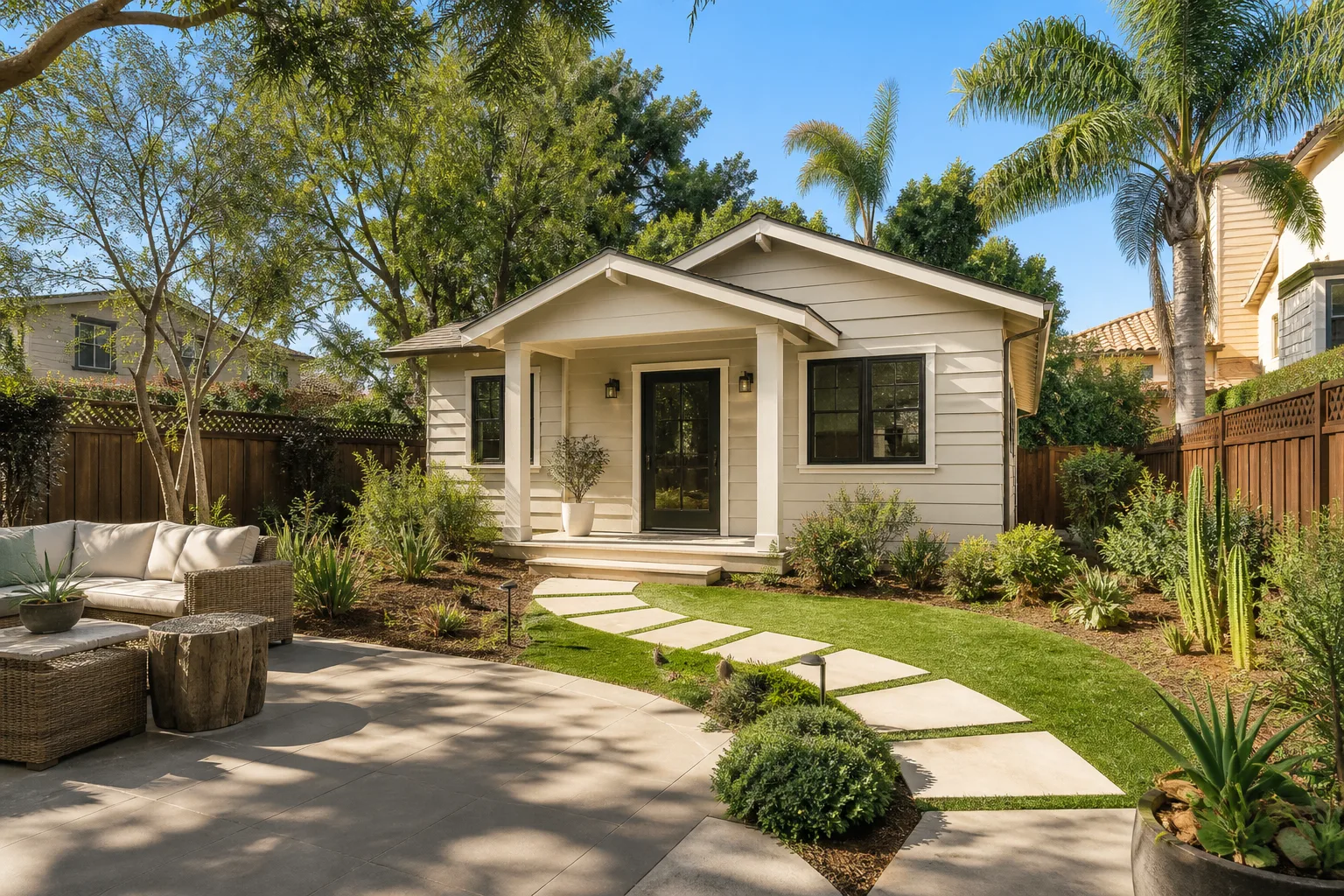
- Home additions & ADU
- Roofing
- Windows & doors
- Driveway & pavers
- Fence
The choices you’ll make, with real trade-offs
Site prep hides most of its decisions underground. Here are the ones that actually change what you get.
- Slab vs. pier-and-beam foundation: A slab is faster and cheaper, usually $8,000 – $18,000 of the total, and suits a flat, well-drained pad. Pier-and-beam costs 20 – 30% more but survives minor soil movement and keeps plumbing accessible. On Glenvar Heights’s high water table, a slab done right drains well; a pier foundation forgives more.
- 200-amp service upgrade vs. subpanel off the existing meter: A subpanel keeps cost down if your main panel already has capacity, but older Glenvar Heights homes on 100-amp service usually need the full upgrade, which runs $2,500 – $6,000.
- Sewer lateral to the main vs. grinder pump: Gravity is best when the ADU sits close to the house and grade allows. If the lot is flat or the ADU sits uphill, a grinder pump adds $2,000 – $4,500 and requires power and maintenance.
- Grading and drainage approach: A simple swale is the low-cost option; a dry well or French drain adds cost but keeps water off the slab through the wet season.
- Water heater and HVAC placement: A heat-pump water heater or a mini-split changes the electrical load and where the lines run. Decide before the trench is backfilled, not after.
What ADU Site Prep & Utilities costs in Glenvar Heights, FL
Plan on $45,000 – $130,000 for the site and utility work. Full ADU construction with the structure and finishes runs higher, and that’s a separate budget line. Here’s where the range lands by component:
| Component | Typical Glenvar Heights range |
|---|---|
| Survey, 811 locate, tree review | $800 – $2,500 |
| Clearing, grading, drainage | $6,000 – $18,000 |
| Foundation (slab or pier) | $8,000 – $22,000 |
| Water and sewer tie-ins | $4,000 – $14,000 |
| Electrical service + trench | $5,000 – $16,000 |
| Permits and inspections | $2,500 – $8,000 |
| Final grading and backfill | $3,000 – $9,000 |
| Total | $45,000 – $130,000 |
What pushes a job toward the top of that range? Distance from the street, an old service that needs a full upgrade, a sewer lateral that has to be rerouted, a tree that forces relocation, and wet-season scheduling. What keeps it low? A short utility run, an existing 200-amp panel, and a pad that already drains. You’ll get a written line-item estimate with upfront pricing, so the number you see is the number you pay, backed by our 730-Day Done Right Promise.
See the difference
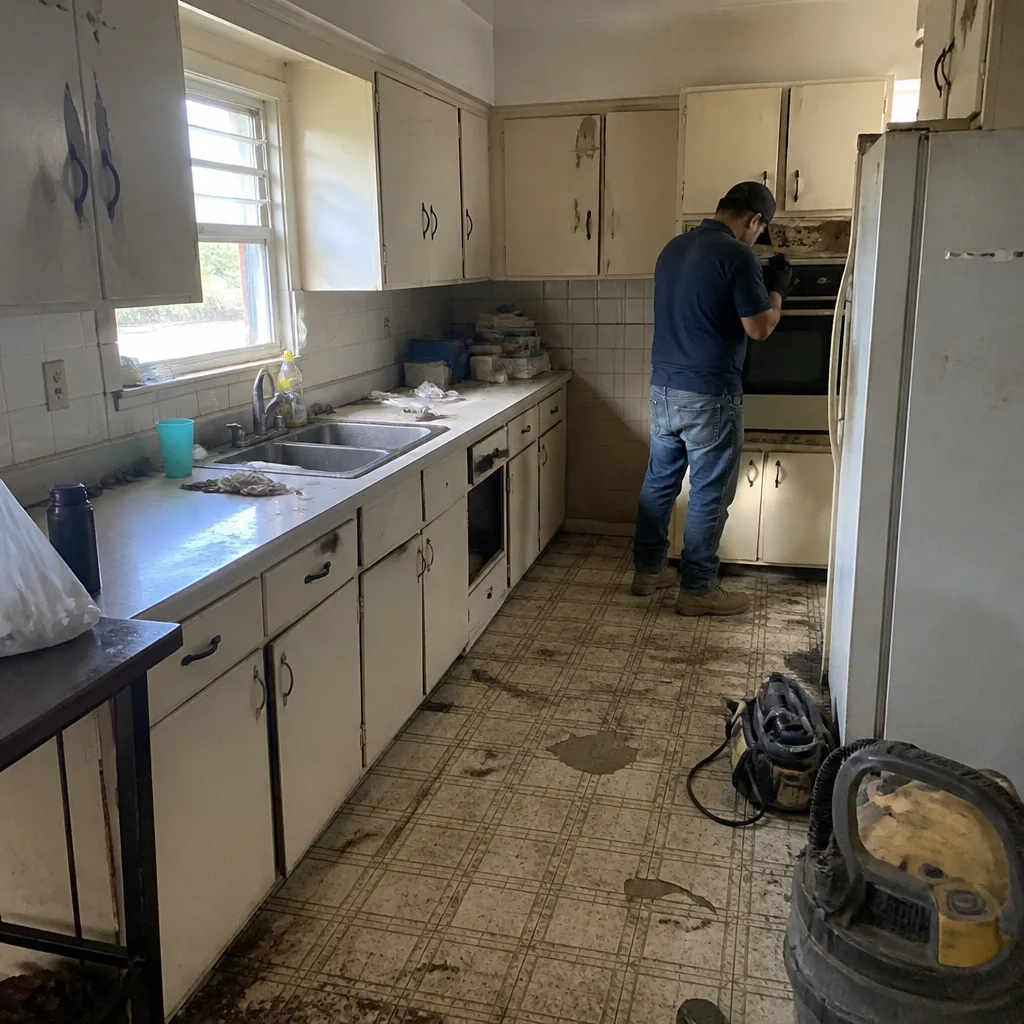 Before
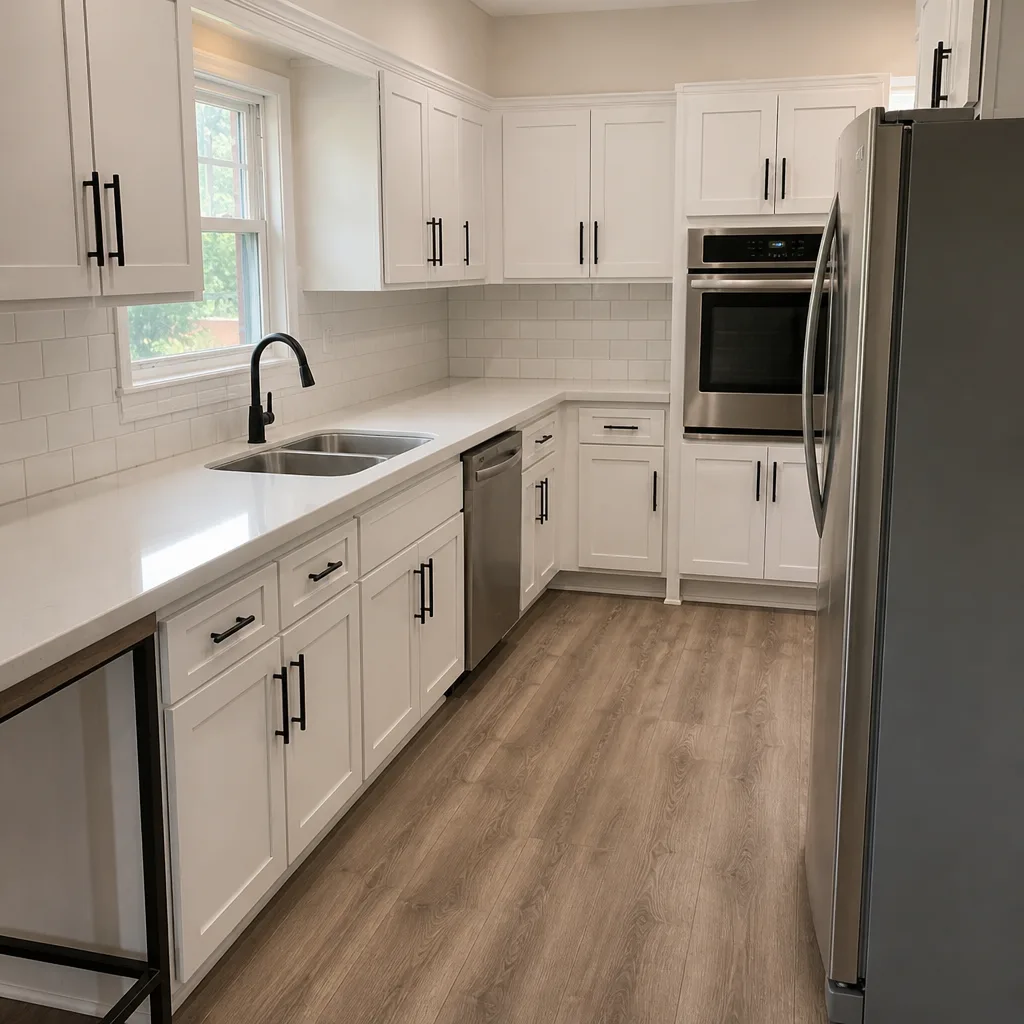 After
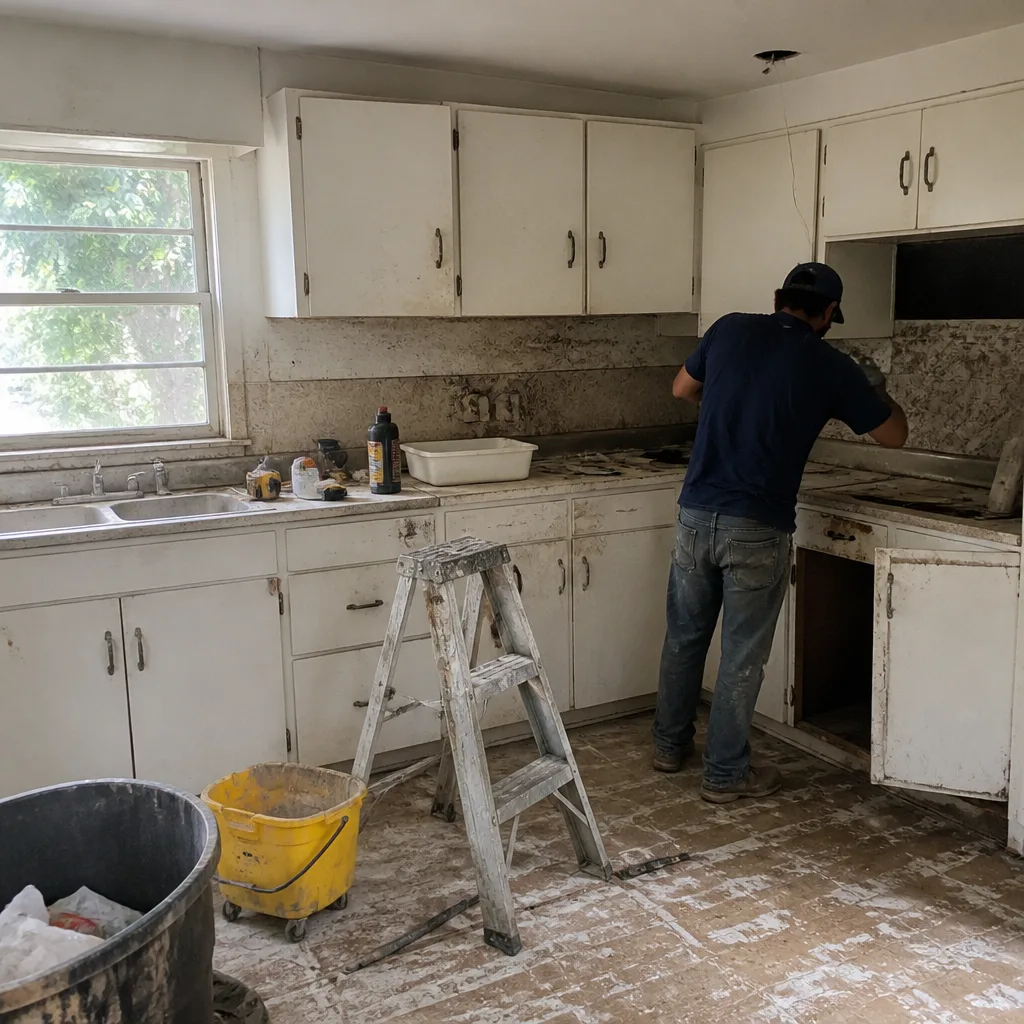 Before
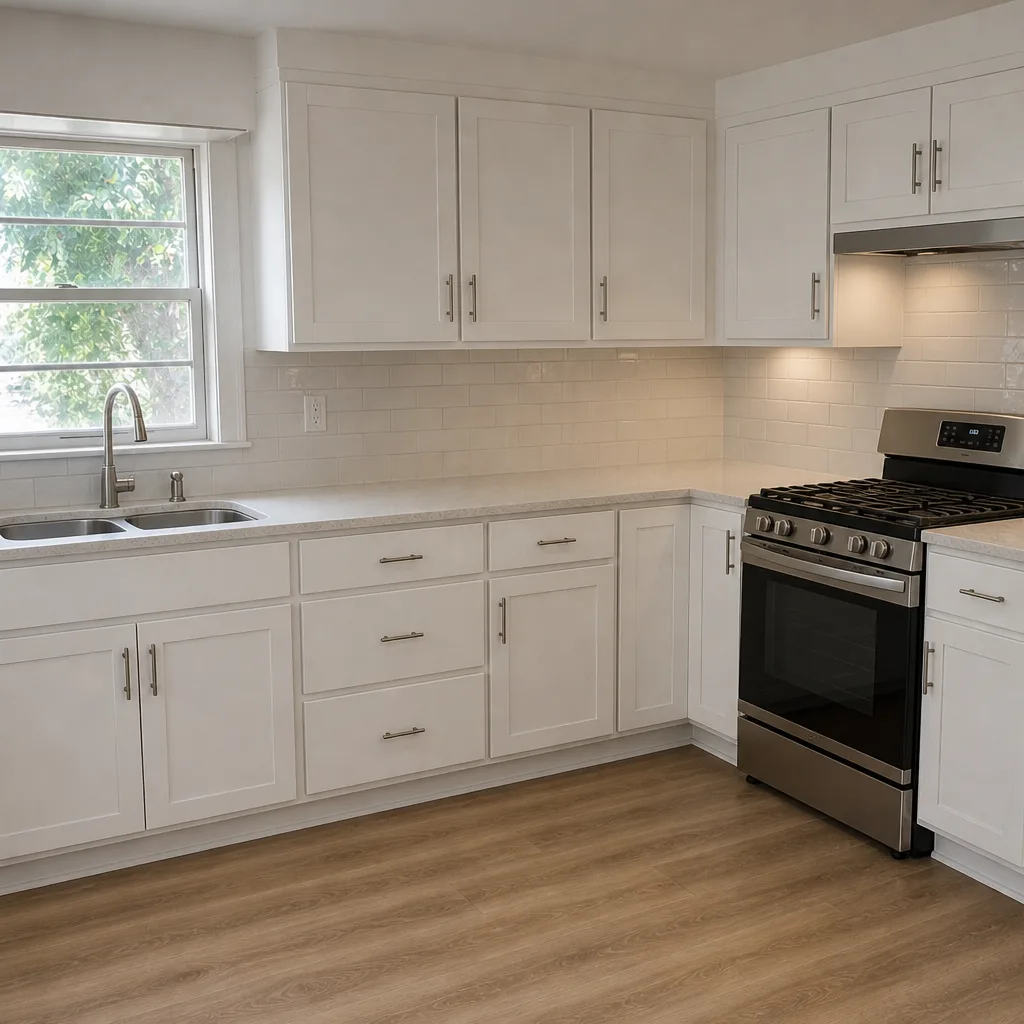 After
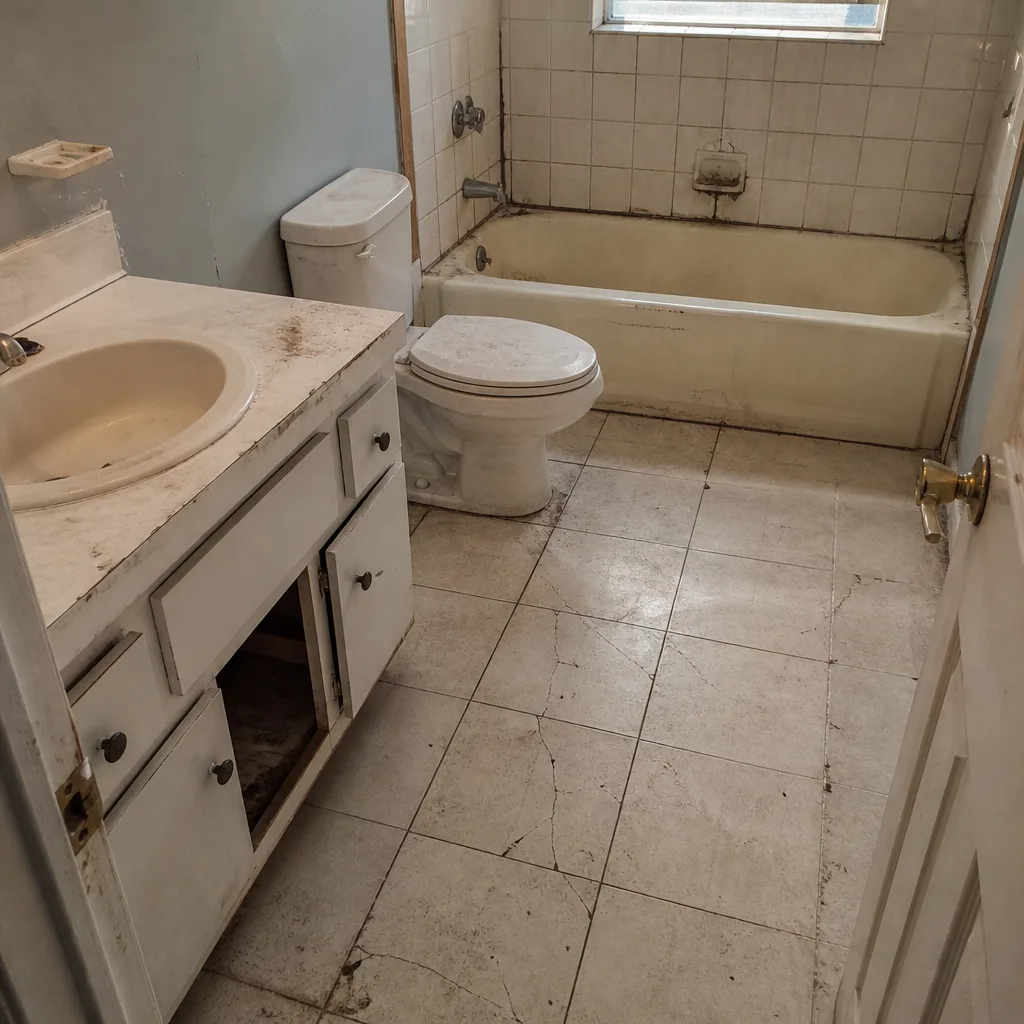 Before
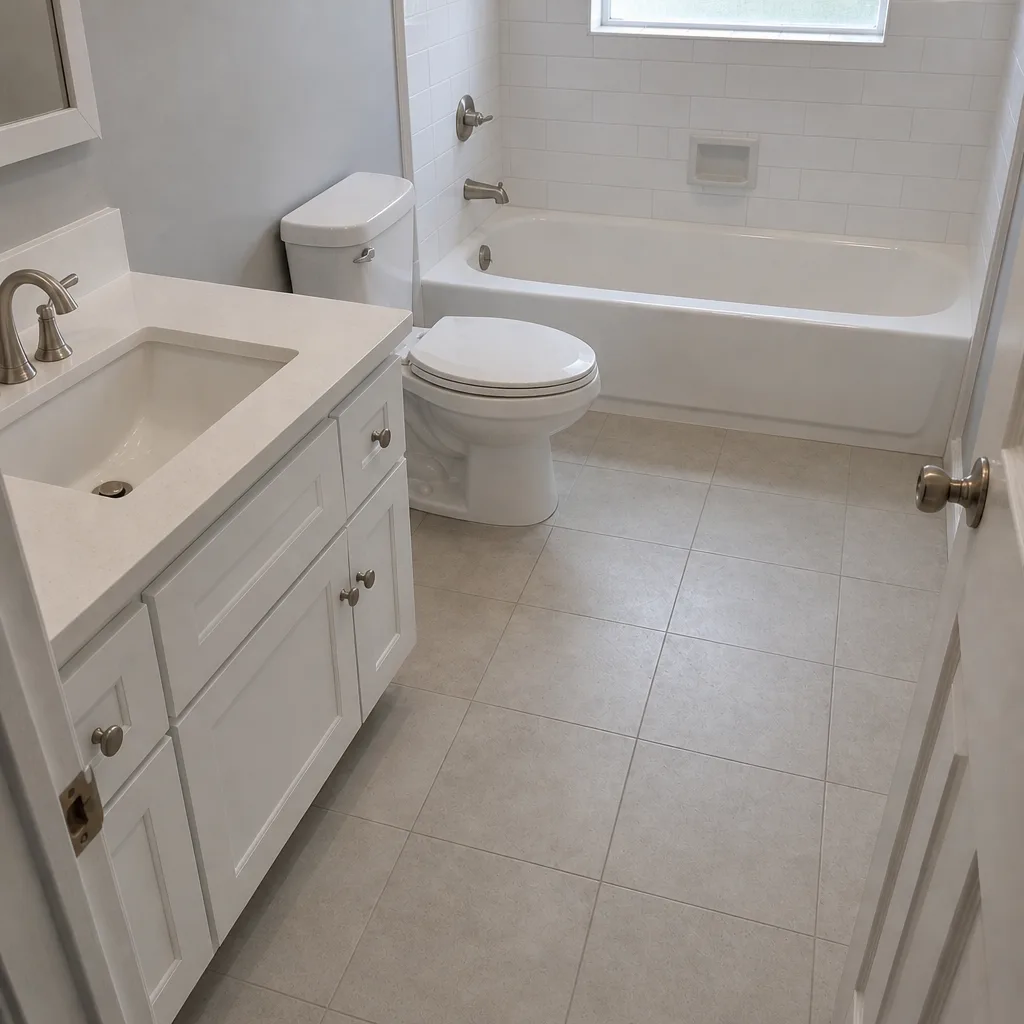 After
How Glenvar Heights homes shape this job
Glenvar Heights (ZIP 33143) is a built-out, post-war suburb. Nearly every project is a remodel or addition on an existing lot, and that changes the site prep. You’re not starting on greenfield ground. You’re working around mature live oaks and ficus planted across the post-war lots, whose roots infiltrate foundations and sewer lines and whose canopies force equipment logistics and sometimes move the ADU footprint. The City of South Miami’s tree protection rules can delay site work for months if a protected tree sits in the wrong place, so we plan the excavation and the utility trenches around the root zone from week one. The housing stock is mostly 1950s – 1970s single-story concrete-block ranch homes, many with enclosed carports and incrementally expanded footprints, so the utility tie-in point is rarely where the original plans show it. And because the neighborhood sits just outside Miami’s urban core, we work on narrow residential streets with limited laydown space, which means staging materials tight and scheduling deliveries around parking.
Serving Glenvar Heights, FL – Our Local Coverage Area
We serve Glenvar Heights and nearby communities. Use the map below to see the area we cover. If you’re nearby, we can almost certainly help.
Frequently asked: ADU Site Prep & Utilities in Glenvar Heights
Plan on 6 – 14 weeks from the first excavation to final utility sign-off. The wet season can stretch that on the high end, since afternoon thunderstorms from May through October slow grading and can flood an open foundation hole. Call (833) 630-4214 for an exact timeline on your lot.
Yes. Grading, foundation, water and sewer tie-ins, and electrical service all require permits, and the City of South Miami’s tree rules may add a separate review if a protected tree is near the work. We pull the permits and pass the inspections, and you get the sign-off paperwork. Call (833) 630-4214 and we’ll walk through the permit scope.
Sometimes. If the ADU sits close to the house and the existing panel has capacity, we can often run a subpanel and tap the existing sewer lateral. But many Glenvar Heights homes still run on 100-amp service, and adding a full ADU usually pushes past that. Call (833) 630-4214 for a load check.
Expect $45,000 – $130,000, with foundation, utility tie-ins, and electrical service as the biggest line items. A short utility run and an existing 200-amp panel keep you near the low end. Call (833) 630-4214 for a written line-item estimate. Estimates are free.
Every job is covered by our 730-Day Done Right Promise: if the work isn’t done right, we make it right. That covers the workmanship on grading, foundation, and utility connections for two full years. Call (833) 630-4214 to talk through the warranty in detail.
Get a free estimate for your Glenvar Heights ADU site and utilities
Call (833) 630-4214 for a free on-site estimate. A live person answers around the clock, and we’ll walk the lot, locate the trees, check your existing panel and sewer lateral, and hand you a written line-item quote with upfront pricing. This work is usually part of a full Home Additions & ADU in Glenvar Heights, so we can scope the whole project at the same visit, and we cover all of Glenvar Heights.
Homeowners often pair site and utility prep with driveway and drainage work, so we also handle Concrete Driveways & Concrete Work in Glenvar Heights and Paver Driveways in Glenvar Heights when the new ADU changes the access and grading. You can review our full Home Additions & ADU service to see how the site work fits the wider build.
Written by the team at Groundwork Construction Co.