
Free written scope consultation - allowances, timeline, and change-order rules on paper before a single trade is scheduled
ADU Site Prep & Utilities in Miami Springs, FL: What It Costs and What Has to Happen First
Site prep and utilities for an ADU in Miami Springs, FL runs $53,100 to $153,400 as a standalone scope, and it’s the part of the project that decides whether everything after it goes smoothly. Clearing, grading, running water, sewer, power and gas, and getting the pad and inspections right usually takes 4 to 8 weeks before a single wall goes up. Call (833) 630-4214 to schedule a free on-site estimate.
How the Sequence Actually Runs, Stage by Stage
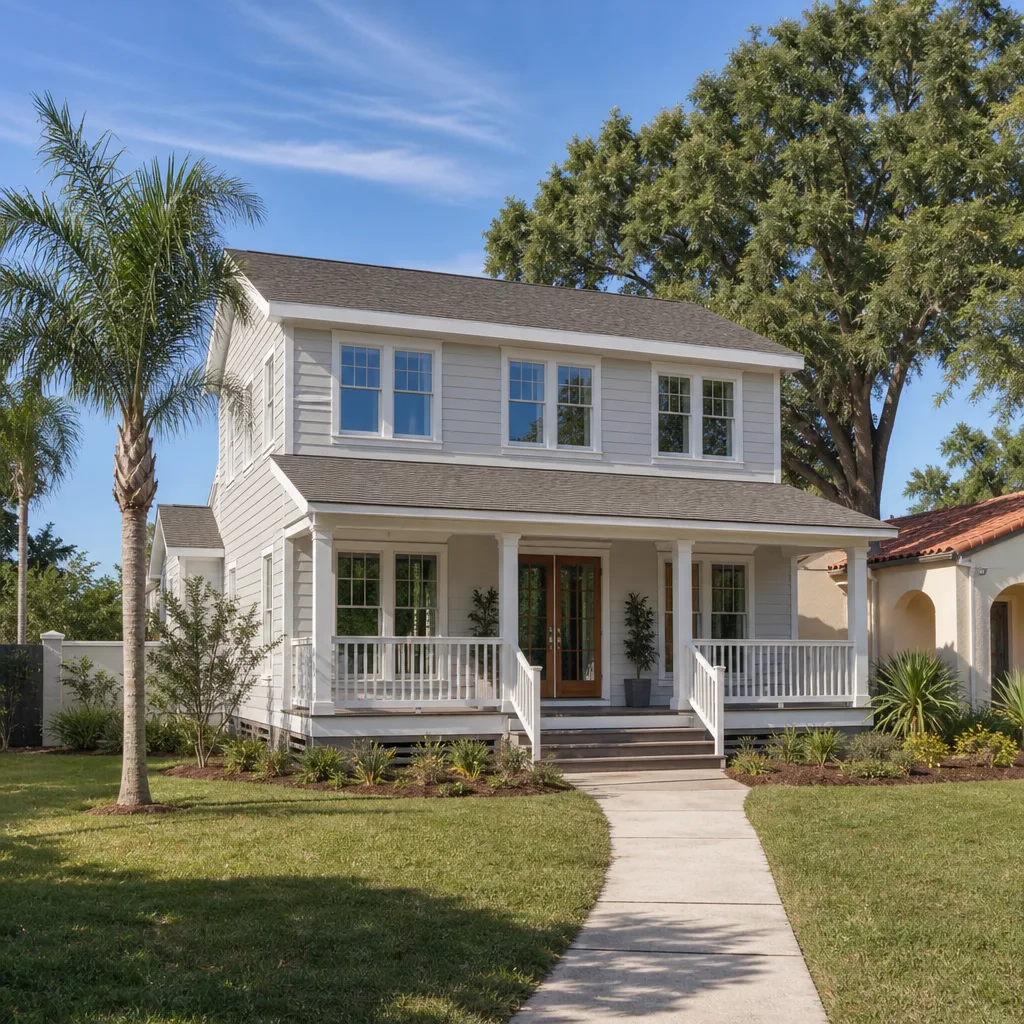
Site work looks like a lot of dirt and waiting from the curb. Underneath it’s a tight order of operations, and one stage getting ahead of another is where budgets go sideways. Here’s the real sequence for an ADU pad and utility run in Miami Springs.
Stage 1 – Survey, utility locate and site verification (days 1-3). We confirm the buildable envelope against the survey and surveyor’s elevation certificate, call in the 811 locate for buried lines, and hand-dig around the meter and lateral connections before any machine moves. This is also where the water table matters: test pits tell us how deep we can dig before hitting saturated limestone. You decide the ADU’s setback and orientation on this stage.
Stage 2 – Demolition and clearing (days 3-7). Fence and shed removal, tree protection line installed, surface concrete or pavers broken out and hauled. We keep excavation spoils on site when the soils are clean because fill costs money in and out. You’ll confirm what stays: a mature mango or oak on the lot line changes grading and foundation design before we start cutting.
Stage 3 – Utility trenching and rough-in (weeks 1-3). Water service, sanitary sewer or septic tie-in, electrical conduit, and gas lines trench in together where practical to save excavation. Sewer runs need consistent fall, so the trench depth is set by the farthest fixture, not the nearest. Underground electrical goes in rigid conduit at the depth the inspector wants to see. You lock the meter and panel location here.
Stage 4 – Grading, drainage and the pad (weeks 3-5). Finish grade is set away from the existing house and toward the swale or a dry well, then the foundation is formed. Raised stem-wall construction is common in Miami Springs because the water table is only a few feet down on canal-side and older core lots. Inspection happens before the pour. You decide pad elevation relative to the main house at this stage, and that decision is expensive to change later.
Stage 5 – Utilities energized, backfill, final site inspection (weeks 5-8). The trench backfills and compacts, the water and sewer are tested and connected, the electric meter is set, and the site is walked with the inspector before the framing crew takes over. Delays here are usually meter scheduling, not construction.
Styles & brands we work with
- Kitchen remodeling
- Bathroom remodeling
- Home additions & ADU
- Roofing
- Windows & doors
- Driveway & pavers
- Fence
The Choices That Change the Number
Most of the spread in site prep comes from four or five decisions. Getting them right up front is cheaper than correcting them mid-build.
- Raised stem-wall vs. slab-on-grade. A raised foundation handles the high water table and gets you a level floor, but it adds concrete and fill. On a wet canal-side lot it’s often not optional.
- Sewer tie-in vs. septic or grinder pump. A gravity sewer connection is the cheapest outcome when the main is deep enough. If the ADU pad sits low relative to the sewer, a grinder pump or lift station adds equipment and maintenance.
- Utility separation and conduit. Running everything in one trench after careful separation is efficient. Running electrical in rigid conduit instead of direct-burial cable is a small premium for easier future service.
- Drainage design. A simple graded swale is inexpensive. Engineered drainage around a canal-front lot, with a dry well or French drain, is real money but keeps the ADU dry through storm season.
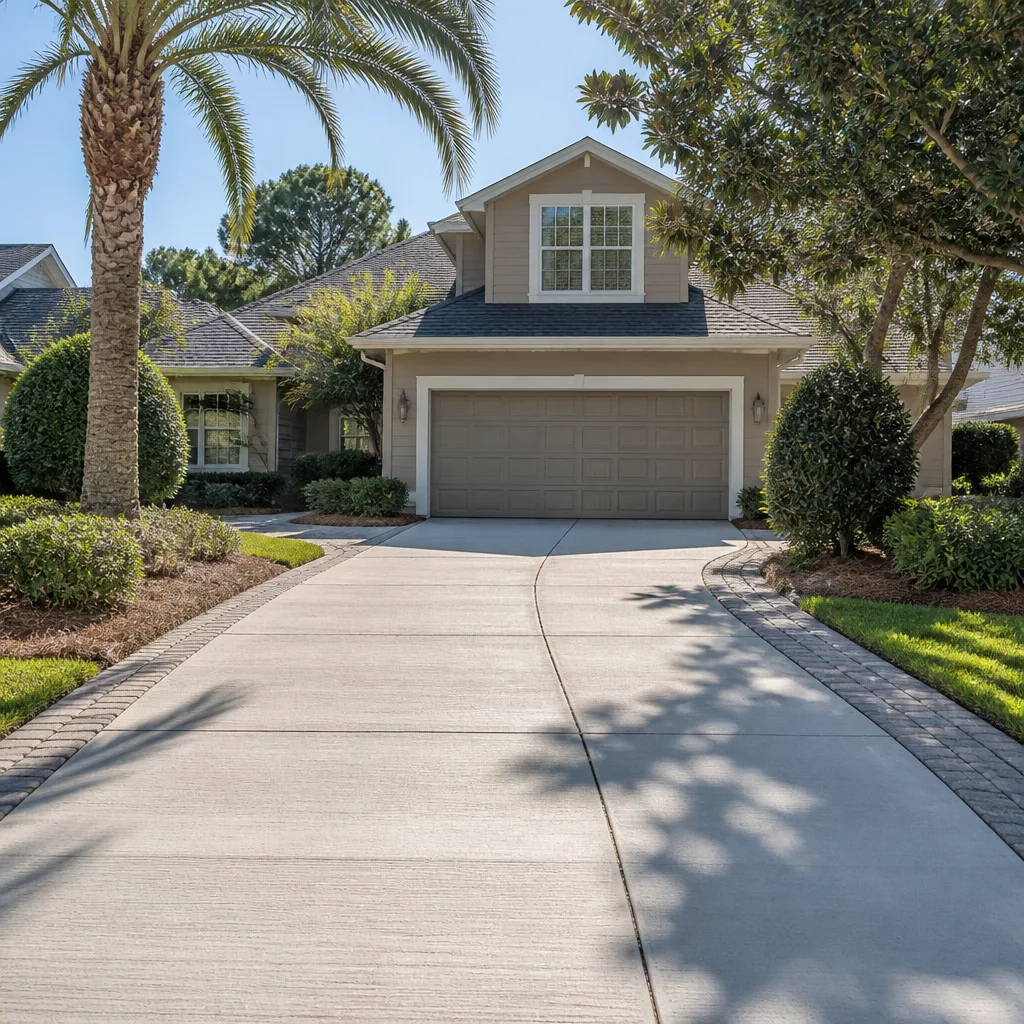
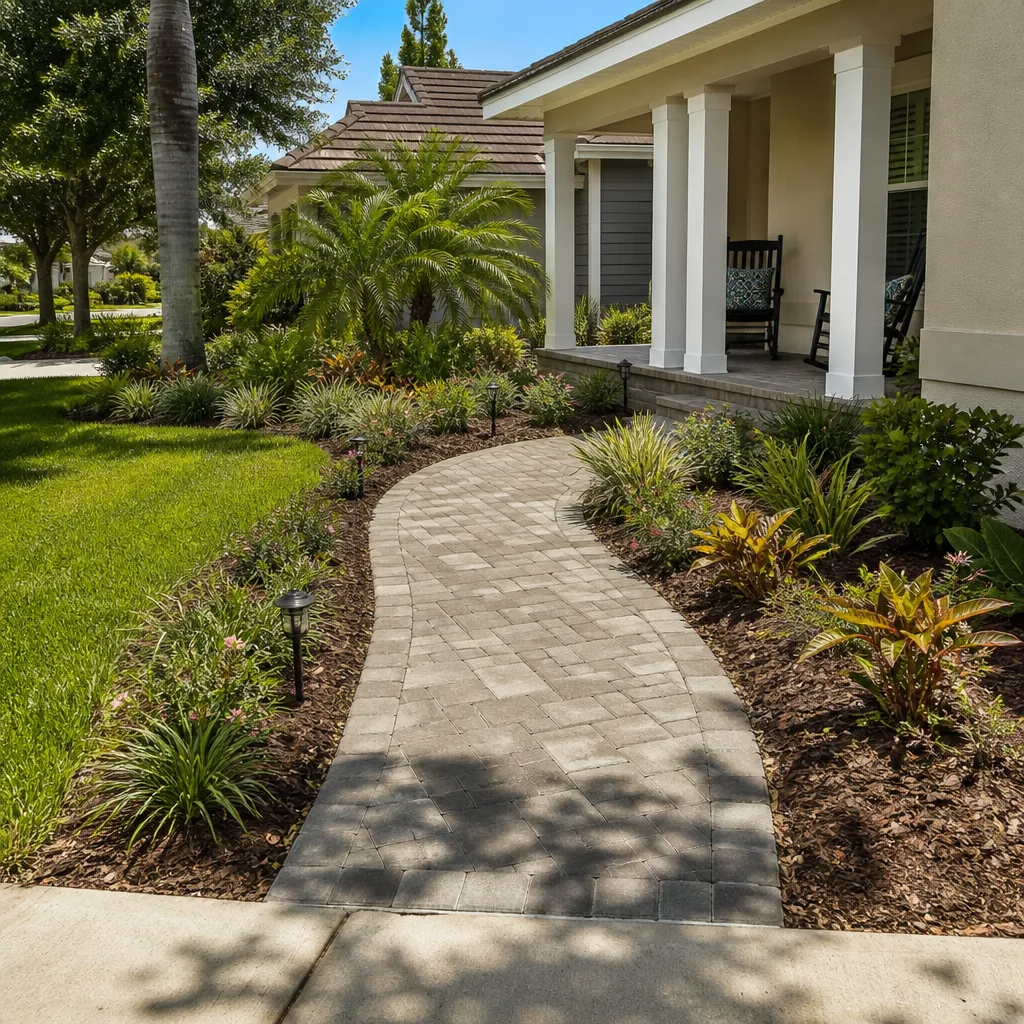
- Surface restore. Restoring the driveway and walk after trenching is part of this scope. Many homeowners use the opportunity to move up to pavers, and the choice of product matters here: Unilock, Tremron and Techo-Bloc all make driveway-rated units that handle Miami Springs sun and rain well.
What ADU Site Prep & Utilities Costs in Miami Springs, FL
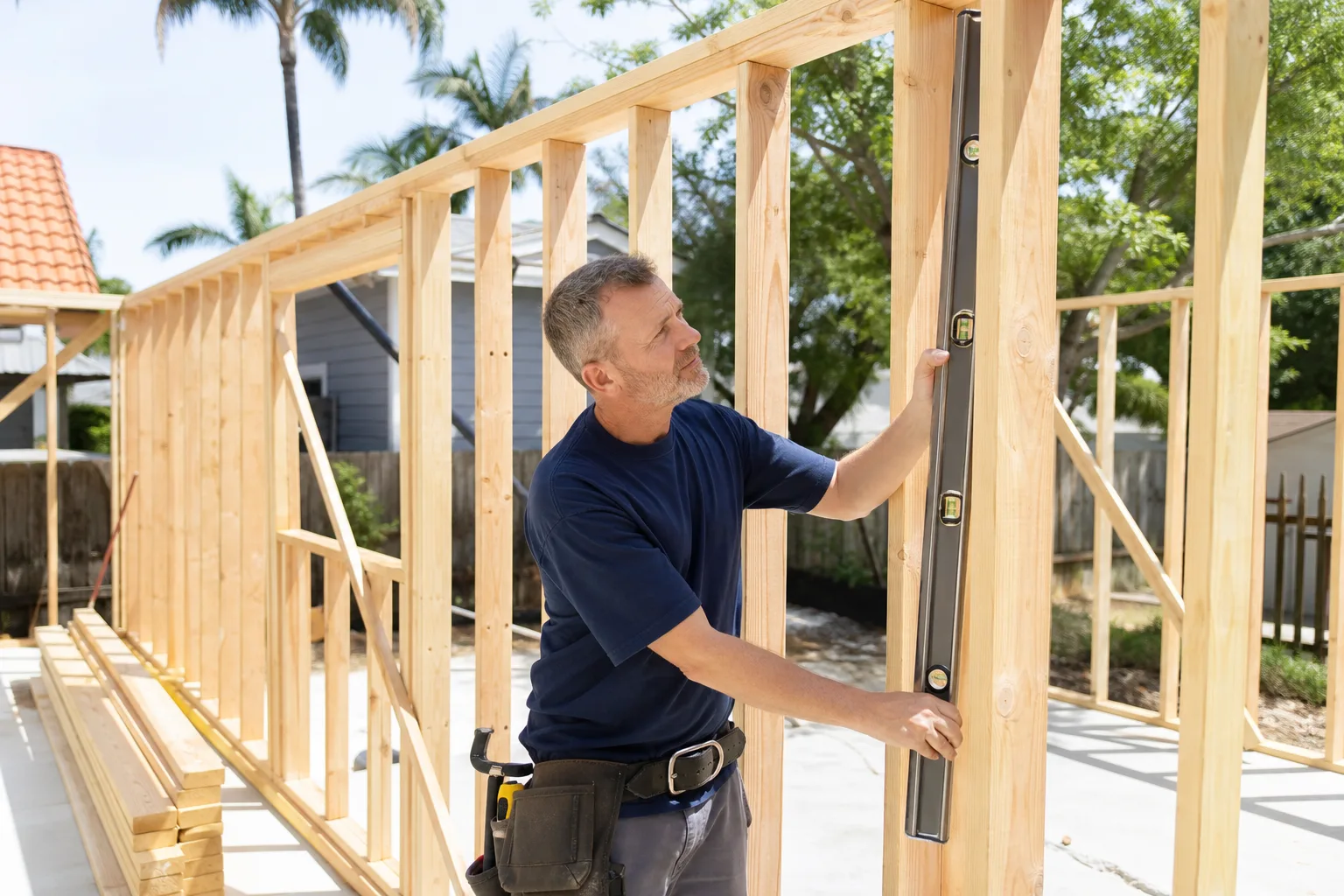
For this scope on its own, expect $53,100 to $153,400. The low end covers a straightforward lot with a usable sewer connection, minimal grading, and standard conduit runs. The high end shows up when the pad has to be raised, the drainage has to be engineered, or a long utility run is needed from the street.
| Line item | Typical range |
|---|---|
| Clearing, demo and grading | $5,300 – $15,900 |
| Utility trenching and rough-in | $10,600 – $31,800 |
| Foundation, stem wall and pad | $15,900 – $42,400 |
| Drainage and storm management | $5,300 – $21,200 |
| Meter connections and energizing | $4,200 – $15,900 |
| Permits, inspections, site restore | $11,800 – $26,200 |
The variables that push a job toward the top of the range: how wet the soil is when we dig, whether the sewer main is deep enough for gravity flow, how far the ADU sits from the utility stub-outs, the drainage design the site demands, and permit scope. Our estimates are line-item and upfront, so the number you approve is the number you pay. What’s not included: the ADU structure itself, finishes, and design fees, though we coordinate the whole build from foundation to finish line.
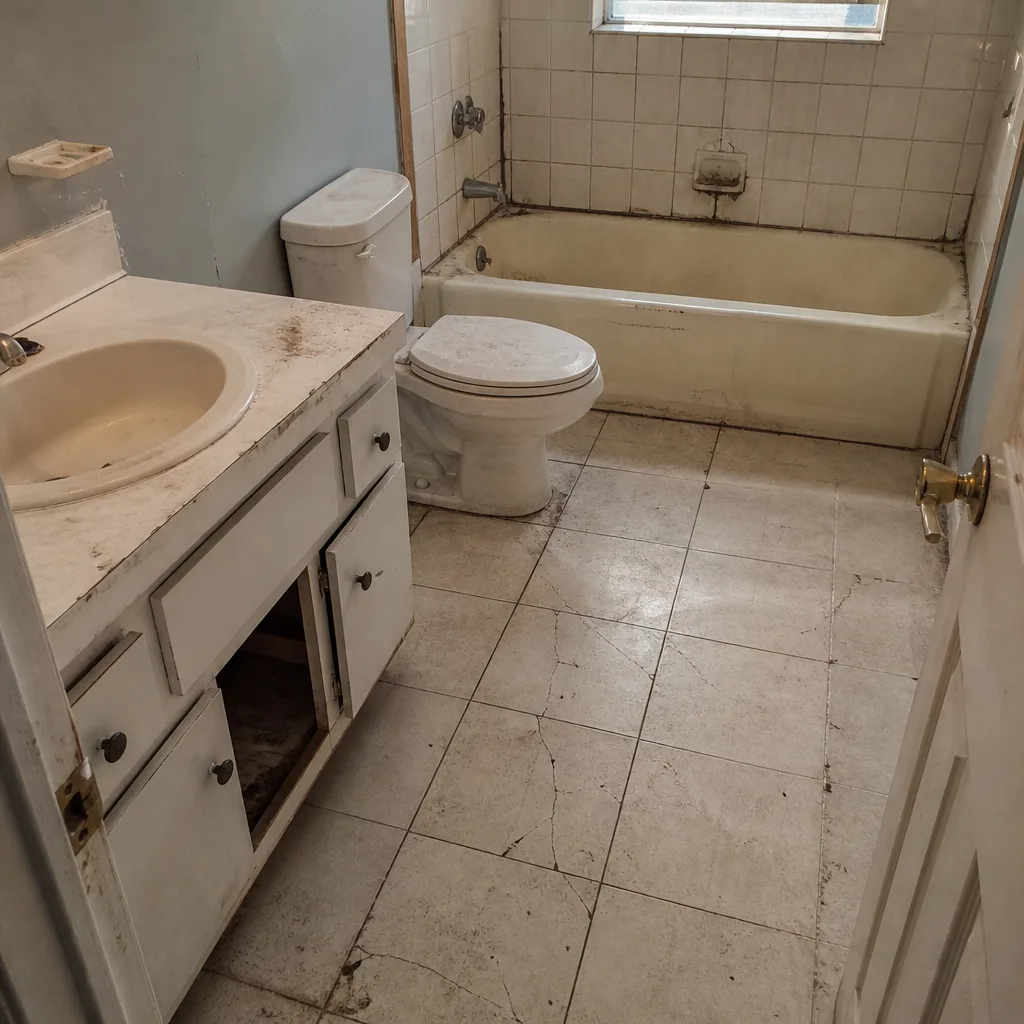
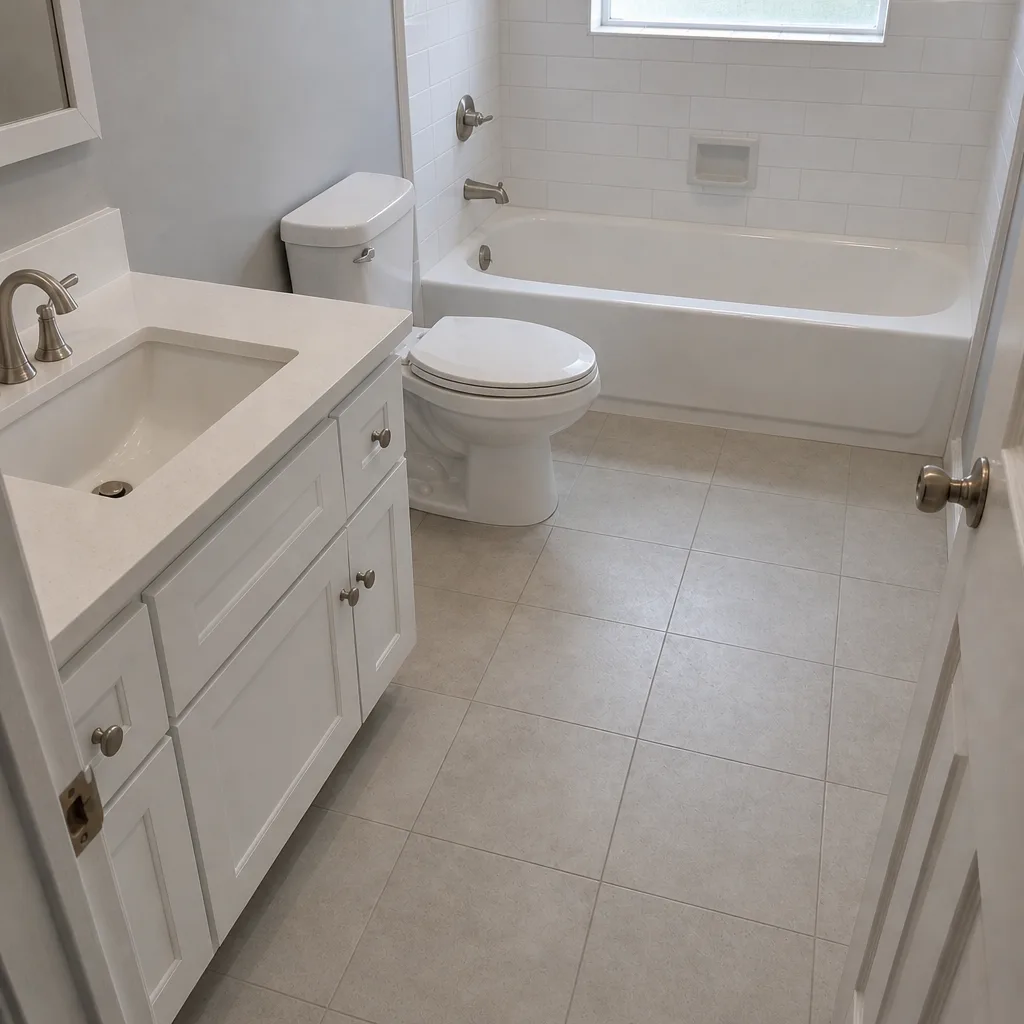
See the difference
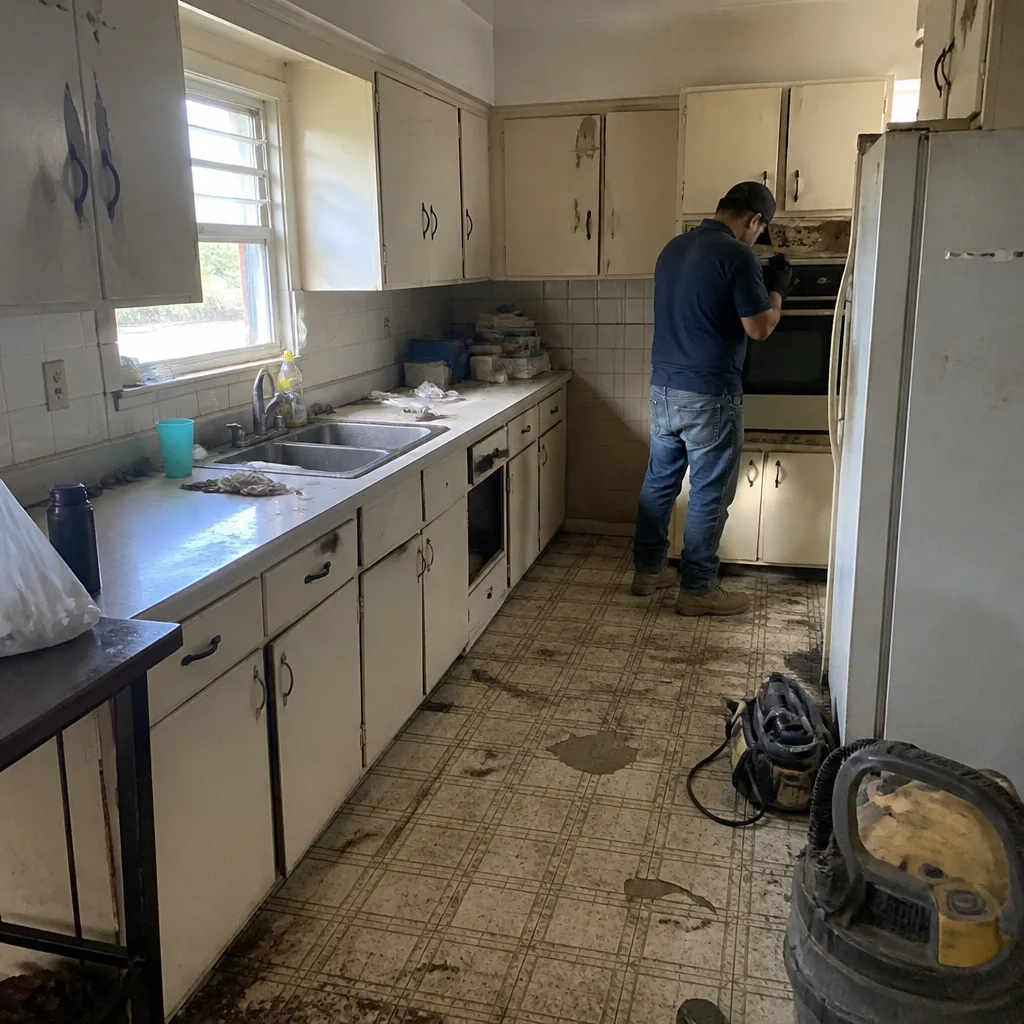 Before
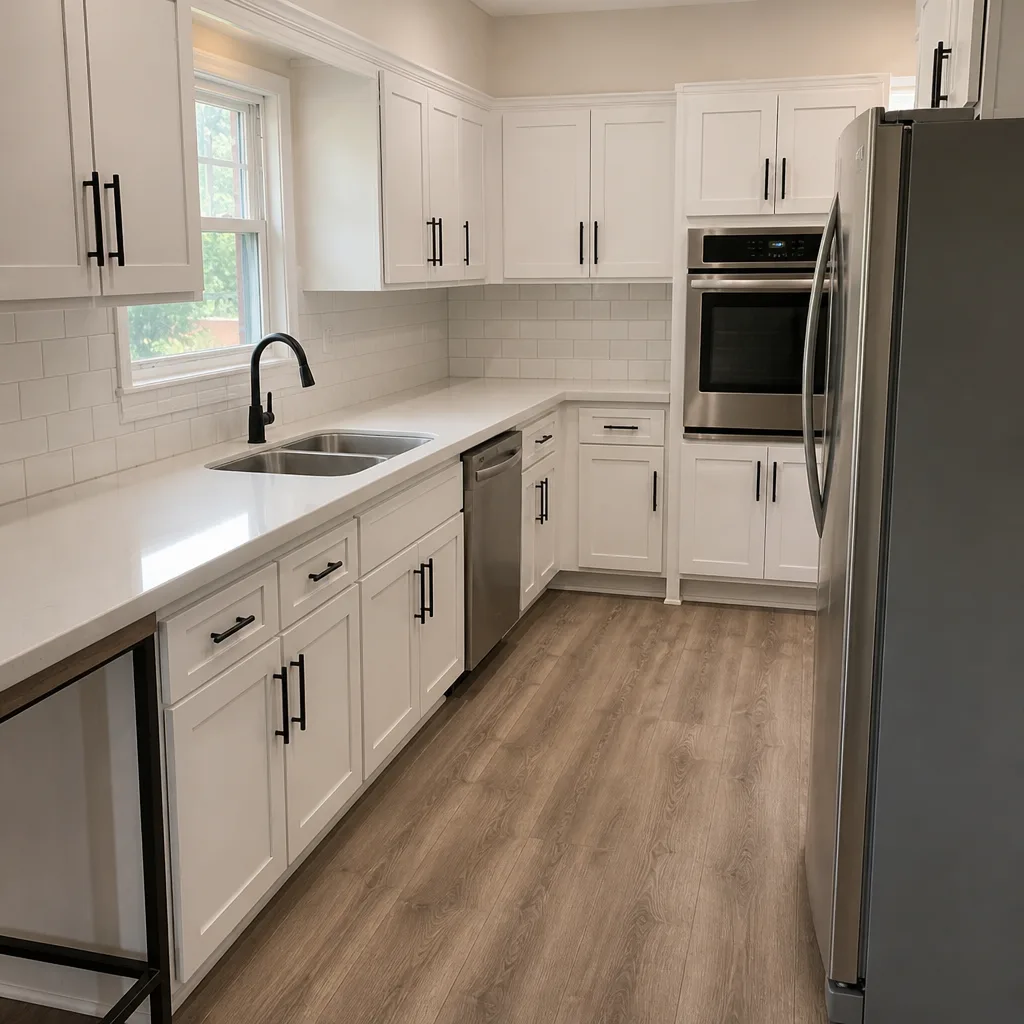 After
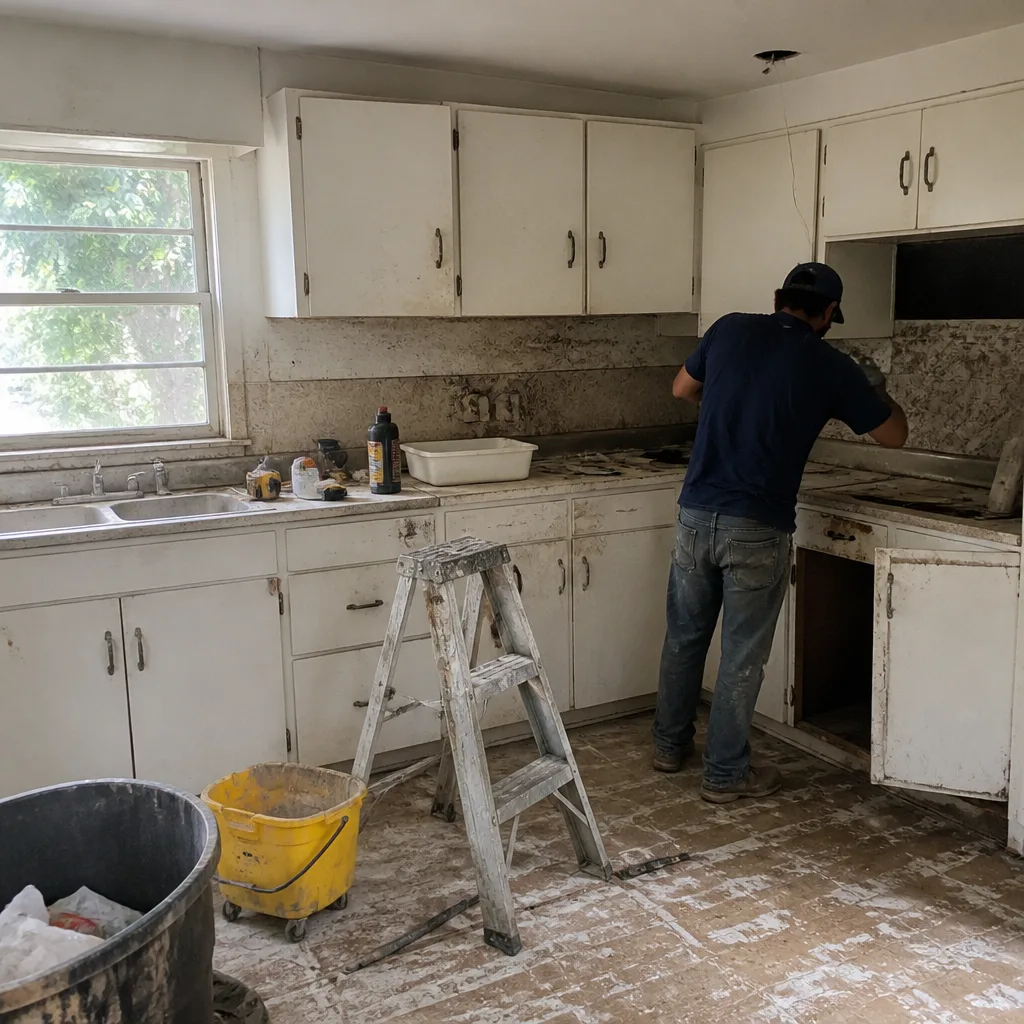 Before
 After
 Before
 After
What Miami Springs Lots Do to This Job
Miami Springs was laid out in the 1920s as a planned “airport city” wrapped around Miami International Airport flight paths and the Miami Canal headwaters, and that history shows up in every ADU site plan we draw here. Approvals run through two review channels: the city’s own architecturally-controlled districts and the aviation noise, height and drainage constraints tied to MIA. A detached ADU near the canal or in the older Mediterranean-revival core has to clear Miami Springs’ design review alongside Dade County flood rules, which is slower and more design-sensitive than the same job in Hialeah or Doral across the line. On the ground, the limestone sits close under the surface and the water table is a few feet down on canal-side lots near the Miami Canal, so a standard slab or deep footing often won’t pass inspection without raised construction or engineered drainage around Biscayne aquifer seepage. The housing stock is 1920s-1950s Spanish bungalows with detached garages and original clay tile roofs, plus infill and raised CBS homes along the canal. We regularly see saturated-soil foundation failures on older core lots and undersized drainage on infill, and we plan for both from day one. This is one piece of the wider work we handle across Home Additions & ADU in Miami Springs, and homeowners often pair the site work with new Paver Driveways in Miami Springs or a Concrete Driveways & Concrete Work in Miami Springs job to finish the approach.
Serving Miami Springs, FL – Our Local Coverage Area
We serve Miami Springs and nearby communities. Use the map below to see the area we cover. If you’re nearby, we can almost certainly help.
Frequently Asked – ADU Site Prep & Utilities in Miami Springs
Plan on 4 to 8 weeks from first dig to final site inspection. Raised foundations, canal-side drainage and dual-review permitting in Miami Springs push the high end. Call (833) 630-4214 for a schedule estimate on your lot.
Yes. Clearing, grading, foundation work, and every utility connection require Miami Springs permits and inspections, and the aviation and design-review constraints can add review time. We pull the permits and pass the inspections as part of the scope. Call (833) 630-4214 to talk through what your lot will require.
Sometimes. If the ADU footprint sits clear of the existing sewer main, the panel and the yard’s drainage pattern, we can work around them. Older lots usually need at least the sewer or water line re-routed to keep proper fall. Call (833) 630-4214 for an assessment.
Roughly $53,100 to $153,400 depending on soil conditions, drainage design and how far the utility runs are. Wet canal-side lots and raised foundations push toward the top. Call (833) 630-4214 for an exact line-item quote – estimates are free.
Every project we complete is covered by our 730-Day Done Right Promise – if it’s not done right, we make it right. That covers our workmanship on grading, foundation and utility installation. Call (833) 630-4214 with any warranty question.
Get a Free Site Estimate in Miami Springs
If you’re planning an ADU in Miami Springs, the site work is where the budget and schedule are won. Call (833) 630-4214 for a free on-site estimate – we’ll survey the lot, test the soil, review the utility connections and hand you a written line-item quote, upfront and no surprises. A live person answers around the clock. Then we move from foundation to finish line.
Written by the team at Groundwork Construction Co.