Free written scope consultation - allowances, timeline, and change-order rules on paper before a single trade is scheduled
Styles & brands we work with
- Kitchen remodeling
- Bathroom remodeling
- Home additions & ADU
- Roofing
- Windows & doors
- Driveway & pavers
- Fence
See the difference
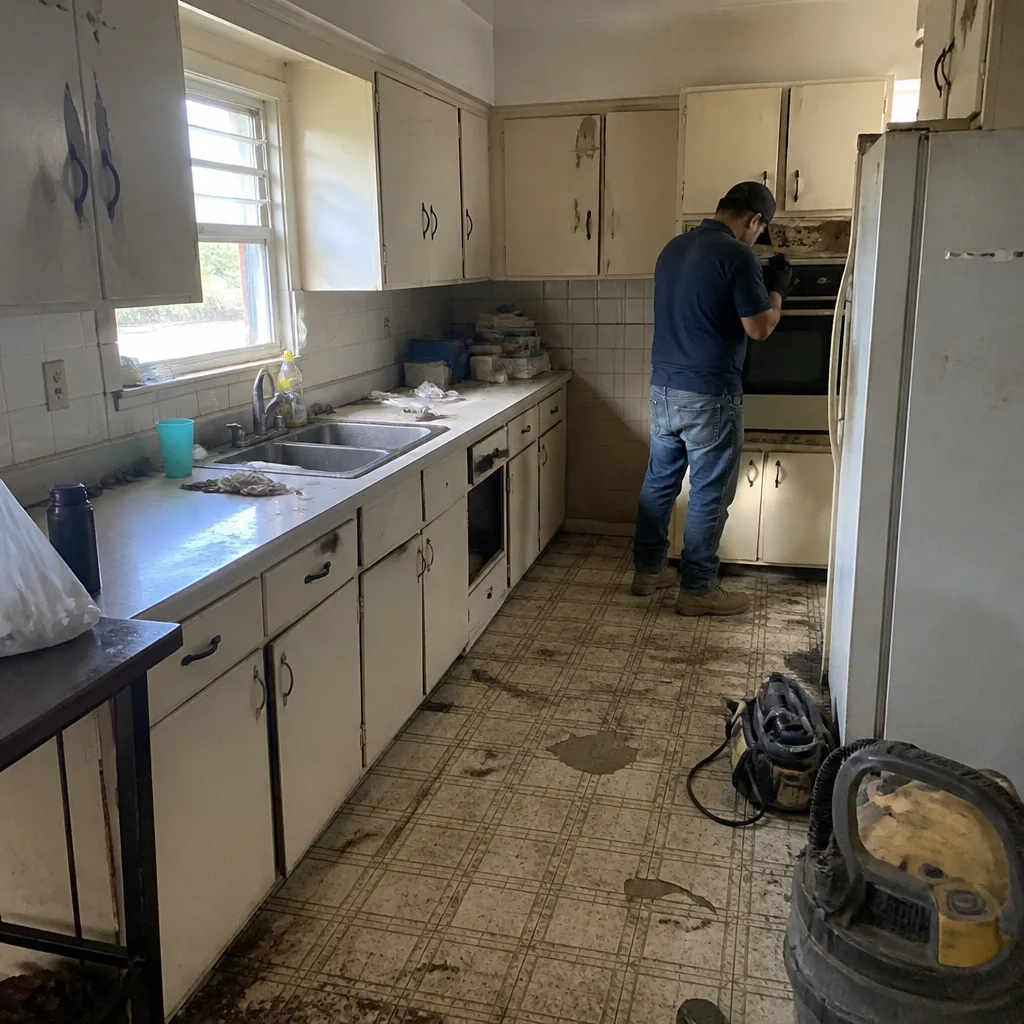 Before
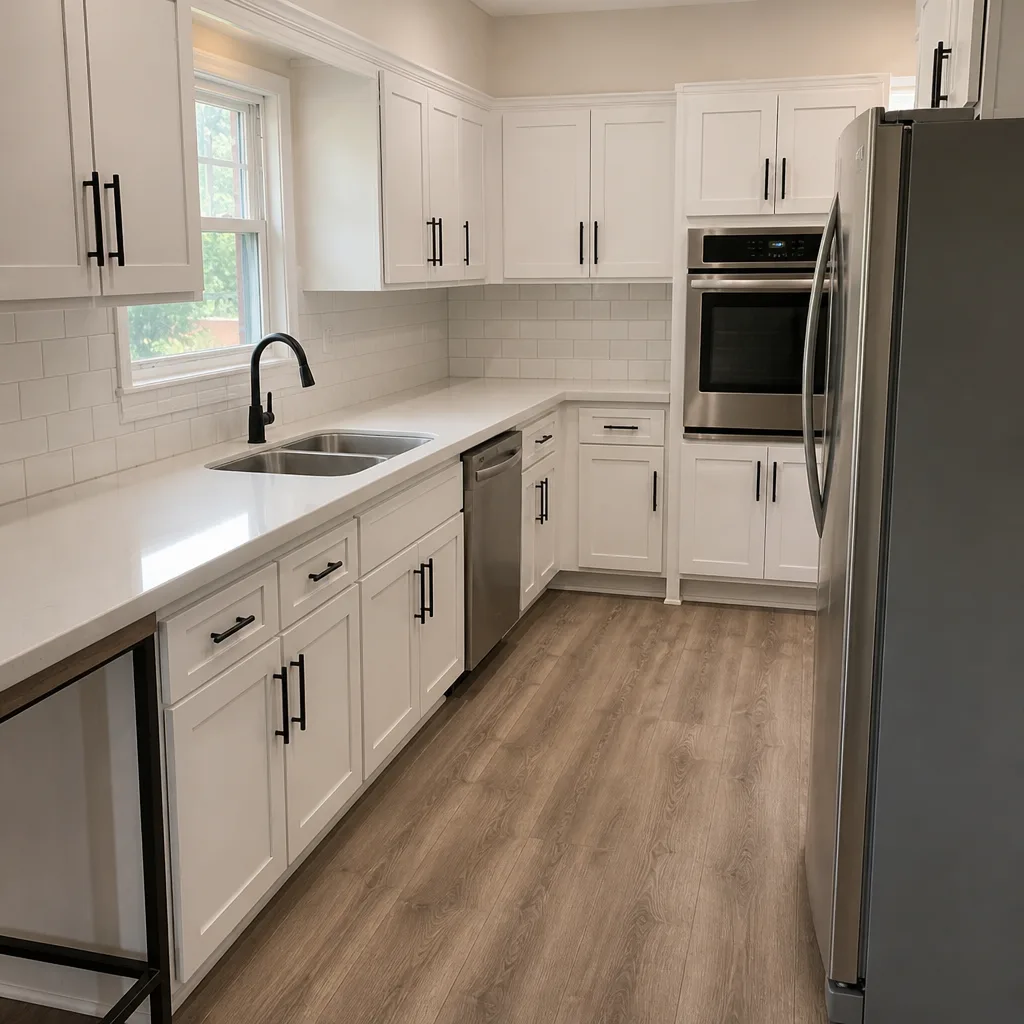 After
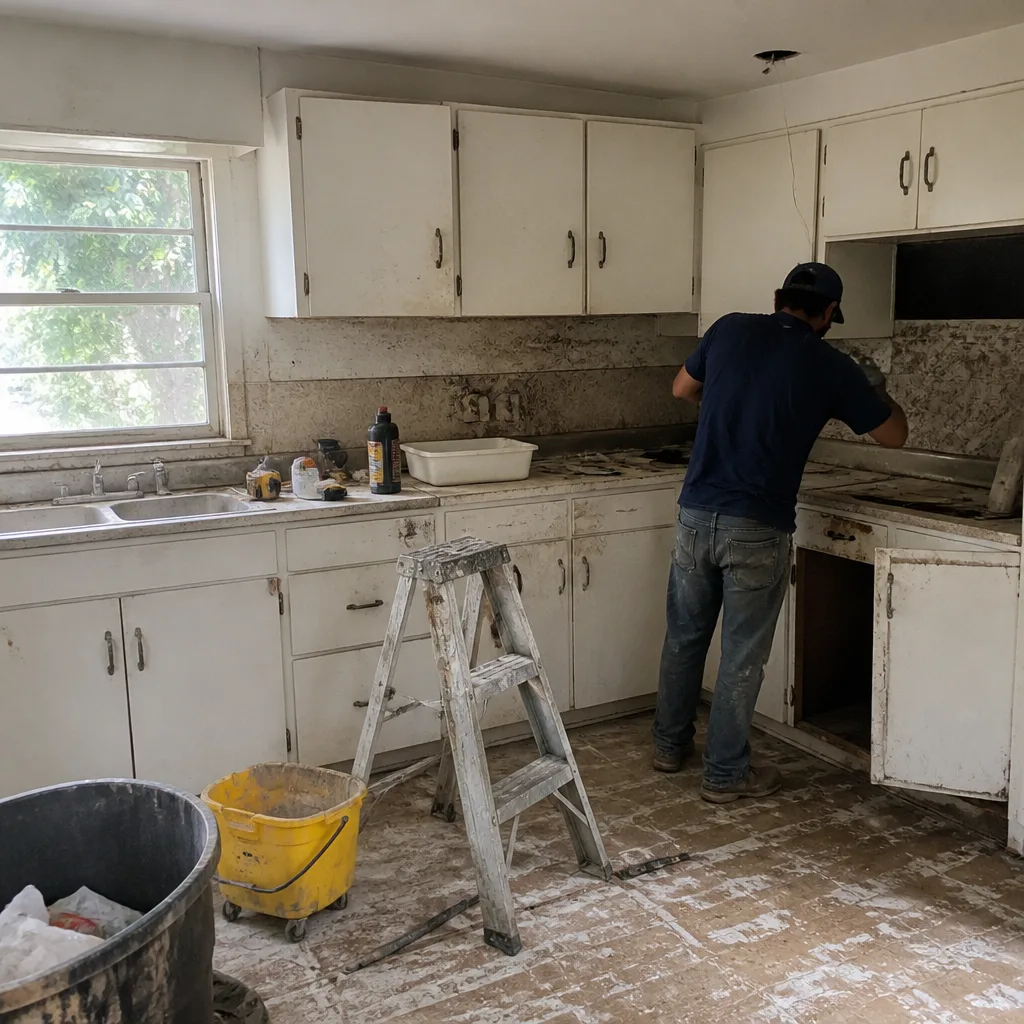 Before
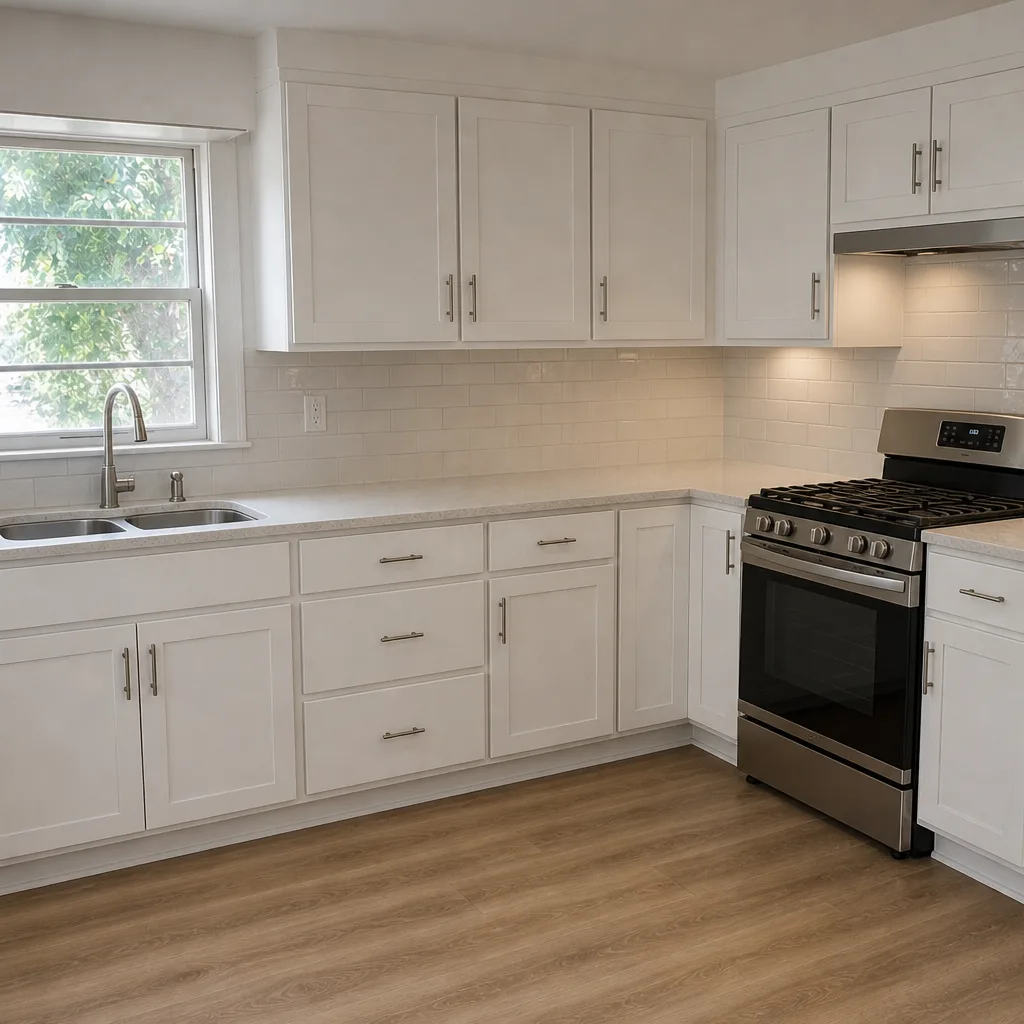 After
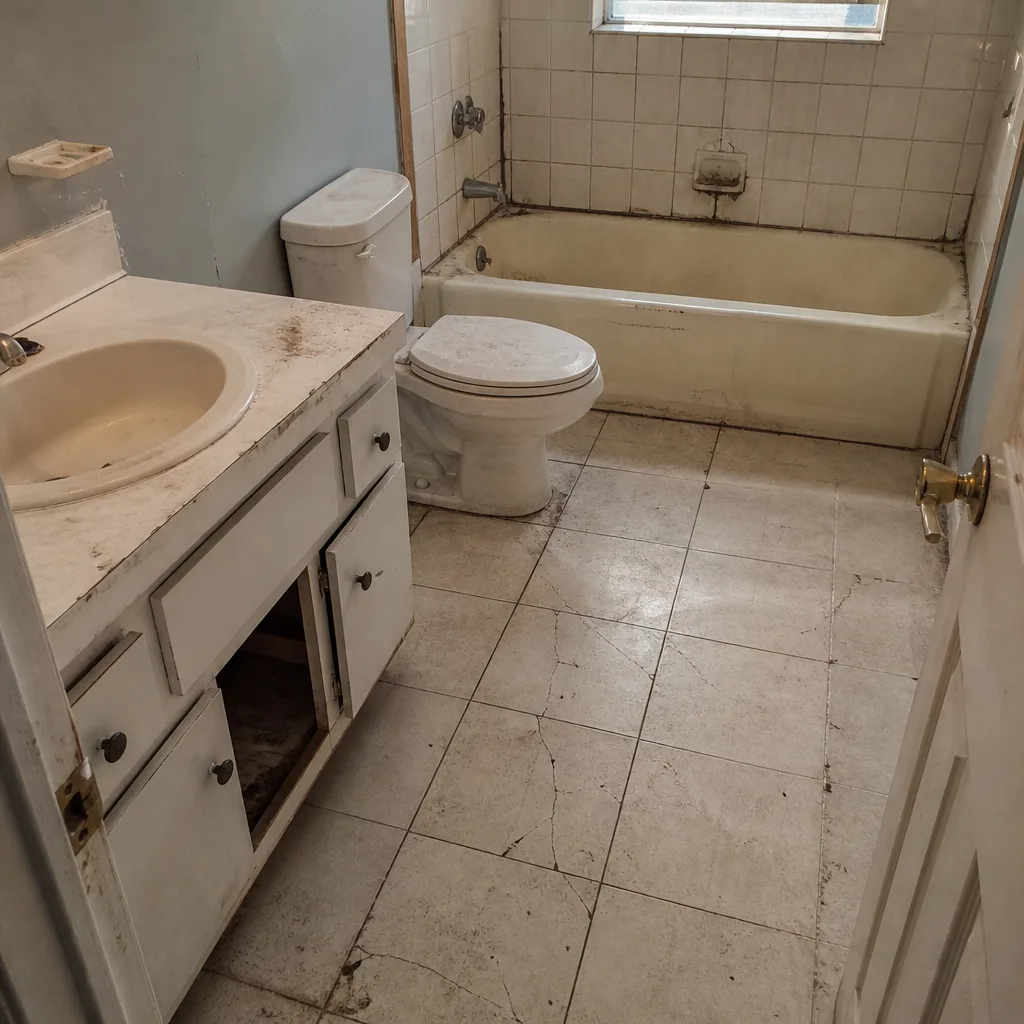 Before
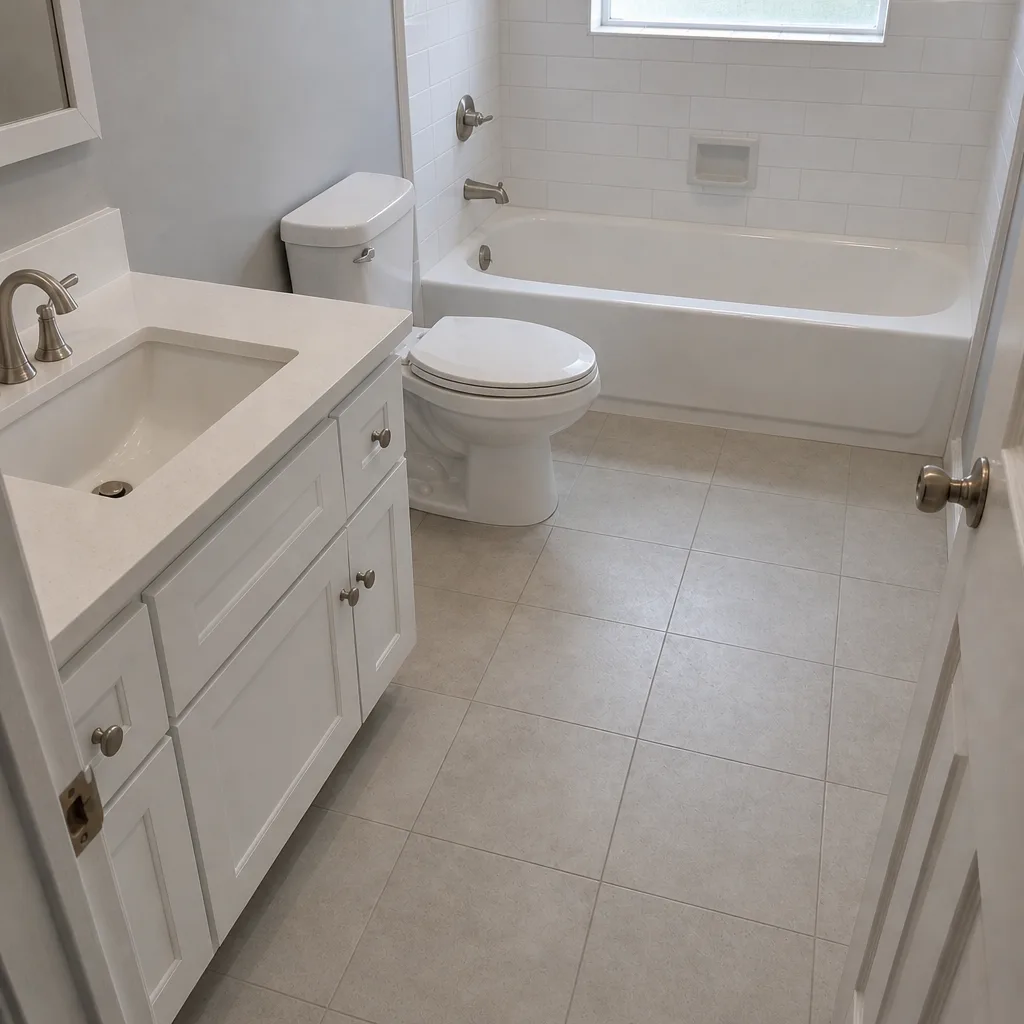 After
Double Hung vs Casement Windows in Westchester, FL: Choose Casement on Exposed Elevations, Double-Hung for Ventilation
For most Westchester homeowners replacing windows under Miami-Dade’s High-Velocity Hurricane Zone rules, casement windows win on structural performance and double-hung wins on ventilation and screen use. Choose casement unless you specifically want top-and-bottom airflow, easy screen installation, or a sash that doesn’t project into a walkway. The reason isn’t aesthetic: casement units typically achieve a higher design pressure (DP) rating than double-hung units of the same rough opening, and Miami-Dade County requires every replacement window to meet a minimum DP for your home’s wind exposure category. Call (833) 630-4214 for a free estimate and a spec review before you commit to a style.
Key Takeaways
- Casement windows usually carry a higher DP rating than double-hung in the same opening, which matters on second-story and corner elevations.
- Double-hung impact windows have two moving sashes and more seal points, which means more potential water-infiltration paths under wind-driven rain.
- Westchester’s newer two-story infill homes sit higher off grade than the 1960s ranch stock, putting upper windows in a tougher wind bracket.
- Groundwork Construction Co. of Westchester reviews Miami-Dade NOA documentation per opening before recommending a style.
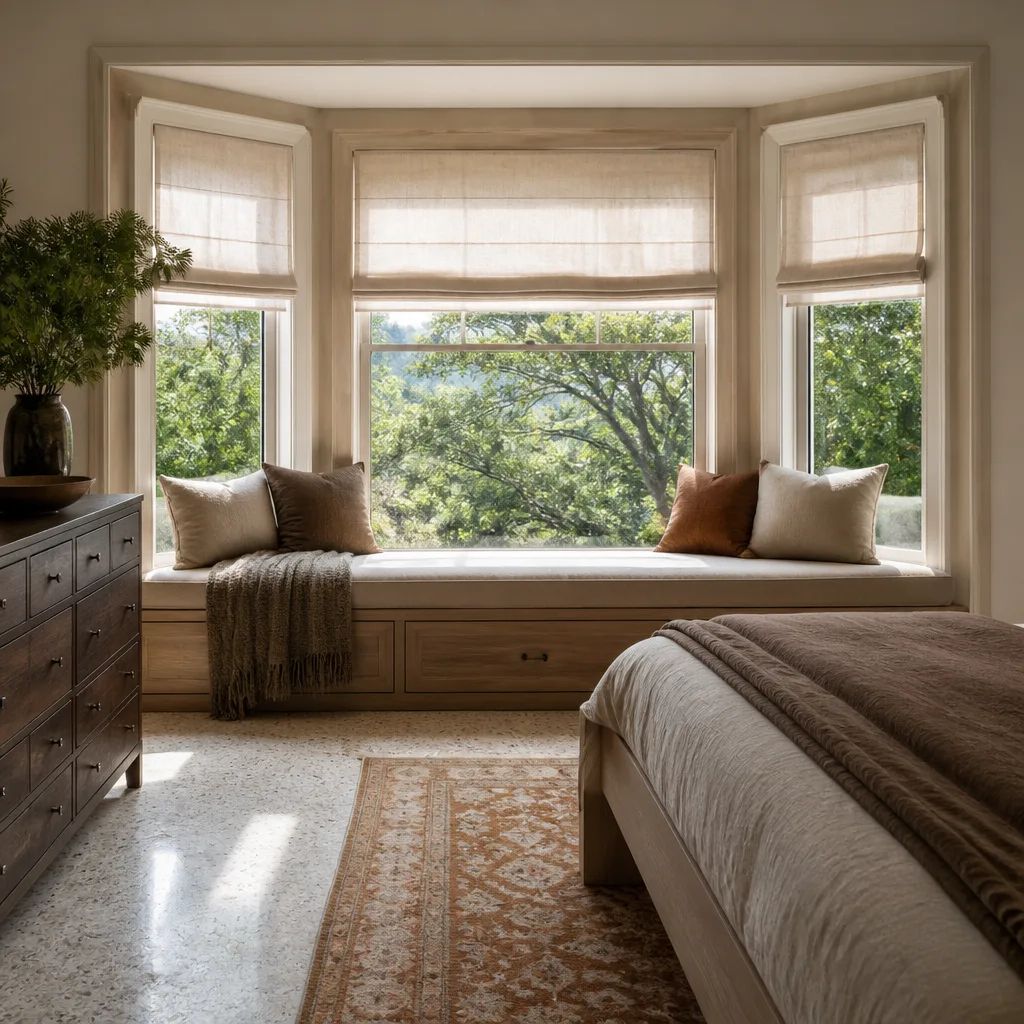
Why the DP rating decides this for Westchester homes
Miami-Dade County doesn’t have a standalone city hall for Westchester, so every window replacement runs through county e-permitting and county inspection, and the county’s product approval system (the NOA, or Notice of Acceptance) is the gate. Each approved window product is listed with a DP rating that varies by product line and by size within that line. A manufacturer might get a DP 50 rating on a 36-by-60 casement and only a DP 40 on a 36-by-60 double-hung from the same series. Both might pass for one elevation and fail for another.
Westchester’s housing stock makes this more than a technical footnote. The original 1960s and 70s concrete-block ranches sit low, often under a screen enclosure or shaded porch. The two-story infill homes replacing them sit higher off grade, and their upper-floor corner windows catch the worst of a wind-driven rain event. In our experience walking these jobs, that’s precisely where the DP advantage of a casement over a double-hung in the same rough opening shows up. The right answer per opening can differ on the same house.
Double-hung vs casement: a straight comparison for Miami-Dade
Here’s how the two styles stack up when you’re shopping under HVHZ requirements rather than just browsing a showroom.
| Feature | Double-Hung | Casement |
|---|---|---|
| Moving parts | Two sliding sashes, two tracks, more weatherstripping seams | One sash that cranks shut against a continuous compression gasket |
| Typical DP rating (same size) | Often lower, especially as size increases | Often higher because the sash locks into the frame perimeter |
| Water infiltration under wind-driven rain | More entry points; bottom sash seal takes the hit | Compression seal resists lateral water pressure |
| Ventilation | Top and bottom open independently; good for cross-flow | Full 90-degree opening on one side; catches breeze well |
| Screen use | Simpler; screen slides in the track | Screen on the exterior; projecting sash needs exterior clearance |
| Hardware failure risk | Sash balances, spiral rods, tilt latches | Crank mechanism, hinge arms |
| Cost range (impact, installed) | $8,000-$25,000 for a full-home installation | $8,000-$25,000 for a full-home installation |
Pricing between the two styles is usually close once HVHZ-compliant hardware and laminated or impact-rated glass are factored in. A single window replacement or a small batch sits in the $4,500-$15,000 range on the lower end; a whole-home package trends toward the upper end. We give you the number up front and it’s the number you pay.
Where each style actually earns its place
Casement is the default recommendation on upper-story corners, on elevations without a shaded porch, and anywhere a projecting sash won’t block a walkway, driveway, or screen enclosure. On the ground floor facing a screened patio, or on a bedroom where the homeowner wants to open the top sash for hot air to escape, double-hung makes more sense and the DP difference is usually small enough not to drive the decision.
Westchester’s flat and low-slope roofs, CB-stucco walls, and heavy summer rain mean one more thing: the flashing and sill detail matters as much as the window you pick. A DP 50 window installed with a poorly flashed sill will leak before a DP 40 window installed correctly. That’s why we spec the opening, the flashing, and the window as a system, not as three separate line items.
Brand access that widens your options
Andersen and Marvin both carry HVHZ-approved casement and double-hung lines, but their approved size ranges and DP tables don’t match, and the sizes approved in one series may not be approved in another. That means a homeowner limited to one distributor’s in-stock inventory often ends up with a window that meets code for one opening and a compromise for another. Our access to the full Andersen and Marvin catalogs (plus other brand partners) means we pull the NOA-verified spec for each opening instead of forcing a style your inventory happens to support. Windows & Doors work here rarely follows a template because Westchester’s stock doesn’t.
You can see other Window & Door work we’ve scoped across the Westchester service area, from impact replacements to full Windows & Doors installs on infill new builds.
Why casement demand is growing in Westchester’s infill homes
As older ranch homes get torn down and larger two-story homes go up, upper-floor window packages tilt toward casement. There are two reasons. First, the DP ratings hold up better on the taller elevations. Second, the crank-and-seal mechanism resists lateral water pressure from wind-driven rain more reliably than a sliding sash, and Miami-Dade’s heavy summer storms test that every June through October. A double-hung’s bottom sash seal, sitting horizontally, catches water on the sill plate; a casement’s gasket sits vertically on the perimeter and sheds it.
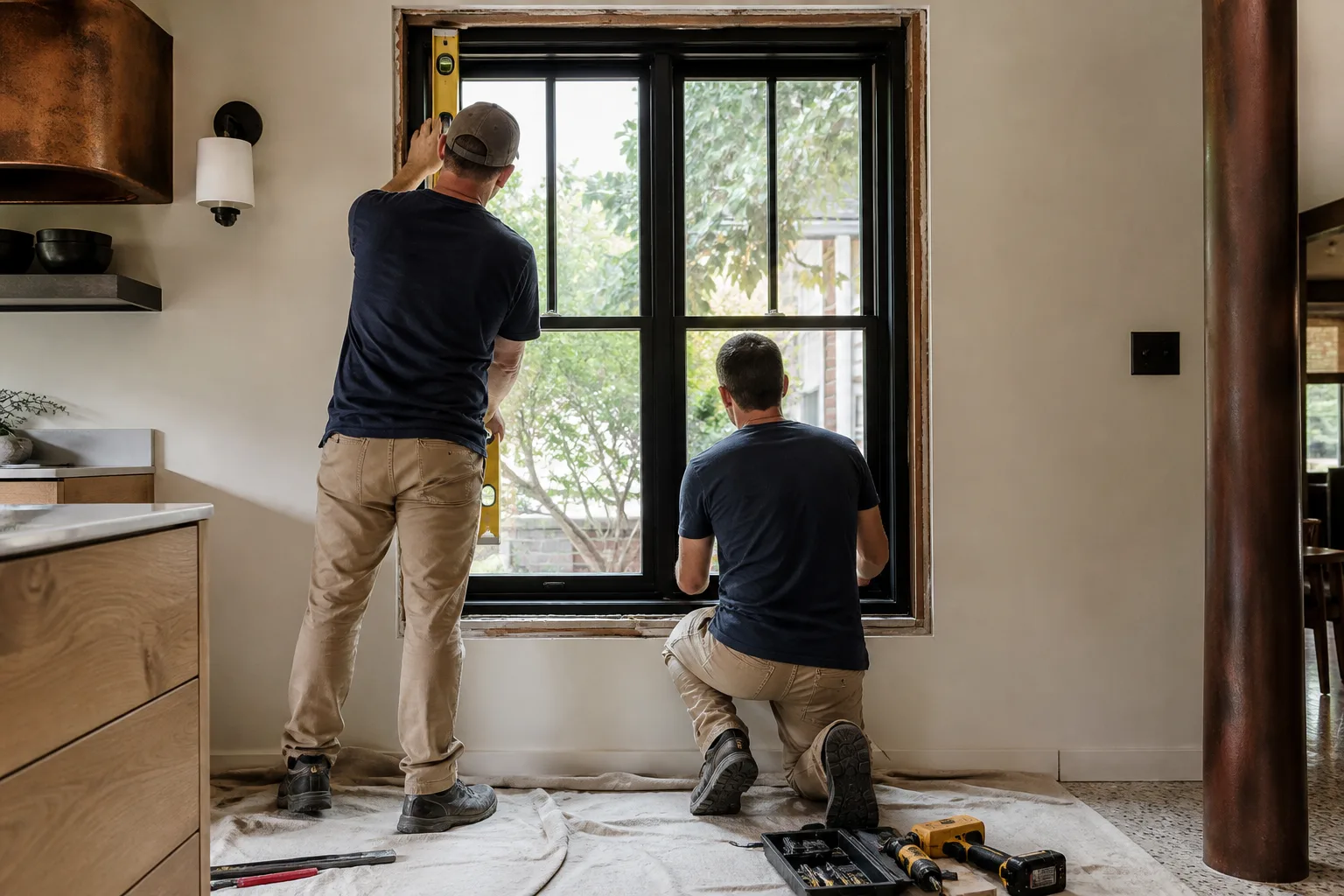
That said, no style is immune to hardware wear. Spiral balances on double-hungs loosen over time and the sash starts to drag. Crank mechanisms on casements can strip, and hinge arms can bind if the frame isn’t plumb. Our technicians have up to 12 years of experience on impact installations across Miami-Dade, and they check plumb, square, and shim pack on every frame before the window goes in. A window that meets the spec but is installed a quarter-inch out of plumb will leak regardless of DP rating.
Both styles are covered by our 730-Day Done Right Promise. If a double-hung sash leaks or a casement crank fails within two years, we make it right. That’s the point: it lets you choose by performance spec and by how you actually live in the space, rather than by which style feels safer to guess at.
FAQs
Usually yes, for structural performance. Casement windows typically carry a higher DP rating than double-hung units of the same size because the sash locks into a continuous compression seal around the perimeter, and that seal resists wind-driven rain better. The gap widens on larger sizes and on upper-floor or corner installations. On ground-floor openings protected by a screen enclosure, the difference is often small enough that ventilation and screen convenience tip the choice toward double-hung. Call (833) 630-4214 for a free estimate and a spec review of your specific openings.
Both styles land in the same range for a full-home impact installation: $8,000-$25,000, with a partial replacement usually in the $4,500-$15,000 band. The price difference between the two styles on the same opening is typically small once HVHZ-compliant hardware and impact glass are factored in. What moves the number more is the count of openings, the size of each, and whether the frames need to be rebuilt. Call (833) 630-4214 for an exact quote, upfront and free.
Not if it’s an HVHZ-approved product installed with proper flashing, but double-hungs have more potential leak paths than casements. The bottom sash seal sits horizontally, and the sliding tracks give wind-driven rain more entry points than a casement’s single compression gasket. Any window installed out of plumb will leak regardless of style. Our technicians have up to 12 years of experience and check plumb and shim pack on every frame. If a leak develops in the first two years, the 730-Day Done Right Promise covers the fix.
Yes, every replacement window in unincorporated Miami-Dade must be listed on an approved NOA at the specific size installed. Westchester has no standalone city hall, so all permitting and inspection run through Miami-Dade County e-permitting, and the inspector checks the NOA against the actual window on the job. A product approved at one size may not be approved at another, which is why we pull the NOA spec for each opening before you commit. Call (833) 630-4214 and we’ll walk you through which products apply to your home.
Ready to settle the style question on your home?
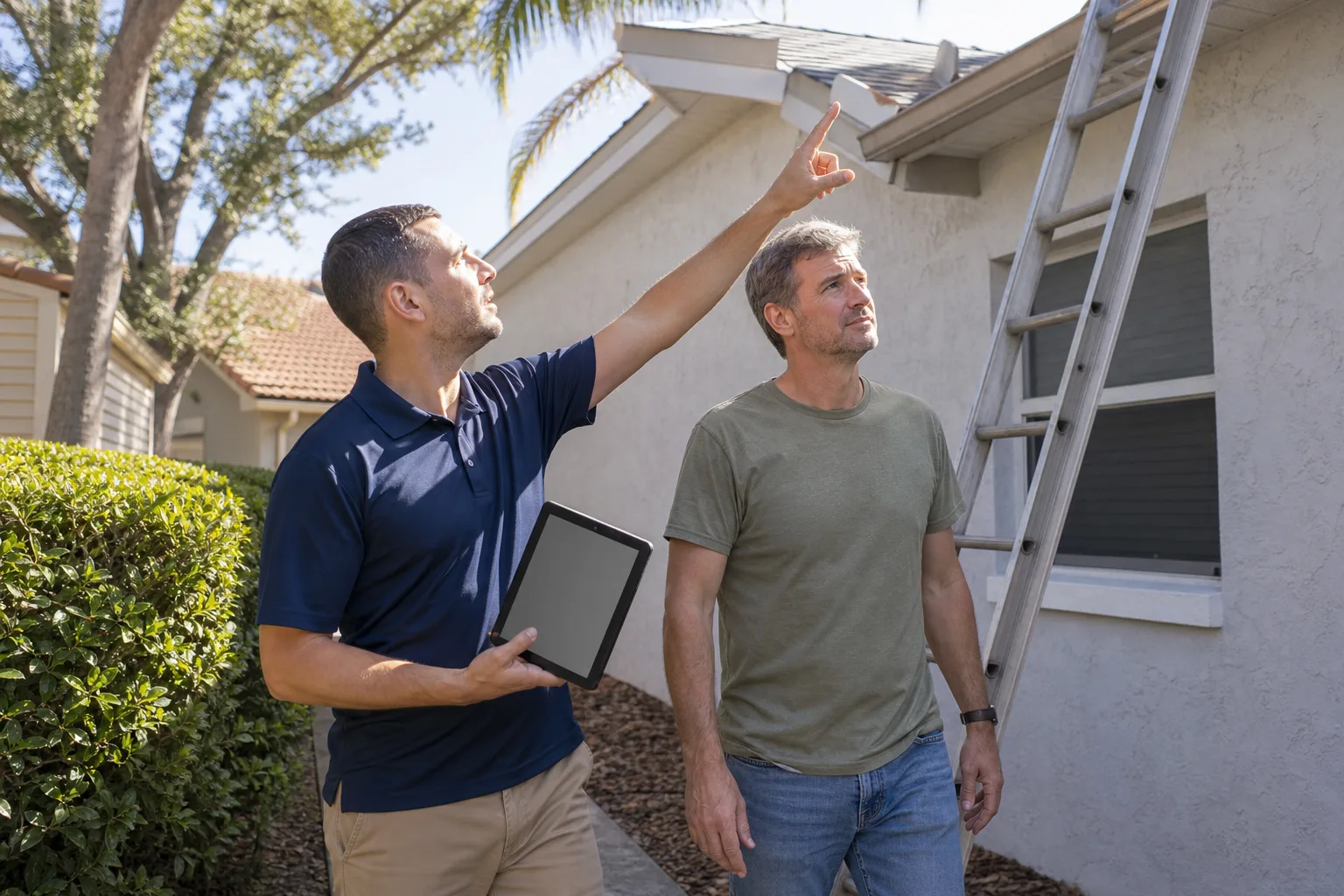
If you’d rather have it looked at, Groundwork Construction Co. of Westchester offers a no-pressure assessment in Westchester: we measure each opening, pull the NOA documentation, and tell you which style passes and which doesn’t before you sign anything. Call (833) 630-4214, upfront pricing and free estimates every time. Live person, 24/7. $1,000 off projects over $10,000, 0% financing for 18 months.
Written by the team at Groundwork Construction Co. of Westchester, serving Westchester, FL.