
Free written scope consultation - allowances, timeline, and change-order rules on paper before a single trade is scheduled
Styles & brands we work with
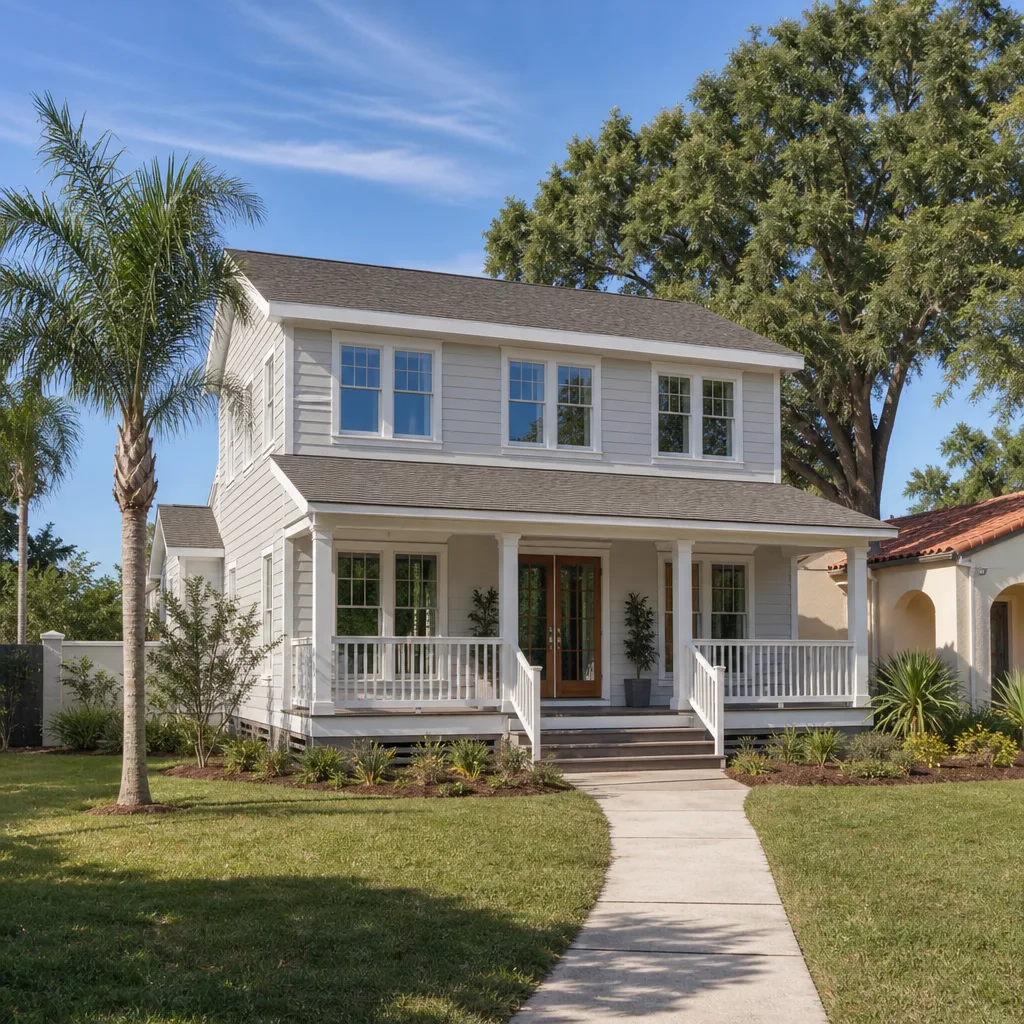
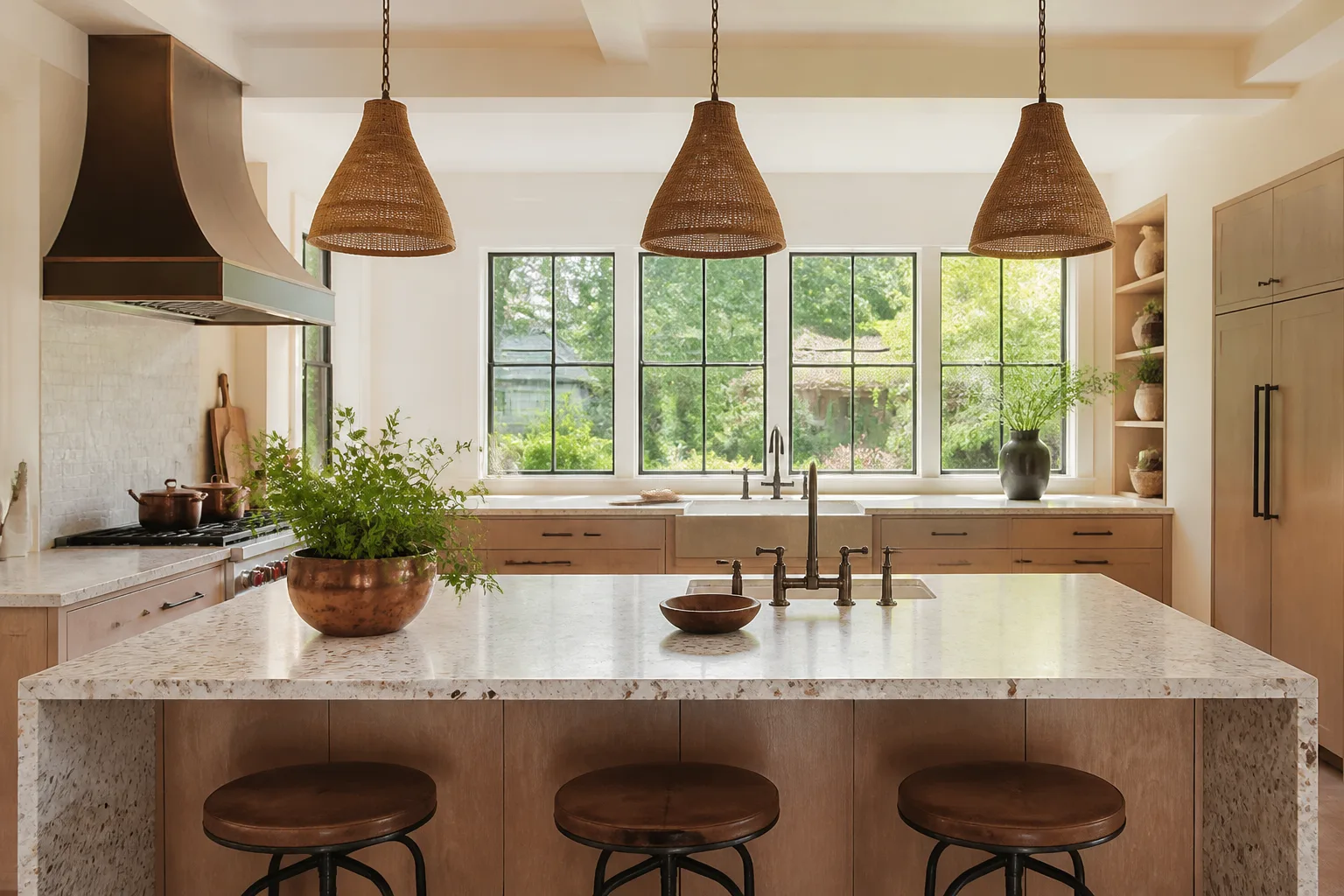
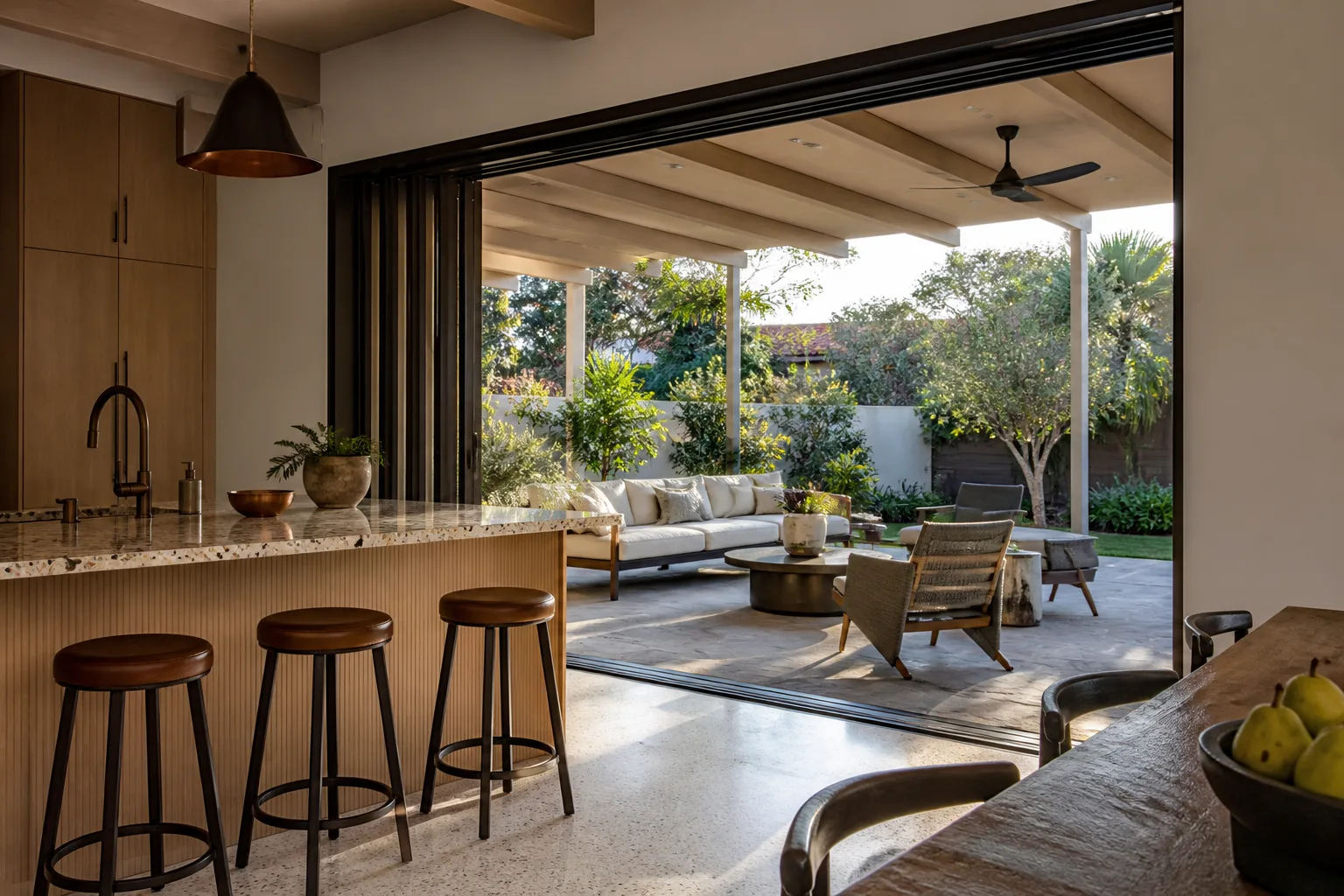
- Kitchen remodeling
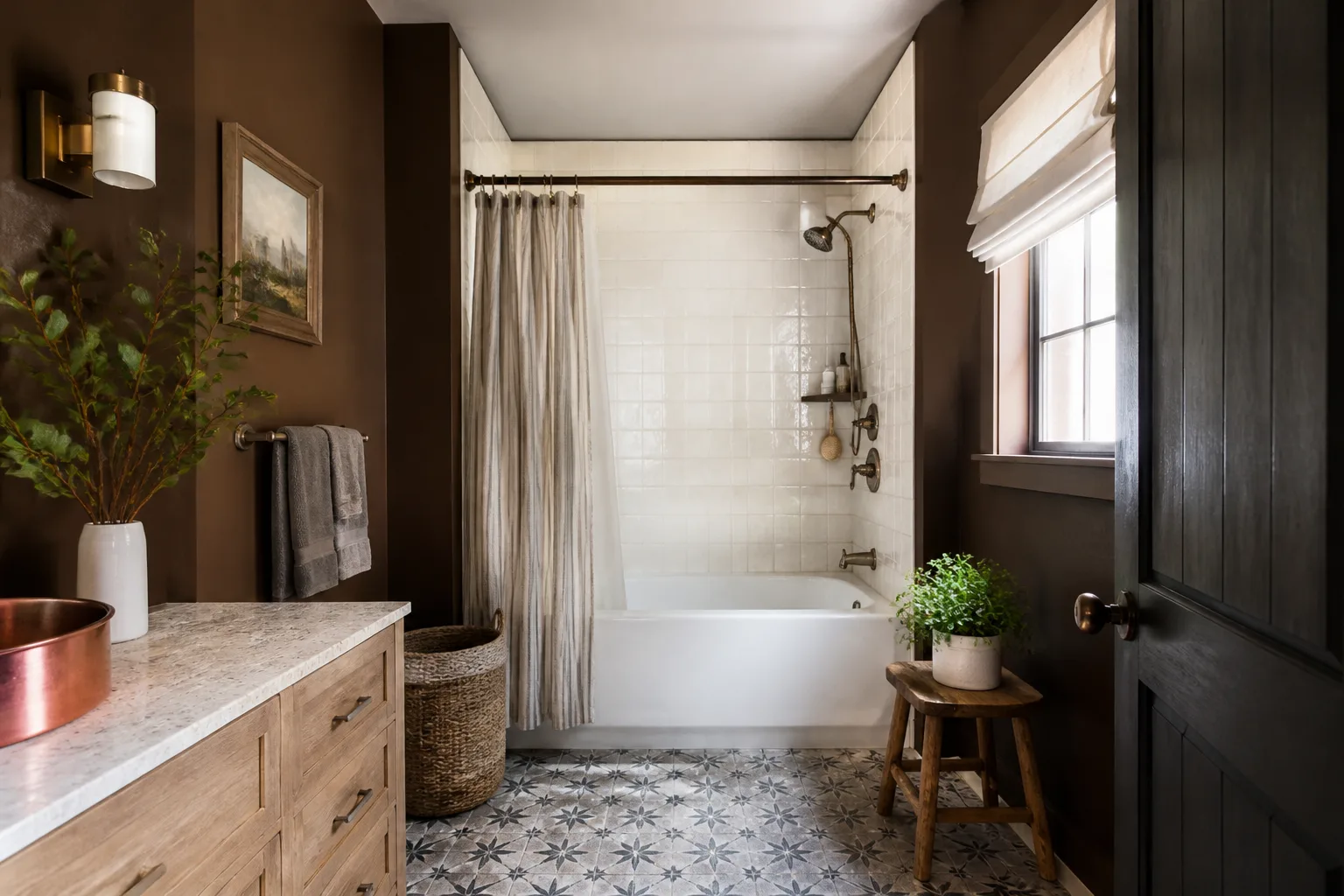
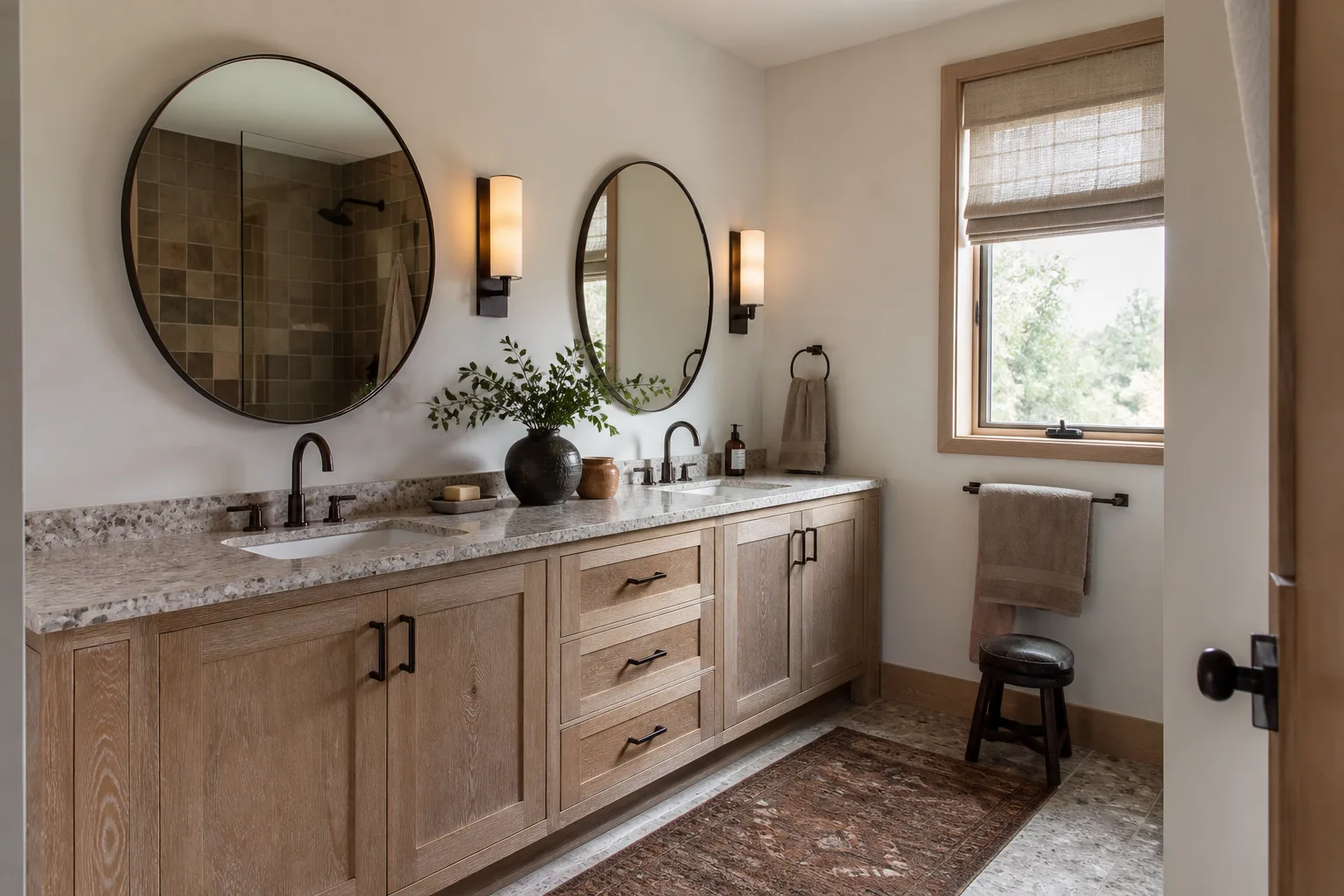
- Bathroom remodeling
- Home additions & ADU
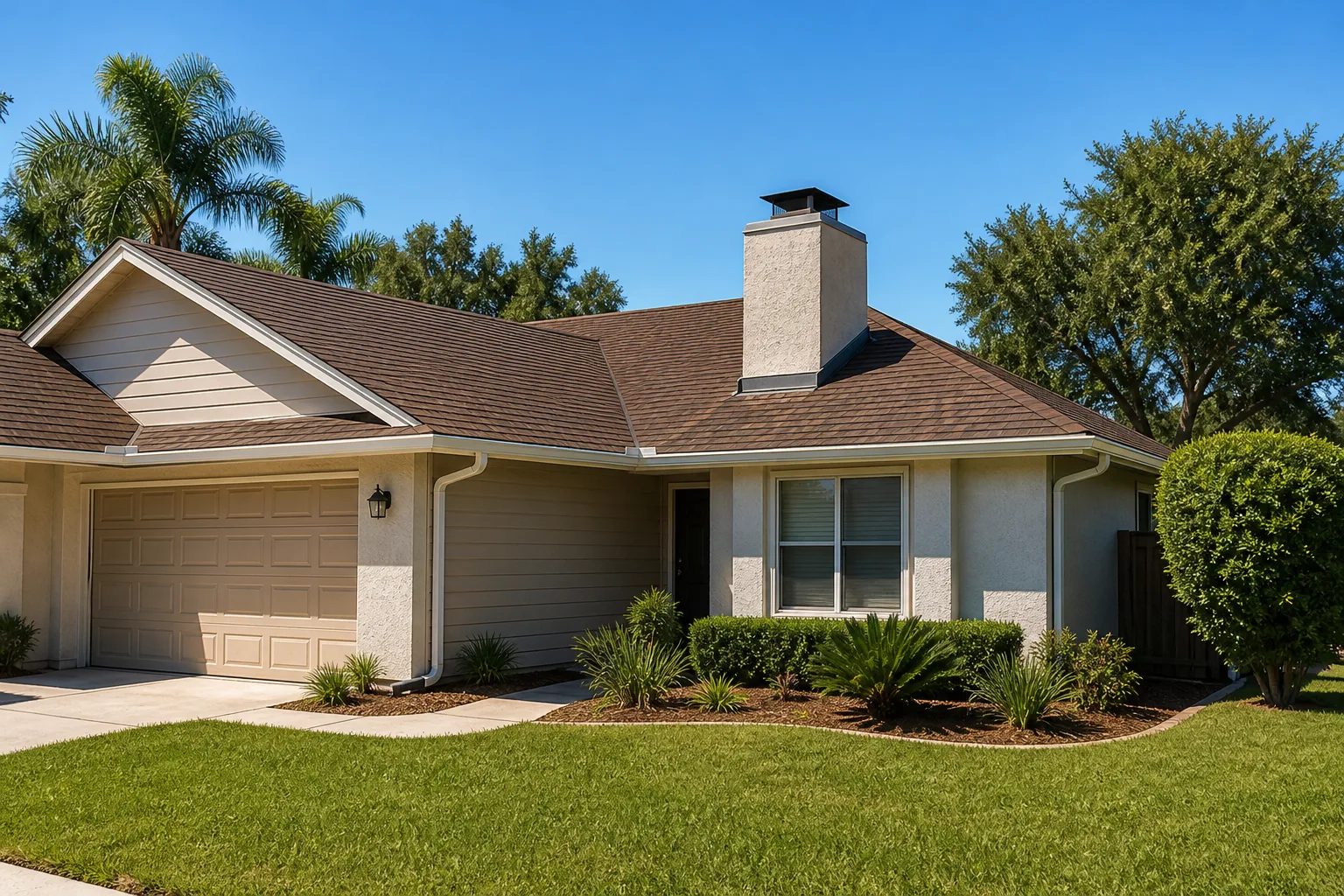
- Roofing
- Windows & doors
- Driveway & pavers
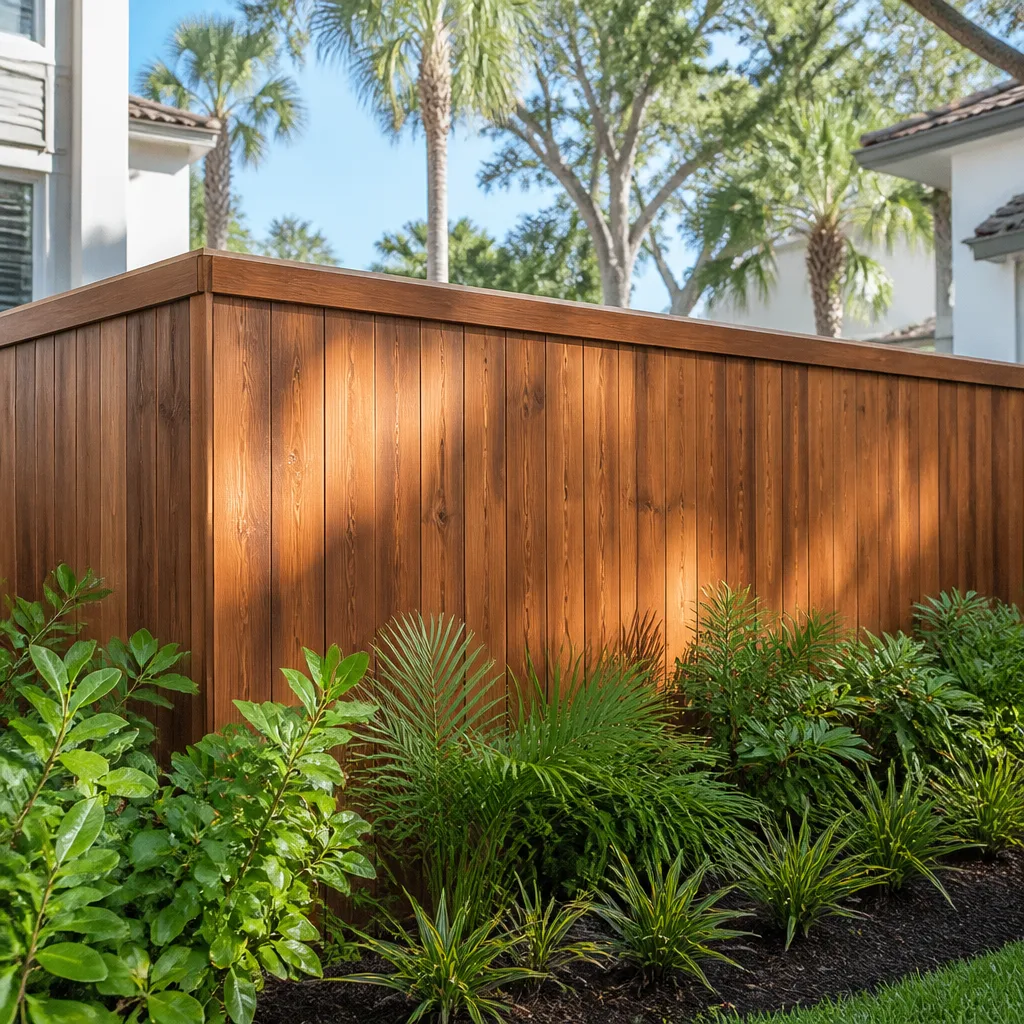
- Fence
See the difference
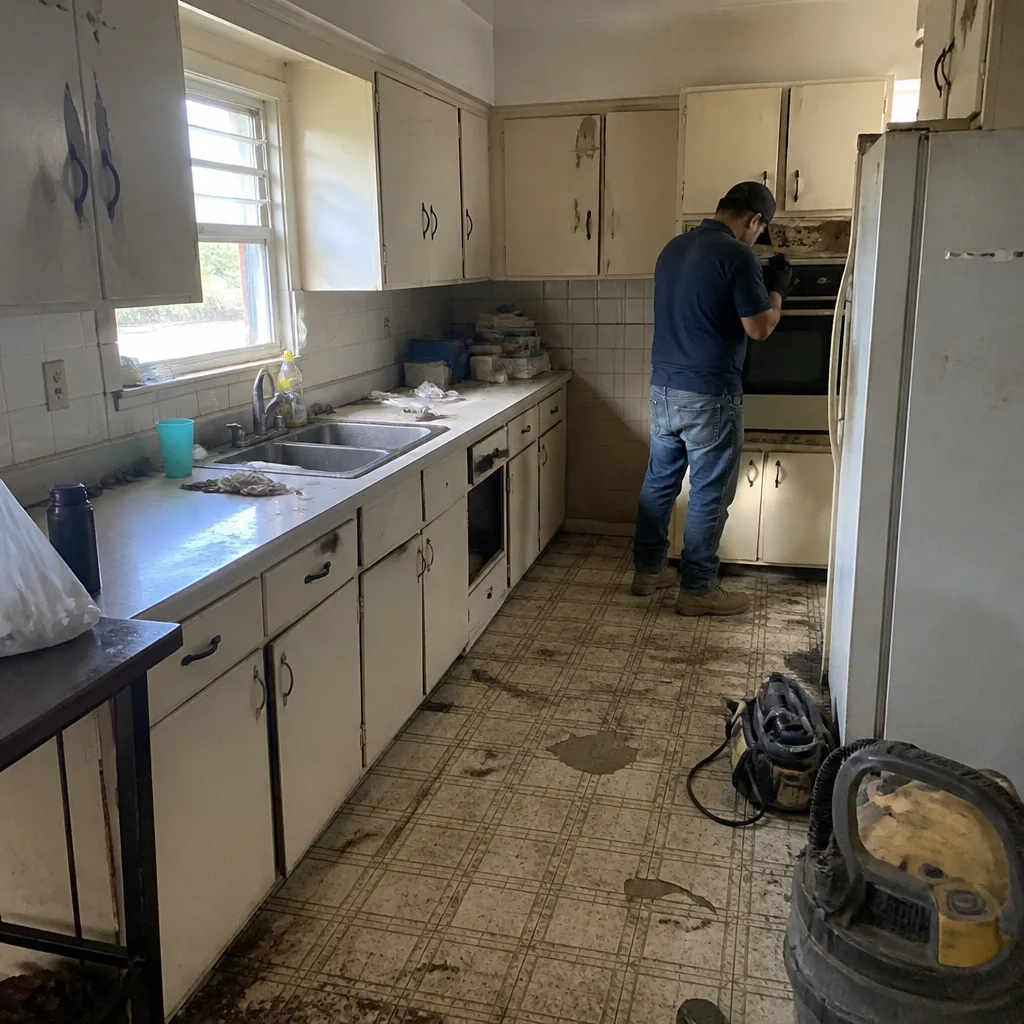 Before
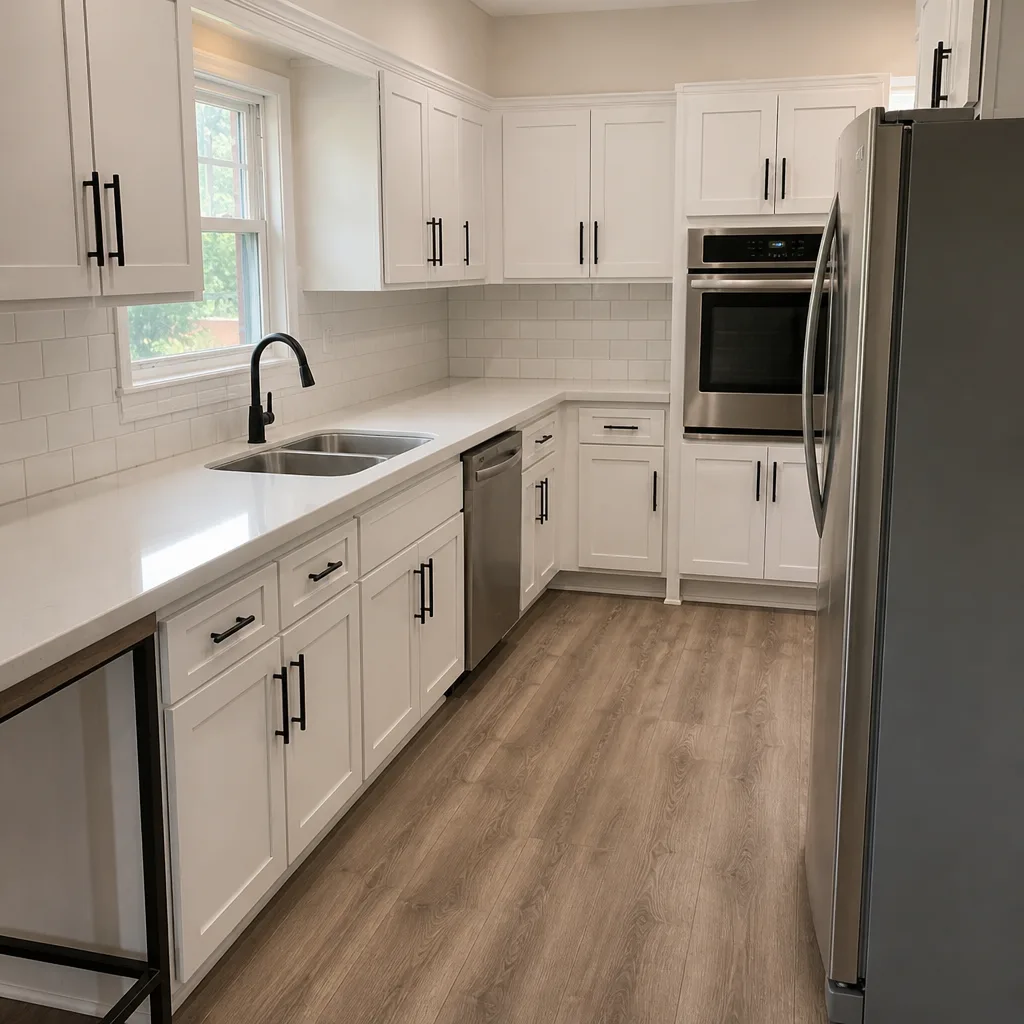 After
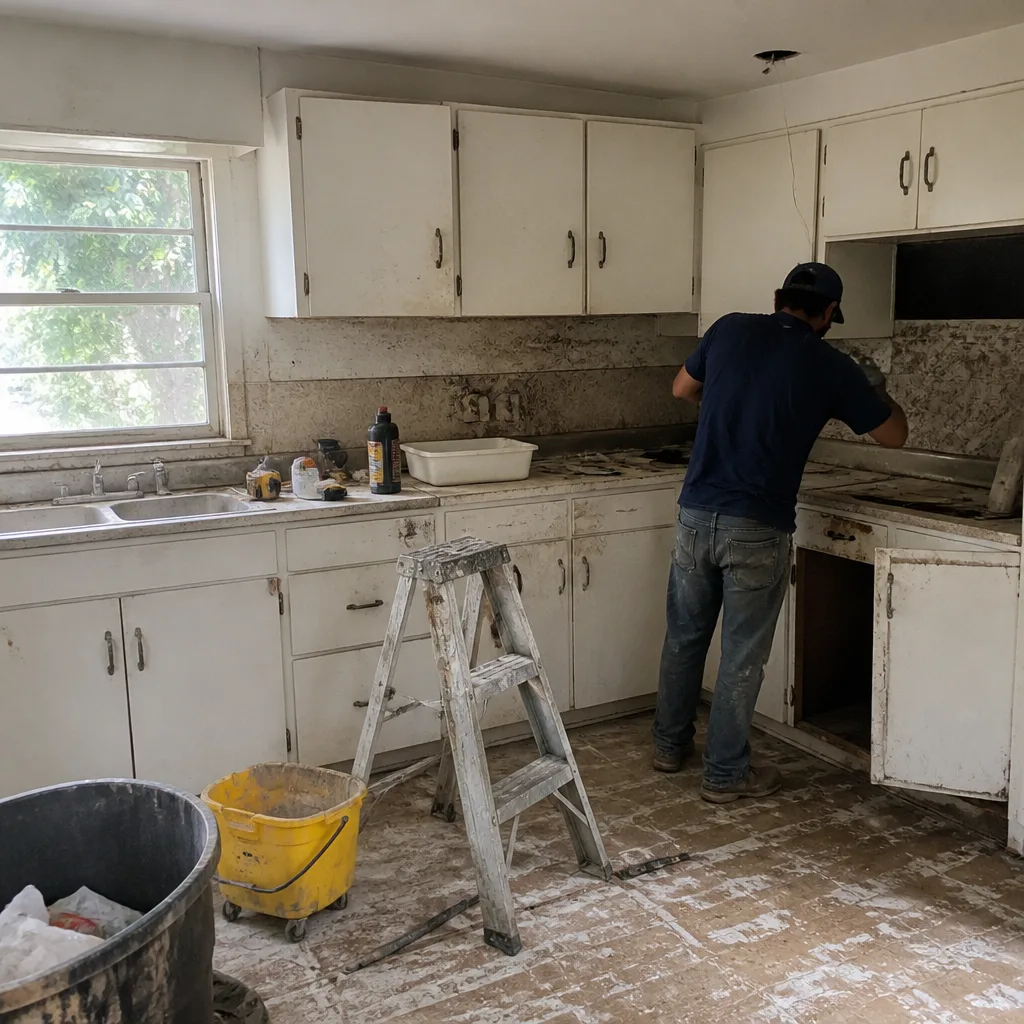 Before
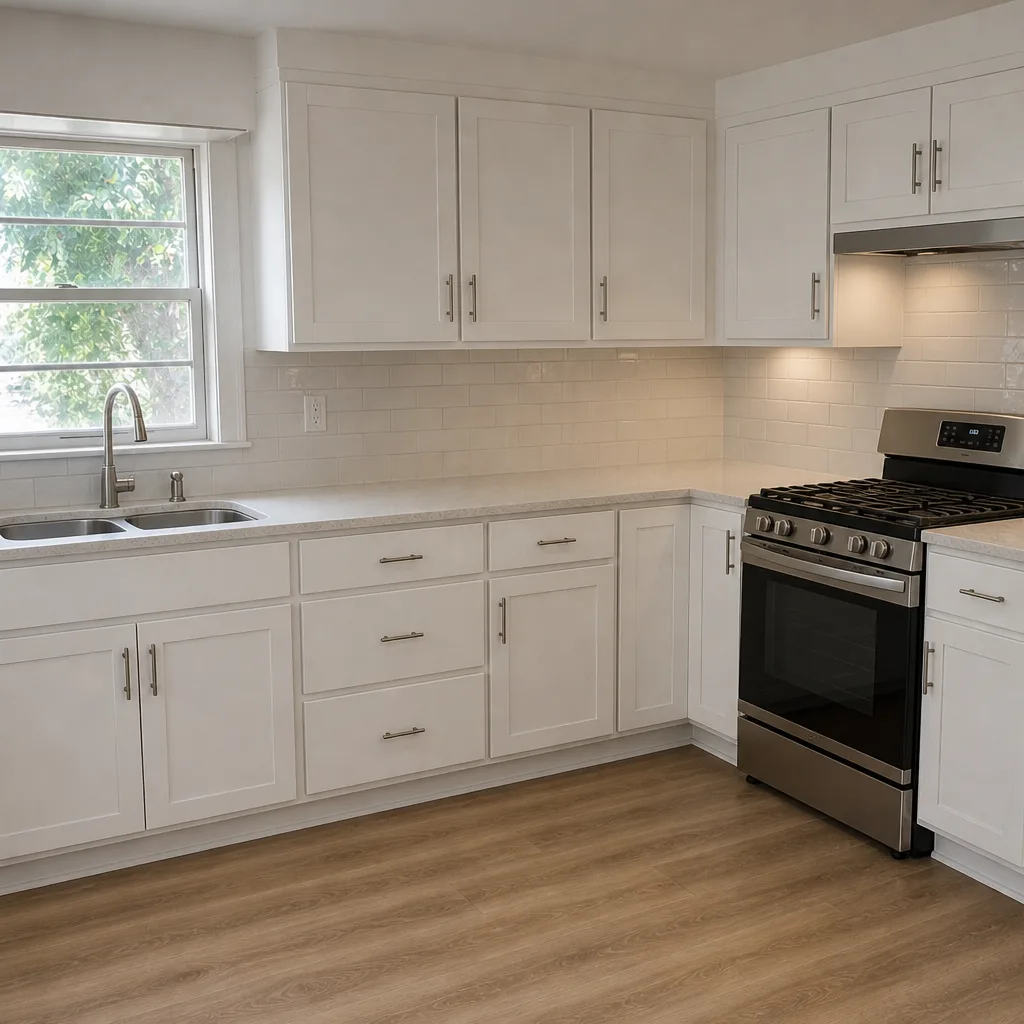 After
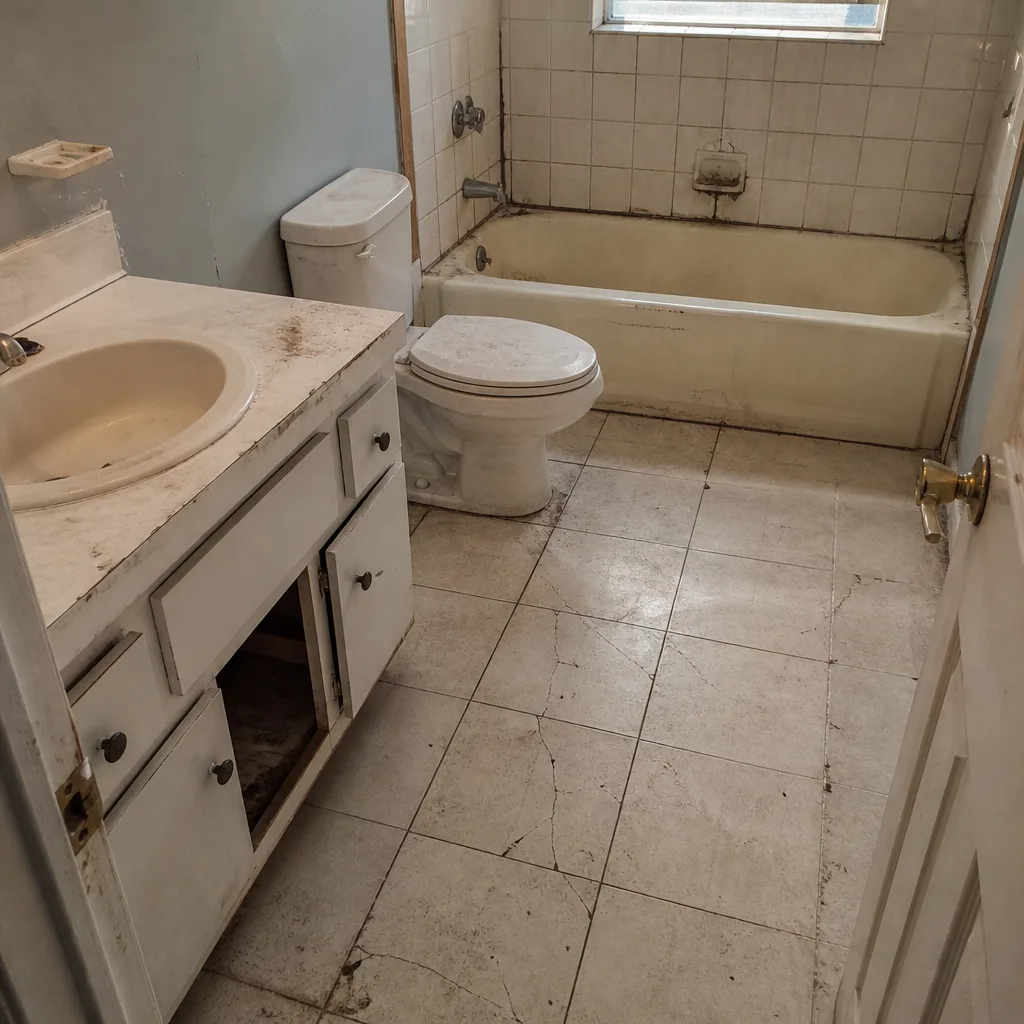 Before
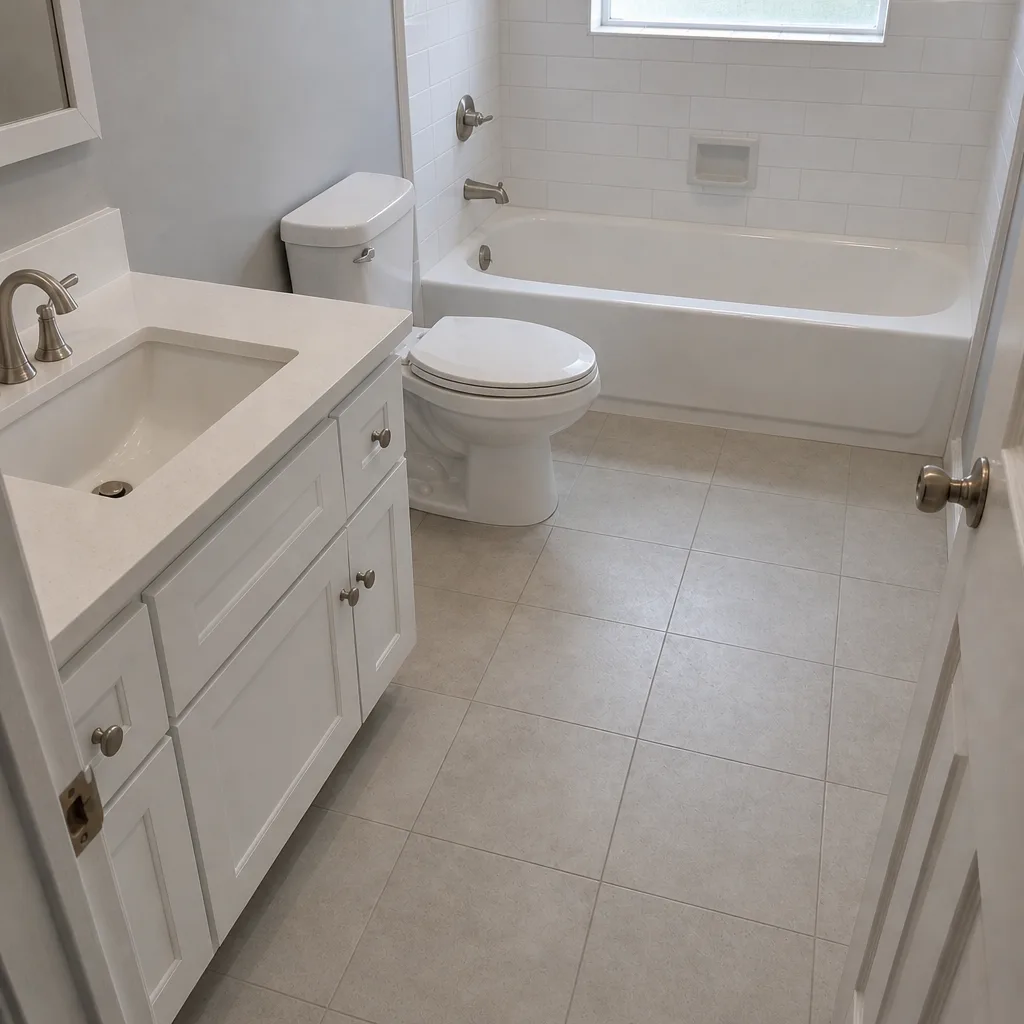 After
How to Choose a General Contractor in Westchester, FL: The Permit-and-Code Questions That Actually Matter
The single best test of a general contractor in Westchester, FL: ask whether they’ve pulled a permit through Miami-Dade County e-permitting in the last 90 days and can name the High-Velocity Hurricane Zone (HVHZ) requirements for your project type. Contractors who can answer specifically, without hedging, are the ones who’ll get your kitchen, addition, or roof through county inspections on schedule. Those who can’t are the ones whose projects stall for weeks. If you want a straight answer from a team that works this county every week, call Groundwork Construction Co. of Westchester at (833) 630-4214.
The advice you’ll find on national “how to choose a contractor” lists, check three references, verify the license, get three bids, isn’t wrong. It just doesn’t reach the part of the job that separates a smooth Westchester project from a stalled one. Here’s what actually does.
Why Westchester Vetting Is Different From Generic Guides
Westchester sits in unincorporated Miami-Dade County. There’s no city hall issuing your building permit, no local inspector with a Westchester office. Every remodel, addition, roof replacement, and new build runs through Miami-Dade County permits, county inspection scheduling, and county code enforcement. That one fact reshapes the whole “how to vet a contractor” conversation.
The housing stock reinforces it. You’re working with 1960s through 1980s concrete-block ranch and Spanish/Mediterranean homes, many with lath-and-plaster walls that need upgrading to gypsum drywall before a modern kitchen can go in. Flat and low-slope roofs are the norm, and CB-stucco is everywhere. Add infill replacement, older homes coming down for larger two-story builds, and the trades involved aren’t generic. They’re Miami-Dade-specific.
Then there’s the hurricane zone. HVHZ requirements mean impact windows, roof-to-wall and roof-to-deck connections, strap nailers, and strict product approval (NOA) documentation. A contractor who learned the job in another state is learning your project as they go. You’ll pay for that education in inspection delays.
Five Questions No National Guide Will Tell You to Ask
These probe the skills that decide whether your project moves or stalls. Ask them plainly and listen for specifics, not reassurances.
- “Have you pulled a permit through Miami-Dade County e-permitting in the last 90 days, and for what type of project?” A contractor who works here regularly can name recent jobs and the permit types. Vague answers signal unfamiliarity with the county portal.
- “What HVHZ requirements apply to my specific project?” For a roof, expect talk of product approval (NOA) numbers, secondary water barriers, and fastener schedules. For windows, expect impact ratings and installation per approved product specs. For additions, expect roof-to-wall connection detailing.
- “How do you schedule inspections, and what’s your typical turnaround?” County inspection scheduling is where projects lose time. Ask how they handle the sequence, especially on multi-inspection jobs like an addition.
- “How do you handle concrete-block construction and stucco detailing?” CB-stucco is the default wall assembly here. Waterproofing and flashing details on block walls and flat roofs decide whether a job leaks in the first heavy summer rain.
- “How do you vet the crews who’ll be in my home?” Background-checked, uniformed technicians aren’t standard in the Miami-Dade market. Unlicensed subs working under a licensed general contractor are a real pattern in fast-growing infill areas, and you should know exactly who’s on site.
License Verification: County Certificate vs. State License
Florida law requires a state-licensed contractor for most residential work, and Miami-Dade County also issues a Certificate of Competency for certain trades. In Westchester’s unincorporated jurisdiction, you want to see the state license, confirm it’s active with no complaints of note, and understand which scope the contractor is certified to perform. Both layers matter; neither alone tells the whole story.
Ask for the license, look it up yourself, and note the certified scope. A contractor certified for one trade may subcontract the rest, which is fine if you know who’s actually doing the work and that those subs are vetted the same way.
Reading the Bid for Change-Order Risk
The number at the bottom of a proposal isn’t the number you’ll pay if the bid is written loosely. Upfront pricing, a fixed number for a defined scope, tells you what you’re exposed to. Time-and-materials bills leave the door open for extras as the job unfolds. On a kitchen remodel, the difference between a clear fixed bid and a vague one can run thousands by the time the final invoice lands.
Watch for these red flags in any proposal:
- Line items written as “allowance” without a stated dollar cap
- No mention of permit fees, HVHZ product approval costs, or inspection fees
- Change-order language that lets the contractor add cost without a written approval from you
- Missing warranty terms, or a warranty shorter than two years
For budgeting context in Westchester, here’s what area homeowners typically see:
| Project | Typical Cost Range |
|---|---|
| Kitchen Remodel | $14,000-$45,000 |
| Bathroom Remodel | $9,000-$28,000 |
| Roof Replacement | $8,000-$20,000 |
| Impact Window Installation | $8,000-$25,000 |
| Home Addition | $45,000-$130,000 |
| ADU Construction | $90,000-$220,000 |
Financing availability is a vetting question too. A contractor who can offer 0% financing for 18 months, alongside $1,000 off projects over $10,000, has the trade relationships and financial footing to carry a project through. It also tells you they expect homeowners to budget carefully, and they’ve built the offer around that. See the full range of what a home construction partner covers before you compare bids.
The Warranty as a Screening Criterion
A contractor unwilling to back their work for two years is telling you something about their own confidence. Our 730-Day Done Right Promise covers every project for two full years: if it isn’t done right, we make it right. That’s not a marketing line, it’s a contractual commitment, and it’s one of the longest workmanship guarantees in residential construction. When you’re comparing contractors, ask what happens if the stucco cracks or the shower pan fails at month 14. The answer should be a protected call, not a shrug.
Material choices go hand-in-hand with warranty confidence. Curated brand partners across every trade, KraftMaid and Cambria in kitchens, GAF and Owens Corning on roofs, Andersen and Marvin for windows, Mr-Glass and Therma-Tru for glass and doors, mean the specification in your bid is one the contractor stands behind. Built to last, backed in writing.
Common Local Scenarios We See in Westchester
An older concrete-block ranch off SW 24th Street gets a kitchen remodel and the lath walls behind the cabinets crumble on demo day. A roof nearing its service life fails a county inspection because the deck attachments predate current HVHZ requirements. An addition on Westchester’s infill lots runs into drainage and flashing questions on a flat roof that a generic bid never accounted for. These aren’t exceptions. They’re the standard pattern on this housing stock.
That’s why the vetting questions above matter more here than in most markets. A contractor fluent with Miami-Dade e-permitting, HVHZ product approval, and CB-stucco construction expects these issues and prices them honestly. One who doesn’t will find them mid-project, then pass the cost and delay to you.
FAQs
General contractor costs in Westchester track project scope, not a flat fee. A kitchen remodel runs $14,000-$45,000, a bathroom $9,000-$28,000, a roof replacement $8,000-$20,000, and an addition $45,000-$130,000. Permit and inspection fees tied to Miami-Dade County requirements add to those ranges. Call (833) 630-4214 for a free upfront estimate on your specific project.
You need both considered. Florida requires a state-licensed contractor for most residential work, and Miami-Dade County issues its own Certificate of Competency for certain trades. Verify the state license is active and understand the certified scope before signing anything. A free design consult with us will walk you through what your project requires.
Turnaround varies by project type and completeness of the submittal, and it’s shorter when the contractor submits clean plans the first time. That’s why asking about recent e-permitting experience matters so much. A contractor who files correctly avoids the resubmittal cycle that adds weeks to a job. Call (833) 630-4214 to talk through your timeline.
No, and it will cost you more in the long run. Unpermitted work in unincorporated Miami-Dade creates code enforcement exposure, complicates resale, and can void insurance coverage. Any contractor who suggests skipping the permit is telling you exactly how they operate. We pull permits on every job that requires one, and our 730-Day Done Right Promise covers the work either way.
If you’d rather have your project assessed by a team that works Miami-Dade County permits and HVHZ requirements every week, Groundwork Construction Co. of Westchester offers a no-pressure estimate and design consult at your Westchester home. Call (833) 630-4214. Our technicians have up to 12 years of experience, crews are background-checked and uniformed, and our live answering team takes calls around the clock.
Written by the team at Groundwork Construction Co. of Westchester, serving Westchester, FL.