




Free written scope consultation - allowances, timeline, and change-order rules on paper before a single trade is scheduled
Styles & brands we work with
- Kitchen remodeling
- Bathroom remodeling
- Home additions & ADU
- Roofing
- Windows & doors
- Driveway & pavers
- Fence
See the difference
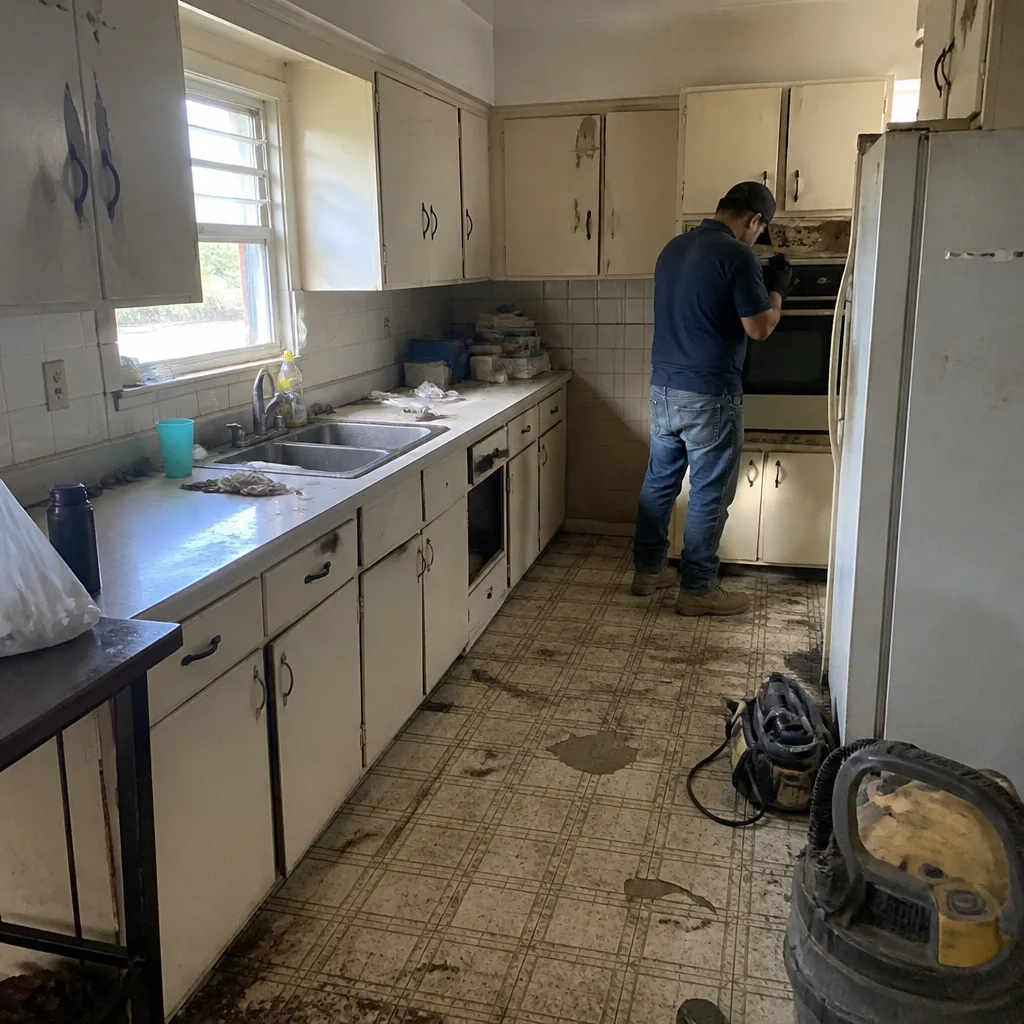 Before
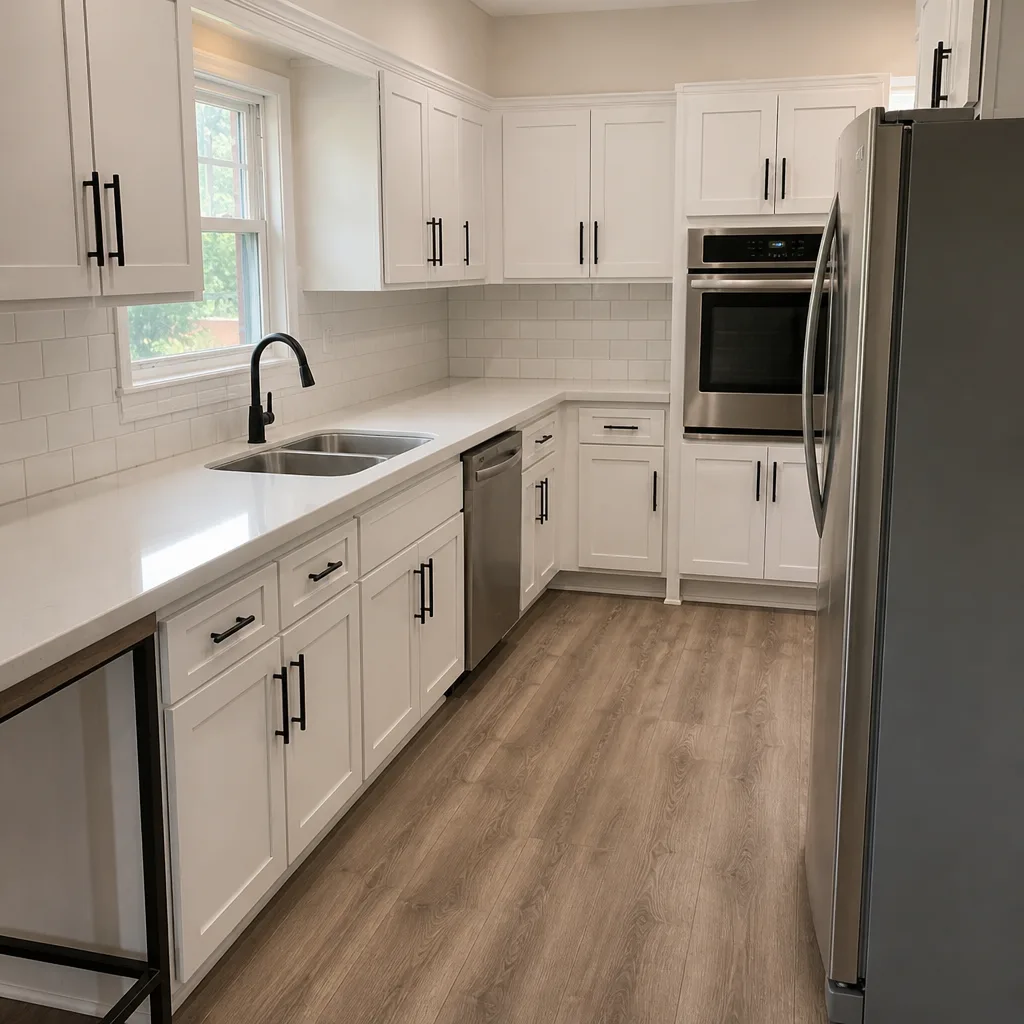 After
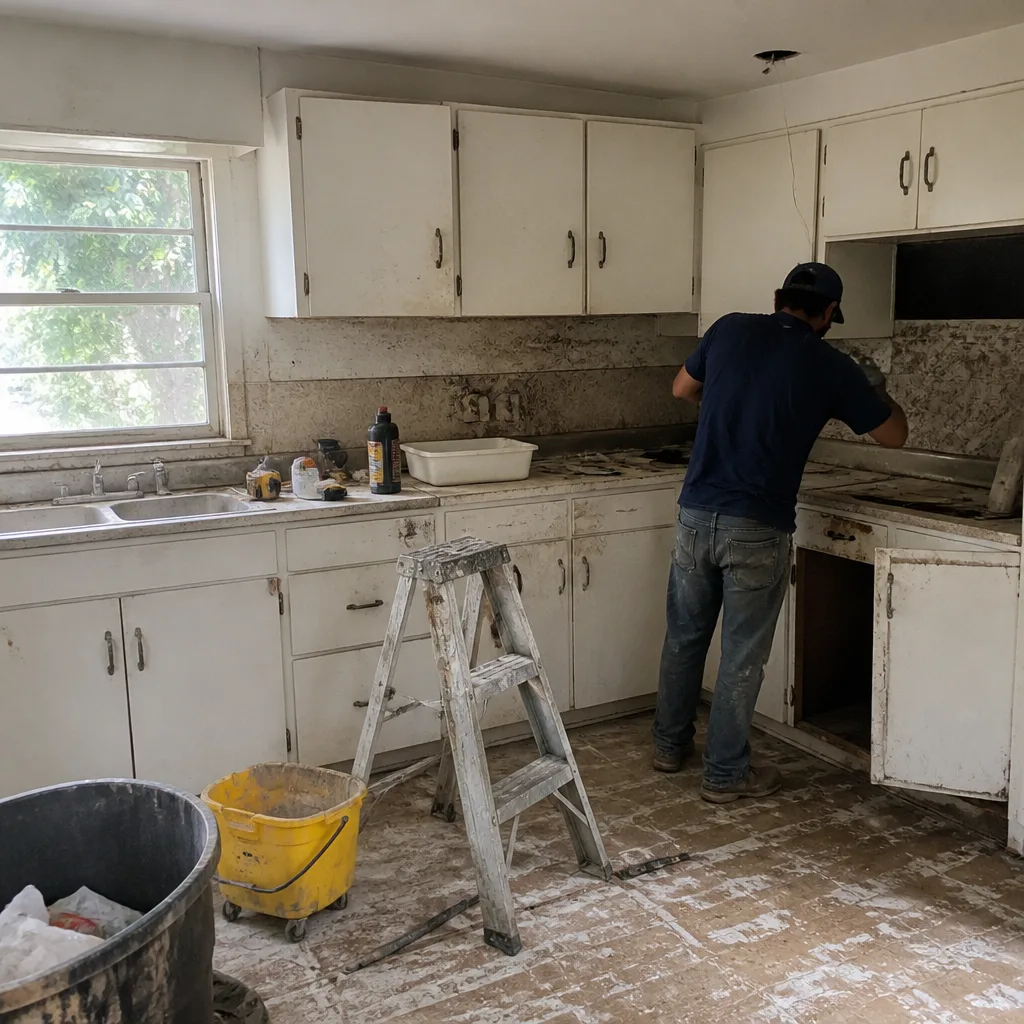 Before
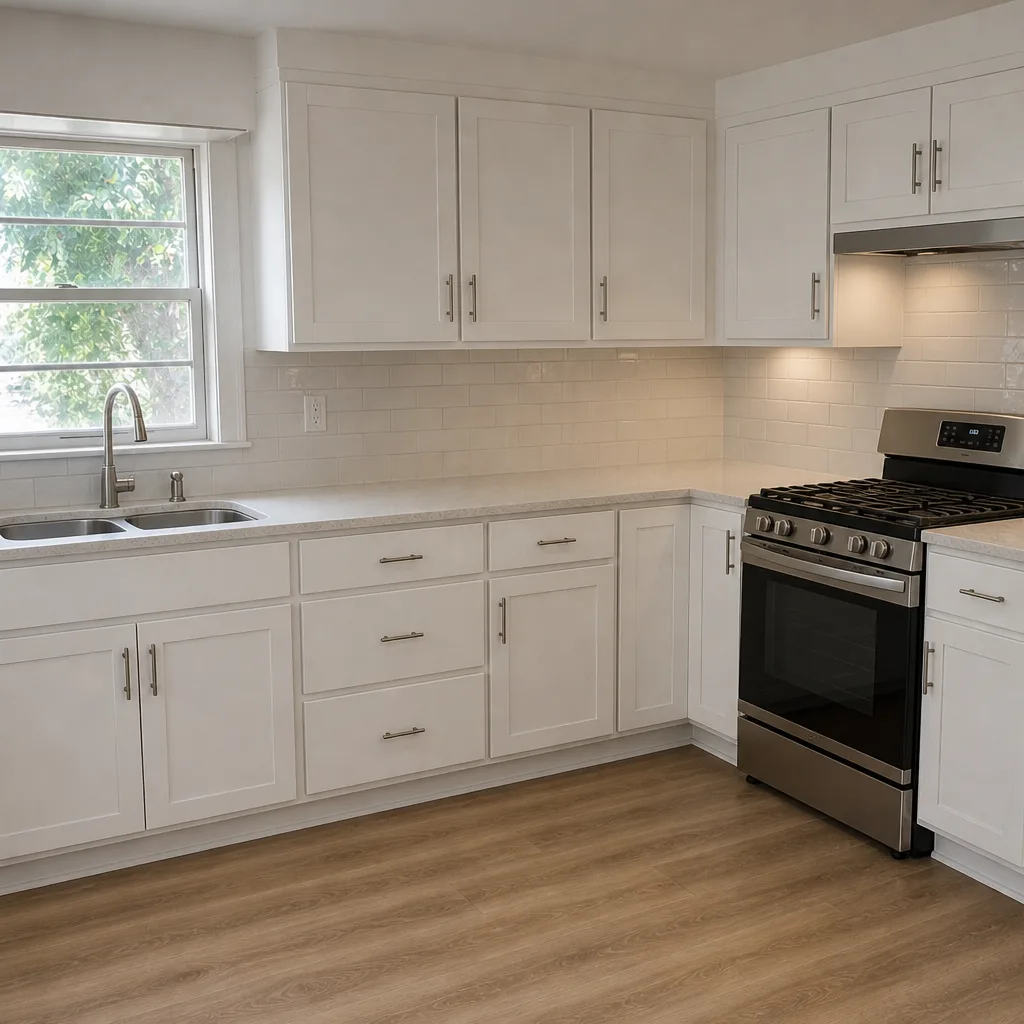 After
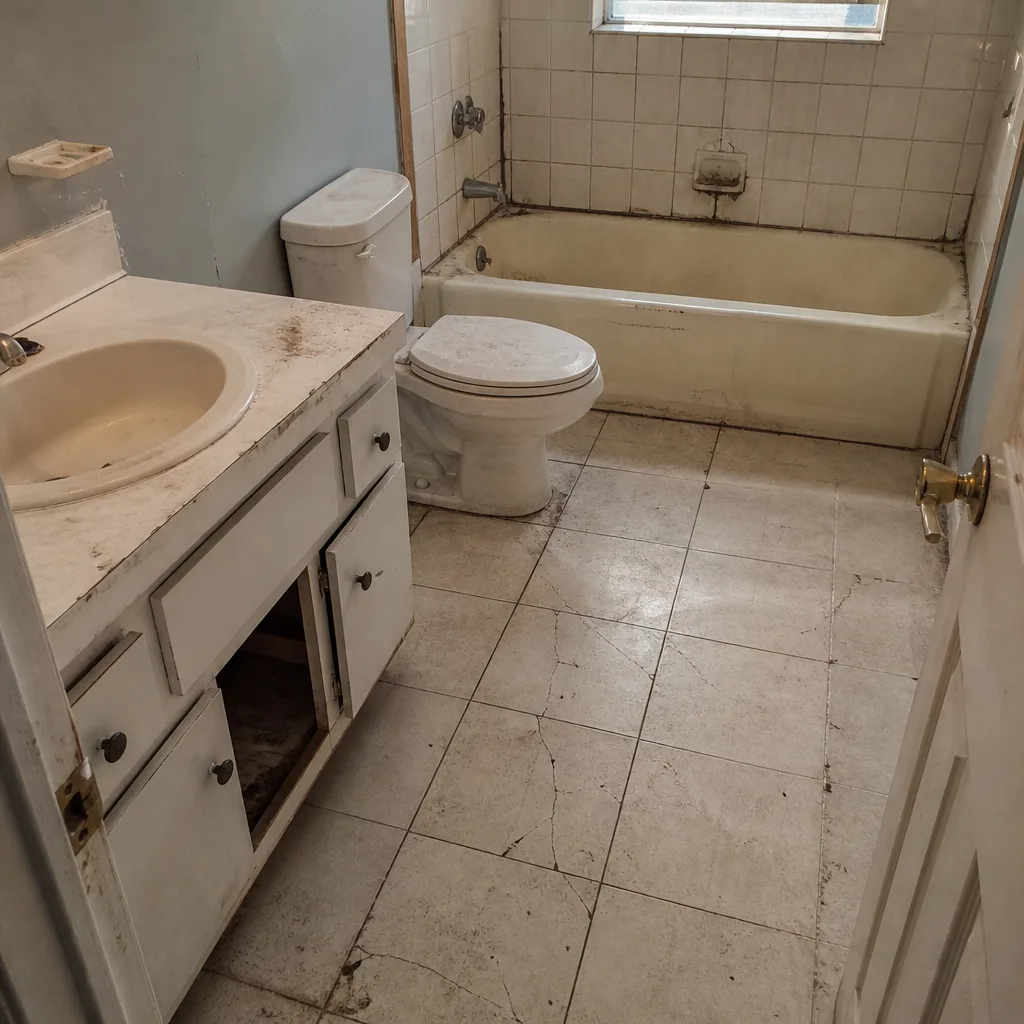 Before
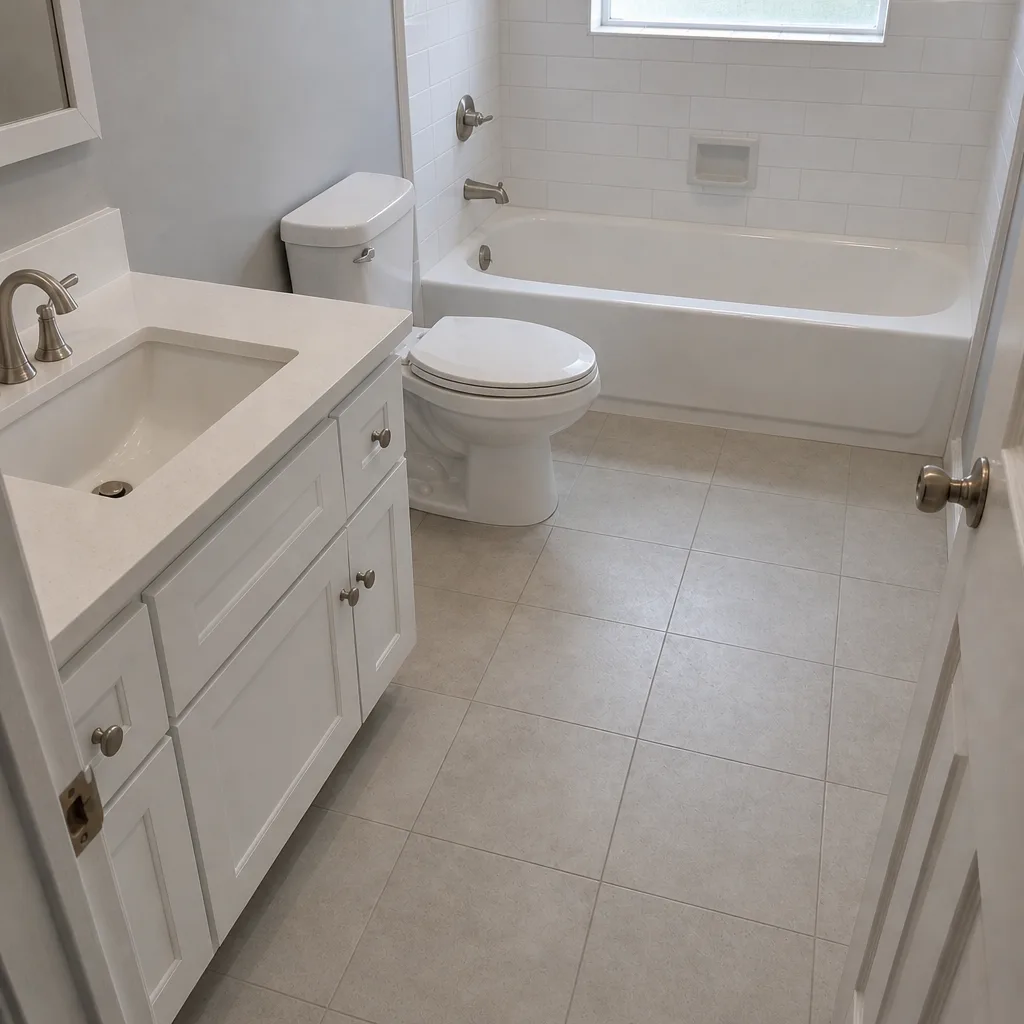 After
How to Find a Roof Leak on a Westchester CBS Home
The most common cause of a roof leak in Westchester is a failed flashing detail or membrane split, and finding it means tracing water from the roof down rather than from the ceiling stain up. On a concrete-block home, the interior stain is often the last place the water touched, not the first. The answer to “how to find a roof leak” here starts with the roof surface and the wall, never the drywall.
Anyone standing in a hallway during a hard June downpour in Westchester deserves a straight explanation of why that brown ring keeps coming back after the “repair.” If water is actively coming in, we answer live around the clock at (833) 630-4214 and can walk you through tarp placement and water diversion before an inspection is even scheduled.
Westchester’s housing stock, mostly 1960s-80s CBS ranch and Spanish-Mediterranean homes with flat or low-slope roofs, plus new two-story infill, means the leak-chasing method here looks nothing like a shingle guide written for a wood-frame house in Ohio.
Why the Ceiling Stain Is Not Where the Leak Is
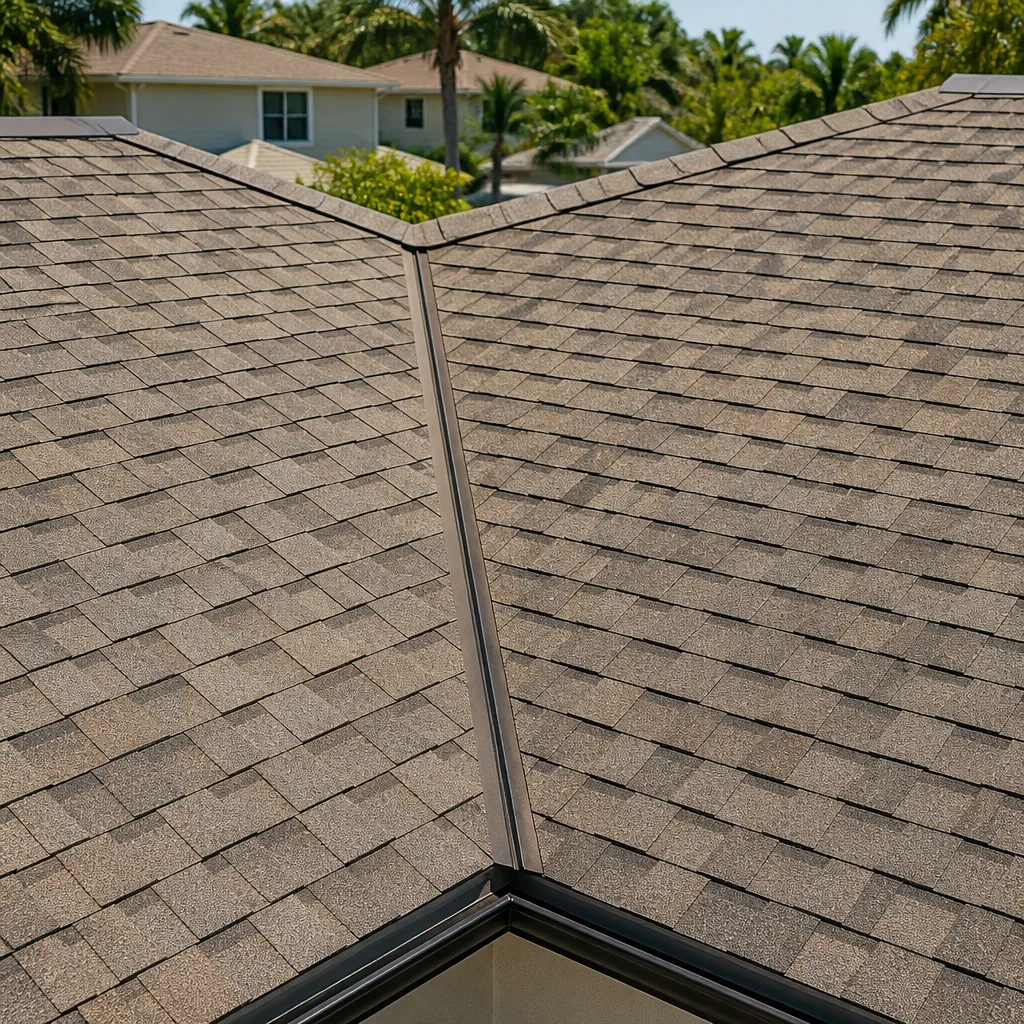
Concrete-block (CBS) construction changes everything about how water behaves inside a Wall. Water enters at a flashing gap, a penetration, or a membrane split on the roof, then runs along the top of the bond beam or inside the wall cavity. It travels horizontally – often several feet – before it finds a structurally weak point and drops into the living space. So a stain above your hallway closet can be sourced from a flashing gap above a window six feet away, or from a roof-to-wall joint on the opposite side of the room.
This is why tracing a leak from the inside out almost always leads to the wrong spot on the roof. The diagnostic reality is simple: on a CBS home, the interior stain location is unreliable. We look at the roof and the exterior wall plane first.
What to note before you look up
- Walk the exterior after a rain and look for dark streaking on stucco below flashing lines, parapet walls, and window heads.
- Mark the interior stain’s edges with pencil so you can tell if it grows and in which direction.
- Check the water heater pan, AC condensate line, and second-floor bathrooms before blaming the roof – a surprising share of “roof leaks” in Westchester are plumbing.
- Note any standing water still on a flat roof hours after the rain stops: ponding is the single best clue on a low-slope roof.
Inspecting a Flat or Low-Slope Roof: The Westchester Method
Shingle-focused methods from northern guides fall short here. Most Westchester roofs are flat or low-slope with a membrane or modified bituminous surface, and the inspection order is different. Start with standing water after rain – where it pools tells you where the membrane is sagging and where the seams get the most stress. Next, probe the membrane around drain collars, scuppers, and the base of parapet walls, because those are the joints that open first under thermal cycling and wind-driven rain.
For the pitch of the roof and the full scope of what we inspect, see our Roofing page. The short version of the Westchester inspection:
- Map the ponding after a real rain, not a sprinkle.
- Check every drain collar and scupper for separated sealant or a split membrane.
- Examine parapet base flashing all the way around, especially on the windward side.
- Look at roof penetrations – vents, solar mounts, satellite footings – for broken boots.
- Check the eave drip edge for separation where stucco meets the roof edge.
- Trace up the exterior wall plane where the interior stain is, not down from it.
The HVHZ details that cause most Westchester leaks
Miami-Dade sits in the High-Velocity Hurricane Zone, so every connection is governed by strict code, and the weak points show up at the joints. In our experience on Westchester roofs, leaks cluster around three HVHZ-sensitive details: eave drip edge separation, roof-to-wall flashing at parapet walls on older additions, and window head flashing on second-story infill additions. Where an addition was tied into an existing roof without a proper stepped or counter-flashing detail, wind-driven rain pushes straight into the seam. That’s a common finding on Westchester infill work, and it’s an area where the right materials matter – we work with GAF, CertainTeed, and Owens Corning systems and match the detail to the local product approval, not a generic assembly.
The Garden Hose Test: When It Helps and When It Backfires
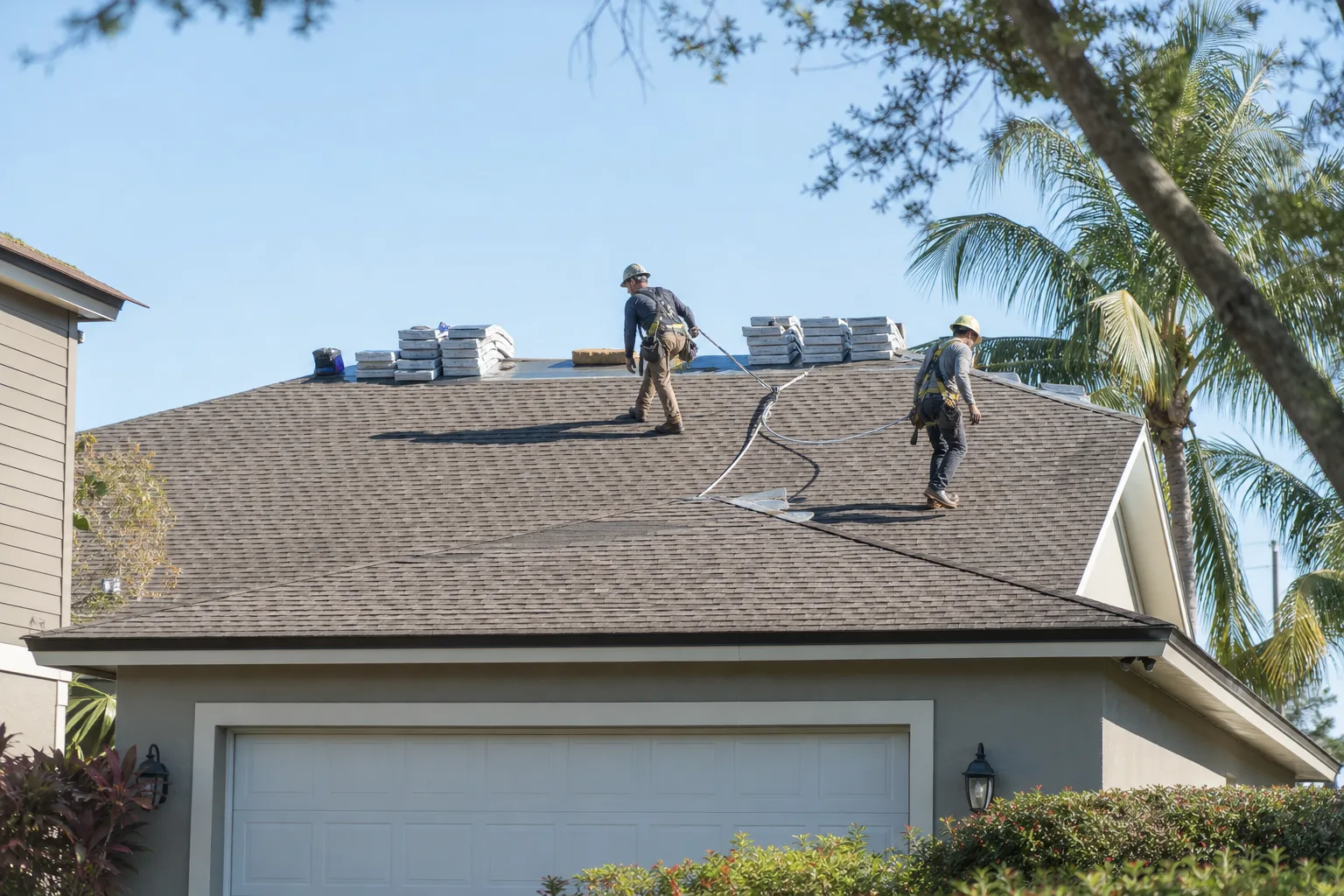
A controlled hose test can pinpoint a leak on a flat roof – you run water at one location at a time, starting low and working up, and watch for the entry to show. It works best on a suspect flashing line or drain collar. But it’s not always safe to try. On an active membrane split or a brittle seam, hose pressure can enlarge the tear and turn a small repair into a full membrane replacement.
Here’s where the cost of guessing gets real. A targeted repair in Westchester typically runs $400-$1,800. A full roof replacement runs $8,000-$20,000. Misdiagnosing a small flashing leak as a full replacement, or the reverse – piling sealant on the wrong spot while the real split keeps widening – is how a few hundred dollars turns into five figures. That’s the reason the diagnostic step matters more than the repair step.
| What you’re looking at | Typical Westchester range |
|---|---|
| Targeted repair (flashing, collar, seam) | $400-$1,800 |
| Tile roof repair | $600-$2,500 |
| Full roof replacement | $8,000-$20,000 |
| Metal roof (upgrade) | $15,000-$40,000 |
When to Stop Looking and Call a Pro
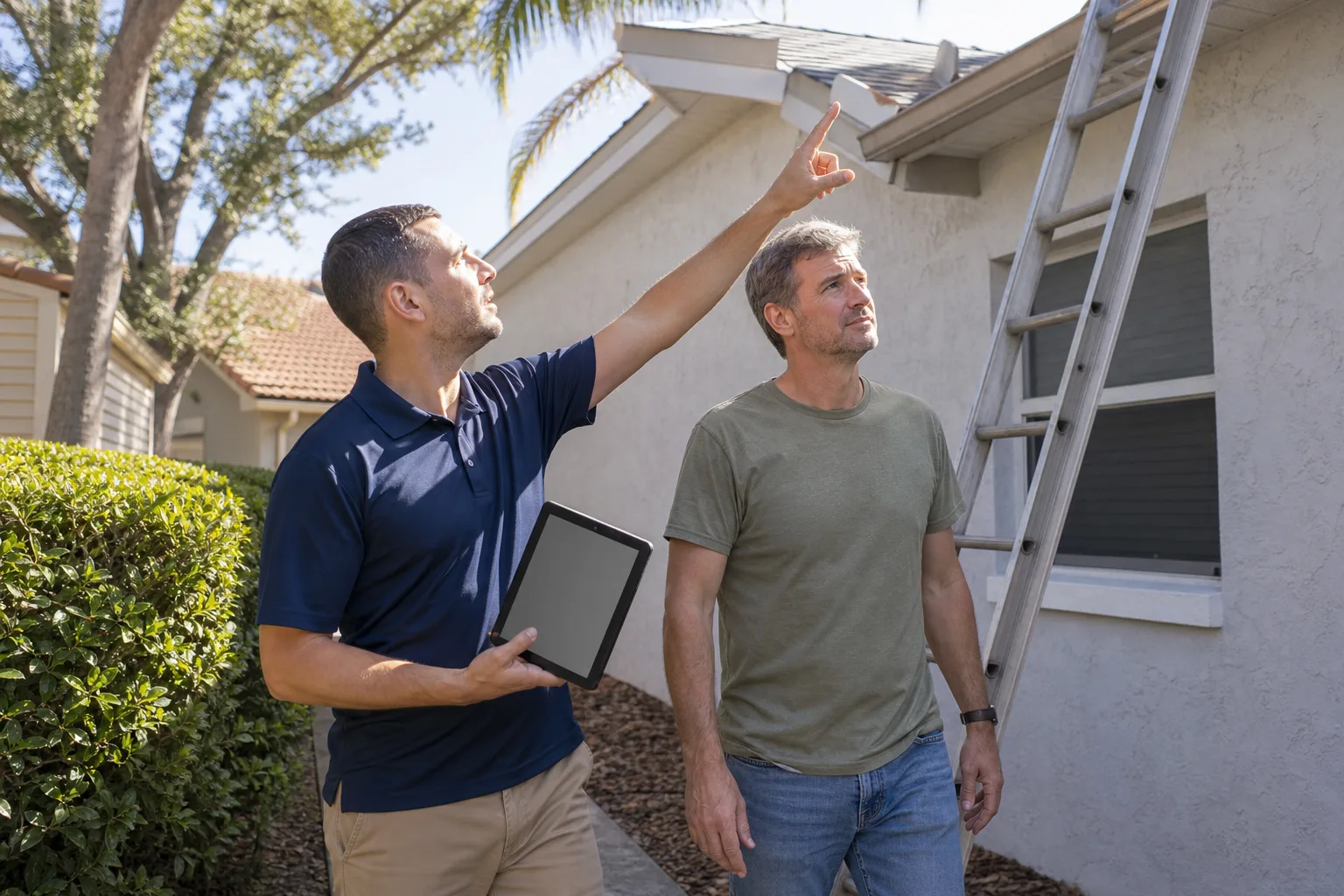
If you’ve checked the plumbing and the interior stain is still growing, or you can see standing water on the roof that isn’t draining, it’s time to stop. Roof work is height work, and flat roofs after rain are slick. More importantly, a leak behind the flashing on a CBS wall is hard to trace without knowing the assembly, and a wrong guess usually sends water deeper into the wall cavity, where it can rot framing and feed mold that costs far more than the leak itself.
The other reason to call early: documents matter in Miami-Dade. Because Westchester is unincorporated, any repair that touches structural connections or product approval runs through Miami-Dade County e-permitting, not a local city hall. A repair done without the right documentation can complicate a future sale or insurance claim. A proper inspection leaves you with photos and a scope you can use either way.
This is the kind of work Groundwork Construction Co. of Westchester handles from foundation to finish line. Our technicians have up to 12 years of experience, we send background-checked, uniformed technicians on every job, and every repair is backed by our 730-Day Done Right Promise – if it’s not done right, we make it right. Pricing is upfront: the number you see is the number you pay, and we offer 0% financing for 18 months plus $1,000 off projects over $10,000.
FAQs
Trace it from the roof and exterior wall, not from the ceiling stain. On CBS construction, water travels horizontally along the bond beam or inside the wall cavity before it drops, so the interior stain can be six feet away from the actual entry point. Start at the flat roof, check standing water, drain collars, parapet flashing, and eave drip edge, then work down the exterior wall. Call (833) 630-4214 and we can walk you through it – estimates are free.
Only on a suspect seam or flashing line, and never on an active membrane split – water pressure can widen the tear. A controlled hose test works well when you isolate one location at a time, starting low and moving up. If the roof is already ponding or the membrane looks brittle, skip the hose and get an inspection. Call (833) 630-4214 for a no-pressure assessment.
Because the last repair likely sealed the exit point, not the entry point. On Westchester CBS homes, the water comes in somewhere else – usually a flashing detail, a parapet base, or a window head on a second-story addition – and exits at the same weak interior spot every time. A repair that doesn’t trace to the actual entry will fail again on the next hard rain. Call (833) 630-4214 to have the source located before it spreads into the wall cavity.
Targeted repairs typically run $400-$1,800 in Westchester; a full roof replacement runs $8,000-$20,000. The difference usually comes down to diagnosis – finding the real entry point before anyone quotes a full replacement. We give upfront pricing with no surprise line items, and estimates are free. Call (833) 630-4214 for an exact quote on your roof.
If you’d rather have it looked at, Groundwork Construction Co. of Westchester offers a no-pressure assessment anywhere in our Westchester service area – call (833) 630-4214. Live person, around the clock.
Written by the team at Groundwork Construction Co. of Westchester, serving Westchester, FL.