


Free written scope consultation - allowances, timeline, and change-order rules on paper before a single trade is scheduled
Styles & brands we work with
- Kitchen remodeling
- Bathroom remodeling
- Home additions & ADU
- Roofing
- Windows & doors
- Driveway & pavers
- Fence
See the difference
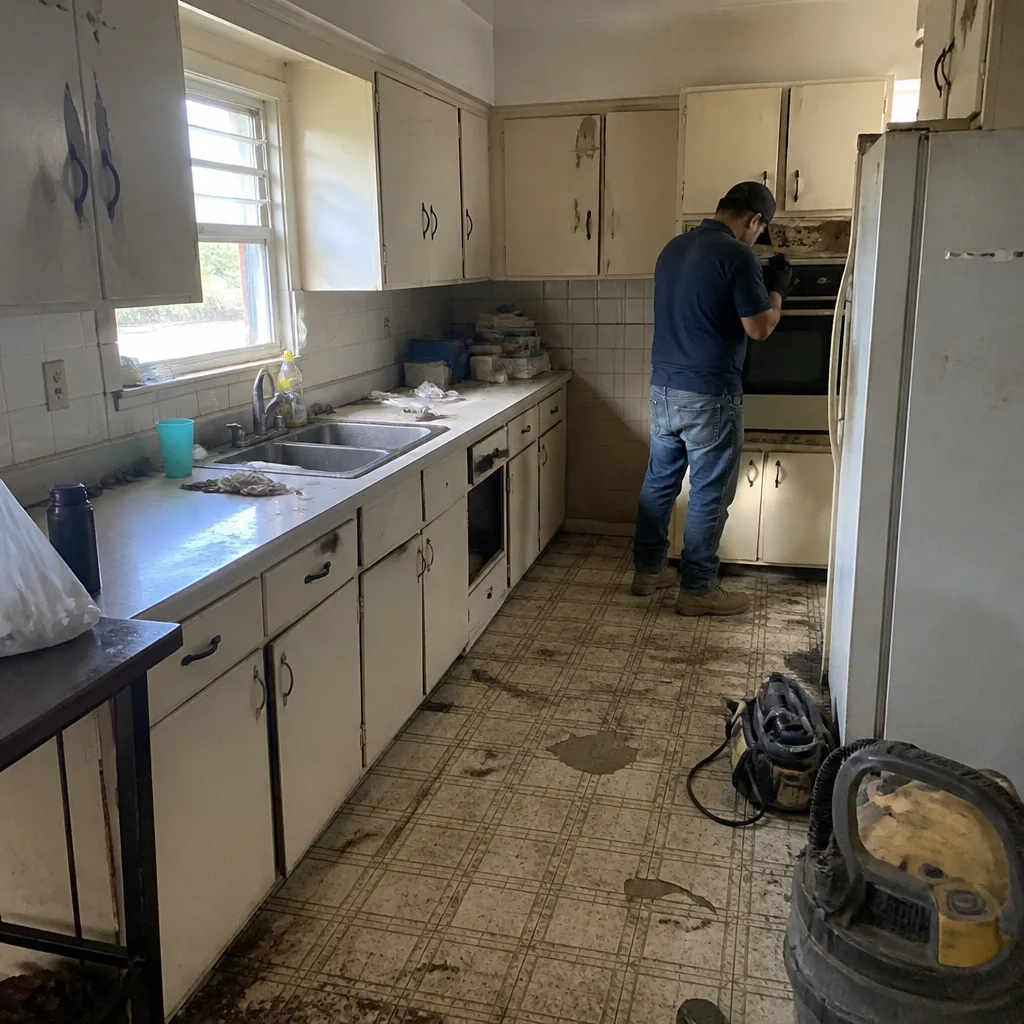 Before
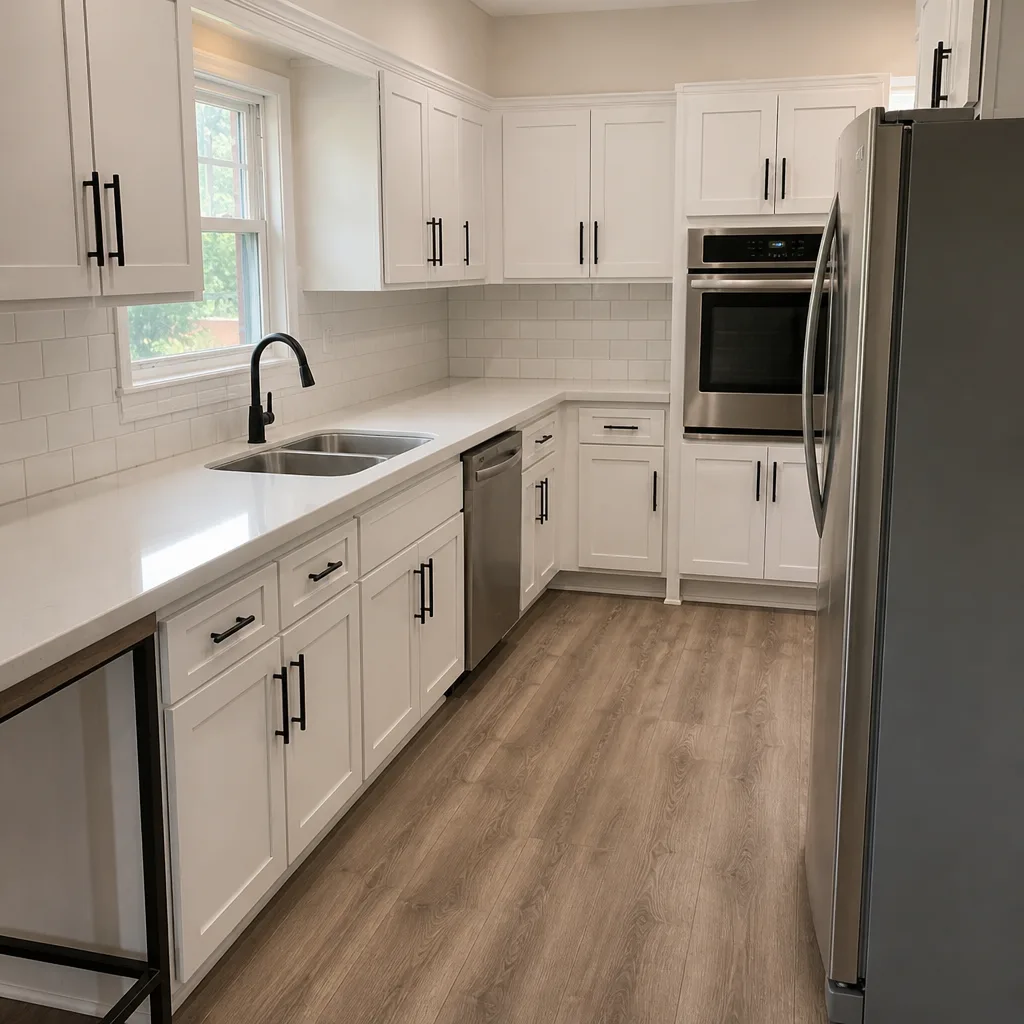 After
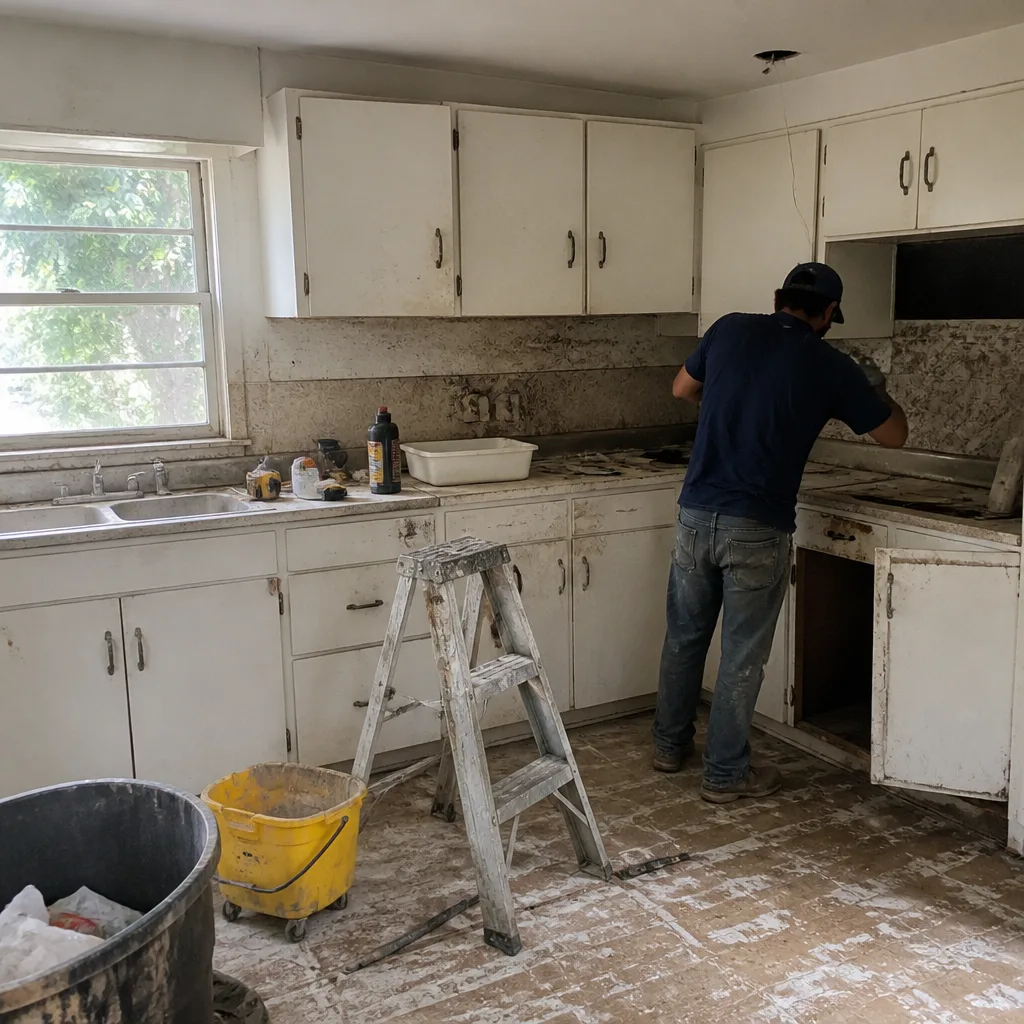 Before
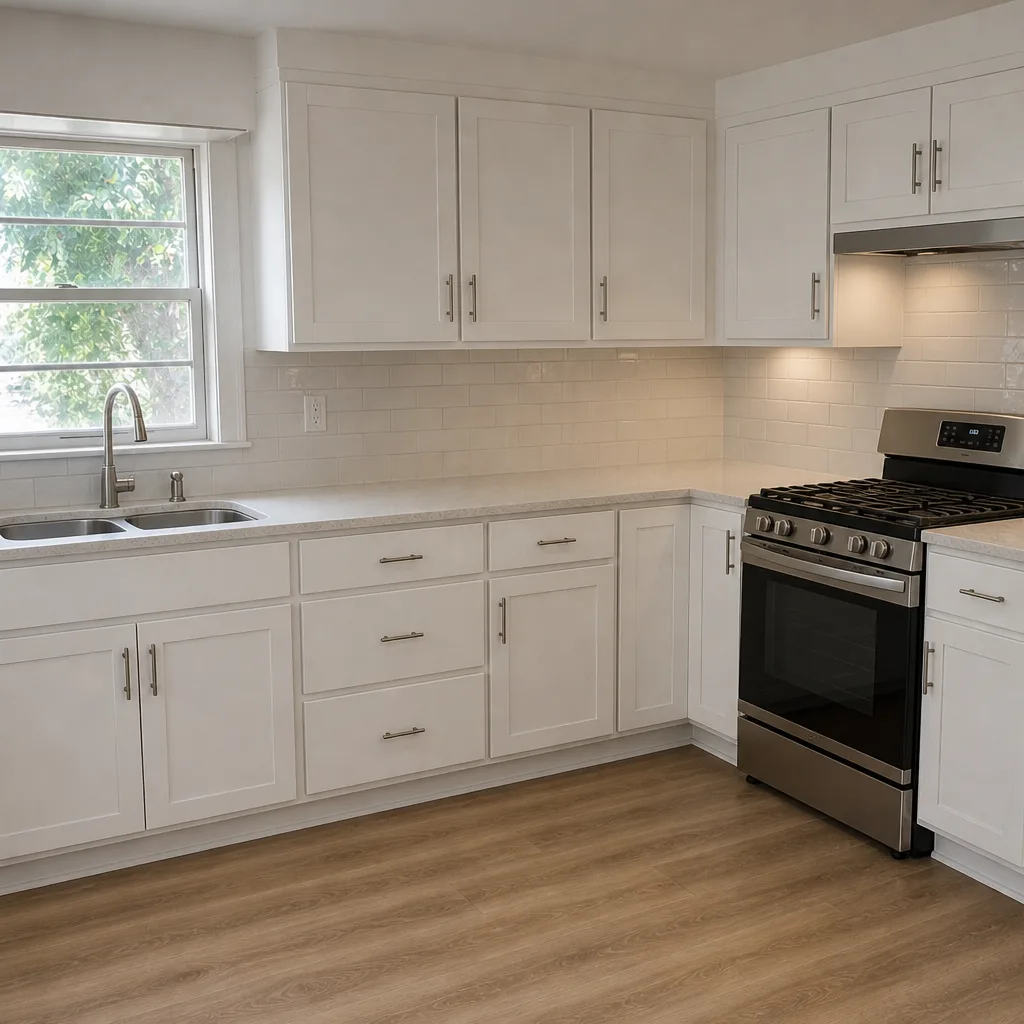 After
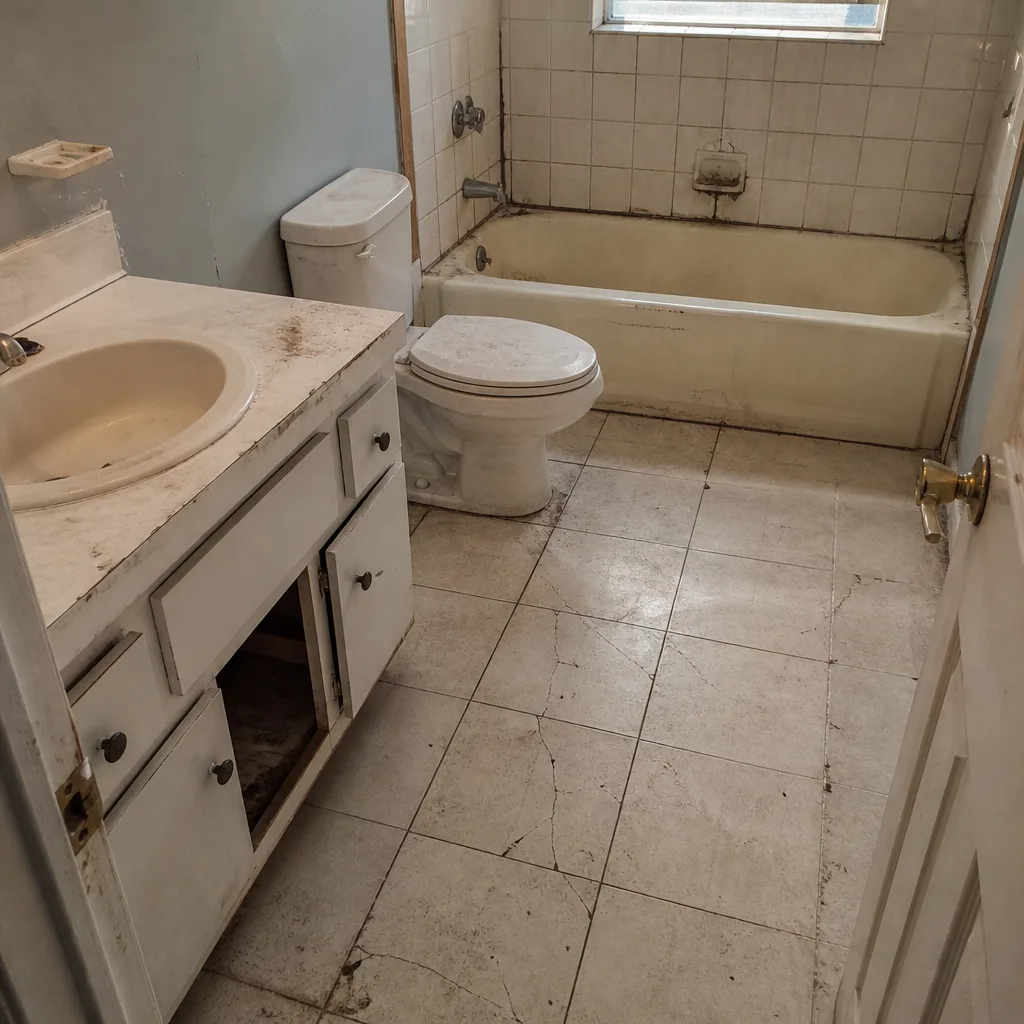 Before
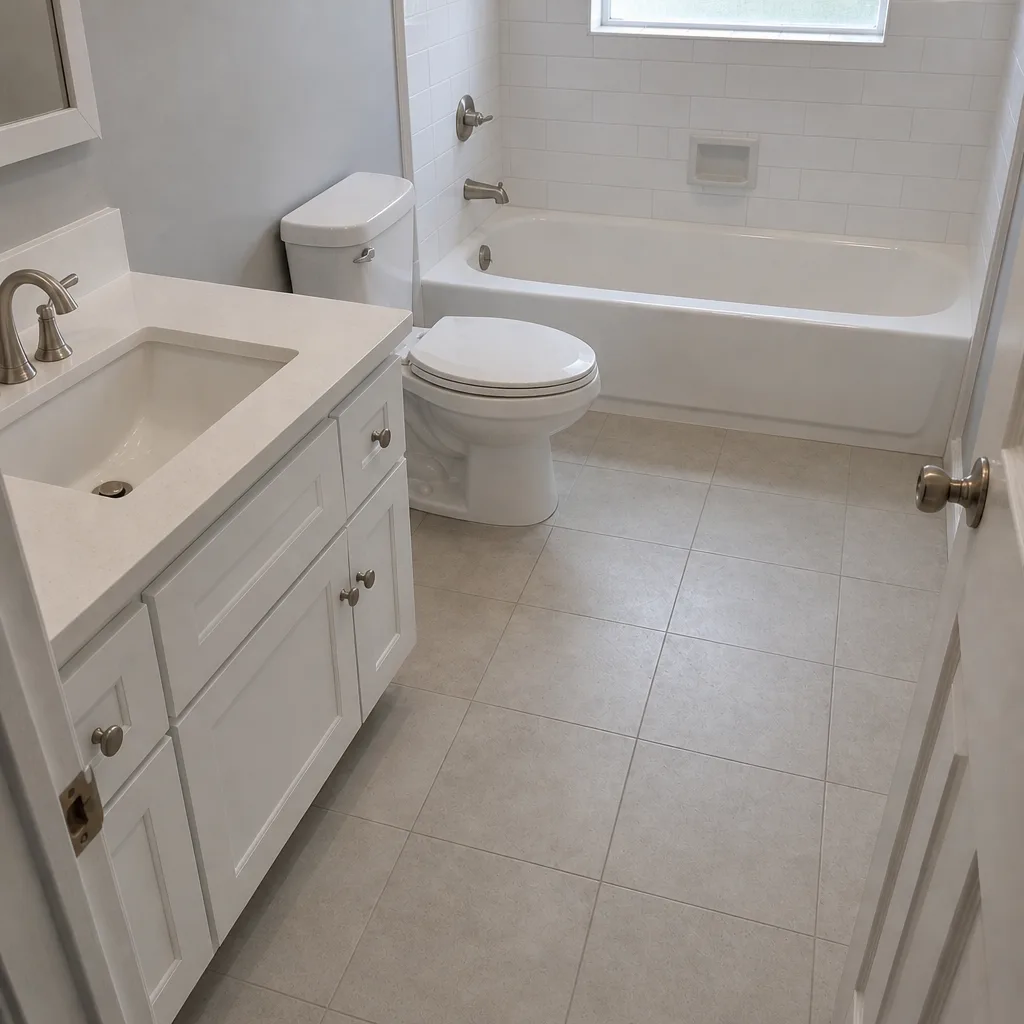 After
Looking at your sinking driveway, the fix depends on what’s happening under the slab, not on the slab itself. In most Westchester cases, water has saturated or washed out the sub-base, so the long-term repair is re-establishing a stable, drained base and then lifting or replacing the concrete on top. Foam lifting can solve mild, uniform settling; anything tied to root intrusion, decomposed fill, or stormwater channeling needs sub-base work before the surface goes back down.
Why Westchester Driveways Sink, and Why the Surface Is Rarely the Real Problem
Westchester’s housing stock does a lot of the explaining here. The neighborhood’s 1960s-80s concrete-block ranch and Spanish-style homes were built on flat lots across Miami-Dade’s limestone-and-marl subgrade, and that ground moves when water gets into it. Heavy summer rain, years of irrigation, and drainage that was never designed for either push moisture under slabs that were poured decades ago. Add mature ficus and banyan root systems from the landscaping of that era, and you get the pattern we see most: a driveway that’s dropped an inch or more near the garage apron, with no visible crack explaining it.
Because Westchester is unincorporated, there’s no city hall to call about it. Any structural driveway repair that touches the slab runs through Miami-Dade County permits, often filed online through the county’s e-permitting system, with county inspectors signing off. That single fact separates a real repair from a cheap surface patch.
What to Look For Before You Choose a Fix
Ask three questions about your own driveway before anyone quotes you a number. The answers point to the right repair.
- Where is the low spot? A dip near the garage apron usually means water is channeling toward the house, which is a drainage problem, not simple settling.
- Is the slab cracked in a web or a single line? Map-cracking across a panel points to a failed base. One clean crack often means a joint or a tree root.
- Does water stand after a storm? Standing water on a flat-lot driveway with no crown or swale is the most common cause of recurring sink, and no lifting method fixes it on its own.
The three root causes behind most Westchester sinking driveways are organic fill under older slabs that has decomposed, root intrusion from mature ficus and banyan trees, and stormwater channeling under driveways with no crown or swale. Each one needs a different repair. Treating all three with the same mudjacking crew is how homeowners end up calling someone else two summers later.
Mudjacking, Foam Lifting, or Full Sub-Base Replacement?
Mudjacking is the most searched fix and the one we warn people about most. It pumps a soil-cement slurry under the slab to raise it. On Miami-Dade’s limestone-marl mix, that fill can re-liquefy under a heavy rain event, and the slab settles again, often before hurricane season is out. It’s a legitimate option for a stable base with a small, uniform drop, but it does nothing for decomposed fill, roots, or bad drainage.
Foam lifting uses expanding polyurethane injected through small holes. It’s lighter, cures fast, and holds up better against moisture than slurry, so it’s a reasonable middle path when the base is sound and the drop is modest.
Full sub-base replacement is the answer when the fill under the slab has broken down, when roots have opened voids, or when water is channeling under the driveway. That means removing the affected panels, excavating to stable material, correcting grading and drainage, and pouring new concrete. On concrete-block homes, the driveway often ties into the apron at the stem wall, so any repair has to account for that structural connection instead of butting a new pour against the house and hoping.
Partial panel replacement sits between the two: pull the failed section, keep the sound concrete, and re-pour with a proper base and joint. It’s often the smartest budget move on a driveway where one or two panels have failed and the rest are holding. If you want the full picture on materials and options, our Driveway & Pavers page covers what goes into a rebuild, and our Driveway & Pavers in Westchester page walks through local installation details.
What Does Sinking Driveway Repair Cost in Westchester?
Sub-base work is where the money goes, and it’s why we quote the whole job upfront before anyone breaks ground. The number you see is the number you pay.
| Repair | Typical Range |
|---|---|
| Foam lifting (small, stable slab) | $900-$2,500 |
| Partial panel replacement | $1,800-$4,500 |
| Full sub-base replacement | $4,000-$9,000 |
| Driveway replacement (full) | $5,000-$14,000 |
| Concrete driveway installation | $4,500-$12,000 |
| Paver driveway installation | $7,000-$18,000 |
| Driveway sealing (after repair) | $250-$700 |
Two things drive the price: how deep the unstable material goes, and whether the repair triggers a county permit. Slab replacement over a certain square footage requires a Miami-Dade e-permit and inspection, and skipping it creates title and insurance problems when you sell. We pull the permit and handle the inspection as part of the job. Sinking driveway repairs that need sub-base work land in that $4,000-$9,000 band, and knowing the full cost before demolition is what separates a real contractor from a low-bid trap. We offer 0% financing for 18 months and $1,000 off projects over $10,000, so a repair that has to be done this year doesn’t have to wreck the budget. Every project is backed by our 730-Day Done Right Promise: if it’s not done right, we make it right.
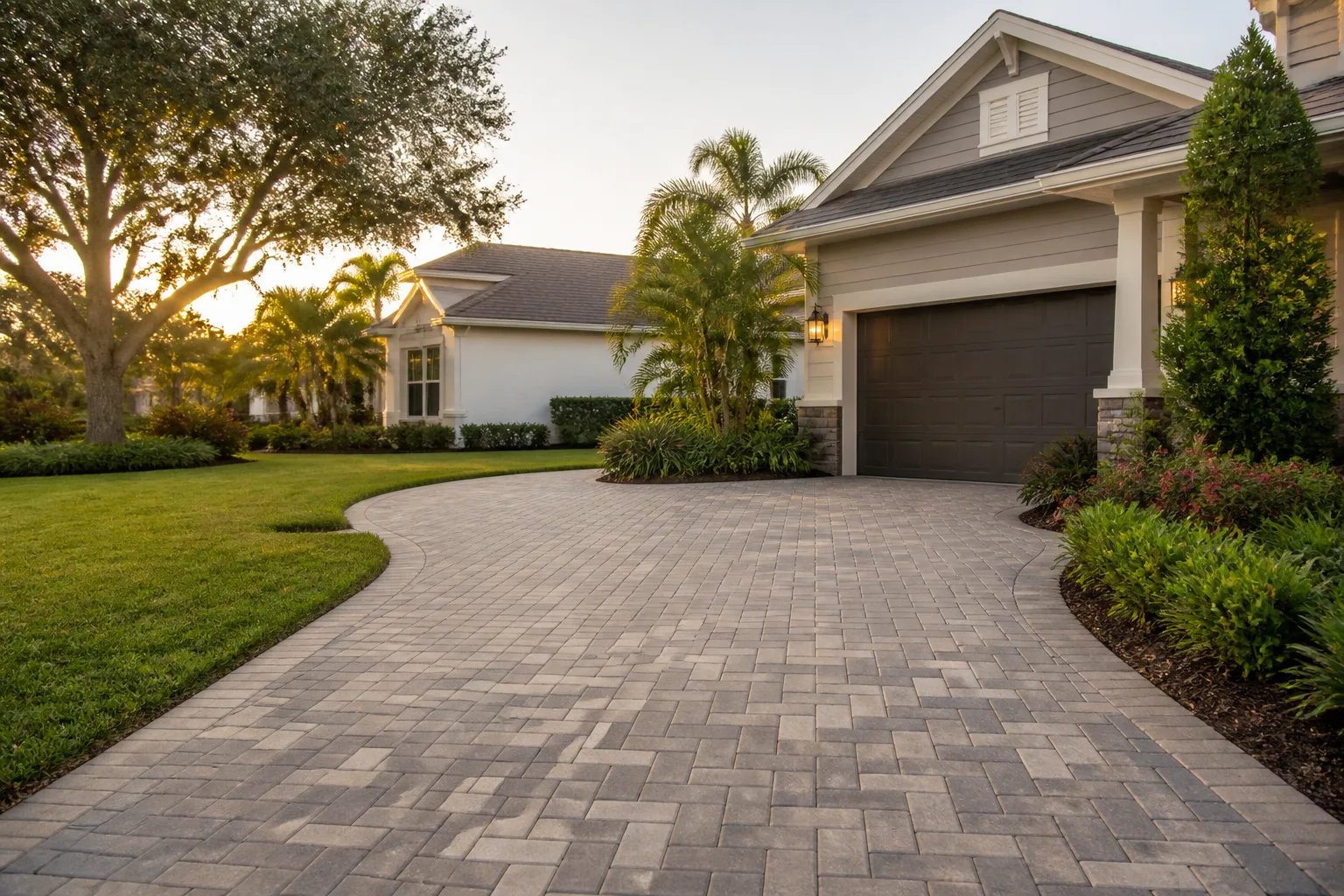
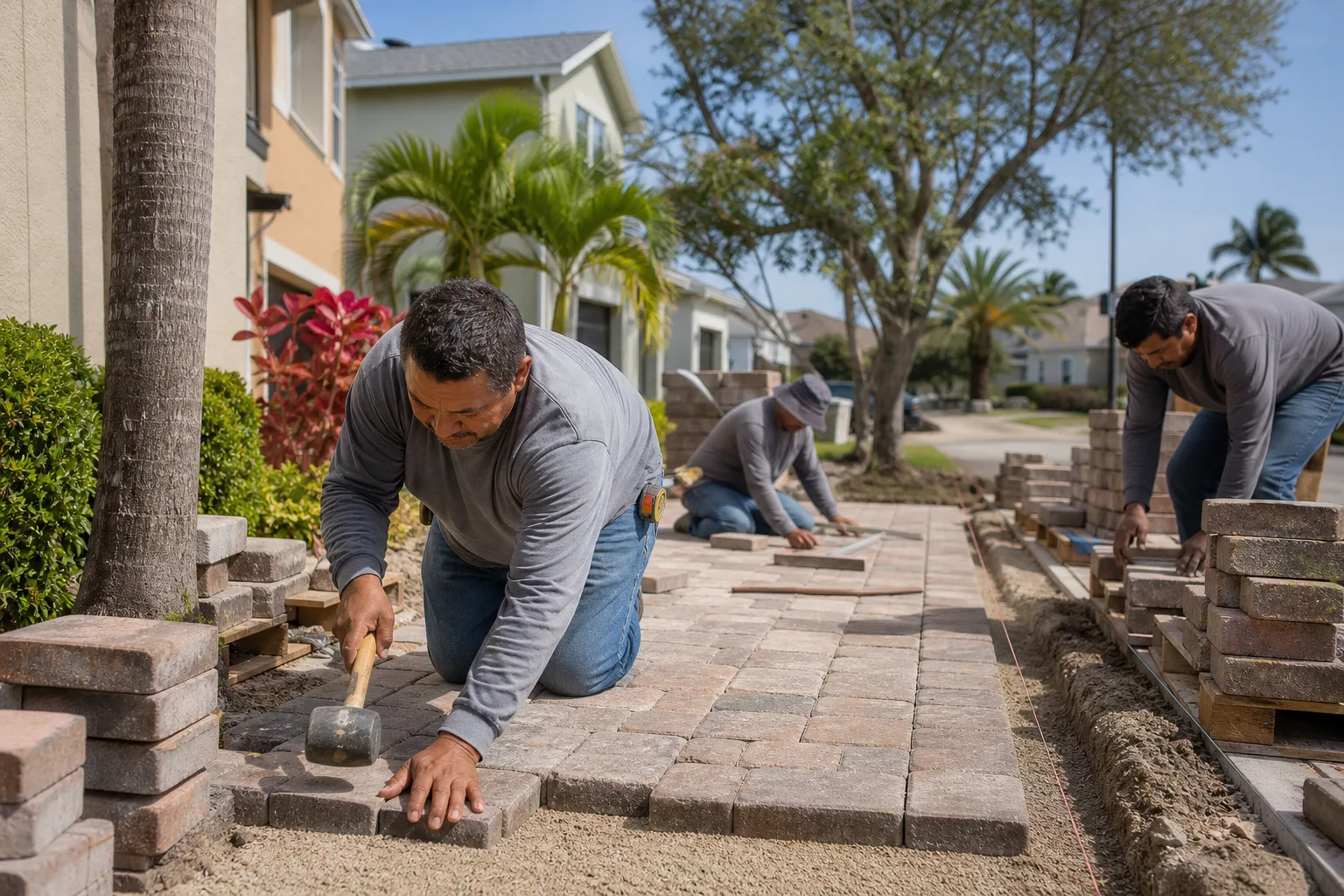
If you’re rebuilding the surface rather than just correcting the base, paver systems from Tremron, Techo-Bloc, or Cambridge Pavers handle the flat-lot drainage better than a single flat pour when they’re set with a proper crown and base. Learn more on our home page about how we approach full-scope repairs.
Should You DIY a Sinking Driveway in Westchester?
No, and the reason is structural, not just practical. A driveway that’s sinking because of sub-base failure or root voids requires excavation, base compaction, and grading work under a slab that ties into your home’s stem wall. A mis-graded base or a slab poured without the right thickness and reinforcement will fail again, and a repair done without the county permit can complicate your insurance and your sale. That’s the kind of work a trained professional should handle. What you can do without risk is diagnose: check where water stands, look for root heave near trees, and note whether the drop is uniform or one corner. That’s the information a good contractor needs to quote you accurately, and it’s free to gather.
FAQs
Most Westchester repairs run $4,000-$9,000 when sub-base work is required, while simple foam lifting starts around $900-$2,500. Call (833) 630-4214 for an exact quote. Estimates are free and we price the whole job upfront.
It fixes small, uniform drops over a sound base, but it usually fails on Miami-Dade’s limestone-marl mix because the fill can re-liquefy under heavy rain and the slab settles again. On root voids or decomposed fill, sub-base replacement is the durable fix, not slurry injection.
Yes, if the repair involves replacing slab over a certain square footage. Because Westchester is unincorporated, permits go through Miami-Dade County e-permitting and require a county inspection. We handle the filing and the inspection as part of the job.
Look at the pattern. Root intrusion from ficus or banyan trees typically lifts one edge or heaves the slab near the tree, while uniform settling drops the whole panel evenly. A contractor can confirm with a probe in a few minutes, and it changes which repair you actually need.
In most cases, yes. Foam lifting and partial panel replacement are often same-day or next-day jobs, and sub-base work schedules quickly once the permit is in. Call (833) 630-4214 and we’ll give you a realistic timeline for your driveway.
If you’d rather have it looked at than guess, Groundwork Construction Co. of Westchester offers a no-pressure assessment in Westchester. Call (833) 630-4214 for a free estimate, live person on the line 24/7.
Written by the team at Groundwork Construction Co. of Westchester, serving Westchester, FL.