



Free written scope consultation - allowances, timeline, and change-order rules on paper before a single trade is scheduled
Styles & brands we work with
- Kitchen remodeling
- Bathroom remodeling
- Home additions & ADU
- Roofing
- Windows & doors
- Driveway & pavers
- Fence
See the difference
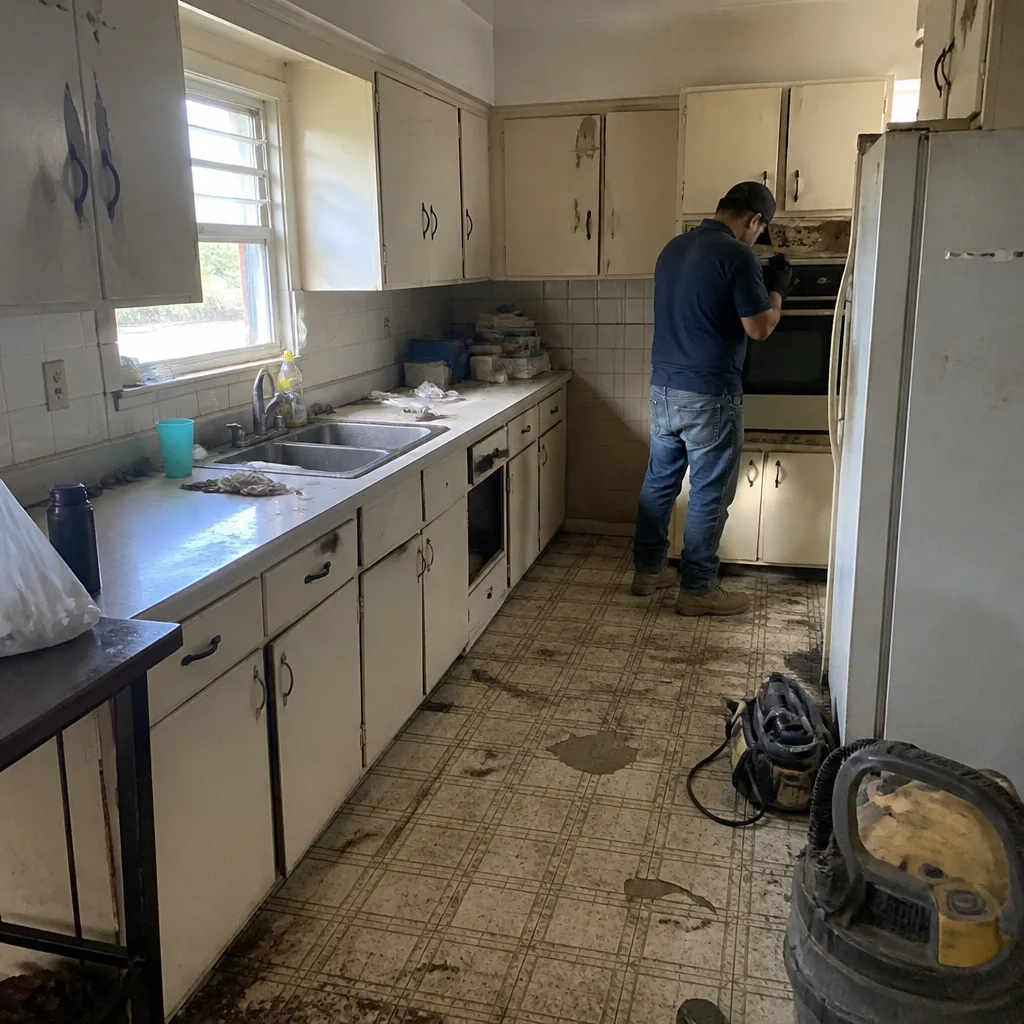 Before
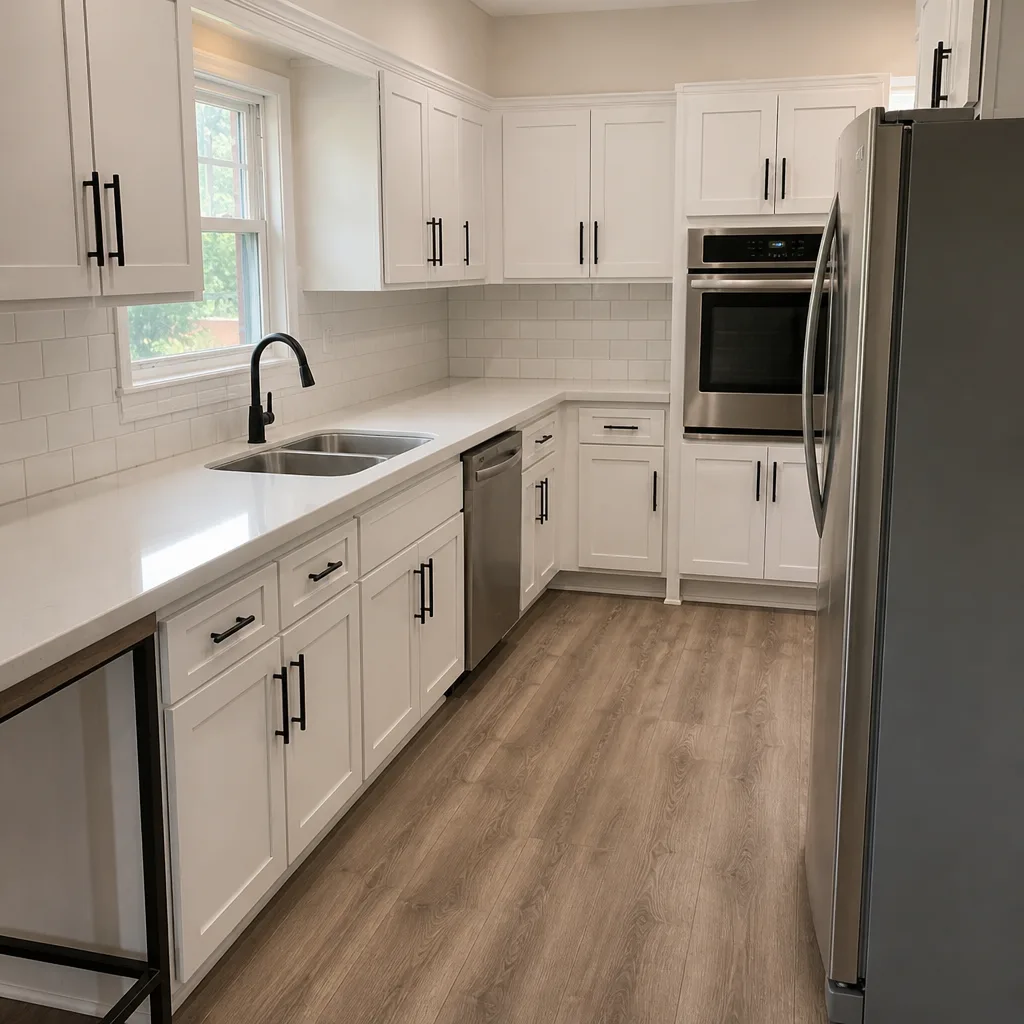 After
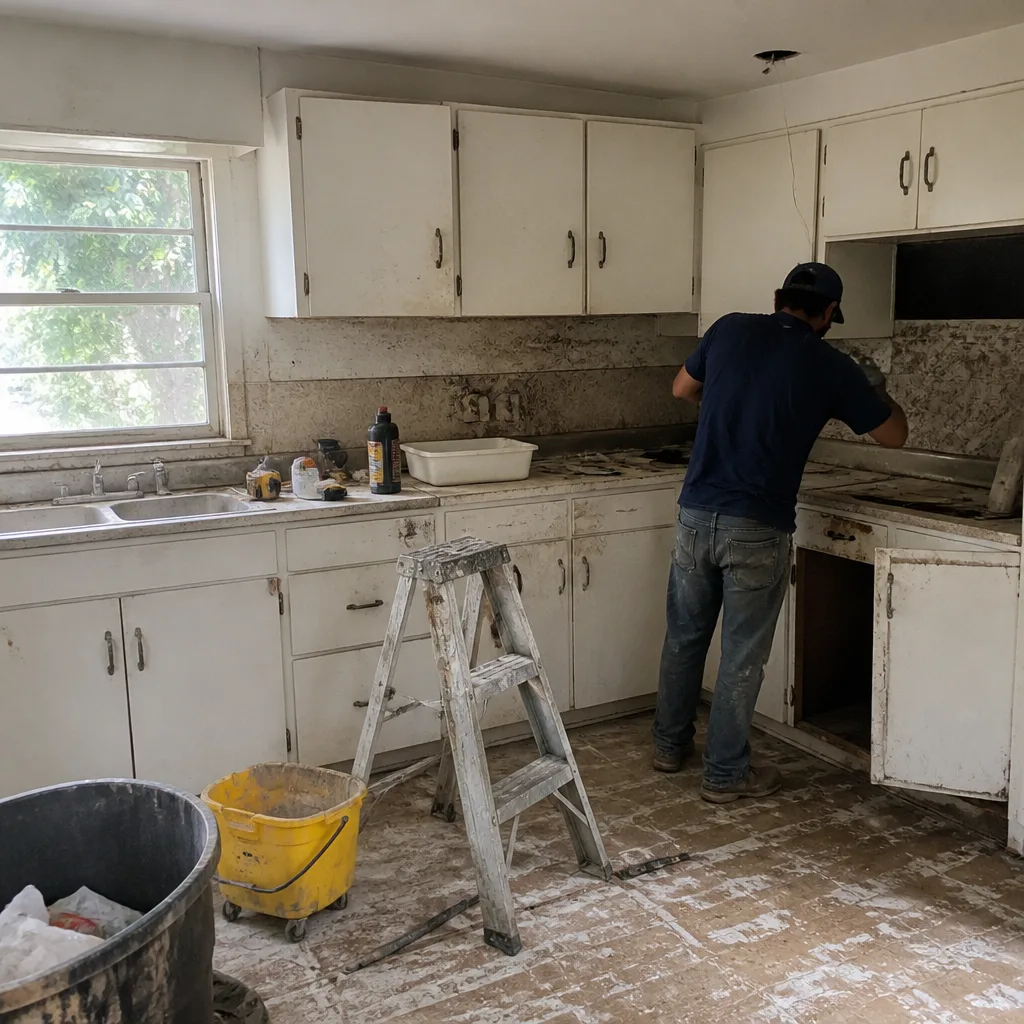 Before
 After
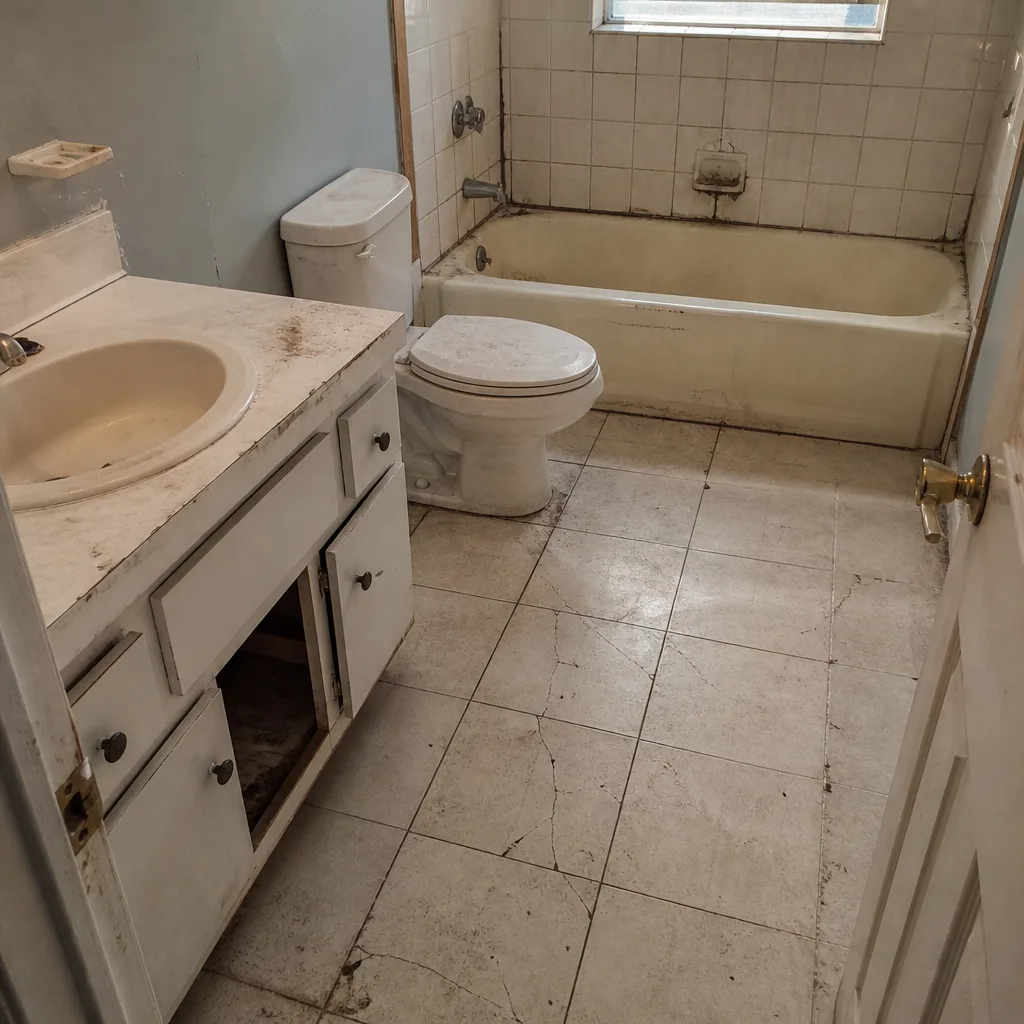 Before
 After
How to Repair a Chain Link Fence in Westchester, FL: Fix the Corroded Hardware First
The short answer: repair a chain link fence by inspecting and replacing the rail caps, tension bands, and brace bands before you touch the torn fabric, because in Westchester’s salt-humid air corrosion starts at those small connections and works inward. Patch the mesh alone and you’ll be back doing the same job in about 18 months. Most visible chain link damage here is the last stage of a corrosion process that began at the rail-to-post hardware months earlier. If you’d rather have a trained eye trace it to the source, call Groundwork Construction Co. of Westchester at (833) 630-4214 and we’ll walk the whole run with you.
Key Takeaways
- Corrosion in South Florida chain link starts at rail caps, tension bands, and brace bands, not the fabric.
- Galvanized and vinyl-coated chain link fail at different rates in salt air – that choice drives your repair material and maintenance schedule.
- Post-level repairs or anything affecting more than half a fence run can trigger a Miami-Dade County permit through the county’s e-permitting system.
- After a summer storm, wind loading can deform mesh geometry with no visible tear – re-tensioning, not patching, is the fix.
Why the Damage You See Isn’t Where the Problem Started
Walk outside and the eye goes straight to the bent post or the gap in the mesh. That’s the ending, not the beginning. Along Westchester’s residential blocks – the concrete-block ranch homes off Coral Way, the Mediterranean-style infill going up on the older lots – chain link lives in a stubborn cycle of salt-laden humidity from spring through fall and standing water after the afternoon storms. That combination attacks the small galvanized hardware first: the rail caps at the top of each terminal post, the tension bands that clamp the fabric to the end posts, and the brace bands holding the top rail to the gate posts. These pieces are thinner gauge than the fabric and sit exactly where moisture pools and salt collects.
Once a tension band rusts and loosens, the fabric loses tension, starts to sag, and then the wind gets under it and finishes the job. A “torn” fence is often a fence that quietly lost its grip at the hardware months ago. So the inspection sequence matters more than the patch kit.
The South Florida Corrosion Inspection Sequence
Before you buy mesh, clips, or a single tension bar, work the fence in this order. This is the part generic repair guides skip, and it’s the part that decides whether a repair lasts one season or ten.
- Terminal posts and rail caps. Check the caps on every end, corner, and gate post. White or chalky oxidation, bubbling, or a cap that spins freely means moisture is already inside the post. Pop one off and look for rust running down the inside wall.
- Tension bands and brace bands. These are the first things to fail. A band that’s pitted, seized, or loose has stopped holding tension even if it still looks intact. Replace them, don’t tighten them.
- Post bases and footings. Standing water after Westchester’s heavy summer rains softens the soil around footings and speeds rust at the ground line – the classic hidden failure point. Probe the post just above the concrete for thinning metal.
- Top rail and fabric. Only now look at the mesh. If the hardware above passed inspection and the fabric has a clean tear, you can consider a patch. If the hardware failed, the fabric damage is downstream and a patch won’t hold tension.
We see this pattern constantly across Westchester’s older lots: a fence that looks fine from the driveway but has rail caps that crumble in your hand. Catching that early is the difference between a hardware swap and a full fence run.

Galvanized vs. Vinyl-Coated: Which Survives Westchester’s Air
The coating on your chain link determines how fast it corrodes in Miami-Dade’s salt-air environment, and that changes what repair materials you should buy and how often you’ll inspect.
| Type | How it holds up in Westchester | Repair and maintenance angle |
|---|---|---|
| Standard galvanized | Zinc coating protects the steel, but salt air and standing water eat the zinc at cut ends and hardware joints first | Repairable, but expect more frequent hardware replacement; touch up cut ends with zinc-rich paint |
| Vinyl-coated (bonded) | The vinyl barrier resists salt and moisture well until it’s nicked or scored, then corrosion concentrates at the exposed spot | Best for the humid coastal cycle; keep matching vinyl-coated hardware on hand so a repair doesn’t mix metals and set up galvanic corrosion |
Mixing a fresh galvanized tension band onto a vinyl-coated fence, or the reverse, is one of the most common do-it-yourself mistakes we correct – the two metals react and the new hardware rusts faster than the old. Match the hardware to the fence. And if you’re weighing a repair against a fresh build, our Fence Installation team can quote both so the math is in front of you.
Re-Tensioning After a Miami-Dade Summer Storm
Wind loading from a strong summer system can permanently stretch and deform chain link fabric without tearing a single wire. If your fence sags, waves, or rattles after a storm, patching won’t help – the fabric geometry is off and it needs to be re-stretched. That means loosening the tension bands at the terminal posts, pulling the fabric taut with a fence stretcher along the top rail, and re-clamping with fresh tension bars and bands. Do it on a cooler morning if you can; the wire behaves better and you get a truer tension. Over-tightening stretches the mesh out of shape, which is why this step is where a lot of homeowner repairs go wrong. For a post that’s been pushed out of plumb or a footing that’s lifted, that’s structural work better handled by someone who does it every week.
Safety note: chain link work itself is low-risk compared to the trades, but a leaning line post under tension can snap back hard, and rusted hardware can slice a hand. Gloves and eye protection aren’t optional, and if you find a post pulling out of its footing, stop and get it assessed rather than leaning into it.
Does a Chain Link Fence Repair in Westchester Need a Permit?
Sometimes. Because Westchester is an unincorporated Miami-Dade community, there’s no city hall to sign off on a fence – all permitting and inspection runs through Miami-Dade County, and you pull it through the county’s e-permitting system. That surprises homeowners who assume a small repair needs nothing. For a straight fabric patch, you’re usually fine. But if a repair affects structural posts or covers more than 50% of a fence run, it can cross the county’s threshold into permit-and-inspection territory. When in doubt, a quick call to the county clears it up – and a contractor who knows that system keeps you from a stop-work surprise. HVHZ product approval rules govern materials across Miami-Dade, and while fence isn’t a wind-borne-debris product like a window, county inspectors still expect compliant, documented hardware.
What a Chain Link Repair Costs in Westchester
Most chain link repair work in this market lands between $3,500 and $9,000 when it involves hardware replacement and re-tensioning across a run, and far less for a small patch. Here’s how we see it break down on Westchester jobs:
- Fabric patch and re-clip: a small section, when the hardware passed inspection
- Hardware replacement (caps, tension bands, brace bands): the corrosion-driven repair that most “torn fence” calls actually need
- Re-tensioning after storm damage: labor plus fresh tension bars
- Post or footing repair: pushes toward the top of the range
We quote upfront and the number you see is the number you pay. For context on a full replacement so you can compare, a vinyl or aluminum fence in this market runs similar money – you’ll find current local figures on our Fence Installation in Westchester page.
Why Repairs Are Backed by the 730-Day Done Right Promise
Every fence repair Groundwork Construction Co. of Westchester performs is covered by our 730-Day Done Right Promise – if it’s not done right, we make it right. That matters most on the corrosion side: if a failure traces back to installation workmanship, it’s covered, which is exactly the accountability you want when hurricane season is never more than a year away. Our technicians have up to 12 years of experience, they’re background-checked and uniformed, and we use a curated set of verified brand partners so the hardware and materials on your fence are built to last and backed in writing. Calls are answered by a live person, 24/7, with no voicemail. Ask about 0% financing for 18 months and $1,000 off projects over $10,000, and start with a free project estimate.
FAQs
Chain link repair in Westchester typically ranges from $3,500 to $9,000 when the job requires hardware replacement and re-tensioning across a run, and much less for a small fabric patch. The final number depends on how far the corrosion has spread. Call (833) 630-4214 for a free estimate with no-pressure, upfront pricing.
You can patch a hole when it’s a clean tear and the surrounding hardware is sound, but if the tension bands or rail caps are rusted, a patch won’t hold tension and you’ll be redoing it within a couple of years. If more than half the run is compromised, replacement usually costs less over time. We’ll tell you honestly which side of that line your fence is on.
Sag is usually stretched fabric, not a tear, caused by wind loading that permanently deforms the mesh geometry even when no wire breaks. The fix is re-stretching and re-clamping with fresh tension bars, not patching. If a post is leaning too, that’s structural and worth a professional look – call (833) 630-4214.
Sometimes. Because Westchester is unincorporated, everything runs through Miami-Dade County e-permitting rather than a local city, and any repair affecting structural posts or more than 50% of a fence run may need a permit and inspection. Minor patches generally don’t. A contractor fluent in the county’s threshold keeps the job from stalling – a big reason homeowners here call us instead of guessing.
If you’d rather have it looked at, Groundwork Construction Co. of Westchester offers a no-pressure assessment in Westchester – we’ll trace the corrosion to its source, tell you honestly whether it’s a patch or a rebuild, and quote upfront. Call (833) 630-4214 for a free estimate today.
Written by the team at Groundwork Construction Co. of Westchester, serving Westchester, FL.