Free written scope consultation - allowances, timeline, and change-order rules on paper before a single trade is scheduled
Styles & brands we work with
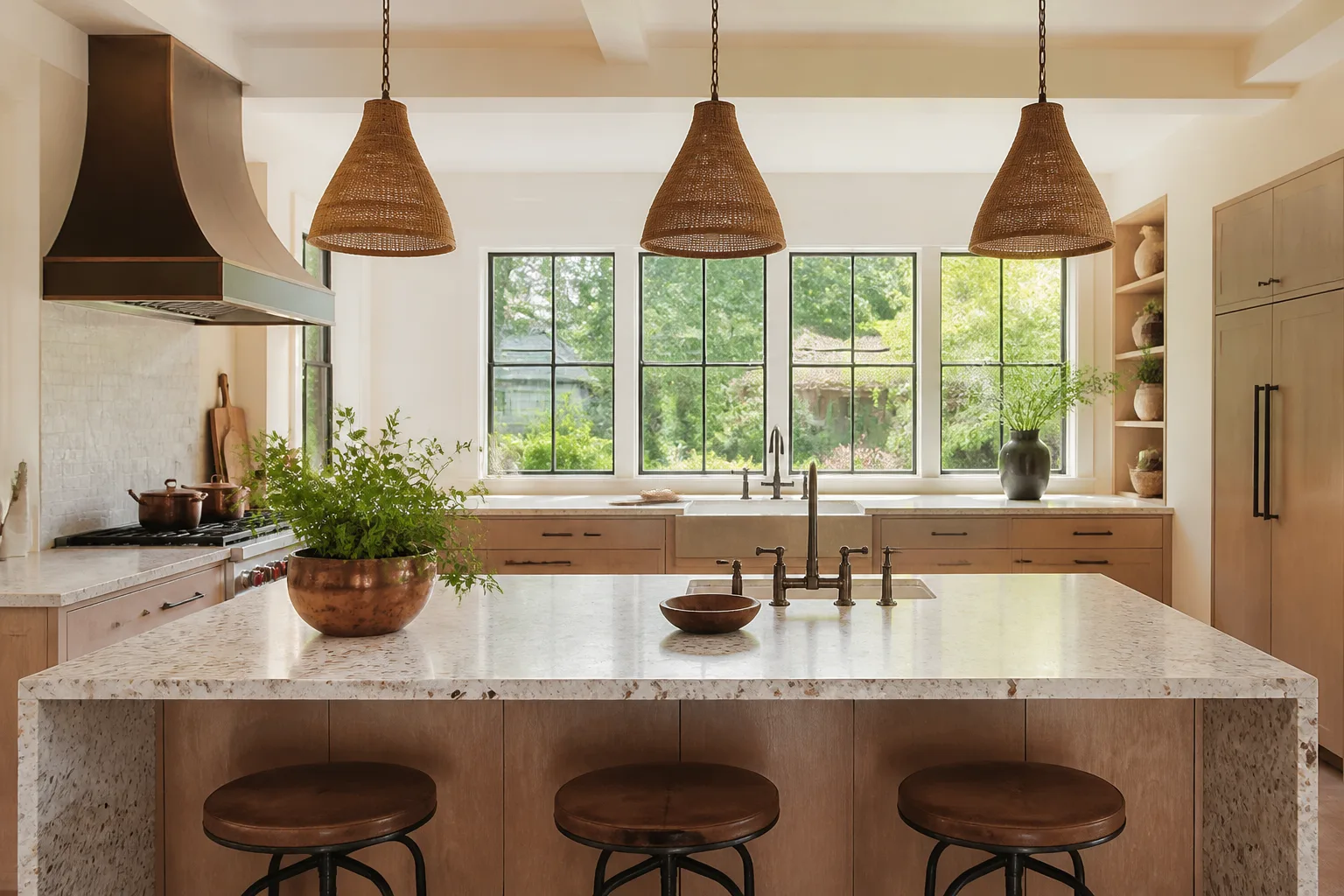
- Kitchen remodeling
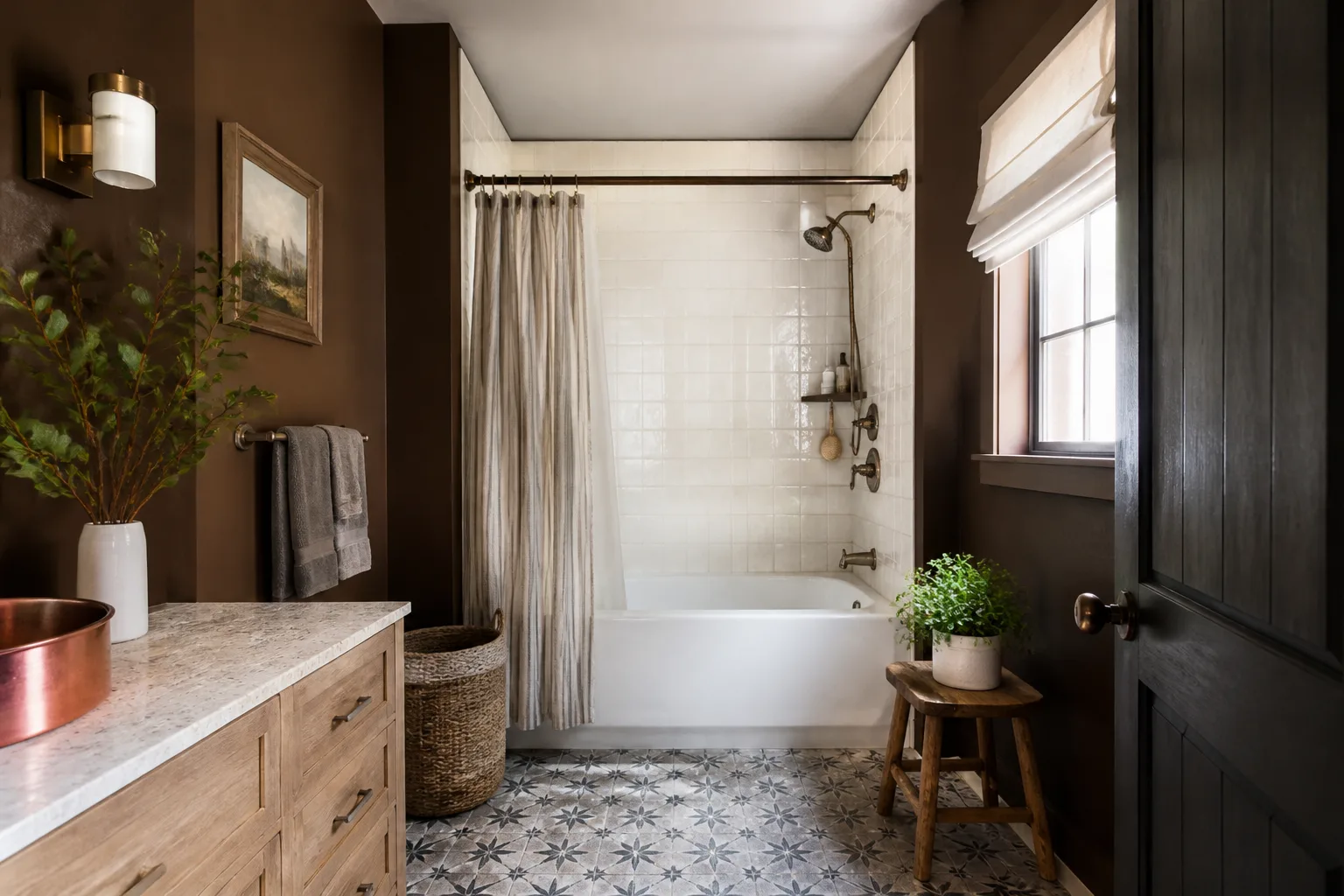
- Bathroom remodeling
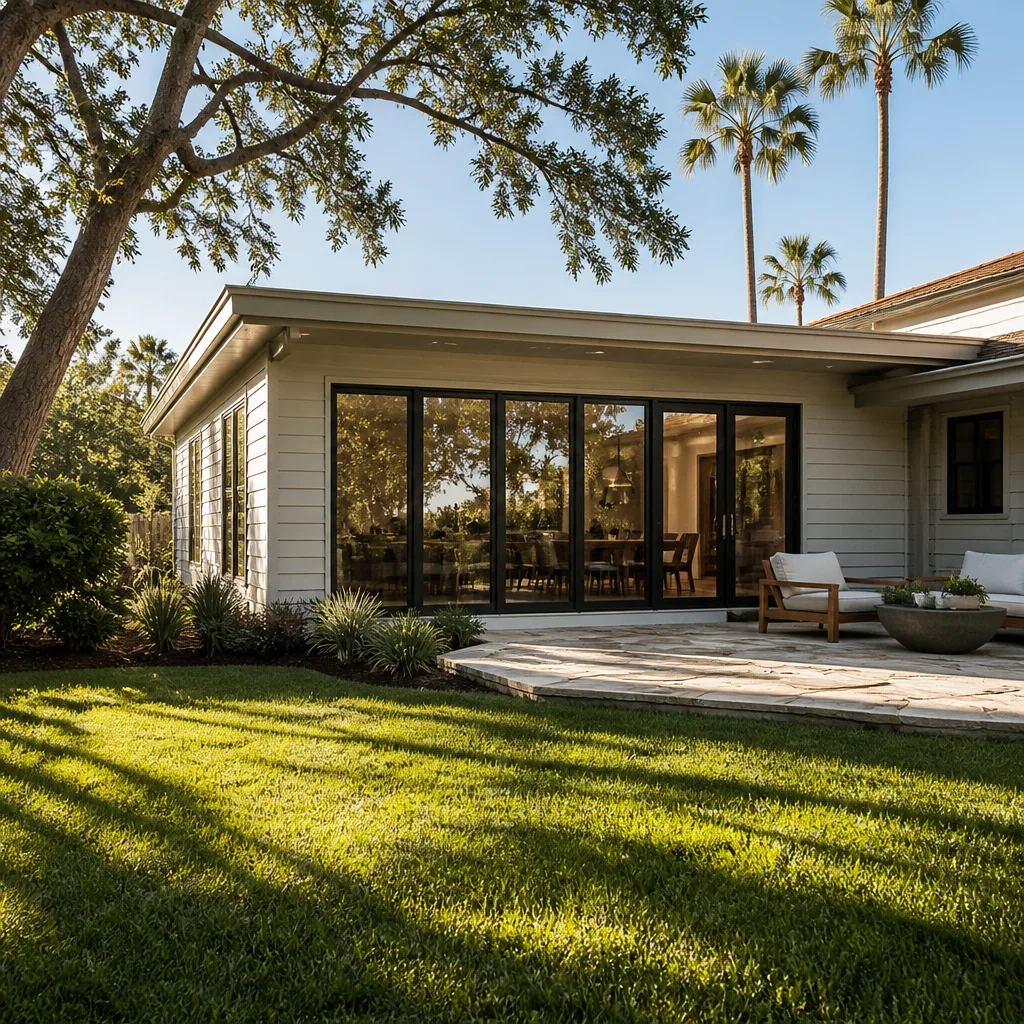
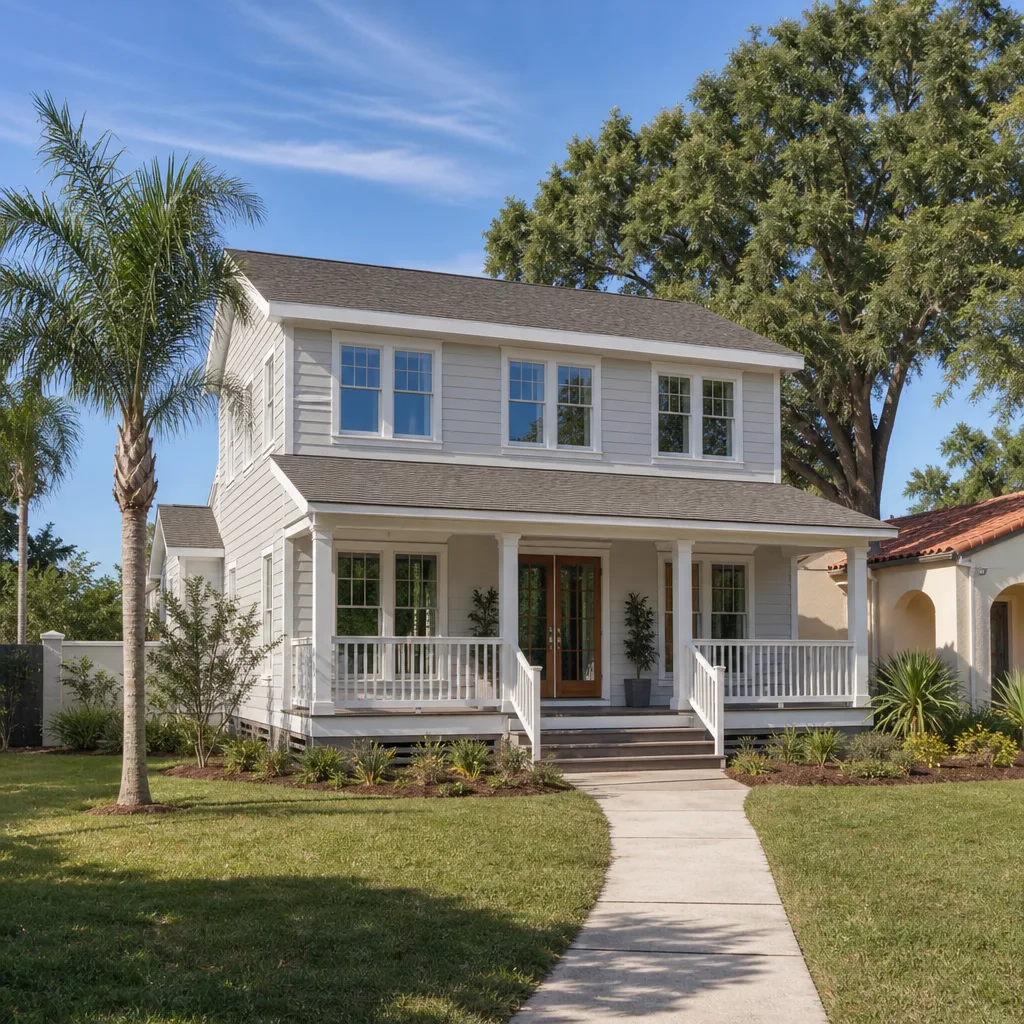
- Home additions & ADU
- Roofing
- Windows & doors
- Driveway & pavers
- Fence
See the difference
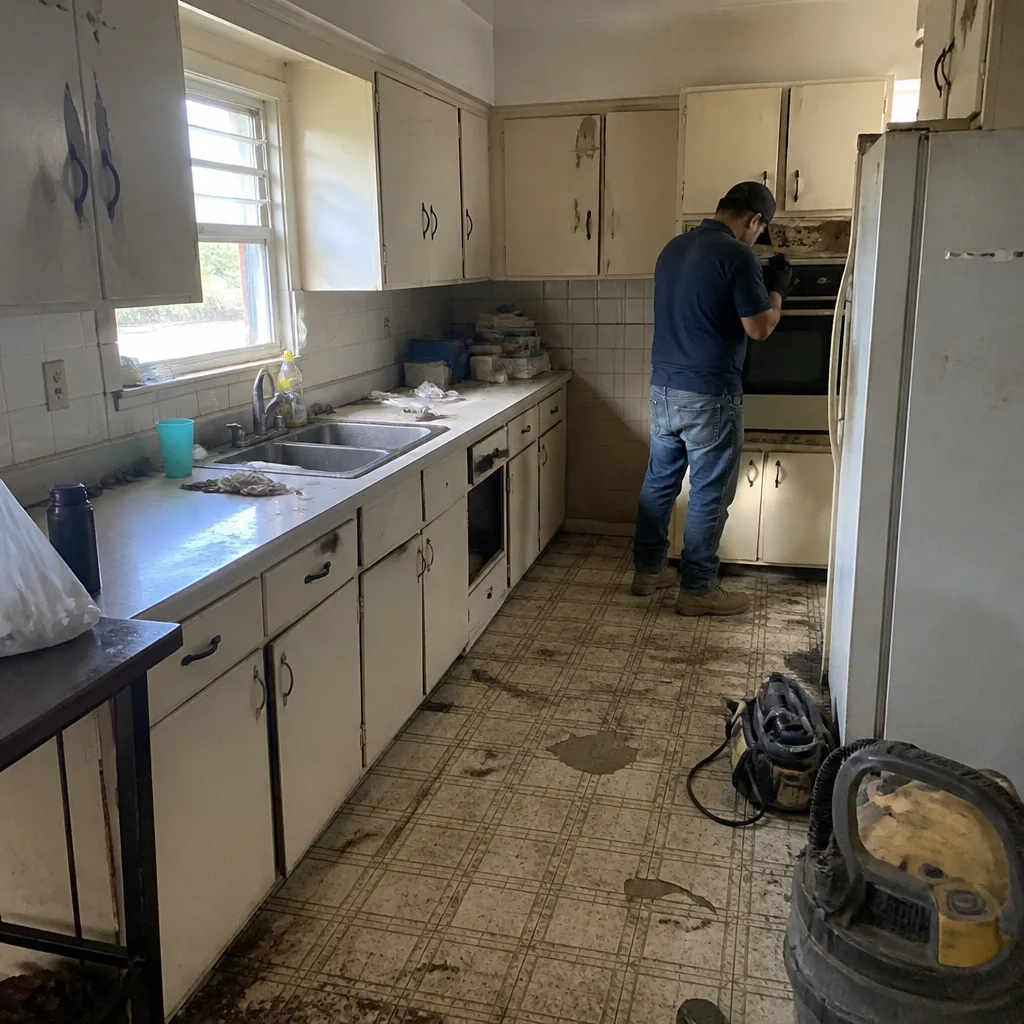 Before
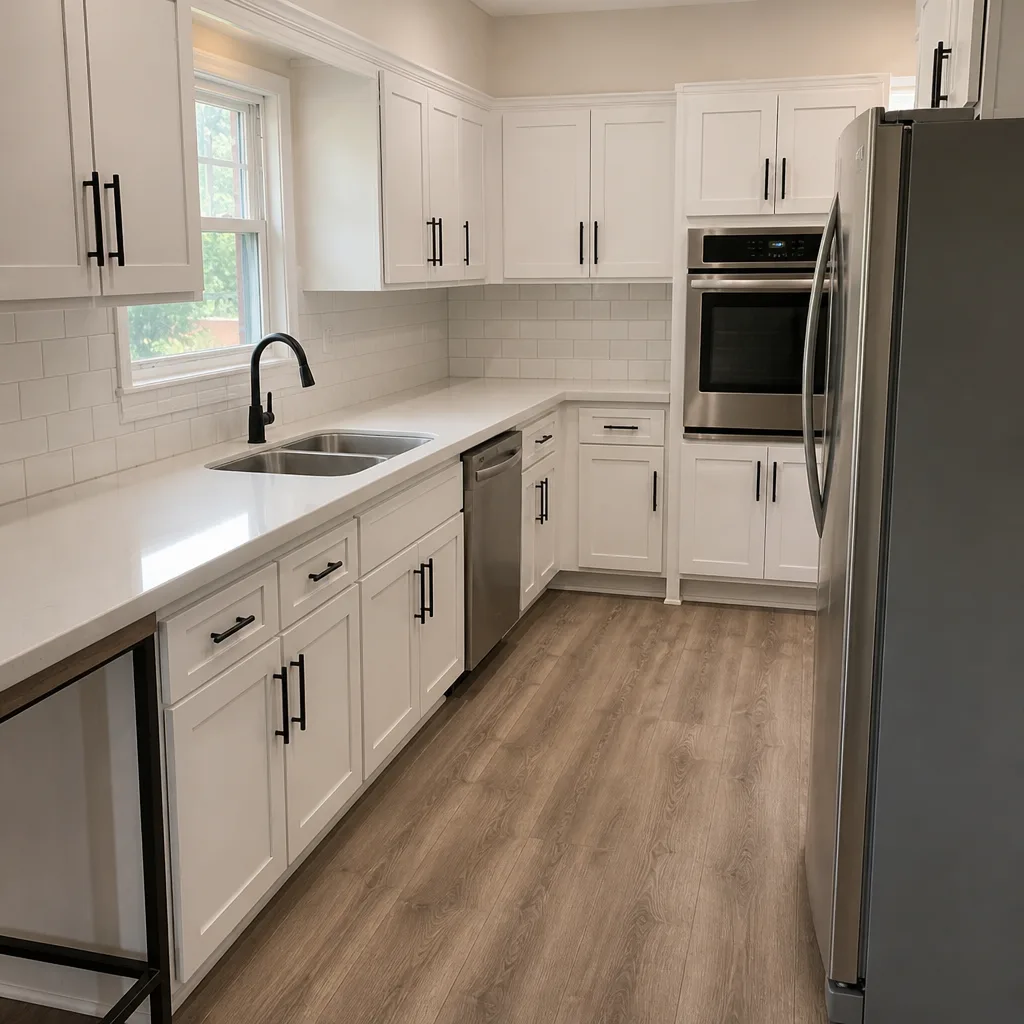 After
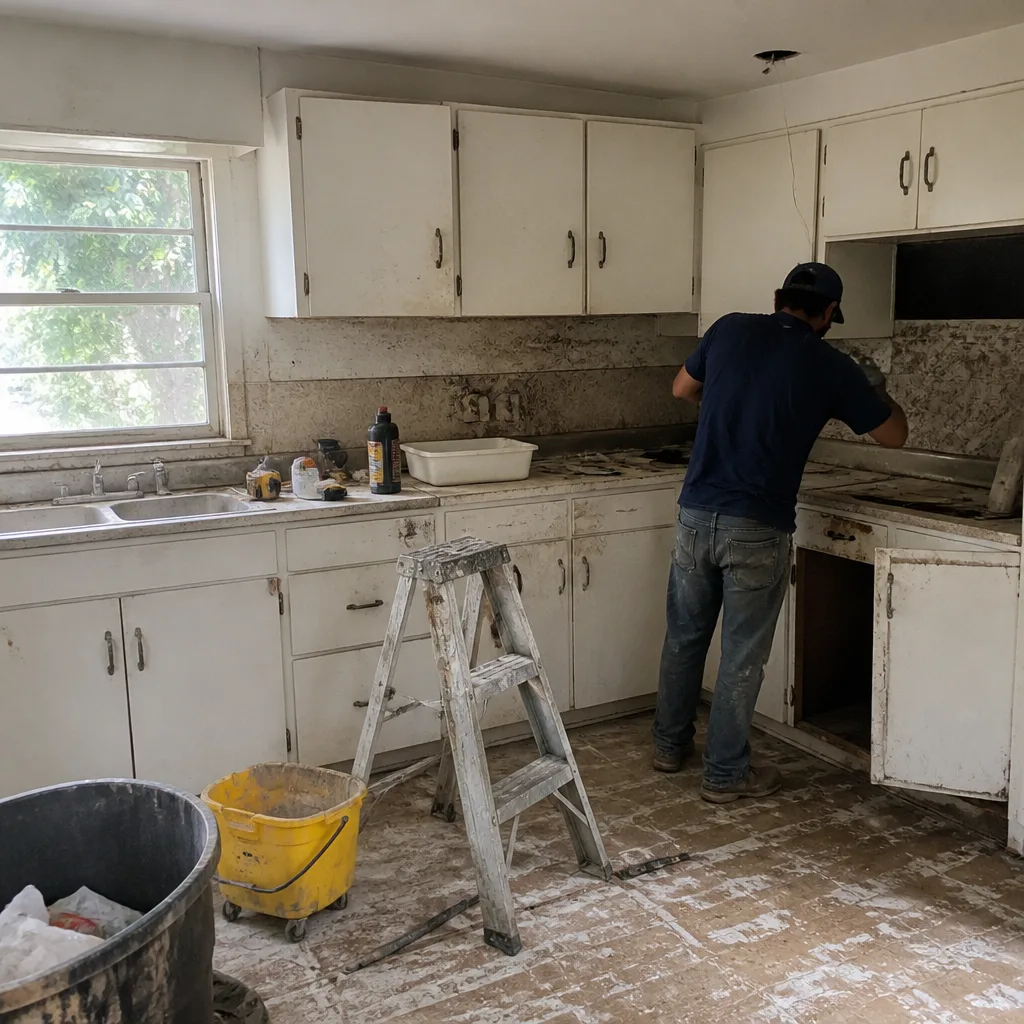 Before
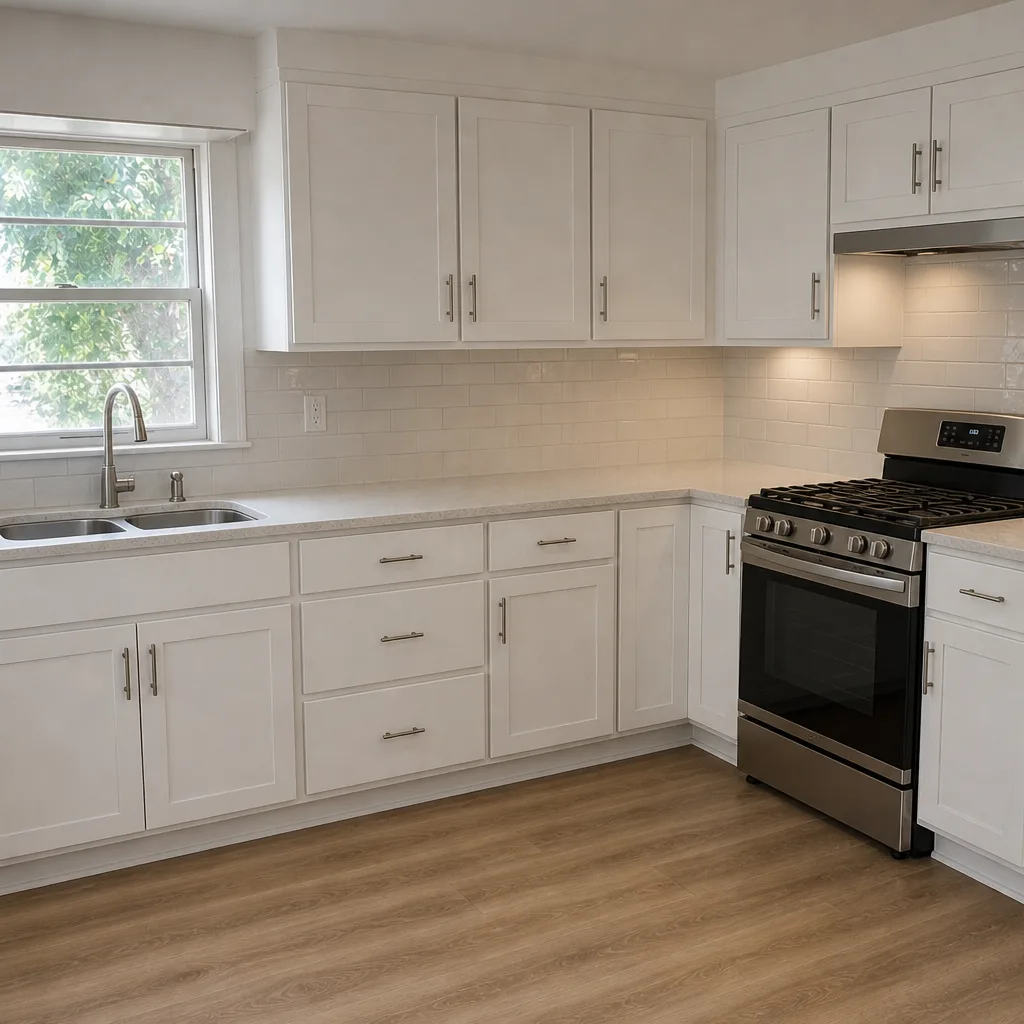 After
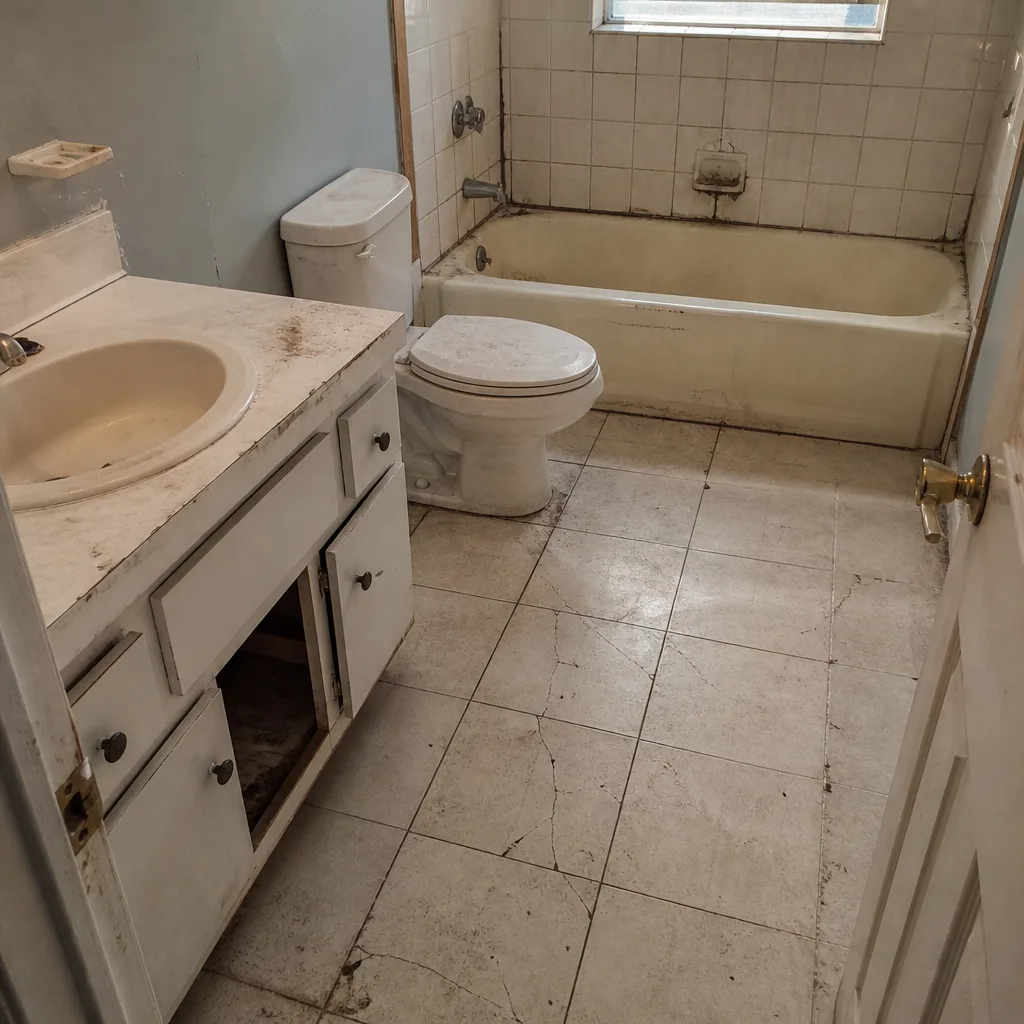 Before
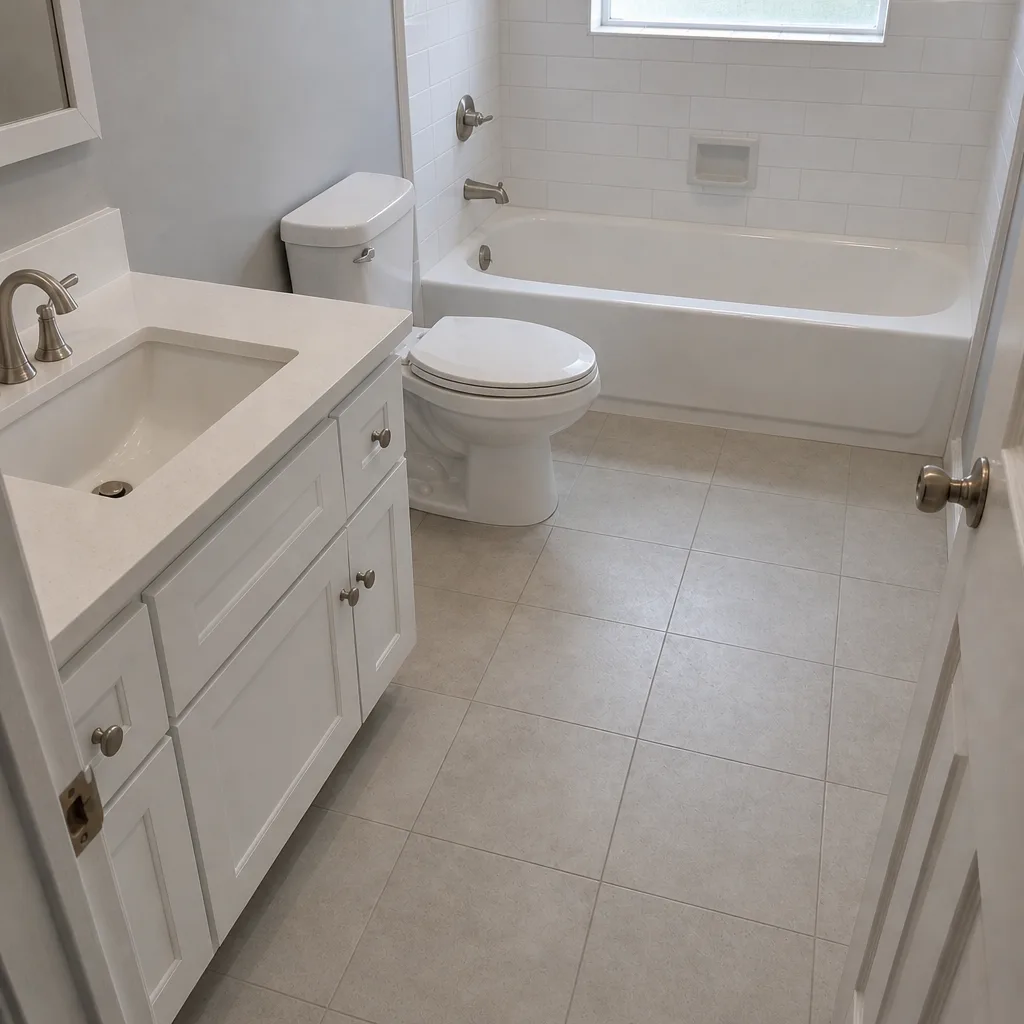 After
Junior ADU vs Standard ADU in Westchester, FL: Which One Actually Fits Your Lot and Budget?
Choose a standard ADU unless you’re set on keeping the unit inside your existing walls and under 500 square feet, in which case a Junior ADU is the legal path. For most Westchester homeowners weighing a JADU against a small detached ADU, the honest answer is that the new-construction standard ADU usually delivers more usable, code-compliant space for a narrower price gap than the “cheaper because it’s existing space” pitch suggests. Standard ADU construction in Westchester runs $90,000-$220,000, while a JADU carved from existing square footage can land lower but carries code-upgrade costs that close the gap fast. Call (833) 630-4214 and we’ll walk your specific home through both.
The reason the math surprises people is the housing stock itself. Westchester grew up as a pocket of unincorporated Miami-Dade, and a huge share of its ranches went up in the 1960s through the 1980s in concrete block and stucco under flat or low-slope roofs. Converting a room inside one of those homes isn’t the same job as converting a room in a wood-frame house up north. The “existing space” you’re reusing was permitted under an era of Florida code that asked almost nothing of a block wall.
Key Takeaways
- A Junior ADU is capped at 500 sq ft and must sit inside the primary dwelling’s existing walls. A standard ADU can be detached, attached, or above a garage, and can exceed 500 sq ft.
- In Westchester’s CBS homes, converting an interior room triggers an energy compliance review that a small new detached build already meets by design.
- Florida’s JADU framework ties owner occupancy to the property. That’s a real financial planning difference, not a footnote.
- The two paths move through different Miami-Dade County permits, inspections, and document packages, so timelines and sequence differ too.
What’s the actual legal difference between a Junior ADU and a standard ADU in Westchester?
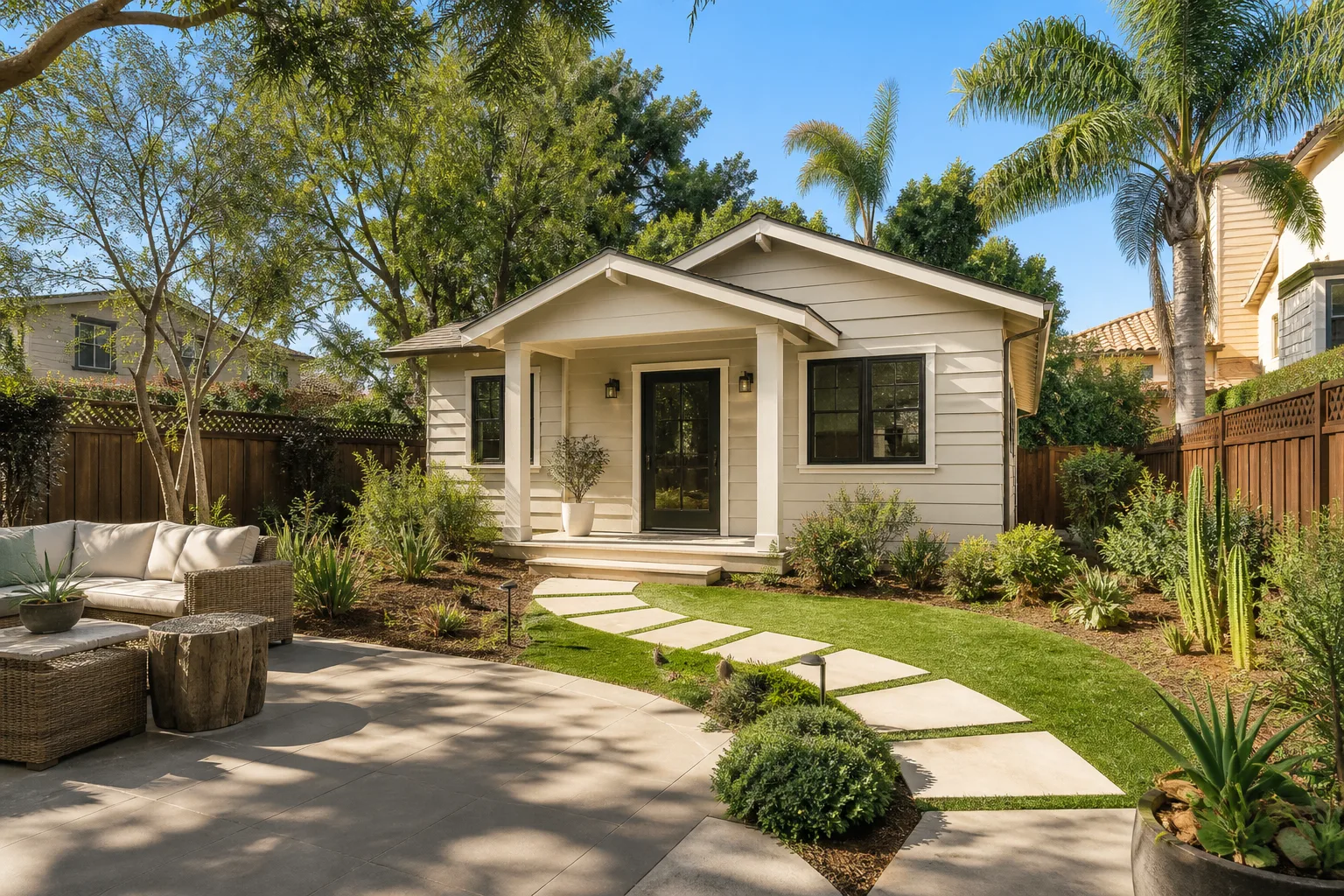
A Junior ADU is a unit of no more than 500 square feet built within the existing walls of the primary home, sharing the same footprint. A standard ADU is a separate, complete dwelling unit that can be detached in the backyard, attached to the house, or built above a garage, and it can exceed 500 square feet under Florida law.
In Westchester that distinction lands on concrete. “Within the existing walls” means working inside your concrete-block envelope, with the roofline already set and the electrical and plumbing already routed where a 1972 builder put them. A standard ADU starts clean: new framing, new roof plane, new mechanicals, designed from the first line to meet current code.
That’s the structural fact the comparison guides usually skip. The standard pitch says a JADU is cheaper because you’re not pouring a foundation or raising a roof. True enough in a wood-frame house. In a CBS ranch with 8-foot ceilings, jalousie windows that need full replacement with NOA-approved impact units, and electrical that may predate arc-fault requirements, the savings erode with every upgrade the code review triggers. Genuinely useful background on how these projects are scoped sits in our Home Additions & ADU in Westchester guide.
Why the Florida Energy Code quietly eats into JADU savings in Westchester
A Westchester home permitted in, say, 1972 was built under a code with no meaningful insulation requirement for concrete-block walls. The moment you convert an interior room into a legal dwelling unit, the change-of-use permit triggers an energy compliance review. That review asks the converted space to meet today’s U-factor and R-value targets, and meeting them inside an existing block wall typically means continuous interior insulation board applied across the interior face.
That board is thin, but it’s not free in square footage. It pushes out every wall it touches, and in a room you were counting at, say, 340 usable square feet, the loss is real. Add impact-rated glazing, a mechanical system sized to current standards, and updated electrical, and the “existing space” line item climbs toward what a compact new detached unit costs.
- Energy compliance: a JADU triggers it inside old walls; a new ADU starts compliant by design.
- Glazing: jalousie windows must come out and be replaced with NOA-approved impact units in both cases, so that cost is a wash.
- Electrical: a 1970s panel and branch wiring may not support a modern unit’s load without upgrade.
- Usable area: continuous interior insulation board reduces the finished room’s dimensions.
How the two Miami-Dade permit paths compare
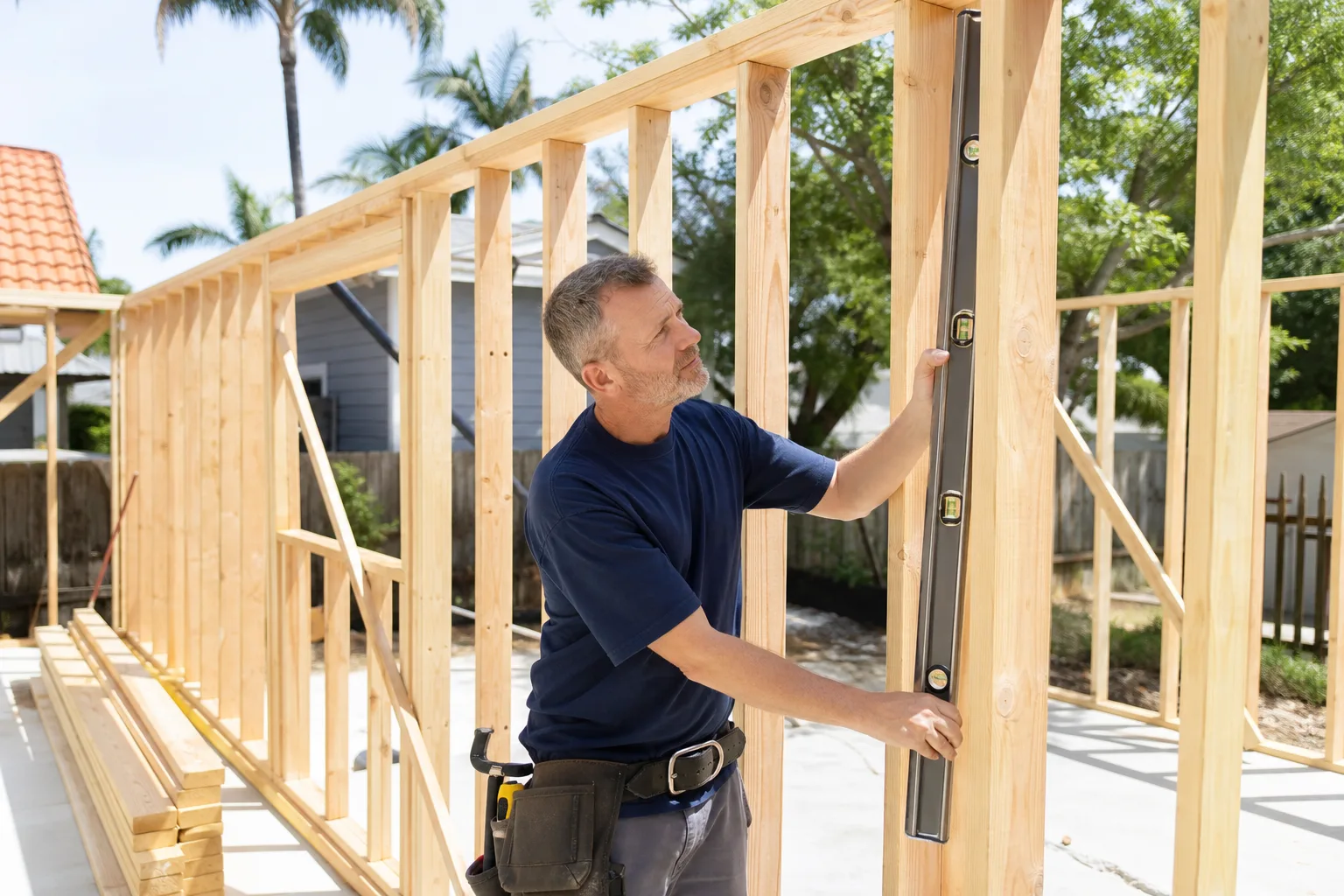
Westchester has no city hall to walk into for a sign-off. As an unincorporated Miami-Dade community, every project here runs through County permitting, frequently online through e-permitting, with County inspectors performing the field checks. Which permit you file depends entirely on which unit you build, and the two are different animals.
A JADU is filed as a remodel and change-of-use permit. It carries a code upgrade review, because you’re converting an existing space to a new legal use. Expect inspection sequences tied to the upgrades: energy compliance, electrical, mechanical, and the finalized dwelling unit.
A new detached standard ADU is filed as new construction. That brings a full High-Velocity Hurricane Zone structural and product review, since Miami-Dade’s hurricane zone rules require impact windows, roof-to-wall and roof-to-deck connections, strap nailers, and strict product approval documentation. More documents to assemble, but the design is built to clear them from the start instead of discovering them mid-conversion. Every project here, whether an addition or a kitchen remodel, lives or dies on that county-level code fluency.
Owner occupancy: the difference most comparisons leave out
Florida’s JADU framework requires the owner to occupy either the primary home or the JADU itself. That condition attaches to the property and shapes how you can use it. A standard ADU reaching the market under Miami-Dade County rules may offer more flexibility for a non-owner investor weighing rental income.
If you’re planning to live in the main house and house a family member or rent the unit, a JADU can work. If you’re thinking about the property as an income asset you may not occupy long-term, the standard ADU path deserves a hard look before you commit to a conversion. That’s a financial planning question as much as a construction one, and it should drive the choice.
Side-by-side: which one fits your Westchester property?
| Factor | Junior ADU | Standard ADU |
|---|---|---|
| Maximum size | 500 sq ft | Can exceed 500 sq ft |
| Location | Inside existing home walls | Detached, attached, or above garage |
| Construction approach | Remodel of CBS envelope | New build to current code |
| Permit type | Remodel / change-of-use with code upgrade review | New construction with full HVHZ review |
| Energy compliance | Triggered; insulation board reduces usable area | Compliant by design |
| Owner occupancy | Required | More flexibility for non-owner investors |
| Typical cost | Lower ceiling, but upgrade costs narrow the gap | $90,000-$220,000 |
The recommendation holds: unless keeping the unit embedded in your home and under 500 square feet is a hard requirement, the standard ADU is the better-built, longer-lasting choice in a Westchester CBS ranch. Understanding the full scope on the broader category, including additions that pair with a new unit, is exactly what our Home Additions & ADU page covers.
Why the choice still comes down to who builds it
Either path lands you with a finished dwelling, and either path deserves accountability that outlasts the final walkthrough. Groundwork Construction Co. of Westchester covers both JADU conversions and new standard ADU builds under the 730-Day Done Right Promise: if it’s not done right, we make it right, for two full years, one of the longer workmanship guarantees in residential construction.
Our technicians have up to 12 years of experience, arrive background-checked and in uniform, and every job runs on upfront pricing with no surprises. To make the standard ADU’s higher upfront cost manageable, we offer 0% financing for 18 months and $1,000 off projects over $10,000, so you can choose the unit on merit instead of sticker shock. For finish details like a Belgard or Unilock paver walkway to a detached unit, we carry the brand partners that hold up in Miami-Dade sun and rain. Calls reach a live person 24/7, so you’re never stuck in a voicemail black hole.
Frequently Asked Questions
A standard ADU in Westchester typically runs $90,000-$220,000, while a Junior ADU conversion usually starts lower but climbs once energy compliance, impact glazing, and electrical upgrades are folded in. The gap is often smaller than the “using existing space” pitch implies, because CBS homes built before current code require real work to convert a room into a legal dwelling. Call (833) 630-4214 for an exact quote on either path; estimates are free.
No. A Junior ADU is capped at 500 square feet and must be inside the primary home’s existing walls, so 500 square feet is the ceiling, not a guideline. If you need more space than that, or want the unit detached in the backyard or above the garage, a standard ADU is the only path that allows it, and it can exceed 500 square feet under Florida law. Call (833) 630-4214 and we’ll confirm what your lot supports.
Yes. Florida’s JADU framework requires owner occupancy of either the primary home or the JADU, so the unit is built around an owner living on the property. If you’re planning a rental property you don’t personally occupy, the standard ADU path offers more flexibility under Miami-Dade County rules, and it’s worth sorting that out before you pour money into a conversion. Call (833) 630-4214 to talk through your situation; there’s no pressure to commit.
Yes. We build both, and we file the correct Miami-Dade County permit for each, whether that’s a remodel and change-of-use package for a JADU or a full new-construction HVHZ review for a detached standard ADU. Both come backed by the 730-Day Done Right Promise, with upfront pricing and 0% financing for 18 months available. Call (833) 630-4214 for a free project estimate and design consult.
Next step: get your Westchester property looked at
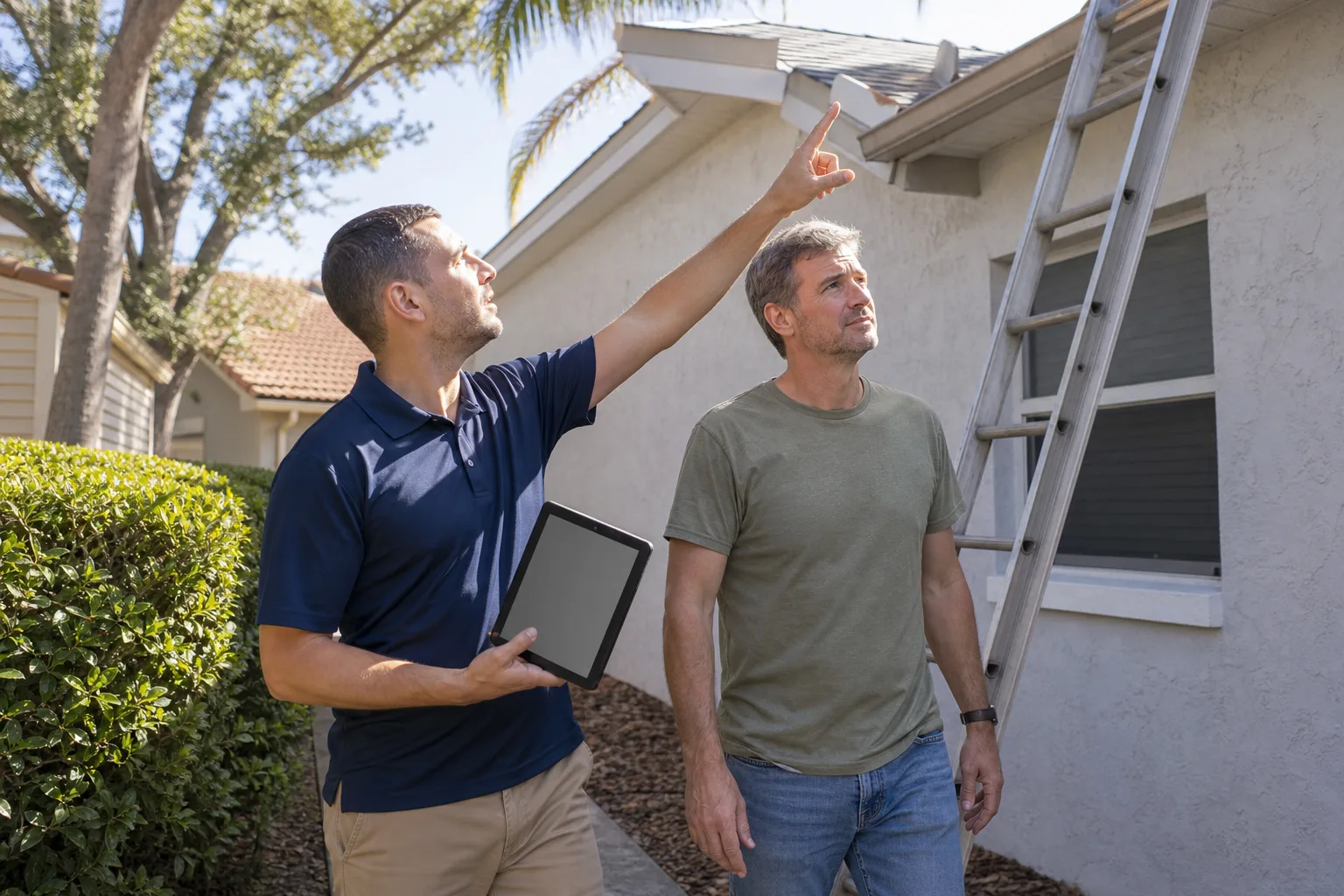
If you’d rather have it looked at in person than sort through it online, Groundwork Construction Co. of Westchester offers a no-pressure assessment in Westchester - we’ll walk your lot, check your existing walls, and tell you straight which unit fits. Call (833) 630-4214 for a free estimate and design consult. Live person, 24/7.
Written by the team at Groundwork Construction Co. of Westchester, serving Westchester, FL.