Free written scope consultation - allowances, timeline, and change-order rules on paper before a single trade is scheduled
Styles & brands we work with
- Kitchen remodeling
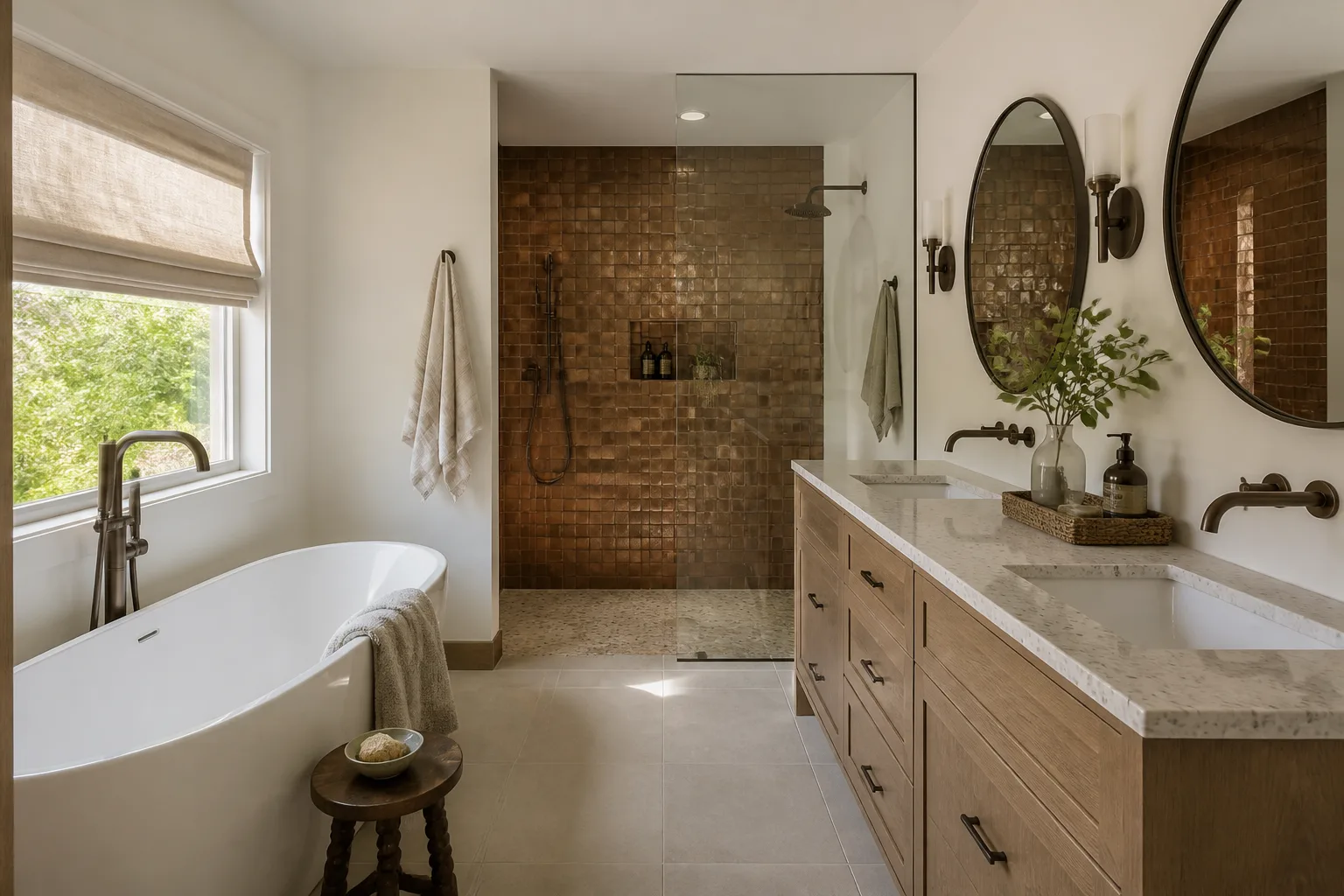
- Bathroom remodeling
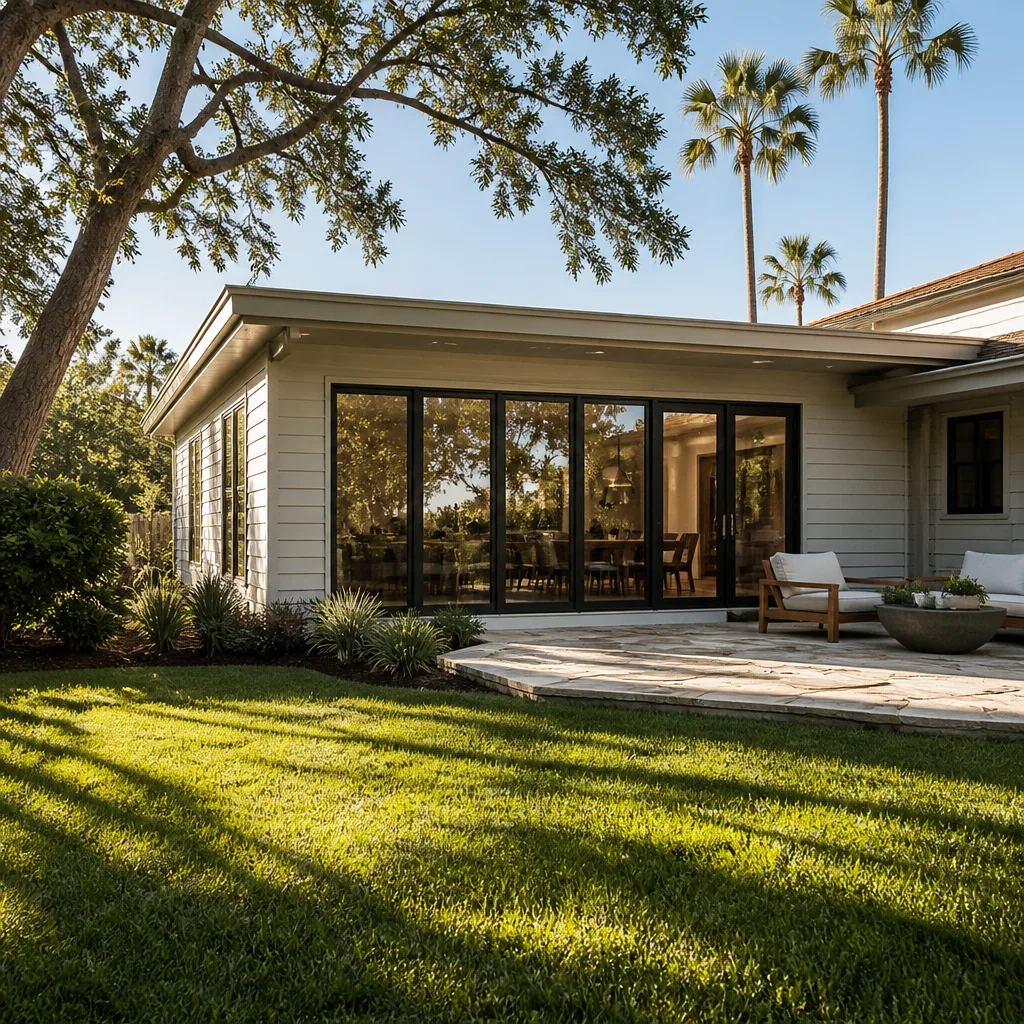
- Home additions & ADU
- Roofing
- Windows & doors
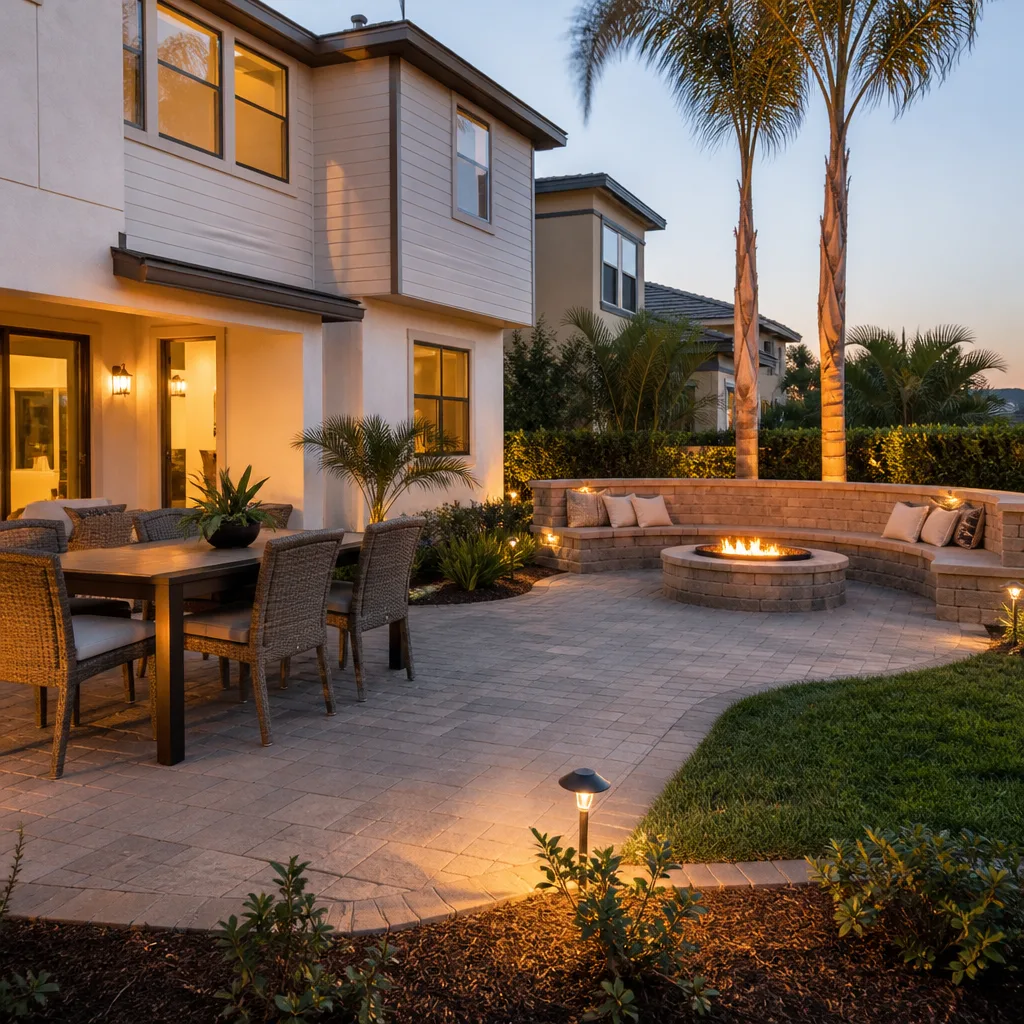
- Driveway & pavers
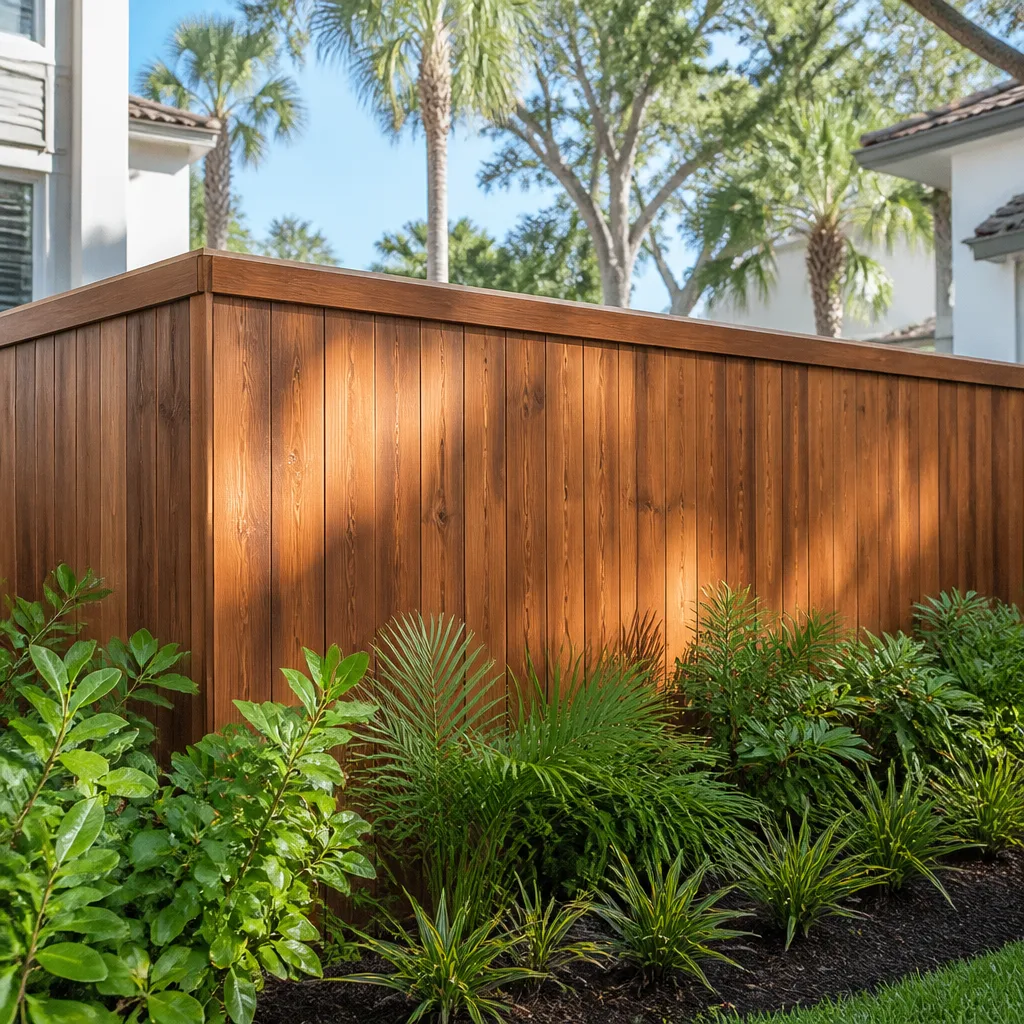
- Fence
See the difference
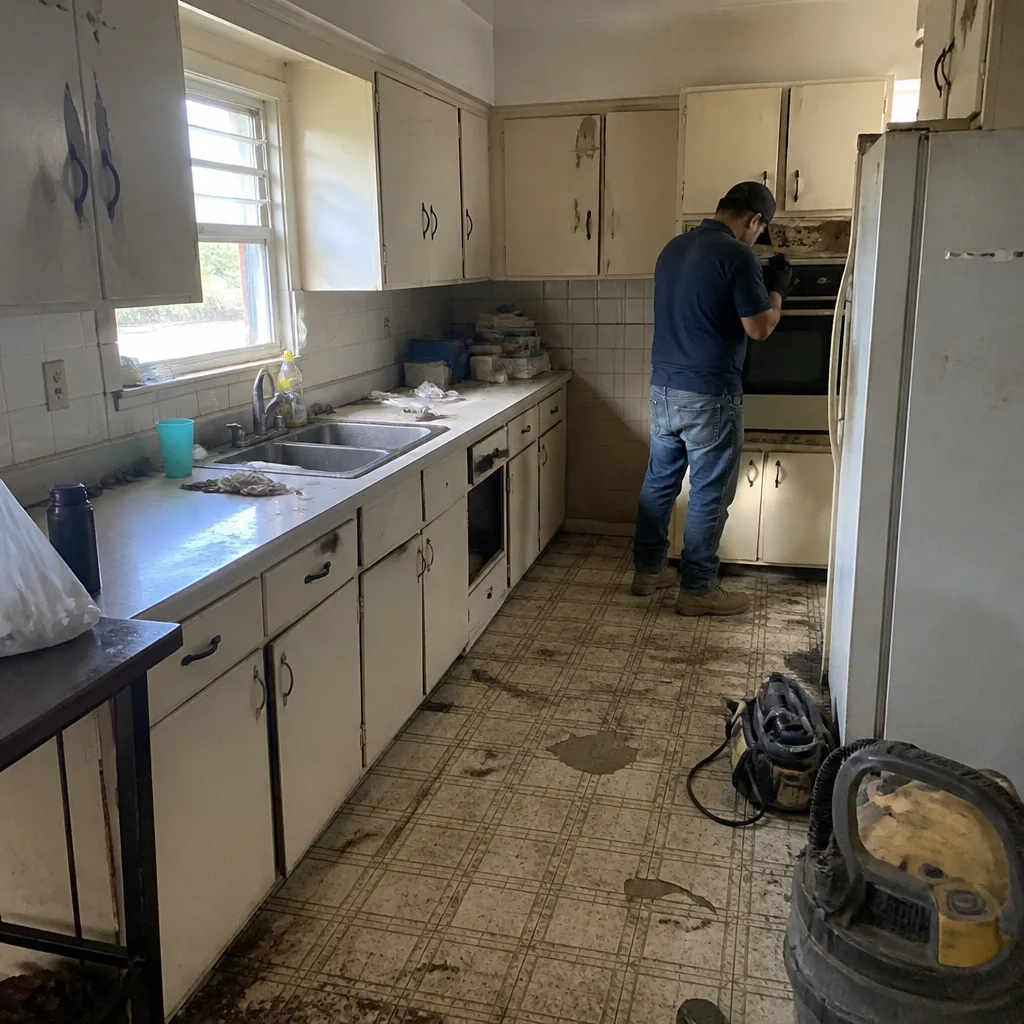 Before
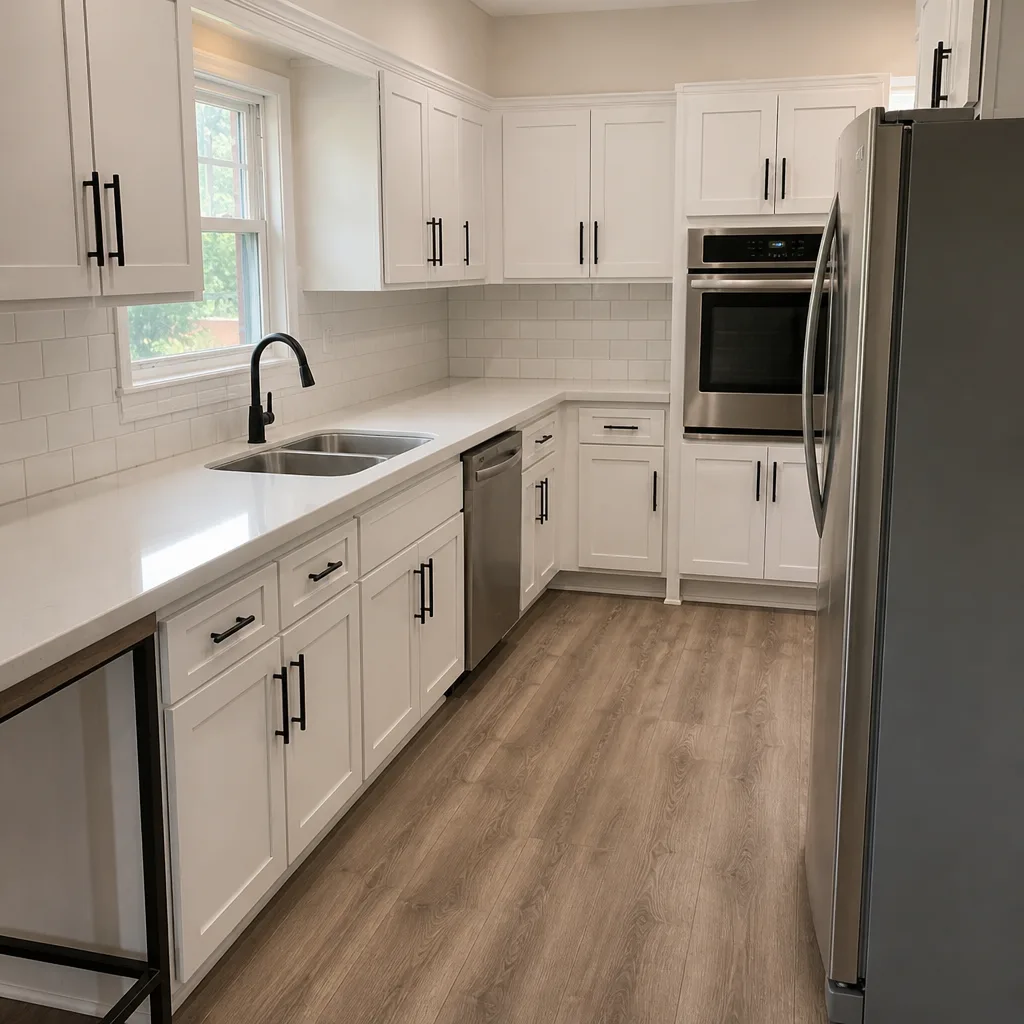 After
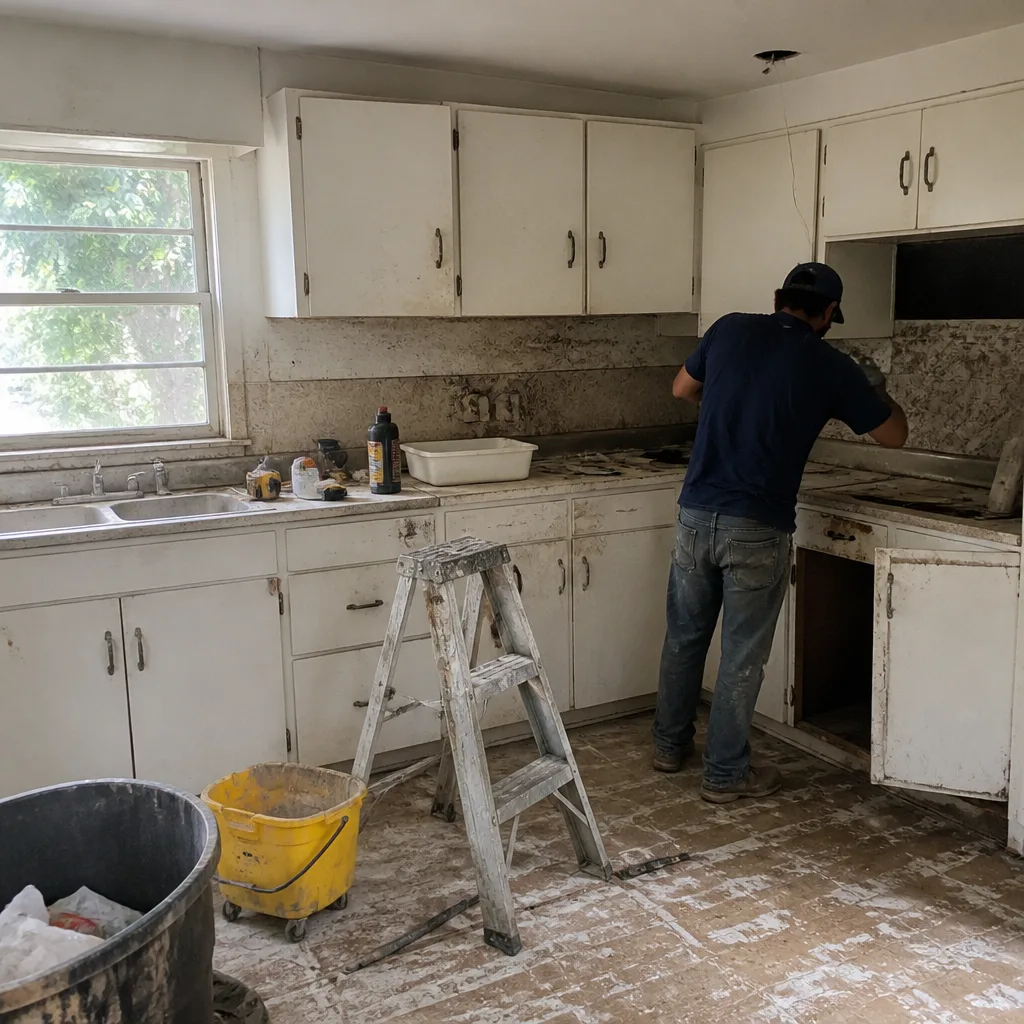 Before
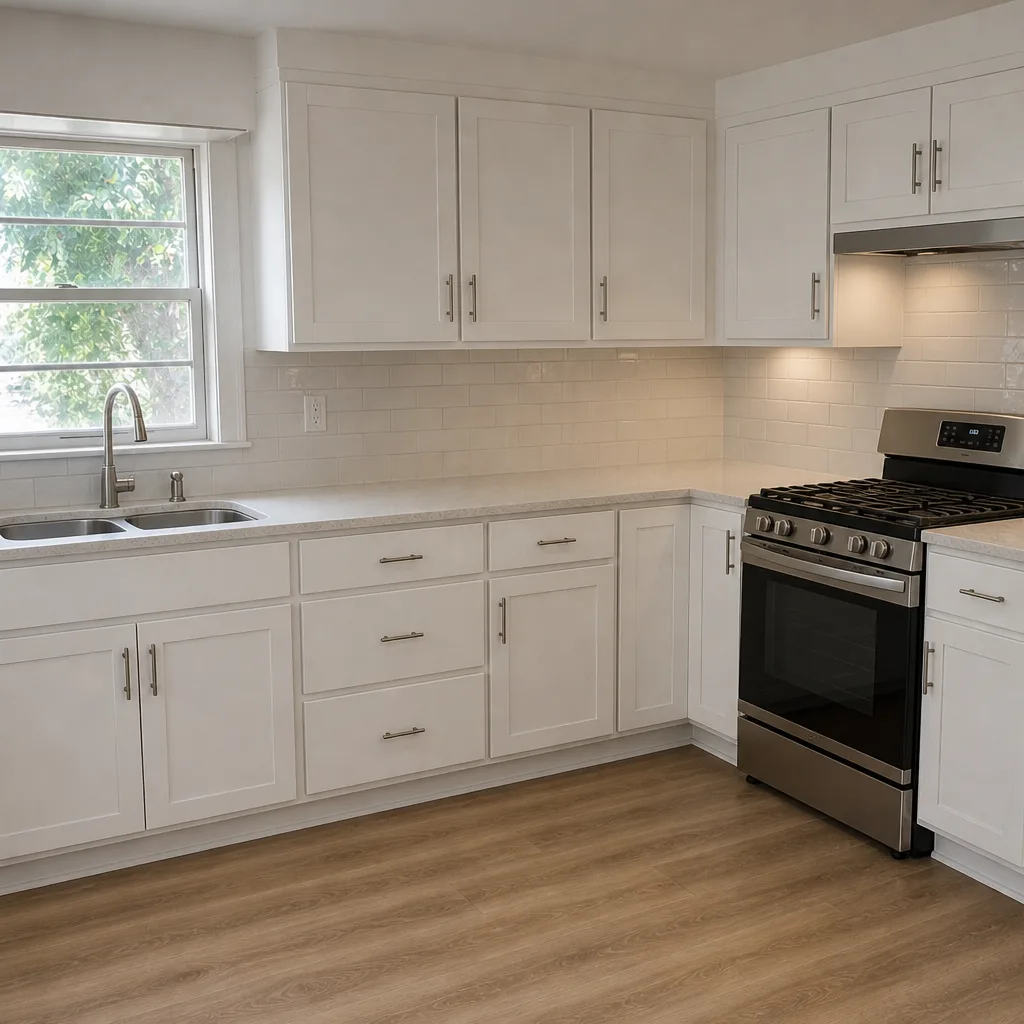 After
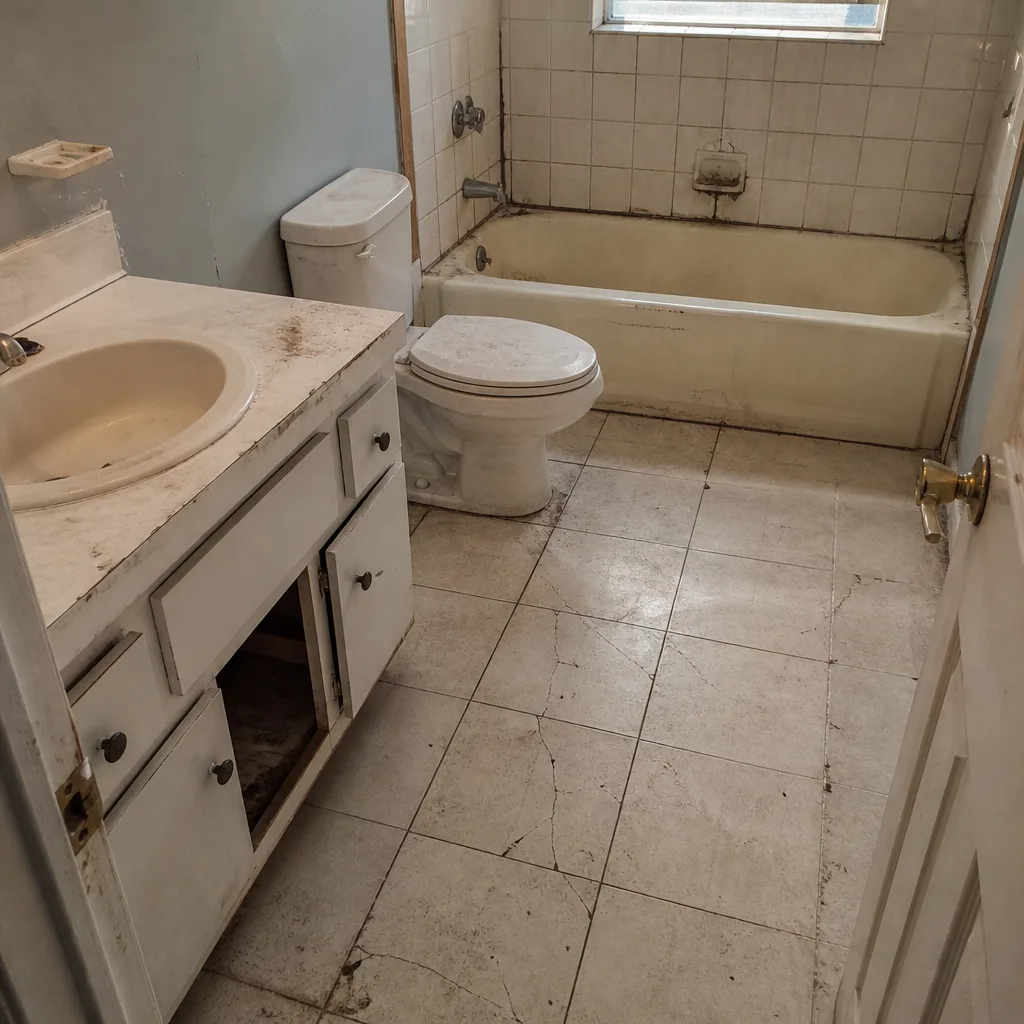 Before
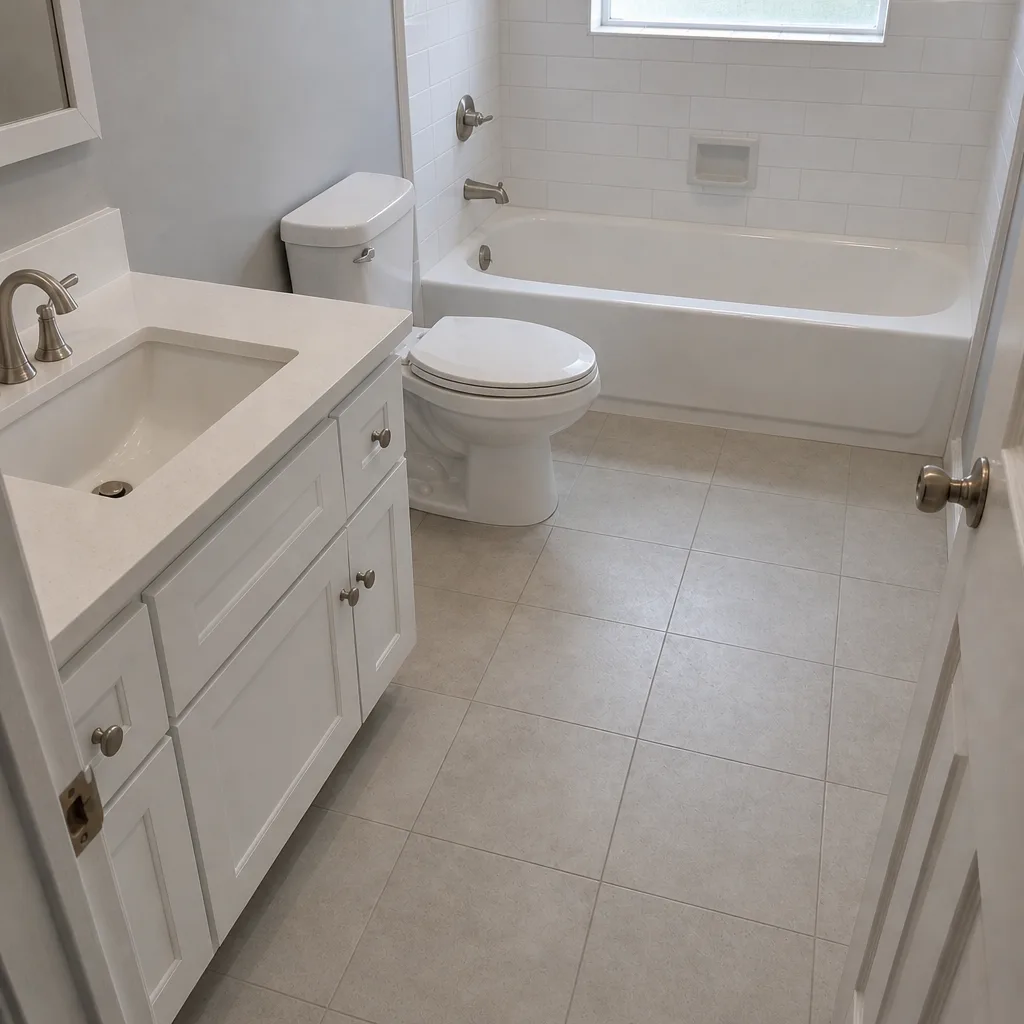 After
New Roof Installation Cost in Westchester, FL: What Miami-Dade’s HVHZ Rules Actually Add to the Bill
A new roof in Westchester typically runs $18,000-$32,000 for concrete barrel tile, $8,000-$14,000 for a modified bitumen flat roof, and $22,000-$40,000 for standing-seam metal on a 1,500-2,200 sq ft home. Those ranges sit above statewide averages because Miami-Dade’s High-Velocity Hurricane Zone code adds $1,500-$3,500 in required components before a single tile goes down. Any quote that doesn’t itemize those line items is either non-compliant or headed for a failed inspection. Call Groundwork Construction Co. of Westchester at (833) 630-4214 for upfront pricing on a code-compliant roof.
The problem most Westchester homeowners run into isn’t picking a shingle color. It’s comparing three bids that look nothing alike. One contractor quotes a flat number with no product approval numbers attached. Another lists “hurricane upgrades” as a vague lump sum. A third hands over a low figure that quietly skips the secondary water barrier and the strap nailers, then vanishes when the county inspector flags the dry-in.
Westchester sits in unincorporated Miami-Dade, so every roof here goes through county e-permitting and HVHZ review, not a city sign-off. That single fact shapes what a compliant roof costs and how long the job takes. We’ve walked plenty of homeowners through it, and the honest version is always the same: the code requirements are real dollars, and a contractor who hides them from you in the bid will cost you more later.
What Westchester’s Housing Stock Means for Your Roof
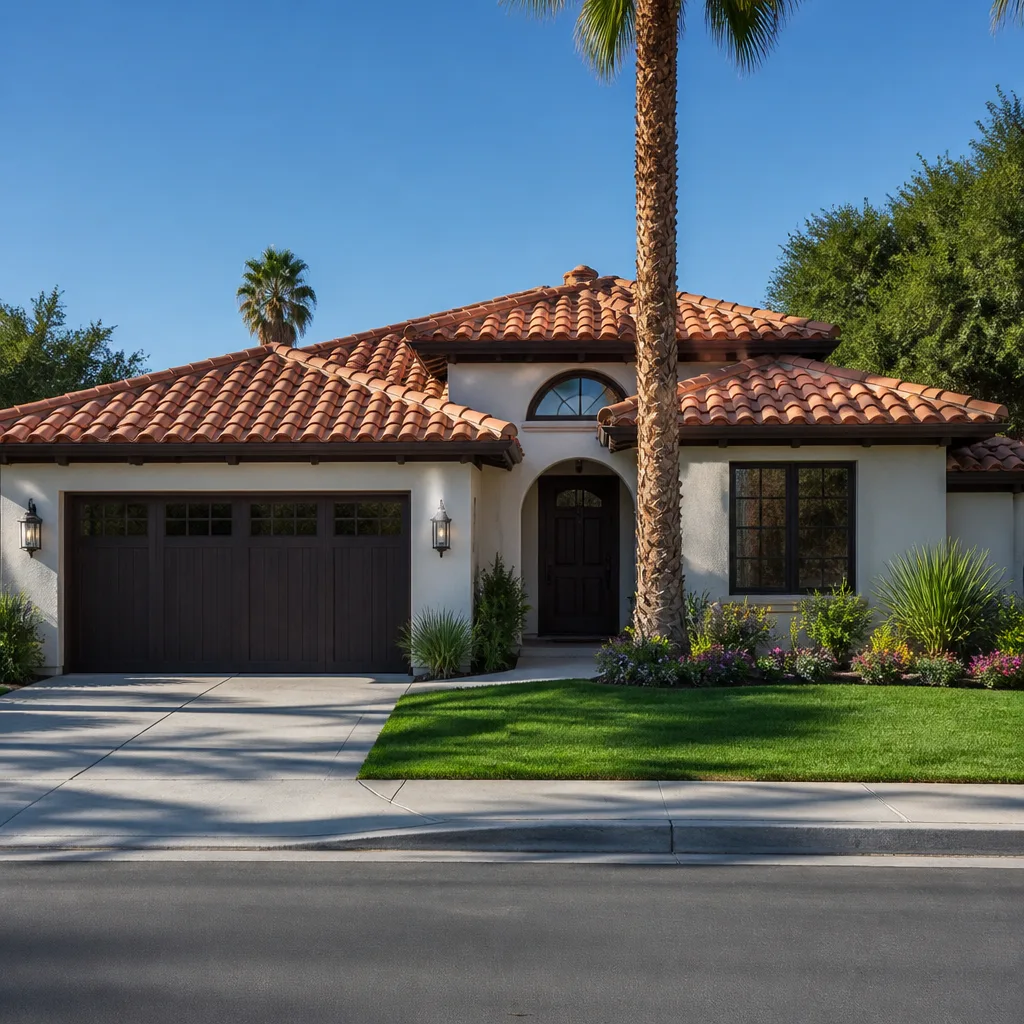
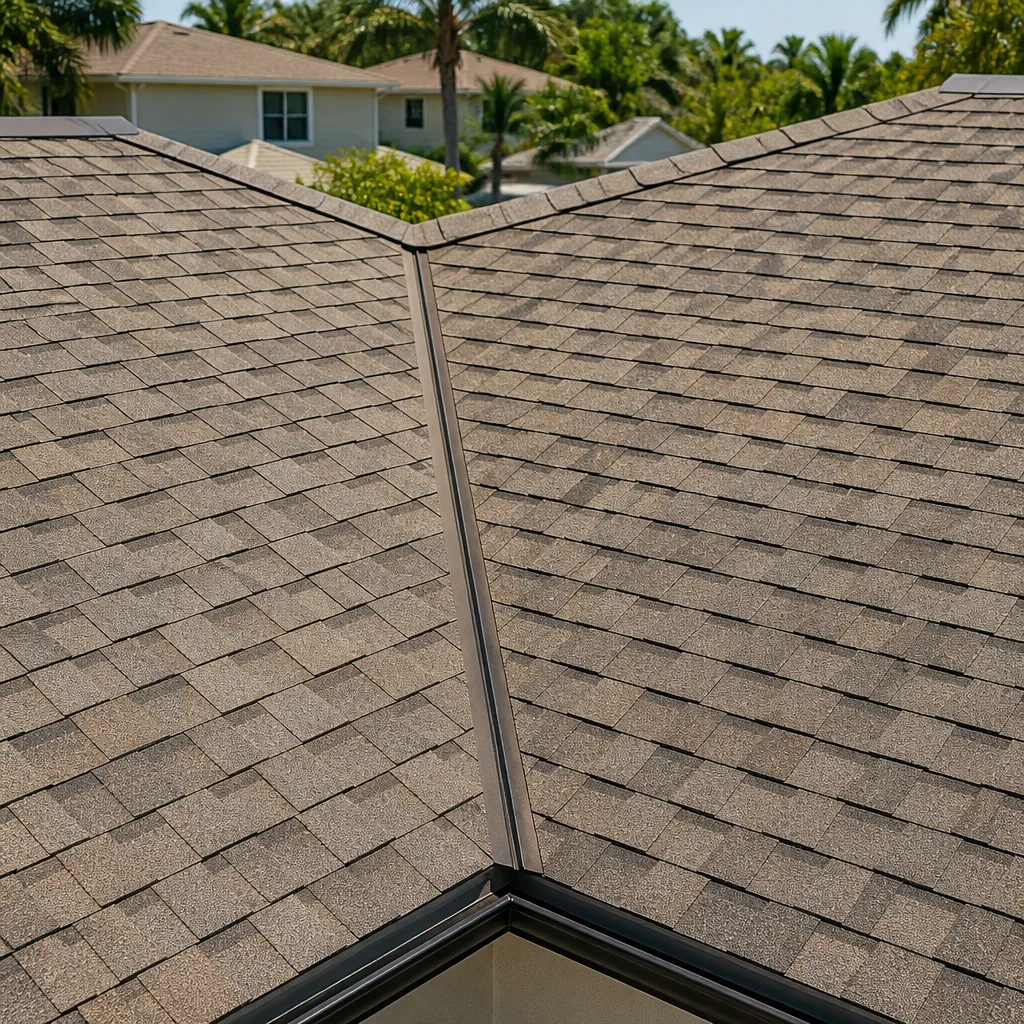
Most of Westchester’s 1960s through 1980s concrete-block ranch and Spanish/Mediterranean homes were built with flat or low-slope roofs, often modified bitumen or a shallow tile pitch. That’s the default roof profile here, and it’s also where the waterproofing details matter most. Miami’s summer rains don’t fall gently; they arrive sideways and heavy, and a low-slope roof that isn’t detailed correctly at the seams and flashing will find every weak point by August.
Newer infill builds and second-story additions have introduced more pitched tile and metal roofs, but the underlying climate demand is the same: wind-driven rain, salt-laden air, and hurricane-season uplift. When we look at a Westchester roof, the questions are always about connections and drainage, not cosmetics.
The HVHZ Cost Adders That Separate a Real Bid from a Cheap One
Miami-Dade’s High-Velocity Hurricane Zone requirements are the reason a Westchester roof costs more than the same square footage in Orlando. These aren’t optional upgrades; they’re code, and they’re what the inspector checks. Here’s where the $1,500-$3,500 goes:
- Enhanced fastening pattern. HVHZ requires a tighter nailing schedule in the field, typically 6 inches on center rather than the 12-inch spacing used outside the wind zone. More fasteners, more labor, more cost.
- Miami-Dade-approved secondary water barrier. A self-adhered underlayment system must go down before the finished roof. It’s a full-coverage membrane, not standard felt, and it’s a material line item most out-of-area bids omit.
- Roof-to-wall strap nailers at every rafter. The roof has to be mechanically tied to the structure, rafter by rafter. On older Westchester homes, that sometimes means opening up the connection points to install hardware that wasn’t there in 1975.
Those three items alone explain most of the gap between a Westchester quote and a national average. When a bid comes in unusually low, this is usually the reason.
What a Miami-Dade County Permit Actually Requires
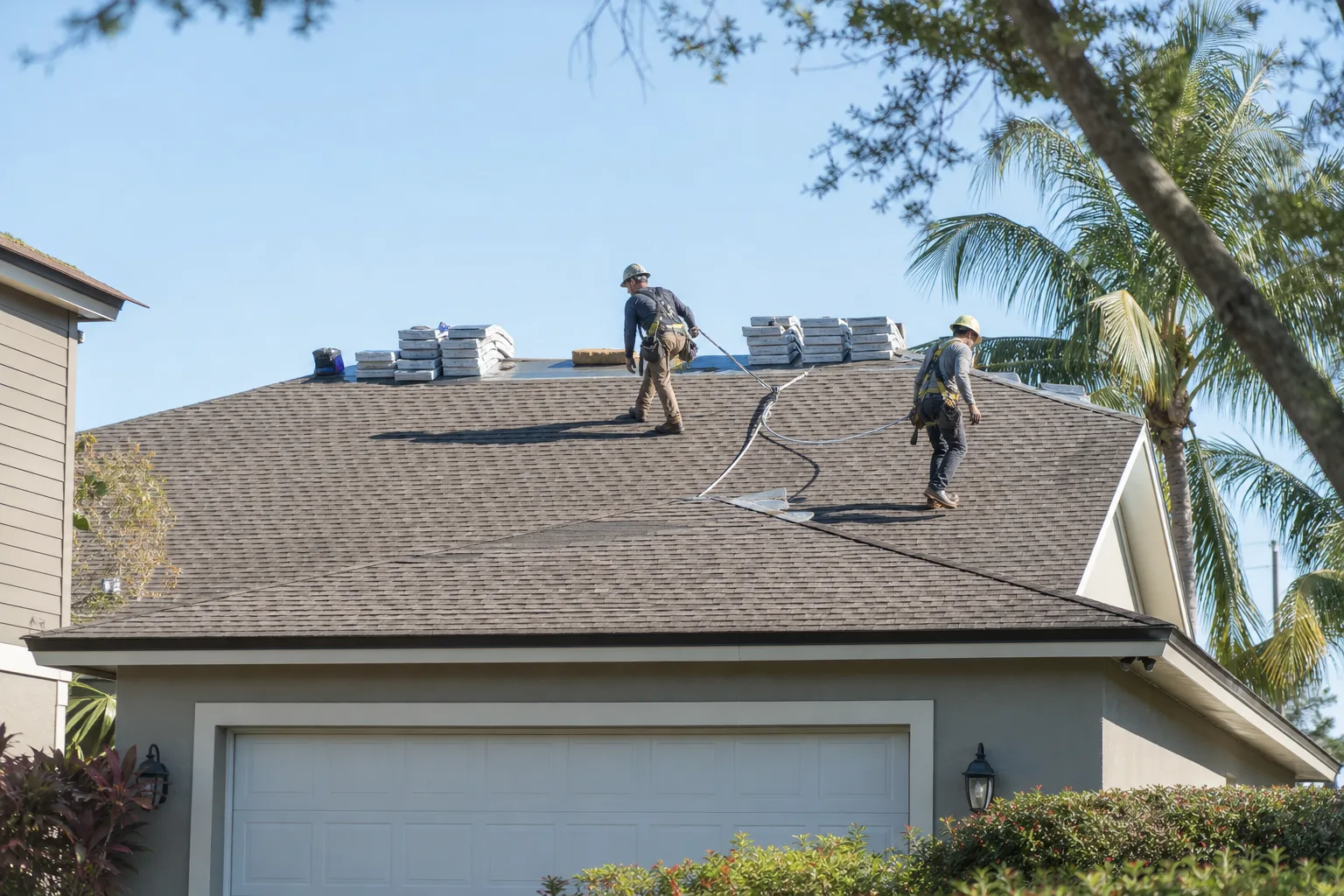
Because Westchester is unincorporated, there’s no city hall to pull a permit from. Everything runs through Miami-Dade County e-permitting, and the inspection sequence adds one to two weeks to the project that budget quotes never account for.
The sequence looks like this: the permit application goes through the county with product approval documentation attached, the dry-in inspection happens before the underlayment gets covered, and a final inspection has to pass before your insurer will reissue the roof certificate. Skip a step or fail an inspection and the timeline stretches. That’s why we build the inspection windows into the schedule from day one rather than treating them as an afterthought.
Why NOA Numbers Matter More Than the Brand Name on the Box
We install GAF and Owens Corning roofing systems, and both carry current Miami-Dade NOA approvals. A NOA number means the county has tested that specific product assembly to withstand 180+ mph wind uplift and formally approved it for use here. It’s not just the manufacturer saying the product is strong. It’s the county’s own approval on record, and it’s what allows your permit to move forward. When you compare bids, ask for the NOA number on every component: underlayment, fasteners, and the finished roof. If a contractor can’t produce it, the roof won’t pass.
For the full picture of what we install and how we handle the trade, see our Roofing page, and explore our broader home services to see how roofing fits into a larger project.
Westchester New Roof Cost by Roof Type
These ranges are sized for the typical Westchester 1,500-2,200 sq ft ranch or two-story infill home, with HVHZ compliance built in. They aren’t national averages.
| Roof Type | Installed Cost Range |
|---|---|
| Modified bitumen flat roof | $8,000-$14,000 |
| Concrete barrel tile | $18,000-$32,000 |
| Standing-seam metal | $22,000-$40,000 |
Your exact number depends on roof pitch, how much decking needs repair, and how many strap-nailer connections need retrofit. We give you that number in writing before work starts, with no surprises on the back end.
Common Westchester Scenarios We See on Estimates
The 1978 ranch with the original flat roof. The decking is often soft near the parapet walls, the strap connections were never upgraded, and the water barrier has been patched with tar more than once. Budgeting for decking repair up front saves a mid-job surprise.
The tile roof from 1985. Field tiles are still holding, but the underlayment beneath has aged out. On many of these, the honest answer is a full tear-off and re-roof with proper HVHZ underlayment, not a tile-over. Lifting tiles to replace underlayment only works when the tile itself can be salvaged, and that decision happens on the roof, not in the office.
The infill addition with a new second story. New framing ties into old concrete-block walls, and the roof has to bridge both. That’s where roof-to-wall strap nailers earn their keep, and where the detailing takes extra time.
The Financial Case for Getting It Right the First Time
A code-compliant HVHZ roof is the expensive option up front and the cheap option over the life of the home. A non-compliant roof fails inspection, won’t get your insurance certificate reissued, and at resale it becomes a negotiating liability. The cheaper bid isn’t actually cheaper.
Two standing offers make the right roof accessible. Take $1,000 off any new roof project over $10,000, and spread the rest with 0% financing for 18 months. Every project is backed by our 730-Day Done Right Promise: if it’s not done right, we make it right. Our technicians have up to 12 years of experience, arrive background-checked and in uniform, and a live person answers the phone 24/7.
FAQs
New roof installation in Westchester runs $8,000-$14,000 for modified bitumen flat roofing, $18,000-$32,000 for concrete barrel tile, and $22,000-$40,000 for standing-seam metal on a typical 1,500-2,200 sq ft home. Miami-Dade’s HVHZ requirements add $1,500-$3,500 in required components versus a standard Florida roof. Call (833) 630-4214 for an exact quote, free of charge.
Because Westchester falls inside Miami-Dade’s High-Velocity Hurricane Zone, which mandates a tighter fastening pattern, an approved secondary water barrier, and roof-to-wall strap nailers at every rafter. Those are code requirements, not upgrades, and they add real cost to every compliant roof. Call (833) 630-4214 and we’ll itemize each one in your estimate.
A repair usually wins when the roof is under 15 years old, the damage is isolated, and the underlayment is still sound; a replacement is the only compliant option once the barrier or decking has failed. Miami-Dade requires a full permit and inspection for a new roof, so the decision comes down to whether the existing assembly can pass. Call (833) 630-4214 for an honest assessment before you commit either way.
Most Westchester re-roofs take one to three weeks of active work, plus one to two weeks for county e-permitting and the dry-in and final inspections. That inspection window is why budget quotes that ignore it always run long. Call (833) 630-4214 and we’ll map the full timeline before the first nail goes in.
Ready to stop comparing apples to oranges and get a code-compliant number in writing? Call Groundwork Construction Co. of Westchester at (833) 630-4214 for a free project estimate. We answer live, 24/7, and we’ll walk you through the HVHZ line items so you know exactly what you’re paying for.
Written by the team at Groundwork Construction Co. of Westchester, serving Westchester, FL.
What Our Customers Say
"We lived in the house through the whole thing. He kept the dust wall up, cleaned every Friday, and made sure we always had a working bathroom."
- Craig Whitaker"Found unpermitted work by the previous owner once he opened the wall. He stopped, explained the options and what each would cost, and let me decide rather than making it my emergency."
- Marco Castillo"He told me one part of what I wanted was a bad idea structurally and offered an alternative instead of just taking the money."
- Angela Wong