Free written scope consultation - allowances, timeline, and change-order rules on paper before a single trade is scheduled
Styles & brands we work with
- Kitchen remodeling
- Bathroom remodeling
- Home additions & ADU
- Roofing
- Windows & doors
- Driveway & pavers
- Fence
See the difference
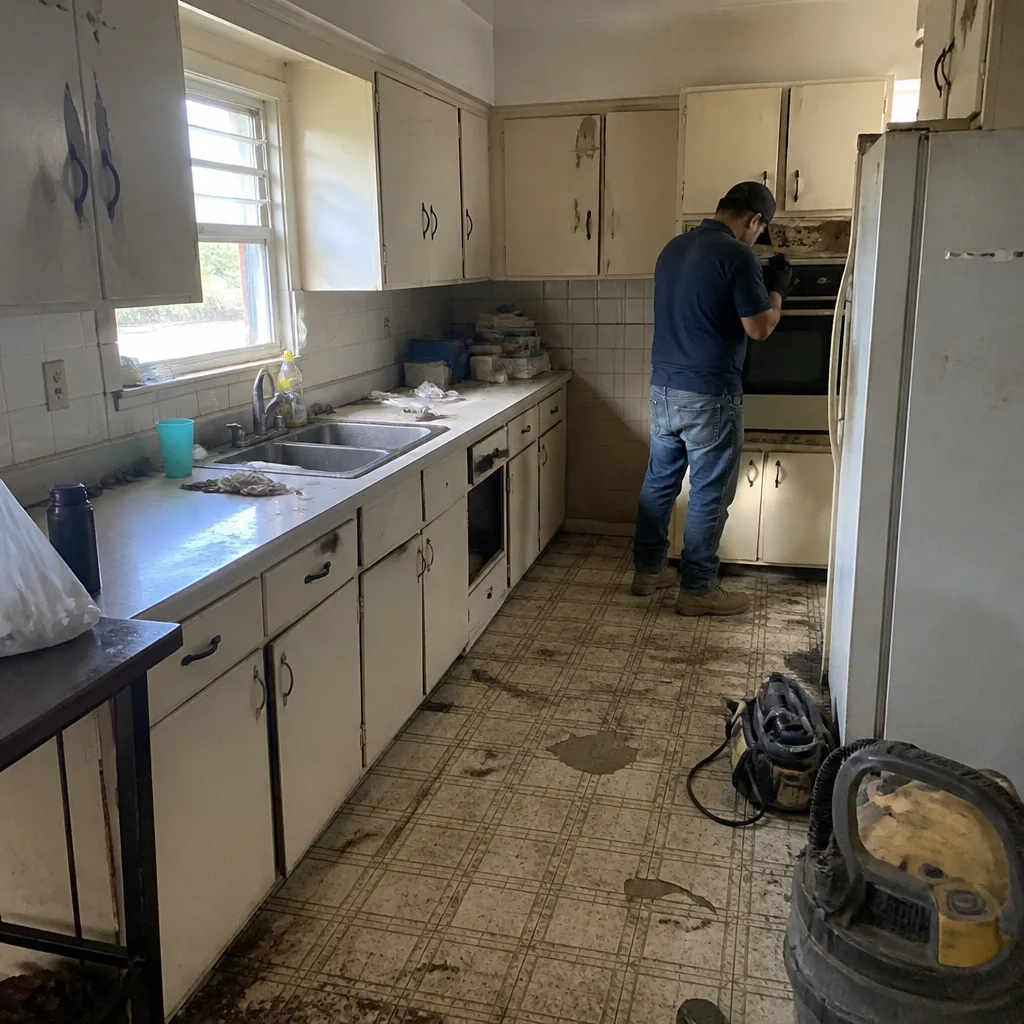 Before
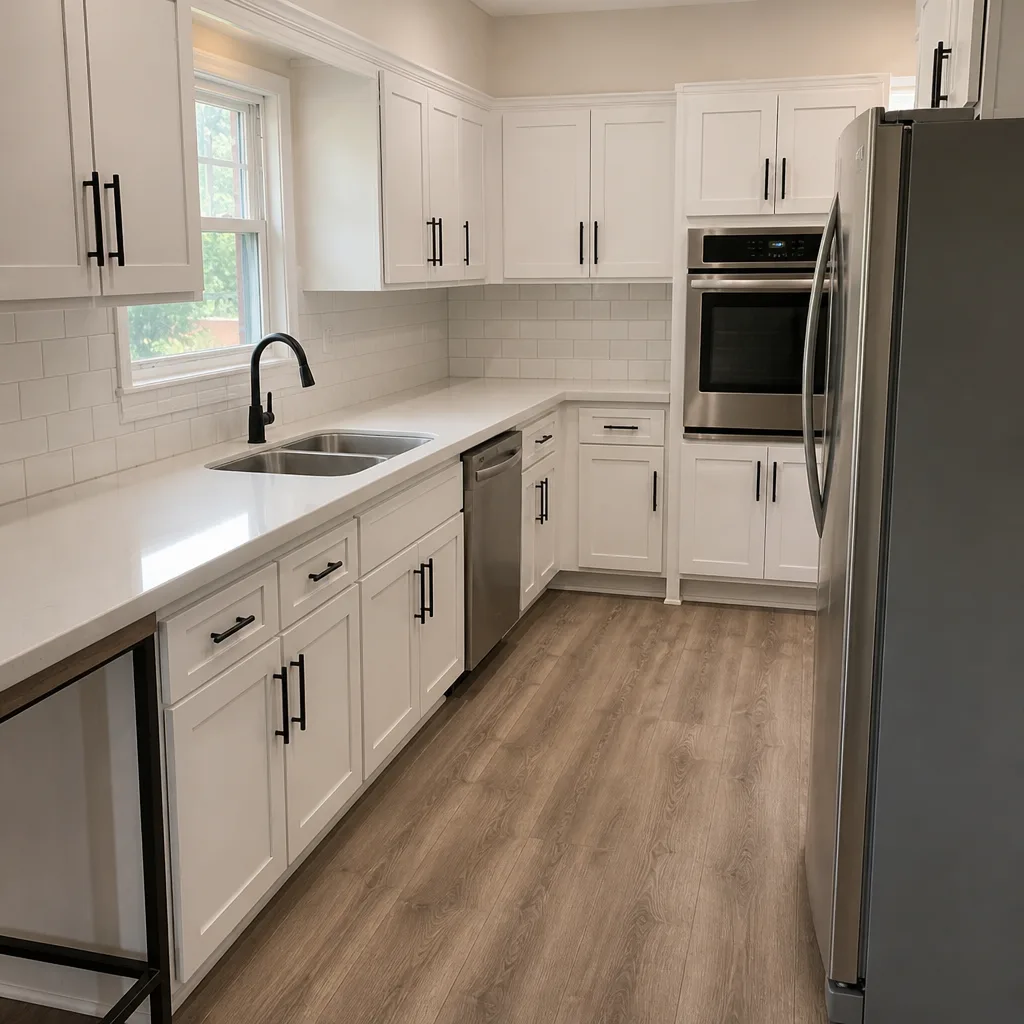 After
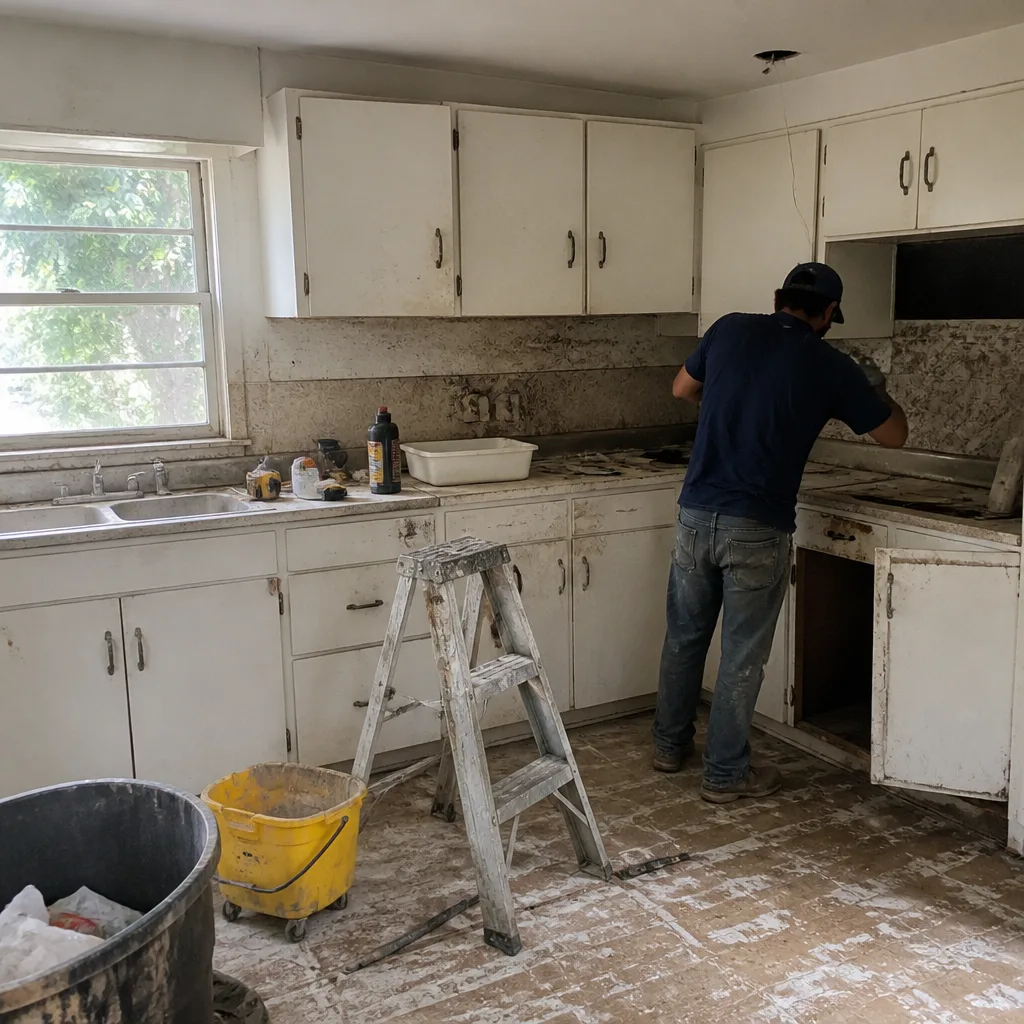 Before
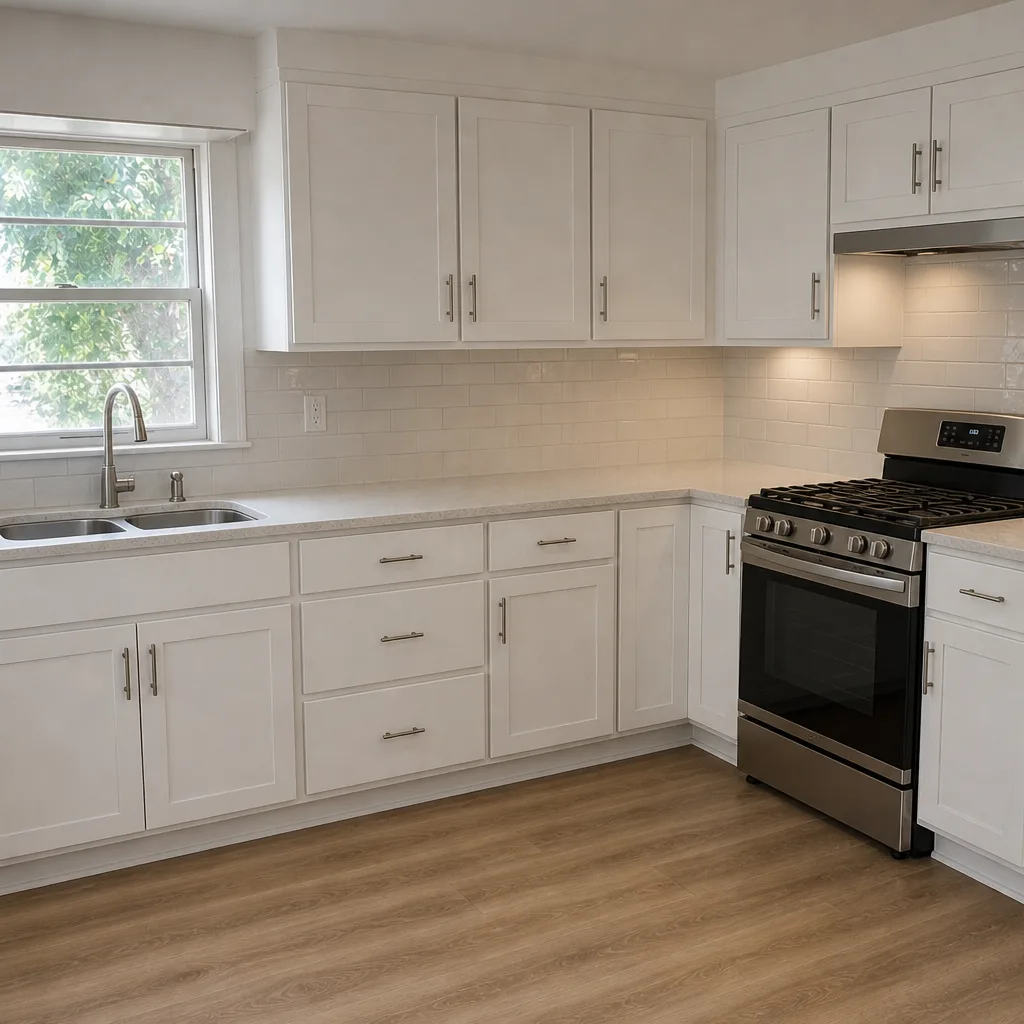 After
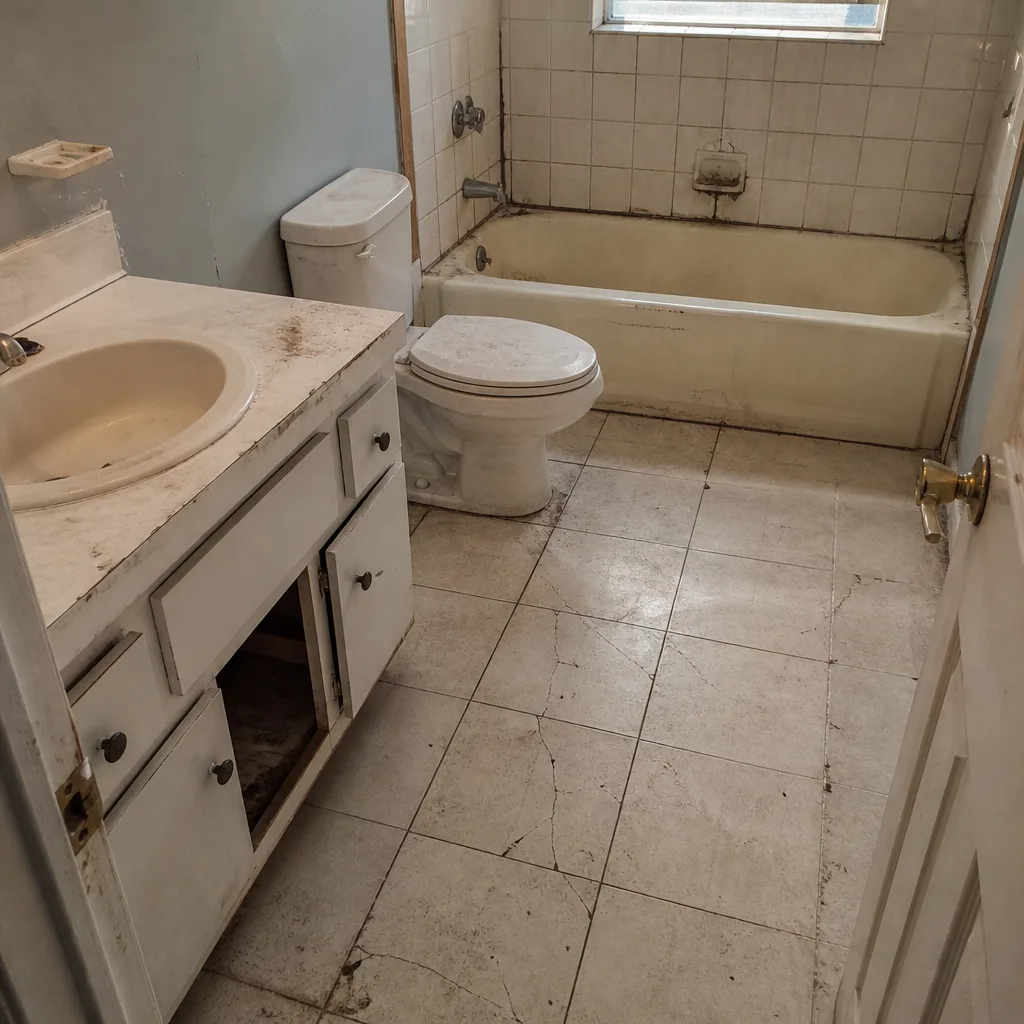 Before
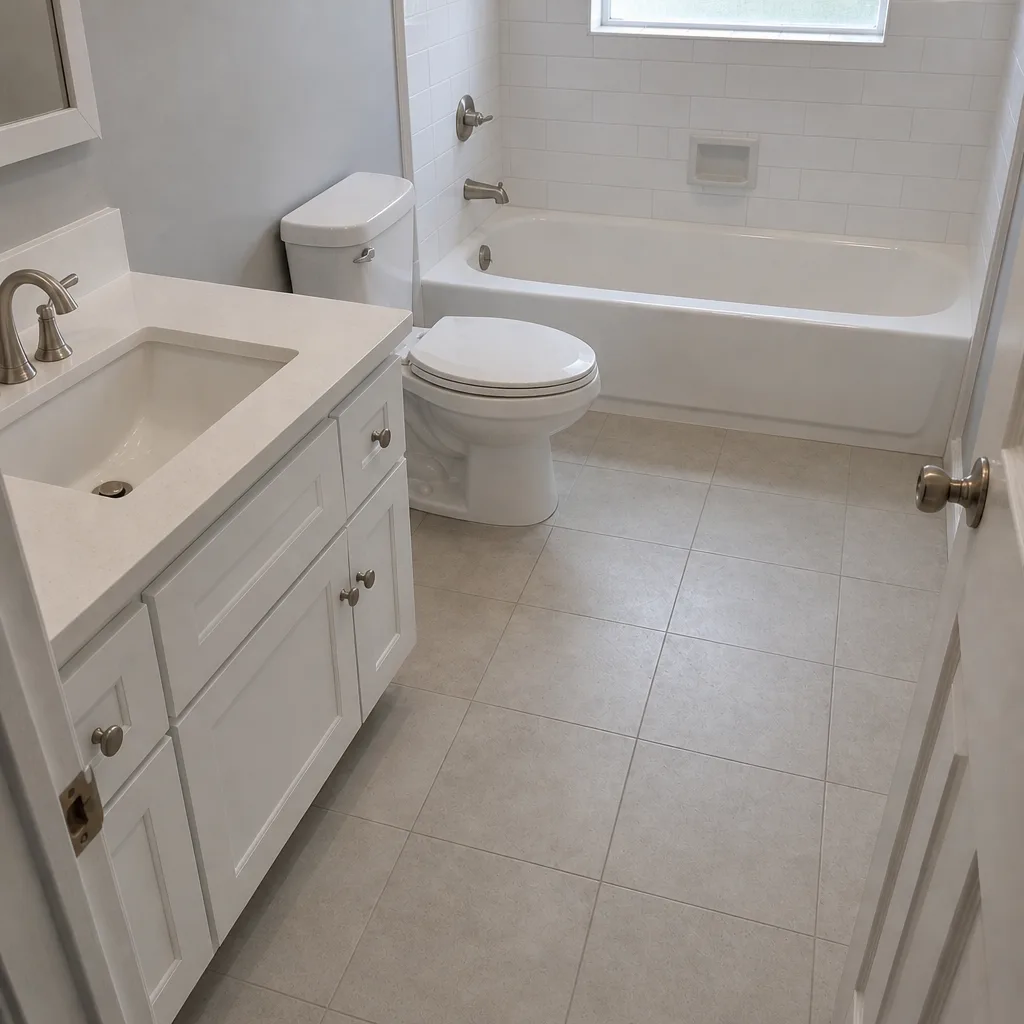 After
Quartz vs Granite Countertops in Westchester, FL: Which Should You Choose?
Choose quartz (specifically Cambria) unless you want a genuinely one-of-a-kind natural slab, in which case granite is the honest answer. In Westchester’s humidity and hurricane-zone reality, quartz wins on maintenance and edge durability for most homeowners. Our technicians have up to 12 years of experience installing both, and we’ll give you the straight comparison. Call (833) 630-4214 for a free estimate on Kitchen Remodeling and countertop work.
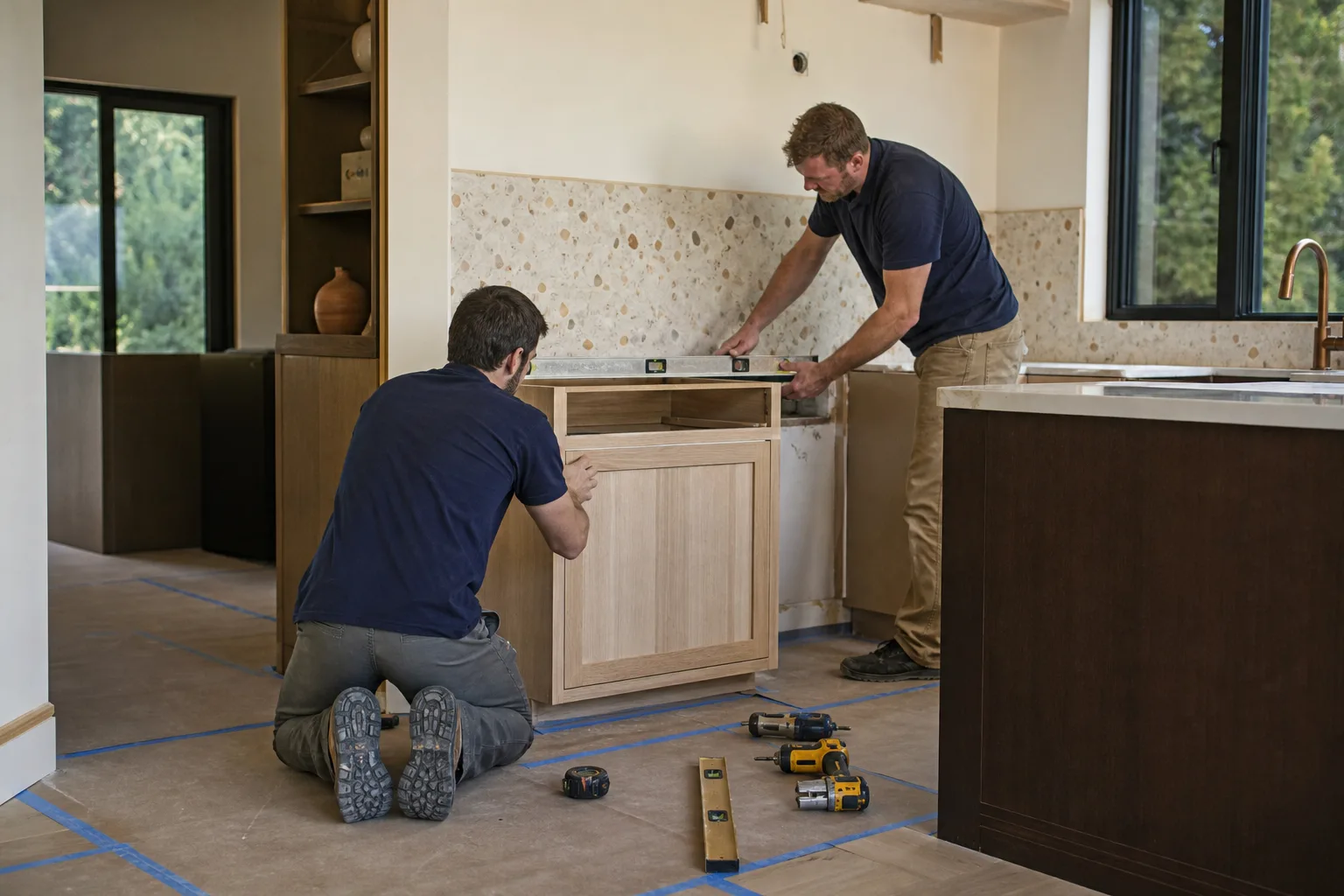
Both Look Great on Day One. Westchester Kitchens Test Them by Year Five.
Here’s the problem we see constantly. A homeowner picks a beautiful granite slab, it performs perfectly for a year, then the sealing gets skipped. In a Westchester kitchen where humidity hovers near 80% most of the year, that unsealed stone starts absorbing things you’d rather it didn’t: mango juice, lime and citrus acid from tropical fruit prep, cooking moisture, the occasional splash of red wine.
Granite is porous. It needs annual sealing to keep moisture and stains from working into the surface. Skip a year or two and you’ll notice dark patches, especially around the sink and the prep zone where liquid sits longest. Quartz, by contrast, is an engineered composite with resin binders, and Cambria quartz is non-porous. It never needs sealing. In a climate that keeps kitchens warm and humid year-round, that difference compounds.
This is where the generic “quartz vs granite” article usually stops, and where it goes wrong for Westchester specifically. Because these homes are built for the Miami-Dade High-Velocity Hurricane Zone, kitchens here get closed up during storm prep and stay warm and humid inside. An unsealed granite counter in that environment is a sponge with a nice pattern.
Impact Resistance: An Honest Look
Granite can chip or crack at the edges when something heavy lands on it. Quartz distributes impact better because of its resin binders and is less prone to edge chipping. If your household preps large cuts of meat, uses heavy cast iron regularly, or sets down a full stockpot with some force, that edge durability matters over a decade of daily use.
Neither material is indestructible. A dropped cast-iron skillet onto either surface at the wrong angle can leave a mark. But for the everyday bumps of a busy Westchester kitchen, quartz holds its edges better, and in a home where counters double as landing zones during storm prep, that’s a real advantage.
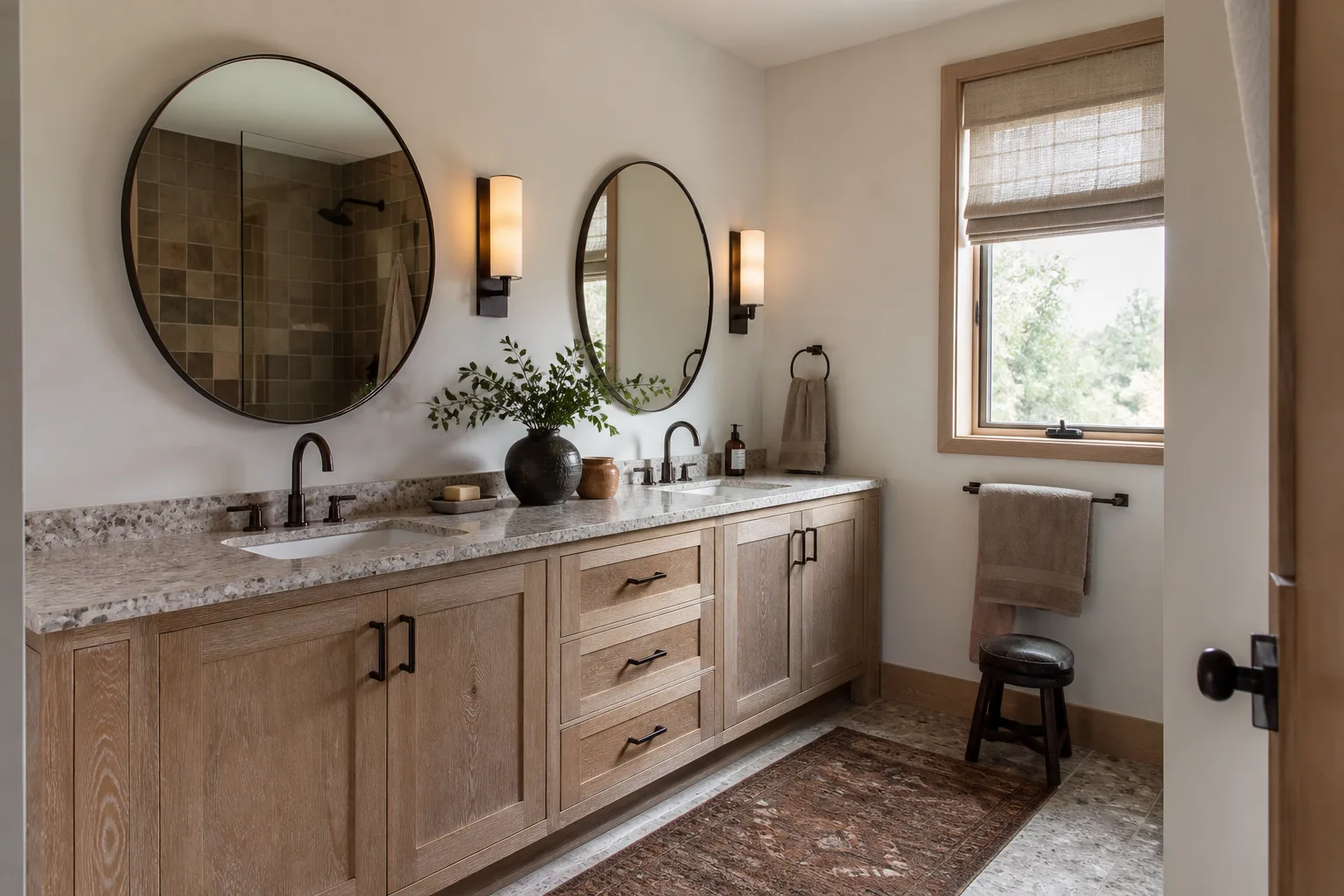
Where Granite Wins, Honestly
Natural stone has variation and depth that quartz, even premium Cambria, approximates rather than replicates. If you want a slab that no neighbor will ever match, with the movement and character only millions of years of geology can produce, granite is the right call. We won’t talk you out of it. We’ll seal it properly and tell you what the annual maintenance looks like.
For most Westchester homeowners weighing the two, though, the everyday performance argument points to quartz. The aesthetics argument, for a certain kind of buyer, points to granite.
Why Cambria Quartz Specifically
Cambria is a family-owned American manufacturer with a lifetime warranty on material defects, and it’s on Groundwork Construction Co. of Westchester’s curated brand list. That matters because you get two layers of protection: the manufacturer’s lifetime warranty on the material, and our 730-Day Done Right Promise on the installation. If something goes wrong with the workmanship, we make it right. A lesser quartz brand can’t offer that double-warranty setup.
We pair Cambria with KraftMaid cabinetry so the counter and cabinet fit are coordinated in one scope, which is the difference between a smooth install and a callback. Full-scope kitchen work is one of our core service lines, and countertops live inside a budget that typically runs $14,000-$45,000 for a full Westchester kitchen remodel, with countertop installation alone landing at $2,000-$6,500.
What Does the Quartz vs Granite Price Difference Actually Look Like?
Installed Cambria quartz runs $80-$120 per square foot. Comparable mid-grade granite runs $55-$90 per square foot. The gap is real, but it narrows once you factor in sealing maintenance and potential repair labor over ten years.
| Item | Cambria Quartz | Mid-Grade Granite |
|---|---|---|
| Installed cost per sq ft | $80-$120 | $55-$90 |
| Annual sealing required | Never | Yes, every year |
| Porosity in humid Miami-Dade kitchens | Non-porous | Porous when unsealed |
| Edge chip resistance | Higher (resin binders) | Lower |
| Slab uniqueness | Patterned, repeatable | Genuinely unique |
| Material warranty | Lifetime (Cambria) | Varies by fabricator |
| Workmanship coverage | 730-Day Done Right Promise | 730-Day Done Right Promise |
On a typical 40-square-foot island and perimeter run, that per-square-foot gap works out to roughly $1,000-$1,200 more for Cambria up front. Over a decade of sealing your own granite (or paying someone to do it) plus the risk of a stain you can’t lift, the two come closer than the sticker price suggests.
Common Westchester Scenarios We Walk Into
These come up again and again in this part of unincorporated Miami-Dade, and they push the decision in predictable directions:
- 1960s-80s concrete-block ranch with original counters. The kitchen is being remodeled for the first time in decades. Everything is being replaced at once, so the counter decision gets made alongside cabinets and backsplash. Cambria plus KraftMaid keeps the whole scope coordinated.
- Frequent tropical-fruit prep. If mango, lime, and citrus are daily fixtures, an unsealed granite counter will show it within a couple of years. Quartz won’t absorb the juice or the acid.
- Closed-up kitchens during storm prep. Westchester’s HVHZ requirements mean homes get buttoned up for hurricanes. Quartz doesn’t care about the warm, humid indoor environment that follows.
- Infill replacement homes going up larger. New two-story builds often want a slab that looks custom at scale. Granite’s natural variation earns its keep here.
- Older lath-to-drywall upgrades mid-remodel. When the walls are being brought up to modern drywall in a 1970s home, the counter decision rides along with the bigger scope.
How Does Permitting Affect Your Countertop Project?
Westchester is unincorporated Miami-Dade, so there’s no standalone city hall to pull a permit from. Countertop swaps generally don’t trigger a structural permit, but when the work is part of a larger kitchen remodel or an addition, the whole scope runs through Miami-Dade County’s e-permitting system, and inspections follow county rules. Our estimating process accounts for that up front, which is part of why our pricing is the number you see, not a moving target. If you want to plan an addition or pre-wiring alongside kitchen upgrades, our Home Additions & ADU team coordinates with the same county process.
Frequently Asked Questions
For most Westchester kitchens, quartz is the better choice because it’s non-porous, never needs sealing, and handles the area’s high humidity and heavy tropical-fruit prep without staining. Granite remains the right pick if you want a genuinely unique natural slab and don’t mind annual sealing. We install both, and we’ll help you match the material to how your household actually cooks. Call (833) 630-4214 for a free estimate.
Installed Cambria quartz runs $80-$120 per square foot in the Westchester market, with a typical countertop installation project landing between $2,000 and $6,500 depending on square footage and edge profile. Granite for comparable mid-grade slabs runs $55-$90 per square foot. Call (833) 630-4214 for an exact quote; estimates are free.
Yes, granite should be sealed annually, especially in Miami-Dade’s humid climate where unsealed stone absorbs moisture, citrus acid, and juice. Skip it and you’ll see staining around the sink and prep zone. Quartz, particularly Cambria, is non-porous and never requires sealing. If you’re weighing a swap, call (833) 630-4214.
Quartz generally resists edge chipping better than granite because its resin binders distribute impact, while granite can chip or crack at the edges from a heavy object. Both handle everyday kitchen use, but in a household with frequent cast-iron cooking or large meat prep, quartz has the edge. For an honest durability walkthrough on your specific layout, call (833) 630-4214.
Start With an Honest Conversation
If you’d rather have it looked at than guess from a comparison chart, Groundwork Construction Co. of Westchester offers a no-pressure assessment in Westchester. We’ll walk your kitchen, talk through how you actually cook, and lay out the quartz-vs-granite tradeoff in plain numbers. Call (833) 630-4214 for a free estimate and design consult.
Written by the team at Groundwork Construction Co. of Westchester, serving Westchester, FL.