

Free written scope consultation - allowances, timeline, and change-order rules on paper before a single trade is scheduled
Styles & brands we work with
- Kitchen remodeling
- Bathroom remodeling
- Home additions & ADU
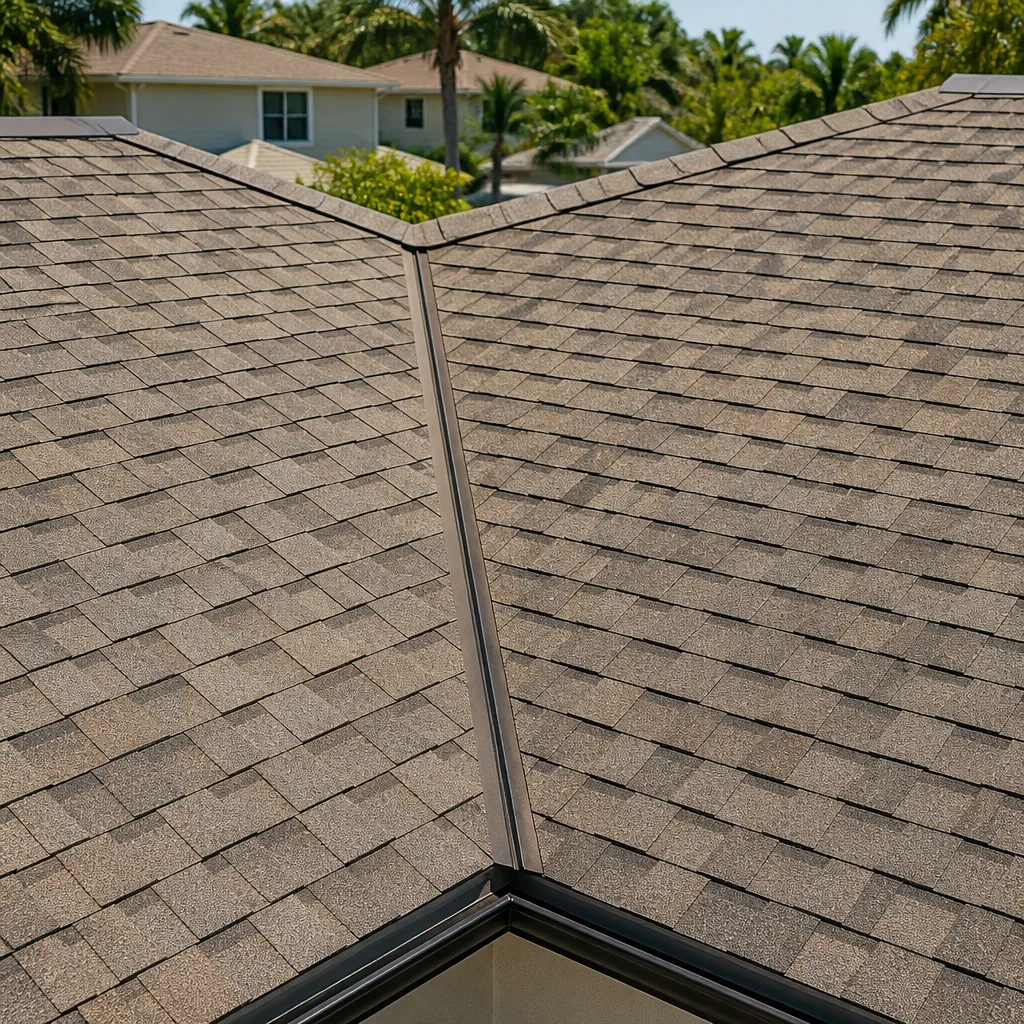
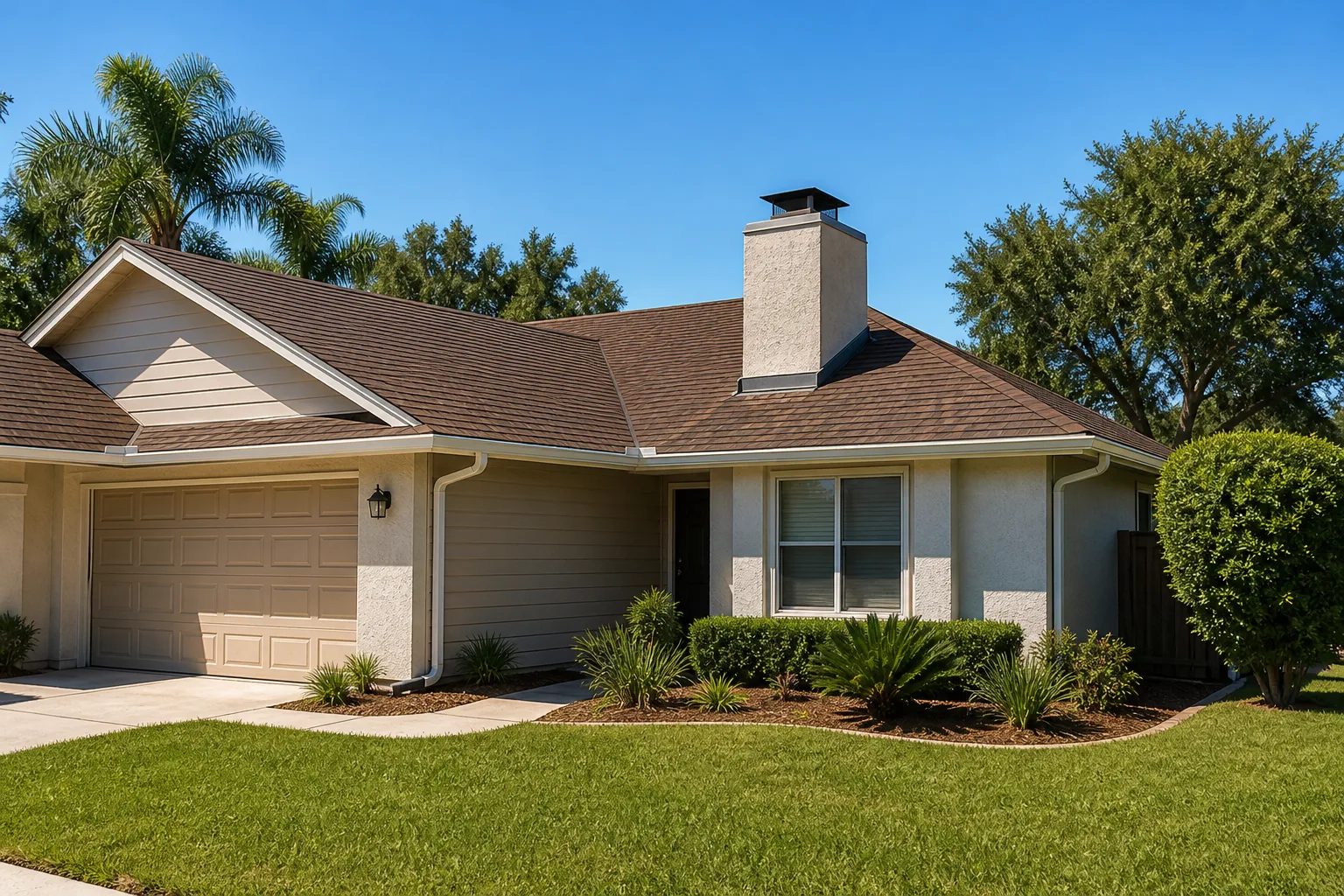
- Roofing
- Windows & doors
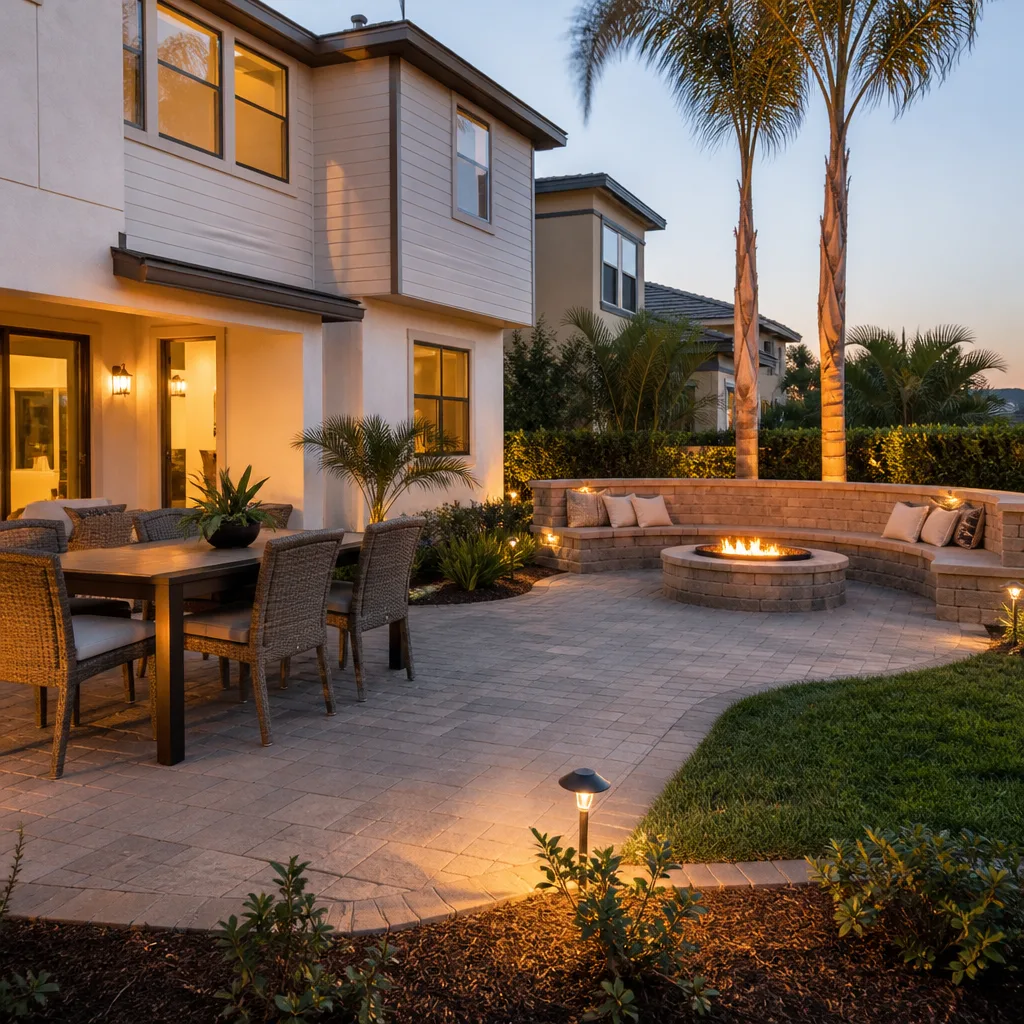
- Driveway & pavers
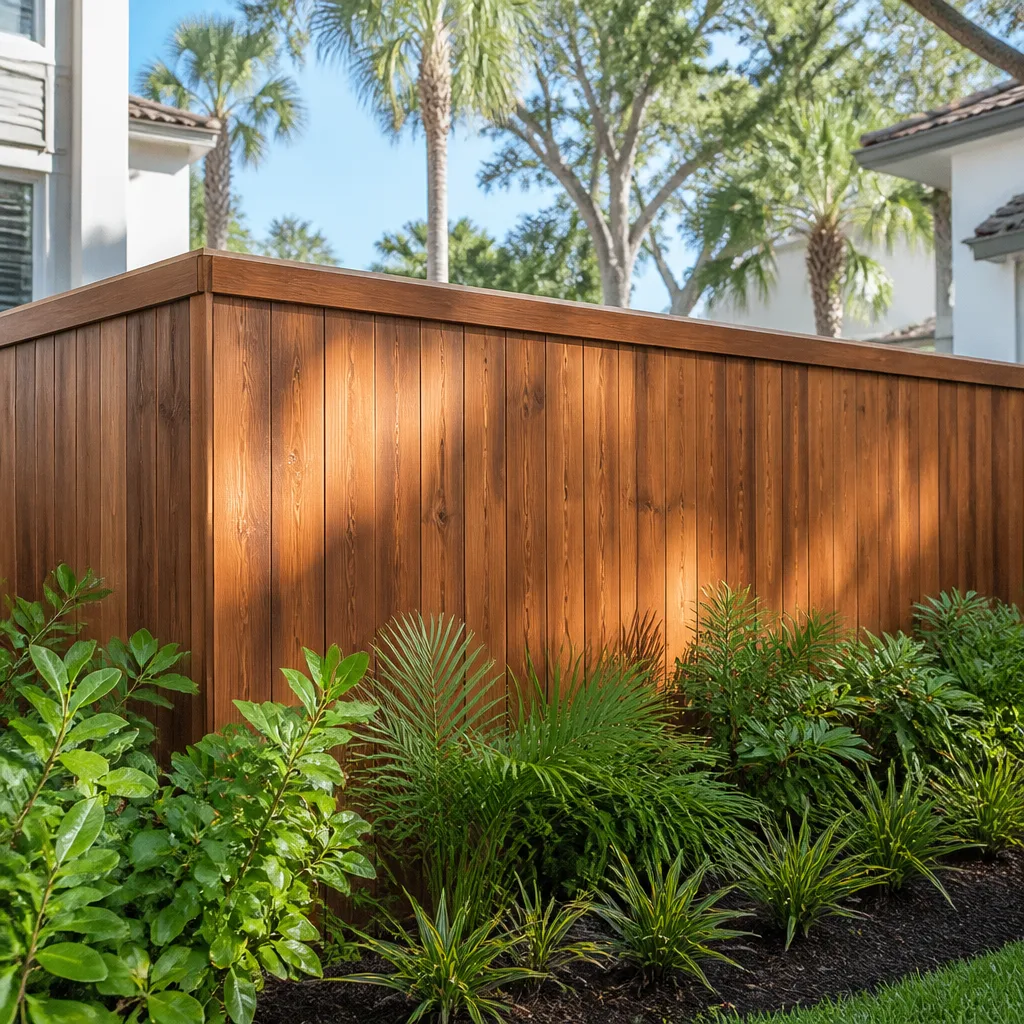
- Fence
See the difference
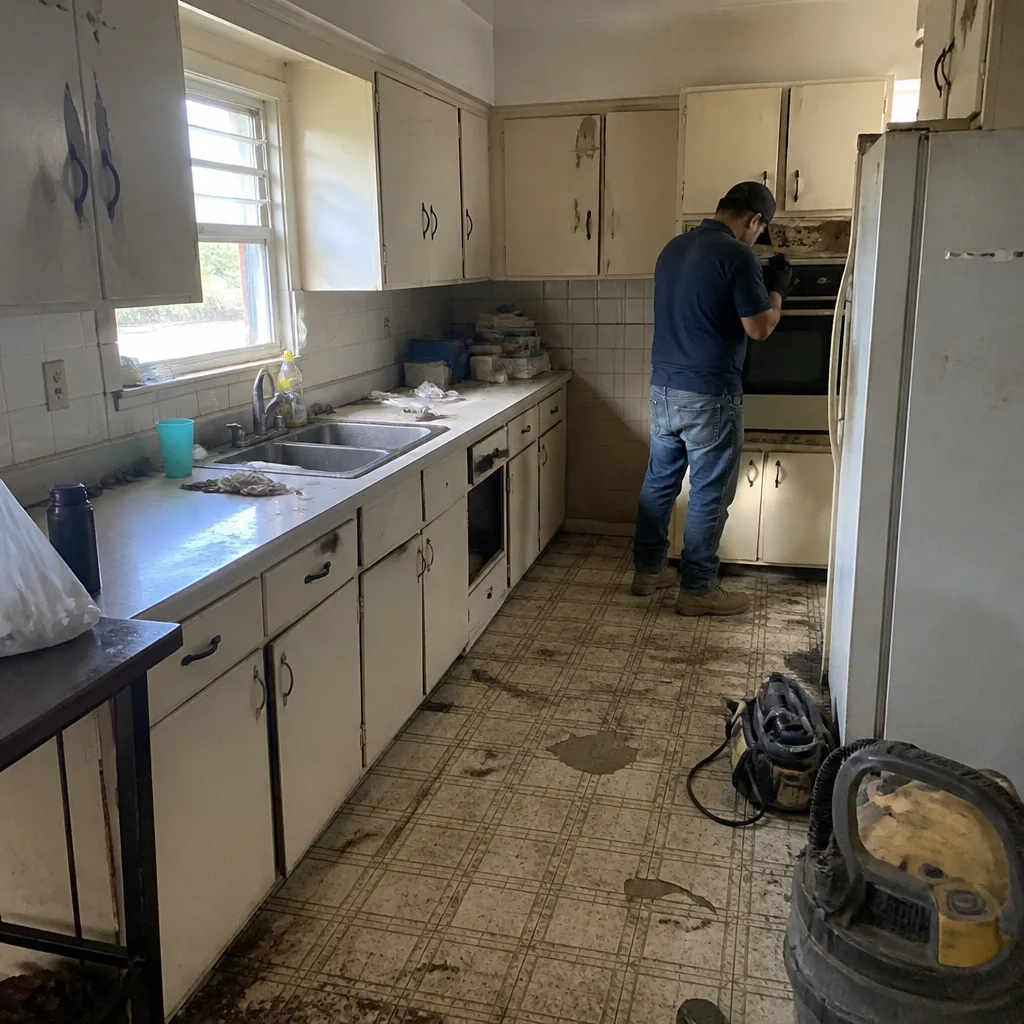 Before
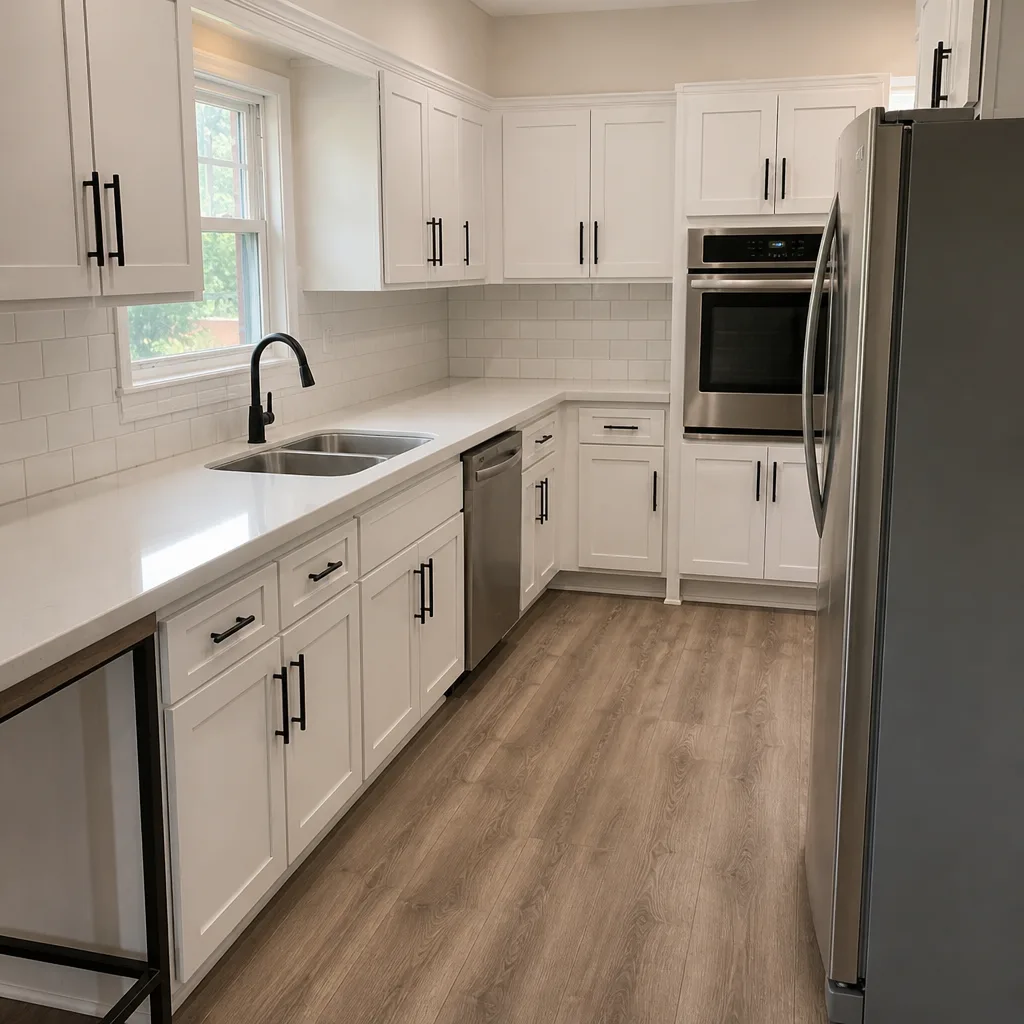 After
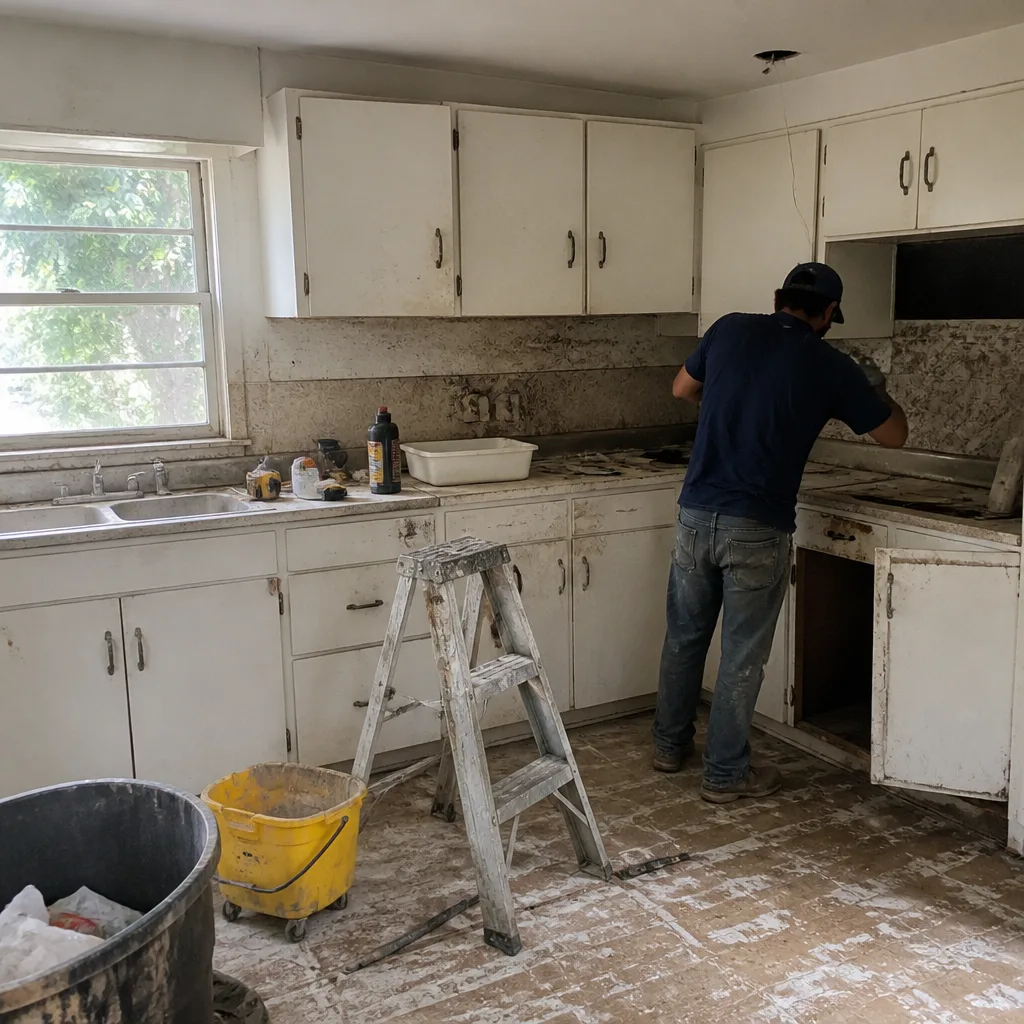 Before
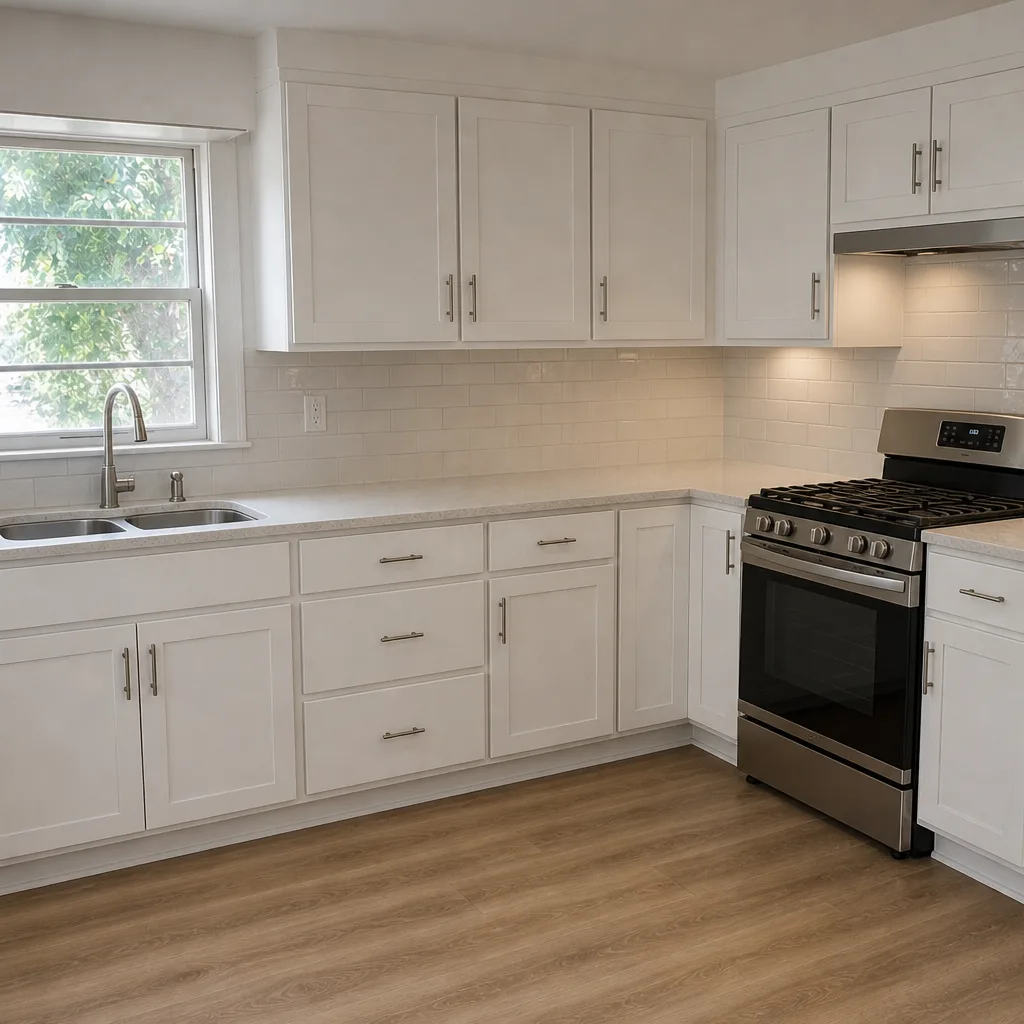 After
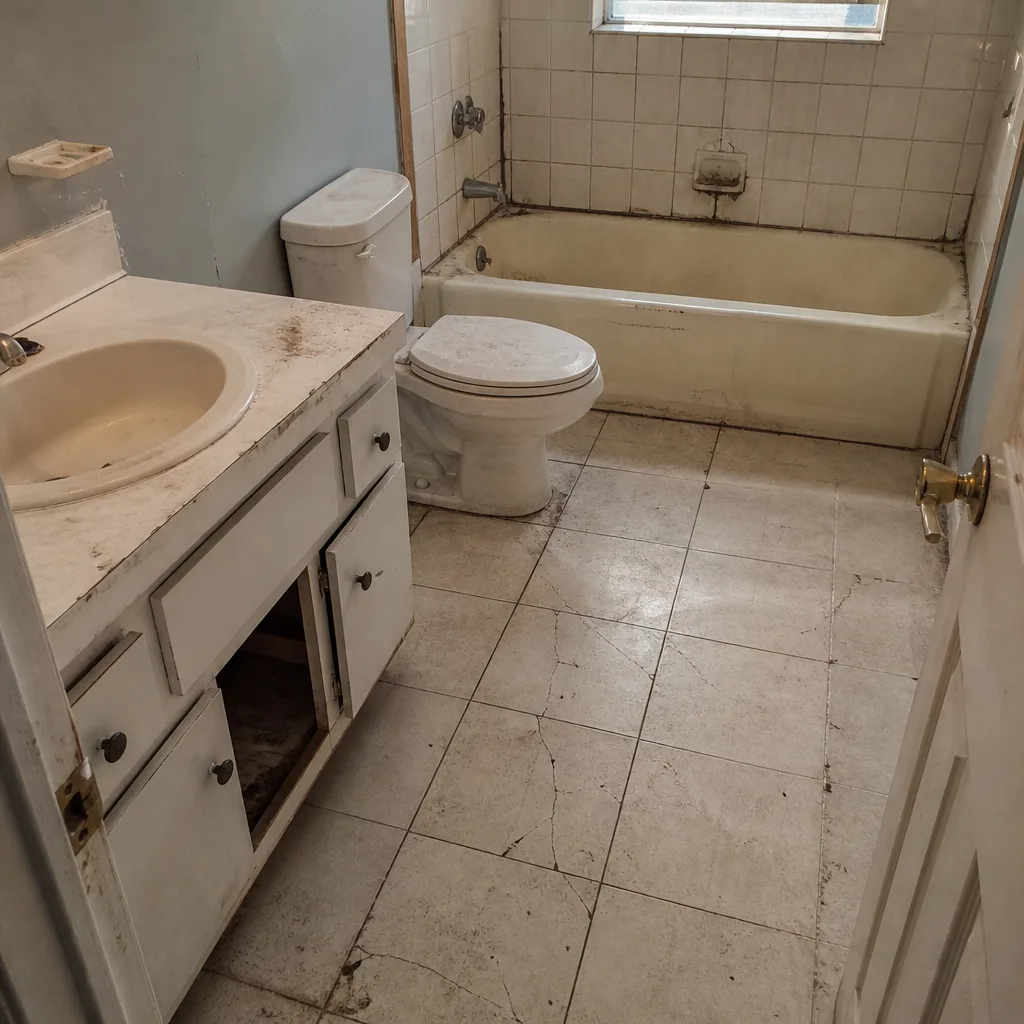 Before
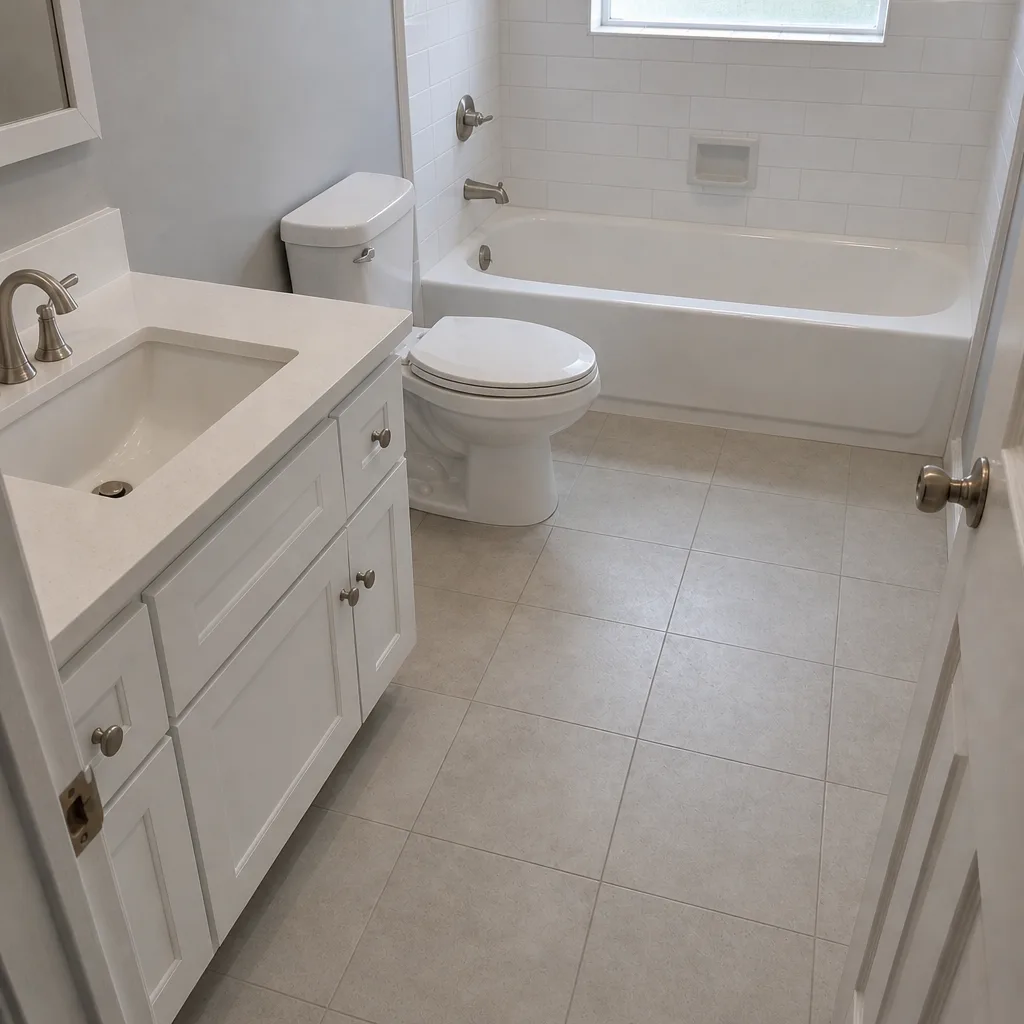 After
Signs You Need a New Roof in Westchester, FL: What Local Roofs Actually Fail On
On a Westchester home, the most reliable signs you need a new roof are usually hidden: separated or corroded hurricane straps at the roof-to-wall connection, cracked mortar lines on barrel tile, blistering on flat modified bitumen membranes, and dried-out peel-and-stick underlayment that has quietly passed its service life under an intact-looking surface. A roof can look tight from the curb in March and still leak during an August downpour, because South Florida’s real failure modes don’t show up on a dry-day look-over. If you’ve spotted any of them, or you’re not sure, call (833) 630-4214 and we’ll document what we find on-site, in writing.
This isn’t a generic checklist. Westchester sits in unincorporated Miami-Dade, inside the High-Velocity Hurricane Zone, where roofs are held to a different standard than most of the country. Here’s how that changes what you should watch for.
The Westchester Signs That Matter More Than Curling Shingles
National roof articles tell you to look for missing shingles, granule loss, and daylight in the attic. Those are real, but most Westchester roofs aren’t shingle roofs. The local housing stock runs heavily to 1960s through 1980s concrete-block homes with stucco walls, barrel or flat tile, and low-slope or flat sections. That construction fails differently, and the warning signs live in places a homeowner rarely climbs to see.
1. Exposed or corroded hurricane strap connections
HVHZ code requires roof-to-wall and roof-to-deck connections held by straps and nailers. Over decades, the metal at those connections can rust through or work loose, and the whole assembly loses the wind resistance the house was built for. You can sometimes catch this from the attic: look for straps that have pulled away, rusted, or no longer wrap the truss the way they should. It’s one of the first things a wind mitigation inspector checks, and one of the first things we document.
2. Cracked mortar on barrel tile
Cracked mortar lines along the ridge and hip of a barrel tile roof are a wind uplift precursor, not just a cosmetic blemish. Once the mortar that holds the tiles in place breaks down, the next major storm can lift tiles and open the roof deck to water. Walk the perimeter after a storm and look up at the ridges. If you see gaps or crumbled mortar along the top lines, that’s a repair conversation, and sometimes a replacement one.
3. Blistering on flat modified bitumen membranes
Westchester’s flat and low-slope sections, especially over additions and carports, are often finished in modified bitumen. South Florida’s heat cycling cooks those membranes from above all day and traps moisture below, and the result shows up as blisters, alligatoring, and split seams. A blistered membrane has lost its factory surface and is already absorbing the next rain. On a flat roof, this is often the first sign the roof is finished.
4. Underlayment that’s older than the tiles on top of it
This is the one most homeowners miss. A 1980s CBS home likely still has its original felt underlayment, and that material has a service life that ends long before the tile above it looks worn. The tile can be perfectly fine while the layer underneath has dried out and lost its ability to shed water. Age of the underlayment is a replacement trigger on its own, regardless of how the surface looks. When we inspect a Westchester roof of that vintage, the question isn’t only “how does the tile look,” it’s “how old is what’s holding it.”
If any of these sound like your roof, our Roofing service page breaks down what a full replacement involves and what we put back underneath.
When the Insurer Sees It First
Miami-Dade-area insurers increasingly require a wind mitigation inspection before renewal, and a roof showing certain failure signs can trigger a mandatory replacement or a non-renewal. The strap corrosion and mortar cracking we just described are exactly the kind of findings that show up in that report. Recognizing the signs before the insurer does gives you time to plan a replacement on your own schedule, with financing and a real quote, instead of scrambling after a non-renewal notice.
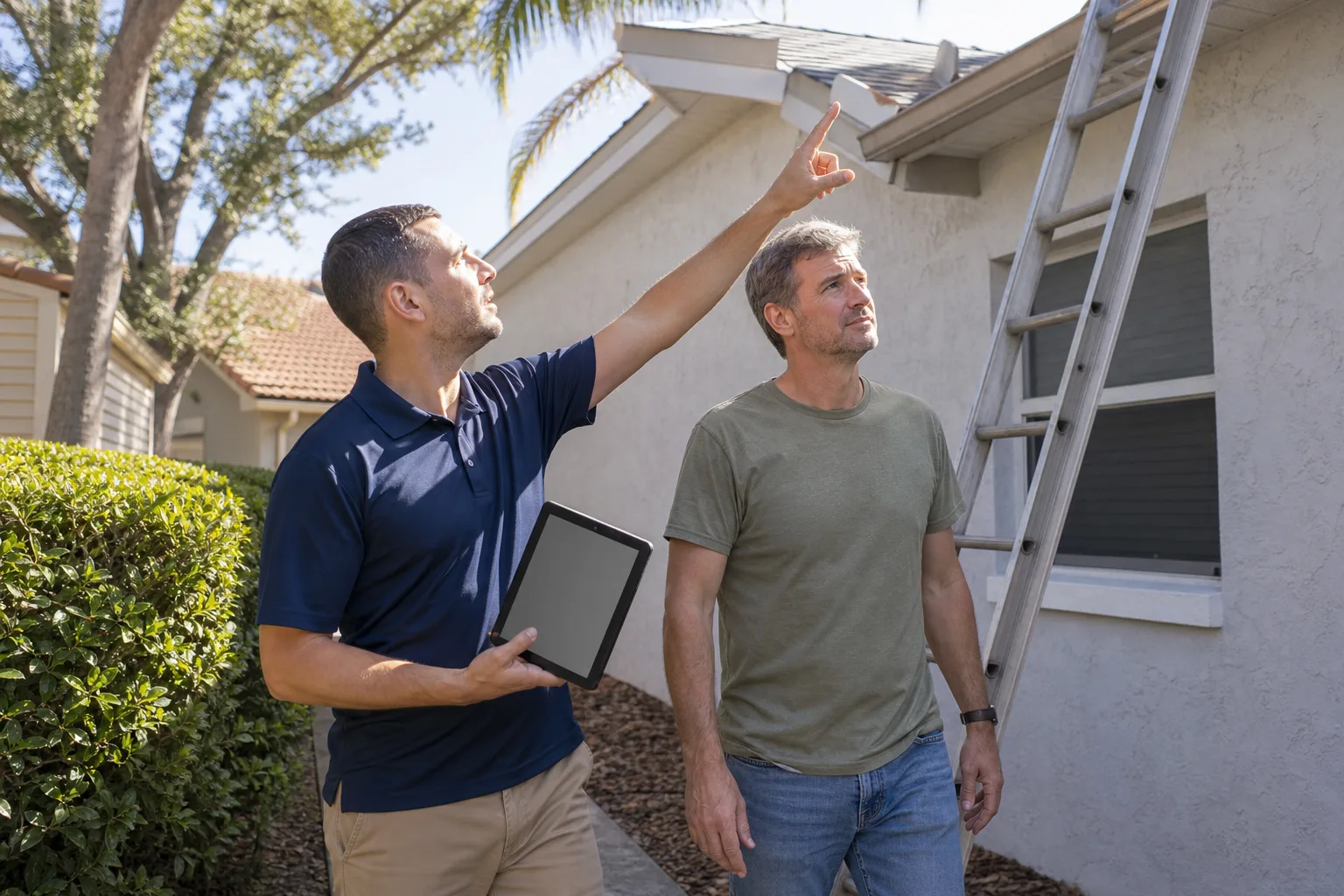
That’s the reason we document findings on-site and in writing rather than giving you a verbal “you need a new roof” with nothing behind it. Our background-checked, uniformed inspectors go up, photograph what they find, and hand you the evidence. That’s the difference between a pitch and a diagnosis.
Common Local Scenarios We Run Into
Most Westchester roof calls fit one of a few patterns. See if yours looks familiar.
- The “it looks fine” 1980s home. Original tiles, original underlayment, no interior stains. The surface passes the eye test, but the waterproofing layer underneath has aged out. This is the most common replacement we recommend, and the hardest for a homeowner to accept because nothing looks wrong.
- The 10 PM ceiling stain after a storm. Wind-driven rain gets past a flashing or eave detail during an active event, and the stain shows up behind the drywall hours later. Our phones are answered by a live person 24/7, so you can call at night and get real guidance on whether it’s urgent or can wait for daylight.
- The flat-roof addition that’s blistering. An older infill addition over a carport or rear room with a short-lived bitumen membrane that’s cooked through. Often repairable, sometimes not.
- The pre-renewal scramble. A wind mitigation inspection flags straps or tile, and the clock starts. We’d rather you spot it months ahead.
Because Westchester is unincorporated, every roof replacement here runs through Miami-Dade County permits via the county’s e-permitting system, with HVHZ product approval documentation on the materials. There’s no city hall sign-off, which means the permit paperwork and the NOA records need to be handled correctly or the job stalls at inspection. Product approval matters on the materials themselves: we work with manufacturers like GAF, Atlas, and Boral precisely because their HVHZ-rated products come with the documentation the county wants to see.
What a Westchester Roof Replacement Costs
Here’s what homeowners in this market actually pay, so you can budget before anyone knocks on your door. These are the ranges we work from, and with our upfront pricing, the number you see is the number you pay.
| Service | Typical Westchester range |
|---|---|
| Roof inspection / minor repair | $400 - $1,800 |
| Tile roof repair | $600 - $2,500 |
| Full roof replacement | $8,000 - $20,000 |
| Metal roof installation | $15,000 - $40,000 |
Two offers make the big number easier to handle: 0% financing for 18 months, and $1,000 off projects over $10,000. Every replacement is covered by our 730-Day Done Right Promise: if it’s not done right, we make it right. That guarantee runs two full years on workmanship, which matters on a roof that has to survive two hurricane seasons before anyone really knows how it’s holding up.
If you’re mapping out a larger project while you’re at it, our team handles the full scope, from foundation to finish line, and you can see the Westchester service area for everything else we cover. Our technicians bring up to 12 years of experience, and Groundwork Construction Co. of Westchester answers the phone with a live person around the clock.
FAQs
If the damage is isolated (a few cracked ridge tiles, a single blister, one flashing leak), repair is usually the answer, and tile roof repair typically runs $600 to $2,500. If the problem is the underlayment, widespread strap corrosion, or a membrane that’s blistered across the whole flat section, replacement is the honest call. A documented inspection tells you which one you’re in, and we hand you the findings in writing.
There’s no single number, but a 1980s CBS home with original felt underlayment is very likely past its service life regardless of how the surface looks. The underlayment ages out before the tile above it shows wear, so on a 40-year-old roof with original materials, age itself is a replacement trigger. Call (833) 630-4214 and we’ll tell you what shape yours is actually in.
They can. Miami-Dade-area insurers increasingly require a wind mitigation inspection before renewal, and a roof showing failed straps or cracked tile mortar can trigger a mandatory replacement or a non-renewal. Spotting the signs first lets you plan the work on your terms instead of reacting to a notice. An inspection now is cheaper than a scramble later.
Yes. A storm stain at 10 PM gets real guidance from a live person when you call, not a voicemail. We’ll help you decide whether it’s urgent, walk you through what to watch overnight, and get an inspector out to document it in writing. Estimates are free, so there’s no reason to wait until Monday.
Get It Looked At Before the Next Storm
If you’d rather have it looked at instead of guessing from the ground, Groundwork Construction Co. of Westchester offers a no-pressure roof assessment in Westchester. We go up, document what we find, and put it in writing so you can decide with the facts in hand. Call (833) 630-4214 for a free estimate.
Written by the team at Groundwork Construction Co. of Westchester, serving Westchester, FL.