


Free written scope consultation - allowances, timeline, and change-order rules on paper before a single trade is scheduled
Styles & brands we work with
- Kitchen remodeling
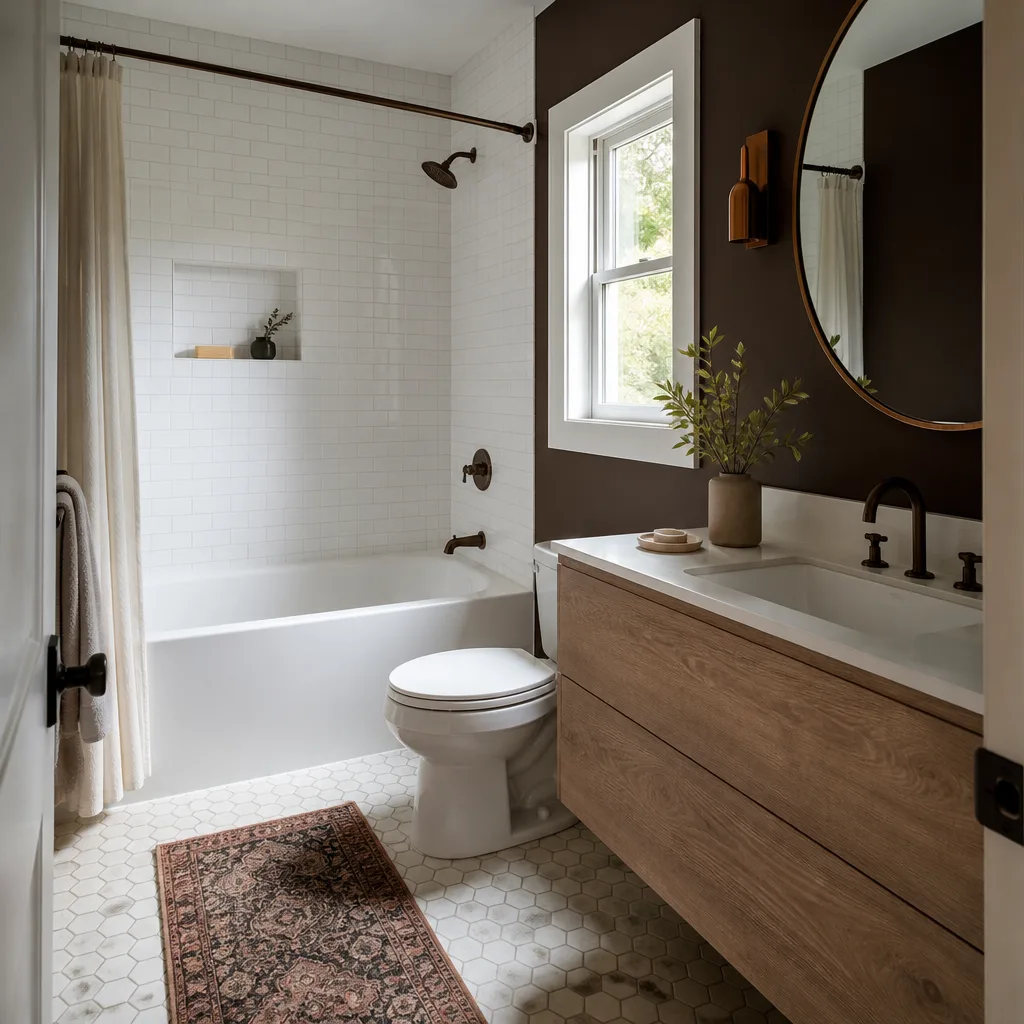
- Bathroom remodeling
- Home additions & ADU
- Roofing
- Windows & doors
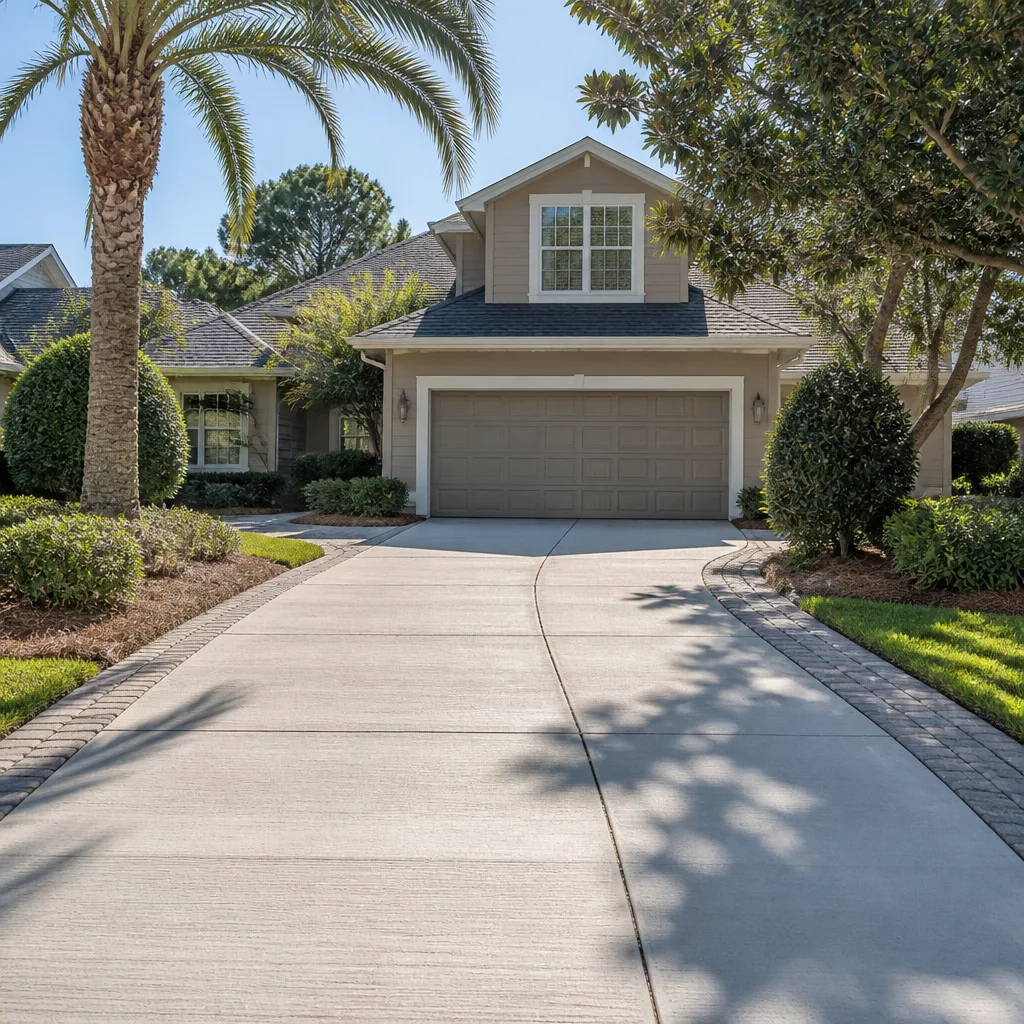
- Driveway & pavers
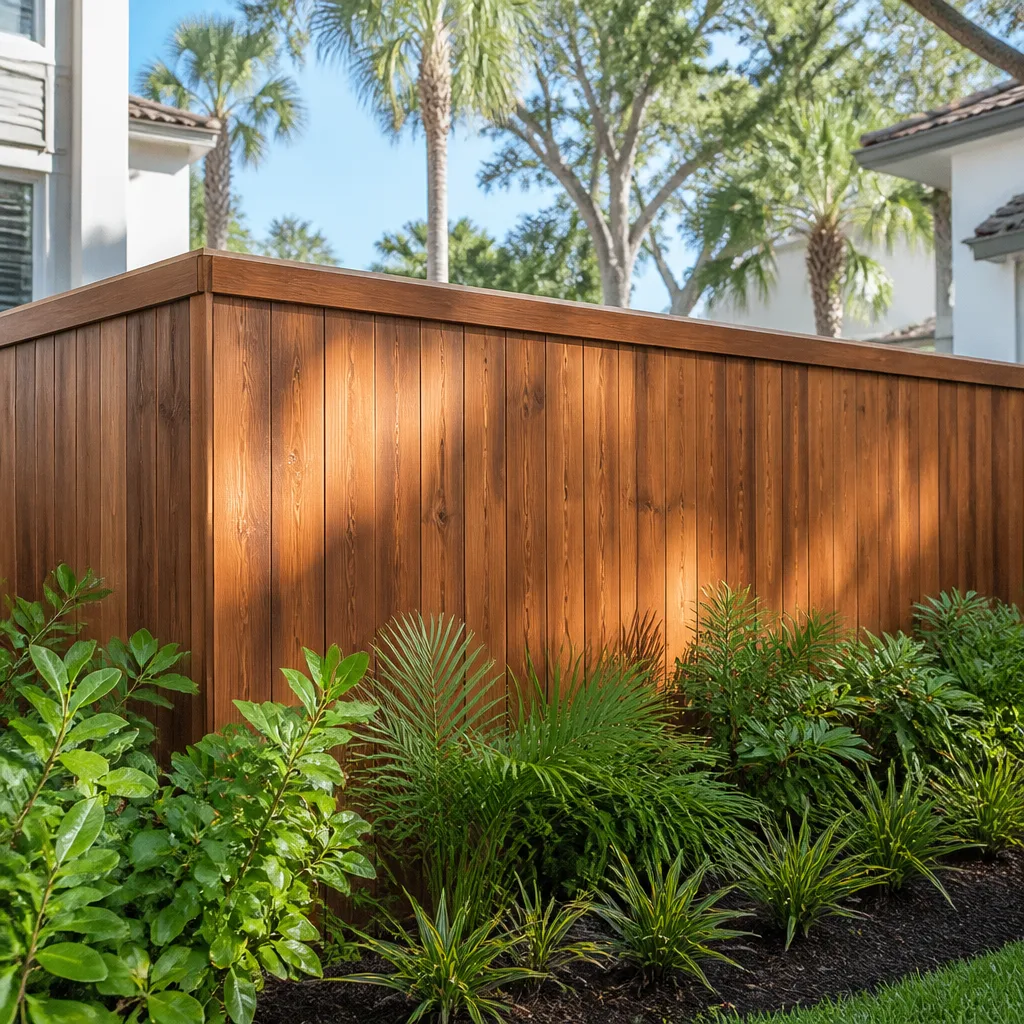
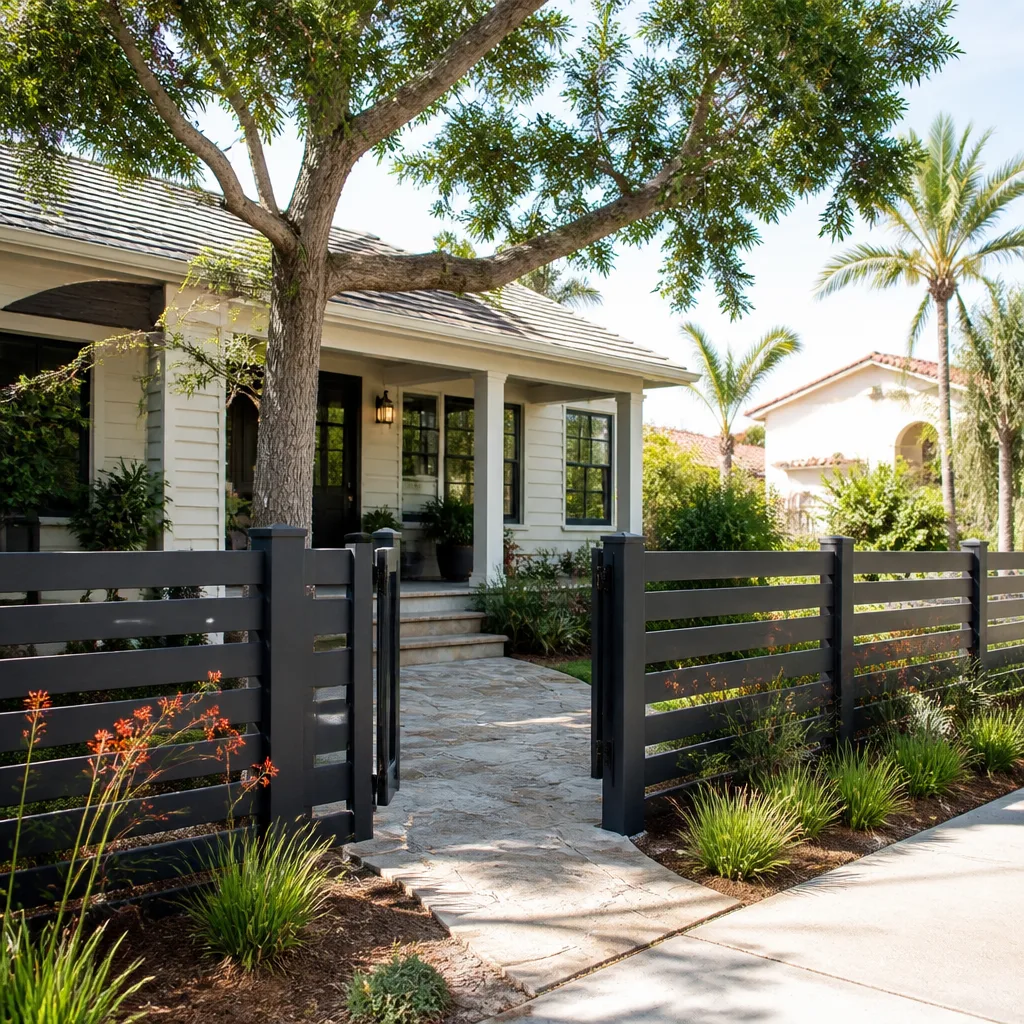
- Fence
See the difference
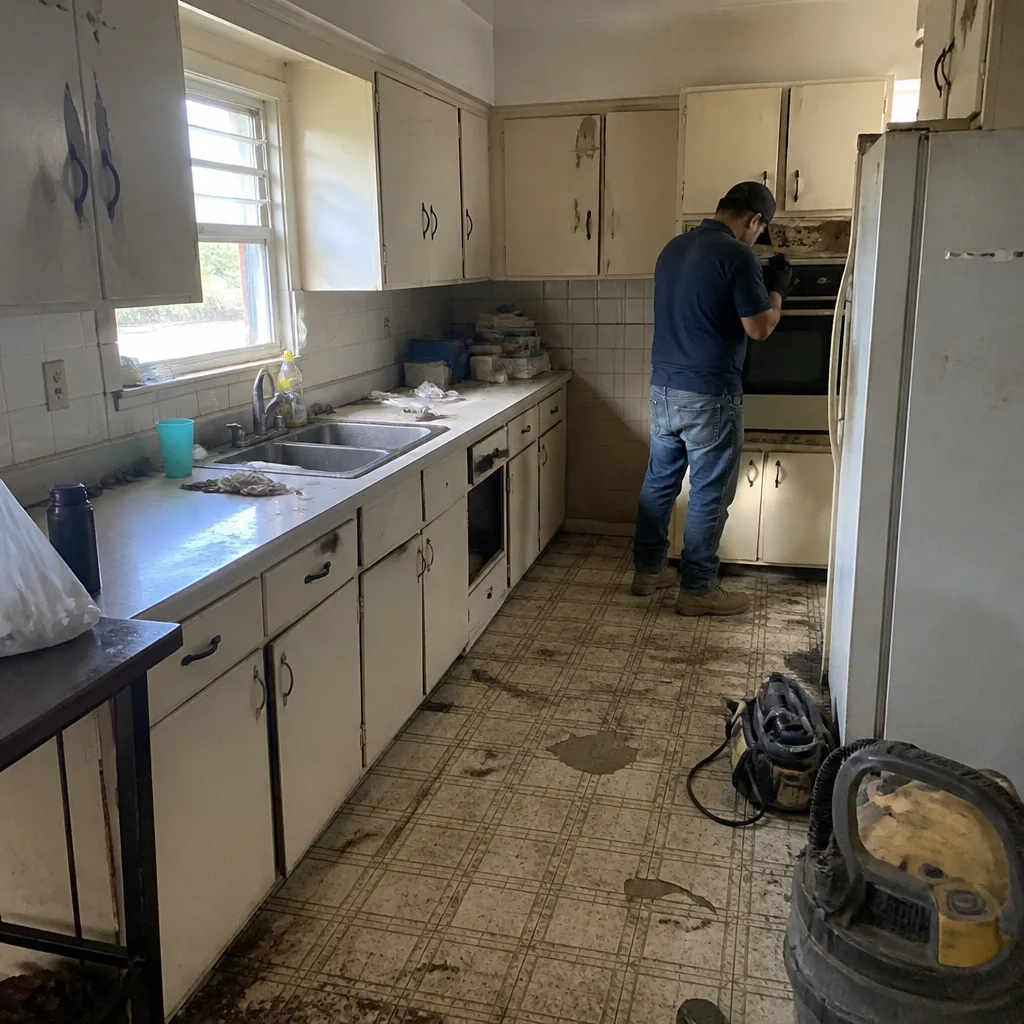 Before
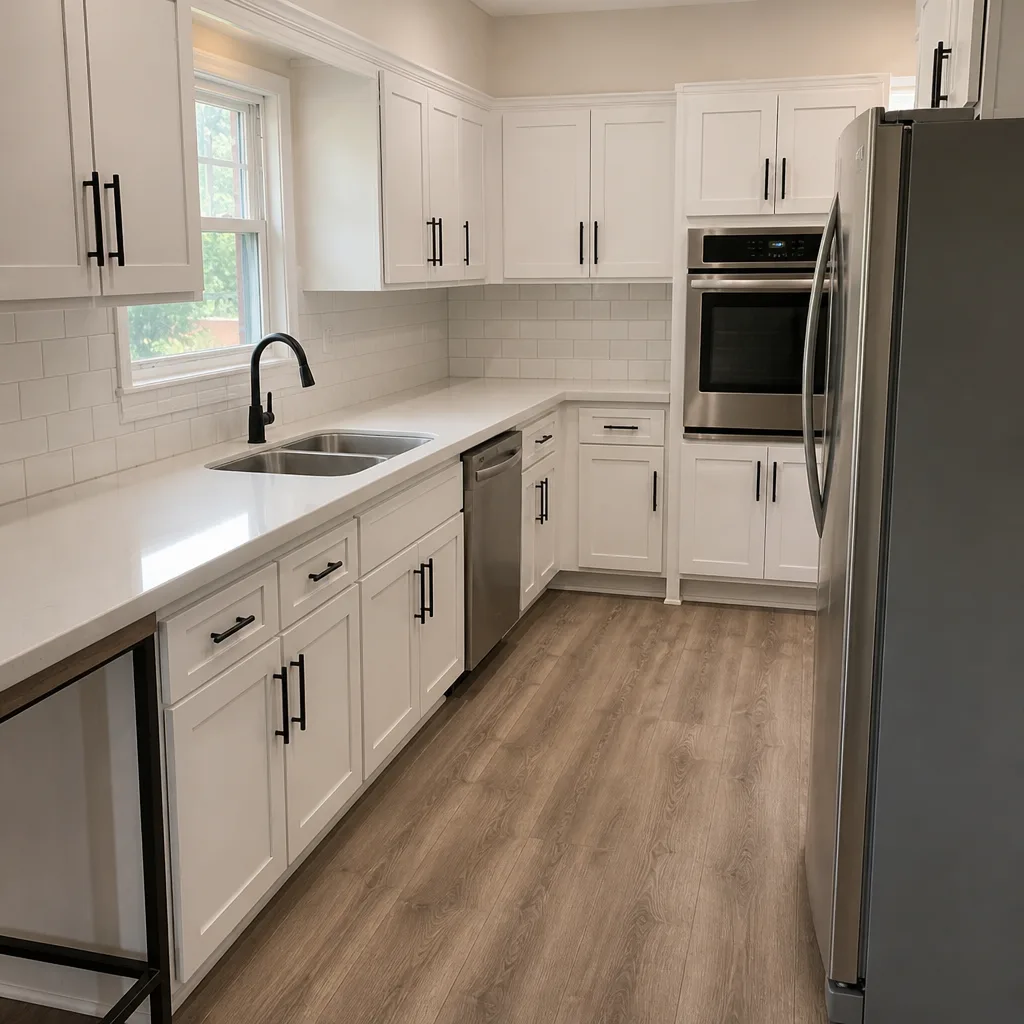 After
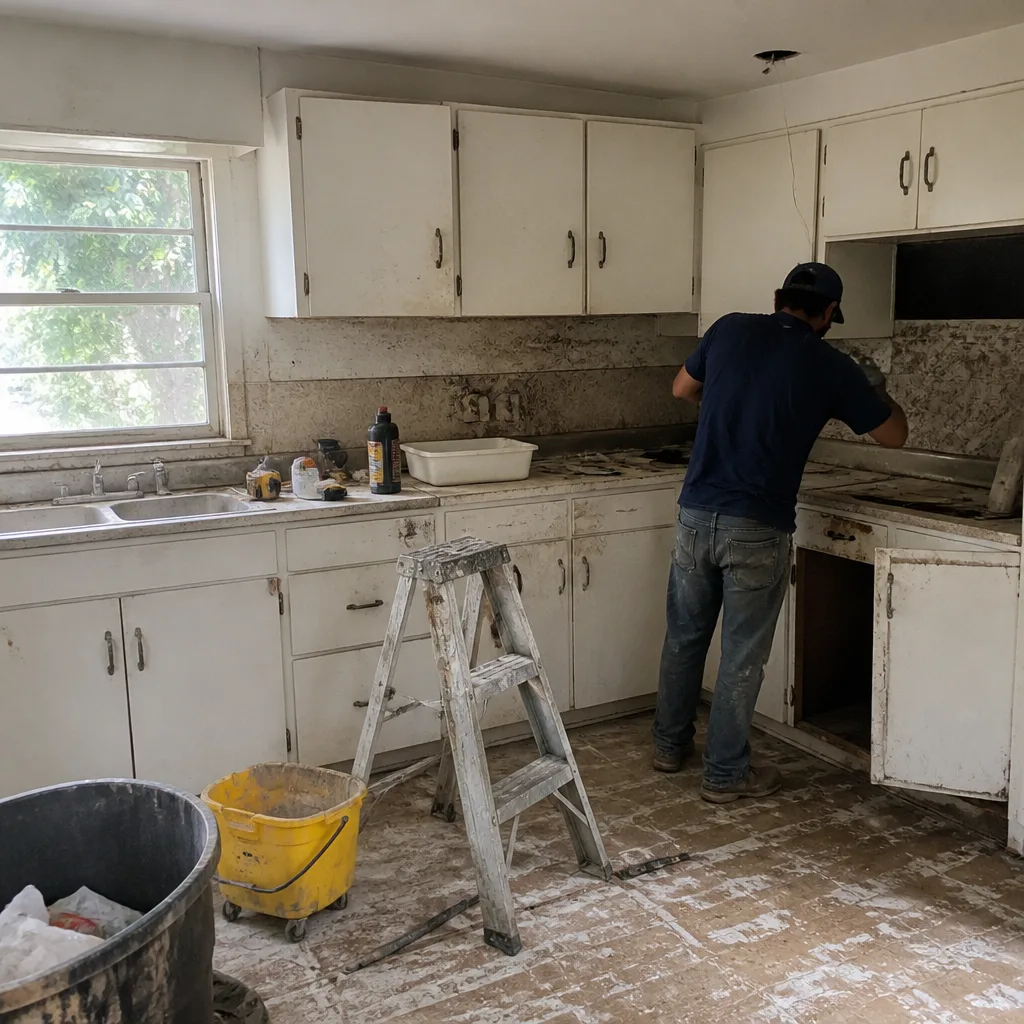 Before
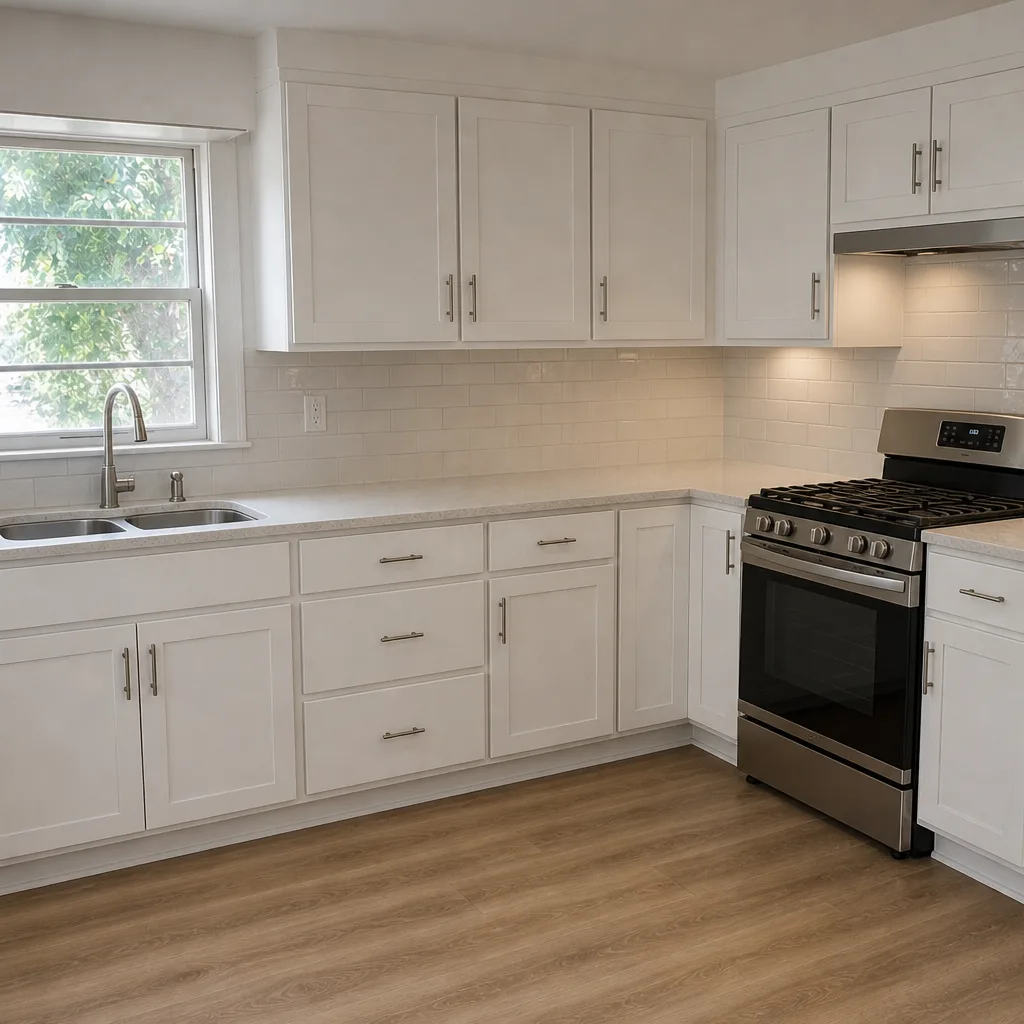 After
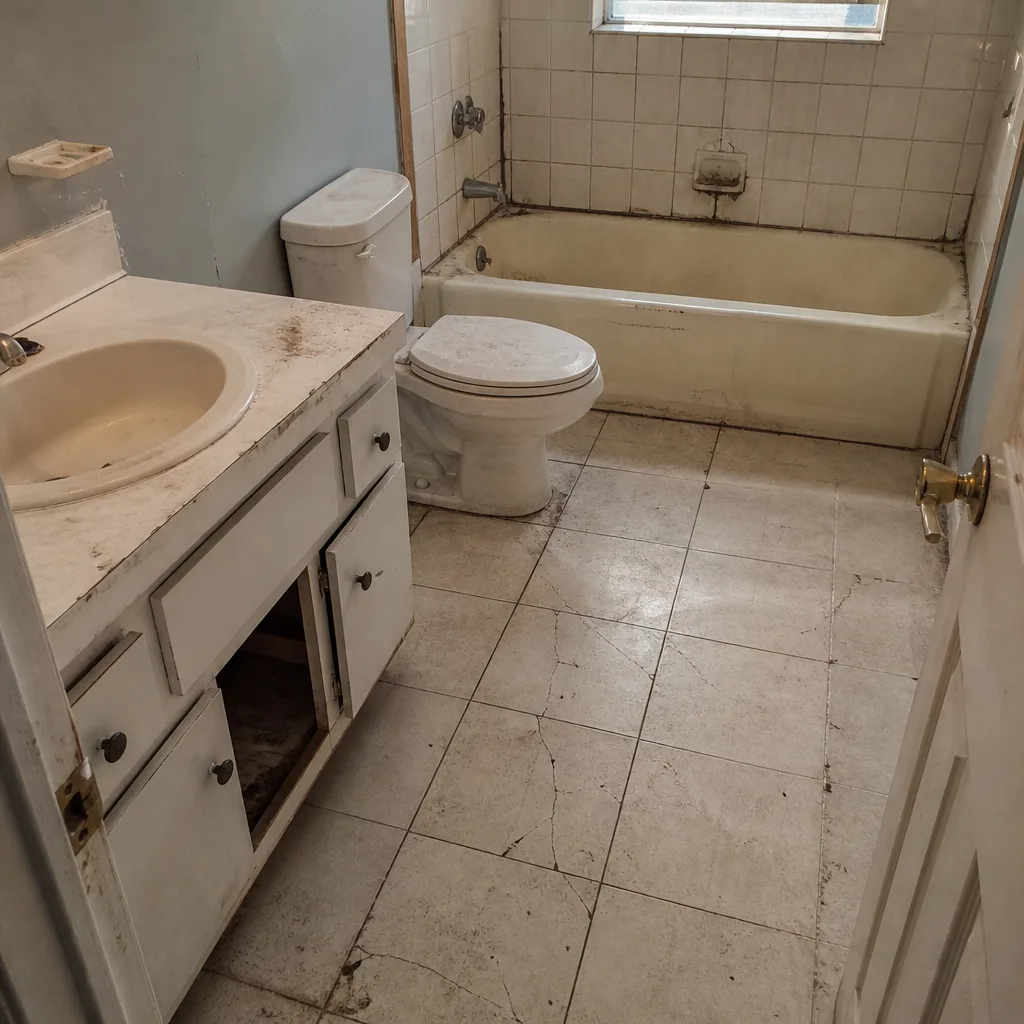 Before
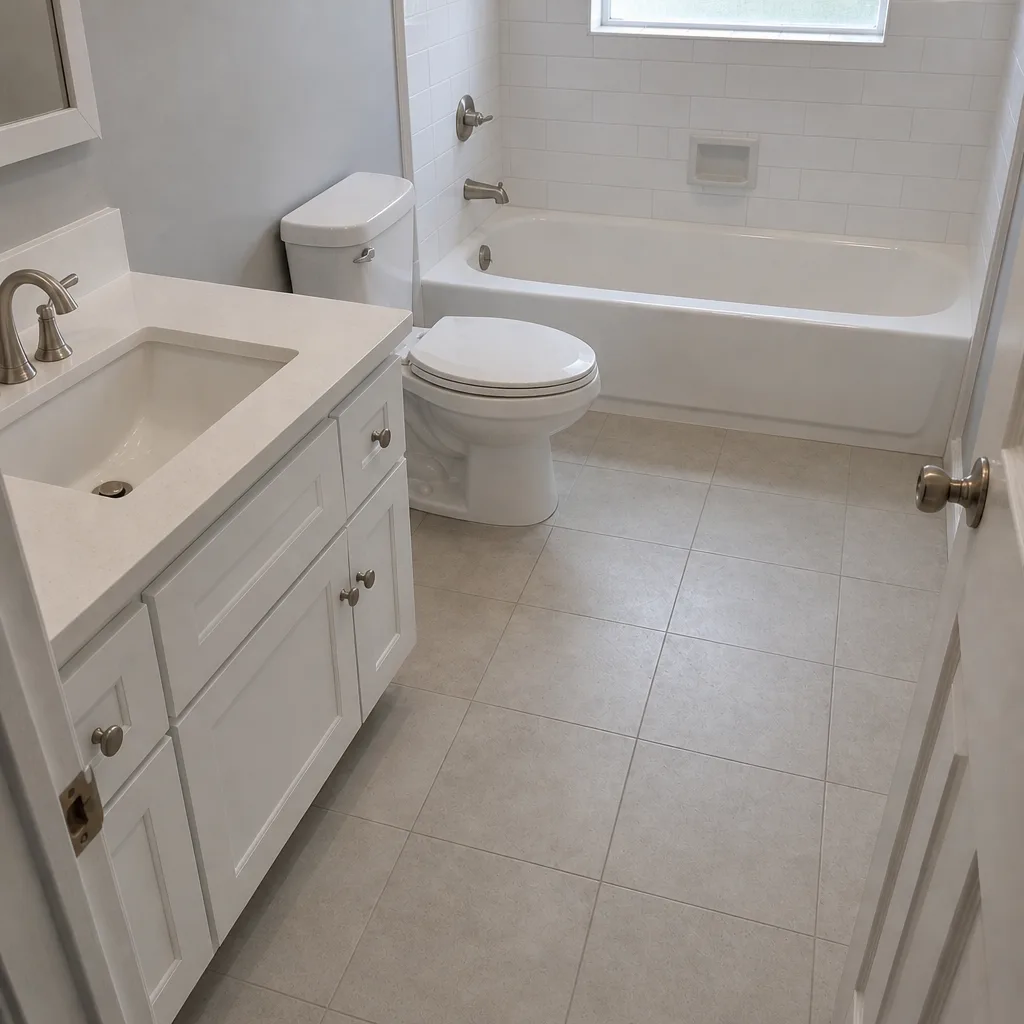 After
Vinyl vs Aluminum Fence in Westchester, FL: Which One Survives a Hurricane Better?
Choose aluminum if your Westchester fence line runs near a driveway, borders a pool, or takes incidental vehicle contact; choose vinyl if you want a solid privacy screen at the lowest installed cost and your fence sits back from paved surfaces. Both are HVHZ-compliant when installed correctly, but they fail in fundamentally different ways under Miami-Dade wind loads. The real question isn’t which is maintenance-free – it’s whether your fence flexes and survives or holds rigid and shears. Call (833) 630-4214 and we’ll walk your property line and tell you which material fits the site.
Westchester sits in unincorporated Miami-Dade, which means every fence here goes through county e-permitting and High-Velocity Hurricane Zone product approval, not a city hall sign-off. That single fact shapes this entire comparison. HVHZ rules govern how your fence anchors, how deep posts bury, and what product approval (NOA) documentation the county demands before an inspector signs off. Vinyl and aluminum meet those rules by different engineering paths.
Key Takeaways
- Vinyl breakaway panels release under extreme wind load to protect posts; aluminum welded frames hold rigid and push stress into the footings.
- Post embedment depth matters more on aluminum than vinyl – it’s the variable that decides whether a rigid fence stays standing.
- Vinyl expands and contracts more than aluminum across Miami-Dade’s 40°F to 100°F+ range; wrong gap spacing causes warping and pop-out.
- Aluminum’s narrow rigid pickets clear pool barrier climb-resistance and latch-height rules more easily than wide vinyl panels.
- Vinyl installed cost runs $3,500-$9,000 here; aluminum runs $4,000-$10,000, and the gap widens when footings are engineered for rigid load.
How Do Vinyl and Aluminum Actually Behave in a Hurricane?
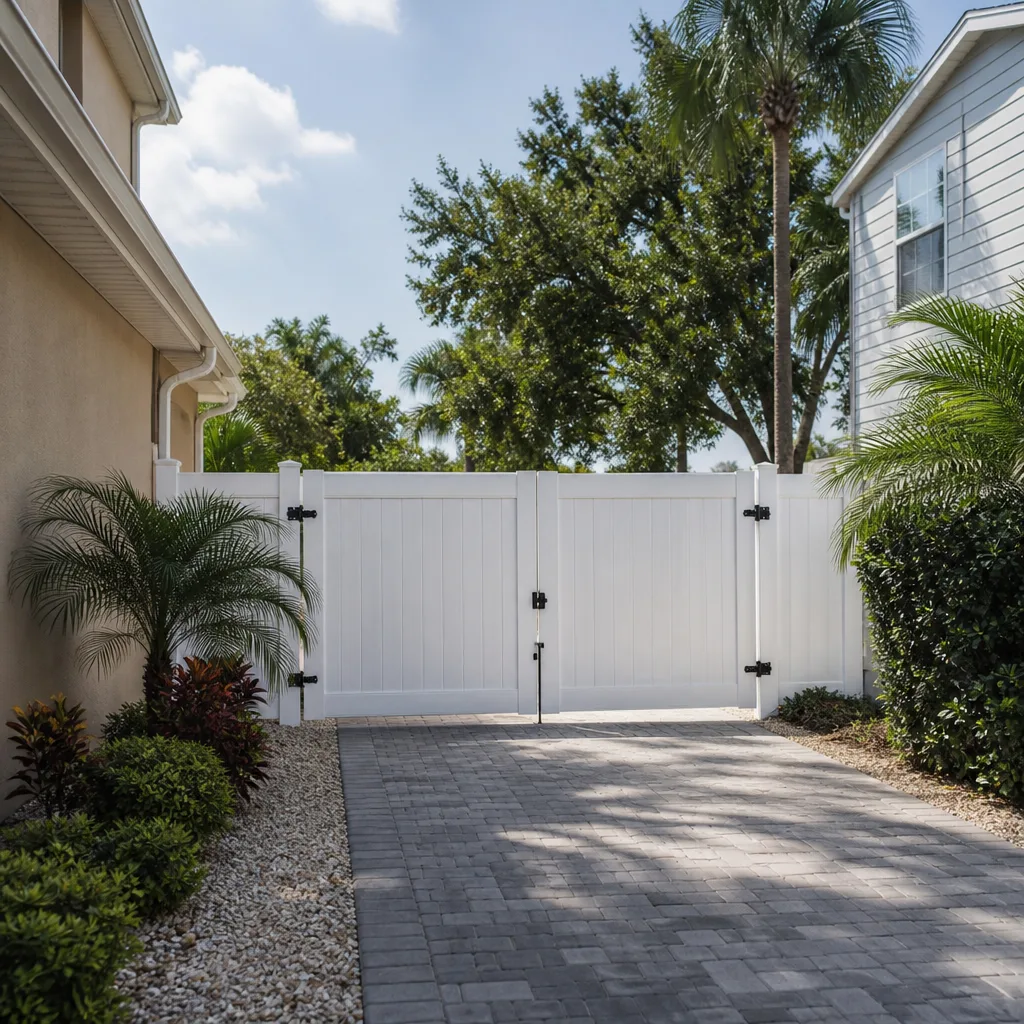
They’re engineered to fail differently, and neither failure is a defect. Vinyl fence systems with breakaway panel inserts are designed to release a panel under extreme wind load. The panel pops out, wind passes through, and the posts stay put. That’s the intent: sacrifice a panel instead of losing the whole run. When we inspect a Westchester vinyl fence after a storm, the typical damage is one or two displaced panels, not a collapsed line.
Aluminum works the opposite way. A rigid welded frame resists deformation, so the wind load travels down through the rails and concentrates at the post-to-footing connection. Aluminum doesn’t pop apart. It transfers the force to the weakest link, which is the concrete footing. If the footing is undersized or the post isn’t buried deep enough, that’s where the failure shows up – a leaning post, a cracked footing collar, a section that pulled loose at the base.
Both materials carry HVHZ product approval. The difference is that vinyl forgives a slightly shallow post. Aluminum does not. That’s why our Fence Installation crews spec footing size and embedment depth per material rather than reusing one detail across both.
What Changes When You Install Either Material in South Florida?
Heat expansion is the detail out-of-state crews miss. Vinyl moves more than aluminum across Miami-Dade’s temperature swing, from cool winter nights near 40°F to summer afternoons past 100°F. Install vinyl with tight tolerances copied from a northern spec and you get visible warping, sagging rails, and panels that pop out of their channels on an ordinary hot day, no hurricane required. We regularly see this on Westchester fences put up by crews who didn’t account for the range. Correct spacing leaves room for the material to move, and it looks intentional once it’s done.
Aluminum moves less, so thermal gaps are a smaller concern. Its weak point is impact. In Westchester’s infill-lot density, fence lines often run close to driveways and paved parking areas, and a car door, a lawn trailer, or a mower deck clips a fence. Aluminum takes that contact and stays standing. Vinyl can crack from a point impact even when it rode out hurricane winds without a problem. If your fence borders a driveway, that’s a real deciding factor.
Pool enclosures are the other common Westchester case. Miami-Dade pool barrier code sets minimum fence heights, gate latch heights, and climb-resistance standards. Aluminum’s rigid, closely spaced pickets typically clear climb-resistance more easily than vinyl’s wider-panel configurations, so when a pool barrier is part of the scope, aluminum usually wins on code compliance alone.
Vinyl or Aluminum: Side-by-Side Comparison
| Factor | Vinyl Fence | Aluminum Fence |
|---|---|---|
| Hurricane wind behavior | Breakaway panels release, posts survive | Rigid frame holds, load transfers to footings |
| Critical install variable | Panel gap spacing for thermal movement | Post embedment depth and footing size |
| Heat expansion | High; needs generous gaps across 40°F-100°F+ | Low; minimal gap allowance |
| Impact resistance | Can crack on point impact | Handles incidental vehicle contact |
| Pool barrier compliance | Possible, harder to meet climb-resistance | Meets climb-resistance more easily |
| Typical installed cost in Westchester | $3,500-$9,000 | $4,000-$10,000 |
| Best fit | Privacy runs set back from pavement | Driveway edges, pool barriers, visible front lines |
What Does a Vinyl or Aluminum Fence Cost in Westchester, FL?
Plan on $3,500-$9,000 for a vinyl fence and $4,000-$10,000 for aluminum, with county permit fees and engineered footings included in both. The spread narrows or widens depending on your site. Aluminum frequently needs larger concrete footings than a vinyl quote assumes, and if a bid leaves that out, the number climbs mid-project. Our upfront pricing puts post depth, footing spec, and permit cost in the line items so the number you see is the number you pay.
- Vinyl fence installation: $3,500-$9,000 – privacy panels with thermal gaps spec’d for South Florida
- Aluminum fence installation: $4,000-$10,000 – rigid welded frames with footings engineered for load transfer
- County permit and HVHZ product approval: folded into the installed price above
Projects over $10,000 qualify for $1,000 off, and 0% financing for 18 months is available if you’d rather spread the cost. Every install is backed by our 730-Day Done Right Promise: if it’s not done right, we make it right. Our technicians have up to 12 years of experience and arrive background-checked and in uniform.
So Which Fence Should You Pick?
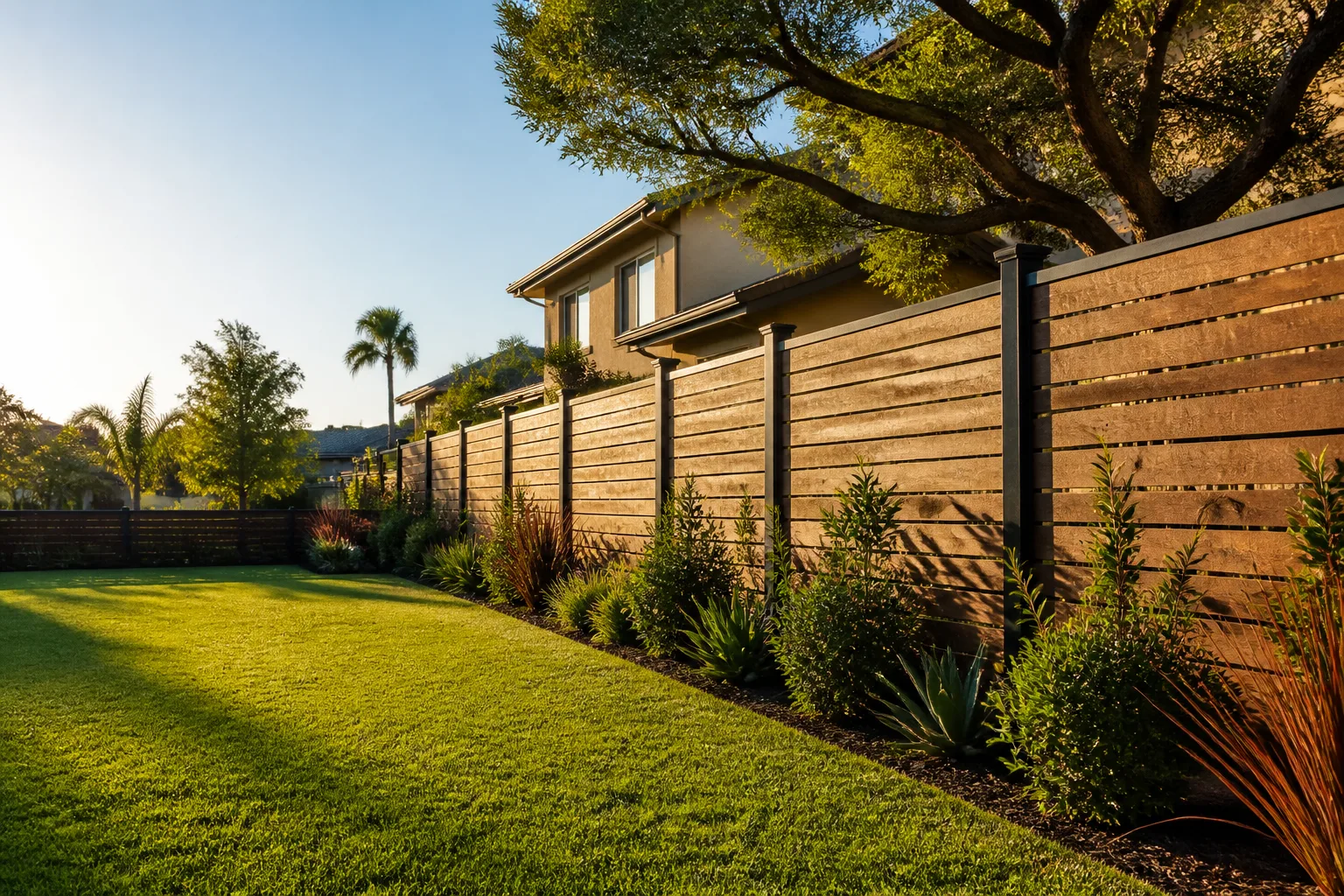
Pick aluminum when the fence borders a driveway or paved surface, when it serves as a pool barrier, or when it fronts the house where rigidity reads as quality. Pick vinyl when privacy is the priority, the run sits back from vehicles, and budget matters. When we quote either option, we pull the county product approval specs first and match footing depth to the material. Our crews also work with trusted brands like CertainTeed and GAF across our other trades, so material quality isn’t a variable you’re gambling on. If you’re still weighing your options, our Fence Installation in Westchester page covers the full scope, and you can start from our home page to see the rest of what we build.
FAQs
Neither is universally better – it depends on how your fence line sits on the property. Vinyl breakaway panels release under extreme wind to protect the posts, while aluminum holds rigid and transfers load into the footings. Aluminum wins near driveways and pool barriers; vinyl wins for budget privacy runs set back from pavement. Call (833) 630-4214 for an exact recommendation on your lot – estimates are free.
Yes. Because Westchester is unincorporated Miami-Dade, every fence goes through county e-permitting and HVHZ product approval rather than a city hall sign-off. That means NOA documentation and inspections, and our line-item quotes include permit cost so nothing surfaces later. Call (833) 630-4214 to get your permit questions answered up front.
Because vinyl expands more than aluminum across Miami-Dade’s 40°F to 100°F+ range, and installations with tight gaps warp and pop panels on hot days. We see this most on fences installed by crews who didn’t account for South Florida’s thermal swing, and the fix is correct gap spacing at install. Call (833) 630-4214 and we’ll inspect your existing fence and tell you what’s fixable.
Most small repairs and short fence runs can be handled in a single visit once permits and materials are set; full HVHZ installations with engineered footings need scheduling for permit and inspection. We’ll give you a real timeline on the call, not a guess. Call (833) 630-4214 to book a free estimate.
If you’d rather have it looked at, Groundwork Construction Co. of Westchester offers a no-pressure assessment in Westchester – call (833) 630-4214. We’ll walk the line, spec the right material, and put the footing and permit details in writing before you commit.
Written by the team at Groundwork Construction Co. of Westchester, serving Westchester, FL.