
Free written scope consultation - allowances, timeline, and change-order rules on paper before a single trade is scheduled
Styles & brands we work with
- Kitchen remodeling
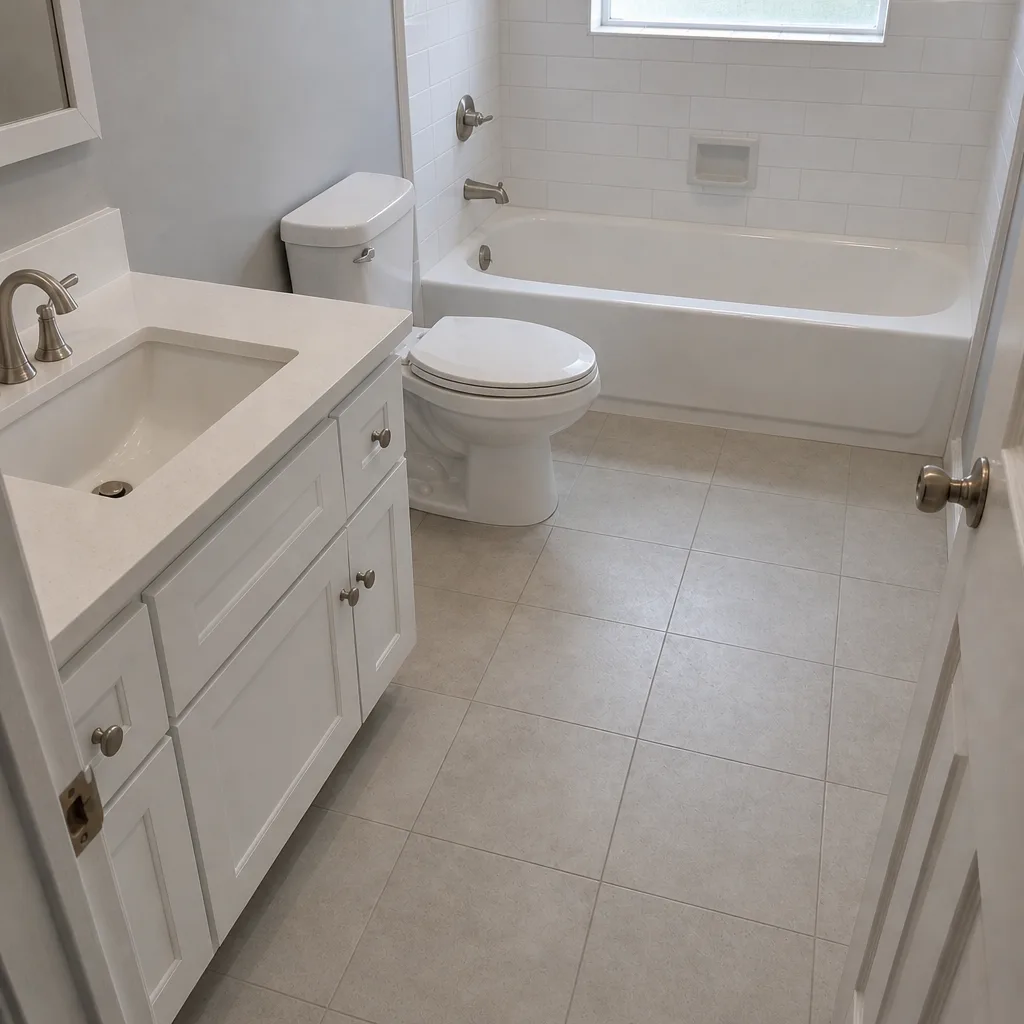
- Bathroom remodeling
- Home additions & ADU
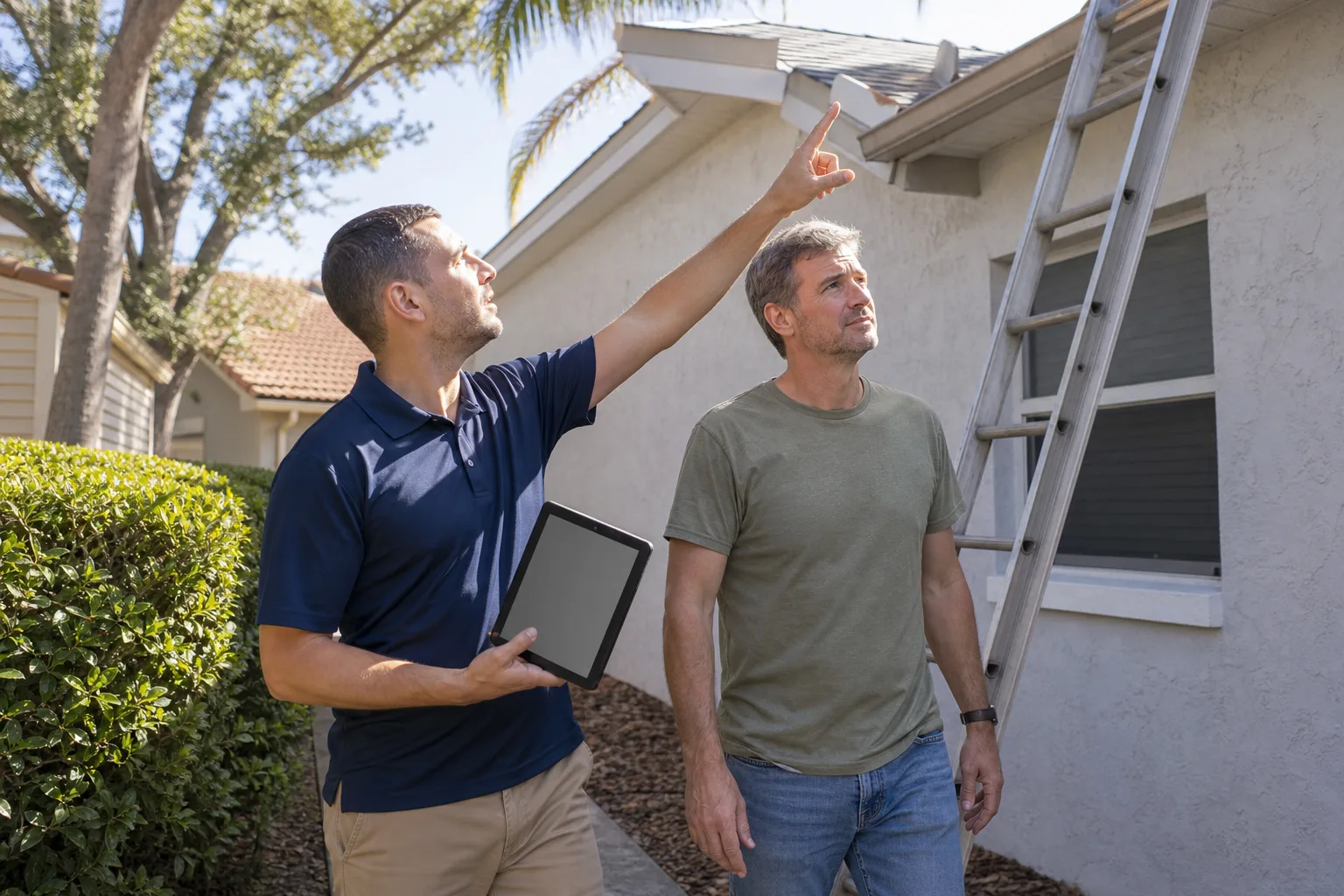
- Roofing
- Windows & doors
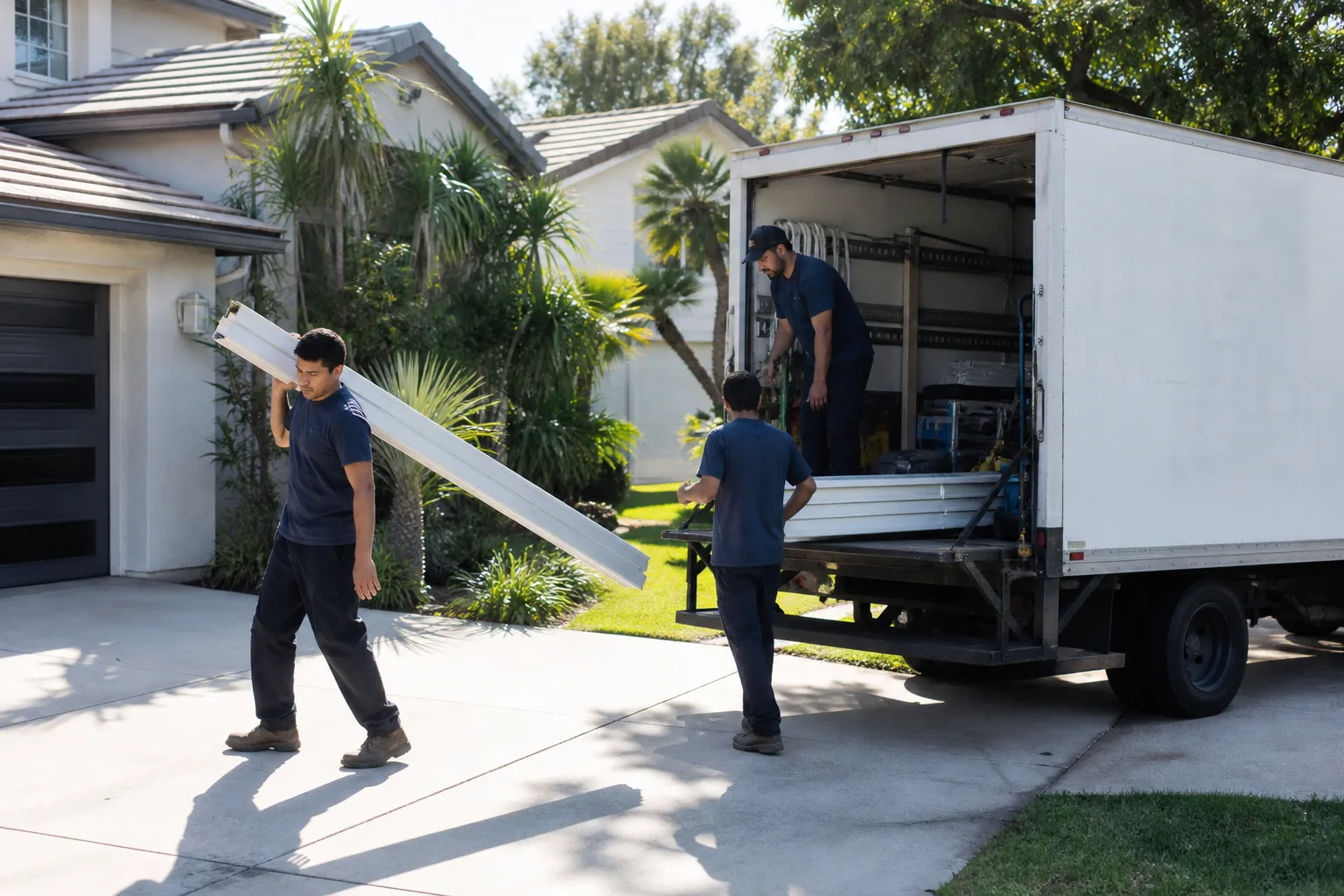
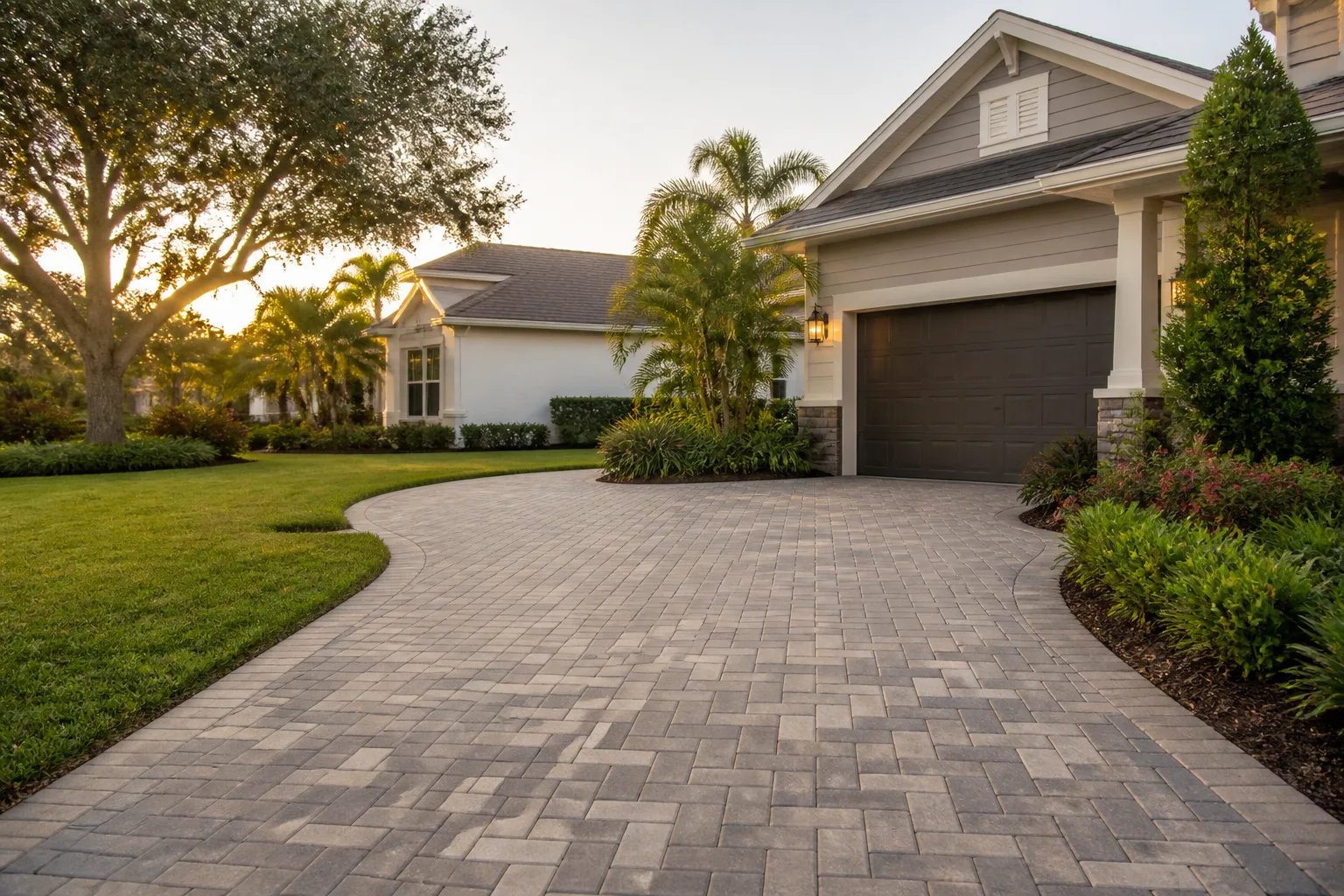
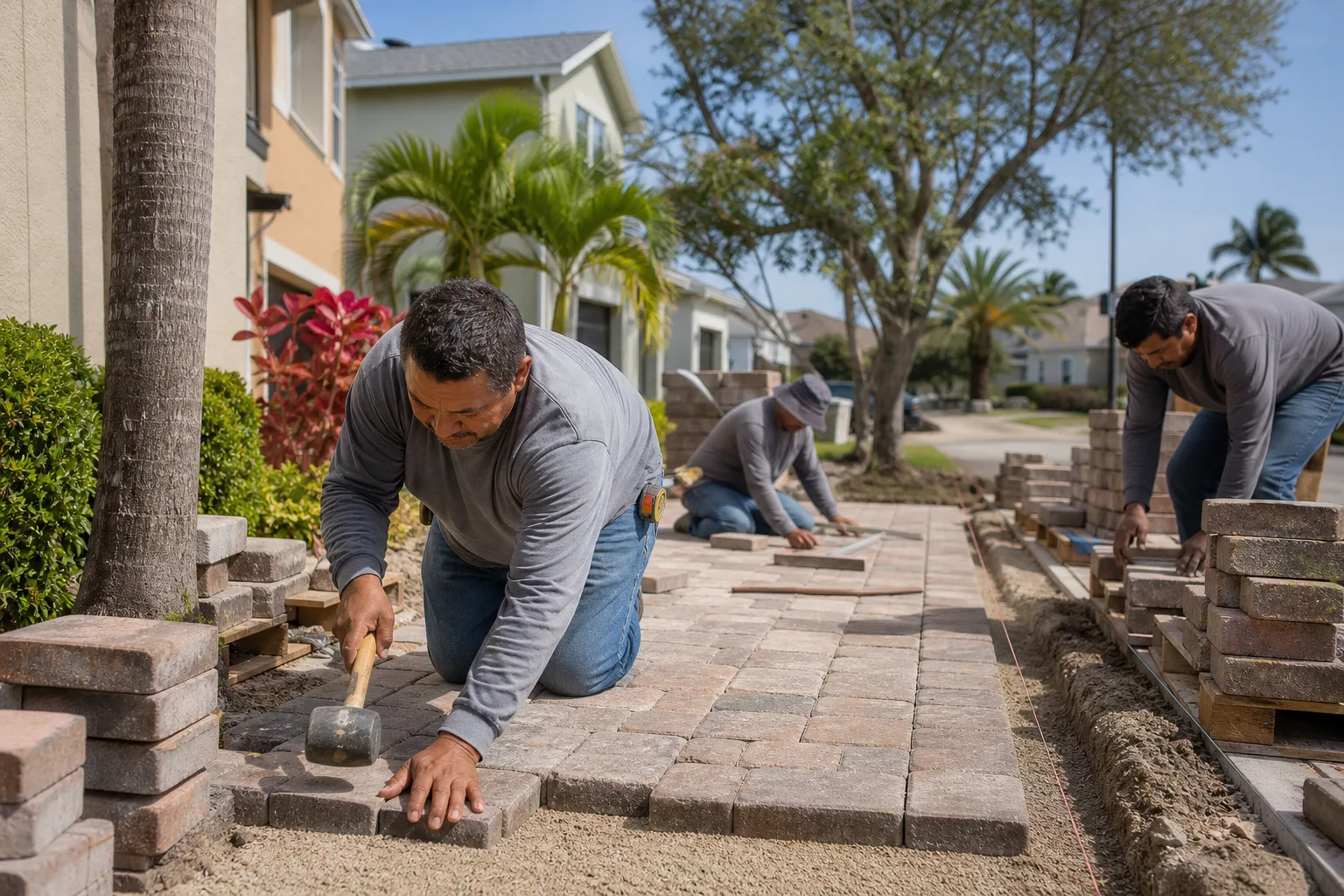
- Driveway & pavers
- Fence
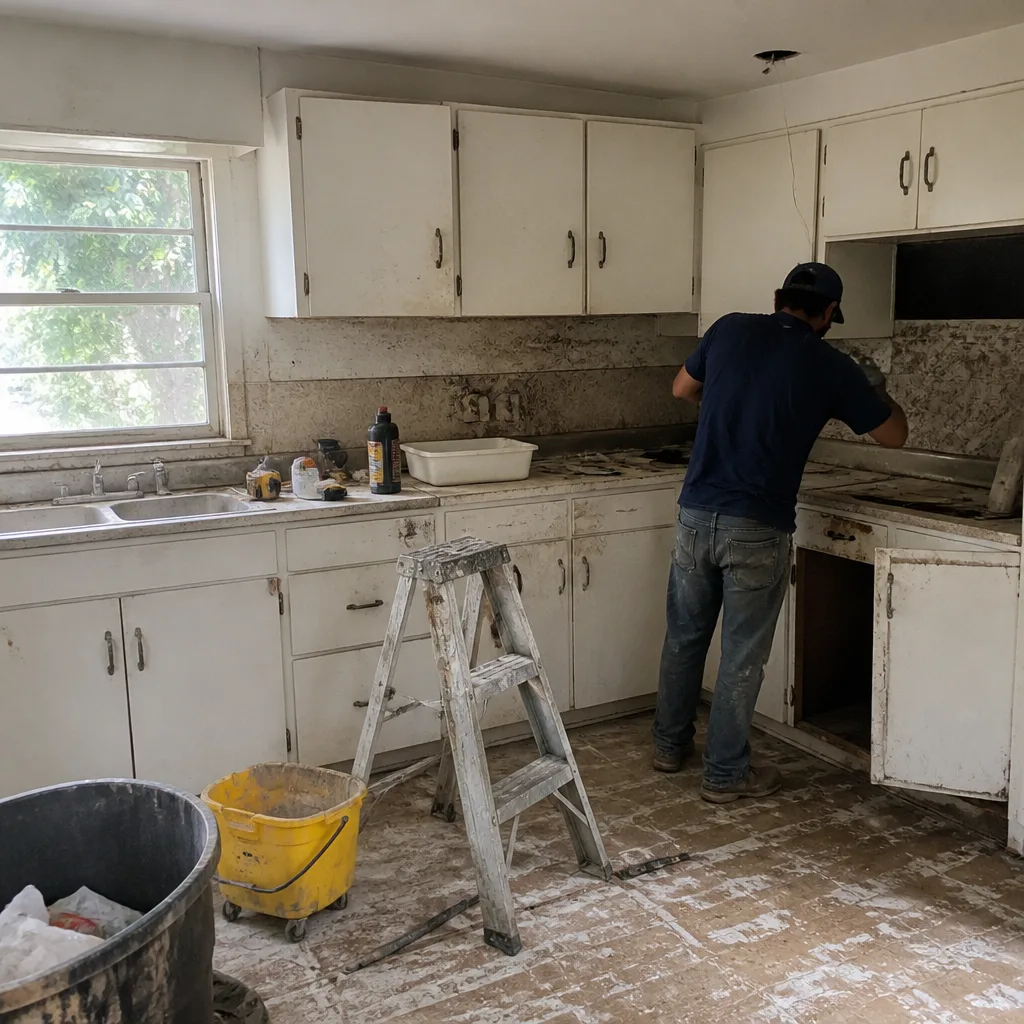
See the difference
 Before
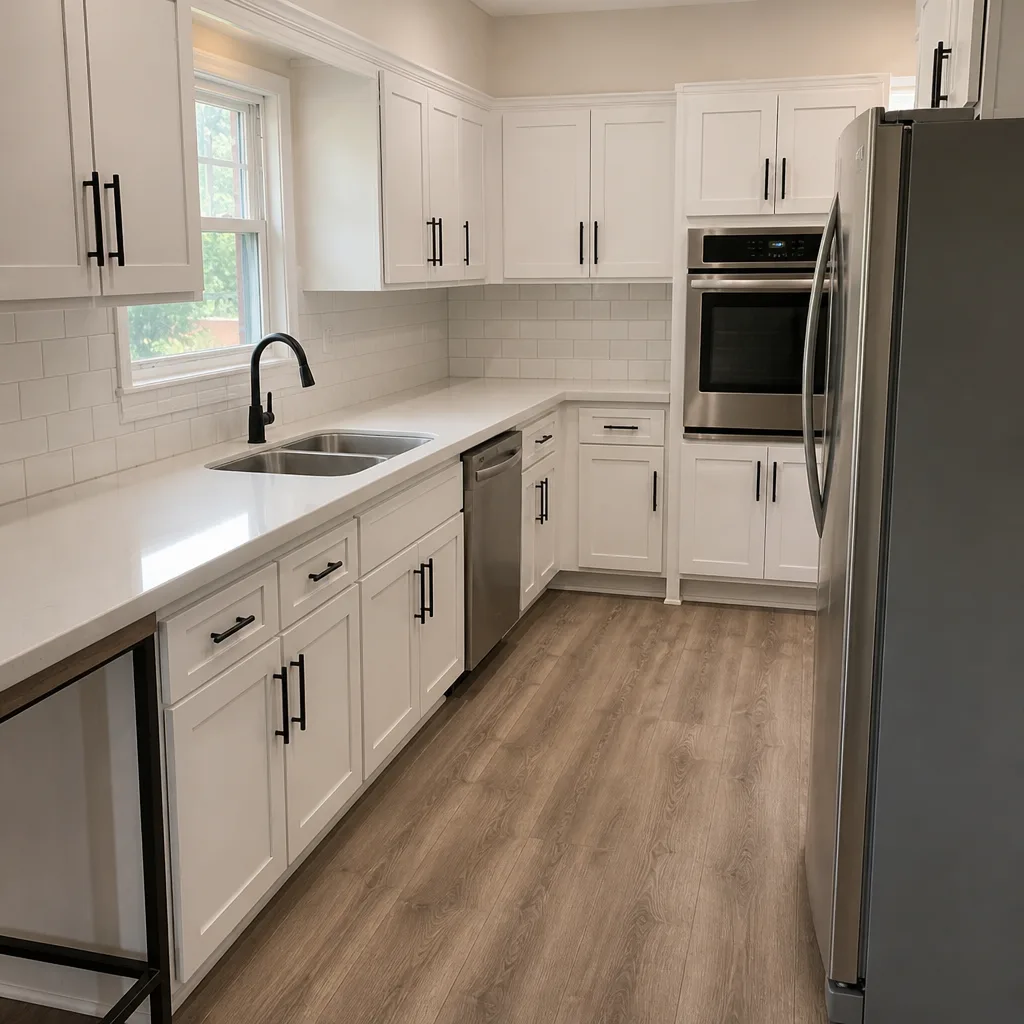 After
 Before
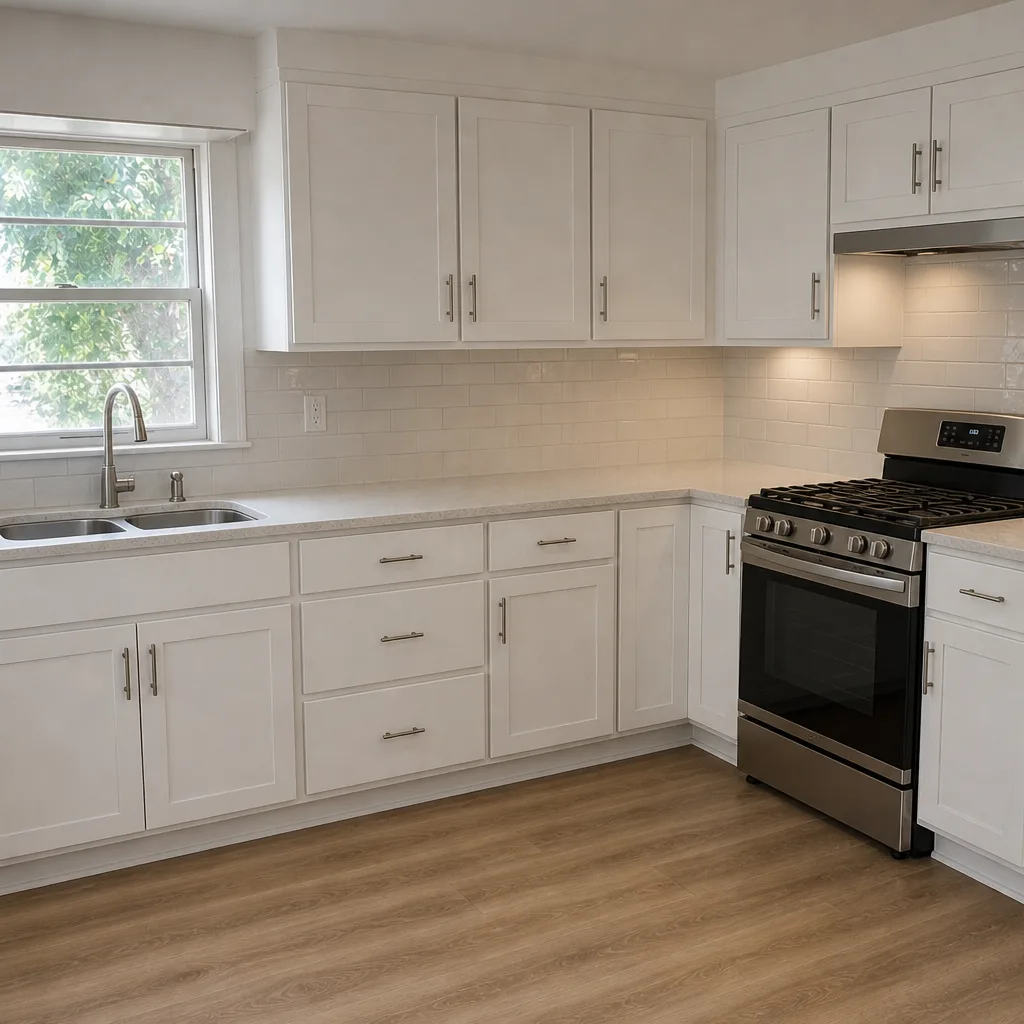 After
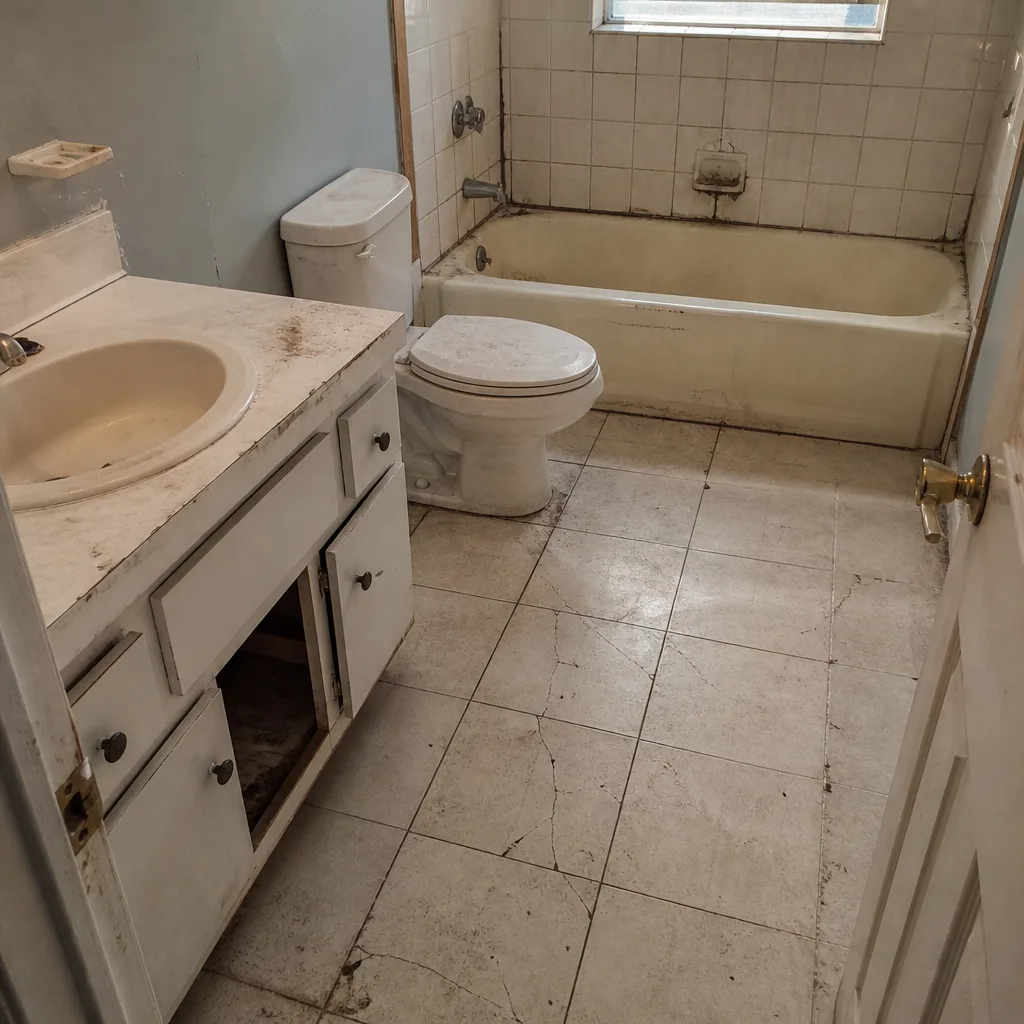 Before
 After
When to Seal a New Asphalt Driveway in Westchester, FL
In Westchester, a new asphalt driveway needs 60 to 90 days of curing, but you should not seal until the surface passes the heat-and-dry-window test specific to Miami-Dade summers – and in most cases that pushes sealing into late fall or a genuinely dry stretch, not an automatic 90-day calendar mark. The short answer: watch the asphalt, not the calendar. Westchester sits in USDA Zone 11b, where July surface temperatures routinely hit 150°F, and sealing too early traps solvents that never fully escape, leaving you with a soft, peel-prone surface just in time for hurricane season.
If you’d rather have a trained eye confirm your driveway is ready, Groundwork Construction Co. of Westchester can assess it before you spend money on a sealer that won’t hold. Call (833) 630-4214.
Key Takeaways
- The “90-day” rule is written for northern climates with cool ground temperatures. Miami-Dade heat changes the timeline.
- Asphalt can look cured at 60 days in Westchester and still be off-gassing. Looks deceive in this climate.
- Wait for a 72-hour dry window. June through October afternoon storms can undo a premature seal.
- Surface temperature must stay below 90°F when you apply – which in summer means early morning only.
- Use a sealer rated for wind-driven rain and HVHZ conditions, not a generic oxidation-only product.
Why the Standard 90-Day Rule Breaks Down in Miami-Dade Heat
The advice you’ll read on most paving sites – wait 90 days before sealing new asphalt – was calibrated for climates where ground temperatures stay cool for most of the year. Cold-climate asphalt cures slowly and predictably. Miami-Dade asphalt does neither.
Here’s what actually happens on a fresh Westchester driveway. The sun hits the black surface and pushes it well past ambient temperature. UV intensity in Zone 11b accelerates the evaporation of the light oils in the asphalt binder – the same oils that need to work their way out before a sealer goes down. At 60 days, that driveway can feel hard and look fully cured. It isn’t. Solvents are still leaving the surface, just more slowly than they did in week one. Seal over that and you trap those solvents under a membrane. When they try to escape, they bubble, lift, and peel the sealer coat from underneath – usually within the first wet season.
The contractors we work alongside who’ve spent their careers on Florida pavement put it plainly: a Westchester driveway that gets sealed at day 60 in a hot, humid stretch is a driveway you’ll be re-sealing inside two years. One that waits for the right conditions can go three to four. The difference is usually timing, not materials.
The Summer Rain Problem: Why You Watch Weather Windows, Not the Calendar
Westchester’s rain pattern is its own complication. From June through October, afternoon thunderstorms are close to daily. That means the weeks after new asphalt goes down are wet, humid, and hot – the exact conditions that slow evaporation of curing oils while accelerating surface oxidation. It’s a climate that fights you from both directions.
Moisture intrusion before the asphalt finishes curing is worse than waiting an extra 30 days. If rain pools on a driveway that isn’t fully cured, that water sits in the surface voids and drives off the binder. A seal applied over a moist surface locks that moisture in. You end up with a sealer that looks fine for a few months and then fails along the edges and low spots where water pooled.
So instead of counting days, watch the weather. The best time to seal a new Westchester driveway is during a genuine dry stretch – one with no rain forecast for at least 72 hours after application – and preferably in the drier months from November through April. A driveway poured in February may be ready by late spring. A driveway poured in July should almost certainly wait until fall.
Because Westchester is an unincorporated pocket of Miami-Dade County, this is also where permitting and product approval come in. There’s no city hall to sign off on the work. Everything runs through Miami-Dade County e-permitting and inspections, and if your driveway is part of a permitted project, the sealer has to hold up to county scrutiny. That’s why we lean on products with a Notice of Acceptance or a Miami-Dade Product Approval equivalent – it protects you at inspection and it holds up under real conditions.
Choosing a Sealer That Survives an HVHZ Environment
Miami-Dade is a High-Velocity Hurricane Zone county, and that designation shapes the materials you use – not just on roofs and windows, but on flat surfaces exposed to the elements. Wind-driven rain here hits a driveway at an angle and with real force. A sealer built only for standard oxidation protection isn’t built for horizontal water pressure. It will wear unevenly where sheets of rain drive across the surface during a storm.
The sealer you want is rated for wind-driven rain and carries the county’s product approval. It costs more than what the hardware store sells, but it holds up three to four times longer under the summer storm cycle. On a driveway that costs $3,500 to $9,000 to pave, that’s a small premium for years of protection.
Here’s the practical checklist we’d hand a Westchester homeowner before any sealer gets applied:
- Confirm a 72-hour dry window: no rain predicted through 72 hours after application.
- Check surface temperature: below 90°F at application – which from May through September means early morning, before the pavement heats up.
- Verify curing depth: look for a uniform dark color and no visible oil sheen or soft spots.
- Choose an HVHZ-appropriate sealer with NOA or Miami-Dade Product Approval if your driveway falls under any permitted work.
- Clean and fill cracks first: sealing over a crack locks the problem under a membrane and hides it until it widens.
This is also where the wrong contractor shows up as a real problem. A lot of sealcoat operators will spray whatever they have on the truck, in any weather, whether or not the asphalt is ready. That’s how driveways get ruined.
What the 730-Day Done Right Promise Actually Covers Here
Groundwork backs driveway work with the 730-Day Done Right Promise – one of the longest workmanship guarantees in the residential construction space. If a sealed driveway shows premature cracking or delamination within those two years, we make it right. That’s a commitment no generic sealcoat operation puts in writing.
Two years is also a useful benchmark. If a properly sealed Westchester driveway fails inside that window, something went wrong with the conditions, the material, or the prep – not just bad luck. The 730-Day Done Right Promise is how we put our money where that logic is. All work is done by background-checked, uniformed technicians, our technicians have up to 12 years of experience, and pricing is upfront before any work begins.
If you’re planning a full driveway replacement rather than a seal, our Driveway & Pavers service covers installation from asphalt to concrete to pavers, with paving costs running $3,500 to $9,000 for asphalt. Whole-driveway replacement runs $5,000 to $14,000, and paver installation $7,000 to $18,000. Sealing itself runs $250 to $700.
Scheduling a driveway project? Our home page covers the full range of services across the trades.
Common Local Scenarios We See in Westchester
The July pour, sealed too fast. A homeowner gets new asphalt in early summer and a sealcoat crew shows up three weeks later in a sunny window. It looks great for six months. By the following June, the sealer is blistering along the center of the driveway where surface heat is highest. The fix is stripping and re-sealing once the asphalt is actually ready.
The summer-rain crack. A driveway poured in August gets rain before it’s cured, water settles into the surface, and by winter the edges have started to delaminate. Sealing this one on a calendar schedule makes it worse. It needs a dry spell and a clean surface first.
The unincorporated-county catch. A homeowner has a driveway added as part of a home addition project. It runs through Miami-Dade County e-permitting, and the inspector wants product documentation on the sealer. A sealer without NOA or product approval stalls the inspection. We check that before it goes down.
For projects that go beyond a driveway – paver patios, driveway replacement, or a new build – see our Driveway & Pavers in Westchester page.
FAQs
Wait at least 60 to 90 days, but confirm the driveway is actually ready before you seal – don’t rely on the calendar alone. In Westchester’s heat, asphalt can pass the 60-day mark while still releasing the solvents that will bubble under a sealer coat. The safest test is a uniform surface color with no oil sheen and a stretch of dry weather before application. Call (833) 630-4214 for a free readiness assessment.
The 90-day rule was written for northern climates with cool ground temperatures, and Miami-Dade’s heat and UV intensity accelerate the process – surface temperatures of 150°F in July change what cured means. Westchester asphalt can look and feel ready at 60 days while still curing underneath. The practical rule here is to watch the weather and the surface, not the calendar. Call (833) 630-4214 for an exact timeline.
Sealing early traps solvents in the asphalt, and those solvents bubble and peel the sealer coat from underneath – usually within the first wet season. You end up re-sealing within two years instead of three to four. A soft, peeling surface is much harder to fix than waiting 30 more days would have been. Call (833) 630-4214 if you’re unsure whether your driveway is ready.
Sealing a driveway in Westchester runs $250 to $700 depending on size, surface condition, and sealer type. If there are cracks to fill first, that adds to the total. A full asphalt installation runs $3,500 to $9,000, so sealing on the right schedule protects a meaningful investment. Call (833) 630-4214 for an exact quote – estimates are free.
Getting It Right the First Time
Timing is the whole game on a new asphalt driveway in Westchester. Get the curing window and the weather right, use a sealer built for HVHZ conditions, and you’ll protect that surface for years. If you’d rather have it looked at, Groundwork Construction Co. of Westchester offers a no-pressure assessment in Westchester – call (833) 630-4214. Calls are answered by a live person, and estimates are free.
Written by the team at Groundwork Construction Co. of Westchester, serving Westchester, FL.