Free written scope consultation - allowances, timeline, and change-order rules on paper before a single trade is scheduled
Styles & brands we work with
- Kitchen remodeling
- Bathroom remodeling
- Home additions & ADU
- Roofing
- Windows & doors
- Driveway & pavers
- Fence
See the difference
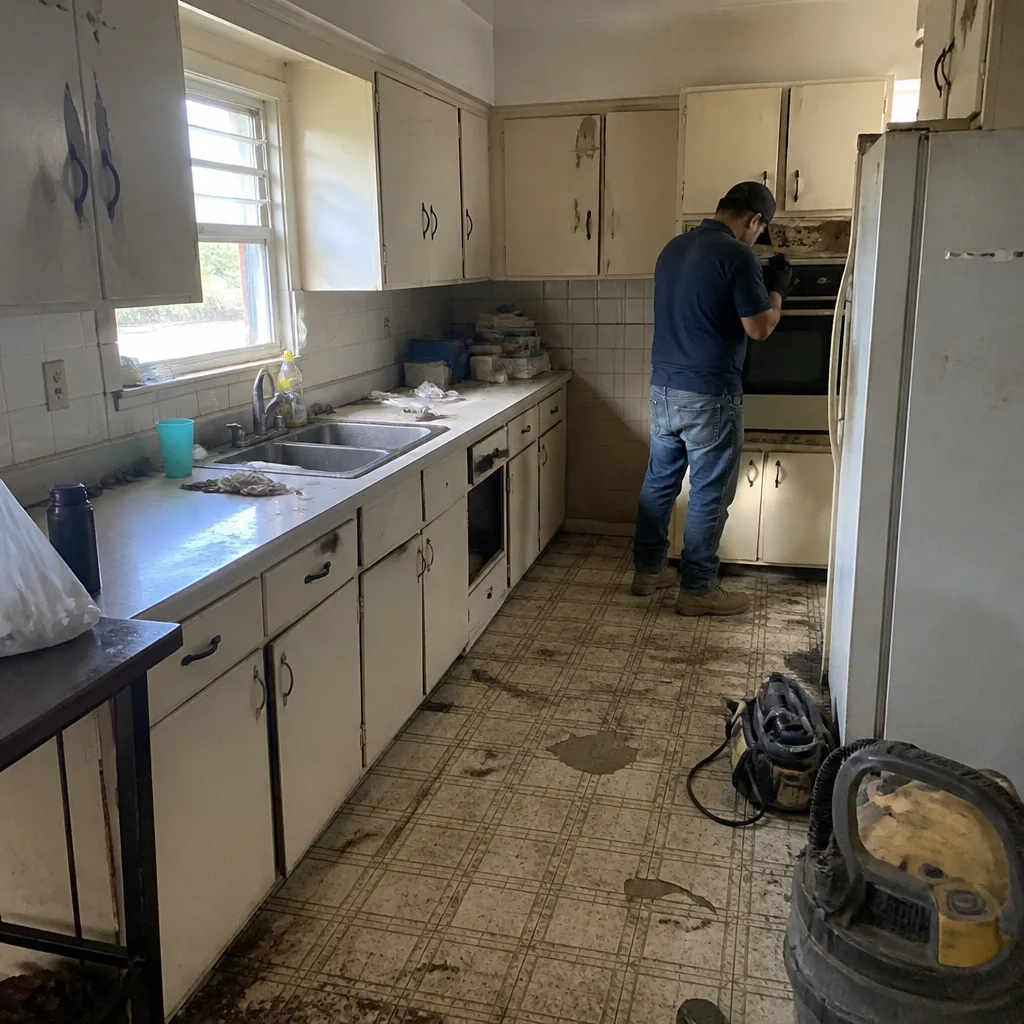 Before
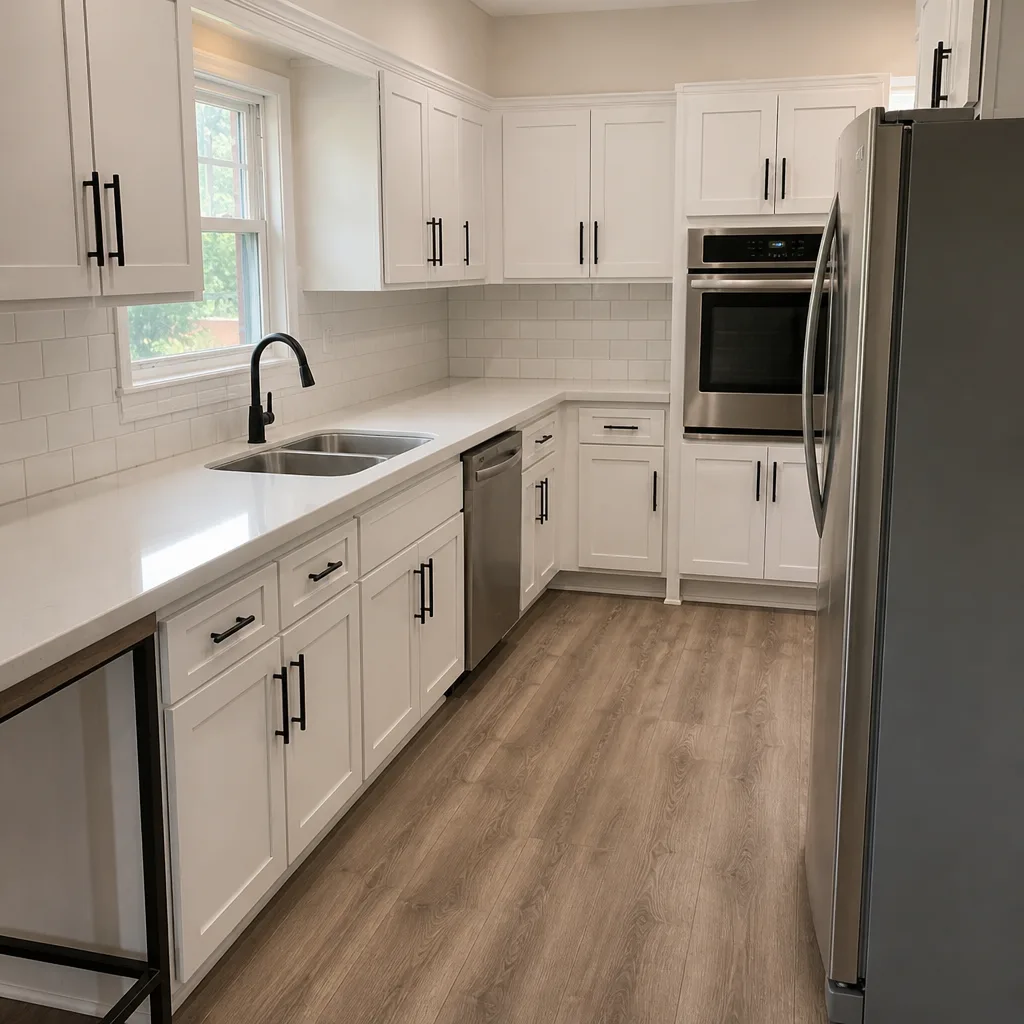 After
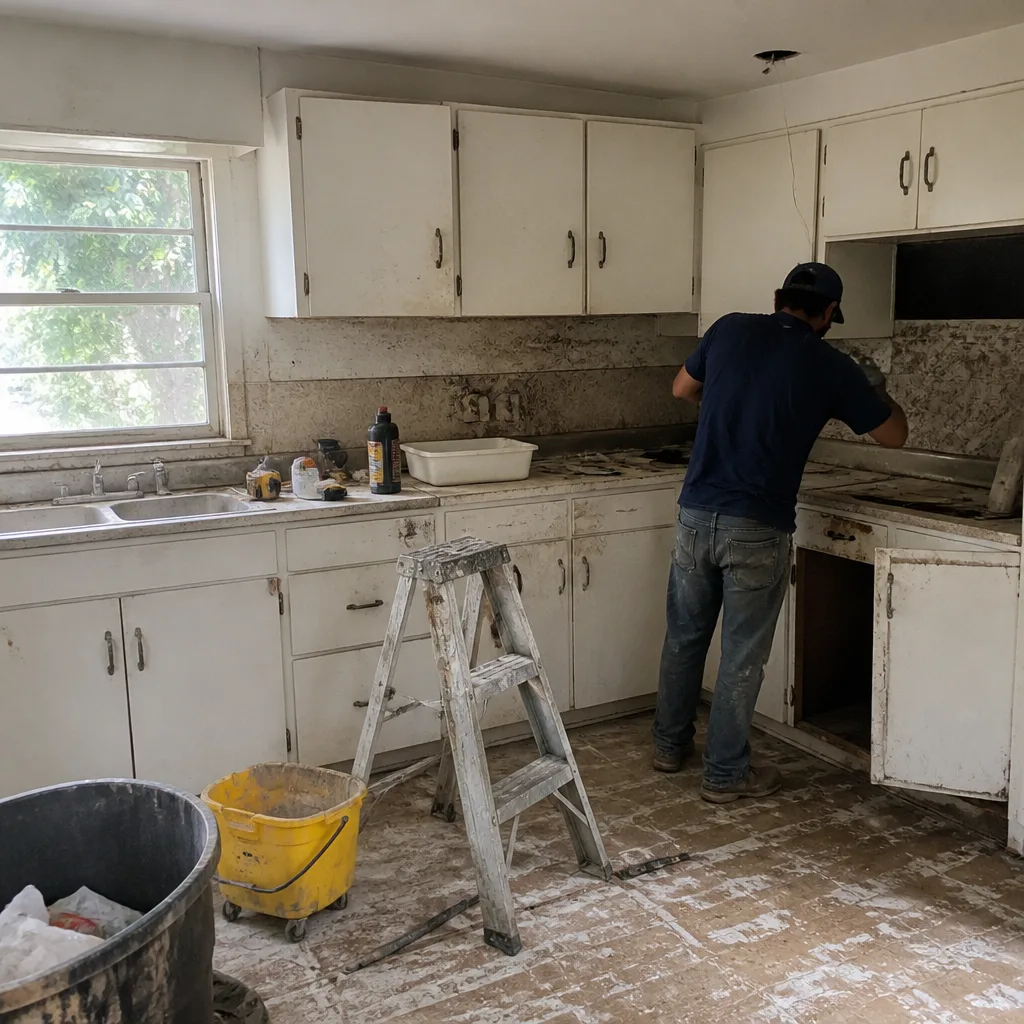 Before
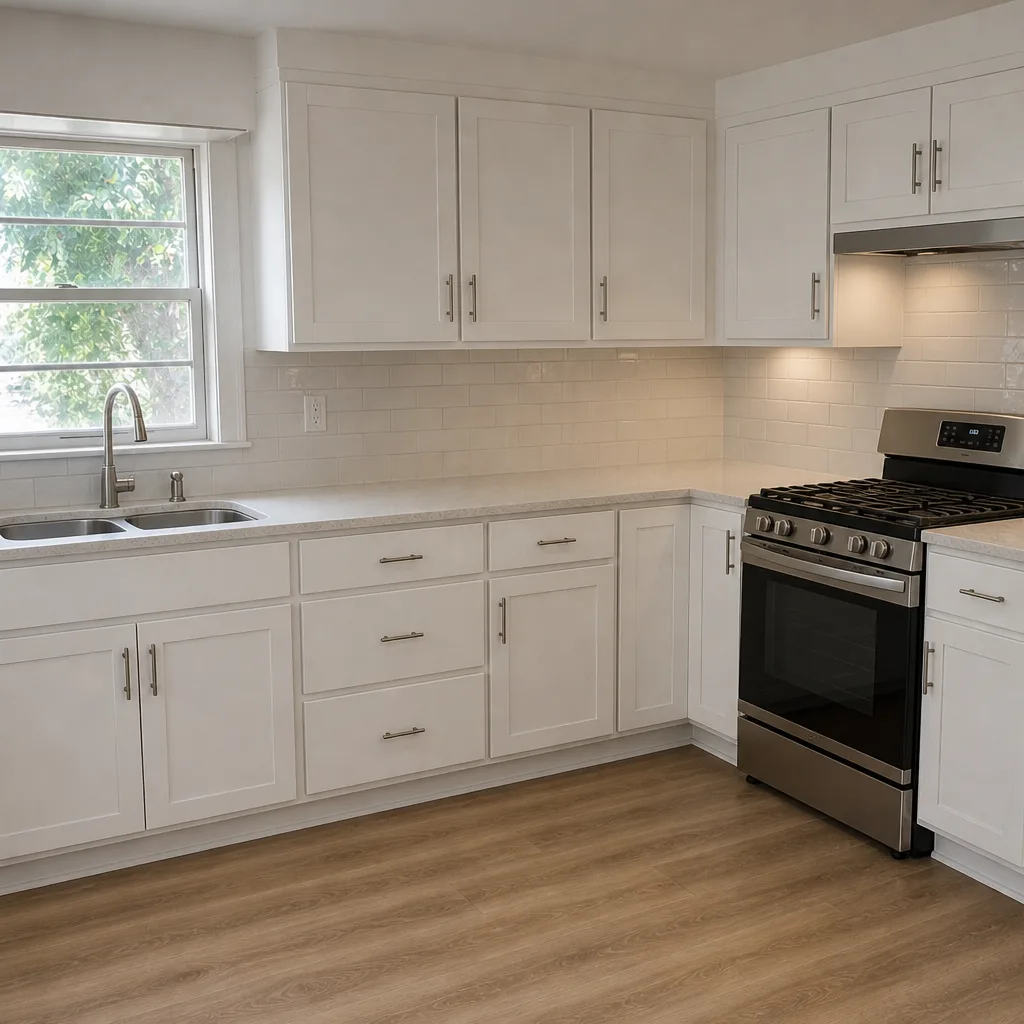 After
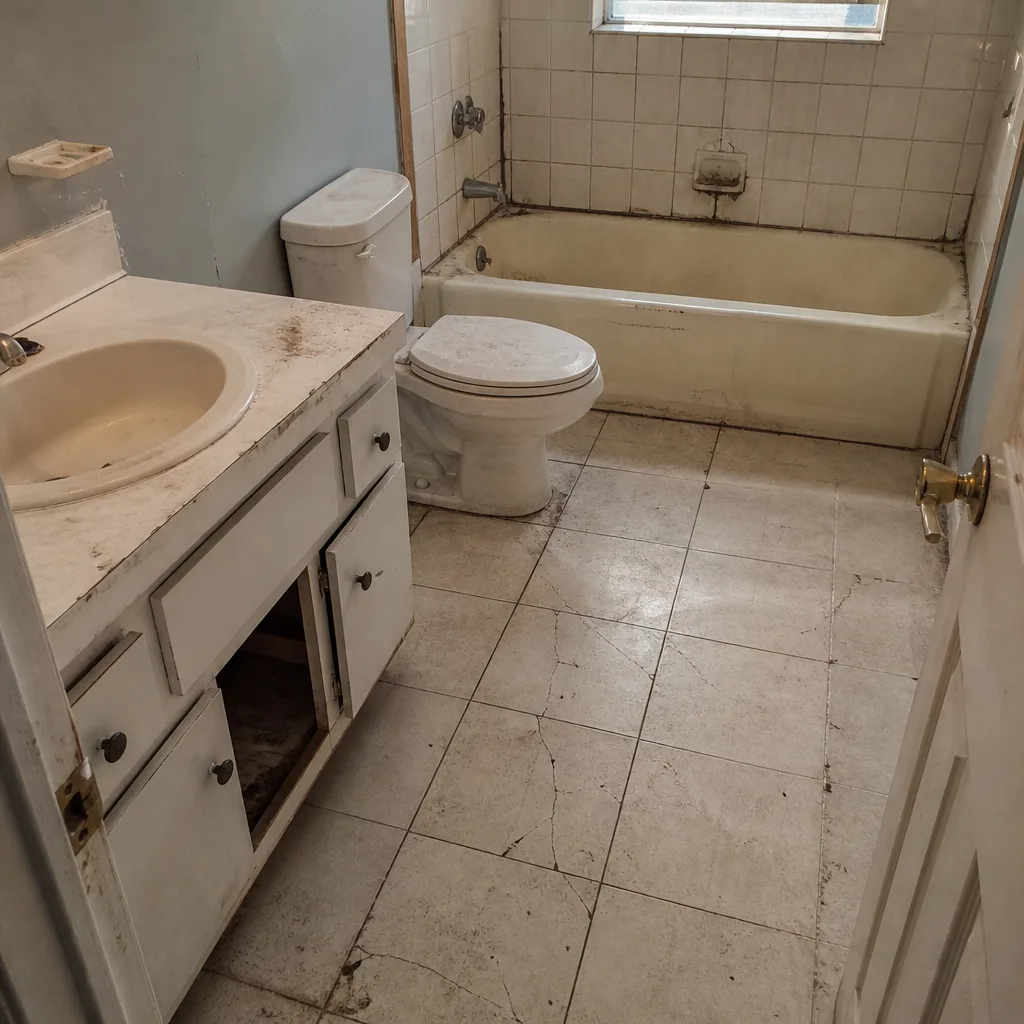 Before
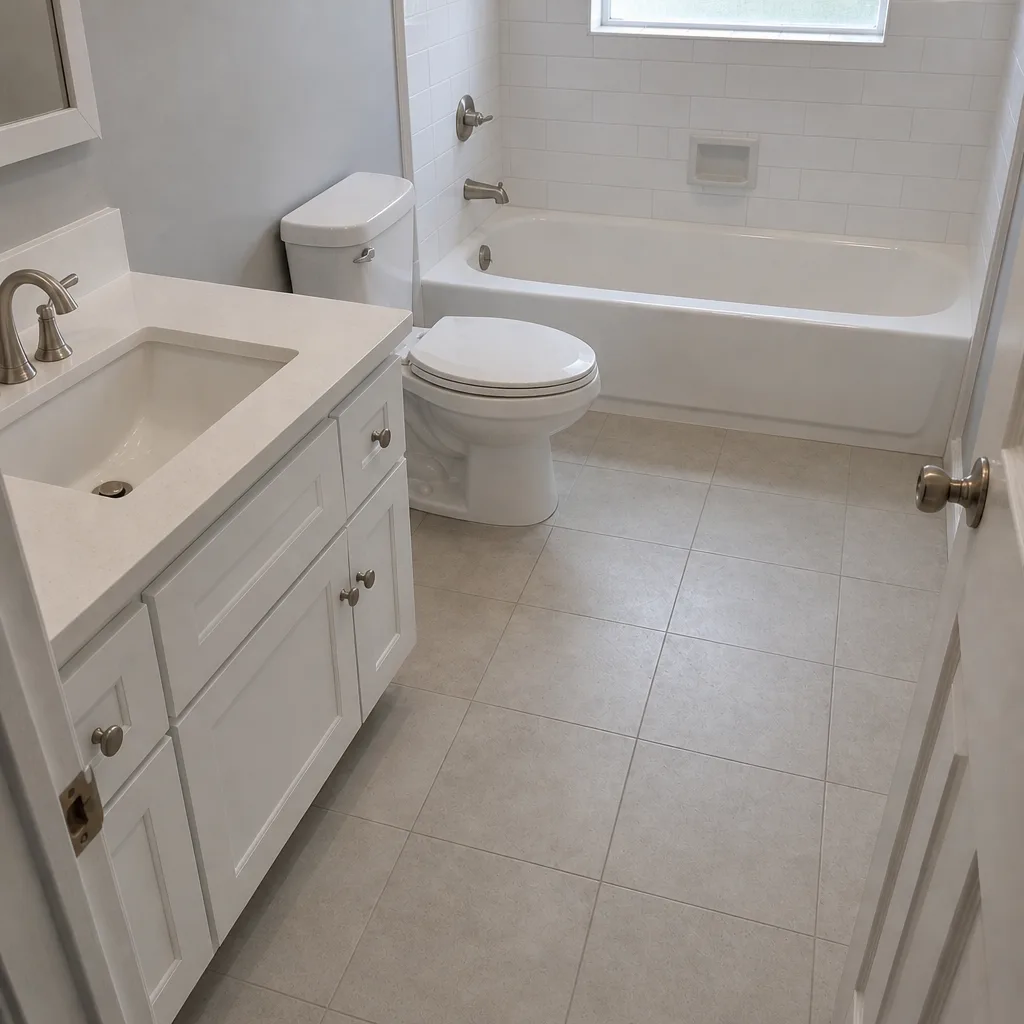 After
Window Design Pressure Ratings in Westchester, FL: What Actually Gets Your Windows Permitted
A design pressure (DP) rating tells you how much wind load a window is built to withstand, expressed as a number like DP-50 or DP-65 in pounds per square foot, and it covers both positive pressure (wind pushing in) and negative pressure (suction pulling out). But in Westchester, that rating alone is not enough: the window also needs a Miami-Dade Notice of Acceptance (NOA) before any inspector will approve it. A window can pass a lab test, carry a handsome DP number on the box, and still be illegal to install here. If you’re mid-project and your contractor just hit that wall, call (833) 630-4214 and we’ll walk you through what’s actually approvable.
Westchester sits in unincorporated Miami-Dade, which means there’s no city hall to sign off on your job. Every permit runs through Miami-Dade County e-permitting, and every product in the High-Velocity Hurricane Zone has to clear HVHZ product approval. That single fact is where most window projects in this neighborhood stall.
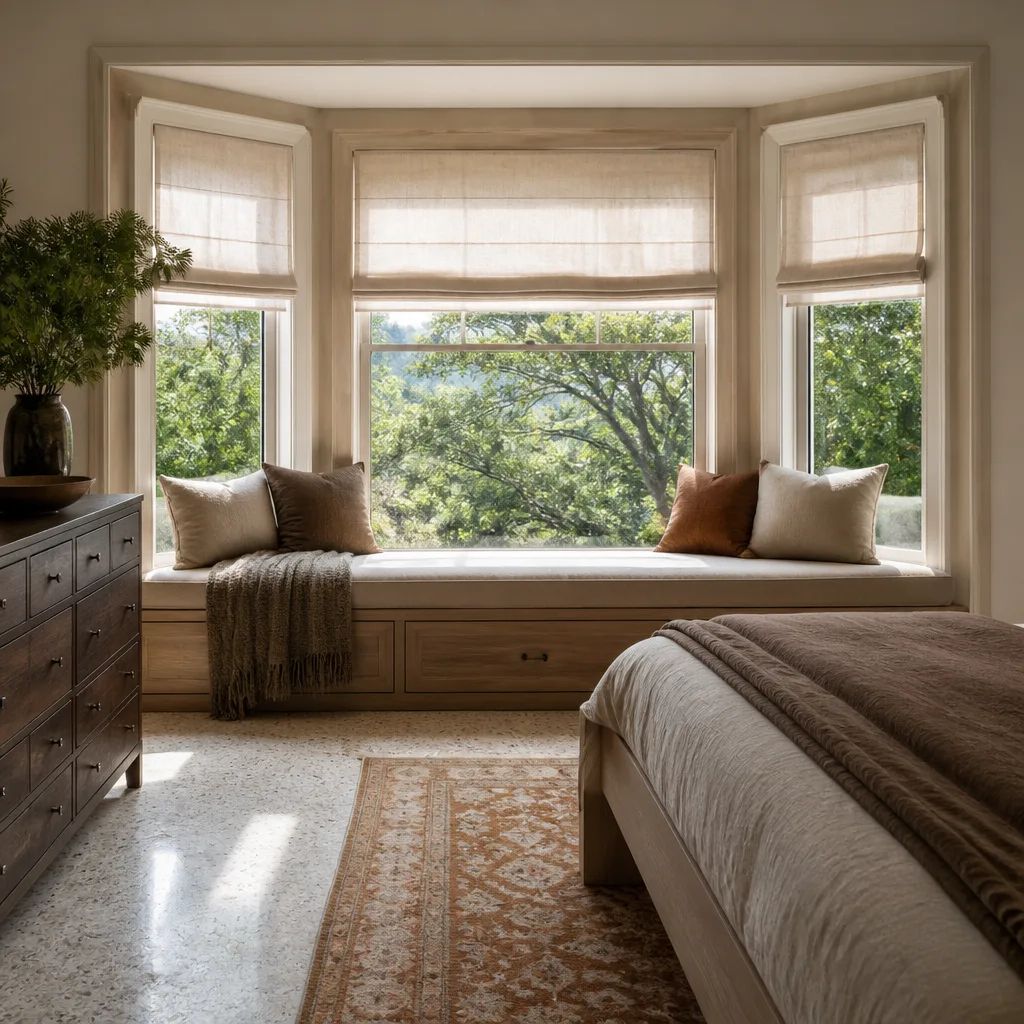
Why a DP Rating and a NOA Are Two Different Things
Design pressure is a performance number. The NOA is a legal document. They’re related, but they’re not interchangeable, and the difference is what trips up homeowners every week.
Here’s how the two pieces work in plain language:
- The DP rating is the lab-tested wind load the window is engineered to handle. Manufacturers test to ASTM standards, and the result gets stamped on the product label. DP-50 means the unit is rated for 50 pounds per square foot of pressure, in both directions.
- The NOA is Miami-Dade’s product approval. It confirms the specific product, from the specific manufacturer, installed a specific way, has been evaluated for the HVHZ. Without it, the building department won’t issue the permit.
- The gap is where the trouble lives. A window can be DP-rated for hurricane conditions and still lack an NOA for your particular opening, size, or installation method. The rating passes the lab. The NOA passes the inspector. You need both.
Positive design pressure is the wind shoving against the glass from outside. Negative design pressure is the suction on the leeward side and around corners, which pulls the window outward. Coastal exposures in Miami-Dade create some of the highest suction loads in the country, and that’s why both numbers matter here, not just the inward one.
Positive vs. Negative Pressure, and Why Westchester’s Corners Get Hit Harder
Wind doesn’t press evenly on a house. It accelerates around corners and edges, which means a corner window in a Westchester home can face a meaningfully higher design load than the same window in the middle of a wall. Same product, same house, different requirement.
That’s not a technicality. It’s the reason a contractor can order the wrong window for the wrong opening and only discover it at inspection. The table below shows the HVHZ minimums in practical terms, but treat these as a shopping starting point, not a substitute for the engineer’s design load calculation on your specific home.
| Window Location | Typical HVHZ DP Range | What to Watch For |
|---|---|---|
| Interior field of wall (standard) | DP-50 or higher | Most common, but still needs matching NOA |
| Corner and edge zones | DP-60 to DP-65+ | Higher suction loads, higher-rated product |
| Upper floors (two-story infill) | Steps up with height | Wind speed increases with elevation |
| Large picture and sliding units | DP-50 to DP-65 | Bigger spans need stronger frames |
Westchester’s housing mix adds a wrinkle. Plenty of the 1960s-80s concrete-block ranch homes here are being expanded or replaced with larger two-story infill builds, and a second-floor window over a corner sits in a tougher load zone than the original single-story opening did. The old window’s rating tells you nothing about what the new one needs.
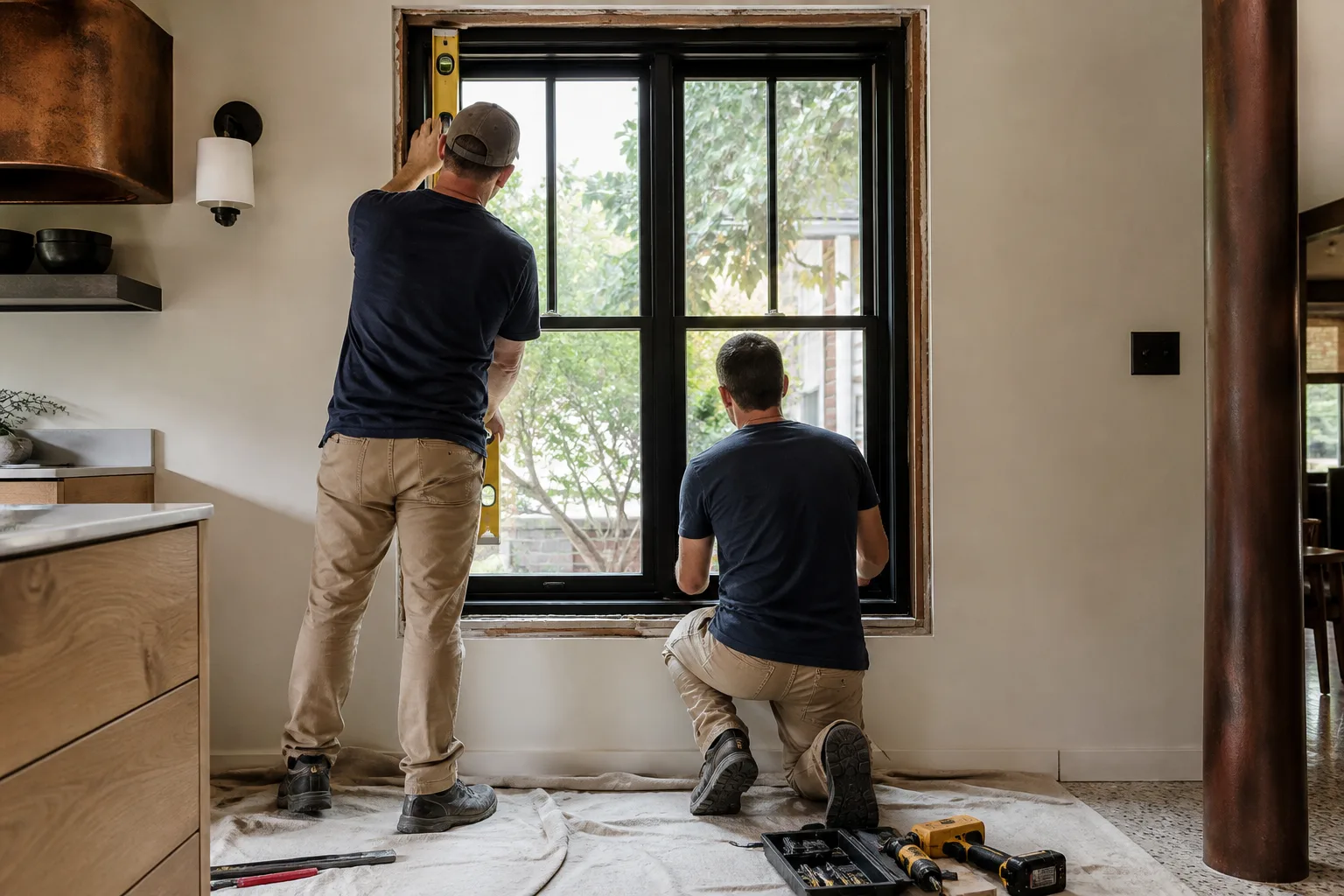
The Big-Box Trap: “Impact-Rated” Doesn’t Mean Permittable
This is the part that catches people. National chains sell impact-rated windows with impressive DP numbers on the display card. What the card often doesn’t tell you is whether that exact product, at that exact size, carries a current Miami-Dade NOA. If it doesn’t, your options are a long variance fight with the county or a return trip to the store.
We see it constantly in Westchester: a homeowner buys what looks like the right window, the contractor shows up, and the permit submission dies because the NOA paperwork doesn’t match the product. The window still looks fine. It’s just not legal to install until the documentation lines up.
The cleanest way around that bottleneck is to start with products that already carry NOA documentation. Groundwork Construction Co. of Westchester works from a pre-vetted window portfolio, including Andersen and Marvin lines that carry Miami-Dade NOA paperwork, so the approval step is settled before we ever order the unit. Compare that to a crew that has to scramble for compliant product mid-project, and the schedule difference is real. You can see the full lineup on our Windows & Doors page.
What This Means for Older Westchester Homes
Concrete-block and stucco construction is the standard here, and it shapes how windows get replaced. The opening has to be prepped and flashed correctly for wind-driven rain, which matters more than most homeowners expect. Miami-Dade’s summer storms don’t politely fall straight down. They push sideways against the glass, and any gap in the flashing or sealant turns into a slow leak behind the stucco.
In homes from the 1970s and 80s, we regularly find original window openings that were never detailed for modern waterproofing, especially where an addition or remodel has changed the wall assembly. That’s a conversation worth having before you order product, not after.
Common Scenarios We Walk Into in Westchester
Most of the window questions we field here fall into a handful of patterns. If one of these sounds familiar, it’s worth a conversation before you spend money.
- The failed permit. Product was purchased, the DP number looked great, and the NOA doesn’t match. The fix is usually swapping to a NOA-confirmed unit before the variance process eats months.
- The corner-window oversight. Standard-rated windows ordered for a corner or edge opening that needs the higher DP zone. The loading calculation catches it; the display card doesn’t.
- The two-story infill upgrade. Original windows across a single-story ranch get carried over to a new second floor where the height changes the load. The old ratings don’t transfer.
- The e-permitting paperwork stall. Everything is right except the submittal documentation. County e-permitting needs the product approval and installation details to line up, and a mismatched submittal sits in the queue until it’s corrected.
- The waterproofing gap. New windows go in fine, then the first wind-driven rain finds a flashing defect from the original 1970s opening detail. Worth checking the wall assembly while the window is out.
Impact window installation in Westchester typically runs $8,000 to $25,000, and standard window replacement lands in the $4,500 to $15,000 range. Those ranges shift with unit count, size, and how much wall prep the openings need. Our pricing is upfront, and we walk through the numbers before the job starts, not after. You can also see how this fits into the broader Westchester service area we work in.
FAQs
DP stands for design pressure, and it’s the wind load in pounds per square foot the window is engineered to withstand, in both the positive (pushing in) and negative (pulling out) directions. In Westchester’s HVHZ zone, look for DP-50 or higher, with DP-60 to DP-65+ on corners and edges. Call (833) 630-4214 if you’re unsure what your opening requires.
No. The DP rating is a performance number, but the window also needs a Miami-Dade Notice of Acceptance before the county will permit it. A DP-rated window without matching NOA documentation can’t legally be installed in Westchester, even if it’s sold as impact-rated. Call us to confirm your product carries the right paperwork.
No, not a separate NOA, but the corner and edge zones face higher wind loads, so the product chosen for those openings has to carry a higher DP rating to pass the load calculation. The NOA still applies, but the window itself needs to be rated for the higher zone. That’s the detail a standard shopping trip misses.
Impact window installation in Westchester typically runs $8,000 to $25,000, and standard replacement lands between $4,500 and $15,000. Final price depends on unit count, size, DP zone, and wall prep. Call for a free estimate and we’ll break down the numbers upfront.
If you’d rather have someone who knows the NOA landscape look at your openings before you buy anything, Groundwork Construction Co. of Westchester offers a no-pressure assessment in Westchester. Your windows either have the paperwork or they don’t, and it’s cheaper to find out now than at the permit counter. Call (833) 630-4214 for a free estimate.
Written by the team at Groundwork Construction Co. of Westchester, serving Westchester, FL.