
Free written scope consultation - allowances, timeline, and change-order rules on paper before a single trade is scheduled
ADU Site Prep & Utilities in Coral Terrace, FL: What the Job Actually Involves
ADU site prep and utilities in Coral Terrace typically runs $45,000 – $130,000 and takes 6 – 14 weeks from the first stake in the ground to final inspection on the underground work. That figure covers clearing and grading the build pad, trenching and running the water, sewer, gas and electrical service to the unit, and getting the slab and utility inspections signed off. It does not cover the ADU structure itself. Call (833) 630-4214 and we’ll walk your lot and put real numbers on the screen.
How We Run Site Prep and Utility Work, Stage by Stage

Nobody grades a pad before the survey comes back, and nobody trenches before the utility locates are done. Here’s the order we actually work in on a Coral Terrace lot.
Stage 1: Survey, locates and tree protection (days 1 – 5)
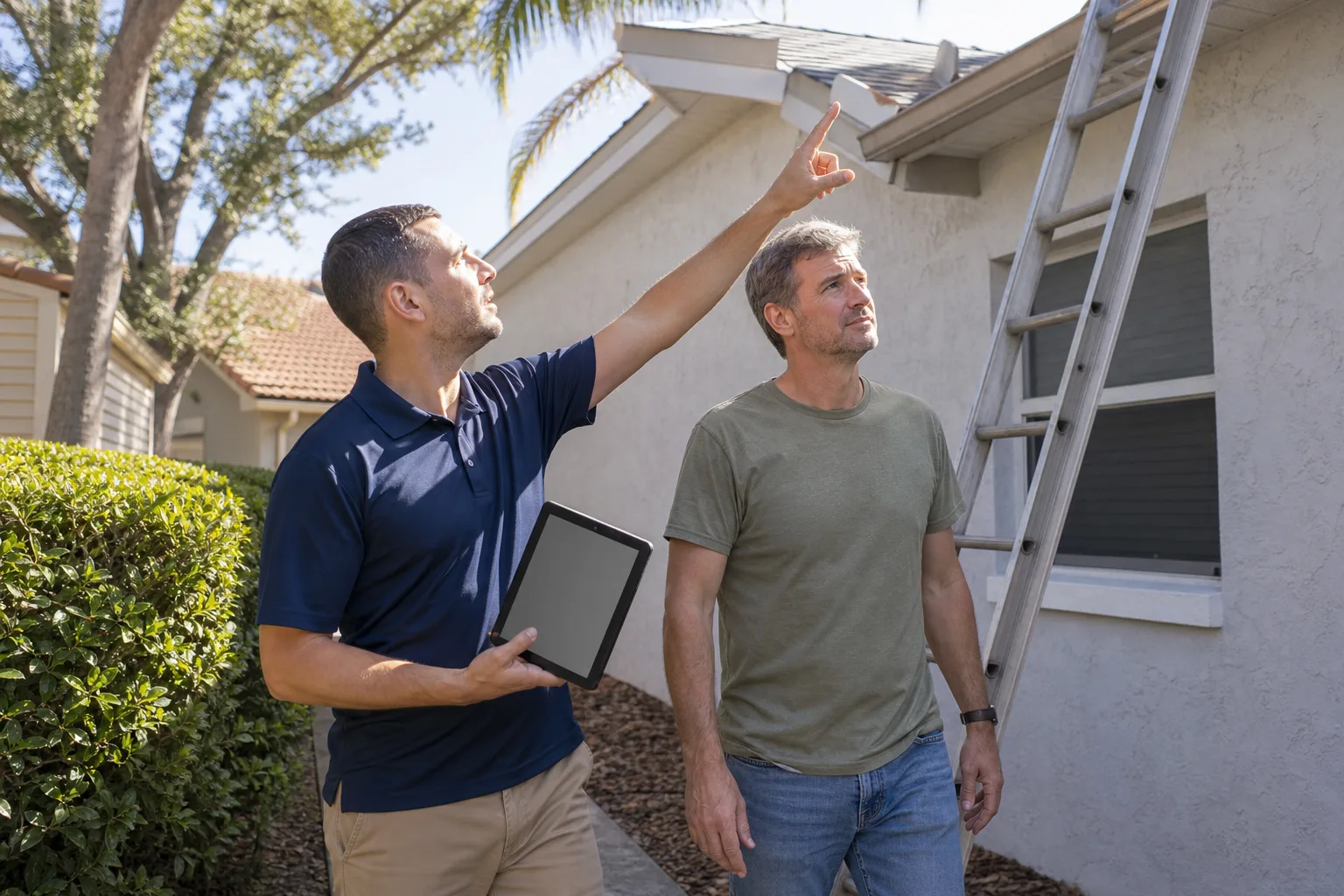
We start with a boundary and topographic survey so the build pad, setback lines and the 75% lot-coverage math are settled before a machine shows up. Utility locates get called in. On these narrow platted lots with mature live oaks and royal palms, tree protection fencing has to go up before demolition, and that fencing is inspected. You decide where the pad sits; we tell you what the setbacks and current coverage allow.
Stage 2: Demo, clearing and grading (days 5 – 12)
Old carports, flat-roof additions, terrazzo slabs and dead landscaping come out. Then we cut and fill to grade, compact in lifts and shape the pad so it drains away from the house and the new unit. Coral Terrace sits on flat ground and the rainy season here is unforgiving, so we set the pad height and swale direction now rather than chase water later.
Stage 3: Underground utilities (weeks 2 – 6)
Trenching for water, sewer, gas and electrical conduit happens as one coordinated dig wherever the runs align. You’ll make two decisions in this window: how the unit connects to sewer (gravity line to the county main if the fall works, a grinder pump and lift station if it doesn’t), and where the electrical meter and disconnect land. Both change the price. Underground inspection follows before anything gets backfilled.
Stage 4: Slab and foundation prep (weeks 5 – 8)
Vapor barrier, rebar or mesh, formwork, and the tie-ins for plumbing rough-in and electrical conduit stubbed up through the slab. Miami-Dade requires wind-uplift detailing even at the foundation level, so hold-down placement is set here, not guessed at later. Slab inspection, then pour.
Stage 5: Final utility inspections and tie-ins (weeks 8 – 14)
Water, sewer, gas and electrical get their separate rough and final inspections. We coordinate the county inspector’s schedule and the utility company connections, then backfill, compact and restore the disturbed ground. You get as-built locations for every buried line. Most of the elapsed time on this stage is inspection scheduling, not labor.
Styles & brands we work with
- Kitchen remodeling
- Bathroom remodeling
- Home additions & ADU
- Roofing
- Windows & doors
- Driveway & pavers
- Fence
The Choices That Shape Your Site Prep and Utility Bill
Two lots the same size can land $40,000 apart. These are the decisions that do it.
- Sewer connection method. A gravity line to the county main is the cheap path. If the fall doesn’t work, a grinder pump and lift station adds equipment, a vault and ongoing maintenance. On older Coral Terrace lots the distance to the main is the variable that decides it.
- Utility trench depth and material. Water and sewer lines need the code-required cover and bedding. Running PVC versus ductile iron, and how much rock the trench hits, both move the number.
- Electrical service size. A 100-amp feed is the floor; a 200-amp service with a new panel and disconnect costs more but saves you a fight when the ADU gets a heat pump and an EV charger later.
- Grading and fill. A clean, level pad is cheaper than one that needs import fill and retaining. Flat lots with good drainage are the easy ones here.
- Tree protection and removal. A live oak inside the build envelope means either a redesign or a county-approved removal, and that paperwork adds time and money before any dirt moves.
- Drainage swales and stormwater. If your grading changes how water leaves the lot, expect a drainage review and possibly a swale or dry well, both priced per linear foot.
What ADU Site Prep & Utilities Costs in Coral Terrace, FL
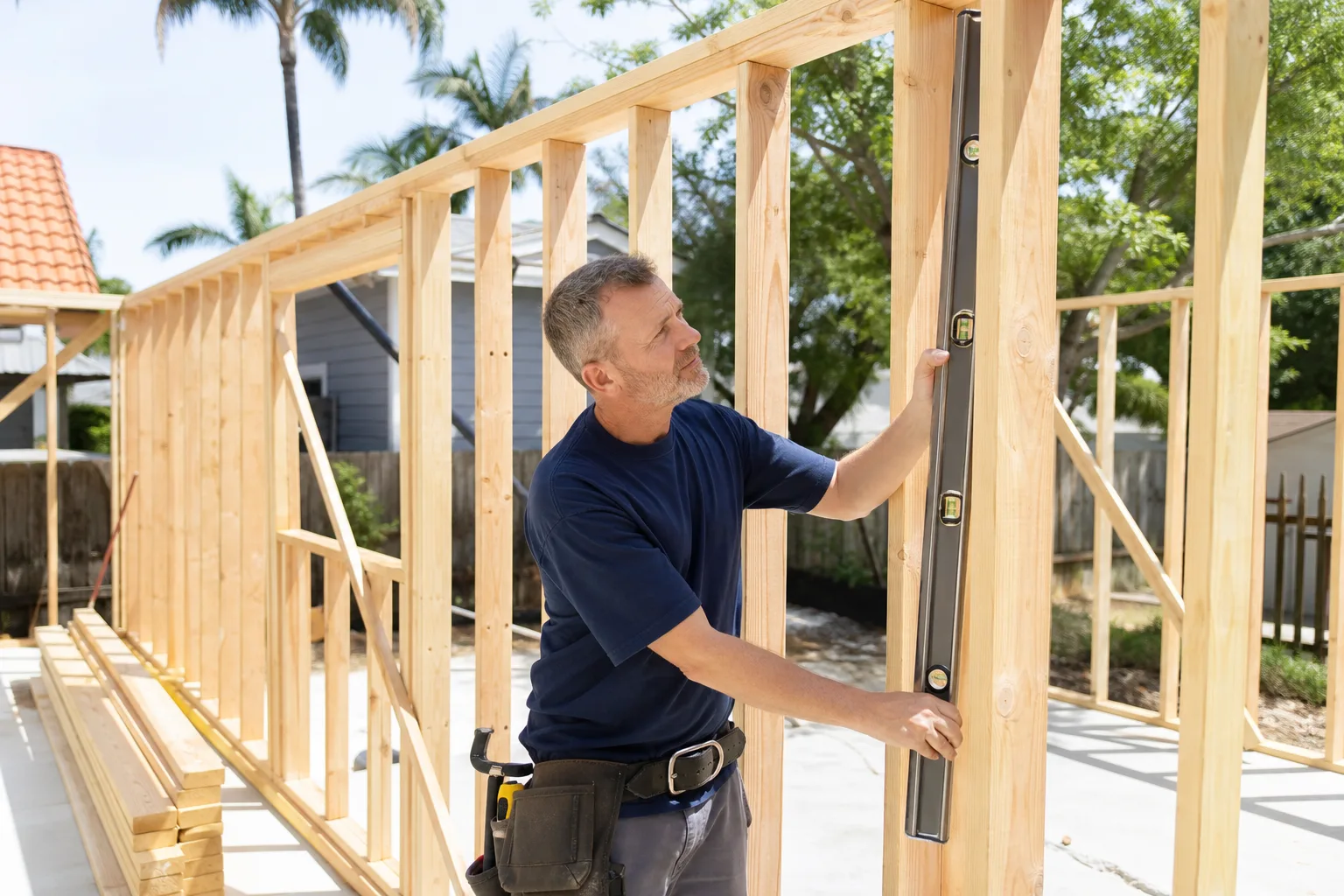
Site work covering the pad, trenching and utility runs to a detached unit in Coral Terrace lands in the $45,000 – $130,000 range, separate from the $90,000 – $220,000 cost of building the ADU itself. The low end is a flat, clear lot with a straight gravity sewer tie and short utility runs. The high end is a lot that needs import fill, a grinder pump, long trench runs and tree mitigation. Here’s how a written estimate breaks down:
| Line item | Typical range |
|---|---|
| Survey, locates and tree protection | $1,500 – $4,500 |
| Demo, clearing and grading | $6,000 – $20,000 |
| Water and sewer trenching and tie-in | $8,000 – $28,000 |
| Electrical service, trench and panel | $6,000 – $22,000 |
| Gas line (if used) | $2,000 – $7,000 |
| Slab and foundation prep | $8,000 – $22,000 |
| Drainage swale or dry well | $2,500 – $9,000 |
| Permits and inspections | $2,000 – $7,500 |
| Backfill and site restoration | $3,000 – $9,000 |
What’s included in our written quote: survey, all trenching and utility runs to the unit, slab prep, the county permits and inspections, and backfill. What usually isn’t: the ADU structure, interior finishes, the lift-station equipment if you need one, and utility company tap fees, which get billed separately and quoted to you as a pass-through. Upfront pricing means the number you see is the number you pay. From foundation to finish line, one contractor, one written scope. To plan the build on top of this, see our Home Additions & ADU service, and if the grading work is part of a wider build, the broader scope lives on the Home Additions & ADU in Coral Terrace page.
See the difference
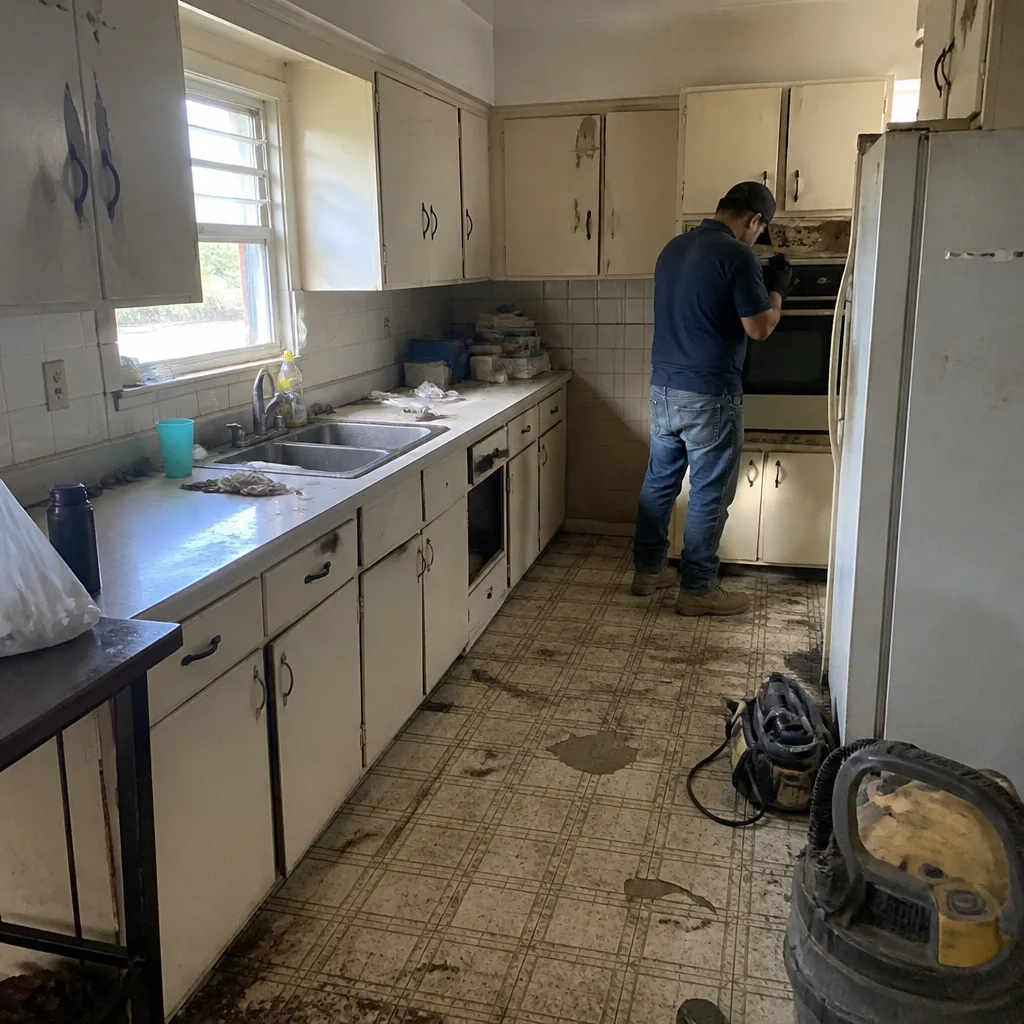 Before
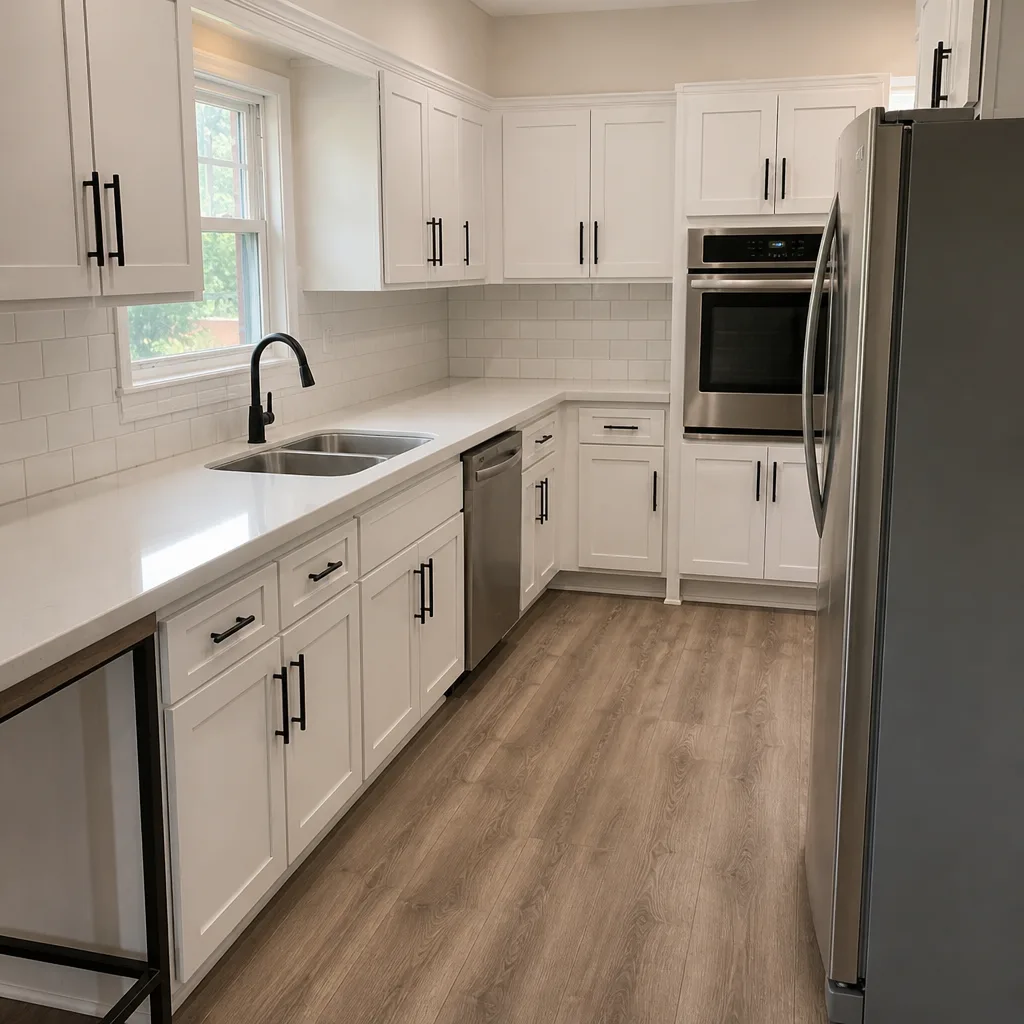 After
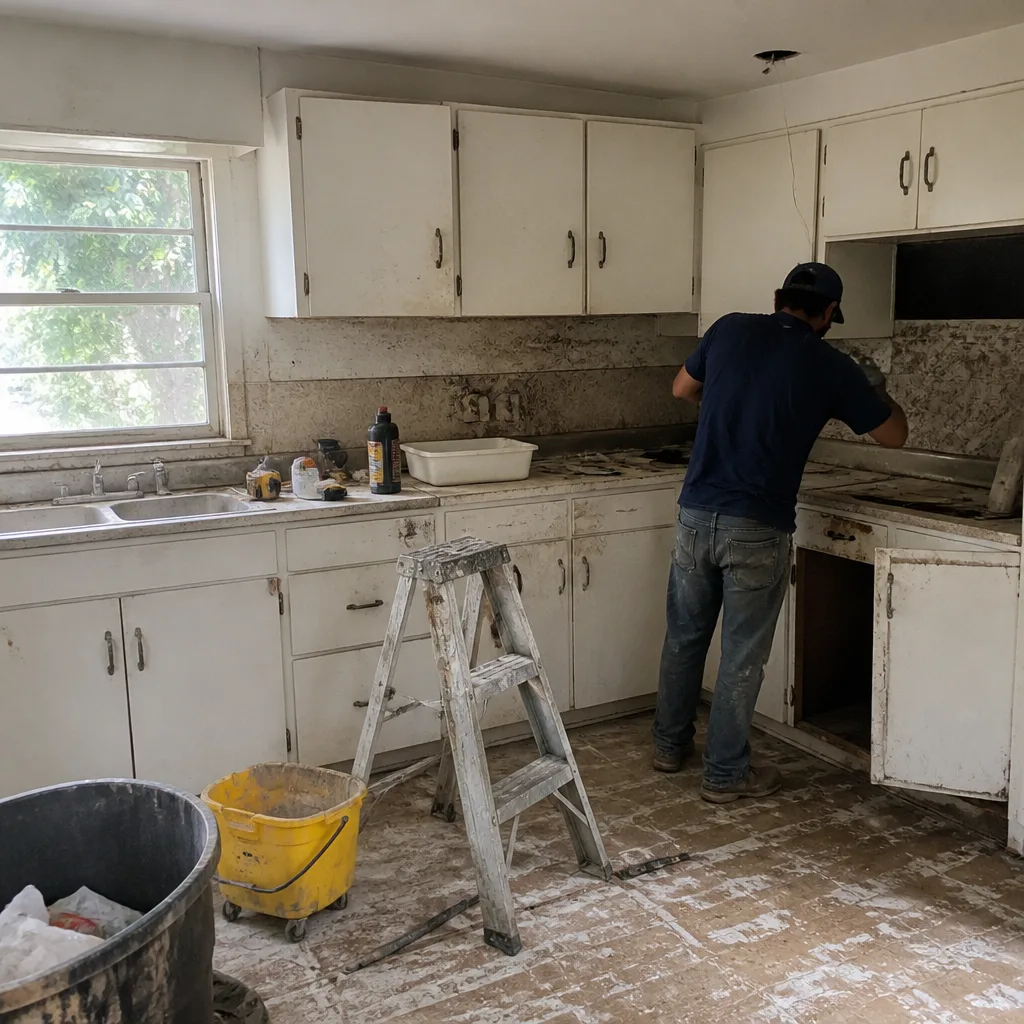 Before
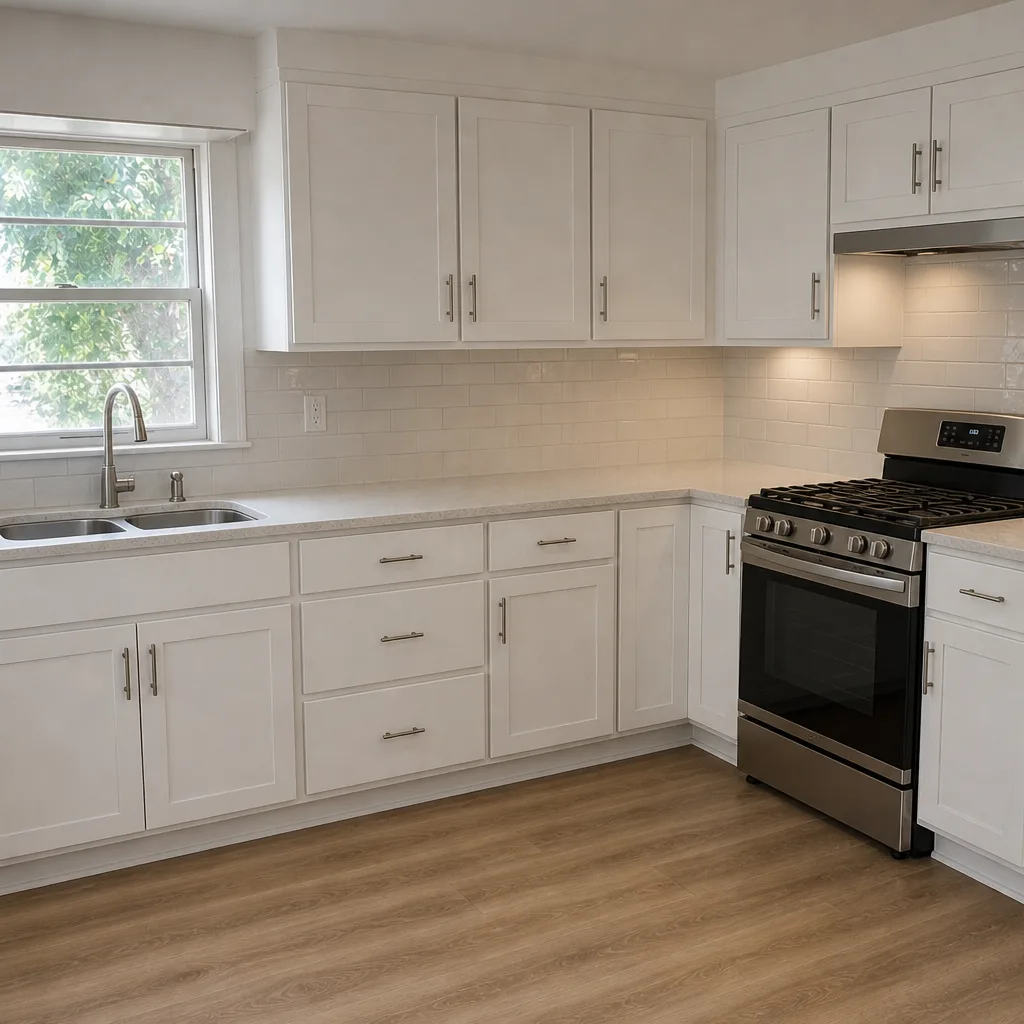 After
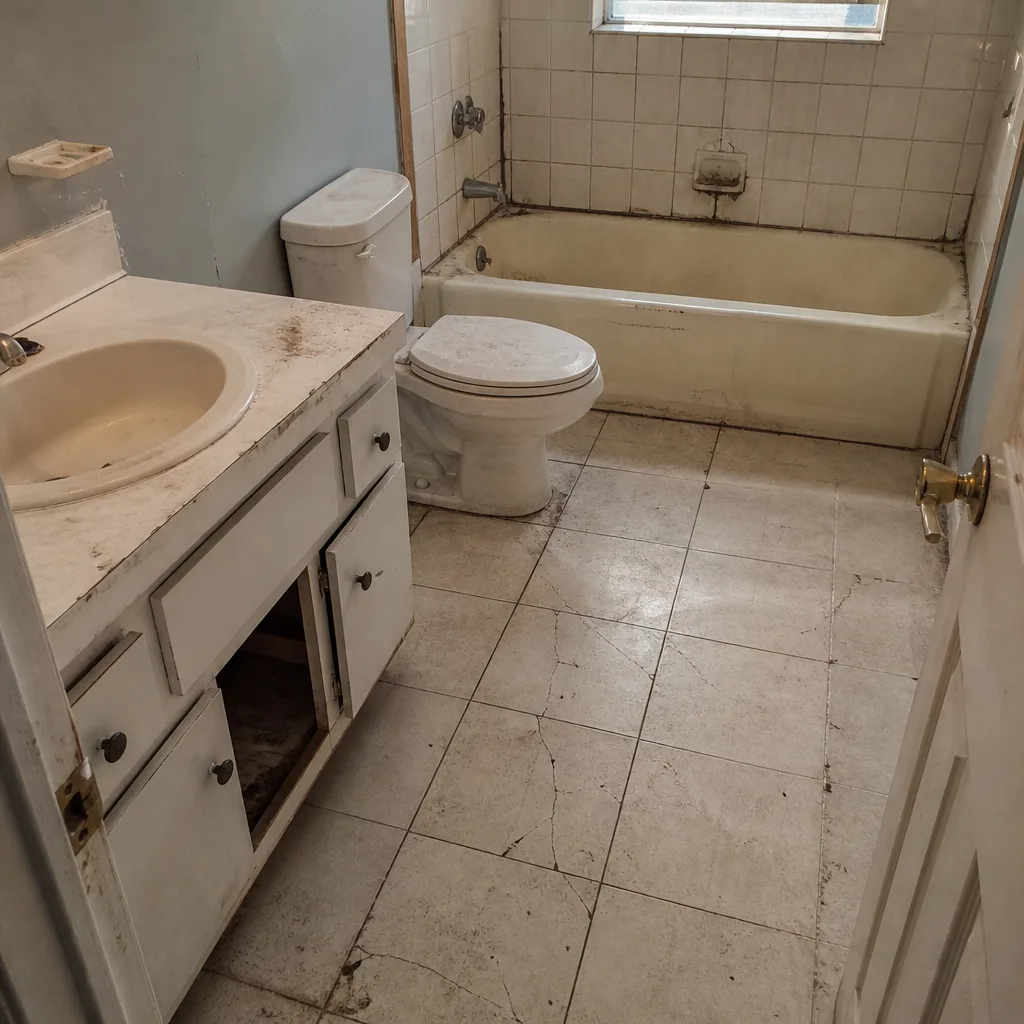 Before
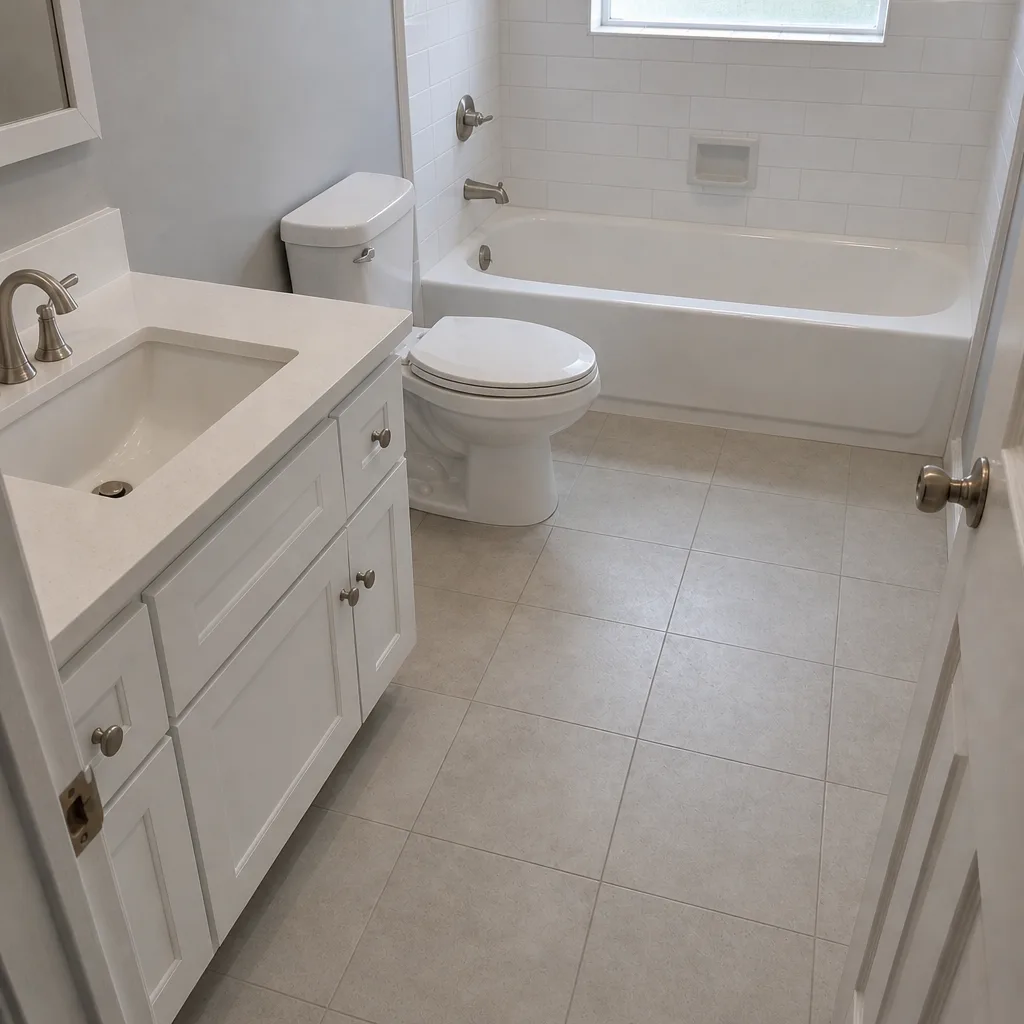 After
What Coral Terrace Homes Specifically Do to This Job
There is no city hall here to pull a permit from. Coral Terrace is unincorporated Miami-Dade, so every site-prep and utility permit runs through the county’s Building and Neighborhood Compliance office, and inspectors are strict about the 75% lot-coverage and setback rules on these small mid-century lots. A rear pad that looks routine on a 7,500 – 9,000 sq ft platted lot can trigger a fresh survey and a drainage review before it moves. The housing stock compounds it: most of these are 1950s – 1970s single-story concrete-block ranches with barrel-tile roofs and jalousie windows, often with original carports and terrazzo floors that come out during clearing. Add the mature live oaks and royal palms overhanging the lots, and tree protection becomes part of the schedule. And because construction here sits inside the High Velocity Hurricane Zone, every product and connection we run has to meet wind-uplift rules, which reach all the way down to the slab hold-downs. We cover the whole of Coral Terrace under ZIP 33155.
We do the surrounding neighborhoods the same way. Homeowners in Glenvar Heights, South Miami and Coral Gables call with the same set of questions, and the county rules don’t shift much between them. If your site work includes a new apron or access approach, homeowners often pair this with Concrete Driveways & Concrete Work in Coral Terrace or a Paver Driveways in Coral Terrace job so the access and drainage are handled in one pass.
Serving Coral Terrace, FL – Our Local Coverage Area
We serve Coral Terrace and nearby communities. Use the map below to see the area we cover. If you’re nearby, we can almost certainly help.
Frequently Asked: ADU Site Prep & Utilities in Coral Terrace
Plan on 6 – 14 weeks from survey to final utility inspection. The digging and pouring are fast; survey, locate scheduling and county inspections stretch the calendar, and a rainy-season washout can add a week. Call (833) 630-4214 for a schedule based on your lot.
Yes. Every bit of it goes through Miami-Dade County’s Building and Neighborhood Compliance office, from tree protection to the underground utility inspection to the slab. We pull the permits and coordinate the inspections as part of the job, so you’re not the one chasing down the county.
Often yes, if the build pad sits clear of the house and the utility runs can reach the county main and panel without crossing the existing foundation. That’s the cheaper path. When the lot is tight or the main is far, relocating a run or adding a lift station is unavoidable, and we show you that cost on the estimate, not mid-job.
It runs $45,000 – $130,000, separate from the ADU build itself. The variables that push you to the high end are import fill, a grinder pump instead of gravity sewer, long trench runs and tree mitigation. We put every line item in a written quote, and the number you see is the number you pay. Call (833) 630-4214 for an exact figure on your lot.
All of it is covered by our 730-Day Done Right Promise. If the buried lines, the pad or the slab aren’t done right, we make it right, and that coverage runs two full years past completion. Calls are answered by a live person around the clock.
Get a Free On-Site Estimate for Your Coral Terrace Site Prep
Call (833) 630-4214 for a free on-site estimate on ADU site prep and utilities in Coral Terrace. We’ll walk the lot, check setbacks and lot coverage against the county rules, look at where the sewer main and panel sit, and hand you a written line-item quote that includes permits and inspections. If you’re pricing the build on top, ask about our 0% financing for 18 months and $1,000 off projects over $10,000.
Written by the team at Groundwork Construction Co.