Free written scope consultation - allowances, timeline, and change-order rules on paper before a single trade is scheduled
ADU Site Prep & Utilities in Palmetto Bay: What It Takes and What It Costs
Site prep and utilities for an ADU in Palmetto Bay typically run $45,000 – $130,000 for the full package: lot clearing within the tree ordinance, grading and drainage, slab or stem-wall foundation, and running water, sewer, electrical and gas service from the main. Most of that work happens in the first four to six weeks before a wall goes up, and the Village Building Department reviews each stage separately. Call (833) 630-4214 for a free on-site estimate; a live person answers around the clock.
Getting this stage done in one pass matters more here than almost anywhere else, because re-inspecting or re-trenching a Palmetto Bay lot after the fact costs you both time and a second paper trail.
How We Sequence the Site Prep and Utilities Work
Five stages, each with its own Village inspection. The sequence is not flexible: you can’t pour a slab over unstubbed plumbing, and you can’t clear a protected oak without an arborist’s report in hand first.
Stage 1 – Arborist review and lot layout (days 1 – 7)
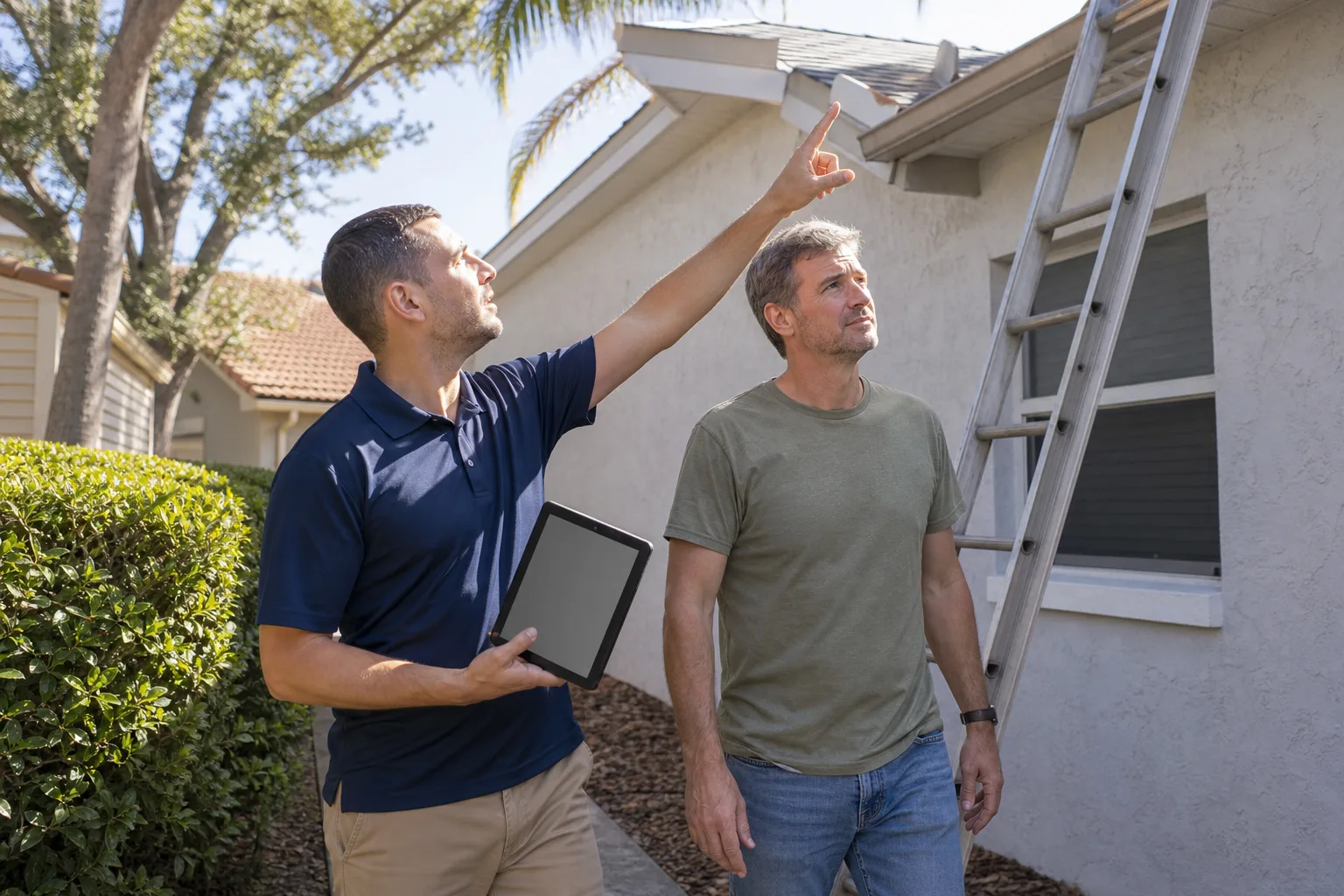
We walk the parcel with the survey in hand and confirm every tree inside the build envelope and the Village’s canopy protection zone. If a protected oak sits close to the footprint, your decision point is whether to shift the ADU, bridge the root zone, or pull a variance. This report usually takes about a week to land and sets the whole schedule.
Stage 2 – Demolition, clearing and erosion control (days 8 – 14)
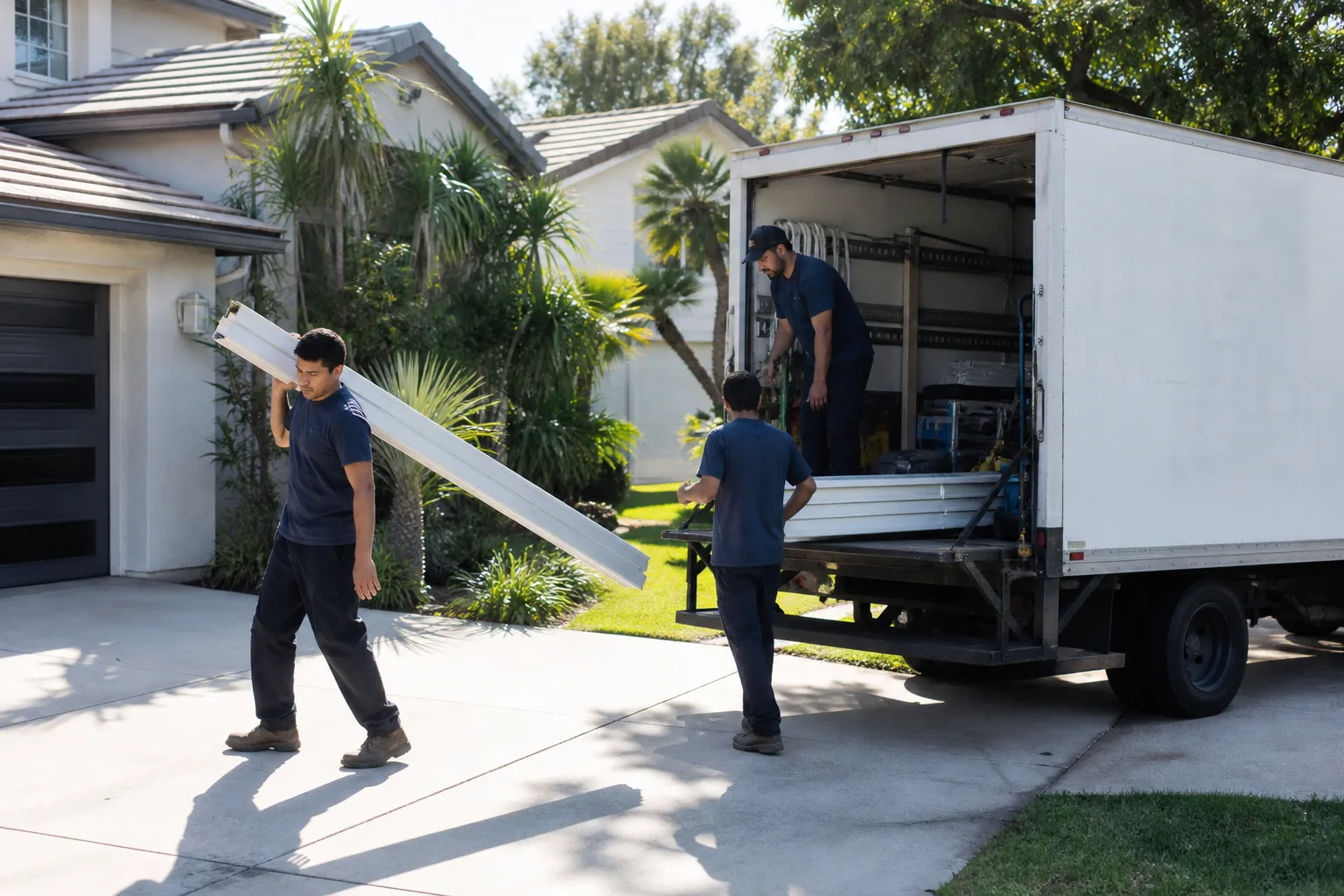
We remove old slabs, sheds, pavers or fencing, haul the debris, and install silt fencing and a stabilized construction entrance before any heavy equipment rolls. The Village wants to see the erosion plan in place before site work begins, so we schedule that inspection at the end of this window.
Stage 3 – Grading, drainage and soil prep (days 15 – 22)
We fine-grade to the plan, set the swale and French drain, and compact the pad. South Florida’s seasonal downpours make this the stage nobody wants to rush. Your decision here is finished grade relative to the existing house; a low ADU pad will pond, and that shows up every June.
Stage 4 – Underground utilities and rough-in (days 23 – 35)
Water, sewer, electrical conduit and gas lines get trenched from the main to the ADU footprint, laid to depth, and inspected as separate utilities. If you’re on septic or have an unusually long run, add one to two weeks for design and service capacity review. This is where relocating existing lines can push a job to the high end of the range.
Stage 5 – Foundation and stub-out (days 36 – 42)
Stem walls or slab go in with sewer, water and conduit stubbed above grade, ready for the build crew. Your decision: slab-on-grade for a simple footprint, or stem walls if your parcel floods. We close the stage with the foundation inspection, so the ADU build starts with zero open items.
Styles & brands we work with
- Kitchen remodeling
- Bathroom remodeling
- Home additions & ADU
- Roofing
- Windows & doors
- Driveway & pavers
- Fence
The Site and Utility Options You’ll Choose Between
- Slab-on-grade vs. stem wall. A monolithic slab is the budget choice and suits most Palmetto Bay lots. Stem walls cost more but lift the finished floor above seasonal flooding and simplify electrical and plumbing access. On the lower lots near the canal corridors, stem walls pay for themselves.
- Standard-trench vs. directional utilities. Standard trenching is straightforward and lowest-cost. Directional boring earns its keep when the run has to cross existing hardscape or preserved root zones, and it avoids opening the driveway.
- Service run options. Running full-size conduit now for water, electrical and low-voltage fiber costs a fraction of retrofitting it later. We oversize the conduit rather than re-trench when you add equipment.
- Drainage grade. Swales and open French drains are inexpensive and easy to maintain; a below-grade catch basin and pump setup makes sense where the lot can’t shed water. That’s a real cost difference, and it’s worth knowing before you pick.
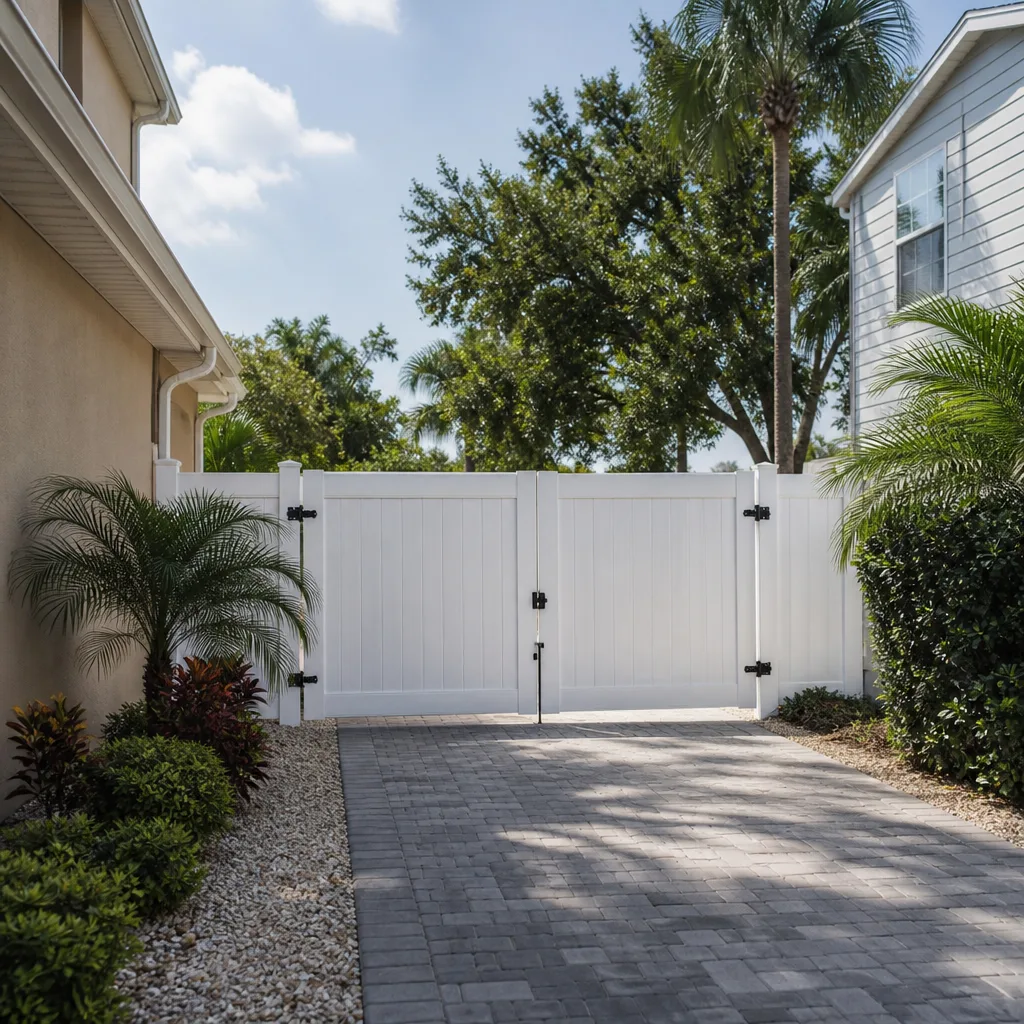
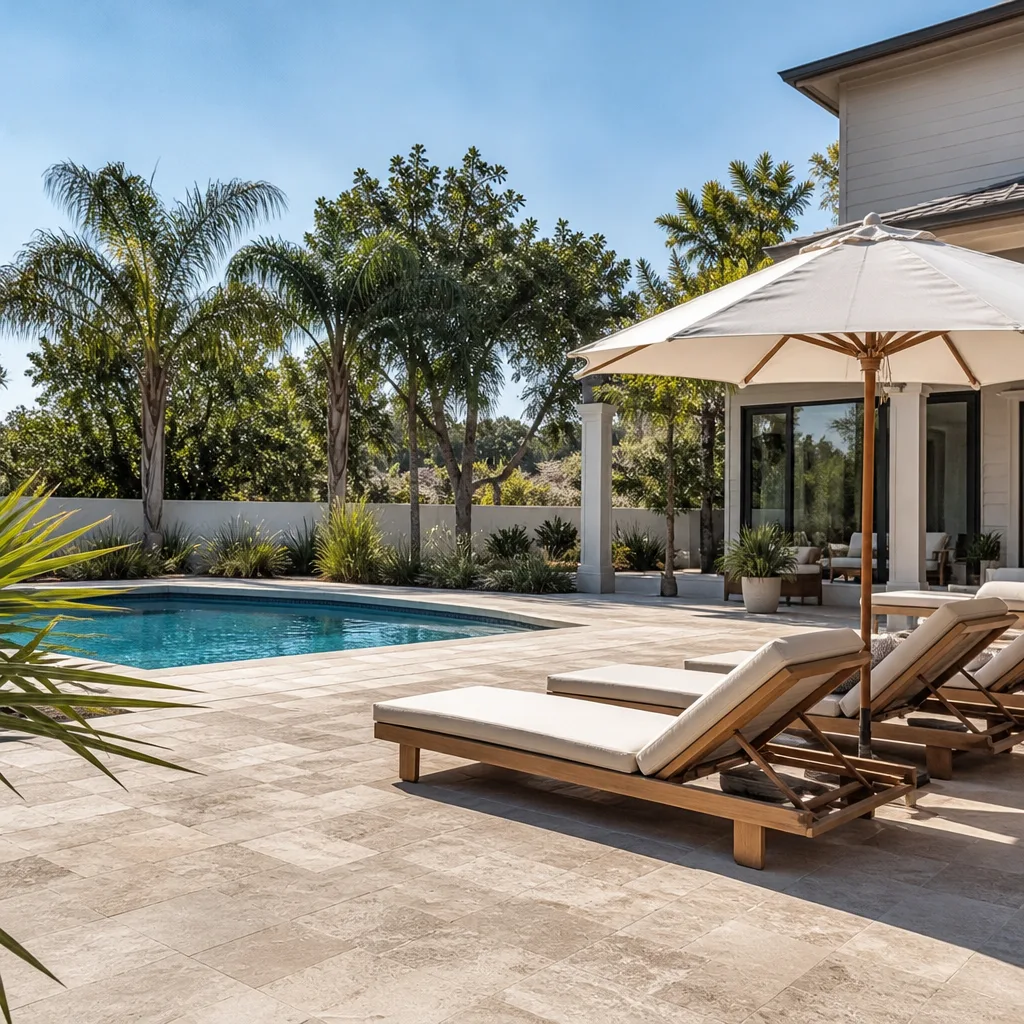
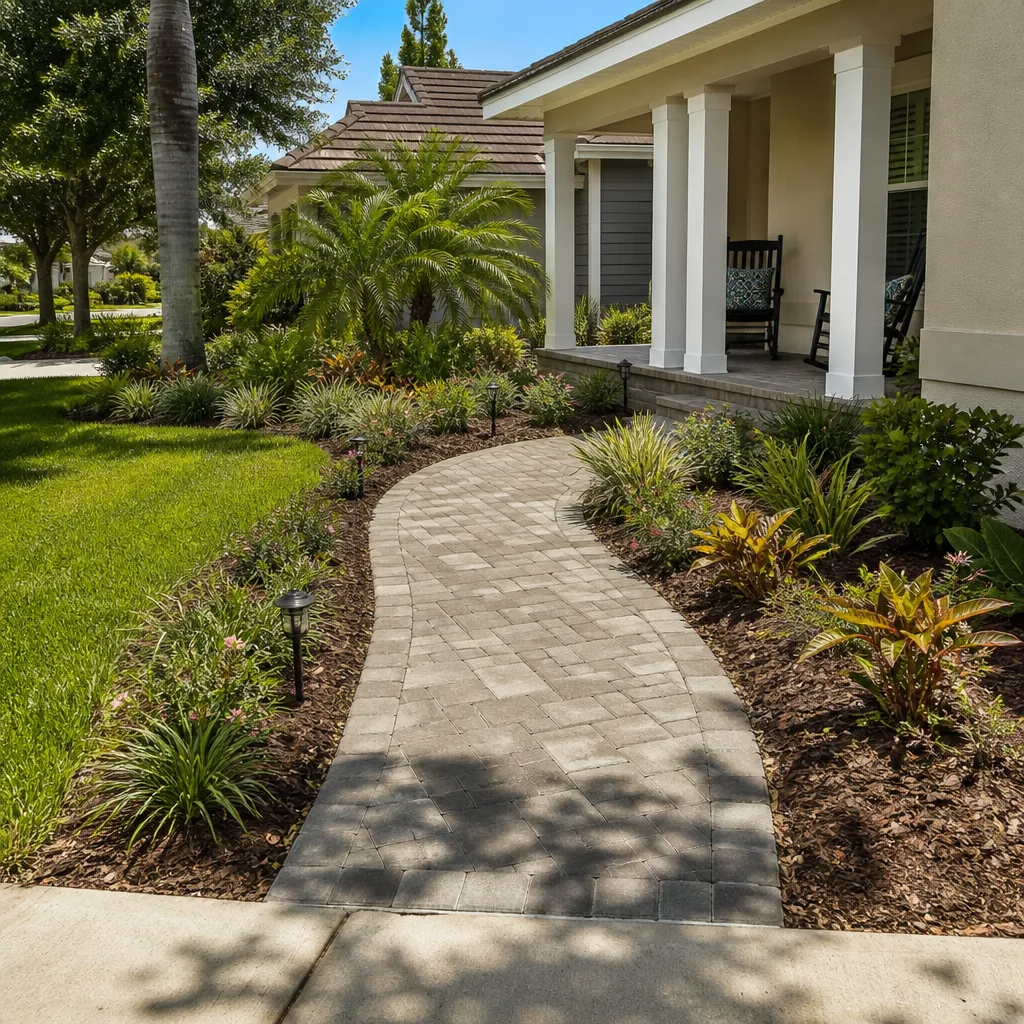
- Paver or concrete apron. We can set the ADU driveway apron in pavers such as Tremron or Techo-Bloc to tie into the existing hardscape, or concrete for a simpler line item. Homeowners often pair this with Paver Driveways in Palmetto Bay when they’re updating the ADU access at the same time.
What ADU Site Prep & Utilities Costs in Palmetto Bay, FL
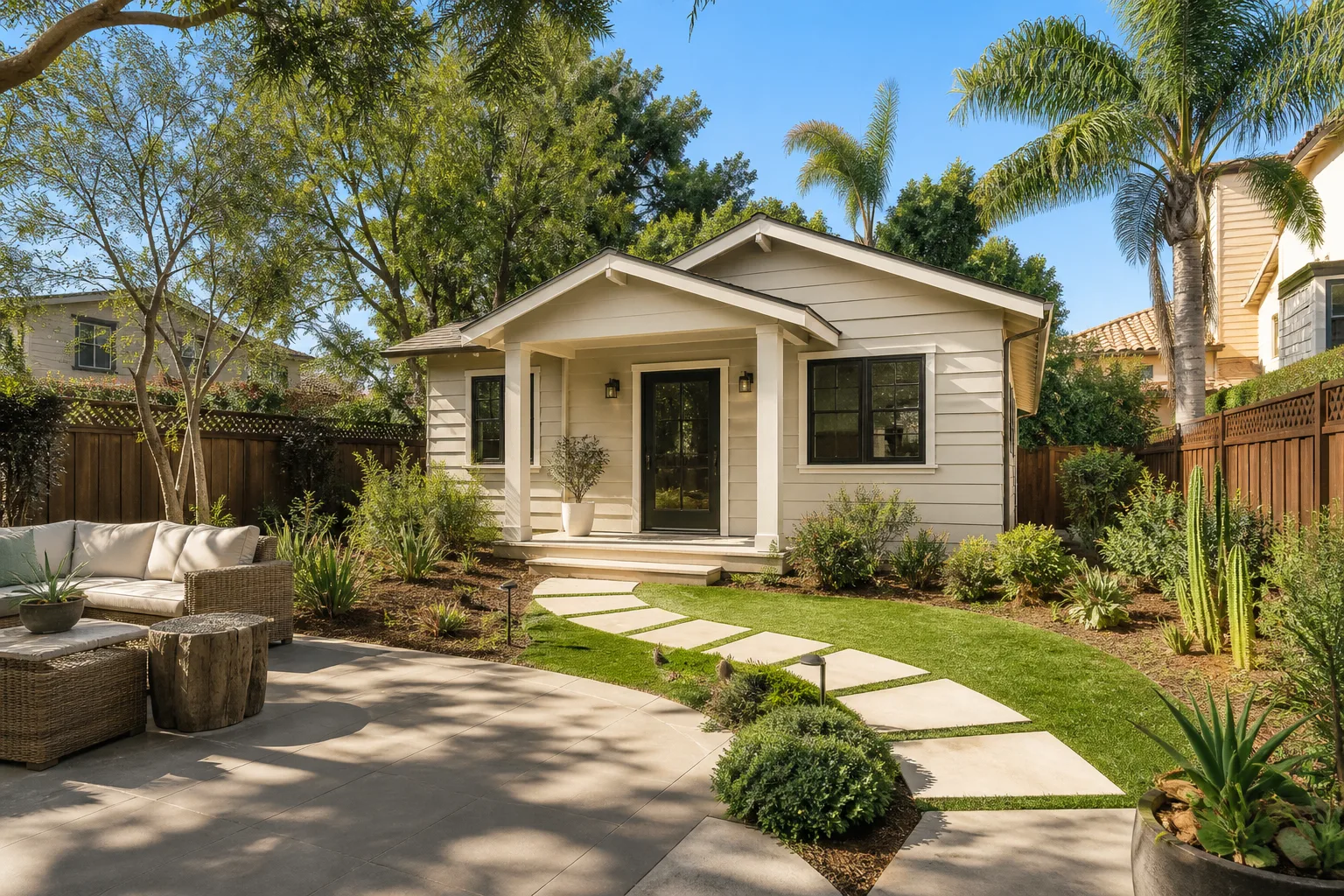
The full package runs $45,000 – $130,000 for site prep and utilities as part of an ADU project. A simple interior ADU where most of the work is a garage-to-living conversion lands near the low end; a detached ADU on a heavily treed or low lot with long utility runs pushes to the high end.
Five variables move the number:
- Footprint and clearance. A compact detached ADU keeps excavation and grading modest. A larger one adds grading volume and fill.
- Existing condition of the lot. Trees that require an arborist report, an old slab, or an aging septic system all add work before any new build.
- Utility relocations. Moving water, sewer, electrical or gas service runs is the biggest line-item swing; trenching alongside an existing run is far cheaper than relocating it.
- Drainage conditions and grade. Low lots that need pumps or engineered drainage add cost; well-drained lots keep it simple.
- Permit and inspection scope. The Village’s separate permits for clearing, drainage and utilities each carry a review cost. We pull permits and pass inspections as part of the project.
Every written estimate is line-item and upfront: the number you see is the number you pay. It includes grading, trenching, utility rough-in, foundation and inspection coordination; it does not include the ADU structure itself, interior finish materials, or landscaping outside the build envelope. That larger scope lives on the Home Additions & ADU in Palmetto Bay page. Estimates are free and the project is covered by our 730-Day Done Right Promise.
See the difference
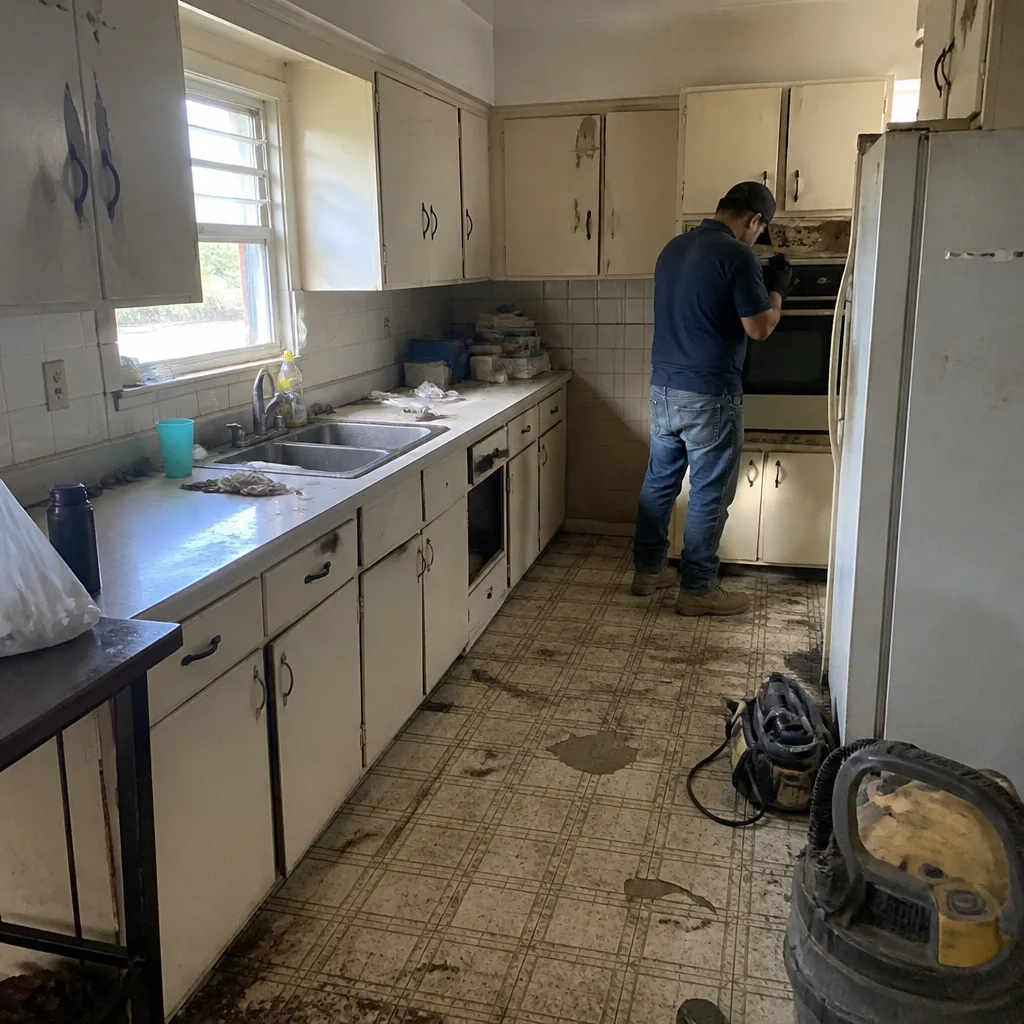 Before
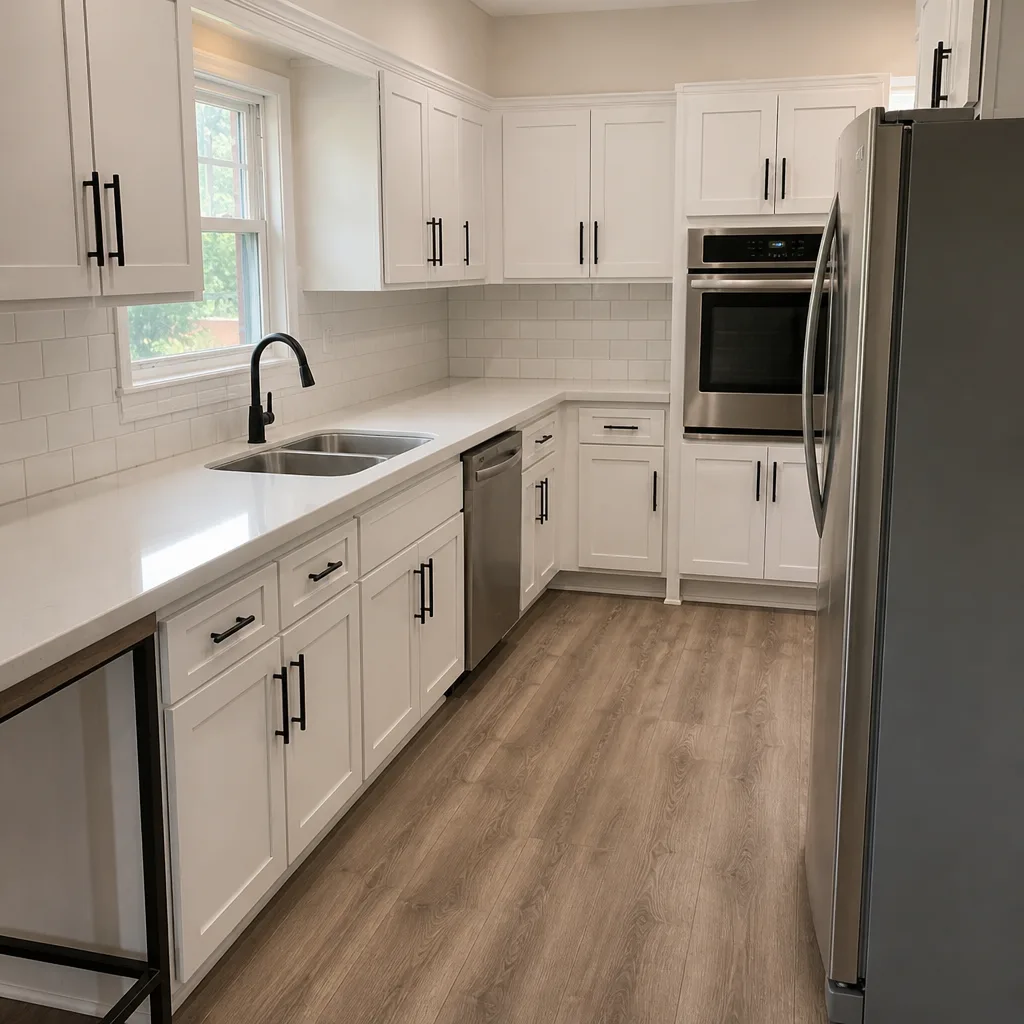 After
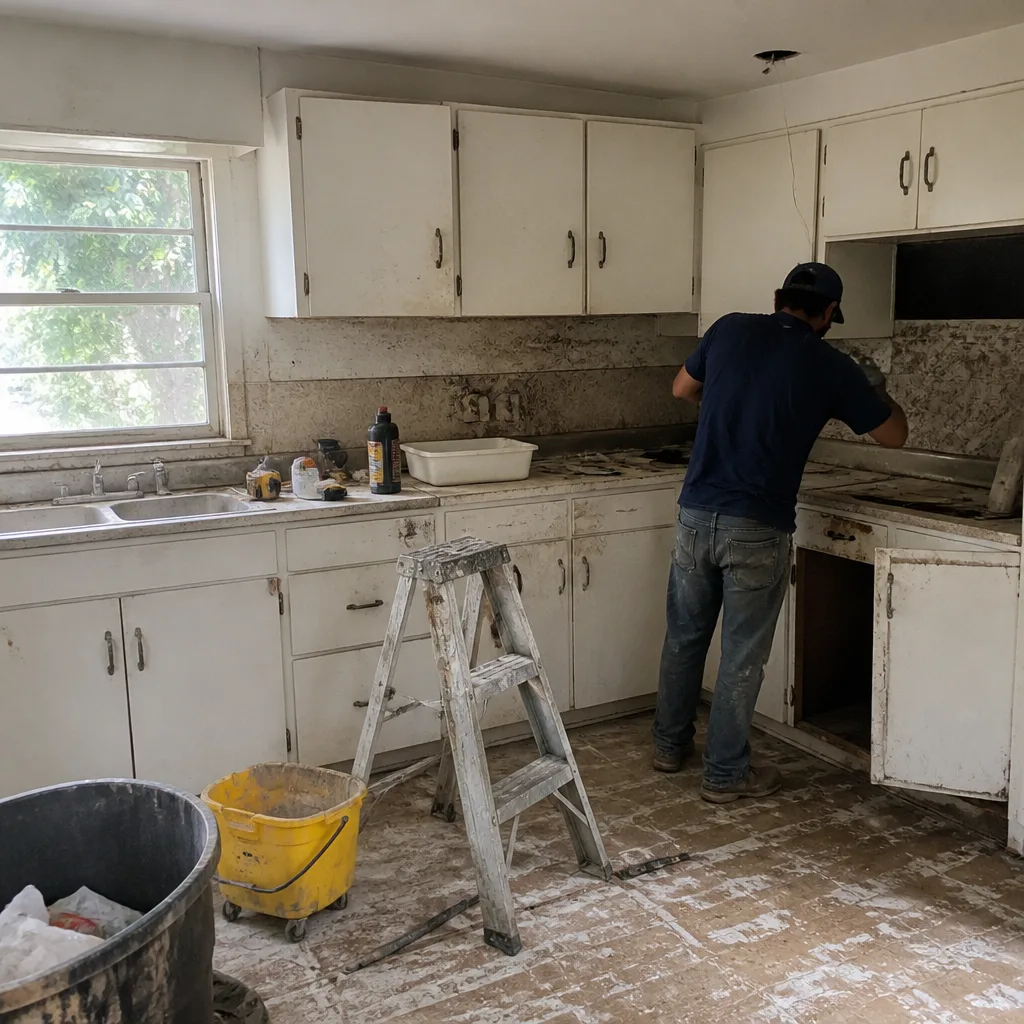 Before
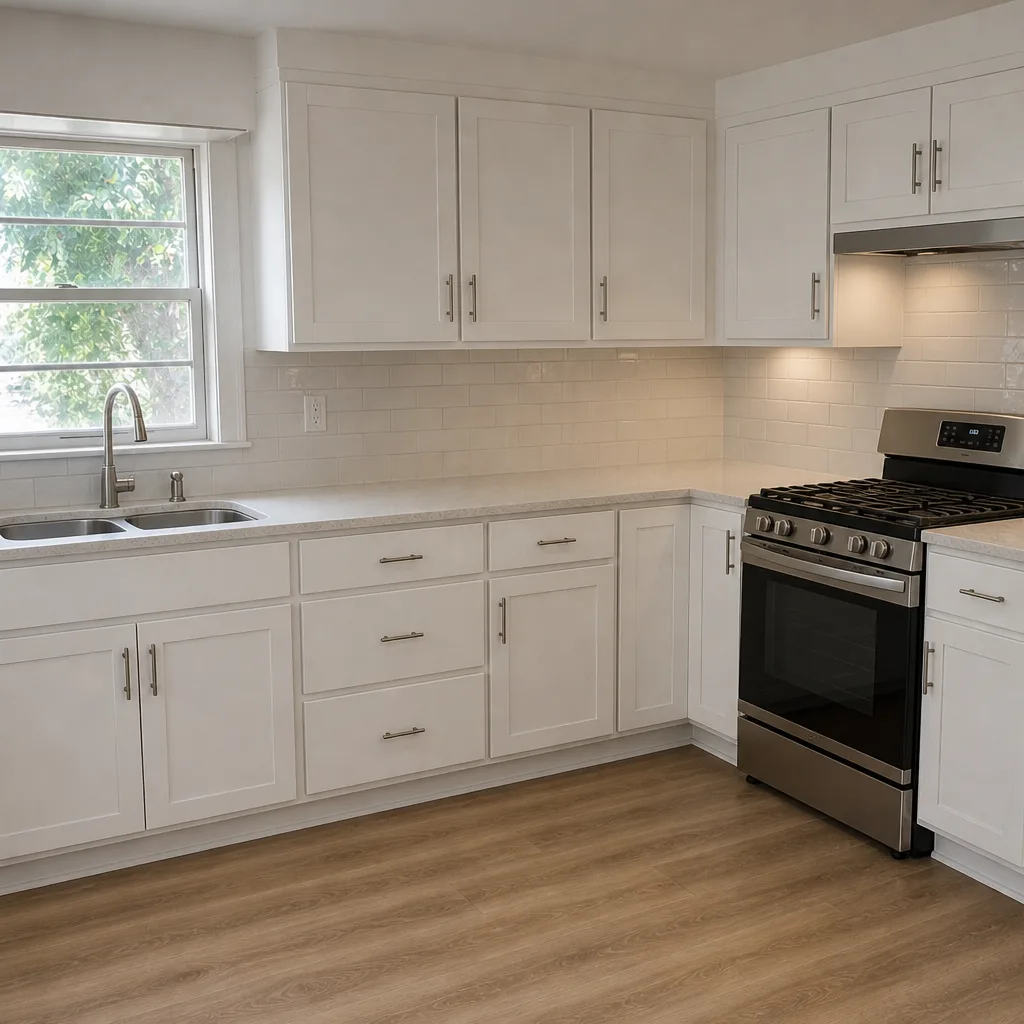 After
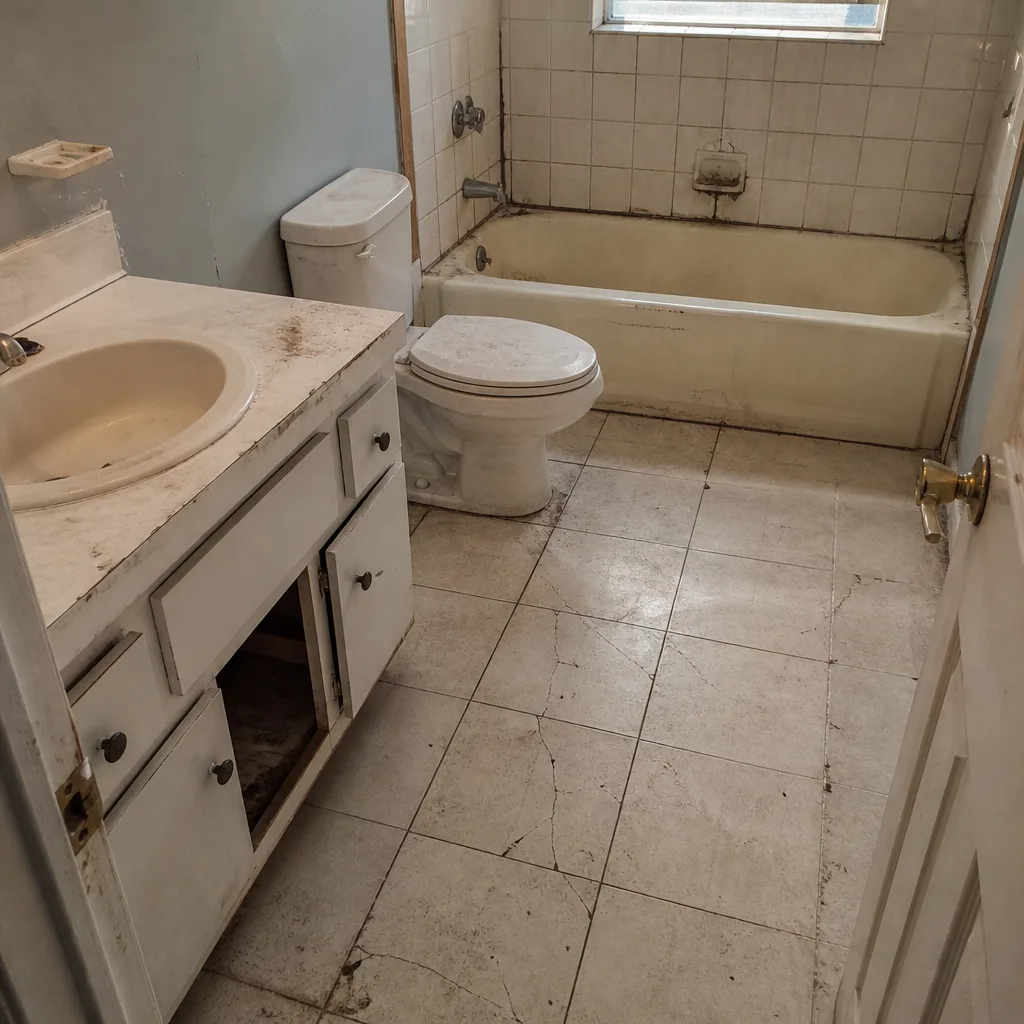 Before
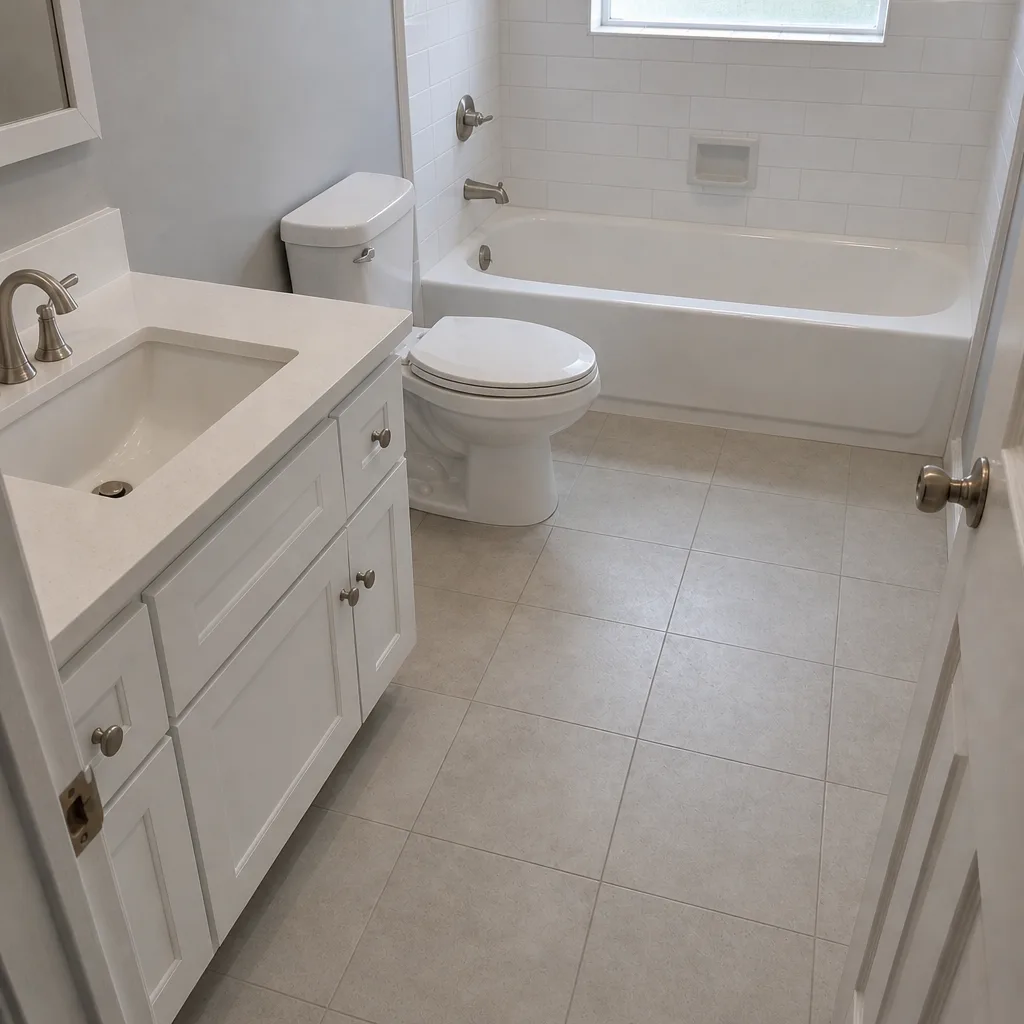 After
What Palmetto Bay’s Rules and Lots Do to This Job
Palmetto Bay incorporated in 2002 to slow over-development and backs that up with some of Miami-Dade County’s strictest residential construction rules. The Village Building Department runs its own permits, and tree preservation is taken seriously. The mature live-oak canopy means a site plan often hinges on a certified arborist’s report and a Village variance before a single foundation permit is pulled. Removing or harming a protected oak can stop a project cold, so the arborist review is not optional; it’s the first step.
The housing stock reinforces this. Most Palmetto Bay parcels hold 1970s – 90s ranch and Mediterranean-style single-family homes on large lots on the 33158 side of the Village, and many original builds are getting detached ADUs alongside full rejuvenation work. Older concrete-block and stucco homes often need drainage regrading because the lot has settled or added fill over the years.
Direct hurricane-belt exposure drives everything else. Post-Andrew wind provisions, roof-to-wall strap upgrades and impact-window requirements shape how a detached ADU ties into the existing property, and drainage work needs to hold up through the dry and wet seasons without ponding. Our coverage in Palmetto Bay includes the residential neighborhoods across the Village. For the hardscape around the ADU, homeowners often pair this with Concrete Driveways & Concrete Work in Palmetto Bay.
Serving Palmetto Bay, FL – Our Local Coverage Area
We serve Palmetto Bay and nearby communities. Use the map below to see the area we cover. If you’re nearby, we can almost certainly help.
Frequently Asked – ADU Site Prep & Utilities in Palmetto Bay
Plan on four to six weeks from arborist review to foundation sign-off. The Village’s separate inspections for clearing, drainage, utilities and foundation each add a few days. Weather during the wet season can stretch the schedule.
Yes. Palmetto Bay’s own Building Department requires permits for clearing, grading, drainage and utility connections, and each stage gets inspected. We pull the permits and coordinate the inspections as part of the job.
Often yes, especially with an interior ADU where the utility runs already cross the space. Trenching new lines alongside existing ones, rather than relocating them, keeps the number near the low end of the range. A detached ADU needs new runs and costs more.
The package runs $45,000 – $130,000 depending on footprint, tree removal, utility runs, grading and drainage. That covers site work, trenching, utility rough-in and foundation, not the ADU structure or interior finishes. Call (833) 630-4214 for an exact quote on your lot; estimates are free.
All of our site prep and utility work is backed by the 730-Day Done Right Promise: if it isn’t done right, we make it right. Technicians are background-checked and arrive in uniform, and our teams bring up to 12 years of experience to each job.
Get Your Free On-Site Estimate
We’ll walk your Palmetto Bay parcel, identify any protected trees and drainage concerns, and give you a written line-item quote for ADU Site Prep & Utilities before any work starts. Call (833) 630-4214, a real person answers 24/7, and we’ll schedule a free on-site visit. Our Home Additions & ADU team handles the full scope from there. Upfront pricing, permits pulled, inspections passed.
Written by the team at Groundwork Construction Co.