Last updated November 18, 2026
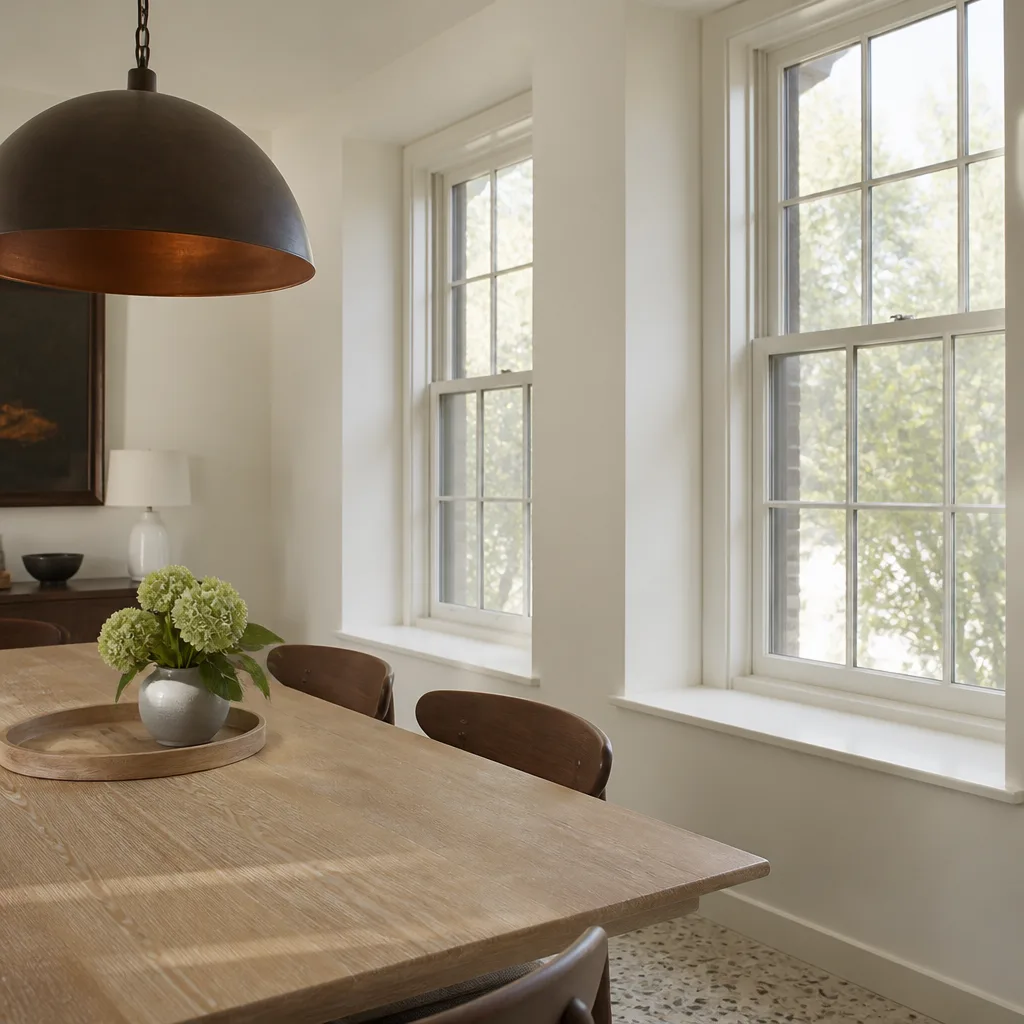
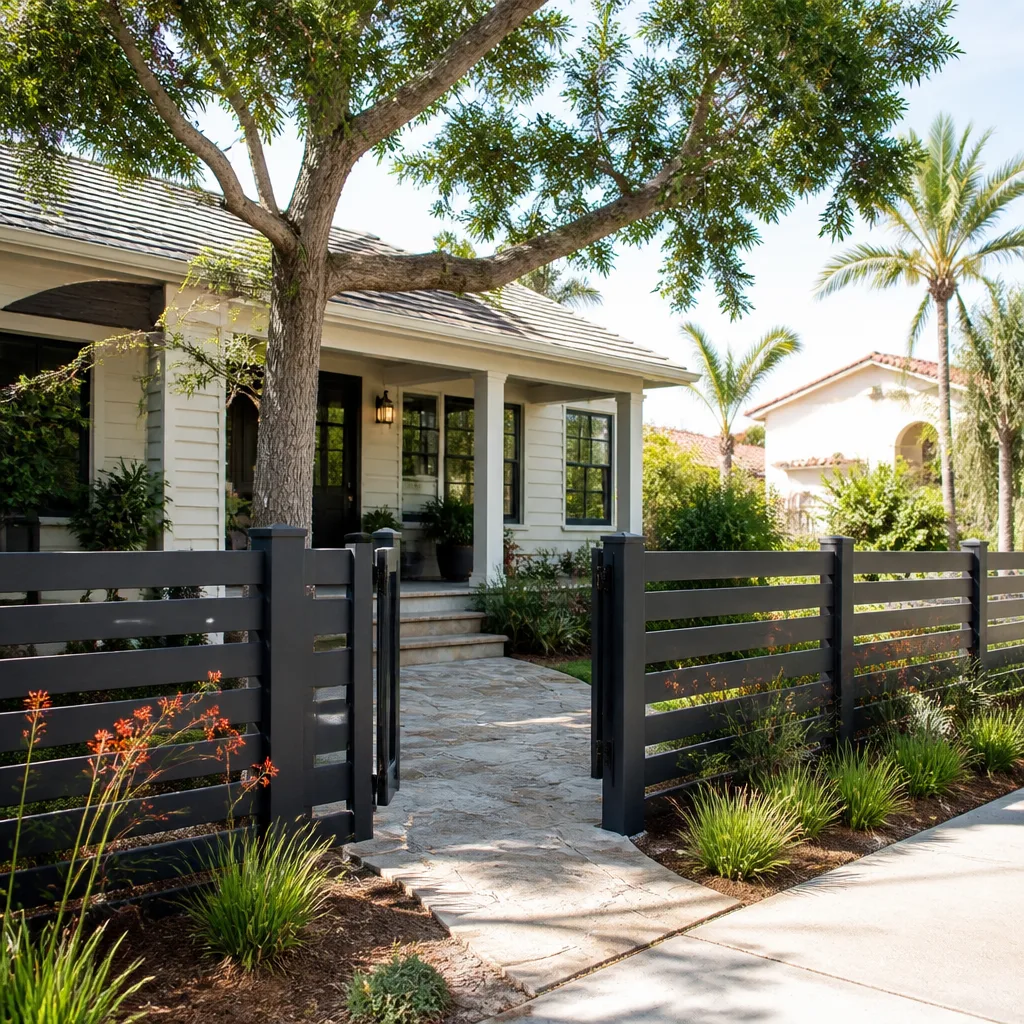
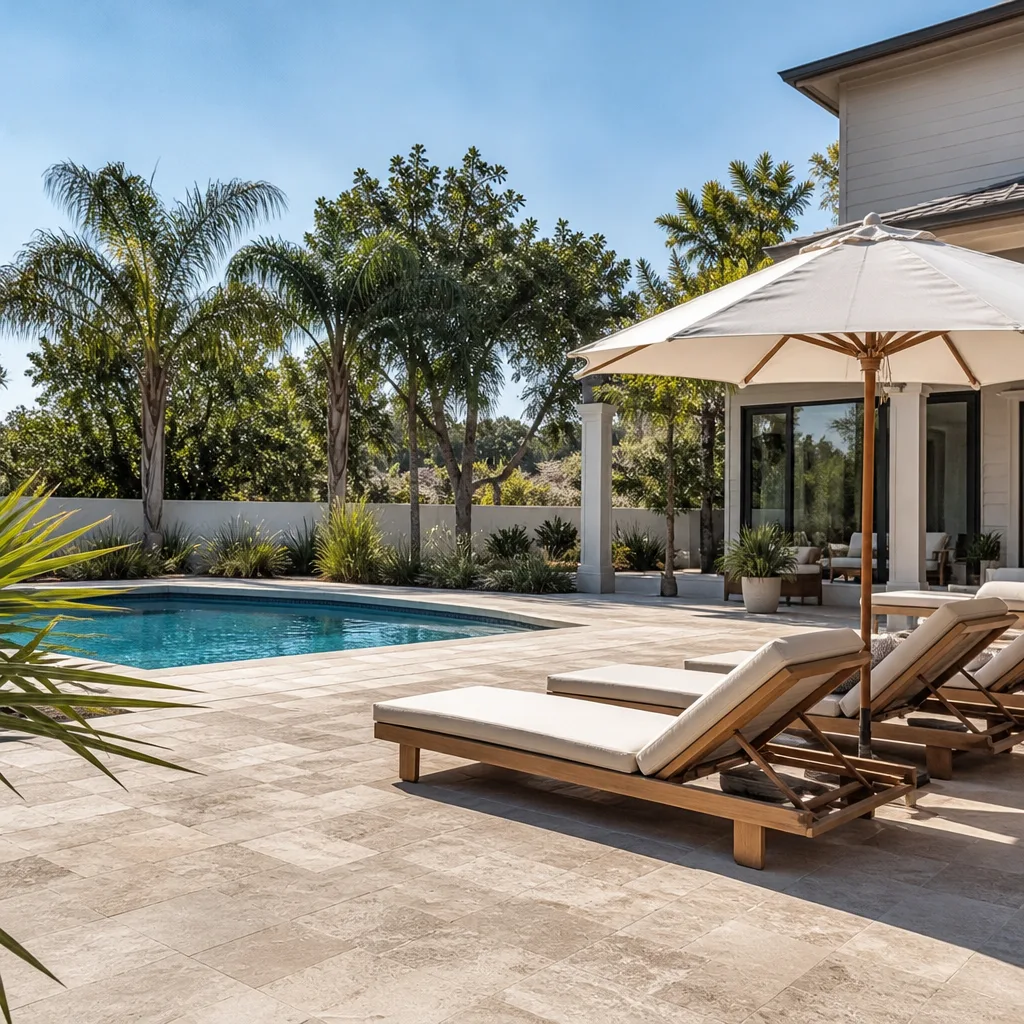
Free written scope consultation - allowances, timeline, and change-order rules on paper before a single trade is scheduled
Styles & brands we work with
- Kitchen remodeling
- Bathroom remodeling
- Home additions & ADU
- Roofing
- Windows & doors
- Driveway & pavers
- Fence
See the difference
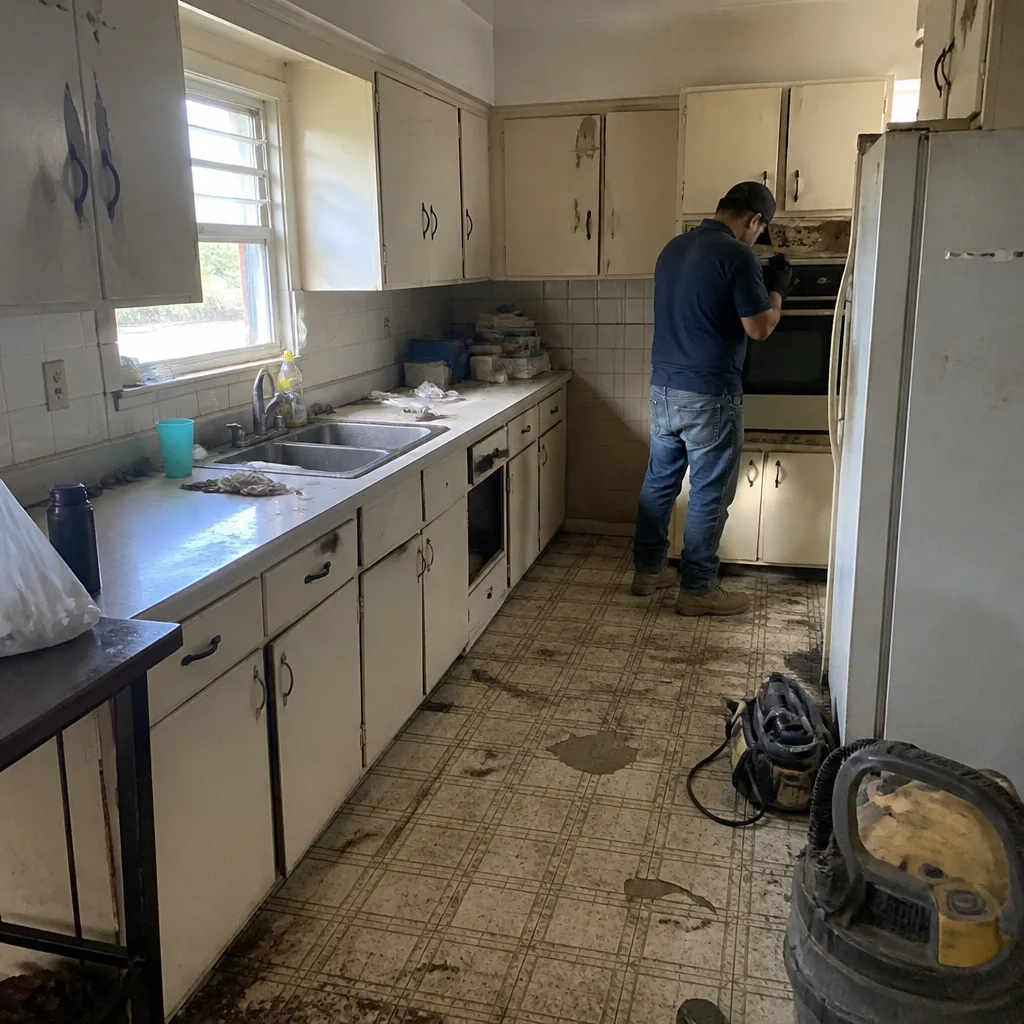 Before
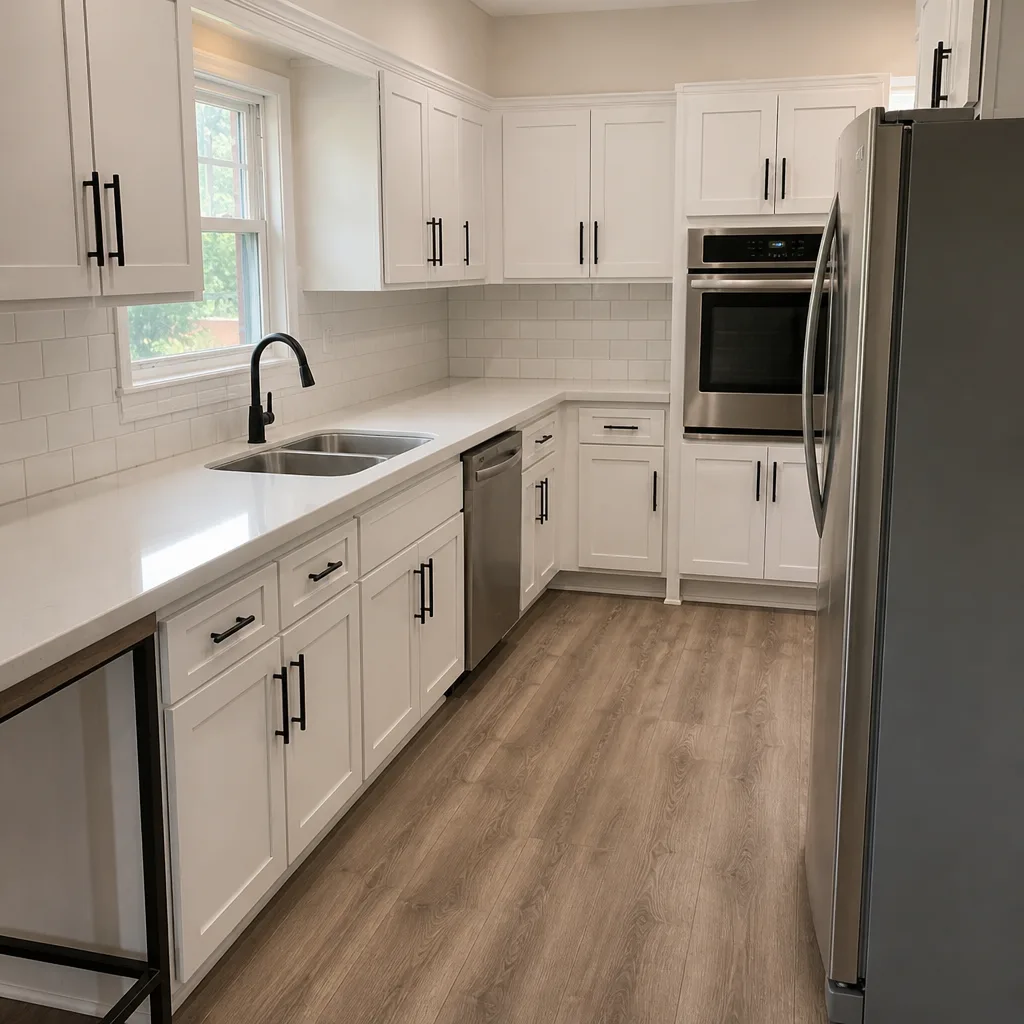 After
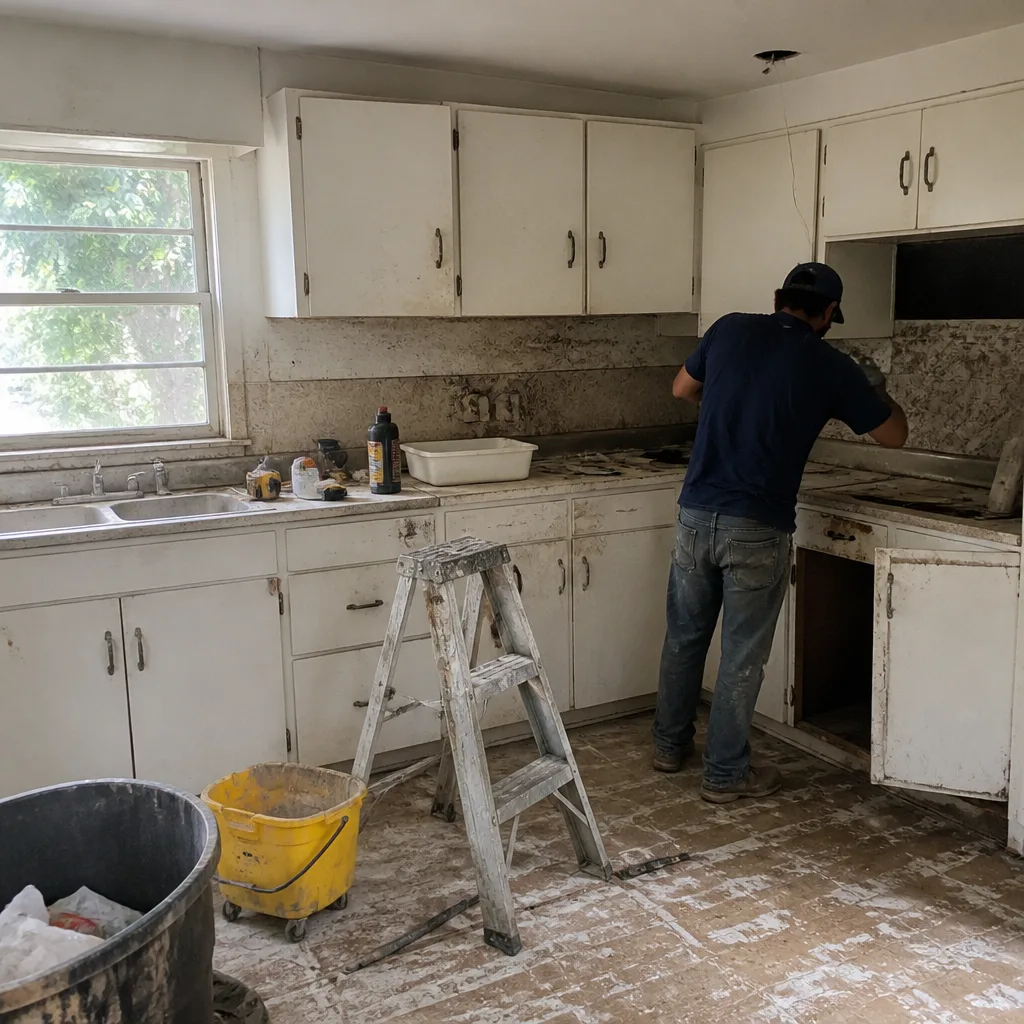 Before
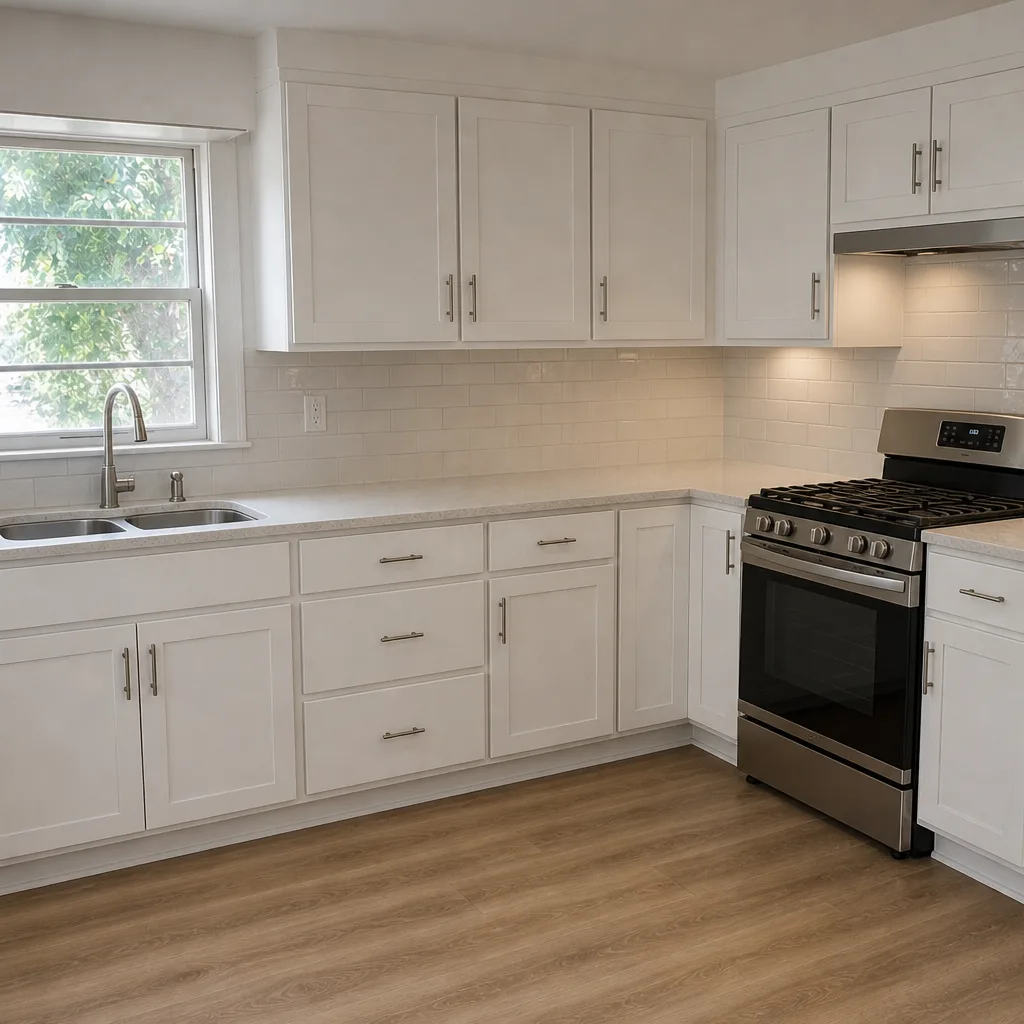 After
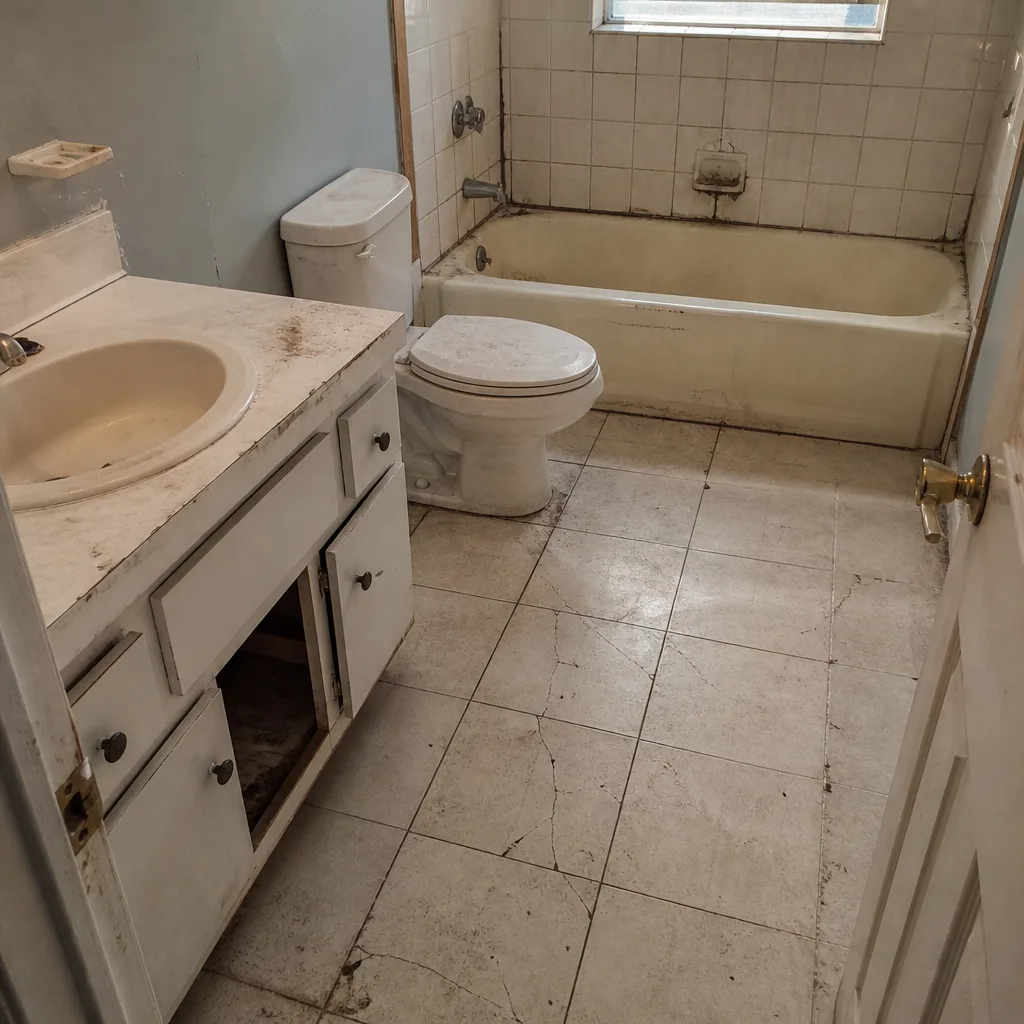 Before
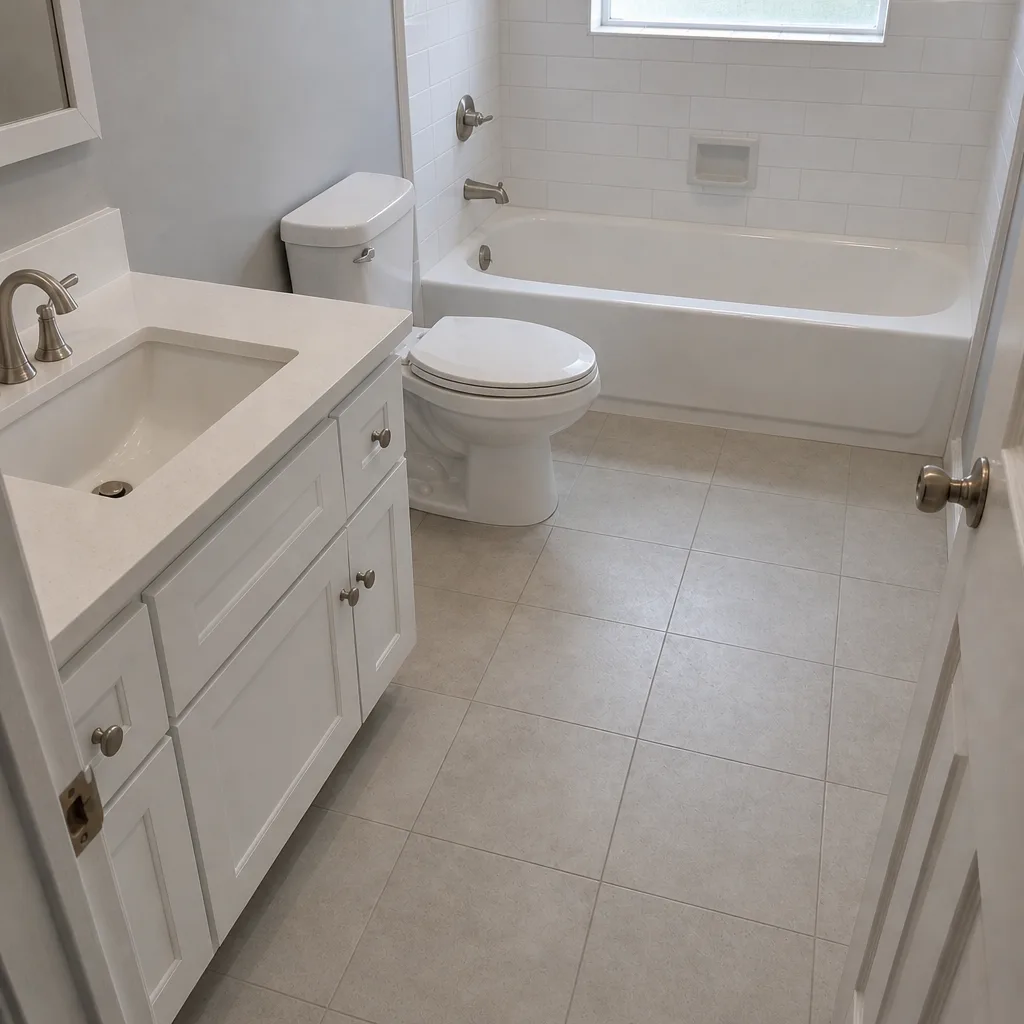 After
How to Hire a Construction Contractor in Westchester: A Step-by-Step Guide
The most dangerous contractor in Westchester isn’t the one with bad reviews. It’s the one with no paper trail at all – operating on handshake deals and referrals while pulling permits under someone else’s license number. We’ve watched homeowners lose deposits to that exact profile, and in nearly every post-mortem the warning sign was visible at bid time, buried in a document nobody read closely. This guide hands you the five questions that separate the professionals from the ones who vanish after the deposit clears, plus the DBPR license walk-through, the insurance certificate details, the contract clauses, and the payment schedule that keep a Westchester renovation on the rails. Bring it to your next estimate.
Quick Answer
To hire a construction contractor in Westchester, verify the license is active and in-scope through the Florida DBPR database, confirm an insurance certificate lists your address and general liability coverage, insist on a written contract with line-item pricing, and tie payments to completed milestones rather than a big deposit. A good contractor welcomes all four checks and puts the details in writing before work starts.
Table of Contents
- The Five Questions That Separate Professionals From Pretenders
- How to Verify a Contractor’s License in Westchester (The DBPR Walk-Through)
- What a Real Insurance Certificate Should Say
- The Contract Clauses That Protect You From Delays and Scope Creep
- Bid Red Flags: Why a Lump-Sum Quote Is a Liability
- How to Structure a Payment Schedule That Keeps Them Motivated
- Permits, Inspections, and Why Westchester Climate Makes Both Matter
- The Final Walkthrough and the Warranty That Should Outlive the Job

The Five Questions That Separate Professionals From Pretenders
Ask these five questions before you sign anything. Not to catch anyone out – a professional answers them without flinching. A pretender will change the subject, promise a callback, or answer with a different question. The pattern shows up in every market, and in a Westchester renovation market where demand outruns supply, the tell is often how quickly someone wants to get off the phone.
- “What is your license number, and is it active in the DBPR database right now?” A real contractor recites it from memory. A fake one says “my guy handles that” or “I’ve been doing this twenty years.”
- “Can you email me your certificate of insurance with my name as certificate holder?” The good answer arrives within the hour. The bad answer is a photo of a policy from 2019 with someone else’s name on it.
- “Will you give me a line-item quote over email before I schedule anything?” A contractor who quotes labor, materials, and permit fees separately has nothing to hide. A lump-sum text message with a total and a deadline is a liability, not a deal.
- “Who actually does the work, and are they W-2 or 1099?” Every crew needs to be operating under the license, covered by insurance, and identified by name in the contract. Unknown subcontractors are where warranty claims go to die.
- “What happens if the job runs long or materials are on back-order – what does the contract say?” If they can quote the delay clause from memory, they’ve used it. If they stammer, they don’t have one.
At Groundwork Construction Co. of Westchester, we answer these questions in writing before the first appointment. Every one of our projects is backed by our 730-Day Done Right Promise – if it’s not done right, we make it right. Our technicians have up to 12 years of experience, and every one is background-checked and arrives in uniform. The questions aren’t a trap; they’re a filter, and we appreciate homeowners who ask.
How to Verify a Contractor’s License in Westchester (The DBPR Walk-Through)
Florida licenses contractors through the Department of Business and Professional Regulation (DBPR), and the lookup tool is free, public, and takes about ninety seconds. Most homeowners skip it because the website is clunky and the search fields are fussy. That habit is exactly what the bad actors count on. Do this before the second estimate – it will save you months.
Step 1: Pull the license number from the contractor’s business card or website
Every legitimate Westchester contractor operates under a state license number that appears on their site, their bid, and their business card. If you can’t find one in any of those three places, that’s a red flag on its own. Don’t accept a verbal license number read over the phone – get it in writing so you can copy-paste it into the search.
Step 2: Open the DBPR license lookup and search by license number
Search by license number, not by company name. Company names change frequently; license numbers follow the license holder. Verify three things on the result page: the status (must be “Active”), the license type (a general contractor license doesn’t authorize roofing, and a roofing license doesn’t authorize general contracting), and the licensed entity name.
Step 3: Cross-check the licensed entity name against the bid
If the name on the DBPR license is “Sunshine Holdings LLC” and the bid says “Westchester Premier Remodels,” you need to know why. Sometimes the answer is legitimate – a licensed entity operating under a d/b/a. Sometimes it means the person handing you the bid is borrowing someone else’s license, which is a criminal offense in Florida. Ask for the connection in writing.
Step 4: Confirm the license is in-scope for your project
A general contractor license covers a kitchen remodel. It does not cover roofing, pool work, plumbing, or electrical, and each of those trades has its own license type and its own DBPR search. If you’re replacing a roof in Westchester, ask for the roofing license separately. Materials matter too; when we install windows and doors from Andersen and Marvin, the install inherently sits under a general contractor scope, but a specialty sub might be involved and needs to be named on the permit.
Step 5: Check for disciplinary actions on the same page
The DBPR result page lists formal complaints and disciplinary history for the license. A single fifteen-year-old complaint is different from three in the last two years. Read the dates and the disposition – a resolved complaint is a much different signal than an open one.
What a Real Insurance Certificate Should Say
Every contractor you meet will tell you they’re insured. Almost none will volunteer the certificate unless you ask, and the certificate contains a line most homeowners don’t know to look at. That line is called the certificate holder – and it should list your name and the property address, not just the contractor’s own company. If your name isn’t on it, the policy can exclude your job entirely.
The minimum you should insist on
- General liability: at least $1,000,000 per occurrence, with aggregate coverage stated on the same page.
- Workers’ compensation: required in Florida for construction businesses with one or more employees. If the contractor claims an exemption, request the filed exemption.
- Certificate holder: your name and your Westchester property address.
- Policy dates: the coverage period must span the work. A policy that expires before your project ends does you no good.
- Additional insured endorsement: ideally a full endorsement, not just a certificate, so your property is actually covered under the general liability policy during work.
The line fake certificates get wrong is usually the certificate holder. It’s either blank, or it lists the contractor’s own company name, or it names a prior job’s client and address because the document was reused. If any of those is the case, ask for a corrected certificate before work starts. A real insurance broker issues these in about five minutes.
One more note: a certificate is not the same as an endorsement. Brokers issue certificates freely with a disclaimer that says the certificate confers no rights. If you have a large project – kitchen overhaul, ADU, full addition – ask for the additional insured endorsement page itself. If your project involves a driveway, patio, or hardscape, the companies we work with, like Unilock and Belgard, will want to be sure the install crew carries coverage that includes hardscape work; but your certificate check is what secures your protection.
The Contract Clauses That Protect You From Delays and Scope Creep
The Florida contract most contractors hand you is written to protect the contractor. That’s not necessarily a bad thing – a fair contract protects both sides. But translating what’s actually in it takes a few minutes, and the clauses below are the ones worth reading twice. Any line the contract doesn’t address becomes a future argument, and arguments cost more than the clause.
Delays and time extensions
A real contract states the calendar days for completion and lists specific reasons delays are permitted – weather, permitting, material back-order with documented proof. Vague language like “extra time if needed” is a clause that swallows every deadline. In Westchester, rain events during summer afternoons routinely push exterior jobs by a day or two; a good contract names the rain delay, tracks it, and updates the schedule in writing rather than subtracting the day from your completion date.
Subcontractor changes and named subs
The contract should list every subcontractor by trade and by licensed entity, or it should say that all work is performed under the general contractor’s license and insurance. Any clause that lets the contractor “substitute subcontractors at its discretion” without notice is a clause that can push you into an uninsured crew. Force notice, in writing, before any sub shows up.
Scope creep and change orders
Every change order should be in writing, signed by both sides, and priced before work proceeds – labor, materials, and schedule impact listed as separate line items. The single biggest dispute we hear about in Westchester starts with a verbal “we’ll add that later and figure it out at the end.” Change orders agreed verbally get billed at full overage, not at the original quoted line-item rate.
Material substitution
The contract should specify the exact brand and model for key materials. If you approved KraftMaid cabinets and the contract only says “premium cabinetry,” you’ve lost the argument in advance. We specify brand partners in writing on every project – KraftMaid and Cambria in kitchens, GAF and Owens Corning roofing systems, Andersen and Marvin windows – precisely because “or equal” clauses are the easiest way to downgrade a job without anyone noticing until delivery.
Dispute resolution and warranty in writing
Look for two clauses: how disputes get resolved (mediation before litigation is standard), and what the workmanship warranty actually covers and for how long. Verbal “lifetime” promises mean nothing. A written warranty tied to the specific scope – with a defined term – is the only warranty that exists. Our 730-Day Done Right Promise is written into the contract because that’s the only place a promise has teeth.
Bid Red Flags: Why a Lump-Sum Quote Is a Liability
A lump-sum bid is one number and a start date. That is not a quote – it’s a hope. The contractor is asking you to accept a total without knowing what’s inside it, which means every decision made after signing happens on their terms. In our experience, the Westchester homeowners who end up angry aren’t the ones who paid the most. They’re the ones who couldn’t see what they were paying for.
Red flags worth walking away from
- No line-item labor. Materials listed without labor hours is a bid built to inflate later. You should see labor, materials, permits, and contingency in separate columns.
- Cash-only deposit requests. Cash deposits are nearly impossible to recover if the contractor disappears. Checks, cards, or ACH bound to a written milestone schedule are standard.
- Pressure to sign today for a discount. Good contractors don’t have to close on the first visit. Discounts tied to urgency are a sales technique, not pricing.
- “Estimates” instead of fixed-price bids. An estimate implies the number will change. If a contractor won’t commit to a fixed price after a site visit, that’s a signal.
- Price that’s 30% below everyone else. That delta isn’t efficiency – it’s a shortcut in labor, materials, or insurance. Sometimes all three.
- No permit line item. Permits cost money. If the bid doesn’t include them, either the contractor is skipping the permit, or you’re going to get a surprise invoice after work starts.
- Only a photo of the license and insurance. Photos are easy to alter. Request current PDFs directly from the broker and the DBPR.
Read every line of the bid before you schedule the second estimate. When we issue a bid in Westchester, the line-item format is what gets the homeowner’s questions answered before work starts. We call it upfront pricing, no surprises – the number you see is the number you pay, and every cost is visible from the first conversation. A fixed-price bid with line-item detail is your best protection against the quiet scope creep that eats renovation budgets.
How to Structure a Payment Schedule That Keeps Them Motivated
The payment schedule is the single most powerful lever you have. It determines whether the contractor’s cash flow depends on finishing your job – or on starting the next one. In Westchester, the homeowners who get burned almost always paid too much, too early, before there was anything on the property to show for it. A well-structured schedule won’t guarantee a good contractor, but it will guarantee the wrong one has less to gain from walking.
How to structure it
- Deposit: 10-15%, not 30-50%. A deposit covers material ordering and initial scheduling. Anything above 15% at signing is cash flow, not project funding. If a contractor wants 40% up front, that’s a liquidity question you don’t want to be the answer to.
- Milestone payments tied to completed, inspected work. Frame the schedule as: deposit, framing complete, rough-in inspections passed, drywall done, materials delivered, work substantially complete, final walkthrough. Each payment released only after you’ve seen the milestone.
- Retainage of 10% at substantial completion. Hold this until punch-list items are finished and final inspection passes. The retainage is the contractor’s incentive to come back for the punch list rather than drifting to the next job.
- Lien releases at each payment. In Florida, unpaid subcontractors and material suppliers can file a mechanic’s lien against your property. Every payment should come with a signed conditional waiver of lien from the contractor and, where relevant, from the sub and supplier.
- Final payment after final inspection and warranty paperwork in hand. Not before. Not “soon.” Just not before.
The schedule above tracks nicely for a roof replacement or a kitchen remodel in Westchester, but you’ll need to adjust the deposit if material orders are large. Cabinet orders from KraftMaid, for example, often run 30-45 days; a modest deposit increase here is normal and worth it if the deposit is documented. What’s not normal is a 50% up-front ask on any residential job in this market. If you see it, ask why – and expect a plain answer.
Permits, Inspections, and Why Westchester Climate Makes Both Matter
Permits aren’t paperwork. They’re the mechanism that forces a third-party inspector onto your property at defined stages, and in Westchester they’re the difference between a deck that survives a tropical season and one that doesn’t. We regularly see unpermitted additions in older neighborhoods around Pelican Bay and Vineyards that were sold two owners ago and are now a bargaining chip for a future buyer. Pulling the permit retroactively is expensive; pulling it upfront is routine.
What to ask your contractor about permits
- Who pulls the permit? The licensed contractor of record should. If a homeowner is asked to pull the permit in their own name, the contractor is avoiding accountability, not saving you money.
- Is the permit fee a line item in the bid? Yes, and it should be visible, not blended into a total.
- Will inspection reports be shared as they pass? They should be, in writing, before the next milestone payment.
- What happens if an inspection fails? A good contract states that correction cost is on the contractor, not the homeowner.
- Does the final inspection count as a milestone trigger? It should. Final payment waits for final inspection.
Westchester-specific climate notes
Westchester sits in a wind-borne debris region, which means roofing materials need product approval for the wind zone, and window replacements need impact-rated products and a permit that reflects it. Afternoon summer thunderstorms push rain into improper flashing more often than any other cause – we’ve seen flashing failures on Westchester roofs installed without a permit because the sequence wasn’t inspected. And the older housing stock in neighborhoods like Cross Creek and The Estates often has additions that were permitted in the 1980s under codes very different from today’s, which complicates a remodel but is solvable if the contractor runs the permit history before quoting.
If your project touches windows and doors, we install impact-rated systems from Andersen and Marvin sized to the opening and matched to the wind zone – which is what the permit needs to see on paper. If your project extends the footprint of the home, our Home Additions & ADU in Westchester team handles the survey, permitting, and inspection sequence end to end. For an exterior fence or driveway, permit requirements vary block by block in Westchester; our Fence Installation in Westchester and Driveway & Pavers in Westchester teams pull them whenever they’re required by the county or the HOA.
The Final Walkthrough and the Warranty That Should Outlive the Job
The final walkthrough is not a formality. It’s the moment where every promise made during the bid either shows up on the property or doesn’t. Walk it slowly with the contractor, room by room, and bring a written punch list. The best contractors welcome this step; the worst ones rush it. If a contractor can’t spend an hour walking the project you just paid five figures for, the warranty conversation that follows will be lonely.
What to check during the walkthrough
- Every item on the original scope, matched against the signed contract, line by line.
- Each change order, verified against actual work completed.
- Inspection sign-offs from the final county inspection, in writing.
- Manufacturer warranty registrations for appliances, windows, roofing materials, and cabinets – in your name, not the contractor’s.
- Product literature, care instructions, and any sealed leftover material for future repairs.
- The written workmanship warranty – the term, the coverage, and the process for filing a claim.
The workmanship warranty is where most contractors fade away. A one-year “labor warranty” sounds reasonable until you remember that most failures in Westchester construction – a seam that lifts, a window that leaks, a paver that pops – show up in year two or three, not year one. That’s why we operate on a 730-Day Done Right Promise. Two years of full coverage on workmanship means the guarantee outlives the honeymoon period and overlaps with the actual failure window. If your contractor’s warranty ends before your second rainy season, it’s not really a warranty.
For the roof replacement specifically, the GAF and Owens Corning systems we install carry manufacturer warranties layered over our workmanship guarantee – which means the sealed flashing detail, the shingle field, and the ventilation all get coverage from two sources instead of one. The same layering applies to kitchen remodels with KraftMaid and Cambria products, and to hardscape installs with Belgard, Unilock, and Tremron materials. Registered correctly, these give you real long-horizon coverage. Unregistered – a failure.
Common Mistakes to Avoid
- Skipping the DBPR lookup because “they seemed nice.” Charm is cheap. The license status in the DBPR database is free, public, and takes ninety seconds. Do it for every bidder, even the one you’re sure about.
- Accepting a certificate of insurance without checking the holder name. If your name and your Westchester property address aren’t on it, you’re not on the policy. Ask for the corrected certificate from the broker before work starts.
- Paying more than 15% up front because the contractor “needs it for materials.” Material orders need documented deposits and a conditional lien waiver – not a 50% cash advance. High up-front payments transfer risk from the contractor to you.
- Approving verbal change orders. Once work is done, the price is whatever the contractor says it is. Every change should be signed and priced before it’s installed, no exceptions.
- Skipping the permit to save money. An unpermitted addition or roof replacement in Westchester will surface in a future disclosure or appraisal, and retroactive permitting costs far more than the original permit.
- Ignoring the warranty terms and duration. A “one year” workmanship warranty in this climate ends before the first real failure window opens. Ask for the term in writing, on the contract, under the signature line.
- Choosing the lowest bid without comparing line items. Bids are only comparable line-by-line. A lower total usually means missing scope, thinner materials, or uncovered labor – which is the most expensive way to save money.
When to Call a Professional
Some projects are safe DIY territory – replacing a faucet aerator, repainting a bedroom, swapping a light fixture under a working switch. But Westchester projects that touch structure, siding, roofing, or wind-zone openings should be in licensed hands. Specific triggers: any work over 400-500 square feet, any change to windows or doors in the wind-borne debris region, any roof replacement (even partial), any electrical panel work or gas line modification, any addition or ADU, and any hardscape work that requires grading, drainage, or permitted impervious surface. Roofing and electrical carry genuine injury risk; we don’t recommend climbing on a Westchester roof to chase a leak – the height and the sun combine in ways that send people to the ER every summer.
Groundwork Construction Co. of Westchester offers free estimates in Westchester on every core service – kitchen, bathroom, roofing, windows, fence, driveway, and additions. If your project fits one of those triggers, it’s worth one conversation to lock down a fixed price and a written scope. Call (833) 630-4214 to schedule your free estimate. Calls are answered by a live person, 24/7 – no voicemail, no waiting until Monday.
Frequently Asked Questions
For a kitchen remodel in Westchester, plan on $35,000 to $85,000 depending on size, cabinet line, and appliance package. A full bathroom renovation typically runs $14,000 to $32,000, a roof replacement $12,000 to $28,000 depending on square footage and pitch, and a driveway with pavers $18,000 to $42,000. These are Westchester ranges as of this writing, not national averages; local labor and material delivery affect the exact number. Call (833) 630-4214 for an exact quote – estimates are free.
No. In Florida, a contractor must perform the work under their own active DBPR license, and working under someone else’s license is a violation of state law. If your contractor’s licensed entity name doesn’t match the bid, request the explanation in writing. A legitimate d/b/a arrangement will be documented; a borrowed license won’t be.
Not on a fixed-price contract. The only legitimate price change comes from a signed written change order for scope the homeowner requests after the contract is signed – for example, adding under-cabinet lighting, upgrading to a different Cambria slab, or extending a fence line by forty feet. Weather delays and material back-orders do not change the price; they change the schedule. Our written bids at Groundwork Construction Co. of Westchester are fixed price, and we call it upfront pricing, no surprises for that reason.
Yes. Every permitted project we take on in Westchester has the permit pulled in the licensed entity’s name, the permit fee listed as a bid line item, and inspection sign-offs shared in writing before the next milestone payment is released. If a contractor asks you to pull your own permit in your name, that contractor is avoiding accountability, not saving you money.
A bathroom remodel runs three to five weeks from demolition to final inspection, a kitchen remodel six to ten weeks depending on cabinet lead times, a residential roof replacement two to three days of actual work plus permits, and a home addition four to seven months from permit issuance to final walkthrough. The biggest variable in Westchester is the county permitting timeline, which can add three to six weeks depending on scope and the current inspection backlog. Ask for the schedule in calendar days, in writing, before signing.
A workmanship warranty covers defects in installation rather than product failure. If a roof seam fails or a window leaks due to installation, that’s a workmanship claim; if a manufacturer’s shingle or window fails internally, that’s a product warranty claim. The best workmanship warranties run two years or longer, which matters in Westchester because exterior failures usually surface in the second rainy season, not the first. Our 730-Day Done Right Promise covers the full two years, backed in writing.
The Bottom Line
Hiring a contractor in Westchester isn’t a popularity contest – it’s a paperwork contest. The five questions, the DBPR check, the insurance certificate with your name on it, the line-item bid, and the payment schedule tied to inspection milestones are the entire defense against the contractor who seems great until the deposit clears. Everything else, including how professional they seem, is secondary. Pick the contractor who answers the questions in writing and puts the warranty in the contract. That’s the one who shows up in year two. And if you’d like an estimate that already does all of this, we’re a phone call away.
Groundwork Construction Co. of Westchester brings 42 years of combined local experience through our independent local professional network, a curated brand list across every trade, and one of the longest workmanship guarantees in the residential construction space – the 730-Day Done Right Promise. We stand behind our work from foundation to finish line, and we back it in writing. Start at our Groundwork Construction Co. of Westchester home page, or call (833) 630-4214 to schedule your free estimate and design consult. We also offer $1,000 off projects over $10,000 and 0% financing for 18 months to make large-scale projects more accessible. Call today – a live person answers every time.
Written by the team at Groundwork Construction Co. of Westchester.