Last updated November 18, 2026


Free written scope consultation - allowances, timeline, and change-order rules on paper before a single trade is scheduled
Seasonal Construction Care for Westchester: Year-Round Homeowner’s Guide
Westchester doesn’t run on four seasons. It runs on two: the wet season that tests your roof and drainage, and the dry stretch from October through May that decides whether your home is ready for the next test. That flip is the whole game here. The months most homeowners treat as downtime are the only reliable window to reseal, re-roof, and re-grade before the rain returns. This guide walks through what to inspect in May, what to fix in October, why our dry season quietly damages sealants and soil, and how to schedule Westchester construction work so you’re not competing for a crew during peak demand.
Quick Answer
In Westchester, the year-round care rhythm is two-part: inspect and prep in April and May before the rainy season, then repair and reseal from October through May while conditions are dry. The dry season is also a damage season of its own, because UV exposure and soil shrinkage crack sealants and pull at foundations. Book exterior projects in the November-to-April window to avoid peak-demand scarcity.
Styles & brands we work with
- Kitchen remodeling
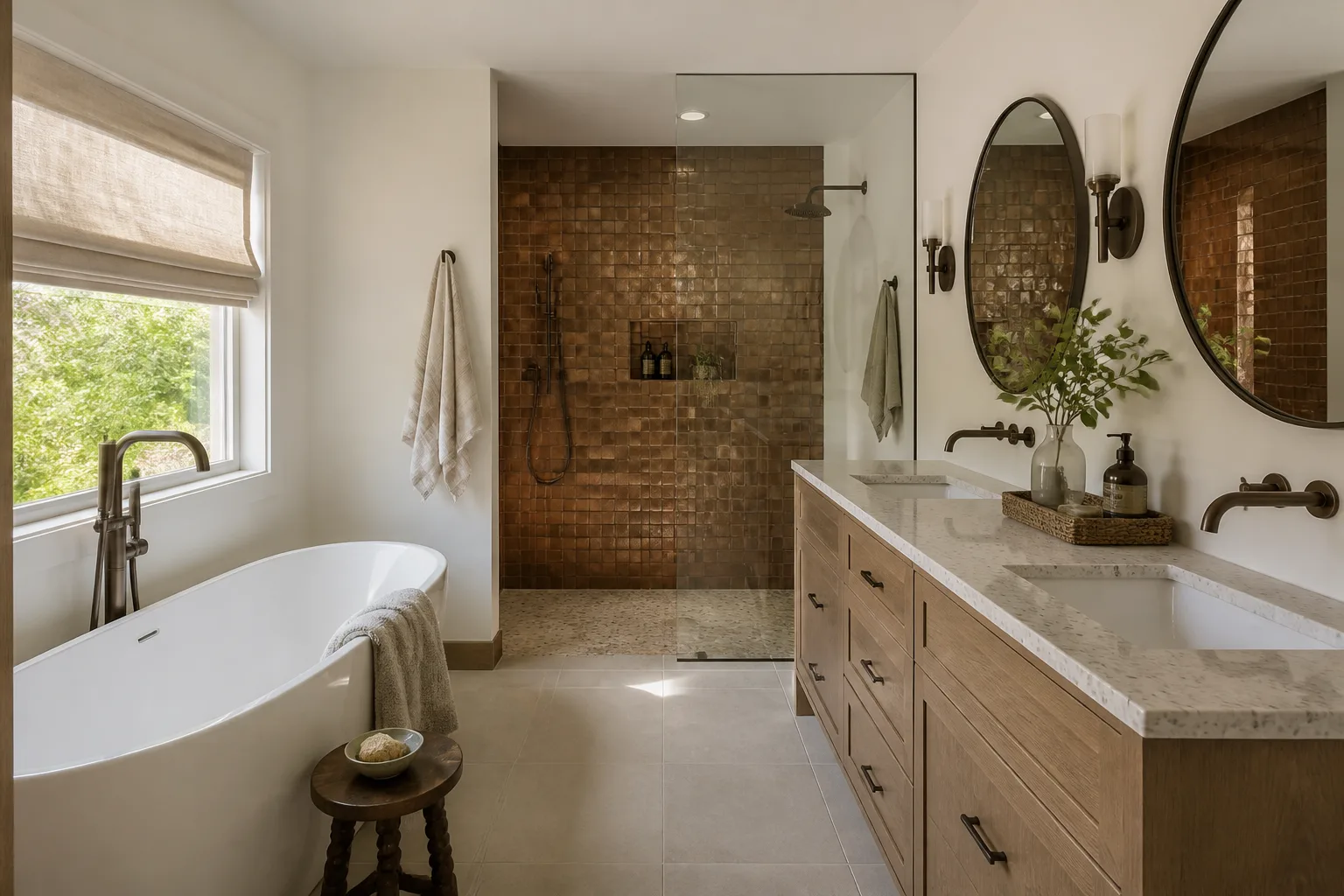
- Bathroom remodeling
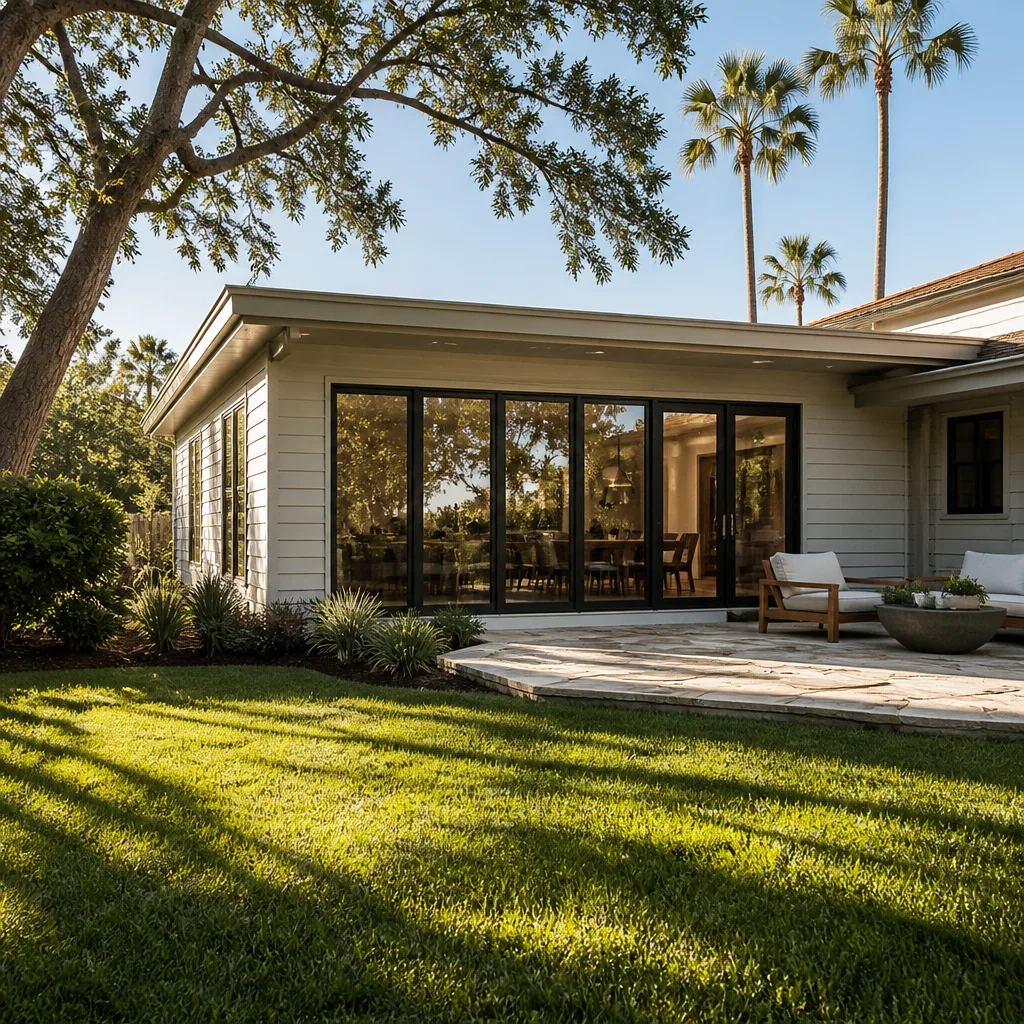
- Home additions & ADU
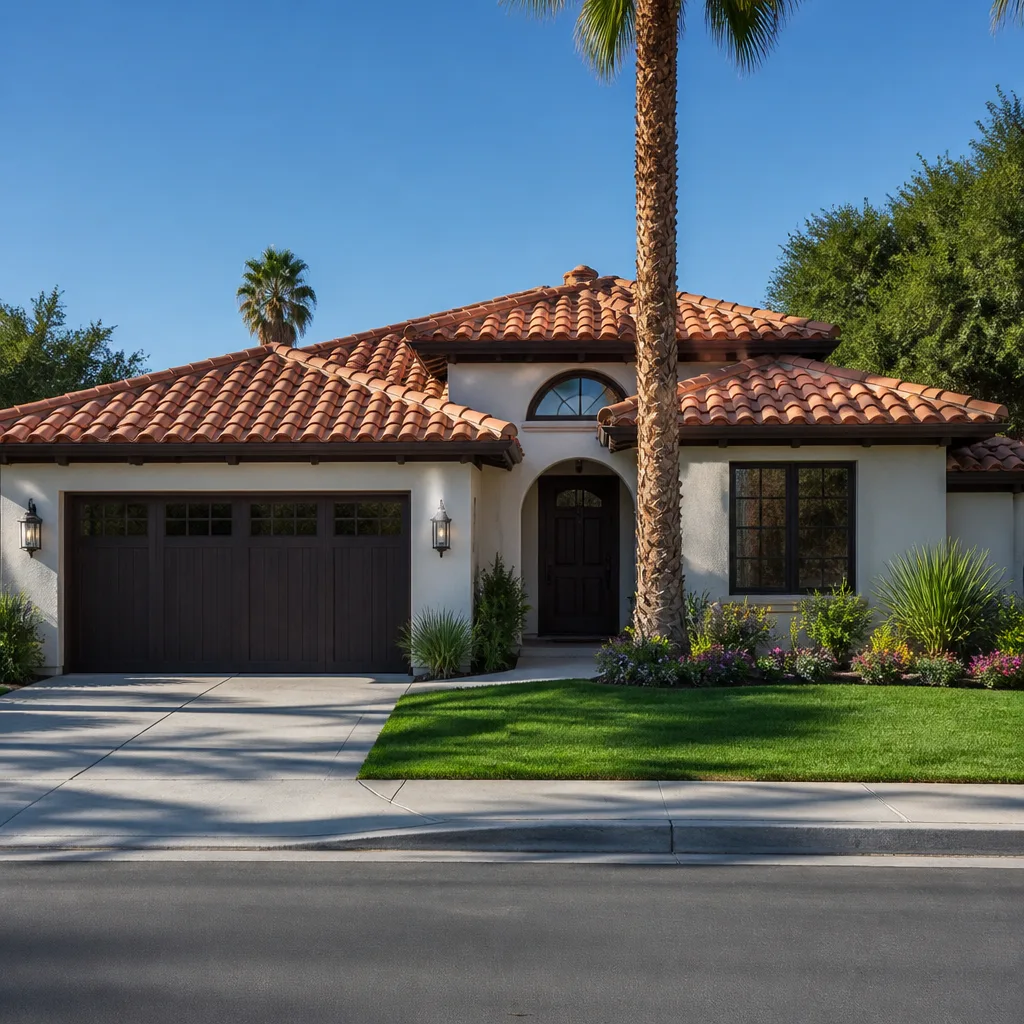
- Roofing
- Windows & doors
- Driveway & pavers
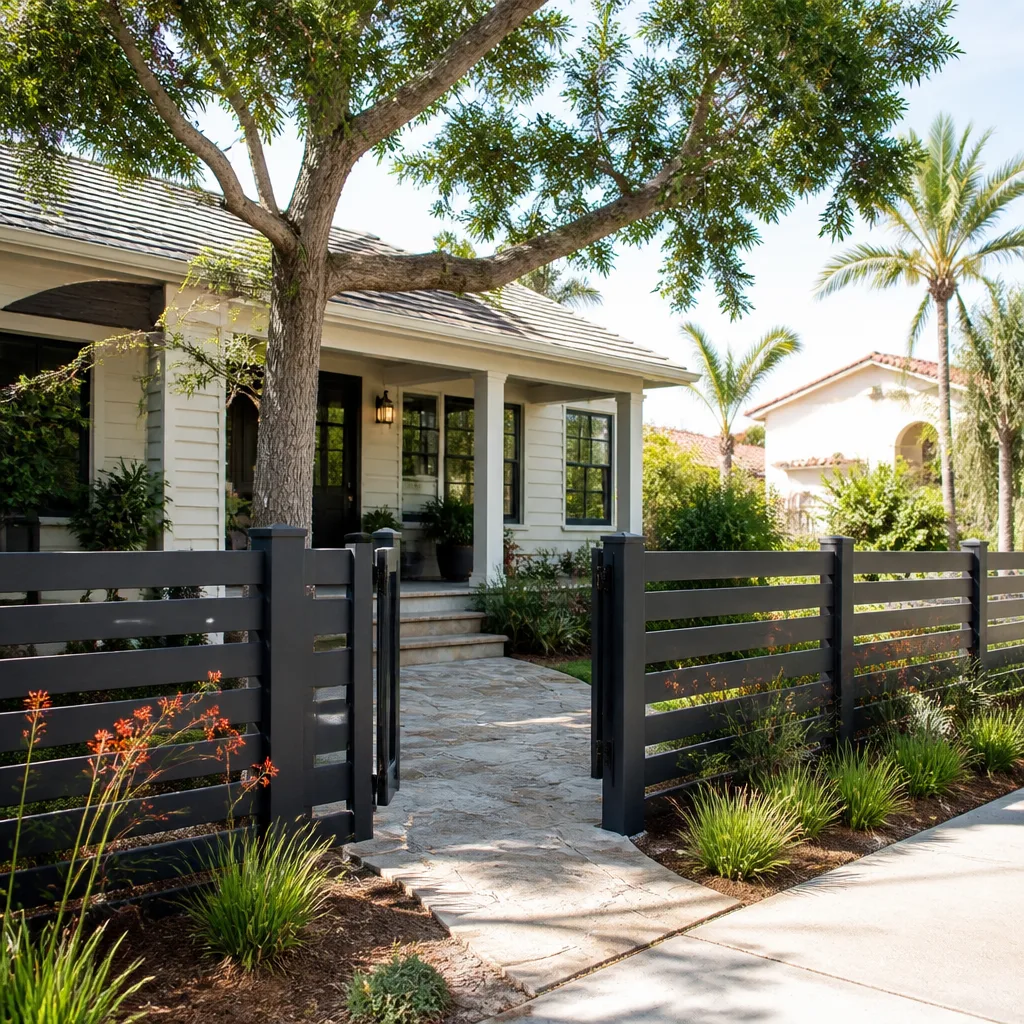
- Fence
Table of Contents
- Why Westchester Has Two Construction Seasons, Not Four
- The May Pre-Season Inspection Checklist
- How the Dry Season Creates Its Own Construction Risk
- October Post-Storm Recovery: The Tasks Homeowners Delay
- The Year-Round Drainage Routine That Protects Your Foundation
- Which Projects to Book in Which Months
- Westchester Permits, Codes, and the Seasonal Overlap
- When to Call a Professional
Why Westchester Has Two Construction Seasons, Not Four
Most seasonal maintenance guides are written for a climate that doesn’t exist here. Westchester gets a wet season that runs roughly June through September, when afternoon thunderstorms and tropical systems push water against every roof edge and driveway seam on the property. Then it gets a long dry stretch from October into May, when the sun bakes surfaces and the ground pulls away from the house. Those two halves drive everything.
Treating the dry months as “off-season” is the mistake we see most often. They aren’t off. They’re the only window when you can open a wall, replace a roof, pour a paver base, or regrade a yard without fighting rain delays and saturated soil. If a Westchester homeowner waits until June to call about a soft spot in the fascia or a driveway that’s started to settle, the work either gets pushed to fall or gets done in conditions that undercut the result.
Think of it as hurricane prep season and recovery season. Prep happens before the water arrives. Recovery happens in the dry window after, when you can actually see what failed and fix it before it becomes structural. In our experience, the homes that hold up best through Westchester’s wet months are the ones that used the October-to-May stretch to address small failures while they were still cosmetic. A cracked bead of sealant at a window sill is a five-minute fix in February. Left through a wet season, that same crack feeds moisture into the framing behind the cladding, and now you’re into a repair that involves opening the wall.
The two-season model also changes how you should think about scheduling, budgeting, and which contractor you call first. The rest of this guide breaks those down by month and by system.
The May Pre-Season Inspection Checklist
Everything on this list should be done before June. Once the afternoon storms start stacking up, you’re inspecting wet surfaces and guessing at what’s underneath. A dry May inspection is the difference between spotting a problem and discovering it.
Roof
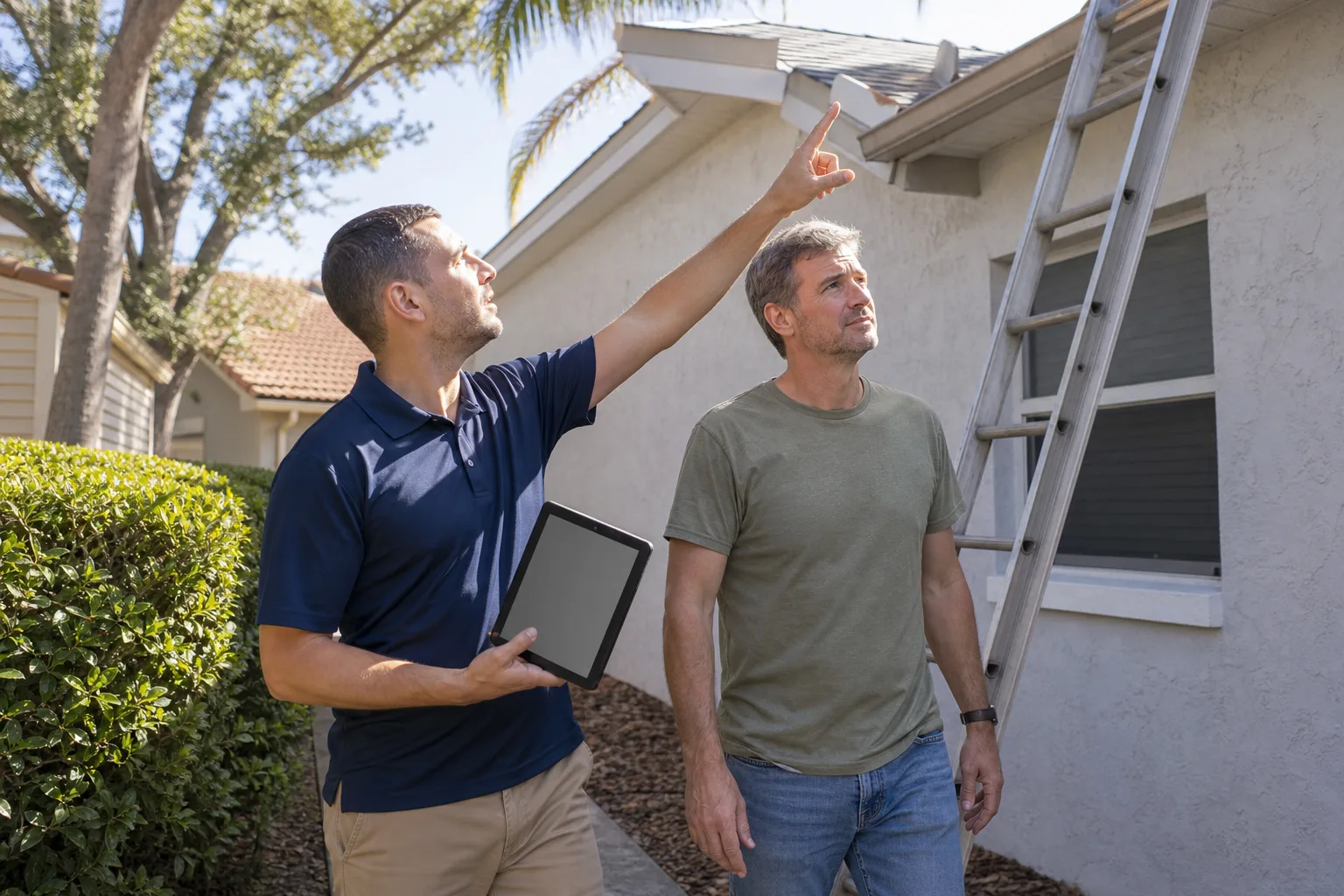
- Walk the perimeter at ground level with binoculars. Look for lifted, curling, or missing shingles, especially along the ridge and at valleys where wind gets under edges.
- Check the flashing at chimneys, vent stacks, and skylights. Flashing is where most Westchester roof leaks start, not the field shingles.
- Clear the gutters and downspouts, then run water through them. Watch where the discharge lands. If it pools within six feet of the foundation, you’ve found your drainage problem early.
- Look at the attic underside after a heavy rain. Water staining on the sheathing tells you the roof is already leaking, even if you haven’t seen a ceiling stain.
Foundation Drainage
- Check that the soil slopes away from the house on all four sides. A grade that’s flat or back-pitched holds water against the foundation.
- Confirm downspout extensions carry water at least six to eight feet from the wall.
- Inspect foundation walls for new hairline cracks or efflorescence, the white powdery staining that signals moisture moving through concrete.
Exterior Cladding
- Run a hand along siding and trim seams. Any sealant that’s cracked, pulled away, or gone chalky needs replacement before the rain.
- Check the caulk line where cladding meets the foundation and where any penetration enters the wall.
- Look at the bottom edge of siding for rot, swelling, or paint failure. That’s where splash-back water does its damage.
Our technicians have up to 12 years of experience walking Westchester homes through this exact sequence, and the checklist rarely changes because the failure points don’t. The order does matter: roof first, then drainage, then cladding, because a roof leak running down into the wall will mimic a cladding failure if you inspect in the wrong order.
How the Dry Season Creates Its Own Construction Risk
The dry season in Westchester isn’t neutral. It’s an active force on your home’s materials, and the damage it does is slower and quieter than a storm. Three things happen between November and May.
Soil shrinkage. The clay-loam soil common across Westchester expands when wet and contracts when it dries. Over a long dry stretch, that contraction pulls soil away from foundation walls and from under driveways and walkways. You’ll see it as a thin gap along the foundation, or as pavers that start to rock and settle. Left alone, the cycle repeats each year and the gap widens. That’s how foundation erosion starts in Westchester, not from one storm but from dozens of dry-wet cycles.
Wood contraction. Framing, trim, and fencing shrink as they dry. Doors start to stick or swing open on their own. Fence gates sag. Trim joints open up by a few millimeters. None of it is urgent on its own, but each gap and opening is a place where water gets in during the wet season.
Sealant and UV failure. The sun is the other enemy. Exterior caulk, window glazing, and roof sealant break down under UV. A bead that looked fine in October can be chalky and cracked by April. This is why resealing in the dry season is the single highest-value maintenance task in Westchester. You’re not just fixing cracks; you’re restoring the barrier before the rain finds it.
If you’re planning any exterior work this dry season, the Groundwork Construction Co. of Westchester home page is a good starting point for which trades handle which failure. For driveway and hardscape specifically, the Driveway & Pavers in Westchester team handles the settling and base failures that clay-loam soil causes.
October Post-Storm Recovery: The Tasks Homeowners Delay
October is when the wet season lets go and you can finally see the full damage tally. The problem is that most homeowners wait until they see visible damage, by which point the moisture has already moved into places you can’t see. Here’s the recovery sequence we recommend, in order.
- Roof and flashing inspection within two weeks of the last major storm. Don’t wait for a ceiling stain. Wind-lifted shingles and displaced flashing don’t always leak immediately; they leak after the next round. Get eyes on the roof while it’s dry.
- Attic and crawl space moisture check. Look for staining on sheathing, musty odors, or condensation on the underside of the roof deck. Hidden moisture intrusion is the big one. A wet season can push water into the attic and you’ll never see it from inside the living space until the drywall stains.
- Window and door perimeter reseal. Any caulk that cracked over the summer needs replacement before the next wet season. This is the cheapest insurance on the house.
- Gutter and downspout repair. Storms bend and pull gutters loose. Re-secure them and re-check the discharge path.
- Siding and trim rot assessment. Probe any soft spots with a screwdriver. Rot at the bottom of siding and around penetrations is common after a heavy wet season and easy to catch early.
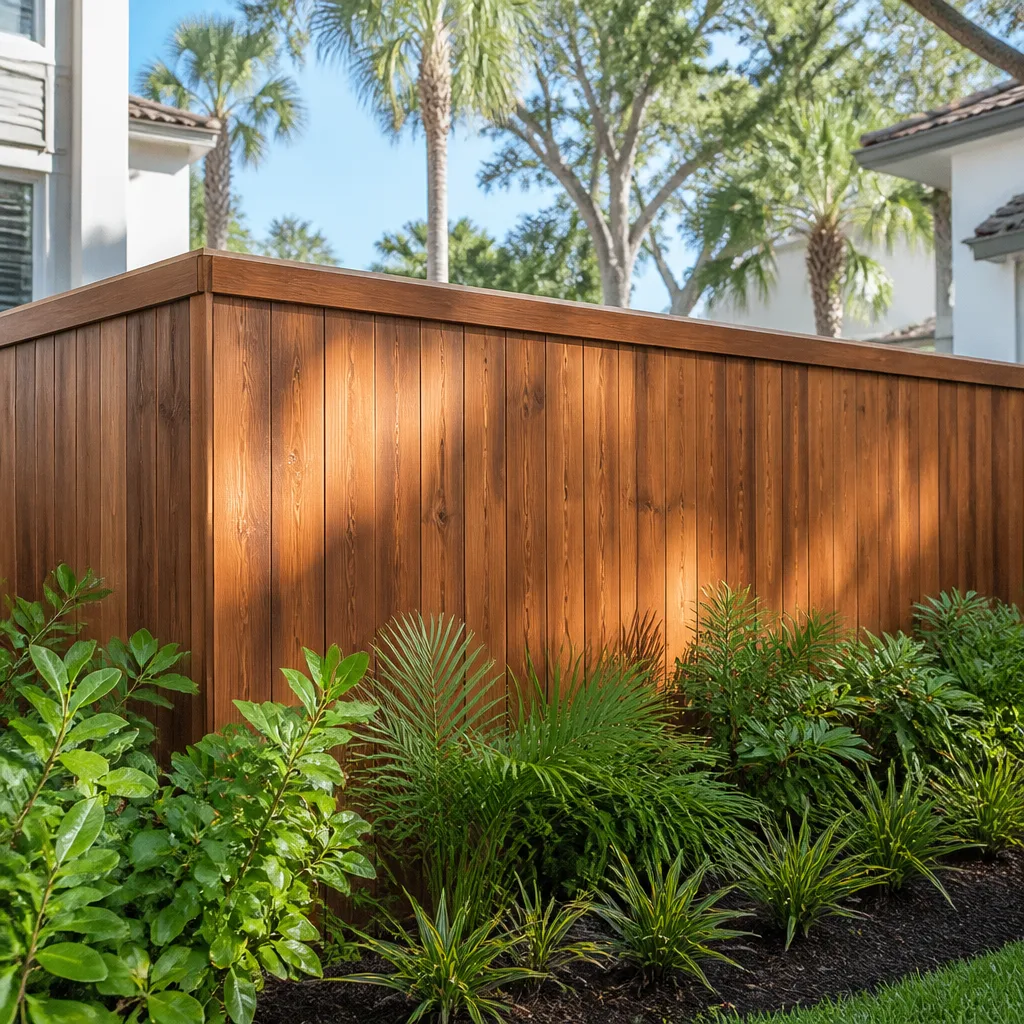
The delay pattern we see is homeowners waiting until January or February to call about something they noticed in October. By then the dry window is half gone, and the repair that could have been done in a week is competing with everyone else who waited. If your October inspection turns up roof failures, that’s a roofing project, not a patch. The other recovery task that gets ignored is fencing, because storm damage to fence panels is easy to write off as cosmetic until a panel comes loose. The Fence Installation in Westchester team handles post-storm repair and replacement, including with materials like Bufftech and ActiveYards that hold up to wind better than builder-grade panels.
The Year-Round Drainage Routine That Protects Your Foundation
Westchester’s clay-loam soil is the reason drainage deserves its own routine. That soil drains slowly, holds water, and moves when it’s saturated. Left unmanaged, water against the foundation is the top cause of the erosion and settlement problems we see on Westchester properties. Here’s the routine that prevents it.
Monthly (Year-Round)
- Walk the perimeter after any heavy rain and watch where water goes. Standing water within a few feet of the foundation is the problem to solve.
- Check gutter downspouts for clogs and confirm discharge is carried away from the wall, not dumped at the base.
- Look for new soil gaps along the foundation as the dry season progresses. Small gaps are normal seasonal movement; growing gaps are not.
Seasonal (Twice a Year)
- Re-grade any low spots that hold water. A slight slope away from the house on all sides is the foundation’s first defense.
- Inspect and clear French drains or any sub-surface drainage before the wet season. A clogged drain is worse than no drain, because it concentrates water in one place.
- Check the driveway and walkway edges. Pavers that have settled create water traps that push water toward the house instead of away.
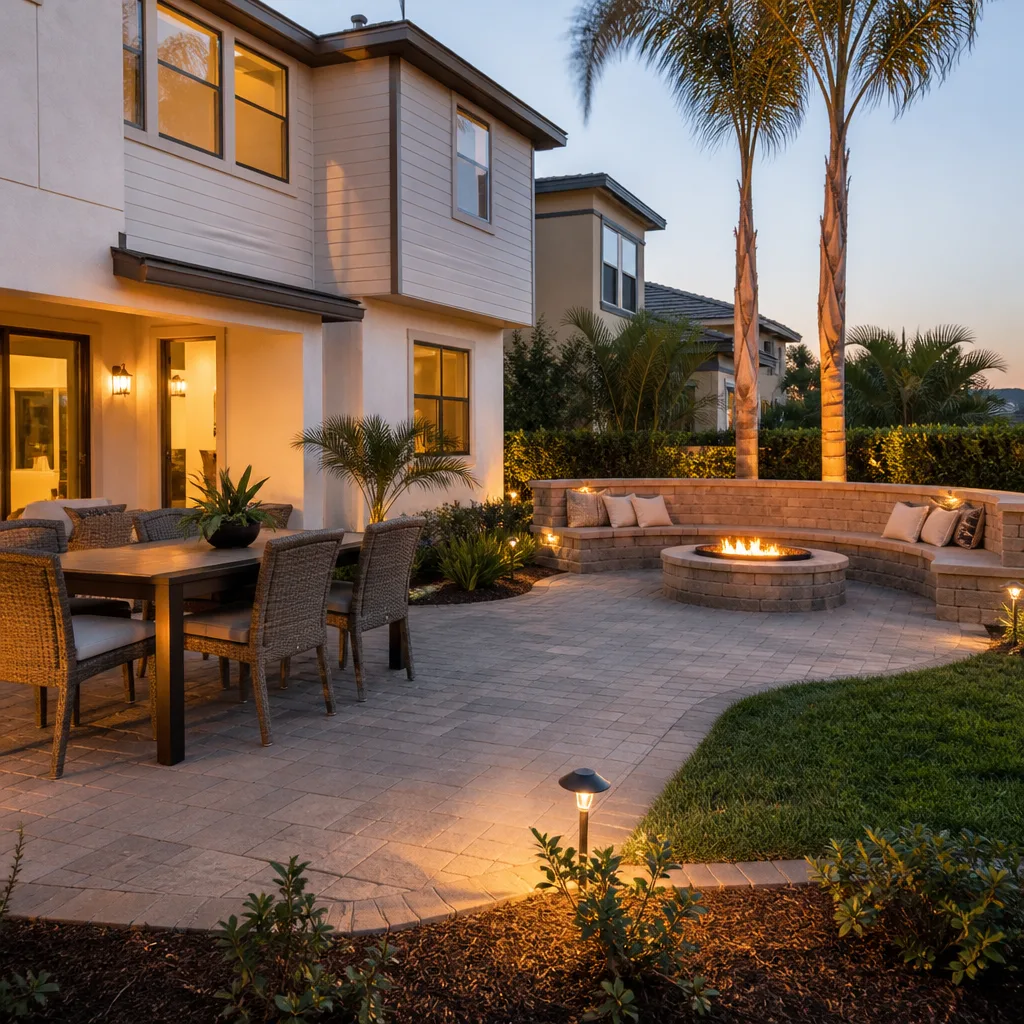
This is where a solid hardscape installation pays for itself. A driveway or patio built with a proper compacted base and correct slope sheds water instead of holding it. When you see Belgard or Unilock pavers on a Westchester property that’s held up for years without settling, that’s usually the reason: the base was done right the first time. If your existing driveway is already rocking and draining toward the house, that’s a base failure that regrading and re-setting solves.
Which Projects to Book in Which Months
Westchester construction has a demand curve, and booking against it saves you time and money. Here’s how we’d sequence a year of projects if the goal is to avoid contractor scarcity and get work done in ideal conditions.
November through February: Book the Big Exterior Work
- Roof replacement. Dry conditions, cooler weather for crews, and you’re done before the wet season. This is the best window for roofing in Westchester.
- Driveway and pavers. Dry ground allows proper base prep and compaction. The clay-loam soil has to be workable for the base to hold.
- Fence installation. Cooler weather is easier on crews and on the material. Wood and vinyl both handle better in the dry window.
- Exterior painting and resealing. Lower humidity helps sealants cure correctly.
March through May: Finish, Inspect, and Prep
- Windows and doors. Spring is a good window for replacement before the heat of summer.
- Final pre-season inspection and touch-up. This is your last chance to reseal and re-grade before June.
June through September: Interior and Planning
- Kitchen and bathroom remodels. Interior work isn’t weather-dependent, but crews are also less booked on exterior trades. This is a good time to run interior projects.
- Planning and design. Use the wet season to design and permit your next project so it’s ready to break ground in the fall. For additions, this is the season to lock in drawings and permits. The Home Additions & ADU in Westchester team handles the design and permitting phase, which is the longest lead time of any project.
The scheduling mistake we see most is homeowners calling in June for exterior work that needs to happen in the dry window. That’s the height of demand. You’ll wait, and you may get pushed to the fall. The flip side is calling in November or December when the calendar is wide open.
Westchester Permits, Codes, and the Seasonal Overlap
Permitting interacts with the seasonal calendar in ways that catch homeowners off guard. Roof replacements, additions, driveways, and fence installations generally require permits in Westchester, and inspection timelines add a layer to the schedule you have to plan around.
- Plan permits before the season you want to build in. If you want a roof done in February, submit for the permit in November or December. Permit approval and inspection scheduling can add weeks, and that time has to fit inside your dry window, not extend into the wet one.
- Inspection timing matters for weather-tight stages. Roofing and additions have a weather-tight inspection stage. You want to hit that checkpoint before the rain, which means starting early enough in the dry window to reach it in good conditions.
- Fence and driveway permits often come with setback and drainage requirements. Fence height, location, and drainage patterns get reviewed. A properly permitted fence is also the fence that survives a storm inspection without a violation.
One more code note: water management is part of the permitted work, not an afterthought. Any site work or hardscape near the foundation should show a plan for where water goes. If your contractor’s bid doesn’t address drainage, ask about it before the work starts, because in Westchester that’s the piece that determines whether the job holds up.
For the full picture on how permits, design, and construction fit together for a large project, our team can walk through the sequence during a free estimate. The important thing is to treat permitting as part of the dry-season calendar, not something that happens after you’ve picked a start date.
Common Mistakes to Avoid
- Treating the dry season as off-season. October through May is the only window to do exterior work and reseal before the rain returns. Skipping it means starting the wet season behind.
- Inspecting the roof only after a leak shows up inside. By the time a ceiling stains, the moisture has been in the attic for a while. Inspect in May and right after the wet season, on dry days, with no visible problem.
- Ignoring hairline caulk cracks. A cracked bead at a window sill or cladding seam is a small fix in the dry season and a framing repair after a wet season. Reseal in fall and spring.
- Waiting until June to call for exterior work. That’s peak demand. If you need a roof, driveway, or fence before the next wet season, call in October or November while the calendar is open.
- Skipping the drainage check because it’s “working.” Westchester’s clay-loam soil moves with each dry-wet cycle. Monthly perimeter walks catch the settling and grade changes that erosion starts with.
- Patching storm damage instead of fixing the cause. A displaced roof flashing or a loose fence panel is a symptom. Patch it and the next wind event finds the same weak point.
- Letting permits slide on storm-related repairs. Even repairs that feel like a quick fix can require a permit in Westchester. Unpermitted work can cause problems at resale and at inspection.
See the difference
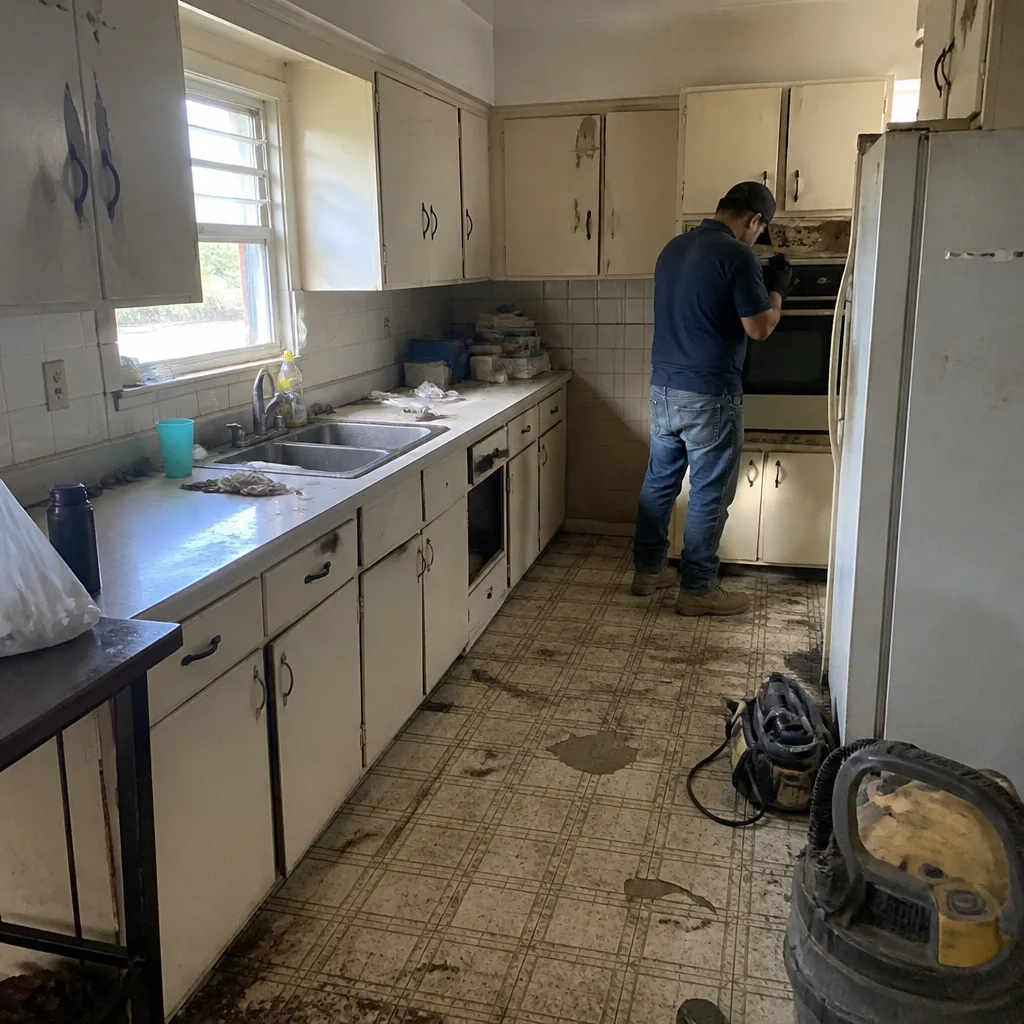 Before
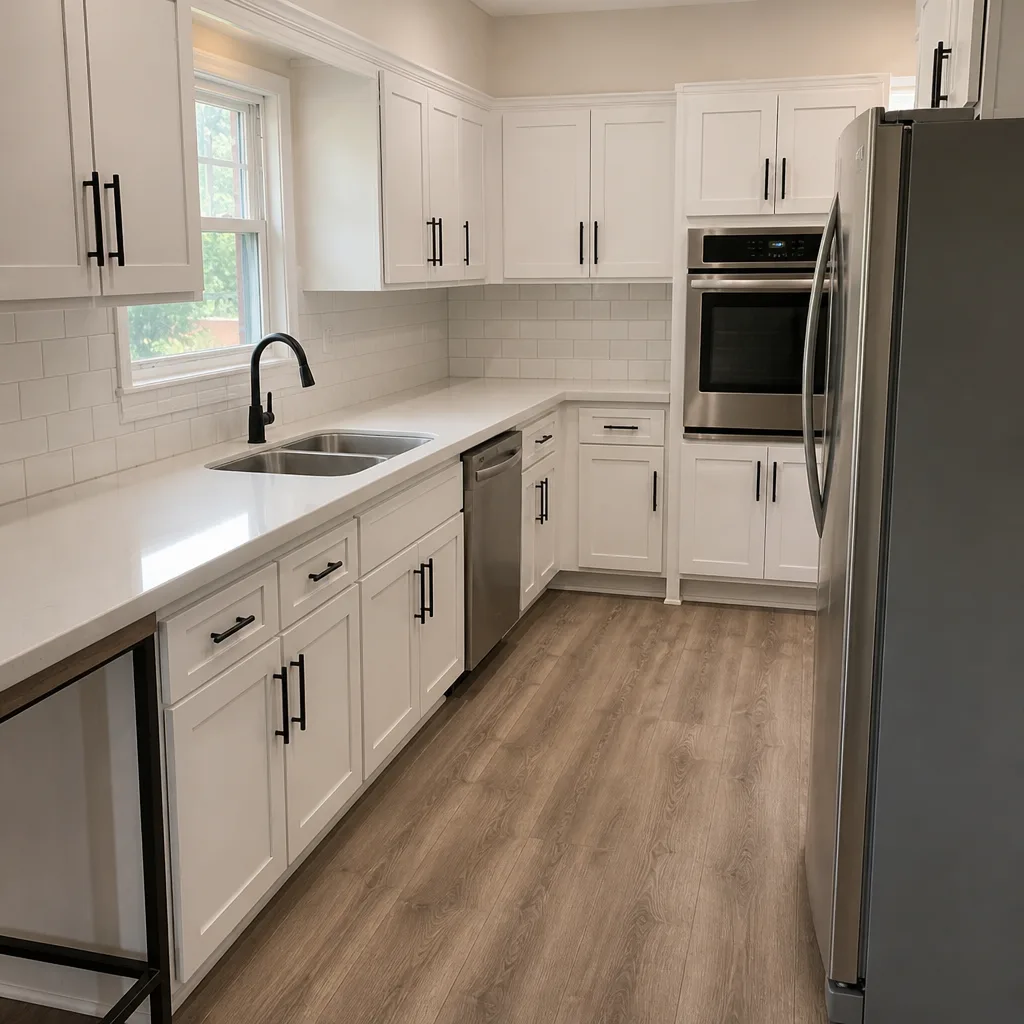 After
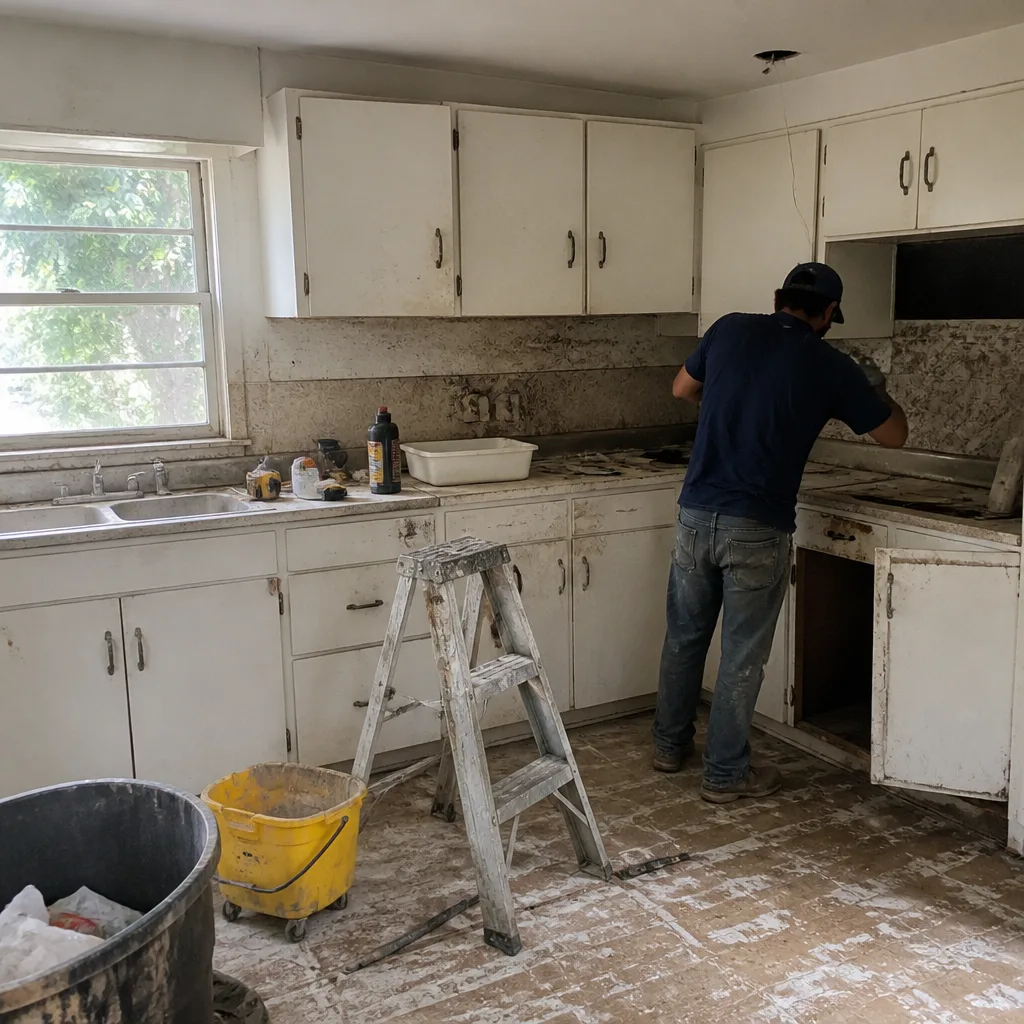 Before
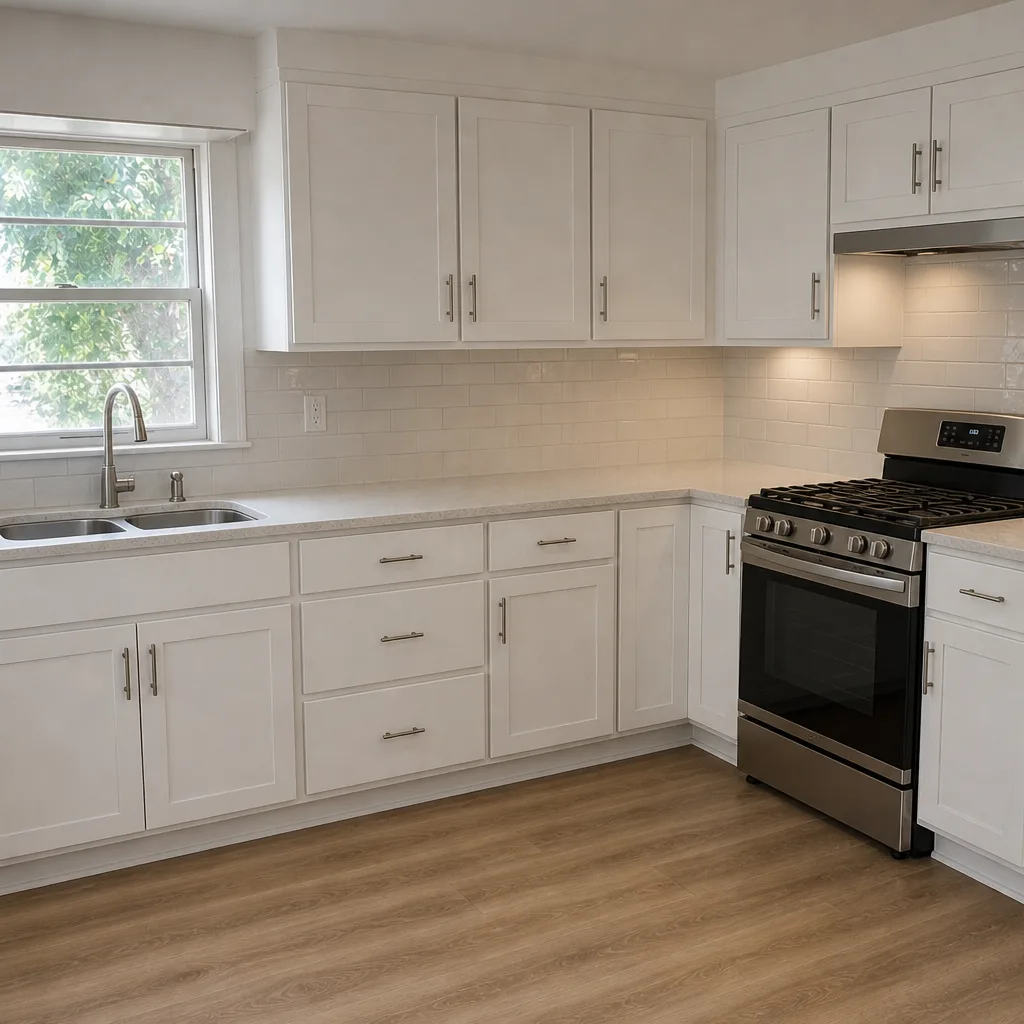 After
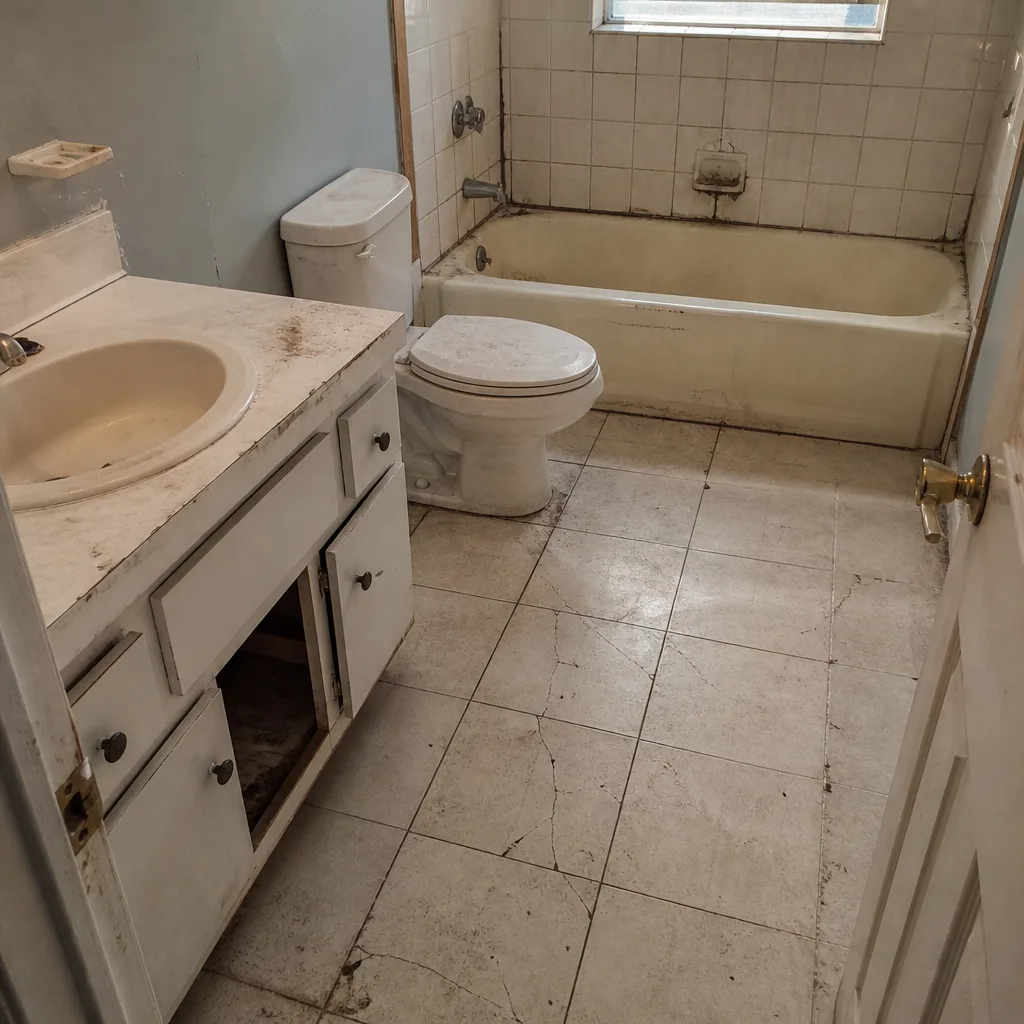 Before
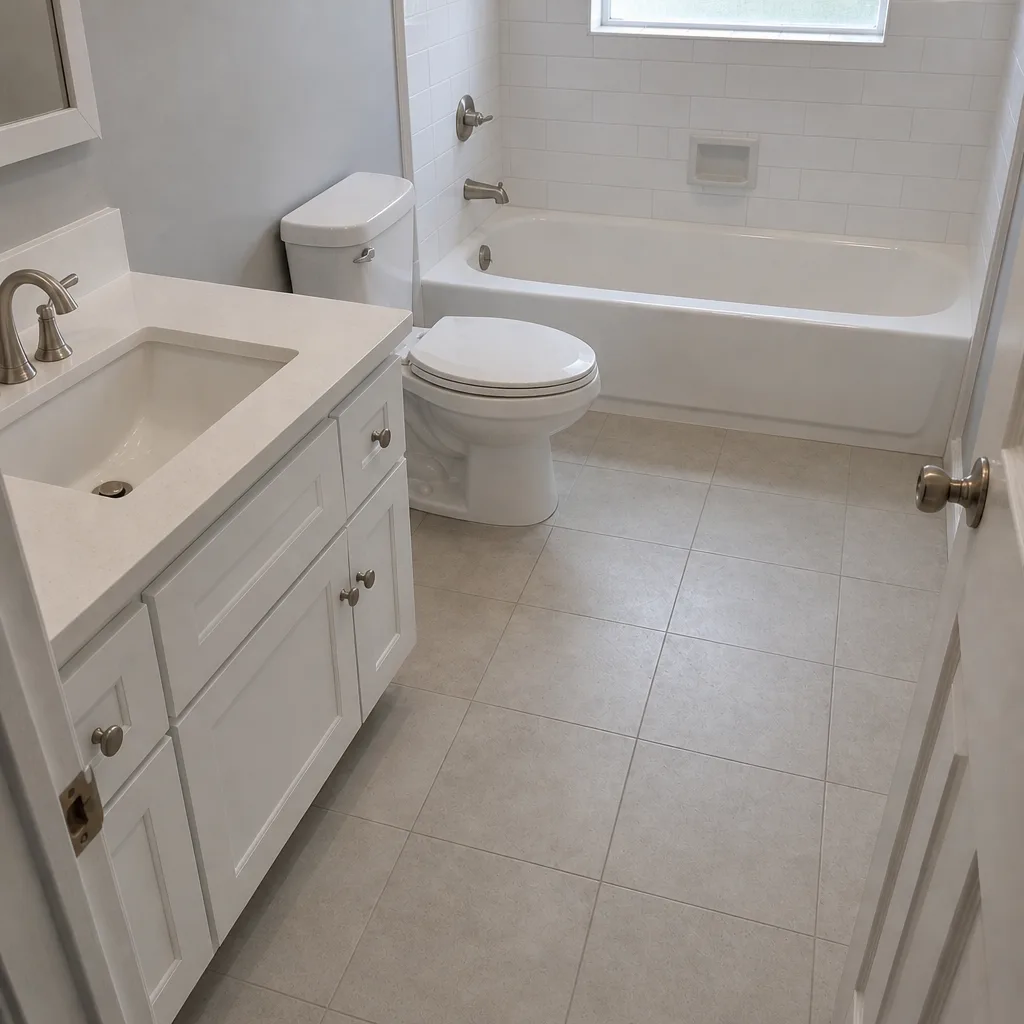 After
When to Call a Professional
Some seasonal care is homeowner territory: clearing gutters, walking the perimeter, checking caulk lines, watching where water runs. The moment the work touches the roof surface, the foundation drainage design, exterior cladding replacement, or any structural repair, it’s a professional’s job. Roof work in particular carries real fall risk, and one misstep at height is a serious injury. Electrical, gas, and any repair that opens a wall or foundation should always be handled by a trained, licensed technician. Call a professional when a roof inspection shows lifted or missing shingles, when water pools against the foundation after every rain, when caulk failure has progressed into visible rot or soft trim, when a storm has displaced fence or roof components, or when you’re planning any exterior project with a permit attached. Groundwork Construction Co. of Westchester offers free estimates in Westchester – call (833) 630-4214. We answer with a live person around the clock, and every estimate includes upfront pricing with no change-order surprises.
Frequently Asked Questions
The best window is November through February. Westchester’s dry season from October through May gives roofing crews stable conditions, and getting the roof done before the wet season means it’s tested the way it should be. Call early; exterior trades book up fast once spring hits. Our team can schedule your free estimate at (833) 630-4214.
A seasonal inspection and reseal typically runs in the low hundreds of dollars, while a full roof replacement or driveway re-base is a project-level cost that depends on scope and materials. Rather than guessing, book a free estimate with a written line-item quote so you see the exact numbers for your property. Call (833) 630-4214 to schedule, and the estimate costs you nothing.
Because Westchester’s clay-loam soil contracts as it dries, it pulls away from the base under pavers and concrete. That shrinkage lets pavers rock and settle and creates gaps along the foundation. It’s a seasonal cycle, not a one-time event, and the fix is a properly compacted base plus correct slope so water sheds instead of collecting. Our paver team can assess the base and tell you what’s holding and what’s failing; estimates are free.
In most cases, yes. Roof replacements, additions, driveways, and fences generally require permits in Westchester, and inspection timing has to fit inside your dry-season window. Plan permits before you pick a start date so the weather-tight inspection lands in good conditions. We handle the permitting and inspections as part of the project, and we’ll walk you through the sequence during the estimate.
By managing where water goes year-round, not just in summer. Keep soil sloping away from the house, extend downspouts six to eight feet from the wall, clear French drains before the wet season, and re-grade any low spots that hold water. The clay-loam soil here makes standing water the top erosion cause, so monthly perimeter walks during and after rain are the highest-value habit. If you’re seeing growing gaps along the foundation, call (833) 630-4214 for an inspection.
Not on a properly scoped job. Our upfront pricing is the number you see is the number you pay, with a written line-item quote before work begins and no change-order surprises. The only time scope changes is when you approve a change, and we tell you the cost before anyone touches the wall. All projects are covered by our 730-Day Done Right Promise, so if the work isn’t right, we make it right. Call (833) 630-4214 to schedule your free estimate and design consult.
The Bottom Line
Westchester doesn’t get four gentle seasons. It gets a wet test and a dry window, and your home’s care calendar should follow that binary. Inspect in May before the rain, recover and reseal from October through May, watch the clay-loam soil for shrinkage and erosion year-round, and book exterior work in the dry months while the calendar is still open. Every one of those habits is cheaper than the repair it prevents. Groundwork Construction Co. of Westchester builds to last and backs it in writing with the 730-Day Done Right Promise, upfront pricing, live-person phone coverage, and background-checked, uniformed technicians on every project. Book your projects against the season, not against panic.
Written by the team at Groundwork Construction Co. of Westchester.
Ready to get ahead of the season? Call Groundwork Construction Co. of Westchester at (833) 630-4214 for a free estimate, and take $1,000 off projects over $10,000, with 0% financing for 18 months available. We answer with a live person 24/7, so there’s no voicemail, no waiting for Monday, and no surprises when the work starts.