Last updated November 18, 2026
Free written scope consultation - allowances, timeline, and change-order rules on paper before a single trade is scheduled
Choosing the Right Construction Brand: A Buyer’s Guide for Westchester
Here’s something most Westchester homeowners learn the hard way, usually around week six of a roofing or window project: the brand printed on the box can decide whether your job passes inspection at all. Miami-Dade County runs its own product approval system, separate from the rest of Florida, and a contractor who swaps your specified system for a “comparable” brand mid-project may be installing something that carries no Notice of Acceptance. That product can’t pass inspection and can’t be warranted. This guide walks through what that approval means, how to check a material list before you sign, how warranty protection actually works, and how to catch substitution before it’s nailed down. You’ll finish knowing exactly what to ask a Westchester contractor and what to write into the contract.
Quick Answer
The right construction brand in Westchester is the one that holds a current Miami-Dade County Notice of Acceptance for the specific product line being installed, comes with a manufacturer warranty you can actually claim against, and is named in writing on your contract down to the model number. Brand reputation matters less than product approval, warranty depth, and whether the contractor will guarantee the installation workmanship in writing on top of the manufacturer’s coverage.
Styles & brands we work with
- Kitchen remodeling
- Bathroom remodeling
- Home additions & ADU
- Roofing
- Windows & doors
- Driveway & pavers
- Fence
Table of Contents
- What Is a Miami-Dade Notice of Acceptance, and Why Does It Matter in Westchester?
- How to Cross-Check a Contractor’s Material List Before You Sign
- Manufacturer Warranty vs. Workmanship Warranty: Which One Protects You?
- Brand Tiers in Westchester: Entry, Mid-Grade, and Premium in Real Terms
- How to Spot Mid-Project Material Substitution
- Brand Selection by Category: Roofing, Windows, Doors, Fencing, and Pavers
- The Questions That Separate a Real Brand Partner from a Bidder
- Common Mistakes to Avoid
What Is a Miami-Dade Notice of Acceptance, and Why Does It Matter in Westchester?
A Notice of Acceptance, usually shortened to NOA, is Miami-Dade County’s official document confirming that a specific building product has been tested and approved for use in the High Velocity Hurricane Zone. Westchester sits inside Miami-Dade, which means the HVHZ rules apply to your roof, your windows, your exterior doors, and anything else that has to hold against wind-driven rain and sustained pressure. Without a valid NOA on file, a building inspector can reject the installation outright, no matter how well the crew did the work.
This is not a technicality buried in a permit packet. It’s the single most important brand credential in Westchester construction, and it lives at the manufacturer level, not the contractor level. A roofer can be excellent and still hand you a product line that was never submitted for approval. The approval attaches to the product, the model, and often the specific installation method. Change the fastener pattern or the underlayment specified in the NOA and you can void the approval even while using the same shingle.
Three things follow from that:
- Brand selection is a code question before it’s a quality question. In Westchester, you don’t get to pick a beloved national roofing brand purely on reputation. You pick from the product lines that hold current approval.
- “Equivalent” is not a legal term. A contractor telling you a substitute is “just as good” is describing their opinion, not a county determination. Only the approved product directory settles it.
- The approval has an expiration and a revision history. Products get updated, NOAs get reissued, and a spec written from a three-year-old catalog page can miss a change. Ask for the current document, not a screenshot from an old bid package.
In our experience across Westchester jobs, the homeowners who get burned on this aren’t careless. They simply didn’t know that the county maintains a public approval directory they’re allowed to search themselves. We’ll show you how in the next section.
How to Cross-Check a Contractor’s Material List Before You Sign
You can verify a proposed material list in about twenty minutes, and it’s the highest-value twenty minutes of the entire project. The Miami-Dade County product approval directory is public, searchable by manufacturer and product category, and it tells you whether the exact product in your bid has a current NOA and what conditions apply. Here’s the process we recommend to every Westchester homeowner we work with.
- Ask for the material list in writing, down to the model and product line. “Architectural shingles” is not a spec. “GAF Timberline HDZ, Charcoal, with the manufacturer’s HVHZ accessory system” is a spec. If the bid can’t get that specific, that’s your first red flag.
- Note the manufacturer, product line, and model number for every exterior product. Roofing, windows, exterior doors, and any structural attachment hardware are the items that most often require approval.
- Search the county approval directory for each item. Match the manufacturer and the product name exactly. Watch for similar-sounding lines from the same manufacturer that carry different approvals.
- Open the approval document and read the conditions. Look for required installation methods, approved accessory products, and any limitation on building height or exposure category.
- Confirm the contractor intends to follow those conditions. The approval covers the system as tested. If the crew plans a different fastening or flashing method “because it works better,” the approval may no longer apply.
- Write the verified spec into the contract as a named line item with a clause stating that any substitution requires your written approval and a re-verification of the approval document.
One local detail worth knowing: Westchester’s housing stock includes a lot of 1950s through 1970s single-story block homes, and many of them have had at least one prior roof or window replacement done under older approval standards. When you replace again, the product you choose has to meet current rules, not the rules that applied to the previous installation. We’ve seen bids get rejected at permit review in Westchester because the spec matched the old roof rather than the current approval list.
For a broader look at how we approach full-scope projects from planning through final inspection, see the Groundwork Construction Co. of Westchester home page.
Manufacturer Warranty vs. Workmanship Warranty: Which One Protects You?
They cover different failures, and most homeowners only find out which one they needed after something goes wrong. A manufacturer warranty covers defects in the product itself: a shingle that fails prematurely, a window seal that breaks, a door that warps. A workmanship warranty covers the installation: the flashing that was detailed incorrectly, the window that was set out of level, the fasteners driven in the wrong pattern. The brand you choose affects both, because the manufacturer’s warranty is often conditioned on installation by an approved contractor following the approved method.
Here’s the chain that matters in Westchester. The county approves the product system. The manufacturer warrants the product when it’s installed per their published instructions. If the installer deviates, the manufacturer can deny the claim and point to the installation. If the installer is gone, the workmanship coverage disappears with them unless someone else stands behind it. That gap is where homeowners end up paying twice.
When you compare bids, separate the two warranties and read both:
- Length and what starts the clock. Manufacturer warranties usually run from the date of manufacture or installation. Workmanship warranties should run from project completion.
- Transferability. Many premium manufacturer warranties transfer to a new owner once. If you might sell within a decade, that adds real value in a Westchester resale.
- Labor coverage inside the manufacturer warranty. Some premium product lines include a labor allowance for the first several years. Entry-level lines typically cover materials only.
- Exclusions. Wind-driven rain intrusion, improper attic ventilation, and “acts of God” are common exclusion categories. Ask which ones apply to your spec.
- Written workmanship terms. If the workmanship warranty only exists as a verbal promise, it isn’t a warranty.
Our own projects are covered by the 730-Day Done Right Promise, which runs two full years past the typical one-year workmanship term. If it’s not done right, we make it right. That coverage sits on top of whatever the manufacturer provides, so you’re not choosing between the two.
Brand Tiers in Westchester: Entry, Mid-Grade, and Premium in Real Terms
Brand tiers get marketed as quality levels, but the differences that actually show up on a Westchester home are narrower and more concrete: wind rating, warranty length, finish durability in salt air, and whether the product line carries a current county approval with a manufacturer-backed installation system. Here’s how the tiers break down in practical terms rather than brochure language.
Entry-level
Entry products meet code and can pass inspection. What they typically lack is warranty depth and finish longevity under South Florida sun and humidity. In roofing, that means a shorter manufacturer warranty and no labor allowance. In windows, it often means a basic frame profile with fewer reinforcement options. In fencing, it may mean a thinner vinyl wall. For a rental property or a short-hold plan, entry can be a rational choice.
Mid-grade
This is where most Westchester homeowners land, and for good reason. Mid-grade roofing systems come with stronger wind ratings, better warranty terms, and an approved accessory system that ties the whole roof together. Mid-grade windows bring improved glass packages and frame construction. This tier tends to offer the best balance of warranty value and cost per year of service life.
Premium
Premium lines buy you longer warranties, better finish performance, transferable coverage, and in some cases a manufacturer labor allowance for the early years. For a Westchester homeowner planning to stay fifteen years or more, premium often costs less per year than mid-grade once you factor in the warranty. The mistake is assuming premium always means better; a premium product installed without the approved system performs worse than a mid-grade product installed correctly.
The line that matters most for fencing in Westchester is worth calling out separately, since vinyl fence brands like Bufftech and ActiveYards sit in tiers with meaningfully different wall thickness and warranty lengths, and that difference shows up fast in our humidity. For aluminum and ornamental options, Ameristar and Jerith are common names in Westchester bids. More detail on materials and installation lives on our Fence Installation in Westchester page.
How to Spot Mid-Project Material Substitution
Most substitution doesn’t happen because a contractor is trying to defraud you. It happens because a supplier is out of stock, a crew wants to keep moving, and someone decides the “close enough” product will do. The problem is the same either way: your spec is no longer what’s going on your house, and the approval, the warranty, and your inspection may all break at once. The defense is a paper trail you build before delivery day.
Four checkpoints catch nearly every substitution:
- The delivery receipt. When materials arrive, the driver has a receipt listing manufacturer, product line, and quantity. Compare it line by line against the spec in your contract before the crew unloads. Once the pallet is on the roof, your leverage drops sharply.
- The packaging on the ground. Walk the site on delivery day. Look at the labels on the bundles and cartons. A premium shingle line and an entry line from the same manufacturer often look similar from twenty feet up and completely different on the wrapper.
- The invoice review at the mid-project draw. If your contract has progress payments, require a copy of the supplier invoice at each draw. A lower-cost product line shows up in the numbers even when it doesn’t show up in conversation.
- The photo log. Ask for dated photos of installed materials with readable labels before they’re covered. This protects both sides if a question comes up later, and it feeds straight into your warranty documentation.
Put a clause in the contract that any substitution, for any reason, requires your written approval and a re-verification of the Miami-Dade approval document for the replacement product. A contractor who resists that clause is telling you something useful before the first nail goes in.
Brand Selection by Category: Roofing, Windows, Doors, Fencing, and Pavers
Different categories carry different brand questions. Here’s what to prioritize in each, framed for a Westchester project.
Roofing
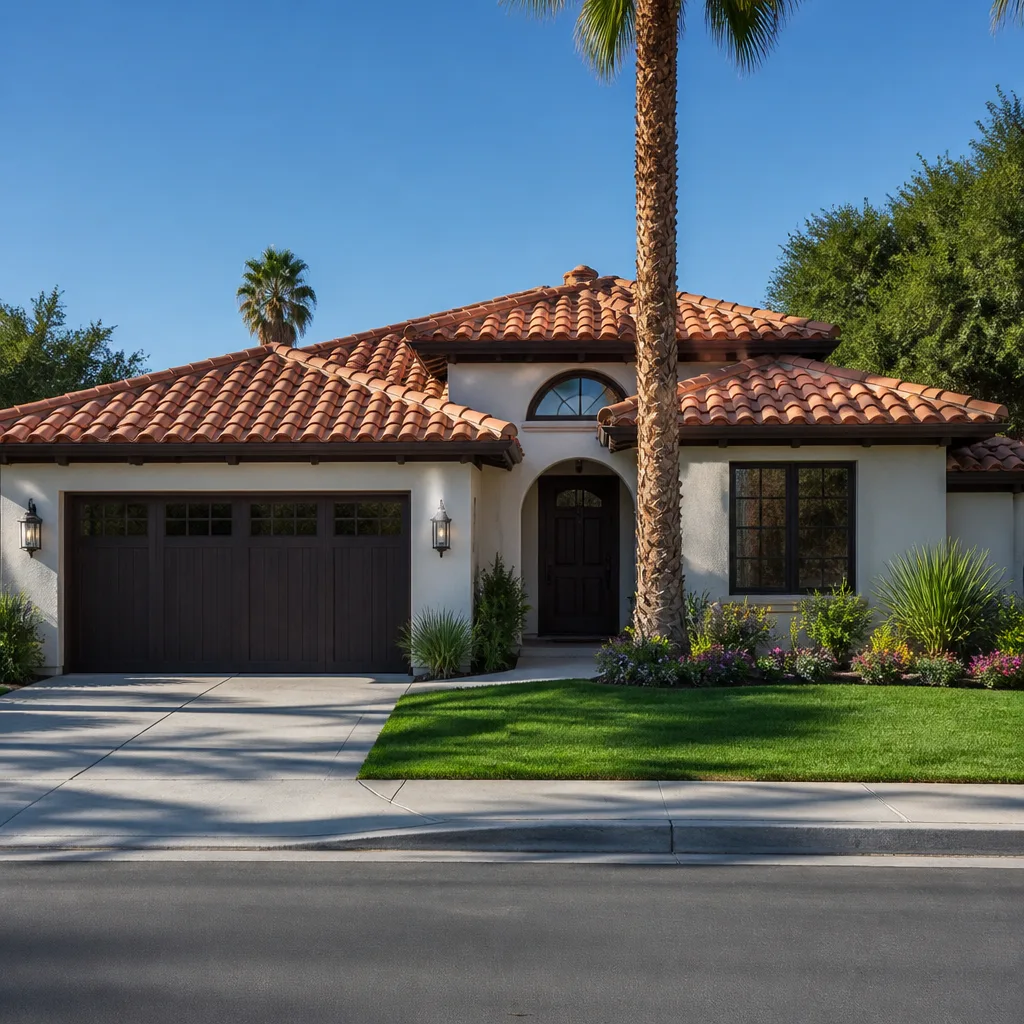
Start with the approval. Ask for the manufacturer and product line, confirm the current NOA, and then look at the warranty length and wind rating. GAF and Owens Corning both have product lines that appear regularly in Westchester roofing bids, and both have approved HVHZ systems. What matters is which line, and whether the approved accessory components are included in the spec. A roof is a system, not a shingle.
Windows and doors
Westchester’s sun load and humidity put glass packages and frame profiles to work. Andersen and Marvin are common premium names in the region, and the question to ask is which product line and which glass package, since both manufacturers offer multiple tiers. Confirm the approval, then confirm the U-factor and impact rating on the specific window you’re buying.
Fencing
Fencing doesn’t carry the same HVHZ approval burden as the building envelope, but material quality still drives how the fence looks after three summers. Vinyl brands like Bufftech and ActiveYards differ in wall thickness and warranty. Aluminum lines like Ameristar and Jerith differ in coating and hardware. Ask for the wall thickness and the warranty in years, not the marketing name.
Driveways and pavers
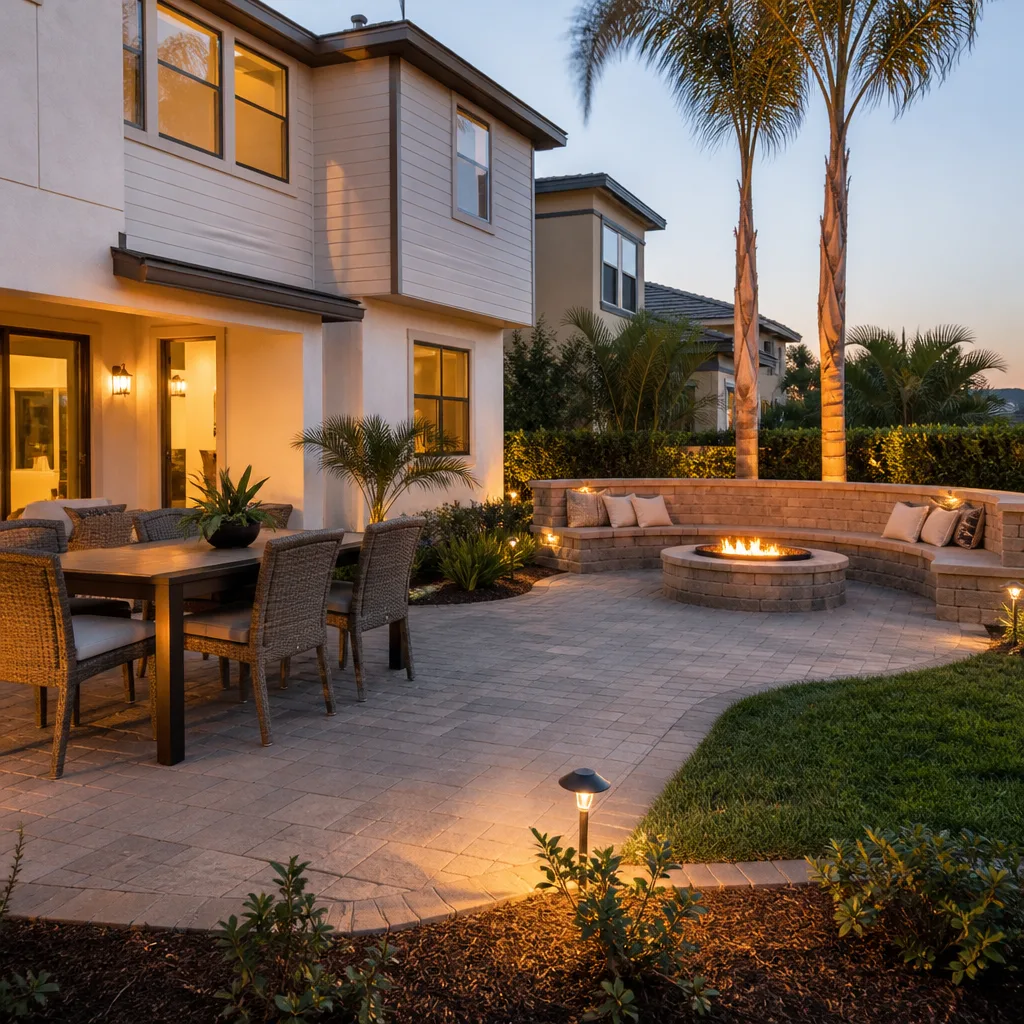
Pavers are a materials-and-base question more than a brand-approval question. What you’re buying is the paver’s compressive strength, the base depth, and the compaction method. Belgard is a common name in Westchester paver bids. Get the base specification in writing, since a premium paver on an undersized base fails faster than a mid-grade paver on a proper one. Our Driveway & Pavers in Westchester page goes deeper on base construction.
Kitchens and baths
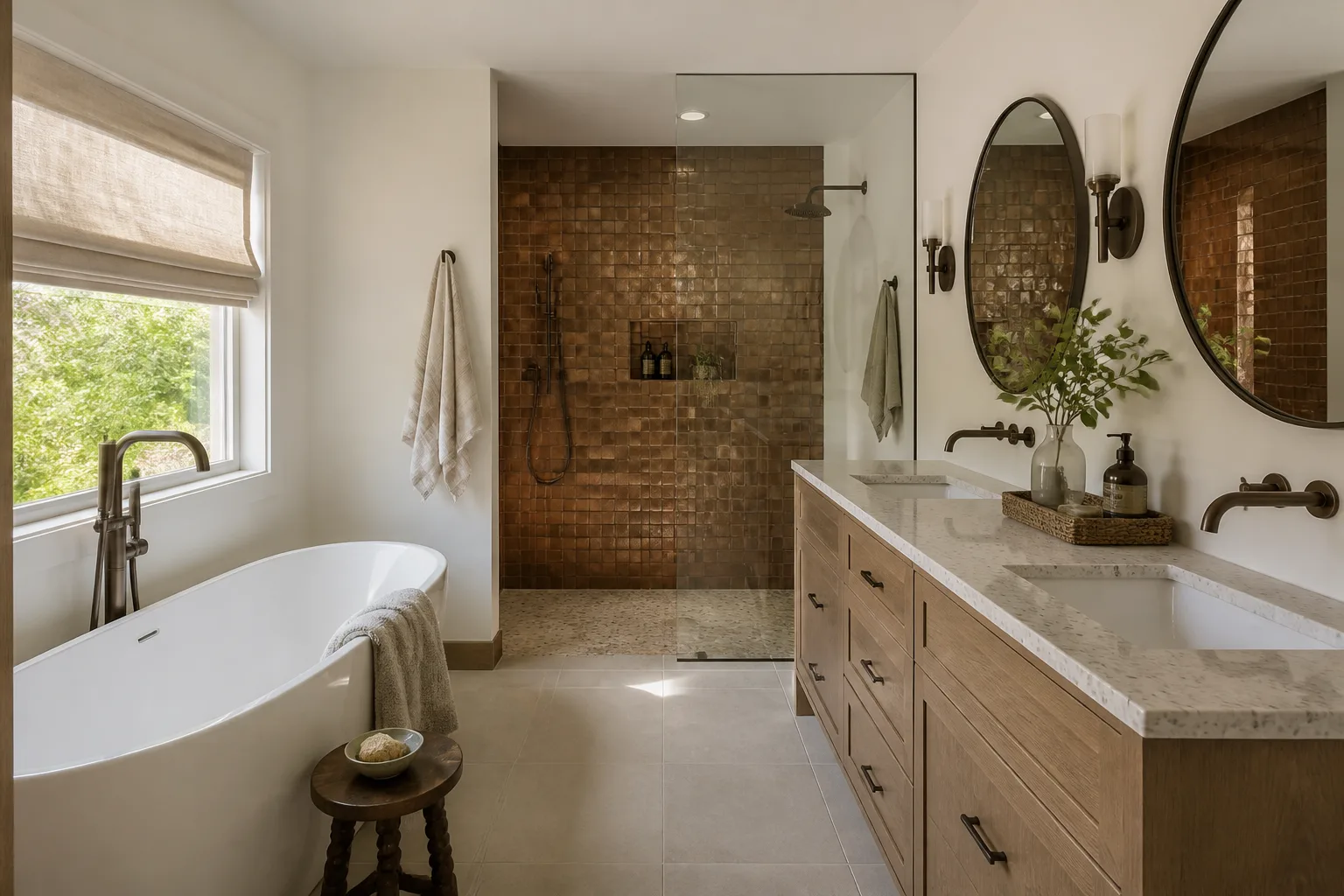
Cabinetry and surfaces are where brand questions get the most attention and matter the most for resale. KraftMaid and Cambria are two names that come up often in Westchester kitchen conversations, and the useful question is which product line within each brand, since both publish tiered options. More on how we sequence these projects is on our service pages.
Additions and ADUs
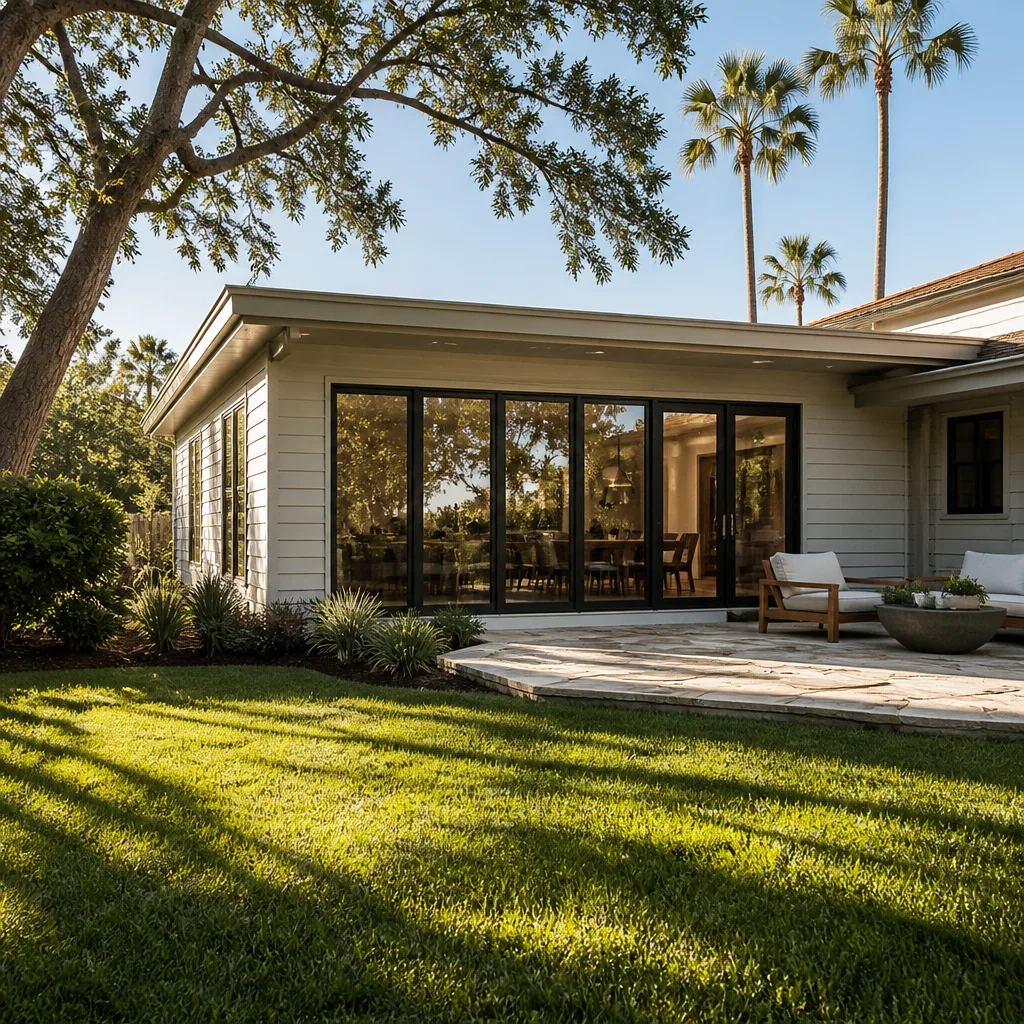
For structural additions, the brand conversation broadens to framing, windows, roofing, and finish materials all at once. That’s where a contractor with a curated brand portfolio earns their keep, because the approval and warranty questions have to be tracked across every trade on one permit. Our Home Additions & ADU in Westchester page covers the permit sequence in detail.
The Questions That Separate a Real Brand Partner from a Bidder
You can learn a lot about a Westchester contractor in ten minutes of questions. The good ones answer without flinching and offer documentation. The ones who don’t will get vague, change the subject to price, or tell you the questions are unnecessary because “we handle all that.” Here’s what to ask, in order.
- “Which manufacturer and product line are you specifying, and what’s the model number?” A partner knows the answer from memory.
- “Does this product hold a current Miami-Dade Notice of Acceptance, and can you send me a copy?” The document should arrive without a follow-up.
- “What are the manufacturer’s warranty terms, and what are yours?” Two separate answers, both in writing.
- “Who performs warranty work, and how do I reach them?” If the answer is “call the manufacturer,” ask what happens with an installation failure.
- “What happens if a product is out of stock?” A real partner has a substitution protocol that includes your approval. A bidder says, “we’ll figure it out.”
- “How is the price structured?” Upfront pricing with a written line-item quote means the number you see is the number you pay. Open-ended allowances are a different animal.
One more question worth asking in Westchester specifically: “Have you pulled permits for this type of product here before?” The permitting process at the county level has its own rhythms, and a contractor who has done it repeatedly in this market moves through it faster and with fewer surprises. Our technicians have up to 12 years of experience across these categories, and permit handling is part of every project we run.
Common Mistakes to Avoid
- Accepting “or equivalent” language in a contract. That phrase hands the substitution decision to the contractor. Require named products and written approval for any change.
- Assuming a famous brand means an approved product. A manufacturer can have approved and non-approved lines in the same catalog. Verify the specific line, not the company name.
- Comparing bids on total price alone. A bid that names entry-level products and a one-year workmanship warranty isn’t the same scope as one that names mid-grade products with a 730-Day Done Right Promise. Line them up before you compare numbers.
- Skipping the delivery receipt check. Westchester jobs move fast, and the receipt is your last easy chance to catch a substitution before the materials are installed.
- Reading only the first page of a manufacturer warranty. The exclusions and installation conditions are where claims get denied. Read those before you sign, not after.
- Letting the contractor handle the approval search “for you.” You’re allowed to search the county directory yourself. The homeowners who do it never regret the twenty minutes.
- Choosing a contractor without asking how warranty calls get answered. A warranty that’s hard to reach is a warranty that expires in practice. Calls answered by a live person, 24/7, eliminates that gap.
See the difference
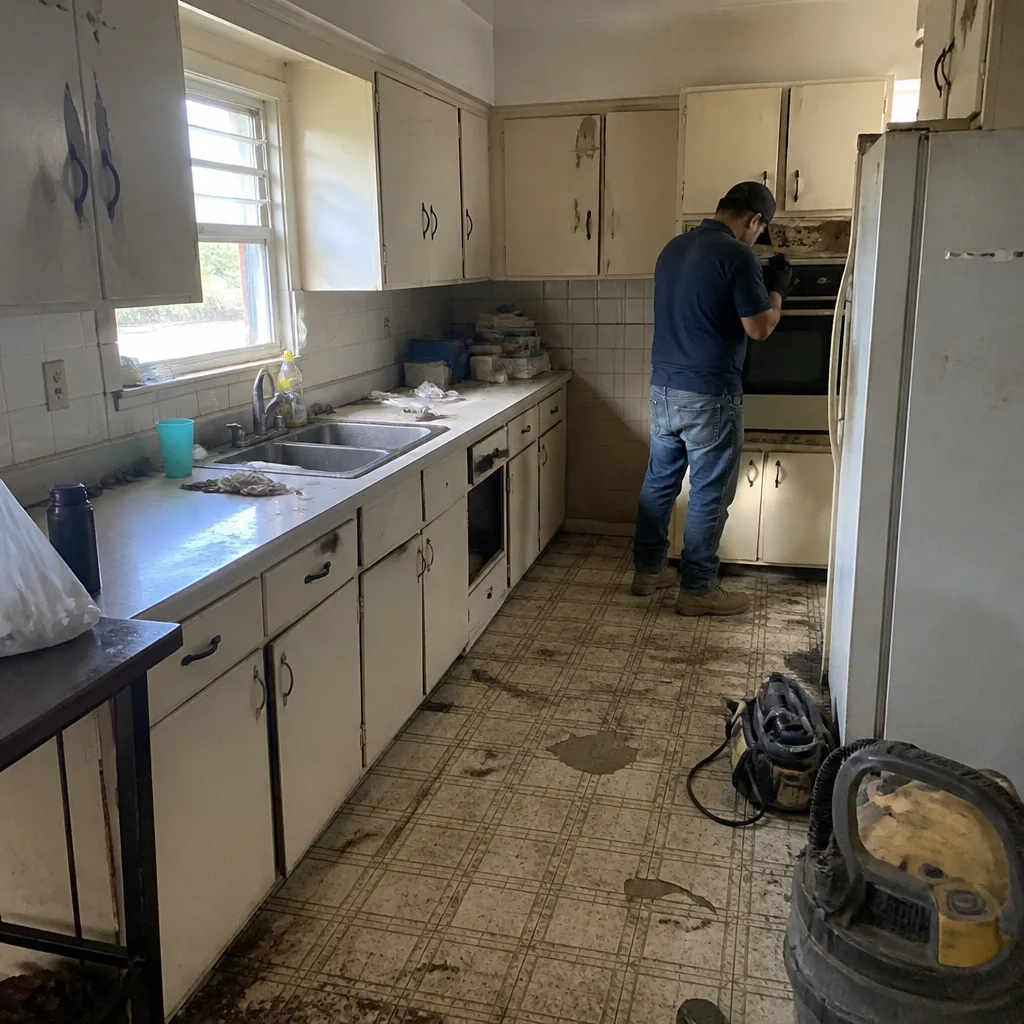 Before
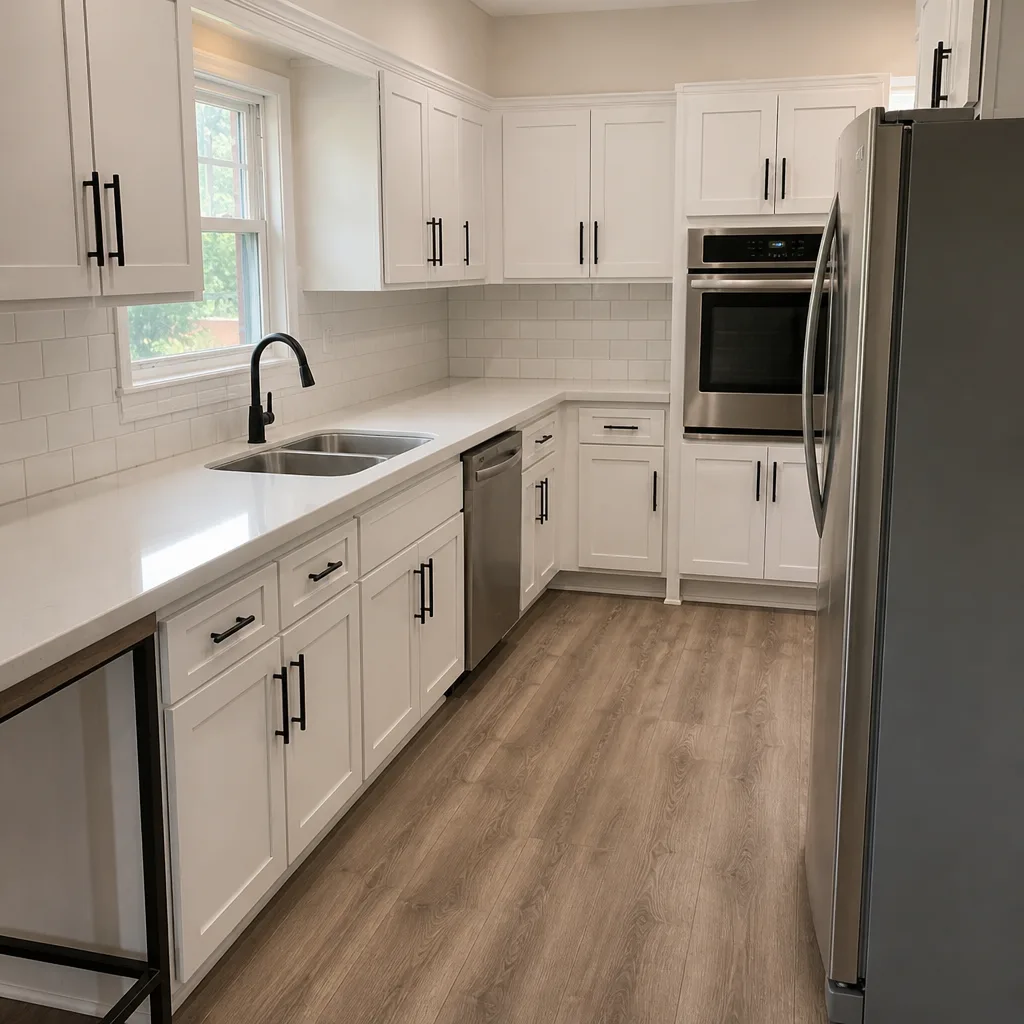 After
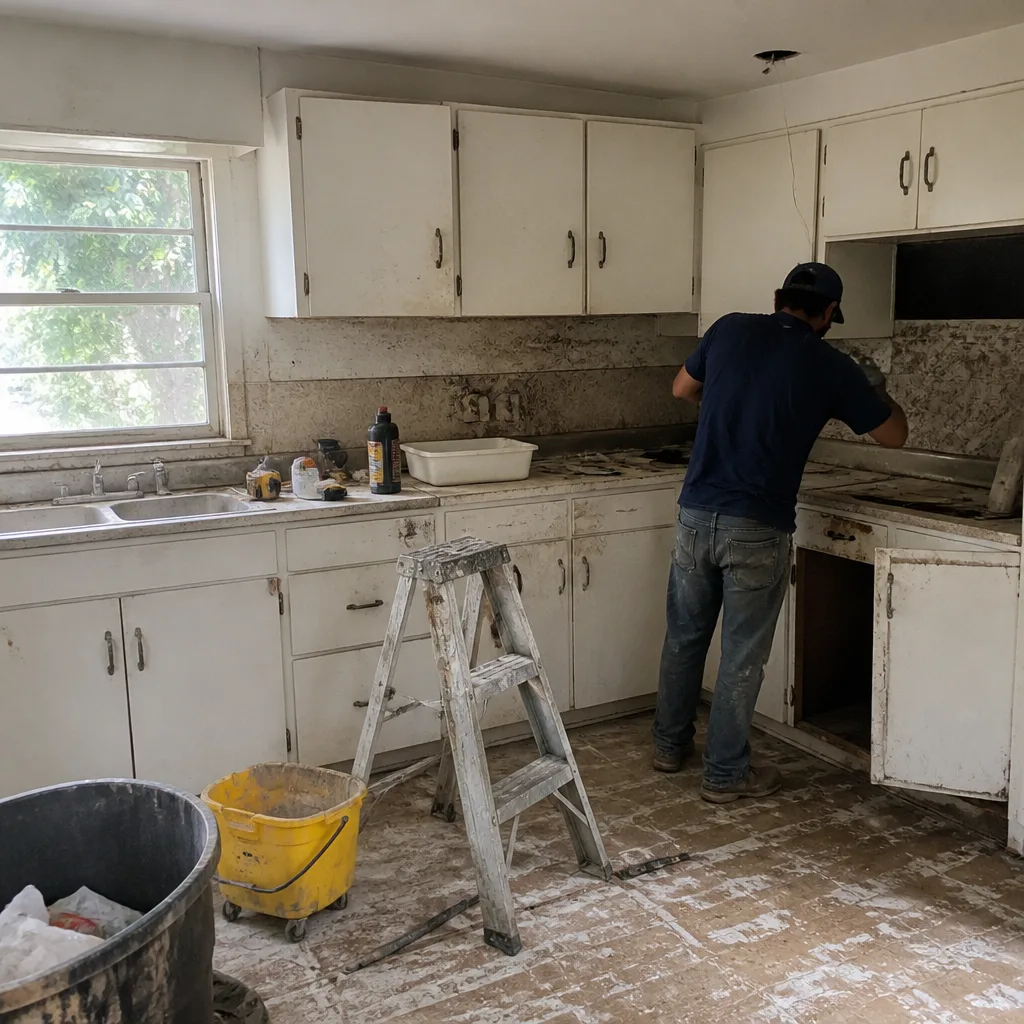 Before
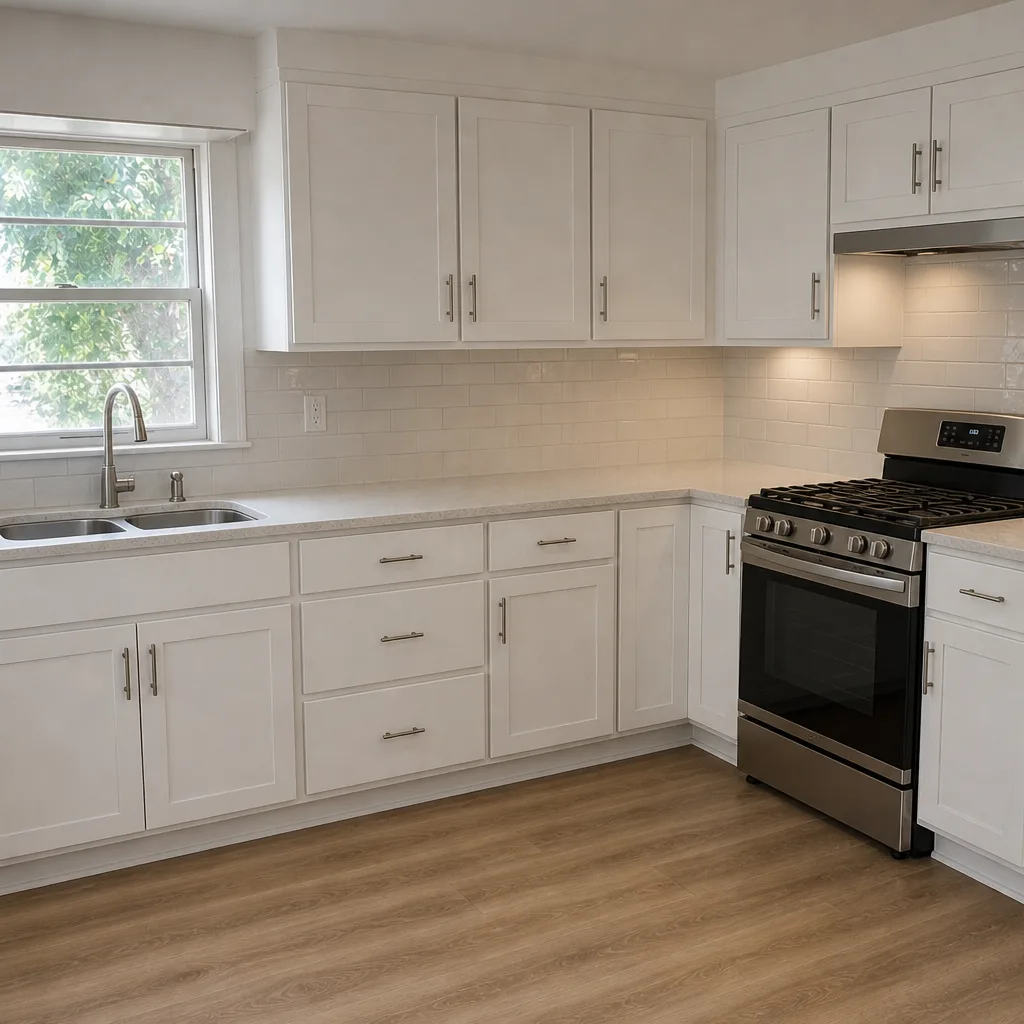 After
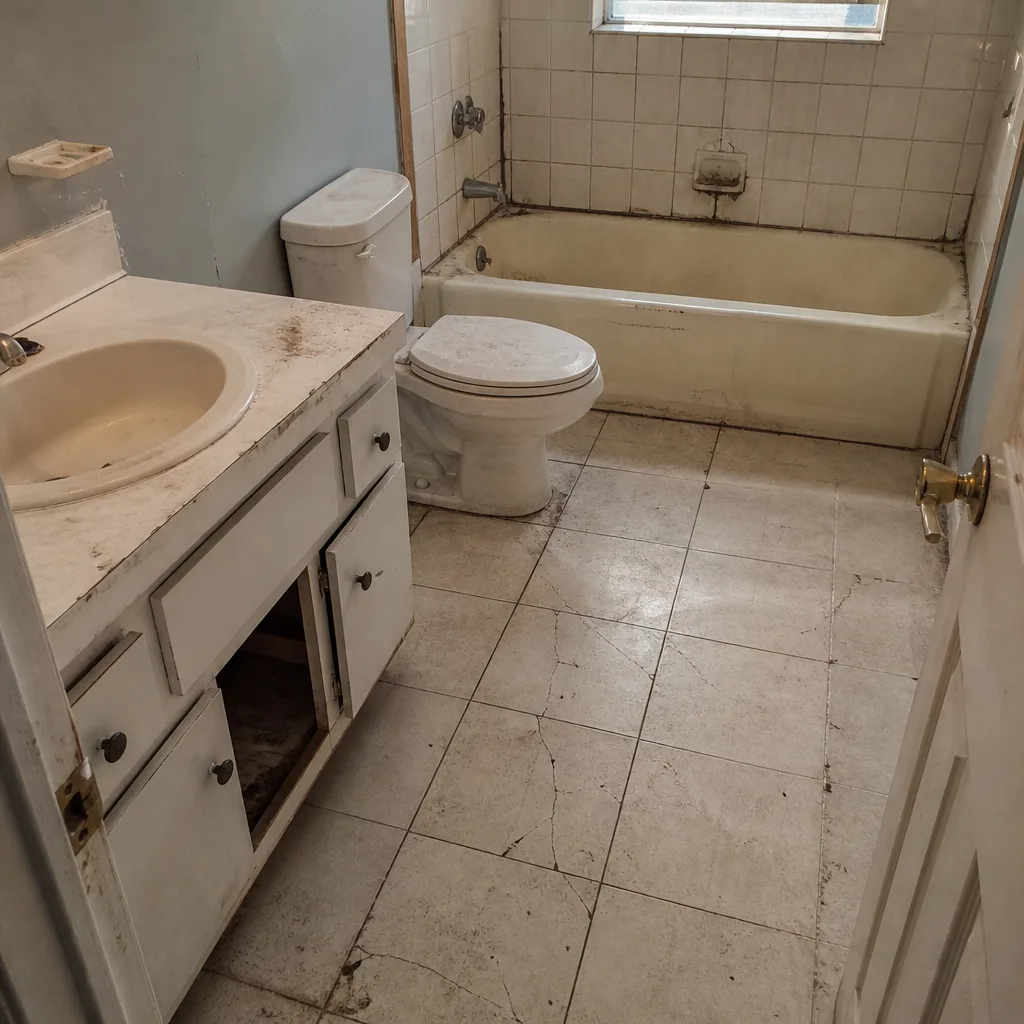 Before
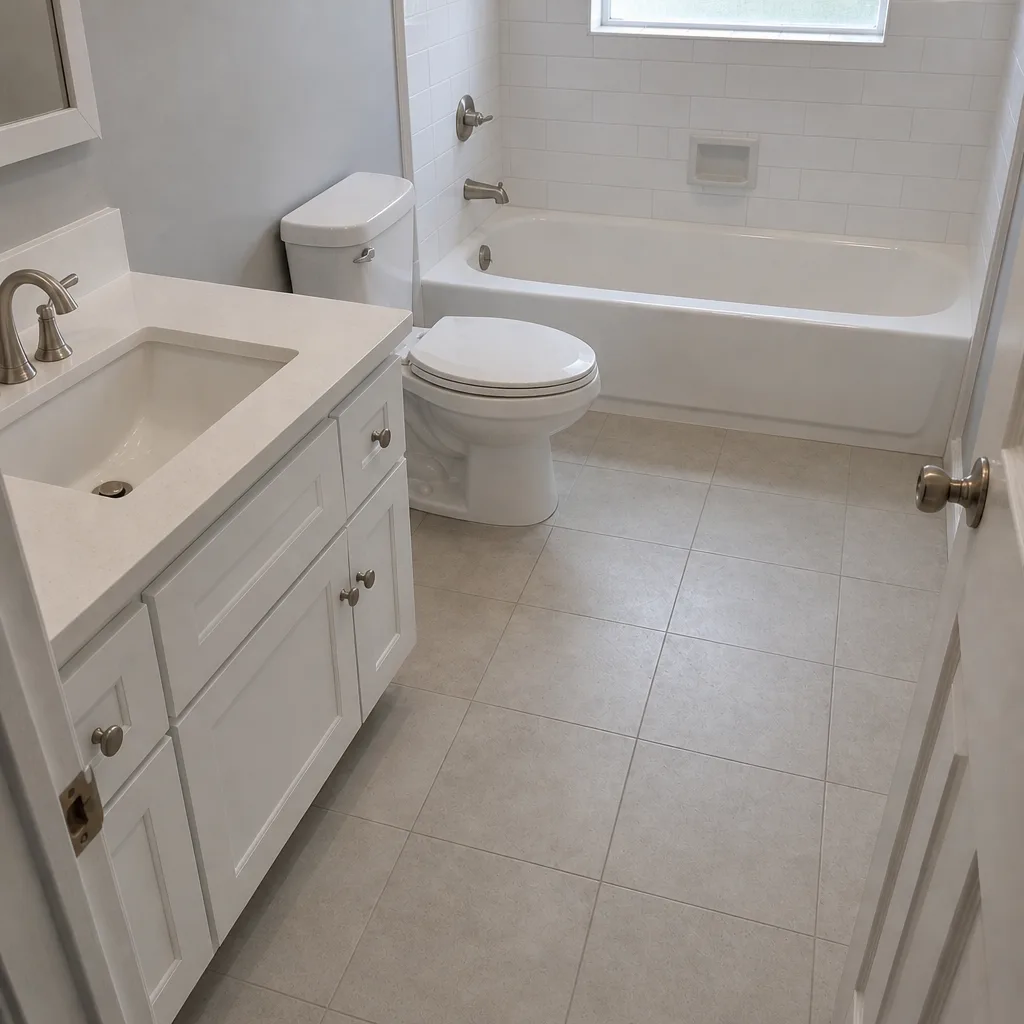 After
When to Call a Professional
Some brand decisions are safe to make on your own: choosing a fence style, picking a paver color, deciding between two cabinet finishes. Others belong with a professional who knows the approval system and carries the warranty. Call us when your project involves a roof replacement, window or door replacement, any exterior envelope work, or an addition that will require permits and inspections. Those are the categories where a substitution can fail inspection, void a manufacturer warranty, or both. Call us as well when you’ve received bids you can’t compare, or when a contractor won’t put the product line and model in writing. That’s the moment the project needs a second set of eyes, not a third bid. Groundwork Construction Co. of Westchester offers free estimates in Westchester. Call (833) 630-4214 to schedule yours. We answer with a live person, 24/7, so you’re not waiting until Monday.
Frequently Asked Questions
Yes. Roofing products installed in the HVHZ need a current Miami-Dade Notice of Acceptance to pass inspection, and Westchester is inside the HVHZ. Ask your contractor for the approval document for the specific product line before signing. If they can’t produce it, the product may not be legal to install here.
If the substitution isn’t approved in writing, you may end up with a product that has no valid county approval, which can fail inspection and void the manufacturer warranty. Catch it at the delivery receipt stage and refuse unauthorized materials. Call (833) 630-4214 for an exact quote on a properly specified project. Estimates are free.
A standard residential roof replacement in Westchester usually runs one to three days of active work, with permit review on the front end. Window replacements run about a day for a typical home. Additions and ADUs are measured in months. The exact schedule depends on your permit timeline and product lead times, and a written quote should include both.
Not with upfront pricing. The number you see is the number you pay, and we quote line items in writing before the first day on site. If you approve an upgrade later, that’s a written change you sign. What you won’t see is a surprise invoice halfway through for materials the bid didn’t cover. Call (833) 630-4214 for a free estimate.
Yes. Permits and inspections are part of every project that requires them, and the product approval check is part of how we prepare the submittal. We don’t hand that step to you. If a proposed product doesn’t hold current approval, we find that out at the desk, not at the inspection.
The 730-Day Done Right Promise covers our workmanship for two full years after completion. It sits on top of whatever the manufacturer provides for the product itself. If it’s not done right, we make it right. That means an installation failure doesn’t leave you bounced between the manufacturer and the installer with nobody taking responsibility. Call (833) 630-4214 to talk through the terms before you sign anything.
The Bottom Line
The brand going into your Westchester home matters, but not in the way most marketing suggests. It matters because Miami-Dade’s approval system limits what’s legally installable, because manufacturer warranties depend on approved installation methods, and because a substitution you didn’t approve can break both at once. Verify the product line, not the logo. Require the approval document. Separate the workmanship warranty from the manufacturer warranty and read both. Check the delivery receipt. Do those five things and you’ve eliminated most of the risk in a Westchester construction project before the first crew arrives.
Groundwork Construction Co. of Westchester brings a curated portfolio of verified brand partners to every project, across all seven of our service lines, with upfront pricing and free estimates. Call (833) 630-4214 to schedule your free project estimate and design consult. A live person answers, 24/7. We’ll show you the product line, the approval document, and the warranty terms in writing, then quote the job with a number that doesn’t move.
Written by the team at Groundwork Construction Co. of Westchester.