Last updated November 18, 2026


Free written scope consultation - allowances, timeline, and change-order rules on paper before a single trade is scheduled
The Complete Fence Installation Guide for Westchester Homeowners
Westchester gets brushed by tropical systems that most fence materials weren’t engineered for, and the contractor who doesn’t mention wind load ratings during your estimate is the one you’ll be calling back after the first real storm. Here’s the part most fence guides skip: the difference between a fence that survives twenty years and one that leans after two comes down to three decisions – post depth, concrete type, and material selection for South Florida’s humidity and wind exposure. This guide walks you through each one, from Miami-Dade County permit rules to the HOA approval process in Westchester neighborhoods, so you walk into contractor conversations with the right questions already loaded.
Quick Answer
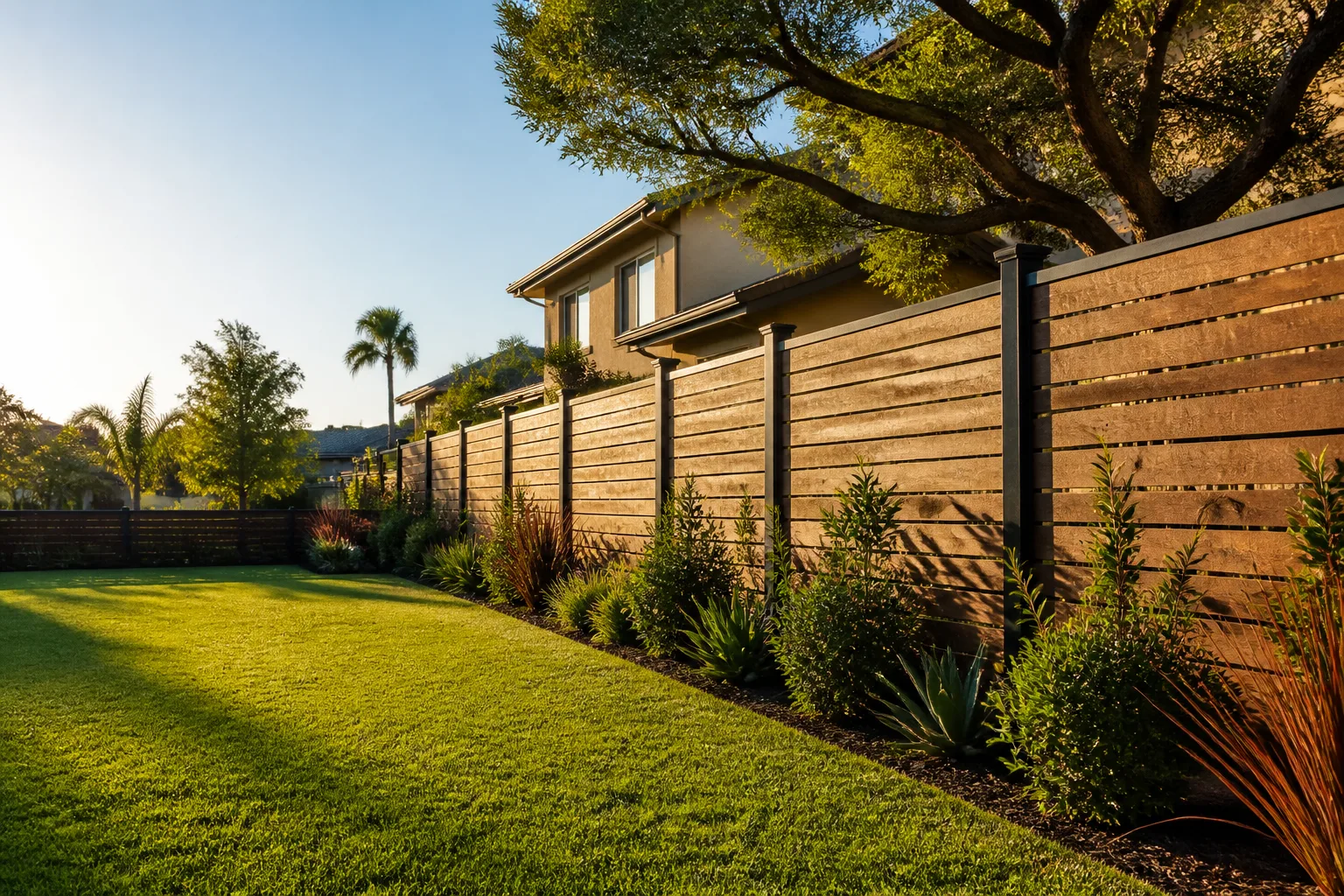
A proper fence installation in Westchester, FL starts with posts set at least 36 inches deep in concrete-rated footings sized for our sandy loam soil, a material chosen for wind exposure (aluminum and vinyl outperform wood in Dade County’s wind zones), and a permit pulled before the first post goes in if the fence exceeds 6 feet or sits on certain lot lines. Budget roughly $2,800 to $9,500 depending on material and linear footage, and confirm your HOA approval before signing anything. The three decisions that make or break the job are post depth, concrete type, and material selection for our climate.
Styles & brands we work with
- Kitchen remodeling
- Bathroom remodeling
- Home additions & ADU
- Roofing
- Windows & doors
- Driveway & pavers
- Fence
Table of Contents
- Florida Building Code and Miami-Dade Permit Rules for Fences
- Why Post Depth Matters More in Westchester Than in Most of Florida
- Concrete Type and Footing: The Decision Nobody Asks About
- Fence Materials Rated Honestly for South Florida Conditions
- HOA Approval in Westchester Neighborhoods: How to Avoid Delays
- What a Transparent Fence Quote Covers (And What Gets Added Later)
- Common Mistakes to Avoid
- When to Call a Professional
Florida Building Code and Miami-Dade Permit Rules for Fences
Miami-Dade County doesn’t require a permit for every fence, but it requires one more often than most Westchester homeowners expect. The trigger most people miss is height: a residential fence in unincorporated Miami-Dade can generally go up to 6 feet without a building permit, but anything taller – and many privacy fences in Westchester run 6 to 8 feet – crosses into permit territory. Corner lots add another layer, because sight-line triangles at intersections restrict fence height near the corner regardless of the rest of the property line.
Setbacks matter too. Fences along a rear or side property line typically sit right on the line, but fences in front of the front building line often face stricter height limits, and some Westchester subdivisions layer their own rules on top of the county’s. A fence that clears the county can still fail an HOA architectural review, so the two approvals are separate conversations.
What typically requires a permit in Miami-Dade:
- Fences taller than 6 feet above grade
- Fences on or near a corner sight-line triangle
- Masonry or block walls of any meaningful height, which fall under structural review
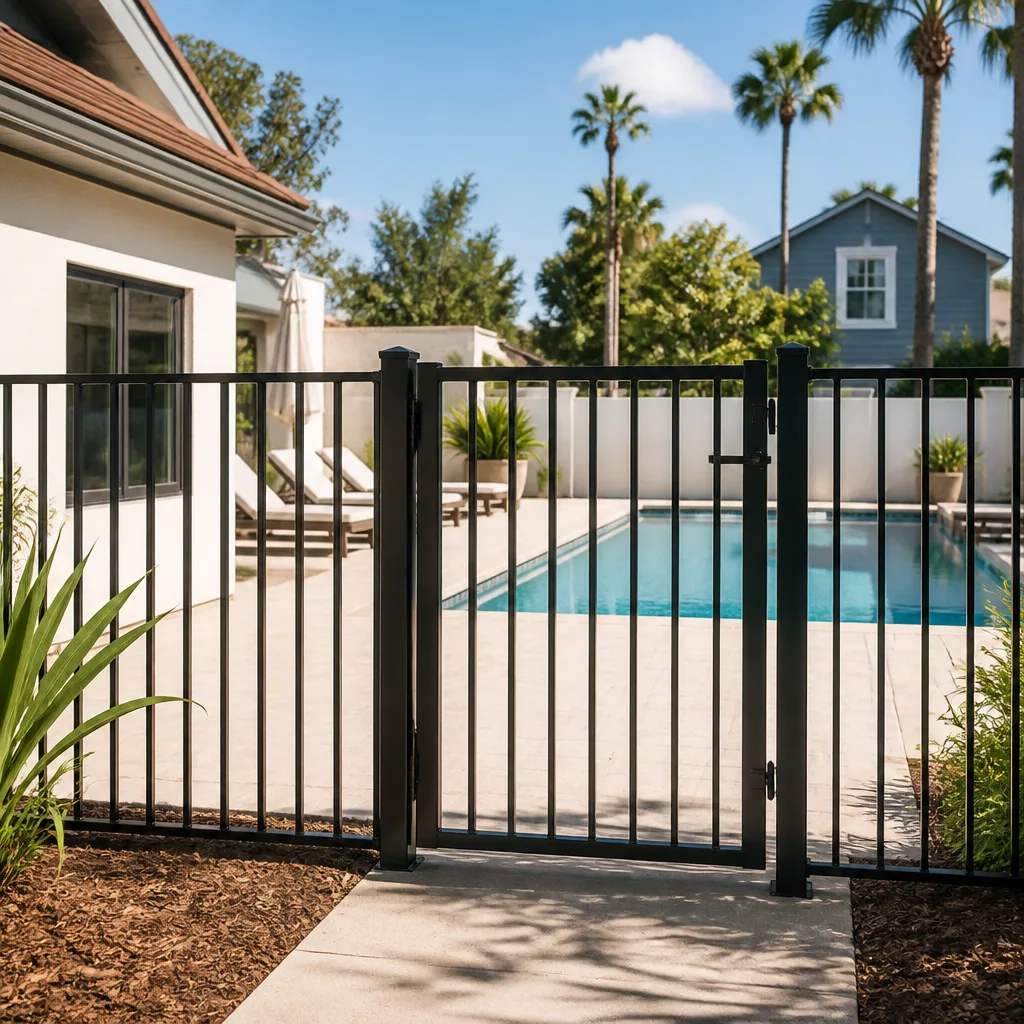
- Fences that double as pool barriers, which trigger additional safety-code requirements
What usually doesn’t require a permit: standard 6-foot wood, vinyl, aluminum, or chain link fences along interior lot lines, provided they meet setback and sight-line rules. We always confirm the specific parcel before quoting, because the answer changes block to block in Westchester. The permit itself typically runs a few hundred dollars and a couple weeks of review in Miami-Dade, and it’s not a step to skip – an unpermitted fence can surface as a problem at resale and complicate an insurance claim after a storm. If your project expands into a larger property upgrade, the same permit discipline applies across our Home Additions & ADU in Westchester work.
Why Post Depth Matters More in Westchester Than in Most of Florida
Standard fence guides tell you to bury posts 24 to 30 inches. In Westchester, that number is often too shallow, and the reason is the soil. Much of our area sits on sandy loam over limestone that drains fast but holds a post poorly compared to the clay soils those generic guides were written for. Sandy loam shifts with heavy rain, and during tropical season a fence that was plumb in March can be leaning by September if the post footings weren’t sized for the load and the soil.
In our experience, posts in Westchester should be set a minimum of 36 inches deep, and posts holding a taller privacy fence or a gate should go deeper still – sometimes 42 to 48 inches – with the hole diameter roughly three times the post width. That extra depth does two things. It gets the footing below the layer of soil most affected by seasonal moisture swings, and it gives the concrete more surface area to grip against wind uplift, which is the real threat during a named storm.
Three things we check on every Westchester installation before a single hole is dug:
- Soil consistency along the run. A line that crosses from sandy loam into fill dirt near an older lot needs footing adjustments, because the two soils settle differently.
- Drainage direction. Posts set where water ponds will loosen faster, so we set them deeper and crown the concrete above grade to shed water away from the post.
- Wind exposure. An open lot with no neighboring structures takes more wind load than a sheltered backyard, and the footing depth and post spacing should reflect it.
This is the single most common place where low bids hide their savings. A contractor quoting 24-inch post depth in Westchester isn’t necessarily dishonest, but the fence will not hold the way a properly footed one will, and you’ll see it after the first big blow.
Concrete Type and Footing: The Decision Nobody Asks About
Most homeowners never ask what kind of concrete goes in the post hole, which is exactly why it’s a useful question to have loaded. The answer should be a pre-mixed, high-strength concrete mix rated for structural post setting – typically a 4,000 PSI mix or the bagged equivalent – poured dry and watered in, or mixed to a stiff consistency, not a sloppy slurry. Fast-setting mixes work in dry conditions but cure too quickly in South Florida’s summer heat and can crack before they’ve gripped the post.
Footing shape matters as much as the mix. A footing that’s wider at the bottom than at the top – a bell or flare shape – resists uplift far better than a straight cylindrical hole, and in a wind zone that’s the difference between a fence that stays put and one that rocks loose. Concrete should crown above grade and slope away from the post so water sheds instead of puddling at the base, which is what rots wood posts from the ground up and rusts steel ones.
Here’s a quick comparison of footing approaches and what each one means for a Westchester fence:
- Standard 24-inch straight hole: Cheapest, fastest, and the most likely to fail in sandy loam under wind load. We don’t recommend it here.
- 36-inch straight hole, 4,000 PSI mix: A solid baseline for most 6-foot fences in Westchester, provided spacing is correct.
- 36 to 48-inch flared footing: The right choice for taller privacy fences, gates, and open lots with high wind exposure.
- No concrete, driven posts: Fine for temporary fencing and short-lived garden runs. Not appropriate for a permanent fence in Dade County’s wind zones.
Concrete also cures on a schedule you should know about before the crew leaves. Posts need 24 to 48 hours before you hang panels and about a week to reach working strength. A contractor who wants to set posts and hang panels the same afternoon is trading your long-term fence for their short-term schedule. The same material discipline shows up across our Driveway & Pavers in Westchester work, where base prep under the pavers matters as much as what you see on top.
Fence Materials Rated Honestly for South Florida Conditions
Every fence material sold in Westchester sounds good in a brochure. The honest comparison depends on how each one handles our three local stressors: year-round humidity, salt air that creeps inland during onshore wind events, and hurricane-season wind load. Here’s how the four main options actually stack up over the long haul.
Aluminum
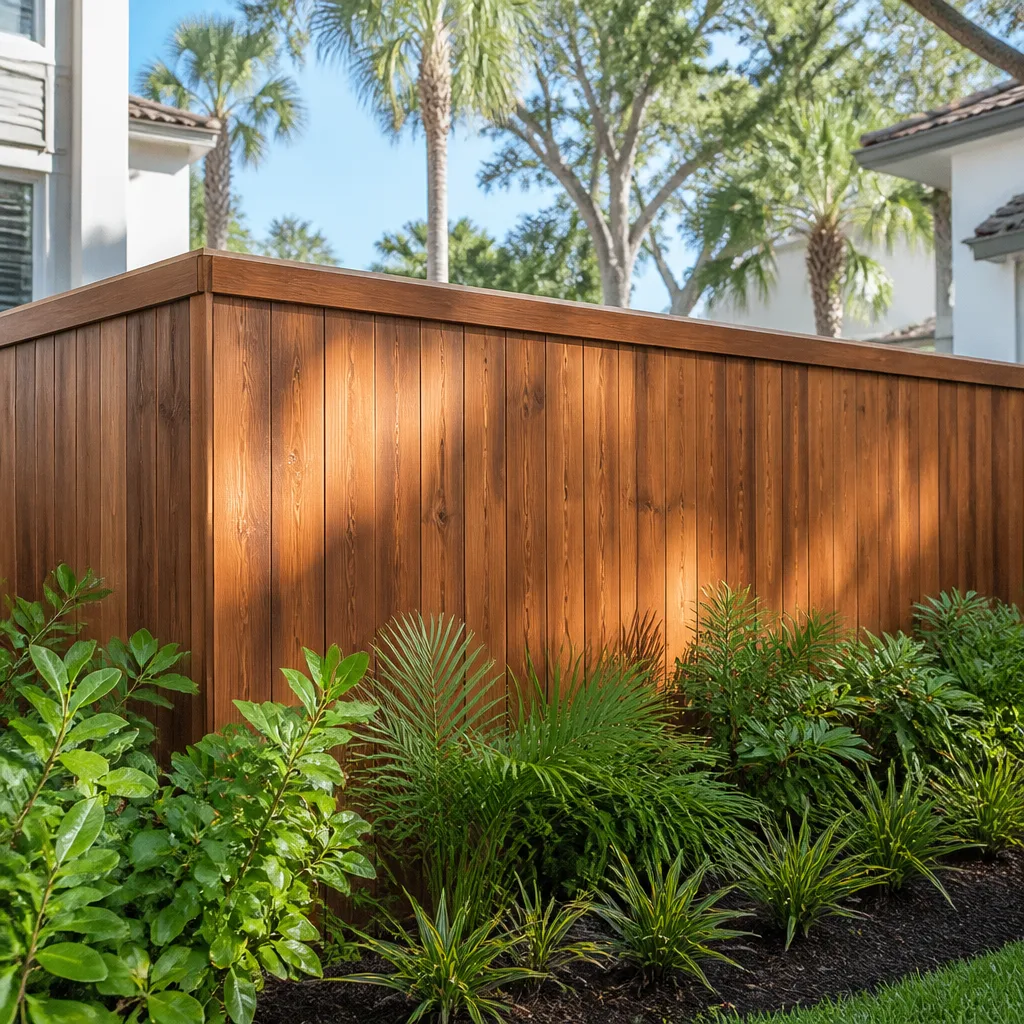
Powder-coated aluminum is the best long-term performer for Westchester conditions. It doesn’t rot, it doesn’t rust, it won’t feed termites, and it handles wind load better than any other residential fence material when the panels are properly engineered and the posts are correctly set. The finish can chalk after many years of direct sun, but it’s a cosmetic issue, not a structural one. The trade-off is privacy – most aluminum ornamental fences see through – and cost, which runs on the higher end of the range. Where privacy is the priority, aluminum with composite or vinyl infill panels gets you both.
Vinyl
Vinyl is the most popular privacy fence material in Westchester, and for good reason: no painting, no rot, no termites, and a clean look that holds up to humidity. The catch is quality variance. Cheap thin-wall vinyl goes brittle in UV and can crack or shatter in wind-driven debris impact, while premium vinyl with a reinforced core and proper post inserts holds up well. Ask for UV-stabilized vinyl and confirm the wind rating on the specific product; not all vinyl fences are engineered equally, and in Dade County the difference is real.
Wood
Wood is the classic choice and the most affordable at the low end, but it’s the highest-maintenance option in South Florida. Pressure-treated pine resists rot better than untreated wood, but our humidity and termite pressure mean a Westchester wood fence wants sealing every year or two, and posts are the first failure point. A cedar or composite-wood product lasts longer but pushes cost up toward vinyl territory. Wood also takes wind damage worst – boards loosen and panels rack – so footing quality is non-negotiable if you go this route.
Chain Link
Chain link is the budget option and the most durable per dollar if you don’t need privacy. Galvanized or vinyl-coated chain link resists rust well in our climate when the coating is intact, and wind passes right through it, which makes it the lowest wind-load option of the four. It won’t win any curb-appeal contest, but for a side-yard dog run or a property-line boundary it’s a practical, long-lasting choice. Aluminum or vinyl slats can add privacy later.
The honest summary: aluminum and vinyl are the two best long-term investments for a Westchester privacy fence, wood is the affordable option that asks more of you in maintenance, and chain link is the value play for boundary and utility fencing. On wind rating, aluminum and chain link sit at the top; on privacy and low maintenance, vinyl leads. For projects that combine fencing with other exterior upgrades, our team handles the full scope, and our CWS and ES Windows partnerships reflect the same standard we hold for fence materials – quality you can name, not just availability.
HOA Approval in Westchester Neighborhoods: How to Avoid Delays
Miami-Dade’s permit is only half the approval story in Westchester, because many of our neighborhoods sit inside HOAs with their own architectural review rules. The county can approve your fence and the HOA can still stop it, and the HOA review is often the slower of the two. A typical architectural review wants the material, color, height, and a site plan showing where the fence runs, and some associations require neighbor notification or a signed acknowledgment before they’ll even open the file.
The single biggest cause of fence delays we see in Westchester is a homeowner ordering materials before HOA approval comes back. If the board asks for a different color, a lower height, or a different material, you’re stuck with product you can’t use. Start the HOA process first, in parallel with the county permit, and don’t schedule installation until both are in hand.
A step-by-step that keeps a Westchester fence project on schedule:
- Pull your HOA’s architectural guidelines. Many Westchester associations publish approved materials, colors, and height limits in their rules packet.
- Ask the board about review timelines. Some meet monthly, which can add weeks; knowing the schedule lets you plan around it.
- Submit the application with a site plan and material samples. Complete submissions clear faster than ones the board sends back for missing details.
- File the county permit in parallel. While the HOA reviews, the county can process, so the two approvals land close together.
- Get both approvals in writing before ordering materials or scheduling install. This is the step that saves the most money.
If your HOA has never had a fence request like yours, ask the board for a pre-application conversation. A five-minute call often reveals which details they’ll want before you invest time building a formal packet.
What a Transparent Fence Quote Covers (And What Gets Added Later)
A fence quote should be a line-item document you can read and compare, not a single number on a napkin. The problem most Westchester homeowners run into is not the price – it’s the additions that show up mid-project. Here’s what a complete, upfront quote covers, and what quietly gets added later by contractors who don’t disclose.
What a complete quote includes:
- Linear footage and post spacing, spelled out, not estimated
- Post depth and footing spec, because this is the biggest hidden variable
- Concrete type and mix, or a clear statement of how posts are set
- Material brand, grade, and color, plus the specific wind rating if it’s a rated product
- Gate hardware and any hardware upgrades as separate line items
- Permit fees and whether they’re included or billed separately
- Removal and disposal of the existing fence
- Site prep, including root removal or old concrete footing extraction
- Cleanup and haul-away
What gets added later by contractors who don’t quote upfront:
- Old post footings that need extraction – often $50 to $150 per post
- Gate install as a surprise add-on instead of a line item
- Upgrades from thin-wall to reinforced vinyl after the fact
- Stain, seal, or paint on wood fences
- Permit handling fees tacked on after approval
The rule for a Westchester fence quote is simple: if it isn’t written down, it isn’t included. Our quotes are line-item, and the number you see is the number you pay. Our 730-Day Done Right Promise backs the workmanship – if it isn’t done right, we make it right – which is only possible when the scope was clear from the start. To see how we handle transparent pricing across trades, start with Fence Installation in Westchester and the broader Groundwork Construction Co. of Westchester home page.
Common Mistakes to Avoid
- Setting posts at the national 24-inch standard. That depth was written for clay soils, not Westchester’s sandy loam, and it’s the fastest way to a leaning fence after the first tropical system. Ask your contractor to commit to a footing depth in writing.
- Ordering materials before HOA approval. A color or height change from the board strands product you’ve already paid for. Get the HOA sign-off first, every time.
- Choosing material by brochure instead of wind rating. In Miami-Dade’s wind zones, a beautiful vinyl panel that isn’t rated for the exposure can fail in a storm. The rating matters as much as the look.
- Skipping the permit because “it’s just a fence.” An unpermitted fence can complicate resale and insurance claims. Confirm the trigger before you assume it doesn’t apply.
- Accepting a single-number bid with no line items. If post depth, concrete type, and removal aren’t spelled out, you’re comparing bids that aren’t comparable – and the gaps become change orders.
- Hanging panels the same day posts are set. Wet concrete needs time to cure, and rushing it means a fence that wracks and loosens. A proper schedule includes a cure delay.
- Ignoring drainage at the fence line. Water that ponds at post bases rots wood and rusts steel. Site prep should crown concrete above grade and direct water away.
When to Call a Professional
Some fence work is genuinely a good fit for a homeowner with time, tools, and flat, dry ground. Most Westchester fence installations are not, because the failure points are all underground. Posts set shallow in our sandy loam, footing concrete mixed too wet for South Florida’s heat, panels hung before the cure sets in, permit and HOA approvals misread – each of these is invisible on day one and expensive six months later. If your property includes a corner lot, a sight-line triangle, an HOA architectural review, a gate that meets an old fence line, or soil that shifts with seasonal rain, the underground and regulatory work outweighs the above-ground part of the job.
Groundwork Construction Co. of Westchester offers free estimates in Westchester – call (833) 630-4214. We bring a written, line-item quote with the footing spec spelled out, pull the permits, work with your HOA on the architectural review, and back the workmanship with our 730-Day Done Right Promise. Our technicians have up to 12 years of experience setting posts, and our fence installations follow the same rated, named-material approach as the rest of our work, from asphalt to pavers to the finish line. For driveway and hardscape work alongside a fence, see Driveway & Pavers in Westchester, and for larger property upgrades, Home Additions & ADU in Westchester.
See the difference
 Before
 After
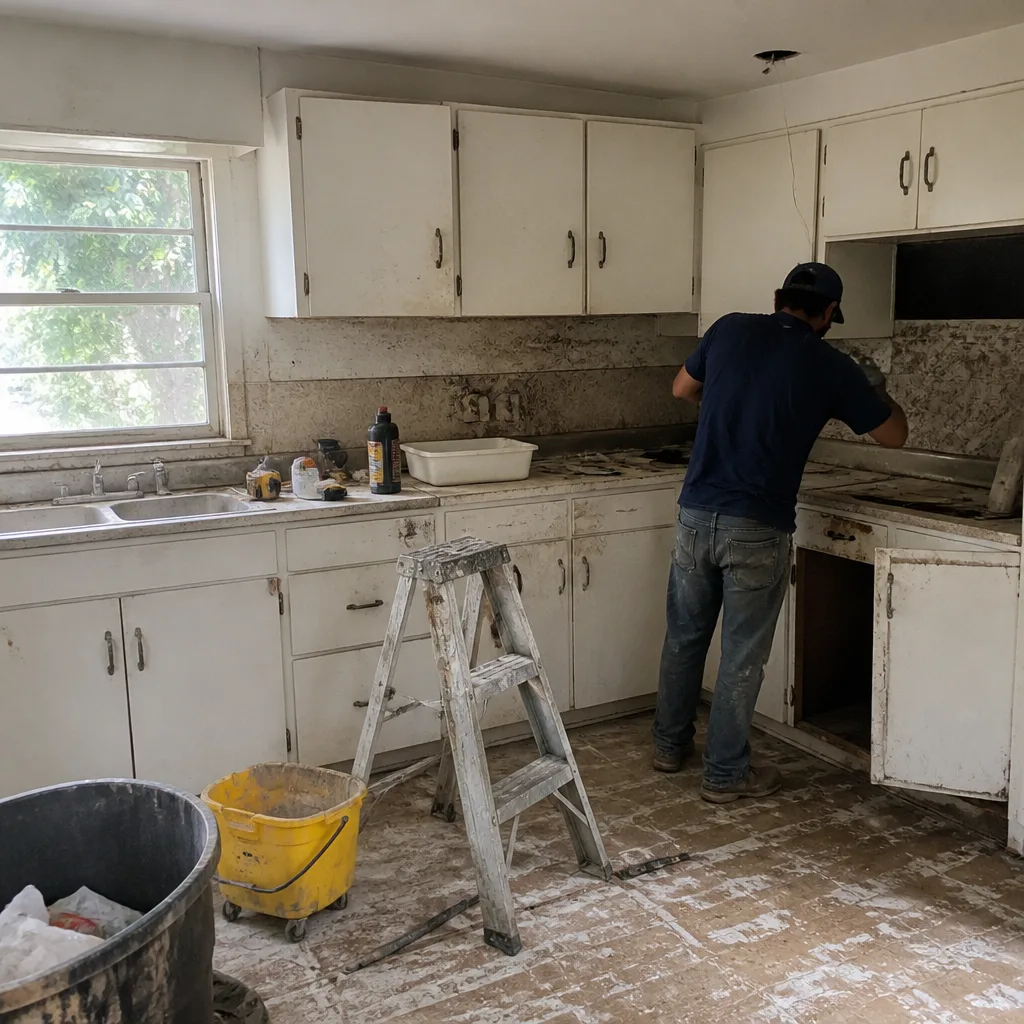 Before
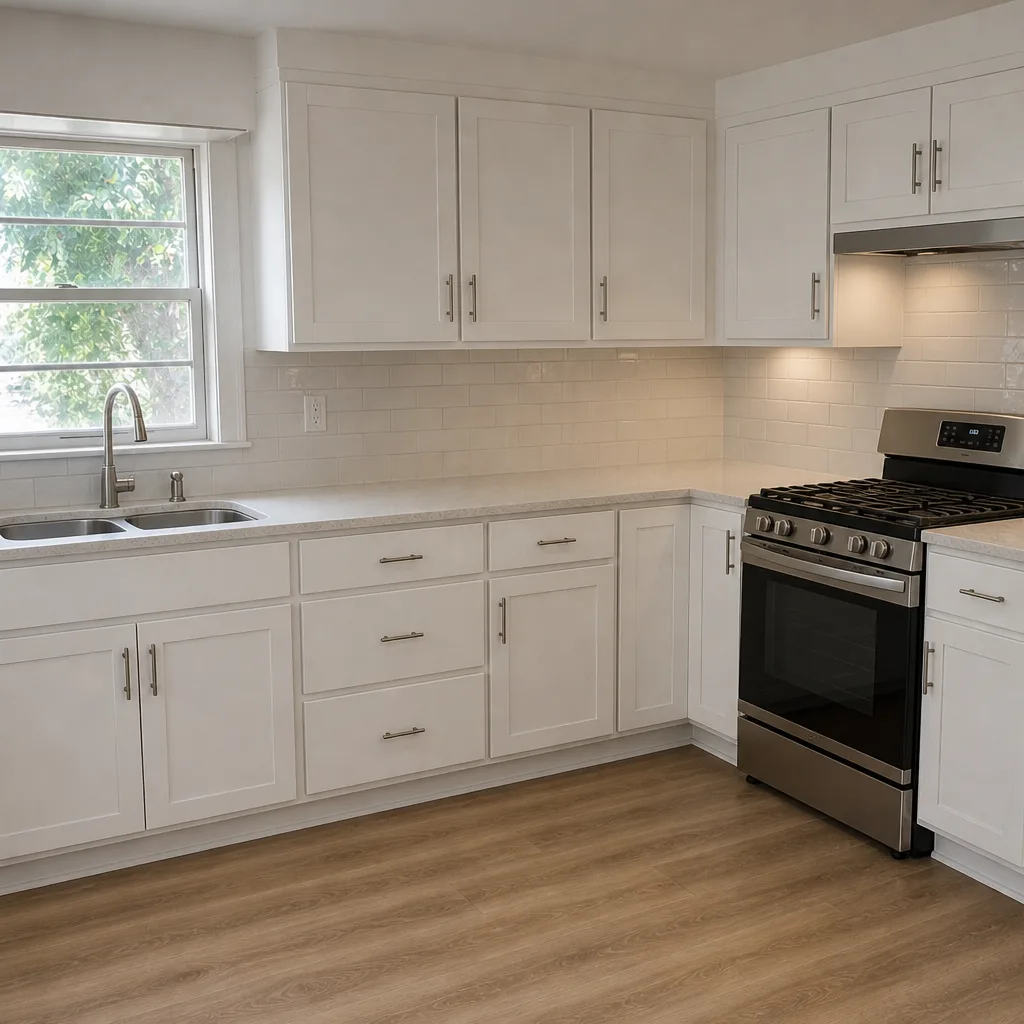 After
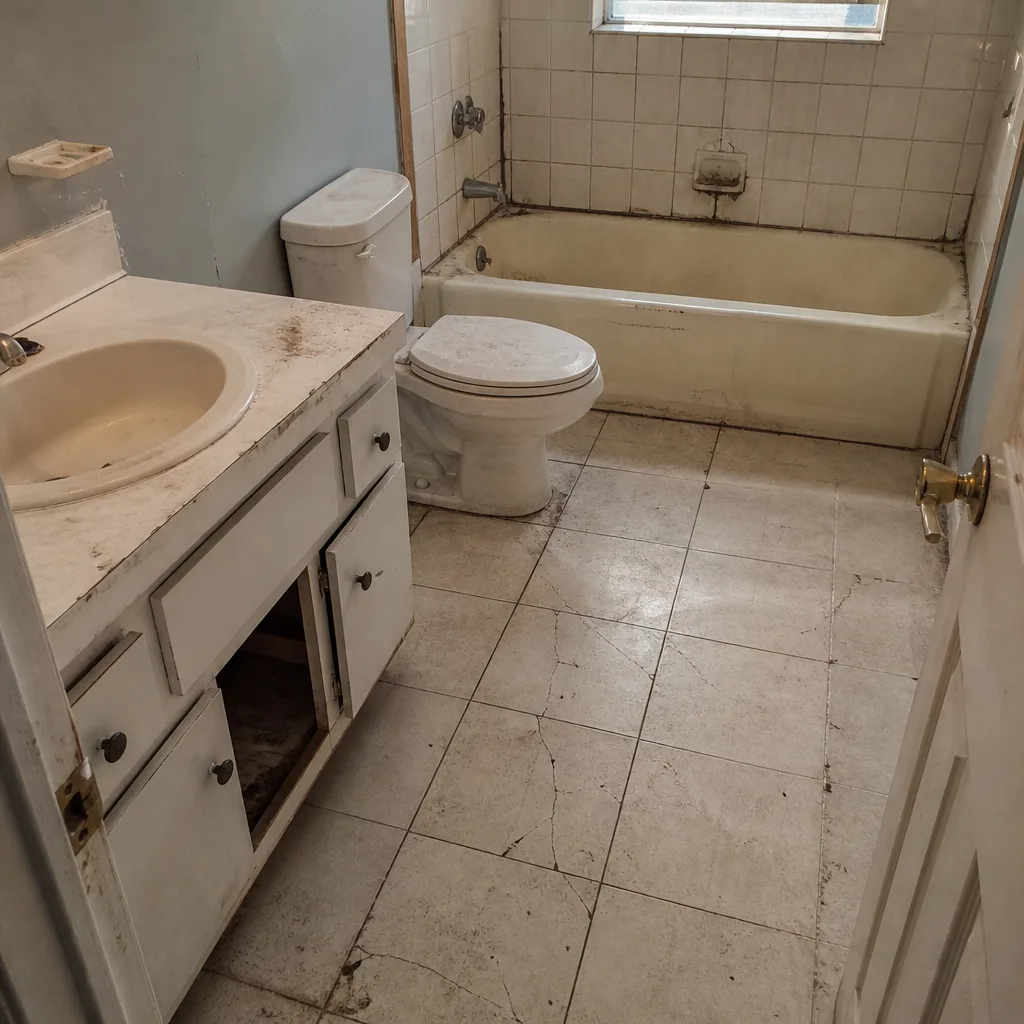 Before
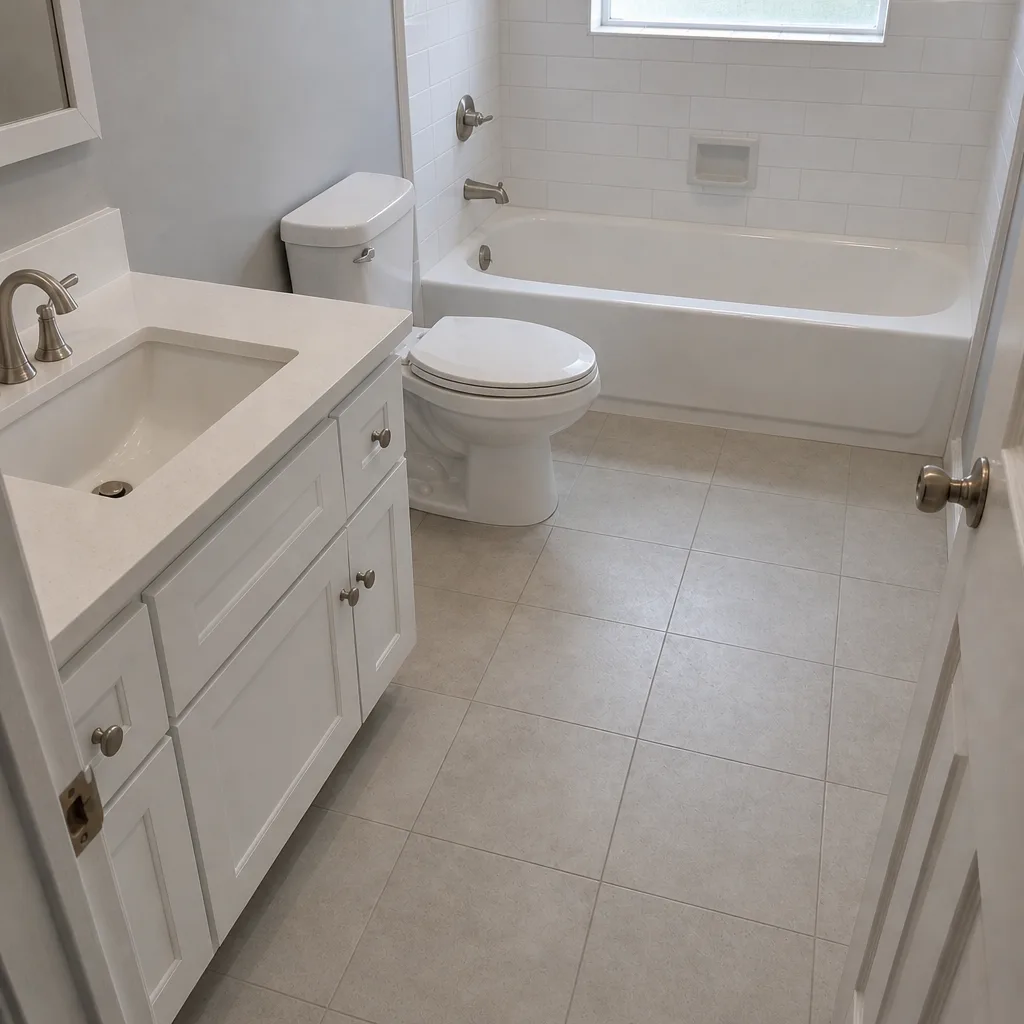 After
Frequently Asked Questions
Most residential fence installations in Westchester land between $2,800 and $9,500 depending on material and linear footage. A standard 100-foot pressure-treated wood fence typically runs around $3,500 to $5,000, a 6-foot vinyl privacy fence roughly $4,500 to $7,000, and an aluminum ornamental fence in the $6,000 to $9,500 range. Removal and disposal of an existing fence, gate hardware, and permit fees add to the total. Call (833) 630-4214 for an exact quote – estimates are free.
A fence in unincorporated Miami-Dade generally needs a building permit if it exceeds 6 feet in height, sits in a corner sight-line triangle, functions as a pool barrier, or is a masonry wall. Standard 6-foot wood, vinyl, aluminum, and chain link fences along interior lot lines usually don’t require a permit, provided they meet setback rules. Corner lots and pool barriers change the answer, so confirm for your specific parcel before you build.
Fence posts in Westchester should be set a minimum of 36 inches deep, and posts for tall privacy fences or gates should go 42 to 48 inches. The reason is our sandy loam soil, which shifts with seasonal rain and holds a post less firmly than clay. The national 24-inch standard is too shallow for most of Westchester. Call (833) 630-4214 to have your footing spec quoted in writing.
Powder-coated aluminum is the best long-term choice for wind resistance in South Florida, with properly engineered vinyl as a close second when it’s rated for the exposure. Aluminum doesn’t rot or rust and handles wind load best; quality vinyl holds up well with the right post inserts but varies widely by grade, and cheap thin-wall vinyl can crack. Wood needs the most maintenance, and chain link has the lowest wind load of all. The material rating matters as much as the material type.
Yes. We pull Miami-Dade permits and work with your Westchester HOA through its architectural review, including submitting the site plan and material details the board requires. We also schedule the work correctly so the concrete footings cure before panels go up – the cure timing is a step many crews skip. Call (833) 630-4214 to start your free estimate and get the approval steps mapped out for your property.
Most residential fence installations take two to four days of on-site work, plus a permit review of a couple weeks and HOA review that varies by association meeting schedule. Concrete footings need 24 to 48 hours before panels are hung and about a week to reach working strength, which lengthens the schedule but protects the job. Permit and HOA timelines are usually the longer part of the plan. Call (833) 630-4214 for a schedule estimate specific to your lot.
The Bottom Line
A Westchester fence is a ten-year-plus investment, and the decisions that determine whether it lasts are underground and on paper. Post depth at 36 inches or deeper in our sandy loam. A 4,000 PSI flared footing with a crown that sheds water. A material chosen for wind rating, not just looks – aluminum and quality vinyl at the top, wood affordable with maintenance, chain link the value play. A permit pulled before the first post when the rules require it, and HOA approval in writing before materials are ordered. And a quote with line items, not a single number. Those are the questions to bring to every estimate. Groundwork Construction Co. of Westchester backs its fence installations with the 730-Day Done Right Promise – if it isn’t done right, we make it right.
Call (833) 630-4214 for a free estimate and design consult on your Westchester fence project. We offer upfront, line-item pricing, 0% financing for 18 months, and $1,000 off projects over $10,000. Calls are answered by a live person, 24/7, and our background-checked, uniformed technicians show up ready to work.
Written by the team at Groundwork Construction Co. of Westchester.