Last updated November 18, 2026
Free written scope consultation - allowances, timeline, and change-order rules on paper before a single trade is scheduled
The Complete Home Additions & ADU Guide for Westchester Homeowners
Half the advice floating around about building an addition or an ADU will get you stuck in a Westchester permitting office for months. That’s not an exaggeration. National guides talk about square footage and resale value while skipping the parts that actually decide your timeline: setback rules in the older plats, utility easement restrictions that run through a surprising number of backyard lots, and the owner-occupancy requirements Florida places on ADUs that can disqualify your whole plan overnight. A contractor who doesn’t know the Village of Westchester’s process will burn your schedule before the first footer is poured.
This guide is the ground-level playbook. You’ll learn which parcel types qualify for an ADU under current Florida statutes, the different permitting paths for attached additions versus detached units versus garage conversions, realistic per-square-foot costs in the Westchester labor market, how adding a unit affects your Miami-Dade property tax assessment and homestead exemption, and the vetting checklist every homeowner should run through before a single shovel hits the ground.
Quick Answer
Building a home addition or ADU in Westchester typically runs $185 to $420 per square foot depending on whether it’s an attached addition, a detached unit, or a garage conversion, and most projects take 6 to 14 months from design to final inspection. The biggest variables aren’t materials; they’re zoning eligibility, setback compliance on your specific lot, and whether your parcel can legally accommodate an ADU under Florida’s current accessory dwelling statutes. Get those three answered before you pick a single finish, and the rest of the project becomes manageable.
Styles & brands we work with
- Kitchen remodeling
- Bathroom remodeling
- Home additions & ADU
- Roofing
- Windows & doors
- Driveway & pavers
- Fence
Table of Contents
- What zoning classifications in Westchester allow an addition or ADU?
- Attached additions vs. detached ADUs vs. garage conversions: which fits your lot?
- What permits does an addition or ADU require in Westchester?
- What does an addition or ADU cost per square foot in Westchester?
- How does adding an ADU affect your Miami-Dade property taxes and homestead exemption?
- How to vet a contractor in Westchester before signing anything
- What’s a realistic timeline from concept to move-in?
- Common mistakes to avoid
What zoning classifications in Westchester allow an addition or ADU?
Westchester is an unincorporated community within Miami-Dade County, which means most land-use decisions run through Miami-Dade zoning rather than a separate city planning department. That’s a detail that trips up homeowners who’ve read guides written for cities with their own municipal codes. The bulk of Westchester residential parcels fall under a low-density single-family classification that permits attached additions by right, subject to setbacks, lot coverage limits, and height restrictions. Detached ADUs are trickier. They’re allowed only when several conditions align at once, and Florida’s statute permitting accessory dwelling units on single-family lots has to be read alongside county zoning and any deed restrictions recorded on your specific subdivision plat.
Here’s what to check on your own parcel before you commit to anything:
- Lot size and width. Narrow lots common in parts of Westchester leave no legal path for a detached ADU after setbacks are applied. A 5,000-square-foot parcel may pass on paper and fail on the setback math.
- Setback requirements. Front, side, and rear setbacks vary by classification. The rear-yard setback is what usually kills a detached unit.
- Lot coverage cap. Adding a building adds to your impervious coverage. Once you add a slab and a roof, you can bump against the cap faster than expected.
- Utility easements. Many Westchester subdivisions have drainage and utility easements running through the rear property line. Building inside an easement is a hard no, and easement maps are not always shown on what you were handed at closing.
- Deed restrictions and HOA covenants. Even when zoning allows an ADU, a recorded deed restriction can forbid it. Review your chain of title.
- Owner-occupancy rules. Florida’s ADU statute commonly requires the owner to occupy either the primary home or the ADU. A pure rental play is often not permitted.
We’ve seen homeowners spend three months on architectural renderings for a detached unit they couldn’t legally build because the rear setback alone eliminated the footprint. That sequence is backwards. Confirm zoning eligibility first, on a survey, before you draw anything.
Attached additions vs. detached ADUs vs. garage conversions: which fits your lot?
The type of addition you build determines its permitting path, its cost per square foot, and how much of your yard you give up. In Westchester, the four common categories break down like this.
Attached additions
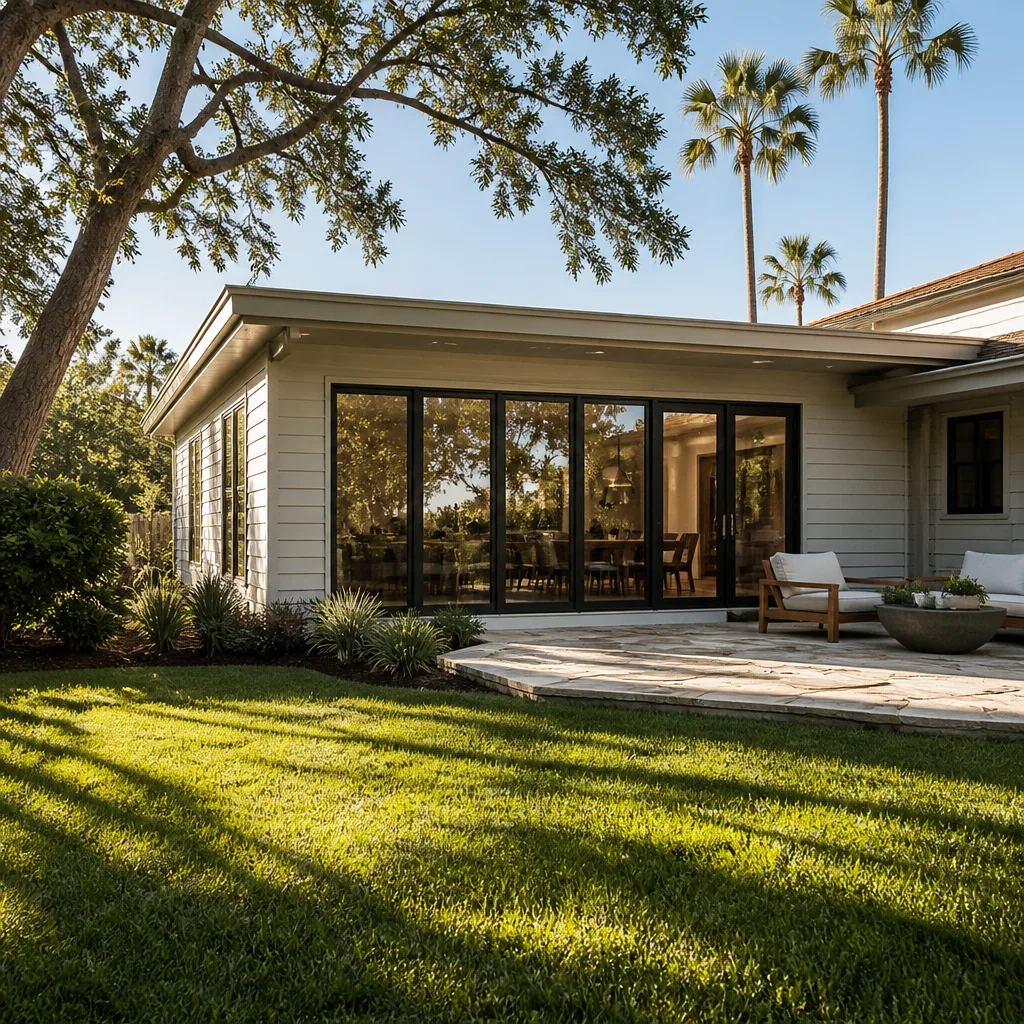
An attached addition shares a wall or roofline with the primary home. It’s the most straightforward permitting path, since it’s treated as an expansion of the existing structure and typically falls under a standard building permit with no separate zoning approval if setbacks and lot coverage are met. Homeowners adding a primary suite, a family room, or a second-story bonus room usually choose this route. The cost per square foot lands lower for attached work because you’re sharing foundation, framing connections, and mechanical systems with the existing house.
Detached ADUs
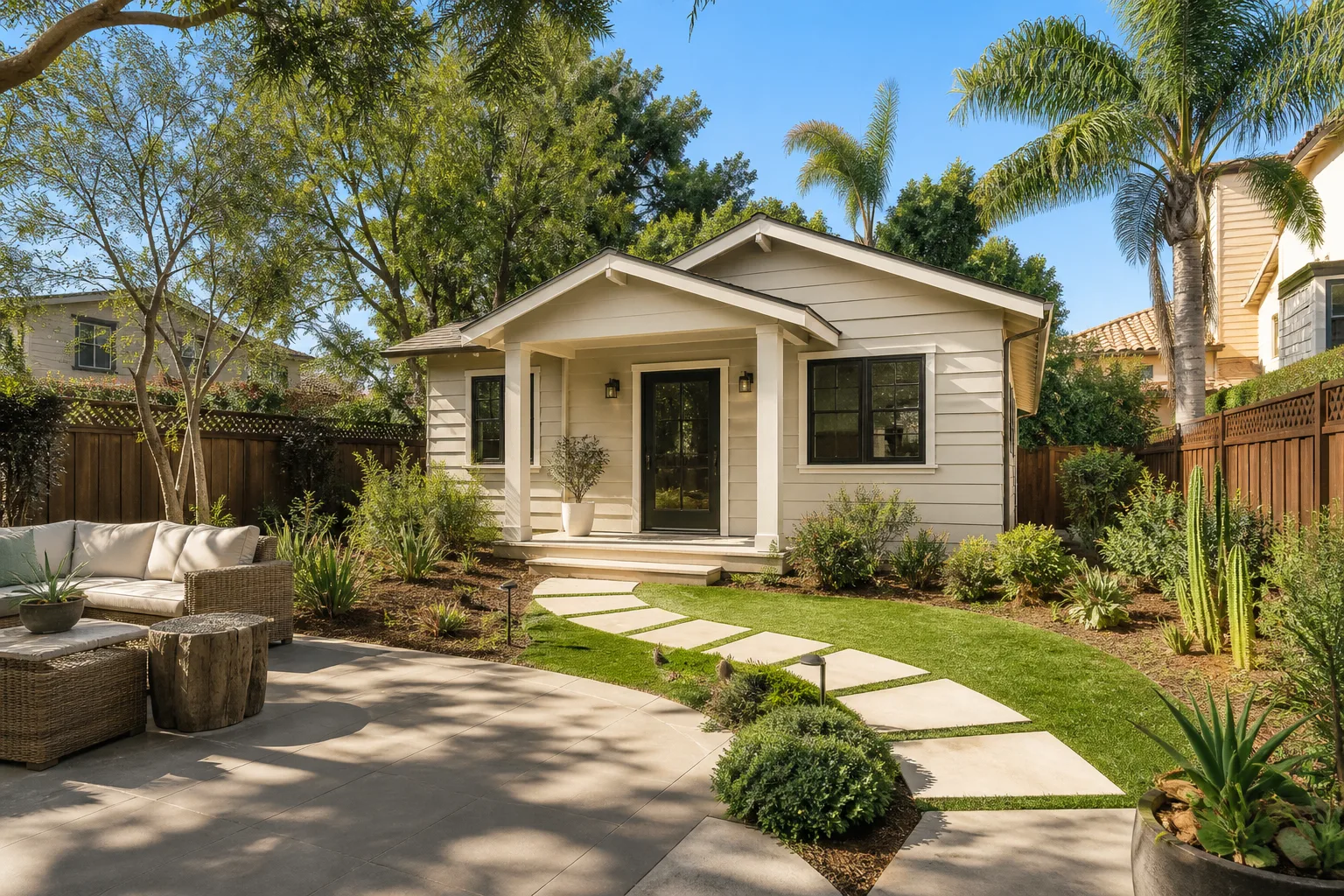
A detached ADU is a freestanding structure on the same lot, typically a studio or one-bedroom unit used for a family member, a caregiver, or a rental. It’s the highest-cost-per-square-foot option because it requires its own foundation, roof, plumbing, electrical service, and HVAC. Detached ADUs in Westchester also trigger longer review because the county has to confirm setbacks, easement clearance, lot coverage, and mandatory owner-occupancy conditions. If your lot is 6,000 square feet or larger with a clear rear yard and no easement conflicts, a detached unit is feasible. Below that, the math usually fails.
Garage conversions
Converting an existing attached garage into living space is the cheapest path to added square footage. It’s also the one with the most hidden code requirements. A garage conversion needs a new egress window or door, an HVAC system that wasn’t there, upgraded insulation to current energy code, and separation from the vehicle storage area if a portion of the garage remains. A common Westchester approach: keep a two-car garage in front and convert the rear bay into a bedroom or in-law suite. The savings against a from-scratch addition can run 40 to 55 percent per square foot, though it often costs money to add a replacement carport or parking pad to satisfy on-site parking requirements.
In-law suites
An in-law suite can be an attached addition with its own kitchenette and bath, or a defined portion of the primary home with a private entrance. It’s not always treated as a separate ADU under county code, and the terminology matters because the permitting and owner-occupancy requirements change. If you want a kitchen in an in-law suite, plan on a full electrical permit, separate plumbing rough-in, and possibly a second address or unit designation. Ask the permit desk to review your drawing before you file.
When we scope an addition for a Westchester homeowner, the sequence is fixed: zoning eligibility first, then which category fits, then design. Reverse that and you’ll redo the design at least once.
What permits does an addition or ADU require in Westchester?
Every addition or ADU in Westchester needs at minimum a building permit, and most need a handful of related permits issued alongside it. The exact bundle depends on scope, but the common list looks like this:
- Building permit. Covers framing, sheathing, roof, and structural work.
- Electrical permit. Required any time you add circuits, service, or a second panel.
- Plumbing permit. Required for any new fixture rough-in or extension of the supply or drain system.
- Mechanical permit (HVAC). Required for new ductwork, air handlers, or mini-split installation.
- Roofing permit. Usually bundled with the building permit but sometimes separate depending on scope.
- Impact protection review. Miami-Dade’s high-velocity hurricane zone (HVHZ) rules require impact-rated glazing or approved shutters on new construction. Every window and exterior glass door needs a product approval number on the drawings.
- Driveway or parking pad permit. If you convert a garage or add an ADU, you may need a new parking surface, which triggers a separate permit and impervious coverage check.
- Certificate of occupancy. The final step. No one occupies the unit until this is issued.
Two Westchester-specific realities to plan around. First, the county reviews drawings for HVHZ compliance in detail, so a set of plans that would sail through in a low-wind market will come back with comments here. Experienced designers account for that from the first draft. Second, inspections are scheduled, not performed at will. A missed inspection slot can add a week to the job. A builder who doesn’t chase inspections proactively can stall a project for a month without anything being physically wrong.
We’ve been doing this in the Miami-Dade market long enough to know that the permit phase is where schedules get won or lost, which is one reason we pull and manage permits as part of scope on every Home Additions & ADU in Westchester project rather than leaving it to chance.
What does an addition or ADU cost per square foot in Westchester?
Here’s a direct answer most national guides won’t give you: current Westchester labor and material costs for additions and ADUs land roughly 8 to 15 percent above national averages, and that gap has held since the post-2021 construction cycle. The drivers are concrete costs in a market that’s fully built out, higher electrical and HVAC labor due to demand, and impact-rated windows and doors that add $4 to $9 per square foot against standard glazing.
Realistic 2026 per-square-foot ranges for Westchester:
| Project type | Typical cost per sq ft | Notes |
|---|---|---|
| Attached addition (primary suite, family room) | $220 to $340 | Shares foundation and mechanical with main house; lowest complexity |
| Attached in-law suite with kitchenette and bath | $280 to $400 | Adds plumbing, electrical, and second kitchen rough-in costs |
| Garage conversion (full, with HVAC and bath) | $130 to $230 | Assumes replacement parking is added elsewhere on lot |
| Detached ADU (studio to one bedroom) | $310 to $460 | Full foundation, roof, utilities, and separate service |
| Second-story addition (over existing footprint) | $300 to $450 | Structural reinforcement, new stair, roof re-tie |
| Wrap-around or bump-out addition | $240 to $370 | Depends on plumbing and mechanical extension |
A few line items that regularly surprise Westchester homeowners:
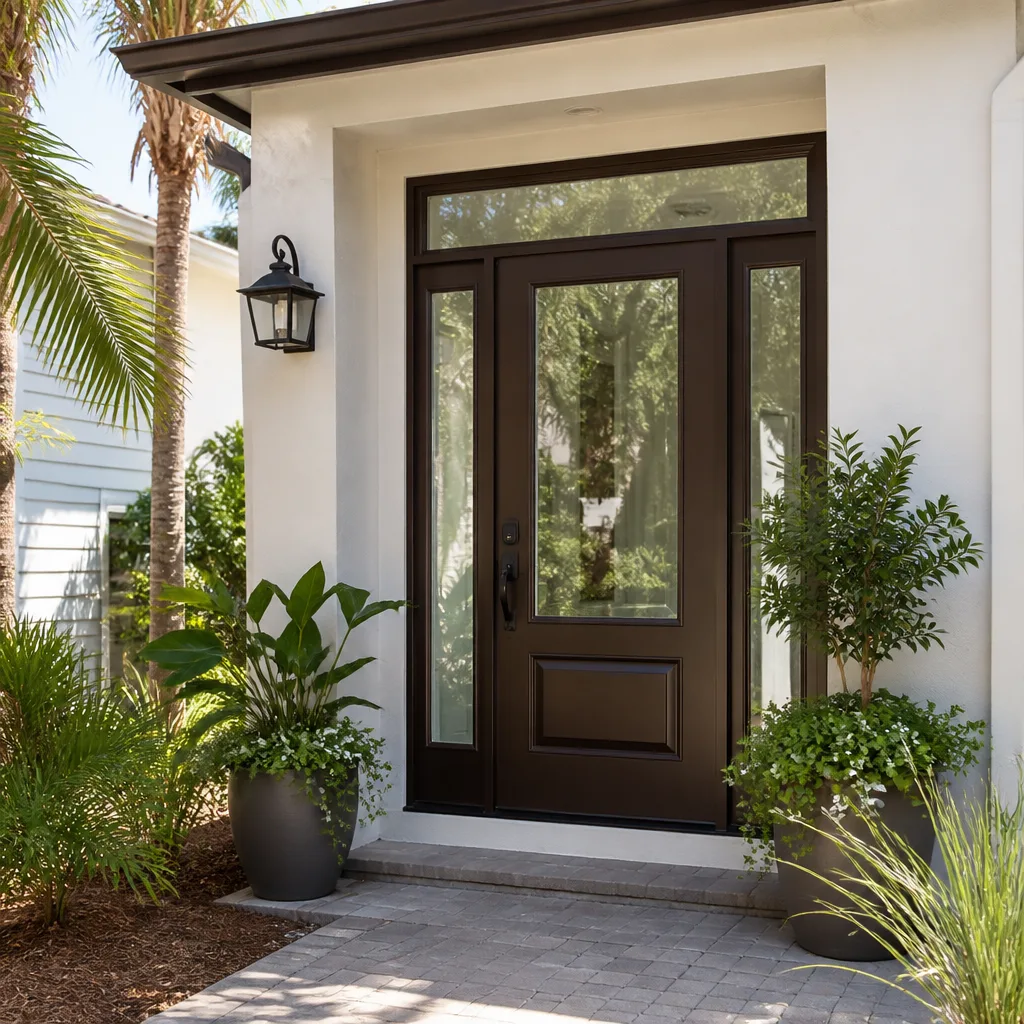
- Impact-rated windows and doors: $4,000 to $14,000 depending on unit count. Non-negotiable under HVHZ rules.
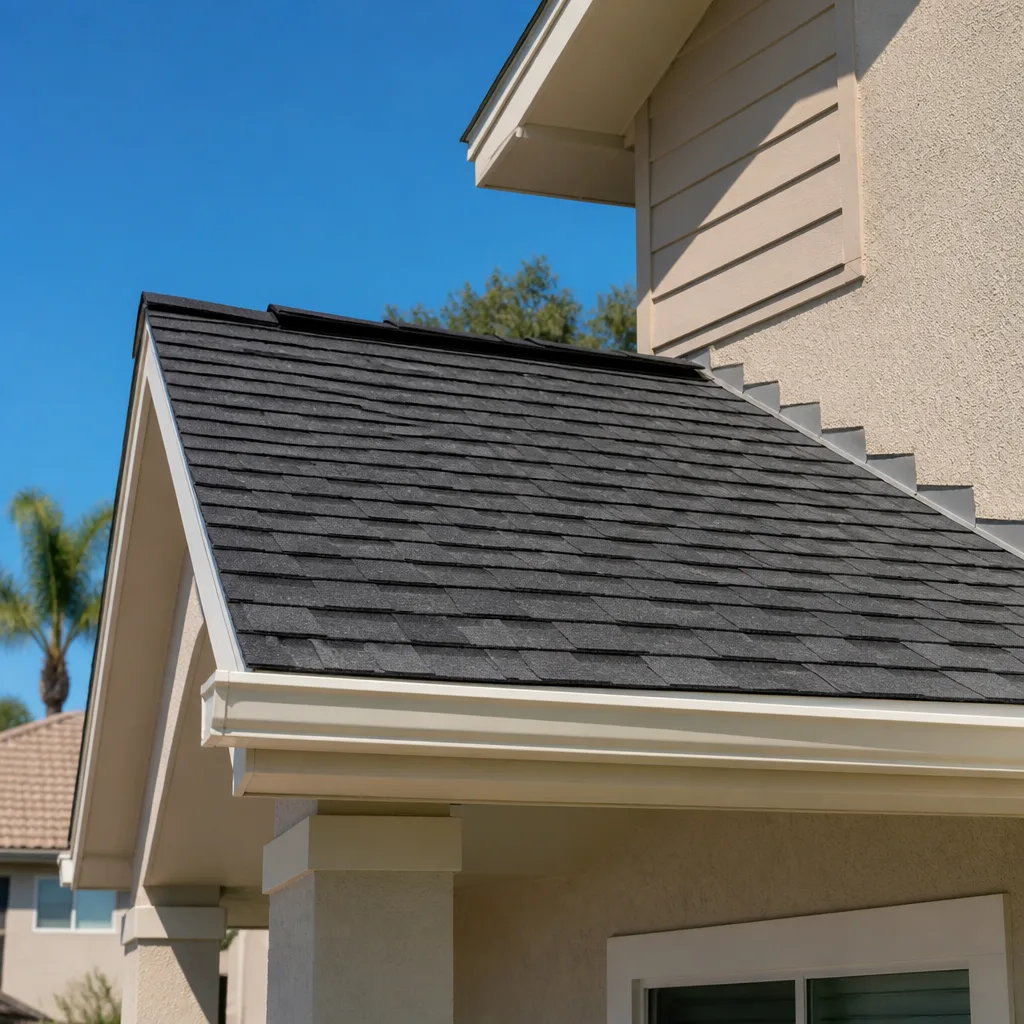
- Roof tie-in and match: $2,500 to $9,000 to blend the new roof into the existing house.
- Electrical service upgrade: $3,000 to $7,500 if the existing panel can’t carry a new unit.
- Impact-rated glazing on ADUs: required; add 8 to 12 percent to window budgets.
- New HVAC and ductwork: $9,000 to $18,000 for a detached unit.
- Site work, grading, and drainage: $4,000 to $15,000 depending on lot condition.
Smaller add-ons matter, too. Homeowners upgrading a guest bath in a new in-law suite often lean toward fixtures like Moen or Delta faucets and American Standard toilets, which we include on our specification sheets because they hit the right balance of price, availability, and warranty. The material budget on a moderate attached addition rarely breaks; it’s the hidden site and mechanical work that moves a bid up, which is why we insist on a fixed, line-item price before signing rather than a “we’ll figure it out as we go” estimate.
How does adding an ADU affect your Miami-Dade property taxes and homestead exemption?
Two things can happen to your tax picture when you add square footage in Westchester, and they operate on different timelines.
Assessed value. Adding an addition or ADU increases the assessed value of your property, and the increase shows up on the tax roll the year after the certificate of occupancy is issued, not the year you start building. So the tax hit is deferred but real. A detached ADU on a 400-square-foot footprint in Westchester can add $30,000 to $60,000 to assessed value depending on construction quality and market comps in the immediate area. The annual tax increase on that value typically lands in the $500 to $900 range after any applicable caps.
Homestead exemption. The homestead exemption caps annual increases in assessed value on your primary residence, and it carries to the whole parcel as long as you maintain the property as your primary residence and continue to file for the exemption. The homestead exemption is not lost by building an addition or ADU. But the exemption stays attached to the owner-occupancy, not to the addition itself. If you decide to rent the entire property out and move elsewhere, you lose the exemption on the parcel, not just on the ADU. That’s a very different outcome than what many homeowners read online.
A few more specifics worth knowing:
- Save Our Homes cap. Once you have a homestead exemption, the annual increase in assessed value is capped (tied to the CPI, currently around 3 percent), and that applies to the whole parcel including the addition.
- Portability. If you sell and buy elsewhere in Florida, the accumulated homestead cap benefit can potentially transfer, subject to current rules. The addition adds to the portability base.
- ADU rental income. Rental income from an ADU does not directly change the assessed value used by the property appraiser for tax purposes, but a rental lease on an ADU can affect a buyer’s willingness to pay, which feeds future comps.
- Non-homestead status. If you build an ADU on a property that isn’t your primary residence, the assessed value caps behave differently. Get clarity from the Miami-Dade Property Appraiser’s office before you build, not after.
This is one of the simplest, most-often-missed parts of planning an addition in Westchester: the tax bill is not the same as the construction bill, and they hit at different times. Budget for both. We typically walk homeowners through the deferred-tax picture at the design consult stage so there’s no surprise the following October.
How to vet a contractor in Westchester before signing anything
The contractor you hire decides whether your addition is a managed project or a monthly headache. Use this checklist, in order. Any hesitation on any item is a reason to look elsewhere.
- Verify the state license. In Florida, general contractors hold a state-issued Certified or Registered General Contractor license. Pull the license number and verify it on the Florida DBPR website before signing. Check that the license is current, that the qualifying agent name matches who you’re talking to, and that the license hasn’t been disciplined.
- Confirm insurance. Ask for a Certificate of Insurance showing general liability coverage with limits appropriate to your project size (a $300,000 addition needs more than a $300,000 policy limit) and workers’ compensation coverage for every person on the site. Call the insurer to verify the policy is active, not just to read the certificate.
- Confirm the permit will be pulled in the contractor’s name. A contractor who asks you to pull the permit as “owner-builder” is transferring the insurance risk of construction to you. For a project of this size, decline.
- Insist on a written lien waiver schedule. Florida’s construction lien law lets subcontractors and suppliers lien your property if they aren’t paid. A legitimate contractor provides conditional lien waivers from subs at each draw and a final unconditional waiver at completion. If they say “we don’t do that,” walk.
- Get a line-item written contract. Not a lump-sum paragraph. You want to see allowances, exclusions, and draw schedule in writing. Allowances on finishes that are set too low are the number one source of “change order surprise” in Westchester.
- Ask about the workmanship warranty in writing. Get the number of months and what it covers on paper. A firm that won’t put its warranty in the contract doesn’t have one.
- Confirm who’s on site. Ask whether every technician is background-checked, whether crews arrive in uniform, and whether the company has a single point of contact for the life of the project.
At Groundwork Construction Co. of Westchester, we pull permits in our own name, deliver fixed line-item pricing before work begins, provide background-checked uniformed technicians, and back every project with our 730-Day Done Right Promise. That’s not a slogan; it’s a contractual commitment we make on every job. If something isn’t right within that window, we come back and make it right.
What’s a realistic timeline from concept to move-in?
Most addition and ADU projects in Westchester run 6 to 14 months from the day you decide to build to the day you can legally occupy. The wide range reflects the differences between a garage conversion and a detached ADU, and between a clean lot and one that needs utility work or drainage.
A typical timeline breaks down like this:
- Feasibility and zoning check (2 to 4 weeks). Pull your survey, confirm setbacks, lot coverage, and easements, and check the zoning classification for your parcel.
- Design and engineering (4 to 8 weeks). Architectural drawings plus a structural engineer’s stamp, and HVHZ product approvals for windows.
- Permit submission and review (6 to 14 weeks). Longer if the plans get comments; plan one revision cycle as normal.
- Site work and foundation (2 to 4 weeks). Grading, slab, or stem wall.
- Framing, roofing, and dry-in (4 to 8 weeks). Impact windows installed after dry-in, before interior work accelerates.
- Rough-in (electrical, plumbing, mechanical) (3 to 5 weeks). Inspections at each stage.
- Insulation, drywall, finishes (6 to 10 weeks). The longest phase.
- Final inspection and certificate of occupancy (2 to 4 weeks).
- Landscape reinstatement and cleanup (1 to 2 weeks).
Two scheduling realities for Westchester. Hurricane season (June through November) can delay inspections without notice if the county closes or reallocates resources. And impact window suppliers run lead times in the 4- to 8-week range during the busy spring and summer, so if your addition includes new glazing, order it early. Sequencing that correctly is part of what a builder’s job actually is.
Common Mistakes to Avoid
- Designing before verifying zoning. Homeowners frequently commission renderings for a detached ADU before confirming rear-yard setback compliance. Two months of design work gets thrown out because the plan was never feasible on that lot.
- Ignoring utility easements. A drainage or utility easement through the rear portion of a Westchester yard can eliminate the only legal building envelope. Pull the recorded plat and the easement documents, not just the survey.
- Assuming an ADU can be rented to anyone. Owner-occupancy requirements mean you generally must live in either the main house or the ADU. A pure short-term rental plan for a detached unit not meeting that condition is a legal problem, not a small fine.
- Choosing a contractor on the lowest bid. In this market, a bid 20 percent below the rest is a bid that’s either missing line items or planning to recover them via change orders. Review the line items, not just the total.
- Skipping the lien waiver schedule. Homeowners in Westchester end up paying a sub twice because the general didn’t provide lien waivers during draws. It’s the most avoidable cost on a project and the most expensive to fix.
- Underestimating impact window costs. HVHZ requirements add meaningful cost to any addition with glazing, and there’s no workaround. Bake it into the budget from day one.
- Forgetting the deferred property tax increase. The bill for added square footage arrives the year after the certificate of occupancy. Plan the ongoing tax cost into your household budget, not just the construction cost.
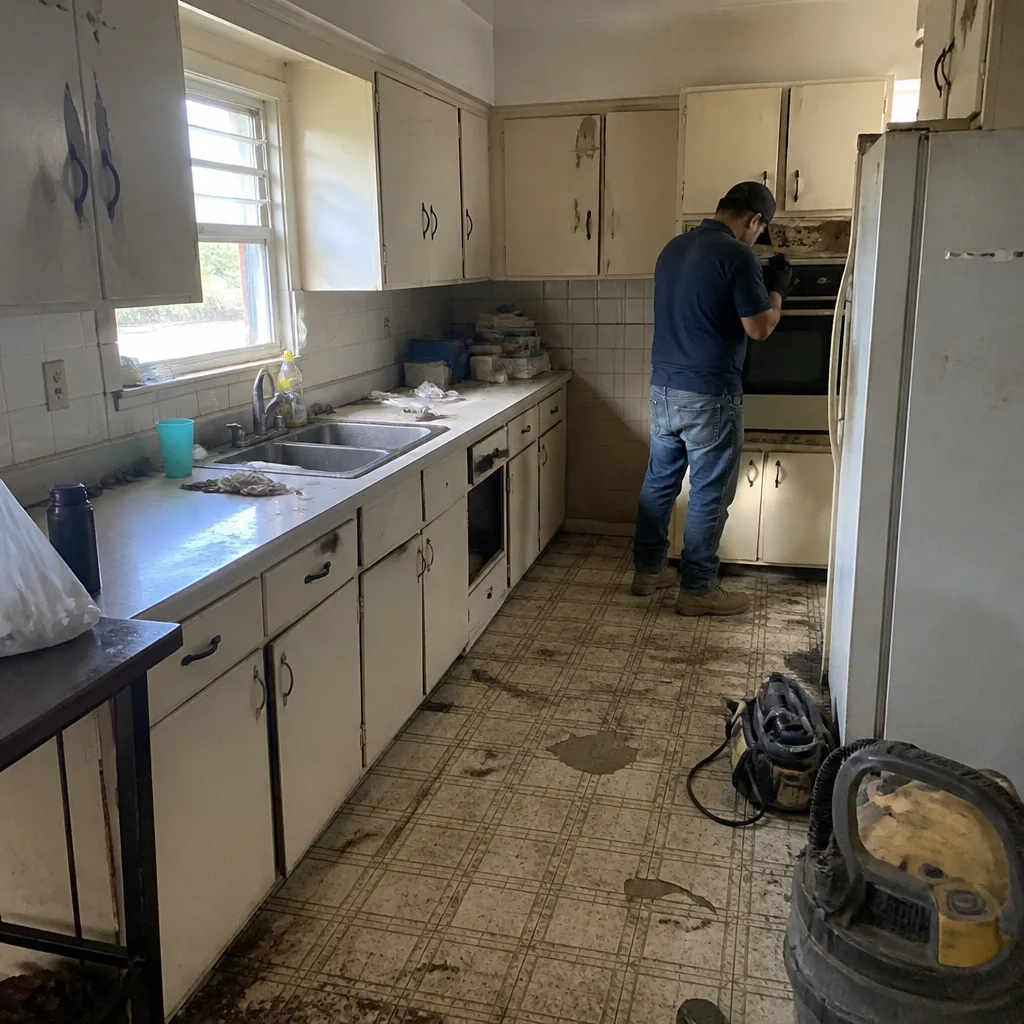
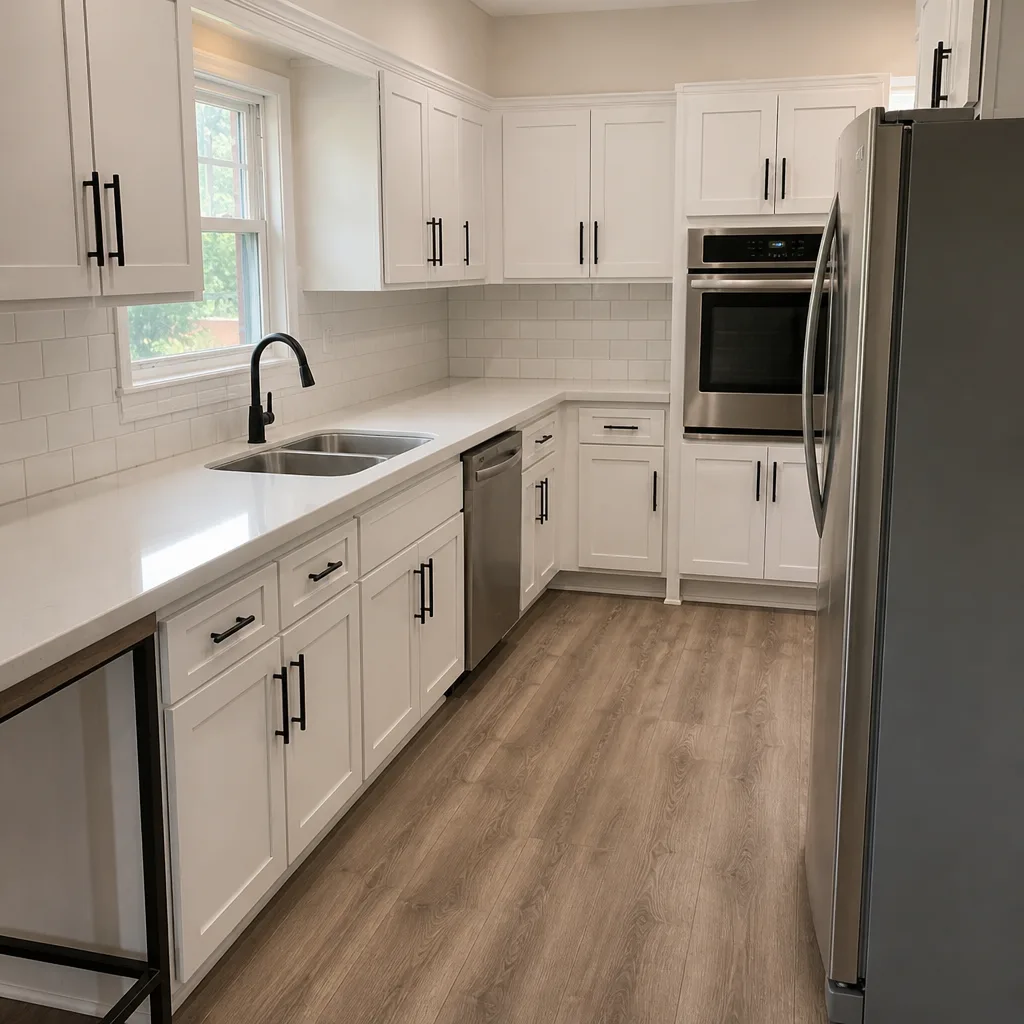
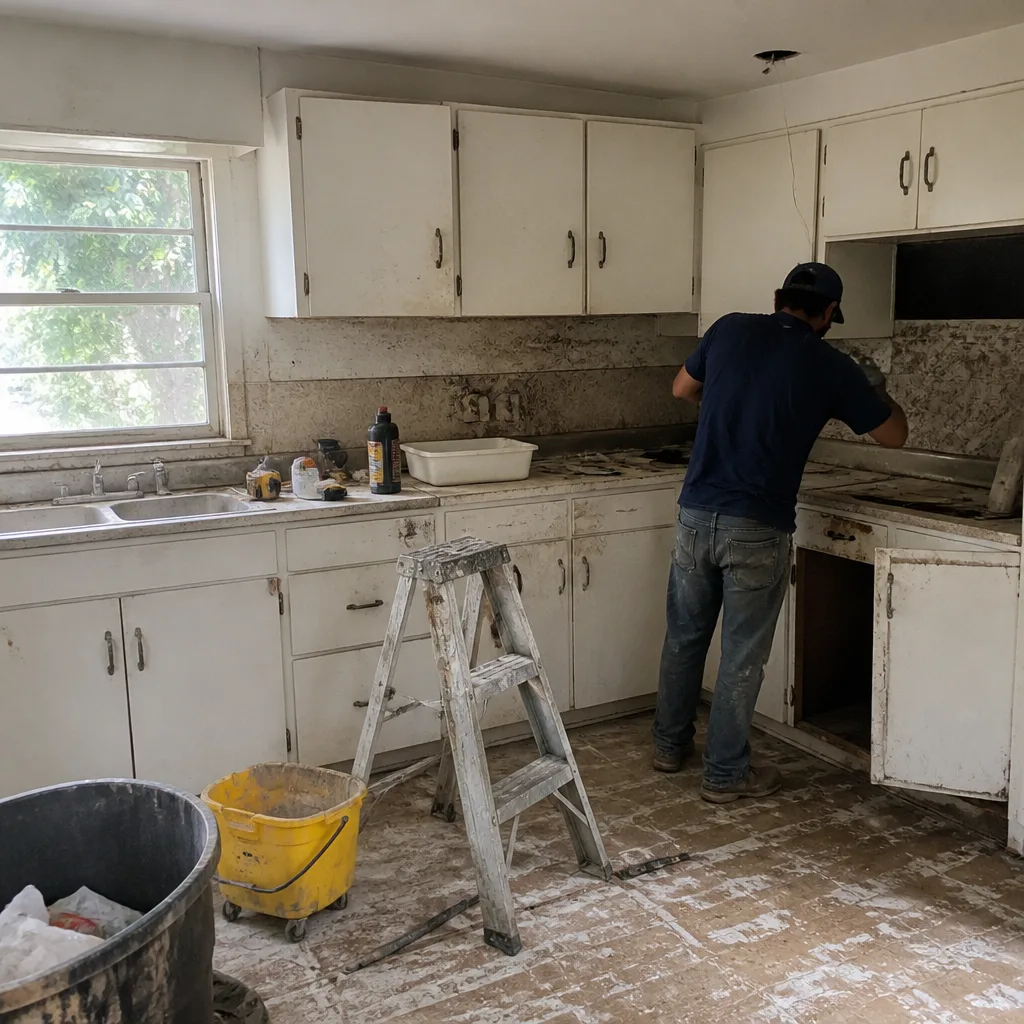
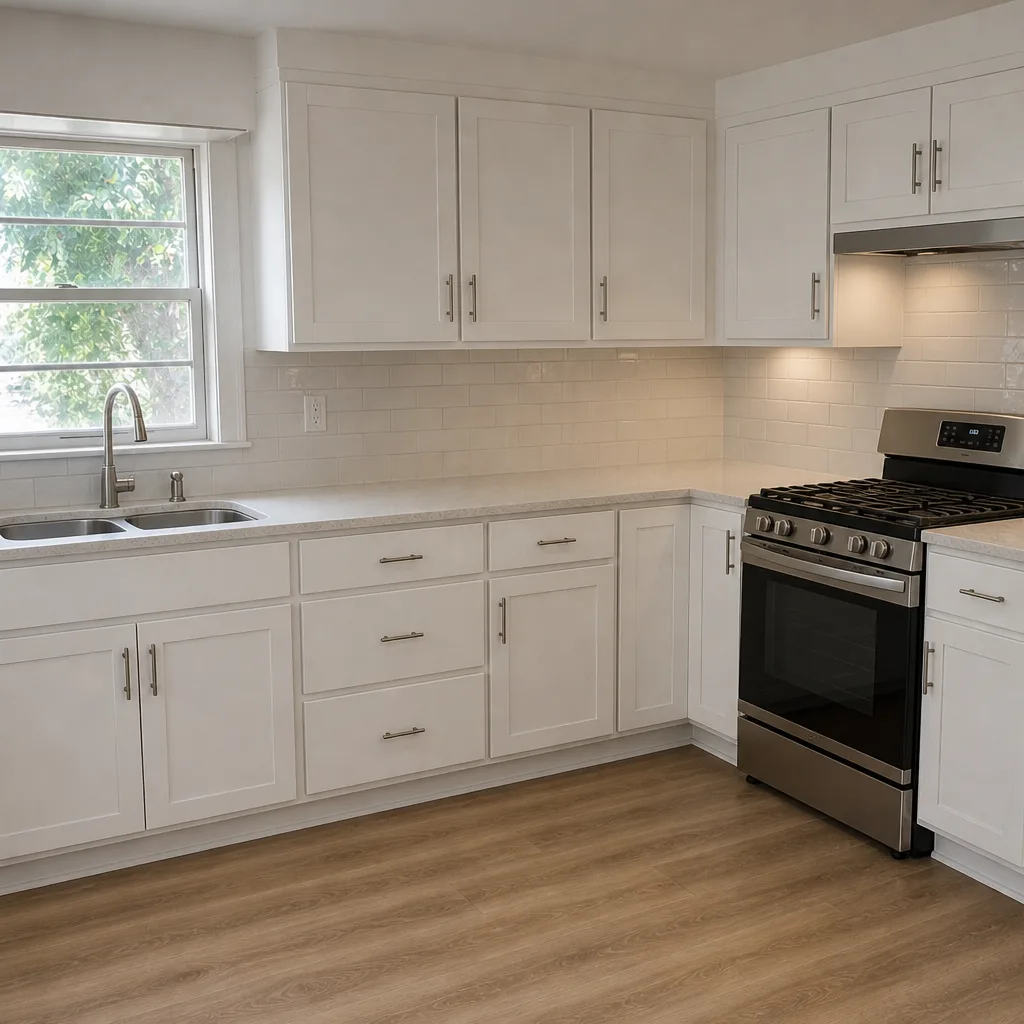
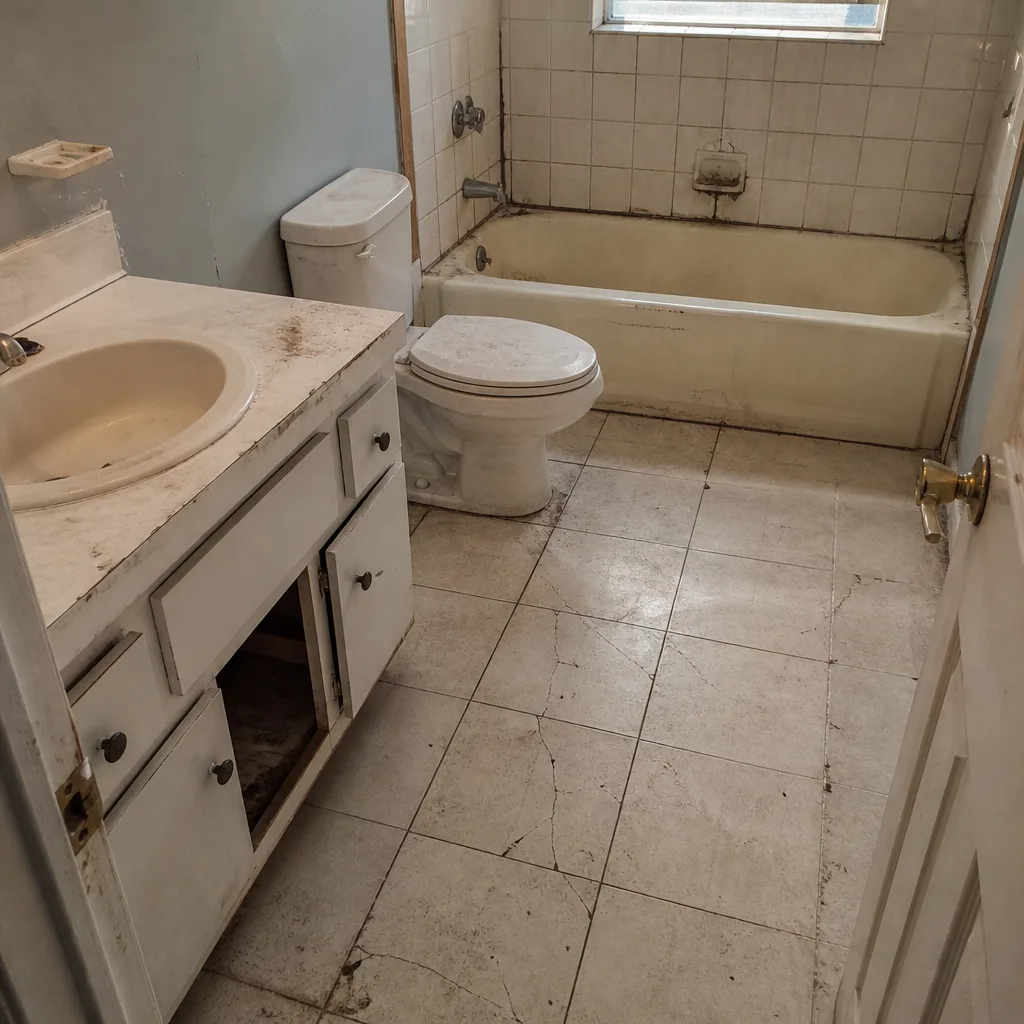
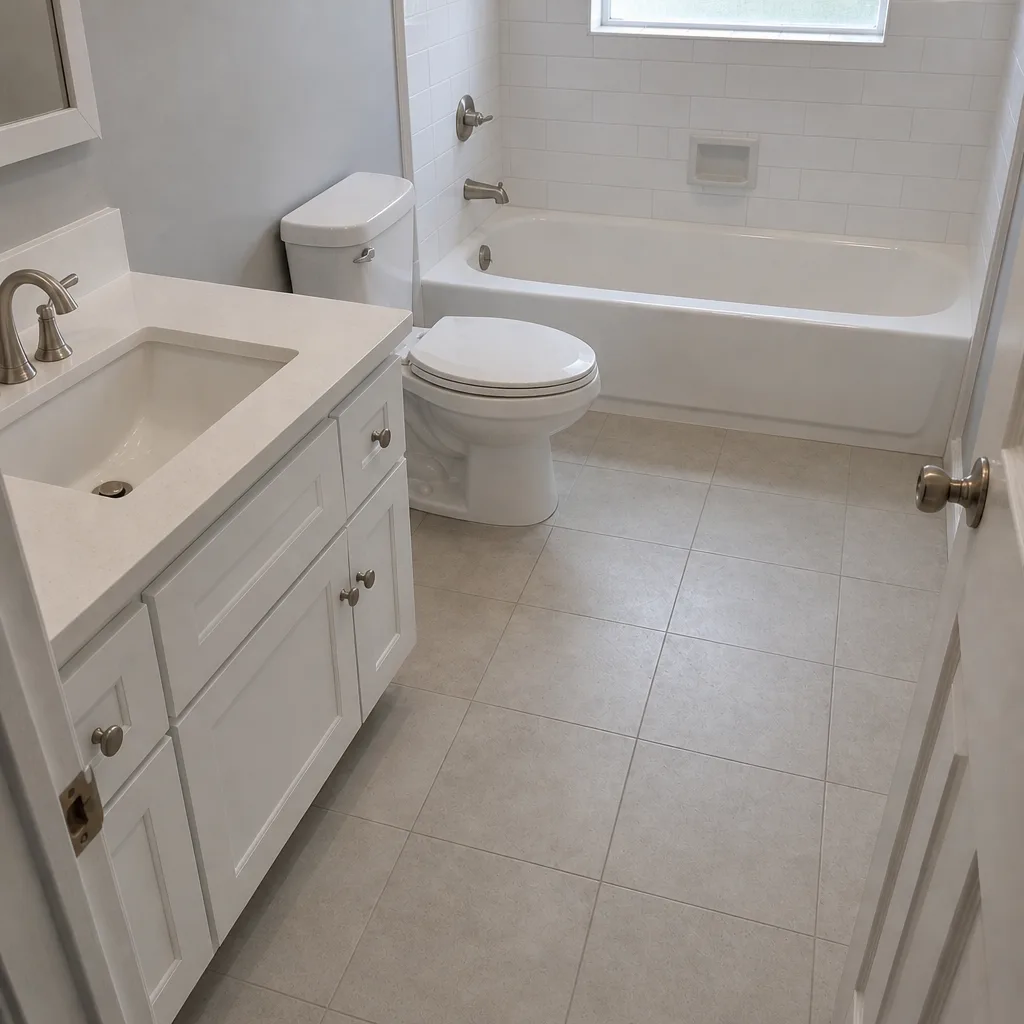
See the difference
 Before
 After
 Before
 After
 Before
 After
When to Call a Professional
Call a professional the moment your project involves structural changes, second-story work, adding or moving a plumbing line, extending electrical service, or any construction that requires a permit. In Westchester, that list covers essentially all additions and ADUs. Do not attempt to convert a garage or add a bathroom as an owner-builder unless you personally hold a current Florida general contractor license and are prepared to carry the liability and insurance that go with it. The same applies to adding impact glazing or modifying a roof tie-in; both are high-risk tasks that depend on engineered detail.
Groundwork Construction Co. of Westchester offers free estimates in Westchester. Call (833) 630-4214 to schedule your free estimate and design consult. We answer the phone with a live person 24 hours a day, seven days a week, and we’ll walk through your property, ask the zoning questions a Westchester builder should ask, and give you a written, line-item number before you commit to anything.
Frequently Asked Questions
In many cases yes, but only if your parcel meets lot size, setback, easement, and lot coverage requirements. Florida’s accessory dwelling unit statute allows ADUs on single-family lots under conditions, and Miami-Dade zoning plus any recorded deed restrictions on your specific subdivision control the outcome. Confirm eligibility on your survey before designing anything, and check the recorded plat for easements, since those are often the deciding factor in Westchester. Call (833) 630-4214 for a free estimate and feasibility walk-through.
A 500-square-foot attached addition in Westchester typically runs $110,000 to $170,000 depending on finish level and site work, while a detached ADU of the same size runs $155,000 to $230,000. The differences come from foundation, roofing, and separate utility service. Impact glazing adds $4,000 to $14,000 on top. Call (833) 630-4214 for a line-item quote specific to your lot; estimates are free.
Yes. Adding an ADU increases your assessed property value, and the increase appears the tax year after the certificate of occupancy is issued, not the year you start construction. With a homestead exemption in place, the Save Our Homes cap limits how fast the assessed value can climb, but the value itself goes up. Expect roughly $500 to $900 more per year on a detached unit of moderate size. Call (833) 630-4214 to discuss the tax and budget picture with us before you build.
Often yes. A garage conversion with new HVAC adds load, and a detached ADU almost always needs a service upgrade to run its own panel. An electrical service upgrade in Westchester runs $3,000 to $7,500 depending on the existing service size and how far the trench has to run. Not upgrading when the load demands it will fail inspection. Call (833) 630-4214 for a free estimate that includes an electrical load check.
Expect 6 to 14 weeks for a fully permitted addition or ADU in Westchester, longer if the drawings get comments requiring revision. HVHZ impact glazing product approvals on the drawings reduce the chance of back-and-forth. A builder experienced with Miami-Dade permitting plans for one revision cycle, which is the honest number. Call (833) 630-4214 for a free estimate and a timeline mapped to your specific project.
Not on a Groundwork Construction Co. of Westchester project with fixed, line-item pricing. We price allowances honestly from the start, provide written change orders only for genuine owner-driven scope changes, and put the 730-Day Done Right Promise in the contract. That’s our standard, not an upsell. Call (833) 630-4214 to schedule your free estimate and design consult.
The Bottom Line
Home additions and ADUs in Westchester are decided by three things most guides skip: zoning and setback eligibility on your specific parcel, the permitting path your project type triggers, and how the local labor and HVHZ construction environment drives cost per square foot. Get those nailed down before you draw anything, vet your contractor on license, insurance, lien waivers, and workmanship warranty, and budget for the deferred property tax increase that arrives the year after your certificate of occupancy. The projects that go well are the ones that started with the boring, correct sequence. The ones that go sideways started with a render designed before anyone checked the rear setback.
When you’re ready to move from research to a real number, our team handles the full scope from foundation to finish line, uses a curated set of brand partners (from KraftMaid in kitchens to GAF on roofs, Andersen and Pella on glazing, and Moen or Delta fixtures in the baths), and answers the phone with a live person at any hour. We offer 0% financing for 18 months and $1,000 off projects over $10,000, alongside our free project estimate and design consult. Whether you’re planning a garage conversion, a primary suite, or a detached unit for a family member, we’ll walk your Westchester property, ask the right questions, and put a real number in writing.
Call (833) 630-4214 to schedule your free estimate. Explore our full range of services on our Groundwork Construction Co. of Westchester home page, review our Home Additions & ADU in Westchester service details, and if your project scope includes exterior work, look at Driveway & Pavers in Westchester for parking pads and Fence Installation in Westchester for privacy and yard separation around a new unit. We’re ready when you are.
Written by the team at Groundwork Construction Co. of Westchester.