Last updated November 18, 2026



Free written scope consultation - allowances, timeline, and change-order rules on paper before a single trade is scheduled
How Long Does Fence Installation Take? Timelines and What to Expect
The average fence install takes 1 – 3 days of physical labor. The full project, from your first call to a finished post sitting in cured concrete, usually runs 3 – 6 weeks. That gap surprises almost everyone. Most homeowners budget for the days a crew is in the yard and forget the weeks of permitting, utility marking, material lead times and soil prep that happen before a single post goes in the ground. We’ve watched neighbors wait four weeks for a permit while assuming the fence itself was the bottleneck. This guide breaks the whole timeline into phases with realistic day-counts, then covers the Westchester-specific details – soil, grading, gate hardware – that generic estimates skip. You’ll finish knowing exactly what to ask before you sign.
Quick Answer
Fence installation in Westchester typically takes 1 – 3 days of actual on-site labor, but the complete project runs 3 – 6 weeks once you factor in site assessment, permitting, material ordering and final inspection. Simple wood or chain-link fences on flat, clear lots land near the short end; vinyl, aluminum and anything requiring a permit or dealing with our clay-heavy soil push toward the long end. If your property line needs a survey or your HOA needs approval, add another week or two.
Styles & brands we work with
- Kitchen remodeling
- Bathroom remodeling
- Home additions & ADU
- Roofing
- Windows & doors
- Driveway & pavers
- Fence
Table of Contents
- The Phase-by-Phase Timeline
- How Westchester Soil Affects Post-Setting Time
- Hidden Time: Gates, Corners and Grading
- What You Can Do in Parallel to Compress the Timeline
- Scheduled In vs. Actually Shows Up
- Material Lead Times and Brand Availability
- Common Mistakes to Avoid
- Frequently Asked Questions
The Phase-by-Phase Timeline
The number most people want is the day-count. So here it is, phase by phase, for a typical Westchester fence project. These are the ranges we see, not best-case marketing numbers.
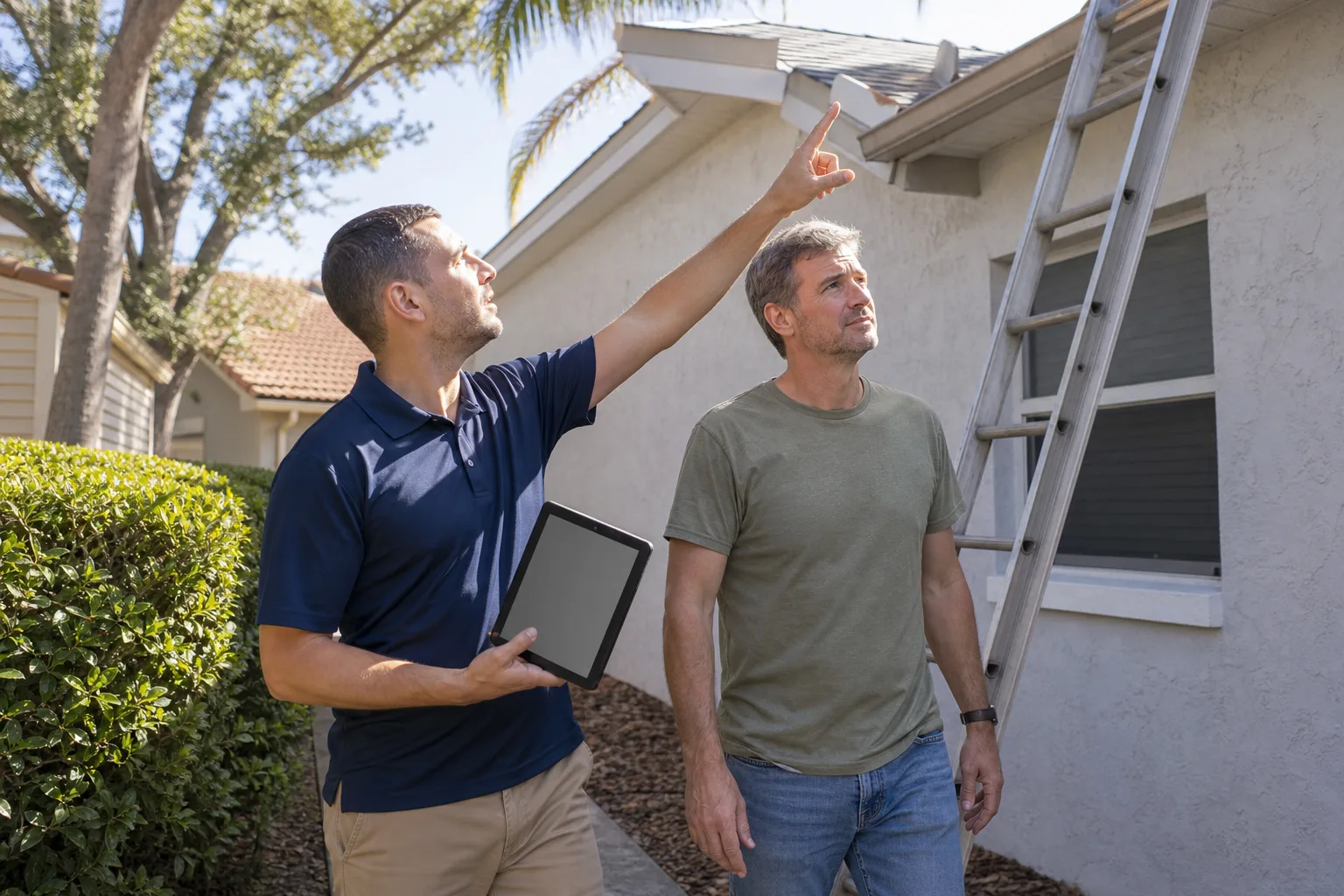
- Site assessment and measuring (1 – 3 days). Someone walks the property line, checks grade, notes trees, sprinkler lines and existing structures, and confirms the fence style, height and material. If the property line isn’t clearly marked, this is where a survey gets ordered. A survey can add days, sometimes more.
- HOA approval, where it applies (3 – 14 days). Many Westchester communities require architectural review before a fence goes up. That committee meets on its own schedule, and approval can take a couple of weeks for something as simple as a 6-foot privacy fence.
- Permitting (5 – 15 business days). Fences over a certain height, or those on corner lots and near easements, typically need a permit. Plan review takes time. It’s the single most common reason a project that “should” take three days drags into week four.
- Utility marking via 811 (2 – 3 business days). Florida law requires you to call 811 before digging so buried lines get flagged. This is free and fast, but it’s a hard floor – you can’t skip it, and it holds up the install if it wasn’t requested early.
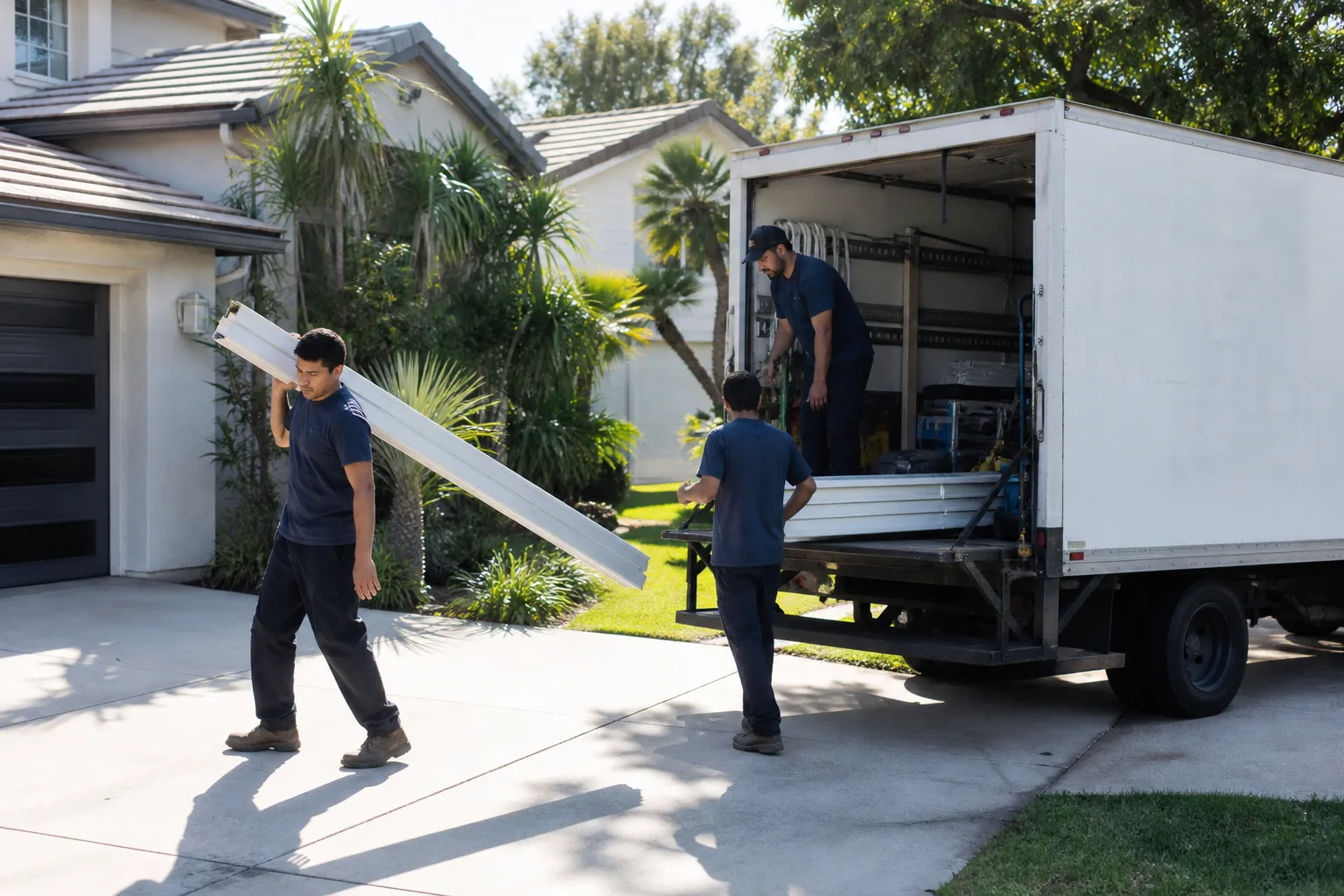
- Material ordering and delivery (3 – 10 days). Standard pressure-treated wood and basic chain-link are quick. Vinyl, aluminum and specialty brands can run longer, especially in peak season.
- Installation (1 – 3 days). This is the part everyone pictures. Post holes, setting posts in concrete, attaching panels, hanging gates. A straight run of 100 feet with no obstacles goes fast; a sloped yard, multiple corners and a double gate do not.
- Cure and final inspection (1 – 7 days). Concrete needs time to set before you lean anything against the posts. If a permit was pulled, the final inspection has to happen too.
Add those up honestly and you land between 3 and 6 weeks for most Westchester projects. The installation itself is the fast part.
How Westchester Soil Affects Post-Setting Time
Soil is the variable that flat-yard estimates never mention. Around Westchester you’ll run into two very different ground conditions within a few blocks of each other, and each one changes how posts get set.
Sandy, well-drained lots are the easy case. Post holes dig cleanly, water drains off, and concrete sets predictably. A contractor can move quickly and often set more posts in a day.
Clay-heavy lots are a different job. Clay holds water, expands and contracts with the seasons, and drains poorly. When a post hole fills with groundwater, the crew has to pump it out and wait before pouring concrete, or the post won’t hold. In the heavier clay pockets, we sometimes recommend deeper footings or a gravel base at the bottom of the hole to improve drainage. That’s more labor per post, and it can push a one-day install into two.
Cure time matters too. Concrete doesn’t set at a fixed speed – it’s temperature and moisture dependent. In Westchester’s warm, humid months, posts set reasonably quickly, but the surrounding clay can stay saturated. In cooler stretches, cure slows down. A contractor who says “we’ll hang gates tomorrow” without checking the pour is a contractor who hasn’t done many fences here.
- Sandy lots: faster digging, predictable drainage, tightest schedules.
- Clay-heavy lots: slower digging, water management, deeper footings, longer cure.
- Mixed lots: expect a blend, and expect the crew to adapt post by post.
Hidden Time: Gates, Corners and Grading
Three details add days that a driveway-to-driveway estimate never accounts for: gate hardware, corner posts and grading.
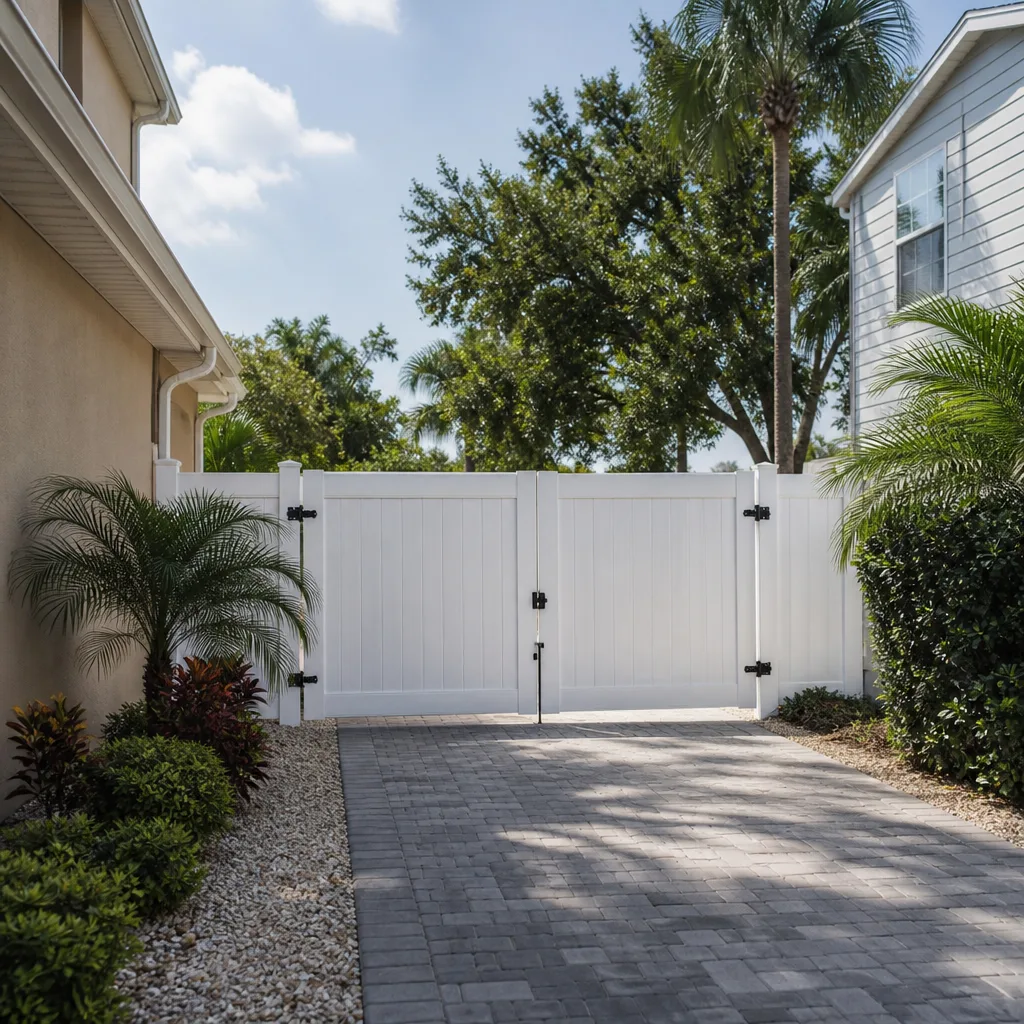
Gate hardware is its own small project. A single walk gate is quick. A double drive gate needs heavier posts, a proper frame, alignment that stays true after the concrete cures, and hardware that won’t sag within a season. If you want a self-closing mechanism or a latch that lines up every single time, the gate has to be hung, adjusted and re-checked after the posts settle. That’s not a same-afternoon job.
Corner posts carry more load than a straight run. They anchor tension in two directions, so they need deeper footings and sometimes bracing. Every corner on your layout adds time.
Grading is the one homeowners never see coming. A fence follows the ground, and Westchester yards slope. If a yard drops two feet across a run, the panels have to step or rack to follow it, and posts get set at varying depths. Concrete volume goes up, labor goes up, and a layout that looked simple on paper suddenly needs careful measuring to keep the top line even.
In our experience, a flat, obstacle-free 100-foot run is a completely different job from the same run on a sloped lot with two corners and a drive gate. Same footage, nearly double the time.
What You Can Do in Parallel to Compress the Timeline
Here’s the good news: several phases can run at the same time if you start them early. The homeowners who get their fence fastest are the ones who treat the timeline as their own project, not something they wait on.
- Call 811 for utility marking the day you decide to build. It’s free, it’s required before digging, and it takes 2 – 3 business days. Do it while you’re still choosing a fence style instead of after.
- Submit your HOA application immediately. Architectural review is often the slowest single step. Get it in front of the committee before you’ve finalized materials so you’re not waiting on two things in sequence.
- Order a survey early if the line is unclear. A few hundred dollars and a week or two now saves a dispute, or a fence built in the wrong place, later.
- Confirm your permit requirements up front. Ask whether your height, corner-lot status or proximity to an easement triggers a permit. Knowing on day one beats discovering it after the crew is scheduled.
- Lock in materials while you wait on approval. Reserving vinyl or aluminum early protects you from a lead-time surprise in peak spring and summer season.
Run these in parallel and you can shave a week or more off the calendar. Run them in sequence and you’ll feel every single day.
Scheduled In vs. Actually Shows Up
There’s a difference between a contractor who schedules you in and one who actually shows up – and it’s worth learning to spot before you sign. A booked date is not a delivered fence.
The pattern to watch for: a quote given over the phone without anyone ever walking the property, a start date that drifts once or twice with vague reasons, and an office that doesn’t answer when you call to confirm. Those are signs you’re waiting in a queue someone else controls.
The pattern to look for: a firm start window with the permit and 811 steps already mapped out, a written line-item estimate, and a company that picks up the phone when you have a question. Our calls are answered by a live person, 24/7 – no voicemail black holes, no waiting until Monday morning. That’s the standard you should hold any fence contractor to in Westchester.
Two more tells that matter on fence work specifically:
- They check soil and grade before quoting. A contractor who quotes a flat price without walking the lot is guessing, and the guess usually lands on your side of the invoice.
- They put the workmanship guarantee in writing. Ours is the 730-Day Done Right Promise – if it’s not done right, we make it right. A two-year window on a fence is a real signal: posts that were set badly tend to show it within that span.
Fence work runs alongside our other exterior services, so if you’re also considering Driveway & Pavers in Westchester, it’s worth planning both so the crews aren’t tripping over each other.
Material Lead Times and Brand Availability
Material choice affects your timeline almost as much as permitting does. Here’s how the main options stack up in Westchester.
- Pressure-treated wood: usually in stock locally, shortest lead time. Expect 1 – 3 extra days for delivery if the yard has to pull the order.
- Vinyl: a few days to a couple of weeks depending on color, height and style. Peak-season orders can stretch longer.
- Aluminum and ornamental: typically ordered to size, so 1 – 2 weeks is realistic. Panel and gate widths matter here.
- Brand-name components: if you’re matching a specific gate, latch or privacy system to the rest of your home, availability varies and should be confirmed before you set a start date.
Fence hardware often gets paired with exterior door and gate components, and we source from a curated set of top-tier brands the same way we do across our trades – names like Therma-Tru for doors and gate-adjacent components, alongside trusted suppliers in every category. The point is choosing quality, not just availability. When a brand you want is back-ordered, a good contractor tells you up front and gives you a real date rather than promising next week and slipping.
One tip that saves weeks: lock your material selection before your permit is approved so ordering happens the moment you have the green light. If you’re also planning windows or doors as part of a bigger exterior project, our Groundwork Construction Co. of Westchester home page lays out how the trades fit together.
Common Mistakes to Avoid
- Booking the install before the permit. Some homeowners schedule a crew and assume the paperwork will catch up. In Westchester, if a permit is required for your height or corner lot, starting without it can mean a stop-work order and a redone application – weeks lost.
- Skipping the 811 call until the morning of. Utility marking takes 2 – 3 business days, and digging before it’s done is both illegal and dangerous. Call the day you commit to building.
- Quoting a flat-yard price on a sloped lot. Westchester yards slope. Any estimate that doesn’t account for grading, stepped panels and deeper corner footings will grow once work starts.
- Forgetting HOA approval. Plenty of local communities require architectural review. Going straight to install risks a tear-out if the committee rejects your height or style after the fact.
- Choosing a contractor by price alone. The lowest bid is often the one that skips the survey, cuts footings, or disappears when a post heaves. Ask what’s included and what’s guaranteed in writing.
- Hanging gates before the concrete cures. A rushed gate alignment sags within a season. Insist the gate gets checked and adjusted after the posts settle.
- Ignoring clay-heavy soil drainage. Posts set in waterlogged clay don’t hold. Confirm the contractor plans for drainage in heavier ground.
See the difference
 Before
 After
 Before
 After
 Before
 After
When to Call a Professional
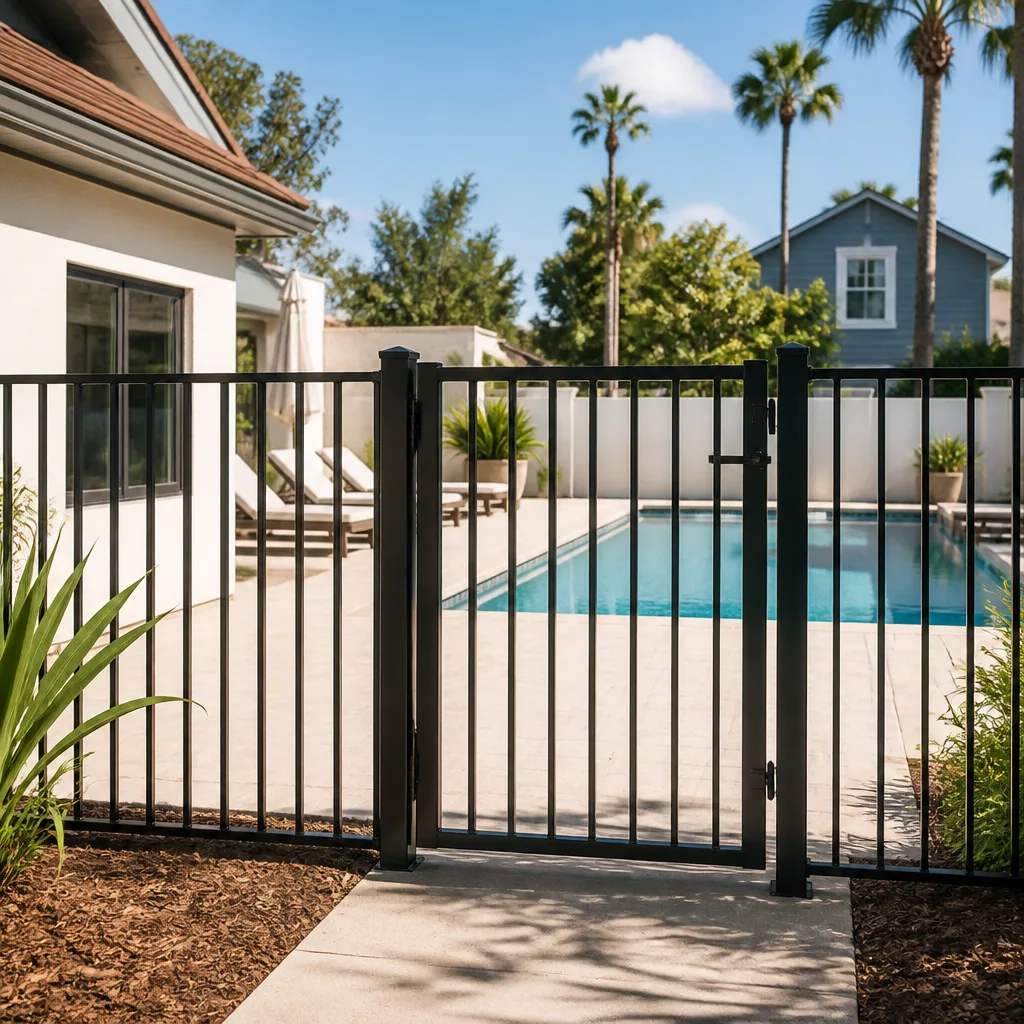
Some fence work is genuinely a weekend project. Most of it isn’t. Call a professional if your fence needs a permit, sits on a sloped or clay-heavy lot, includes a double drive gate, or borders an easement or property line you’re unsure about. Call us especially if the ground is unmarked and utility lines are in play, or if you’ve had a previous fence fail – heaving posts and sagging gates are usually footing or drainage problems, not bad luck.
A pro also handles the parts that eat your weekends: the 811 call, the permit, the survey coordination, the grading decisions, and the cure time. Groundwork Construction Co. of Westchester offers free estimates in Westchester – call (833) 630-4214. We give a written line-item quote with no-hassle upfront pricing, pull the permits, and back the workmanship with the 730-Day Done Right Promise. If you’re weighing the full scope of exterior work alongside the fence, see our Fence Installation in Westchester service page.
Frequently Asked Questions
Fence installation in Westchester takes 1 – 3 days of on-site labor on average, but the full project – assessment, permitting, utility marking, material ordering, install and inspection – usually runs 3 – 6 weeks. The install is the fast part; the phases around it are what stretch the calendar. Call (833) 630-4214 for a free estimate and a realistic start window.
Possibly. Fences over a certain height, or on corner lots and near easements, typically need a permit, and plan review can take 5 – 15 business days. That’s the single biggest reason a project lands in week four instead of week two. Confirm your requirement up front so it doesn’t surprise you mid-project.
Yes. Clay-heavy ground holds water, drains poorly and expands with moisture, which can force the crew to pump out post holes and wait before pouring concrete. Deeper footings or a gravel base may be needed for posts to hold. On sandy lots the work moves faster and cures more predictably.
You can. Call 811 for utility marking the day you decide to build, submit your HOA application early, and confirm permit requirements up front. Ordering materials while you wait on approval also helps. Running these steps in parallel instead of in sequence can shave a week or more off the total.
Look for a firm start window with the permit and 811 steps already mapped out, a written line-item estimate, and a phone that gets answered. A company that picks up when you call to confirm is one that shows up. Our calls are answered by a live person, 24/7 – call (833) 630-4214 and see for yourself.
With us, yes. Every project is covered by the 730-Day Done Right Promise – if it’s not done right, we make it right. A two-year guarantee on a fence is meaningful because badly set posts and misaligned gates tend to reveal themselves well within that window. Get any guarantee in writing before you sign.
The Bottom Line
Plan on 3 – 6 weeks from first call to finished fence, with 1 – 3 days of that being actual installation. The rest is site assessment, permitting, utility marking, material lead times and inspection – and the Westchester details that make or break a schedule are clay-heavy soil, sloped yards, gate and corner hardware, and HOA approval. Start the parallel steps early, choose a contractor who answers the phone and quotes in writing, and the timeline stays predictable instead of drifting. Call (833) 630-4214 for a free estimate with no-hassle upfront pricing and a start window you can actually plan around.
If the fence is one piece of a bigger project, our Home Additions & ADU in Westchester team can help you sequence the work so trades don’t collide. And remember we offer 0% financing for 18 months and $1,000 off projects over $10,000, which makes the larger exterior work easier to fit into a real budget.
Written by the team at Groundwork Construction Co. of Westchester.