Last updated November 18, 2026





Free written scope consultation - allowances, timeline, and change-order rules on paper before a single trade is scheduled
Windows & Doors Maintenance Schedule: What to Do and When
Most homeowners clean the glass and call it done. That’s the mistake. The parts that fail first are the ones you never think to look at: the hardware, the seals, the weatherstripping quietly cracking behind the frame. A window seal is built to last 10 to 15 years. In Florida, between the UV load and the thermal cycling of a long hot season, a neglected unit often gives out in seven. That’s a $400-per-window replacement you can largely prevent with a 20-minute routine done twice a year. This guide lays out exactly that schedule for Westchester homeowners, split by season, with the tasks most people skip.
Quick Answer
Clean and lubricate the hardware, check the seals and weatherstripping, and inspect frames and glass twice a year: once in May before hurricane season, once in November after summer. In Florida, that twice-yearly routine prevents the majority of premature window and door failures, and it keeps your manufacturer warranty intact, especially on impact-rated units.
Styles & brands we work with
- Kitchen remodeling
- Bathroom remodeling
- Home additions & ADU
- Roofing
- Windows & doors
- Driveway & pavers
- Fence
Table of Contents
- Why Florida Is Harder on Windows and Doors
- The May Checklist: Pre-Hurricane Season
- The November Checklist: Post-Summer Inspection
- Hardware Lubrication by Component Type
- Testing Your Own Weatherstripping (Dollar-Bill Test)
- Impact Window and Door Care for Warranty Validity
- The Maintenance Log That Protects Your Warranty
- Common Mistakes to Avoid
Why Florida Is Harder on Windows and Doors
A window in a mild climate can coast on one annual cleaning for a decade. Westchester units can’t. The combination of intense UV exposure, salt-laden air off the coast, and the temperature swing between an air-conditioned interior and a 95-degree exterior works on the frame, gaskets, and hardware all year. That swing is the culprit many homeowners overlook. A vinyl frame expands and contracts through that cycle, and every cycle nudges the weatherstripping looser and the gaskets drier.
Salt is the second factor, and it reaches further inland than most people assume. In Westchester neighborhoods close to the water, hardware finish and hinge lubrication failures show up on a shorter timeline than the same hardware two towns away. We’ve seen aluminum sliding-door tracks in coastal Westchester homes collect a gritty oxide film that, left alone, turns into a sticky track that drags the door and strains the rollers.
Here’s the practical takeaway: in Westchester, the “annual” maintenance most manufacturer manuals describe should really be doubled. Two light passes per year beat one heavy scrub. A 20-minute routine in the spring, a 20-minute routine in the fall, and the unit holds up far longer than its neglected neighbors. It also keeps a smaller problem small, which matters when the alternative is a replacement bill on a house full of windows.
The schedule below is built around that reality. Both passes are seasonal, both have specific tasks, and neither one requires a technician unless you find something wrong.
The May Checklist: Pre-Hurricane Season
Your pre-season pass has one goal: make sure every unit is sealed, locked, and ready for wind-driven rain. Do it in early May, before the seasonal storms arrive.
- Clean the tracks and weep holes. Vacuum debris from window and door tracks, then clear the weep holes (the small drainage slots at the sill). Blocked weep holes are a leading cause of water backing up into the frame.
- Check and re-lubricate hardware. Lubricate window locks, rollers, and sliding-door mechanisms with a silicone-based product. Skip the WD-40 on tracks; it collects grit.
- Inspect weatherstripping for compression and cracking. Look for flattening, splits, and gaps. Replace anything that fails the dollar-bill test (more on that below).
- Confirm locks and latches engage fully. On impact windows and doors, a lock that doesn’t fully engage can compromise the unit’s performance in a storm and its manufacturer warranty.
- Inspect impact gaskets for cracks. A dry, cracked gasket is the first visible sign an impact unit’s seal is degrading.
- Look at exterior caulk lines. Caulk around frames should be continuous, with no gaps at corners or where frame meets wall.
- Test the window operation. Open, close, and lock every unit. Sticking hardware caught in May is a five-minute fix; caught in a storm, it’s a repair bill.
This is the pass where a homeowner in Westchester catches a window that’s been fighting the frame every time it opens. Fixing that in May means not fighting it in August.
The November Checklist: Post-Summer Inspection
The fall pass is a catch-up inspection. Summer did the most damage to seals, gaskets, and frames, and November is when you’ll see the wear. This is also the benchmark for a manufacturer that asks to see maintenance records for a warranty claim.
- Re-check every weatherstrip and impact gasket for cracks, shrinking, or hardening. Summer heat dries gaskets faster than any other season.
- Re-lubricate locks, hinges, and tracks that saw heavy use (sliding doors especially).
- Inspect frames for warping, cracking, or discoloration. A vinyl frame that bows can no longer hold the glass tight.
- Look for water stains or moisture around interior frames. A stain inside usually means a problem outside.
- Check for condensation inside the sealed glass unit. Fog between panes means the seal is gone; that unit is on borrowed time.
- Verify door thresholds and sweeps. The bottom edge of an exterior door is the most common spot for air and water to slip in.
- Log everything you checked (more on why below).
We’ve seen Westchester homeowners catch a fogging window in November and schedule a replacement in the off-season, before a busy contractor’s calendar fills up. Catching it a year earlier than the neighbor’s fogging window meant a planned (and priced) job instead of an emergency one.
Hardware Lubrication by Component Type
Not every lubricant belongs on every surface. Use the wrong one and you can turn a working track into a grit magnet or swell a seal. Here’s what to use where.
- Aluminum tracks and rollers: Use a dry silicone spray or a dedicated track lubricant. Avoid oil-based products on aluminum tracks; oil collects dust and grit, which then abrades the rollers. Never use WD-40 as a track lubricant – it’s a solvent, not a lasting lubricant, and it dries out the surface it’s meant to protect.
- Vinyl frames: Use a mild soap-and-water wipe and a silicone-based lubricant sparingly on the operating hardware. Avoid petroleum-based products and harsh solvents; they can cloud or soften vinyl. Keep petroleum jelly away from vinyl – it can degrade the surface over time.
- Steel hinges: A light application of a quality hinge lubricant (a dedicated lubricating oil or silicone grease) protects the pin and keeps the hinge quiet. Wipe off the excess so dust doesn’t stick.
- Window and door locks: A dry silicone spray or a graphite lubricant. Lithium-polymer grease also works on locks, but it’s messier. Never use oil in a lock cylinder; it gums up with dust.
- Sliding-door rollers: Dry silicone spray on the roller axle. Wipe down the track first so the roller isn’t riding on grit.
- Gaskets and weatherstripping: A silicone-based conditioner protects rubber gaskets without making them greasy. Avoid oils and solvents; they dry rubber rather than protect it.
One caution on the products you’ll find in the garage. Any cleaner that contains a petroleum distillate or an aggressive solvent is a threat to the seals, gaskets, and weatherstripping. A homeowner who uses the same spray on the track as on the bolts can end up hardening the rubber that keeps the wind out. Read the label. If it says it dissolves grease, don’t put it on the gaskets.
Testing Your Own Weatherstripping (Dollar-Bill Test)
Weatherstripping is the seal that keeps outside air outside your house. When it fails, you feel it as a draft, a higher cooling bill, or a door that rattles. Before you replace anything, test it. The dollar-bill test is the simplest check.
The test: Close the door or window on a dollar bill (or any thin piece of paper), then try to pull it out.
- If the bill pulls out easily with no drag: the weatherstripping has lost its compression. It needs replacing.
- If the bill is gripped firmly and resists: the seal is working. Move on.
- If the bill slips out only in one spot: test along the full length of the door or window. A single gap at a corner or threshold is enough to leak air. Note the location.
What the repair looks like. Replacing a door sweep or a piece of weatherstripping on a standard door is a reasonable DIY task. Most of the job is measuring the gap, picking the right profile (adhesive foam, kerf, or bulb type), and pressing the new strip into the channel. It takes a homeowner a half hour per door if they’re handy.
When it’s a pro call. If the door frame is warped, the threshold is unlevel, the weatherstripping is embedded in the frame in a way you can’t access, or the gap is uneven from top to bottom, the seal won’t hold with a simple strip replacement. The frame is the problem, not the rubber. On impact-rated windows and doors, gasket replacement is best left to a technician; a poorly seated gasket can void the unit’s certification. In Westchester, we regularly see homeowners chase a draft for a full season before realizing the door frame is out of square, not the weatherstripping.
Impact Window and Door Care for Warranty Validity
Impact-rated windows and doors are a large investment, and their manufacturing warranty depends on a homeowner doing what the manufacturer asks. The gaskets and frame care are specifically required, and a manufacturer can deny a claim if the unit was clearly neglected.
- Clean the glazing and frames with mild soap and water. Never use abrasive cleaners, pressure washers, or aggressive solvents on impact glazing or frames.
- Inspect the impact gasket for cracks or gaps every six months. The gasket is what keeps the sealed unit performing. A cracked gasket is a warranty concern, not just a cosmetic one.
- Lubricate the hardware per the owner’s manual. Impact windows and doors with multi-point hardware need maintenance on the mechanisms, not just the track.
- Keep the frame operating freely. Don’t paint over the gasket or the weep holes. Don’t caulk the drainage openings.
- Keep the printed owner’s manual and the certificate of impact rating. A manufacturer may ask for them.
Impact units also need care when the weather turns. Any impact window or door that was installed for hurricane protection should be checked before the season, and any gasket or frame damage addressed. We’ve seen a Westchester homeowner nearly lose the warranty on a full set of impact windows because the gasket was never cleaned and cracked within two years. The fix was a small repair; the lesson was the maintenance schedule.
When it’s time to replace, quality matters more than availability. Groundwork Construction Co. of Westchester works with Andersen and Marvin windows – brands whose maintenance requirements are straightforward and whose warranties are worth protecting. For prefab and modular projects, some homeowners weigh options like Plant Prefab or Mighty Buildings; the maintenance schedule still applies to the windows and doors installed in them.
The Maintenance Log That Protects Your Warranty
A maintenance log is a small habit with a large payoff. Every pass you do, write three lines: the date, what you checked, and what you fixed. Keep it simple.
- Protects warranty claims. If a gasket fails or a sealed unit fogs early, a log showing regular care puts you in a far stronger position with the manufacturer. A list of dates and actions is evidence; a vague memory isn’t.
- Adds verifiable value at resale. A record of window and door care, along with repair receipts, is a document a buyer or inspector can review. A well-maintained, documented set of windows is a small but real selling point.
- Shows a problem before it’s expensive. A note that “seal on the south-facing bedroom window was slow to close” is a reminder to check it again, long before it becomes a fogged unit.
Keep the log with the owner’s manuals and the impact rating certificates. A simple notebook or a phone note works. If you’ve replaced windows or doors in Westchester and want the paperwork in order, our team can help you keep the new units’ documentation complete from the start; ask during your estimate. This is also where a full-scope contractor helps: our Groundwork Construction Co. of Westchester home page explains how we handle documentation and warranties on installation projects.
Common Mistakes to Avoid
- Blaming the glass when the seals are the problem. Most windows don’t need replacing because of the glass. The frame, weatherstripping, and gasket fail first. Check those before pricing a replacement.
- Using the wrong lubricant on tracks. Oil-based sprays collect dust on aluminum tracks and grind the rollers. Use dry silicone.
- Power-washing the frames and gaskets. A pressure washer drives water into the seals and can force it behind the frame. Use a hose and mild soap.
- Ignoring impact gaskets. The gasket is the part the warranty depends on. If it’s cracked or missing, a claim can be denied. In Westchester, where storm prep matters, this is the single most common skipped task.
- Skipping the weep holes. Cleaning the glass but leaving the drainage slots blocked lets water sit at the sill. That water finds its way inside.
- Chasing a draft with weatherstripping when the frame is out of square. A wonky frame won’t hold a straight strip. Check square before you buy the strip.
- Never logging anything. Without records, a warranty claim turns into a dispute. The log is worth more than the cleaning.
Across Westchester, we see the same pattern: the homeowner who does the small routine is the one who skips the big replacement bill. That’s the whole case for the twice-yearly schedule.
See the difference
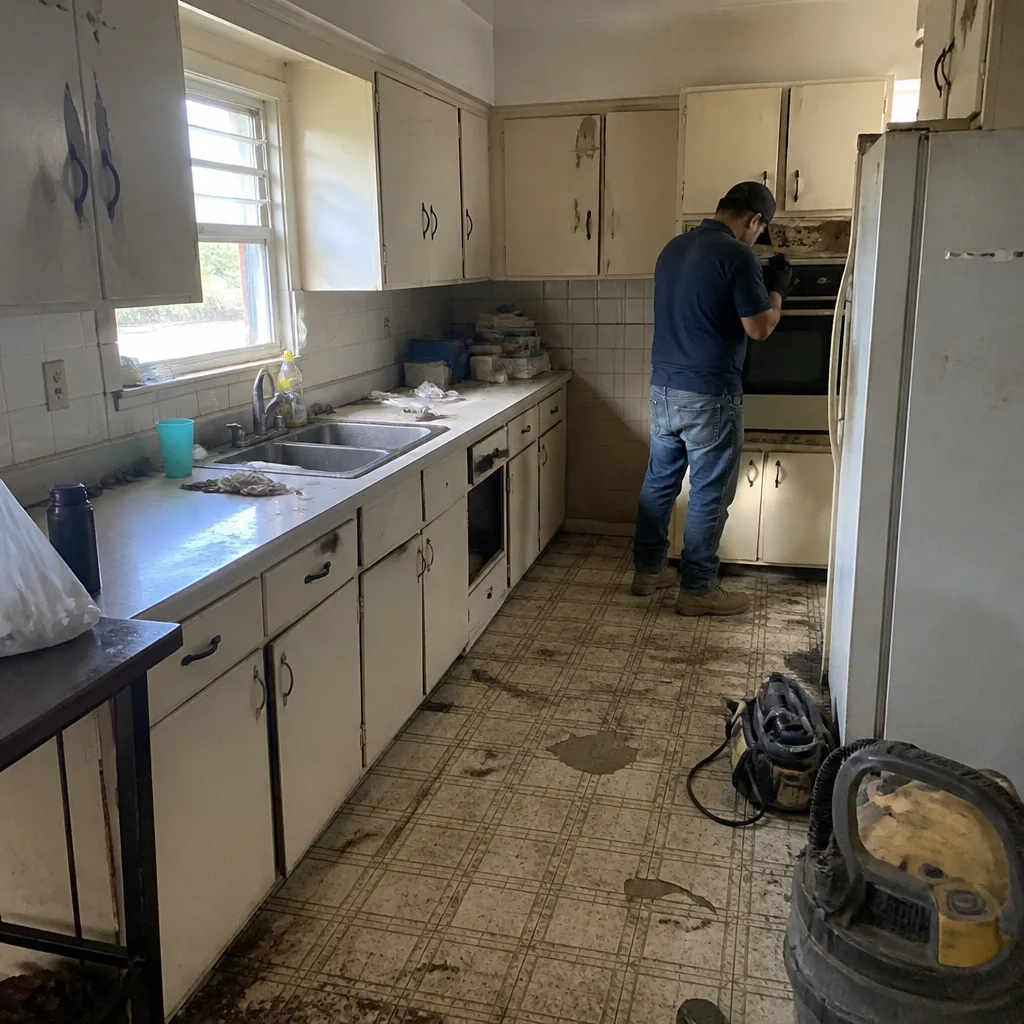 Before
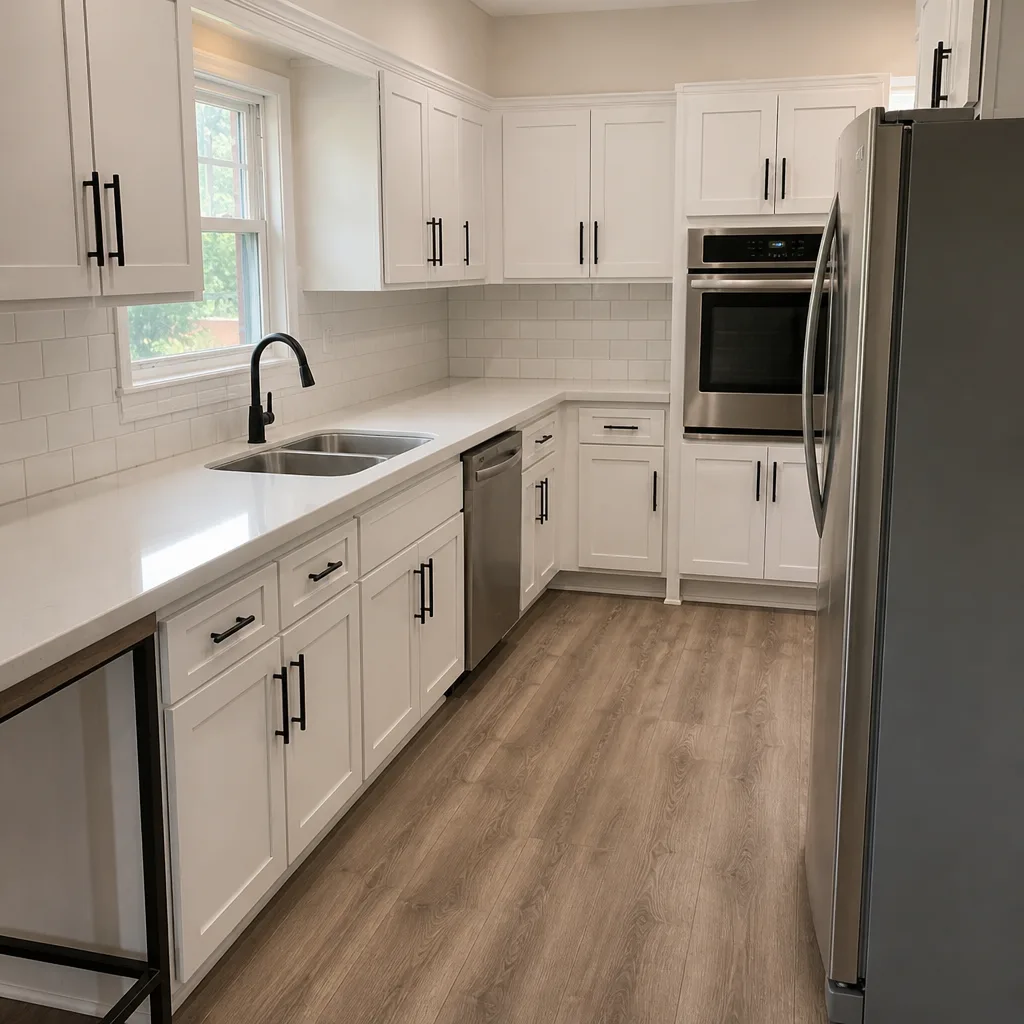 After
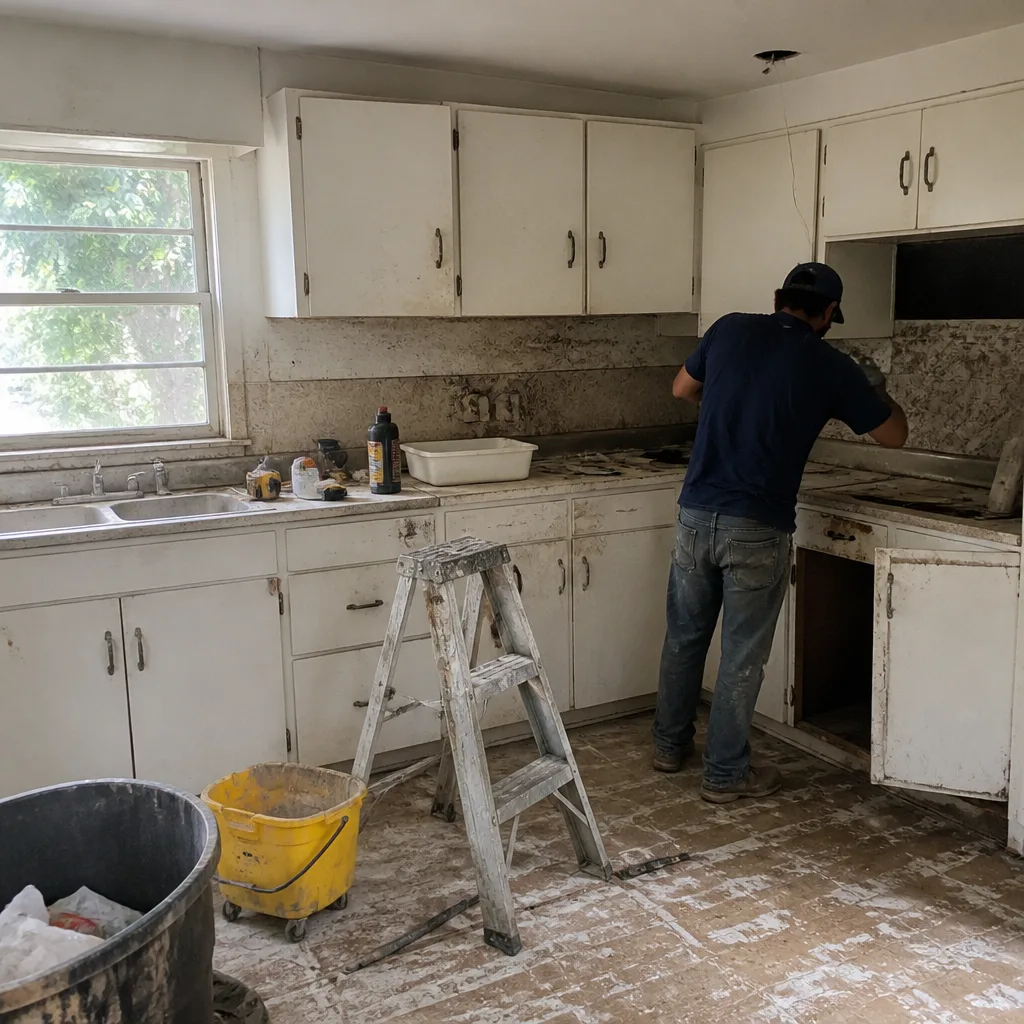 Before
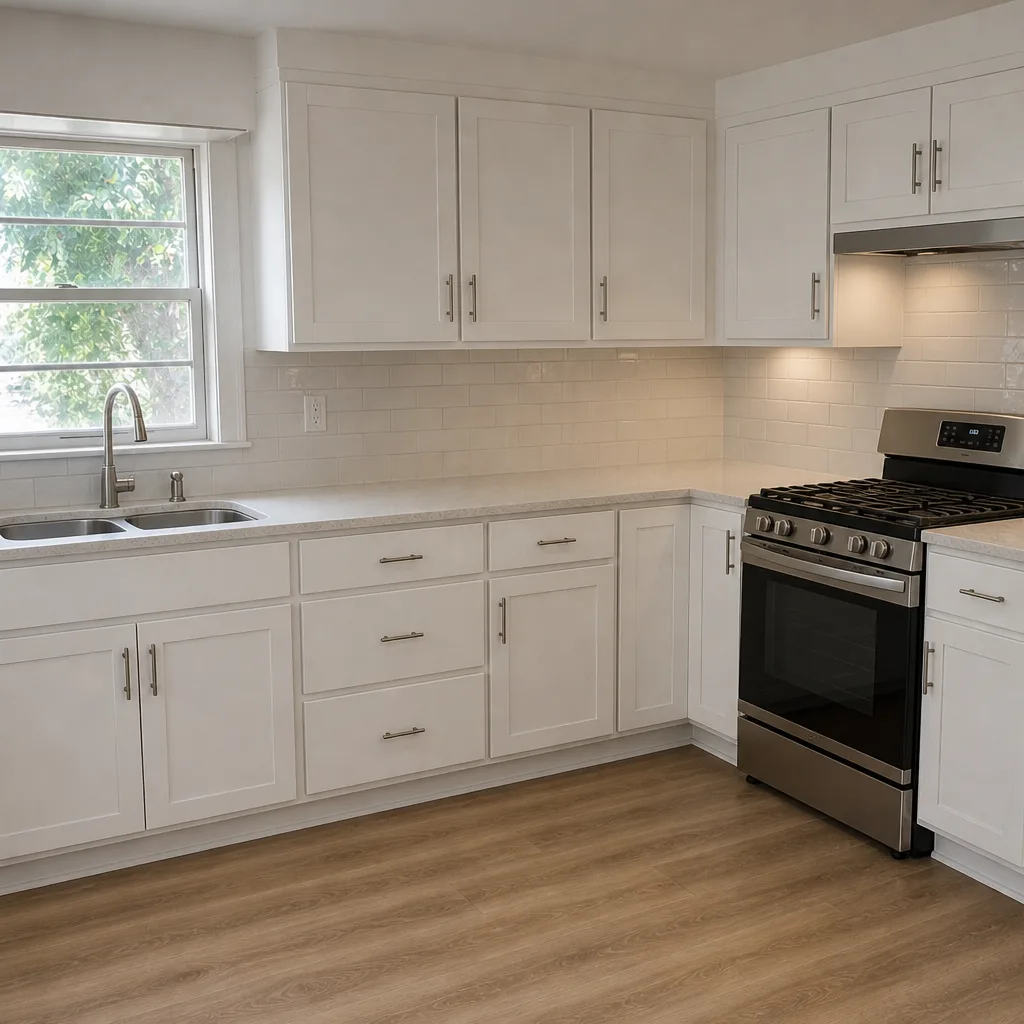 After
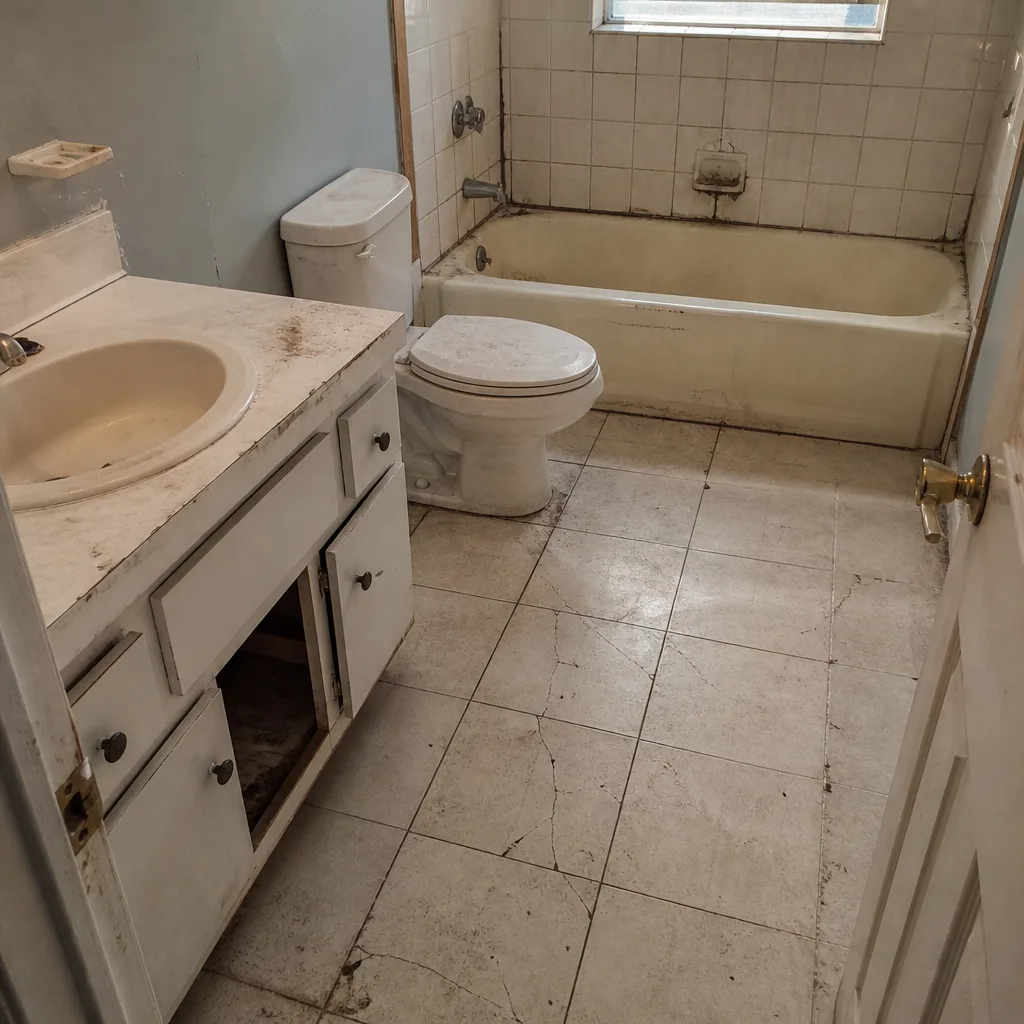 Before
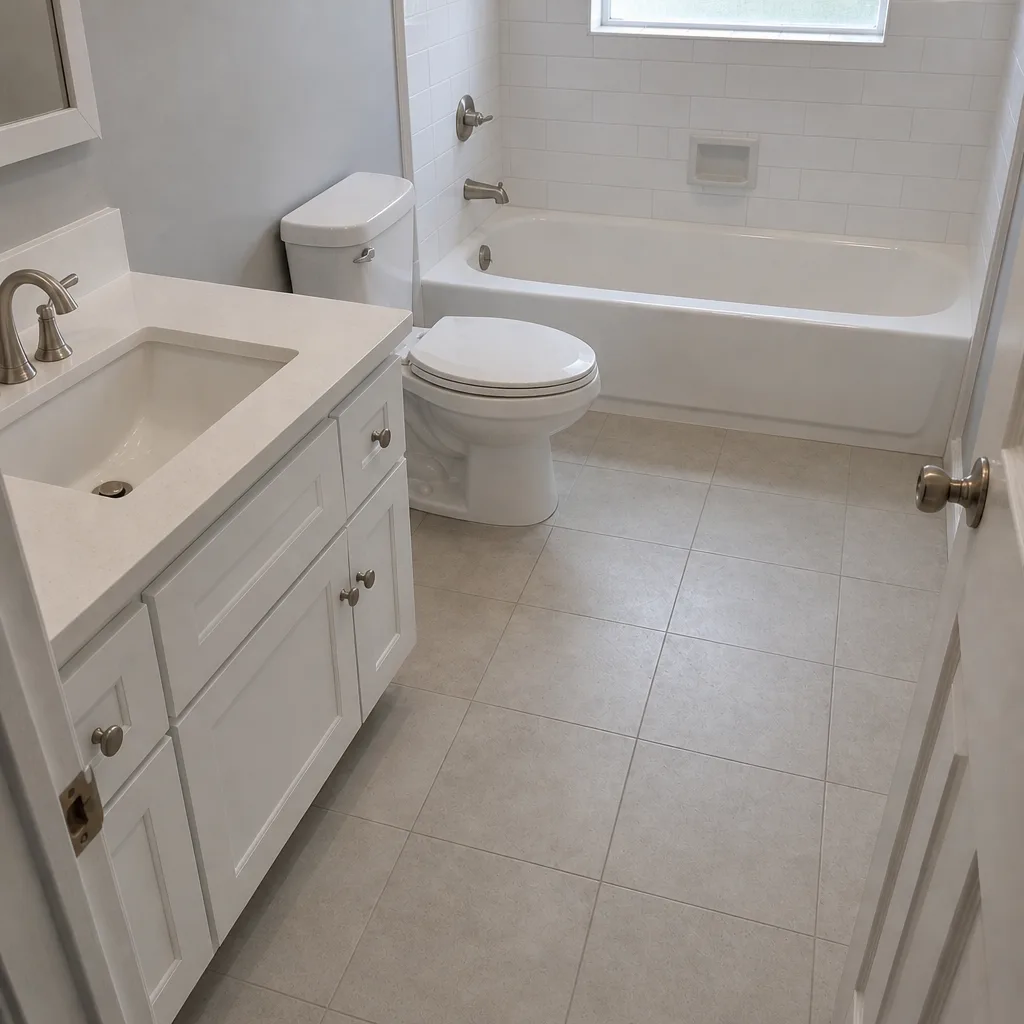 After
When to Call a Professional
Most of this schedule is doable by hand. Some of it isn’t, and knowing where the line sits saves you from a larger bill.
Call a professional if you find fogging inside a sealed unit (the seal is gone), a frame that’s warped, cracked, or visibly bowed, water staining on the interior frame or sill, or a window or door that won’t lock properly after adjustment. Impact window and door gaskets are best handled by a trained technician; a poorly seated gasket can void the unit’s impact certification and its warranty. If a door or window frame is out of square, the repair is structural, not a strip replacement. And if you’re weighing a window and door replacement as part of a larger project, the scope matters; our Home Additions & ADU in Westchester page covers how window and door choices fit into a larger build. Groundwork Construction Co. of Westchester offers free estimates in Westchester – call (833) 630-4214.
Frequently Asked Questions

Twice a year: once in May before hurricane season and once in November after summer. Florida’s UV exposure and thermal cycling wear on seals and gaskets faster than milder climates, so the “annual” schedule in most manuals should be doubled. If you’re near the coast, add a quick mid-season check on hardware. Call (833) 630-4214 for a free estimate if you find a seal or gasket that needs attention.
The clearest sign is fogging or condensation between the panes of a sealed unit. That means the seal is gone and the unit will need replacing, not just cleaning. Other signs are a draft you can feel, a visible crack in the frame, or water staining on the interior sill. Call (833) 630-4214 to schedule a free estimate – we’ll tell you honestly whether it’s a repair or a replacement.
Yes, for standard doors and windows with accessible weatherstripping. A door sweep or an adhesive strip takes about a half hour per door. It’s not a DIY job if the frame is warped, the threshold is unlevel, or the gap is uneven – those point to a frame problem that a strip won’t fix. On impact-rated units, leave the gasket to a technician. Call (833) 630-4214 if you’re unsure which category you’re in.
Regular maintenance helps, but the warranty also depends on using the right products and not damaging the gasket or frame. Manufacturers generally require mild soap and water cleaning, gasket inspection, and hardware lubrication per the manual. Keep your owner’s manual and impact rating certificate, and log your checks. Call (833) 630-4214 for a free consultation on impact window and door care in Westchester.
Pricing depends on the window size, glass type, and whether it’s a standard or impact-rated unit, so we won’t quote a number without seeing the job. What we can promise is upfront pricing with no surprises – the number you see is the number you pay. Groundwork Construction Co. of Westchester offers a free project estimate and design consult, and 0% financing for 18 months on approved projects. Call (833) 630-4214 to schedule yours.
Yes. Every project we install is covered by our 730-Day Done Right Promise – if it’s not done right, we make it right. That’s one of the longest workmanship guarantees in the residential construction space. We also back it with a curated set of brand partners, including Andersen and Marvin for windows. Call (833) 630-4214 to learn more.
The Bottom Line
Windows and doors don’t fail from hard use; they fail from neglect. A 20-minute routine in May and a 20-minute routine in November covers the hardware, seals, gaskets, and frames that cause most premature replacements. In Westchester, that twice-yearly habit protects your warranty, your impact certification, and your resale value, and it keeps a small fix from becoming a full replacement. The parts you skip – gaskets, weep holes, weatherstripping – are the ones that cost the most to ignore. Do the routine, keep the log, and call a pro when the frame is out of square or a sealed unit fogs.
If you’re weighing window or door replacement in Westchester, we can help you plan the work and the budget. From foundation to finish line, Groundwork Construction Co. of Westchester handles windows and doors alongside Driveway & Pavers in Westchester and Fence Installation in Westchester, so a single project holds together. Every project comes with upfront pricing, no surprises, and our 730-Day Done Right Promise. Call (833) 630-4214 to schedule your free estimate. Live person, 24/7 – no voicemail, no waiting until Monday.
Written by the team at Groundwork Construction Co. of Westchester.