





Free written scope consultation - allowances, timeline, and change-order rules on paper before a single trade is scheduled
Styles & brands we work with
- Kitchen remodeling
- Bathroom remodeling
- Home additions & ADU
- Roofing
- Windows & doors
- Driveway & pavers
- Fence
See the difference
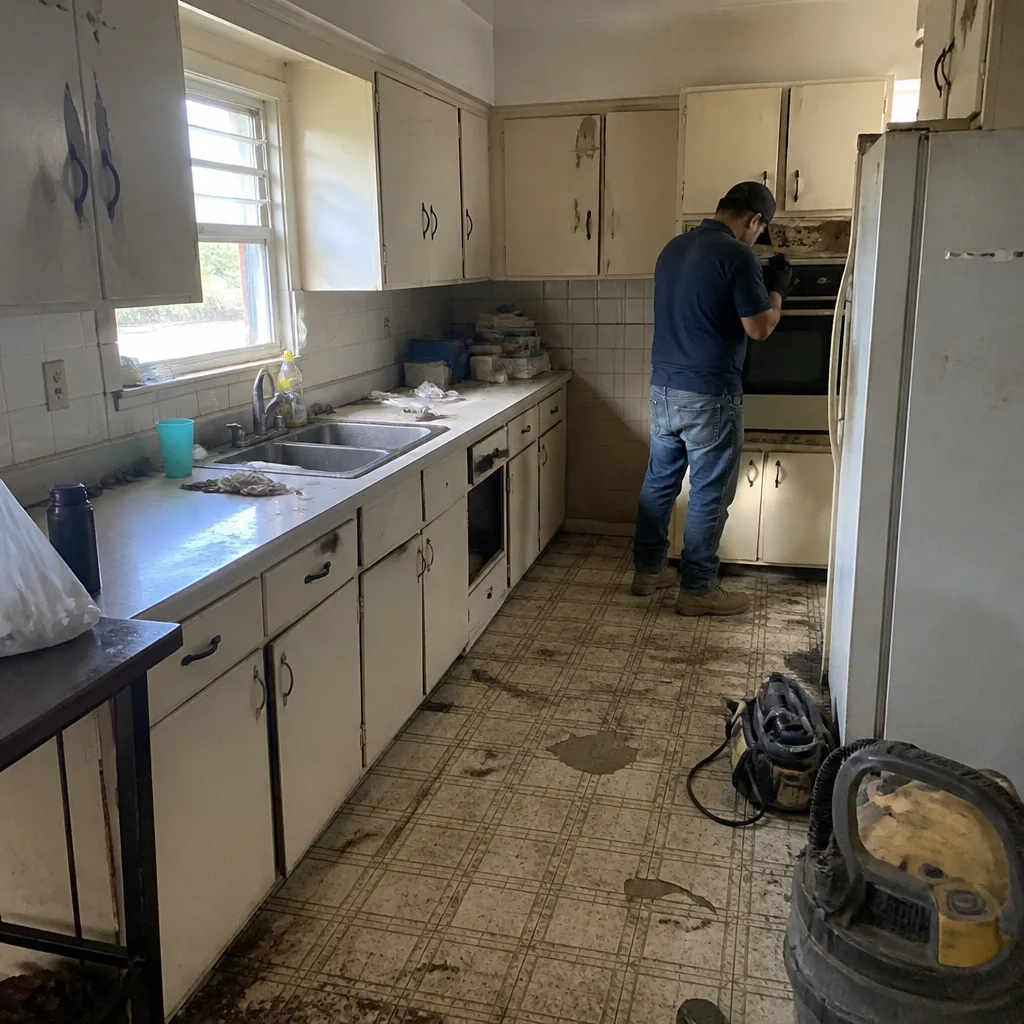 Before
 After
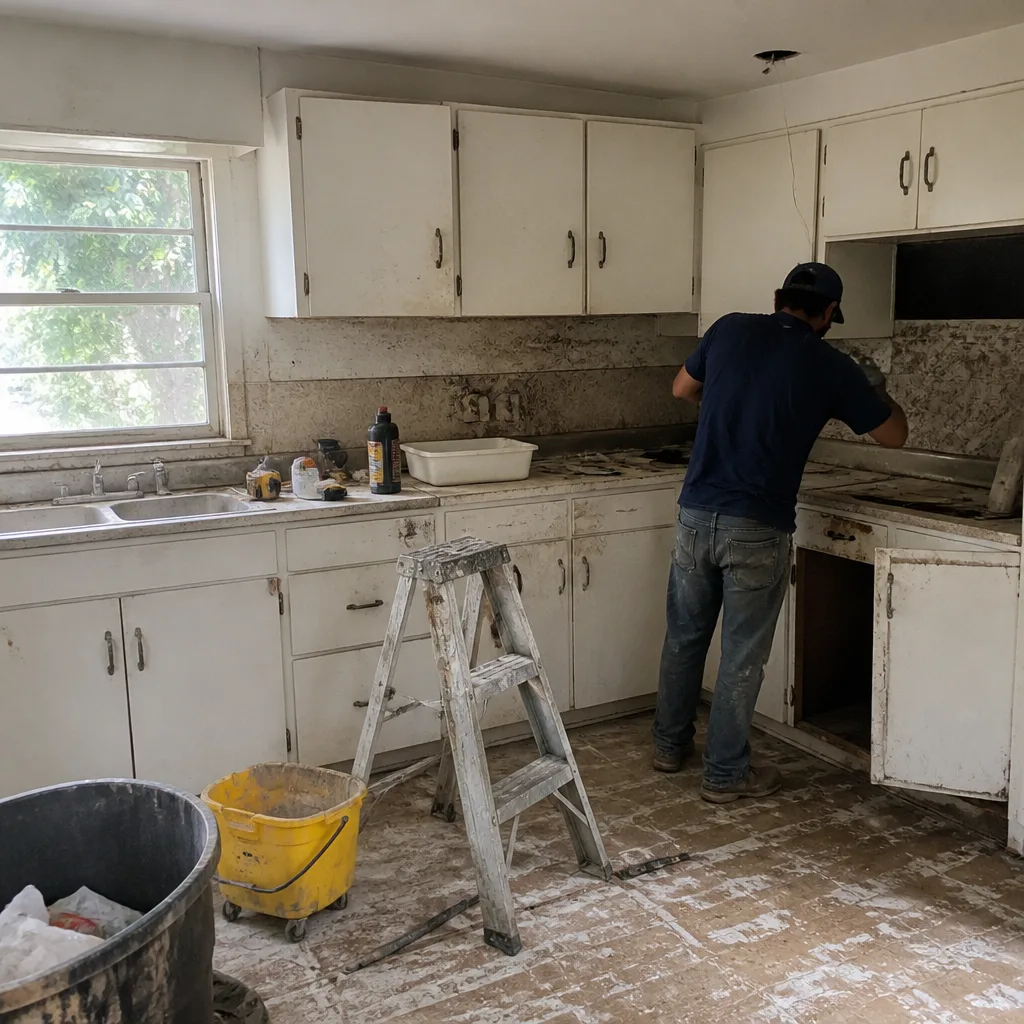 Before
 After
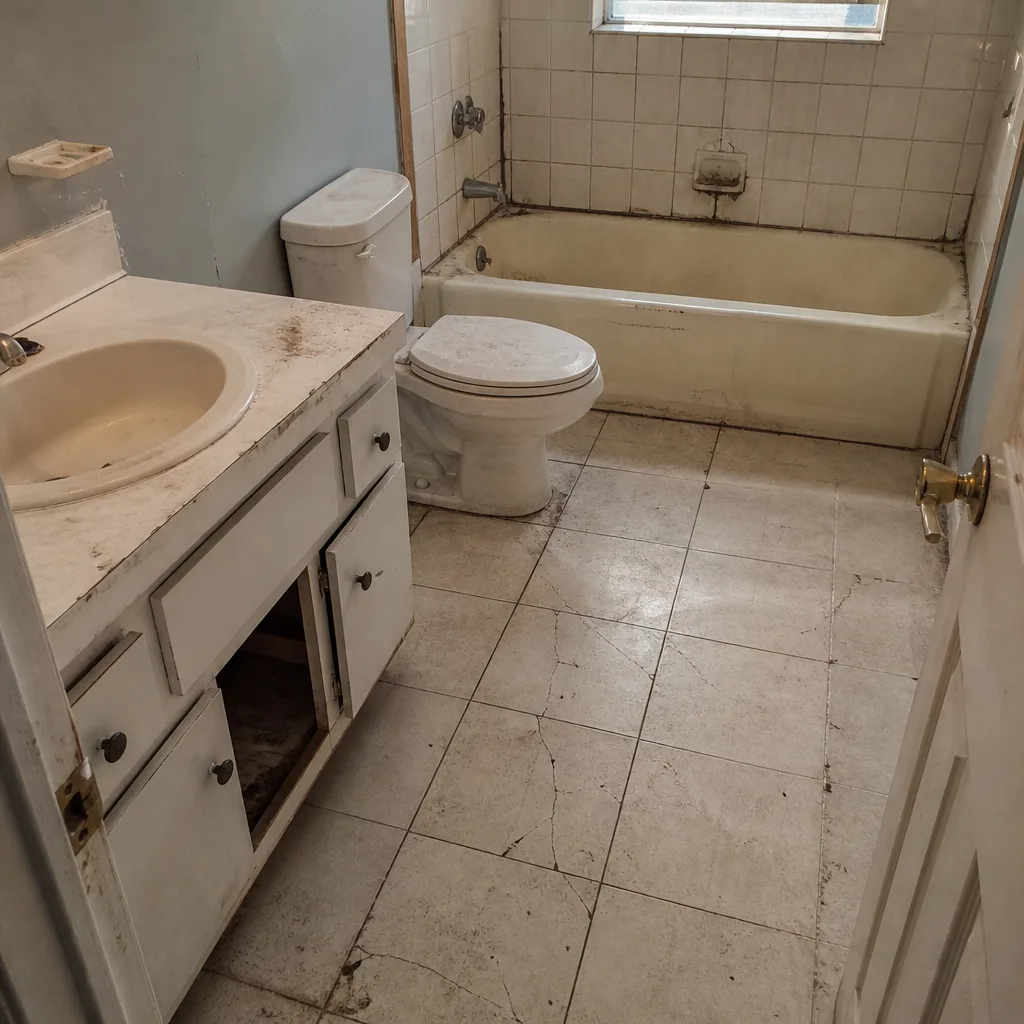 Before
 After
How to Clean Gutters in Westchester, FL: The Pre-Hurricane Job Northern Guides Get Wrong
Cleaning gutters in Westchester means flushing them wet with a pressure hose from the inside out, not scooping them dry with a trowel. The clog here is a compacted paste of roof granules from HVHZ shingles, tropical seed pods, and organic matter that hardens like mortar in the Florida heat. A standard scoop scrapes the surface and leaves the downspout core blocked, which is exactly the failure point that backs storm water against your stucco and CBS walls. If the sediment is fused in place or a hanger looks loose, call Groundwork Construction Co. of Westchester at (833) 630-4214 before the first June system rolls through.

Why Westchester Gutters Don’t Clog Like Northern Gutters
Most gutter guides are written for a climate with deciduous trees, autumn leaf drop, and four seasons. Westchester runs on a wet/dry cycle, roughly 60 inches of rain a year, and a housing stock dominated by concrete-block and CBS-stucco construction with flat or low-slope roofs. That combination produces a clog you can’t lift out with a garden trowel.
High-velocity hurricane zone roofing is the culprit under half the gutters in the neighborhood. The granular surface of an HVHZ-rated shingle sheds grit with every summer storm, and that grit lands in the channel, mixes with mango and palm seed pods, oak catkins, and windblown soil, then bakes into a dense slab under the afternoon sun. Wet the channel and it turns into a paste that flows a few inches and re-sets. Scoop it dry and you break a channel out of the top inch and leave the rest fused to the pan.
What actually clears it:
- A pressure flush, inside out. Work from the high end of the run toward the downspout with a hose at working pressure so the loosened mass travels down and out rather than packing tighter.
- Downspout core checking. A channel can look clean at the top and still be sealed at the elbow. Feed the hose down the drop and watch the discharge point for full flow before you call the run clear.
- Granule sediment removal, not just debris. Heavy granule load at the low end of a run signals a roofing shingle that’s aging from the top down. It’s worth a look at the surface while you’re up there.
- A dry-season pass. Even after a full flush, the fine material left behind will bind again. A second clearing after the dry season resets the system before the wet season starts.
What to Look For: Comparing a Real Cleaning to a Quick Scoop
When you weigh two gutter services in Westchester, the method matters more than the price sheet. A quick scoop looks identical from the ground. The difference shows up in the first heavy rain of June.
| What to check | Full service flush | Dry scoop only |
|---|---|---|
| Method | Pressure flush from the inside out, both directions on long runs | Hand scoop and blow-out |
| Downspout check | Flow tested at the discharge point | Often skipped |
| Hanger spacing | Checked – 6-inch seamless aluminum supported every 24-30 inches | Rarely inspected |
| Seam inspection | Joint separation and leak paths flagged | Not part of the visit |
| Discharge grade | Walked and confirmed water moves away from the slab | Not confirmed |
That third row is the one most homeowners miss. Six-inch seamless aluminum in a South Florida rain environment needs support every 24 to 30 inches. Wider spacing lets a loaded run sag, pooling water at the low point and pulling the fasteners out of the fascia over a couple of seasons. A hanger check costs nothing when your tech is already up there and saves a re-hang later.
The seam question matters just as much. Joint separation at a seam opens a slow leak path. It’s a small drip on a sunny day and a steady stream during a wind-driven rain event. Every cleaning should include a look at the seams and the fascia behind them.
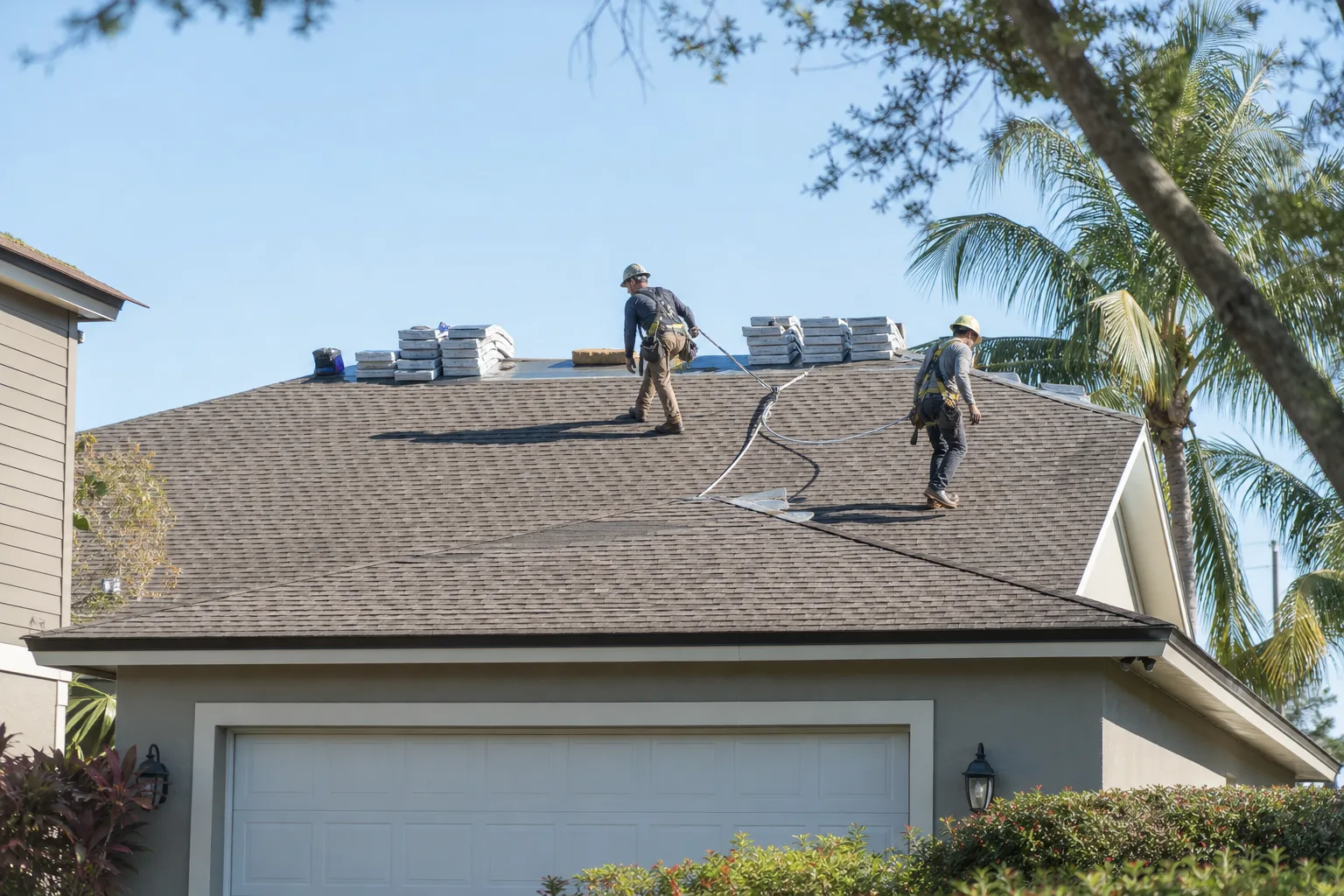
The Westchester Maintenance Calendar: May, Then November
Skip the standard “clean in spring and fall” advice. Miami-Dade’s wet/dry cycle doesn’t map to it. The two dates that matter in Westchester are pre-hurricane-season in May and a dry-season reset in November.
May, before the first system. Non-negotiable. The wet season brings the storm cells that stress a clogged system, and a channel carrying a season’s worth of granule paste has no room for a downpour. Clearing in May means the gutters are empty when the water arrives, not fighting a blockage with wind-driven rain behind it. Anything loose – a hanger, a cracked seal, a sagging run – gets flagged while the season is quiet.
November, after the dry season. Seed pods, dust, and granule grit accumulate through the dry months without enough rain to wash down the channel. A November flush resets the system before the next wet season and catches the seam separation that opened up during the summer storms.
Two cleanings a year is the baseline for Westchester. A heavily treed lot, a corner lot with two rooflines dumping into one run, or a low-slope roof that throws granule load can justify a third visit after a major storm. When the sediment load at the low end is high enough that it points to the roof, it’s a good moment to look at Roofing condition alongside the gutter – worn shingles shed more grit and leak more water into the channel.
The Stakes: Why a Clogged Gutter Costs More Here Than in a Dry Climate
Water that can’t move down a Westchester downspout doesn’t disappear. It backs up the channel, exits at the lowest point, and runs down the exterior wall. On a stucco-over-CBS home, that’s water against the base coat on a wall that wasn’t designed to stay wet. Stucco wicks moisture into the base, the moisture reaches the block mortar joints, and repeated wetting starts the spalling cycle that shows up as loose stucco at the base of the wall within a few seasons. Behind the wall, trapped moisture is a mold pathway inside the assembly.
The rainfall sets the stakes. Westchester gets about 60 inches a year, most of it in a compressed wet season with a handful of outright storm events. A blocked channel meets that volume a few times a season, not once in a mild year. It’s an order of magnitude more stress than a northern gutter sees in the same window.
The flat lots add a second failure point. Westchester lots drain to a shallow grade, so a clogged or misdirected downspout dumps water against the slab edge instead of carrying it away. Every cleaning should include a walk of the discharge point to confirm water moves off the slab at the correct grade. A downspout that empties onto the slab is the same problem as a clogged channel, just harder to see.
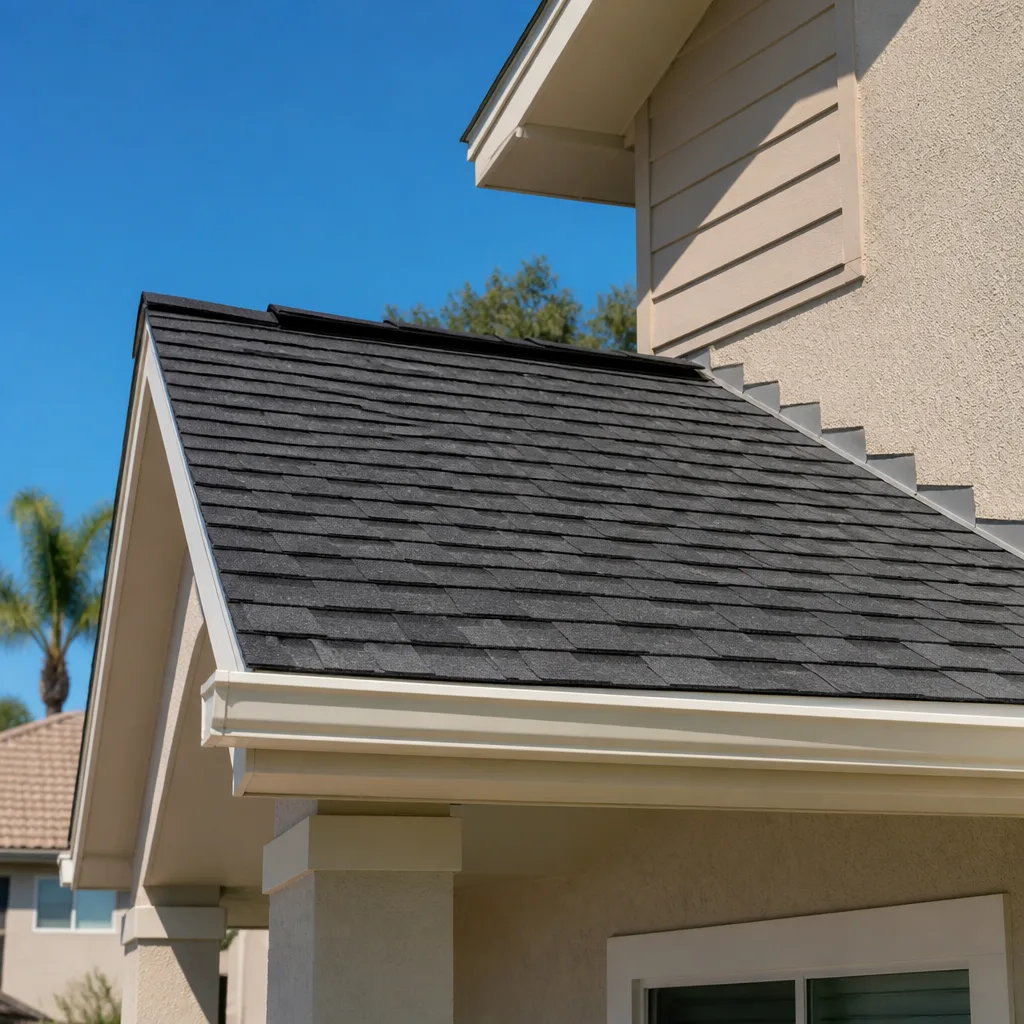
That’s also when it’s worth checking the roof itself. The same roofing surface that sheds the granule load is the surface holding back the rain, and a cleaning visit is the cheapest moment to catch a lifted shingle before the wet season. Westchester sits inside the HVHZ, so any repair or re-roof runs through Miami-Dade County’s online permitting and needs product approval documentation (NOA) for the materials. That’s a slow process if you find out about a leak in June – a much easier one in April.
Frequently Asked Questions
Gutter cleaning in Westchester typically runs $150 to $350 for a standard single-story home and $300 to $600 for a two-story home with extended runs, and the price climbs with height, run length, and sediment load. Homes with heavy granule buildup or a low-slope roof that dumps into the channel usually sit at the top of the range, because the wet flush takes longer. Call (833) 630-4214 for an exact quote – estimates are free.
You can flush a light load with a garden hose, but the granule-and-organic paste that builds up in Westchester’s heat won’t move without working pressure, and a scoop will only skim the surface. Ladder work at gutter height carries real fall risk, and the downspout check needs a second person watching the discharge point. Call (833) 630-4214 if the sediment is fused or a hanger looks loose – a trained tech on a ladder is safer than a homeowner on one.
Twice a year is the baseline: once in May before hurricane season and once in November after the dry season. Skip the standard spring-and-fall advice – it’s written for a four-season climate. A heavily treed lot or a low-slope roof that sheds heavy granule load can justify a third pass after a major storm. Call (833) 630-4214 to schedule the May slot before the rains arrive.
Yes – Groundwork Construction Co. of Westchester answers calls with a live person 24/7 and can usually fit a gutter cleaning into the schedule same day or next day, depending on the season. May and early June fill up fast, so call early if you want the pre-hurricane slot. Technicians arrive background-checked and in uniform, and every visit includes the discharge and hanger check, not just the flush. Call (833) 630-4214 for a free estimate.
Rather Have It Looked At?
A Westchester gutter that’s been fighting granule paste and storm water all season is worth a look before the next one. Groundwork Construction Co. of Westchester offers a no-pressure assessment on your property – flush, downspout check, hanger and seam inspection included – and all work is backed by our 730-Day Done Right Promise. Call (833) 630-4214, or start with our Westchester service area page to see what we cover. Upfront pricing, no surprises.
Written by the team at Groundwork Construction Co. of Westchester, serving Westchester, FL.