



Free written scope consultation - allowances, timeline, and change-order rules on paper before a single trade is scheduled
Styles & brands we work with
- Kitchen remodeling
- Bathroom remodeling
- Home additions & ADU
- Roofing
- Windows & doors
- Driveway & pavers
- Fence
See the difference
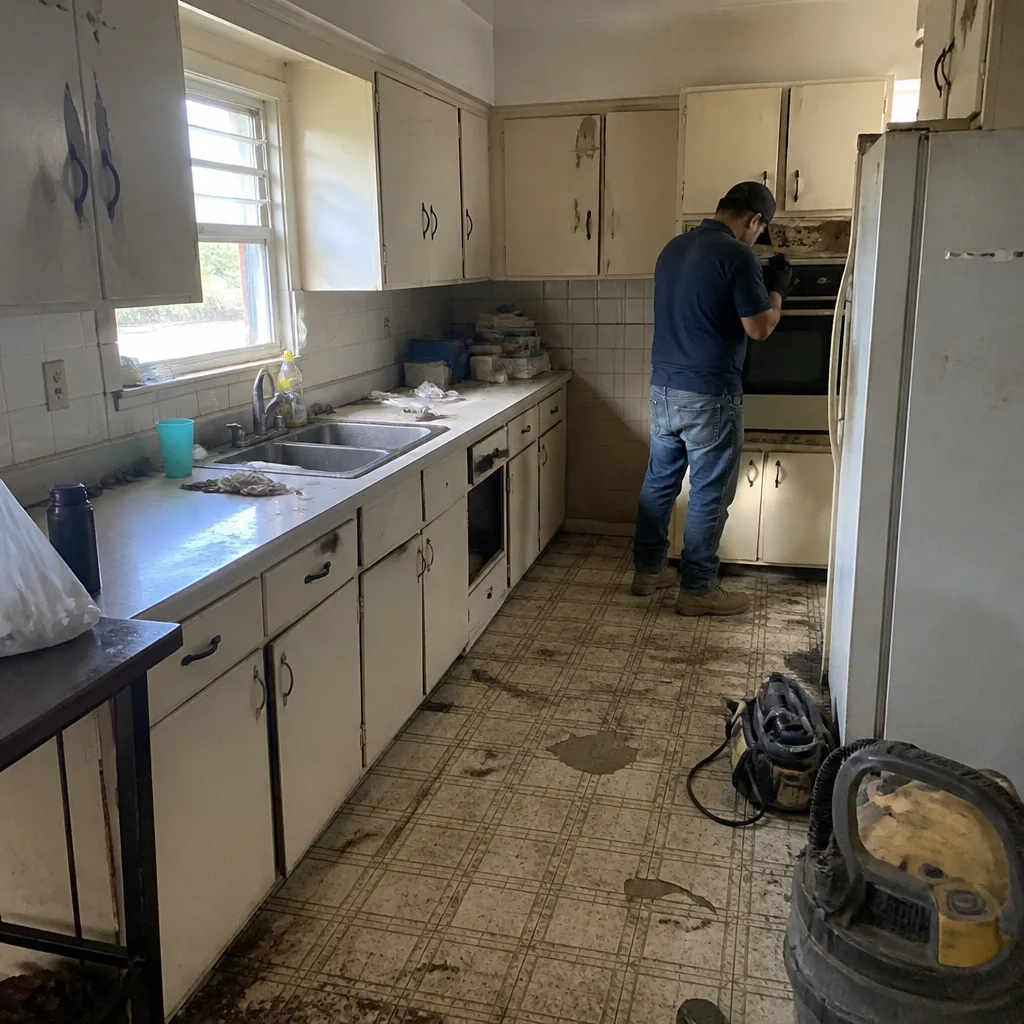 Before
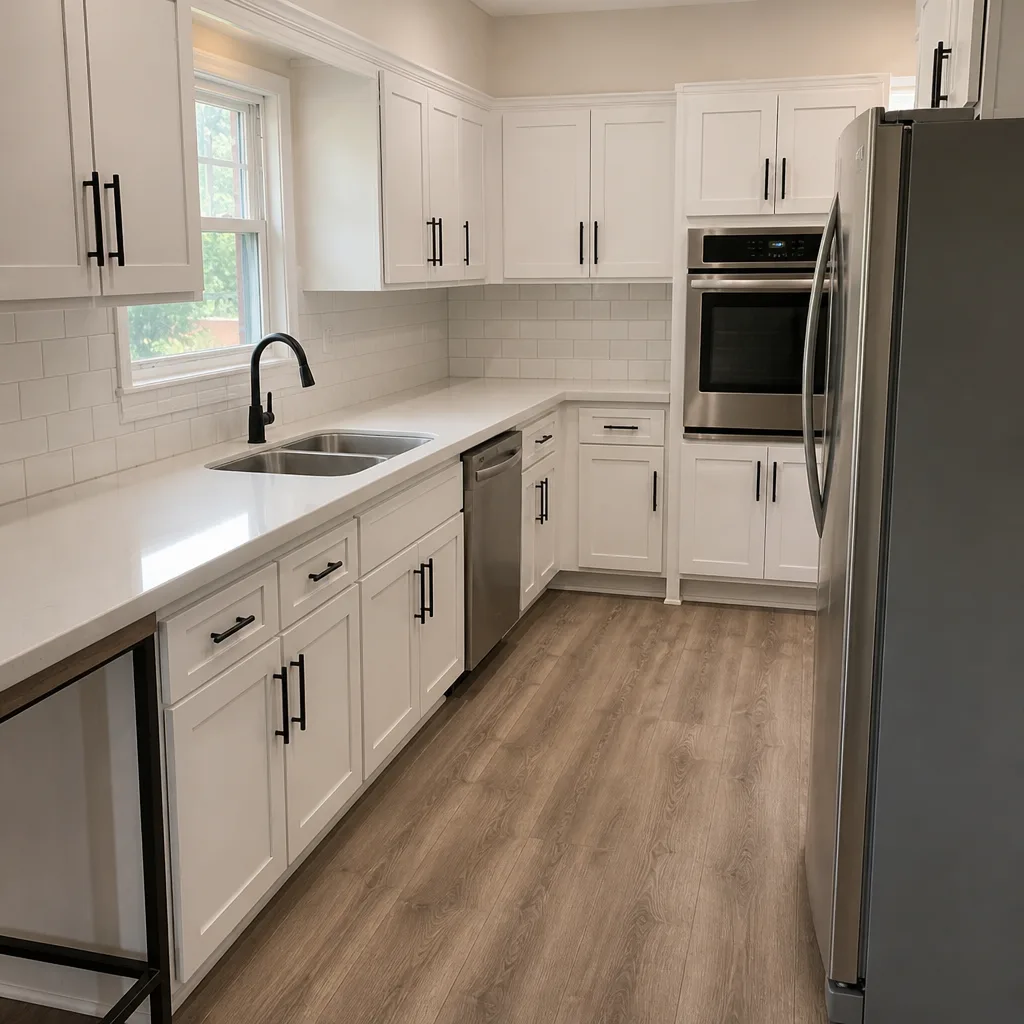 After
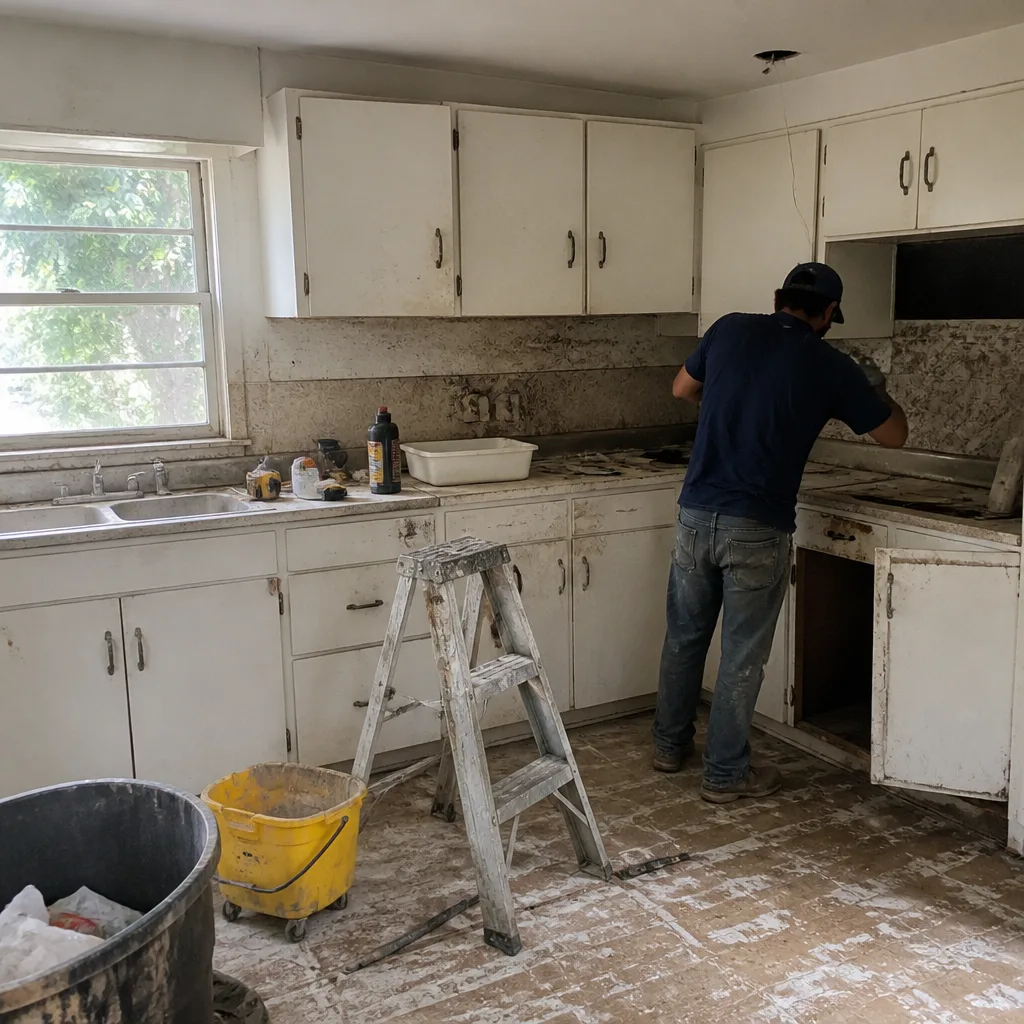 Before
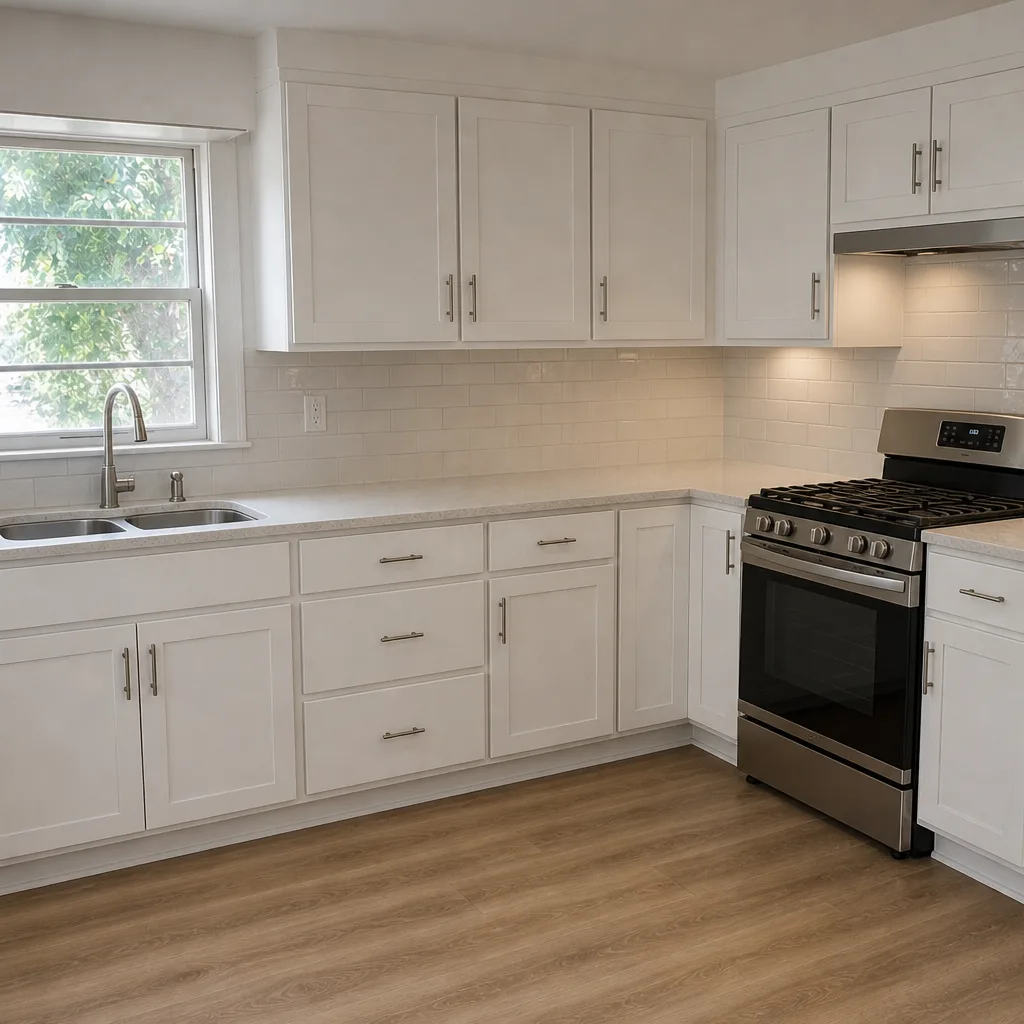 After
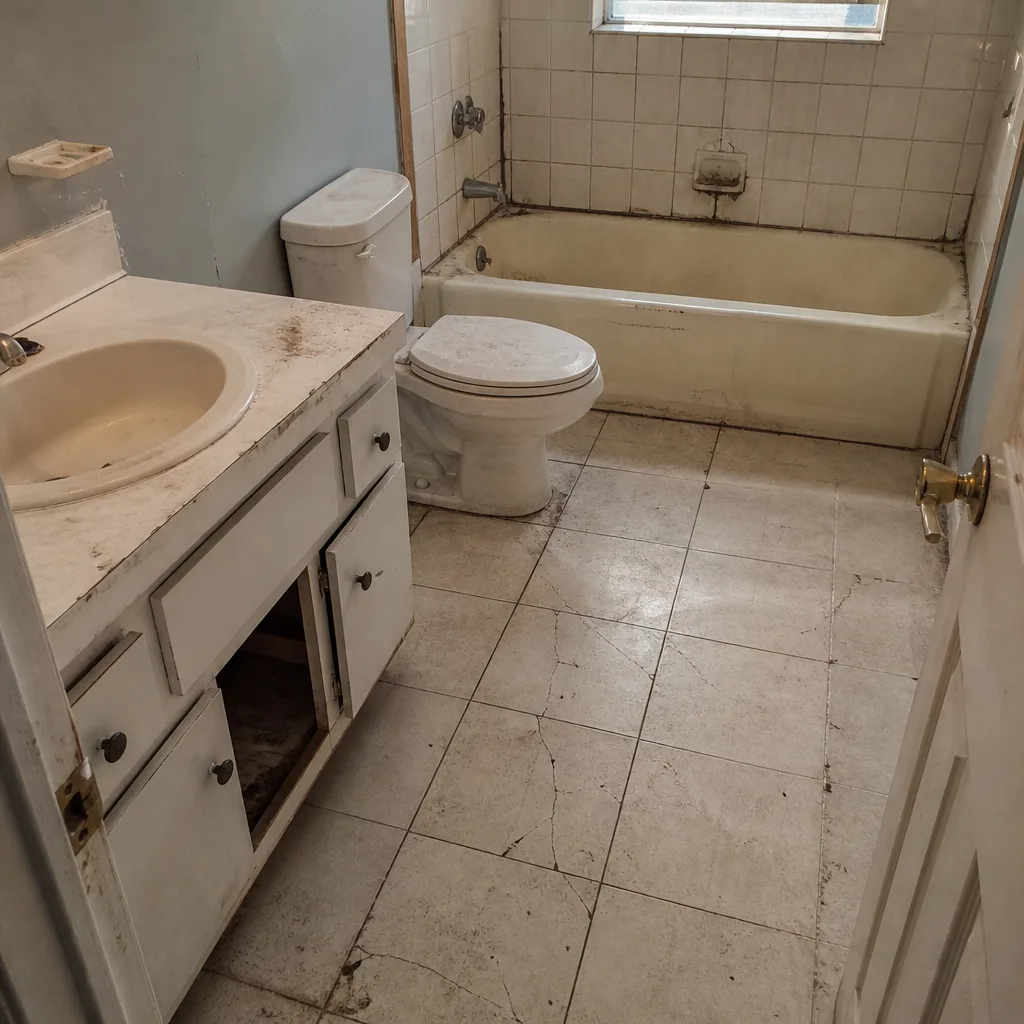 Before
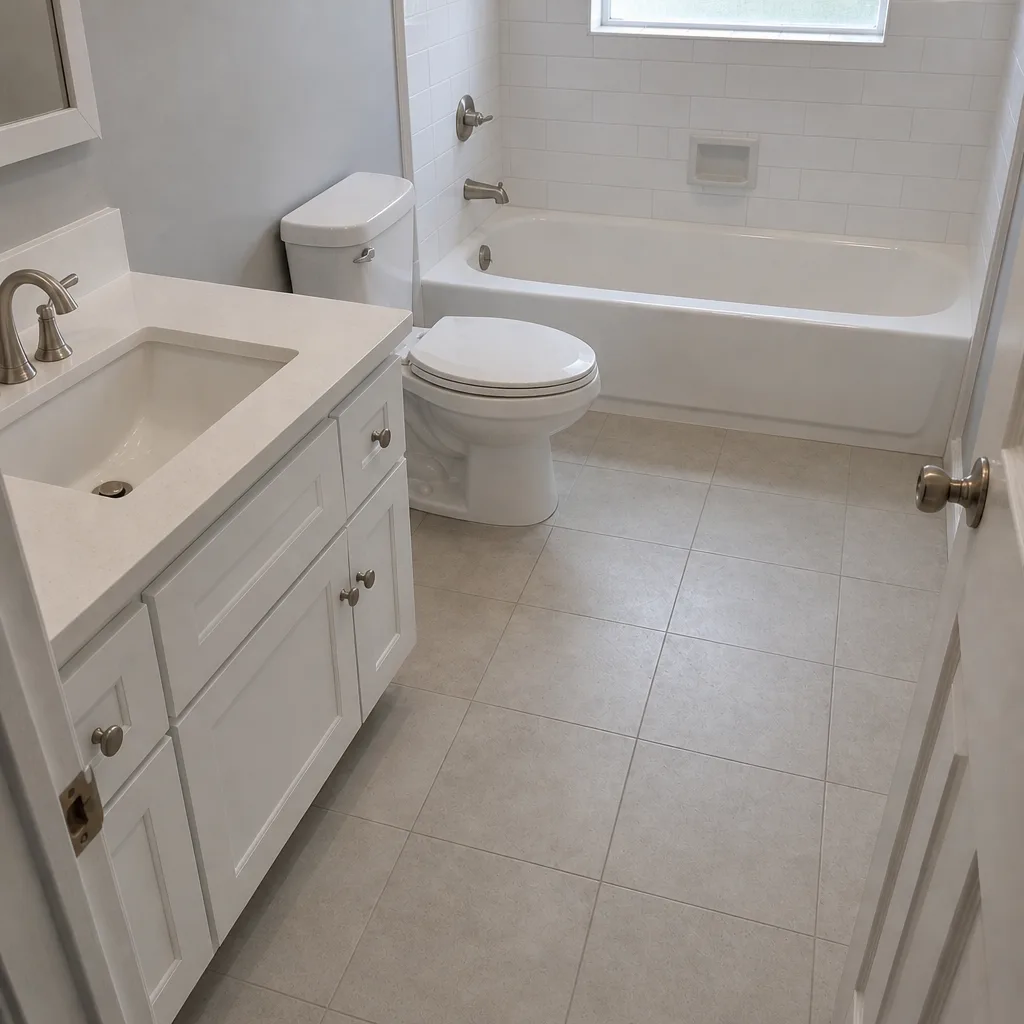 After
How Long Does a Tile Roof Last in Westchester, FL? The Honest Answer Is Two Numbers
A tile roof in Westchester usually lasts 40 to 50 years on the tile itself, but the roof system under it is good for only 20 to 25 years. That gap is the whole story. The clay or concrete tiles you see from the street almost never fail first. The underlayment beneath them does, and in South Florida’s UV and heat it goes sooner than most homeowners expect. If you want a straight read on your roof, call (833) 630-4214 and we’ll tell you what we see.
Your tile roof might look perfect at year 22. The tiles are intact, the ridges are straight, nothing’s missing. But walk it with us and the picture changes fast.
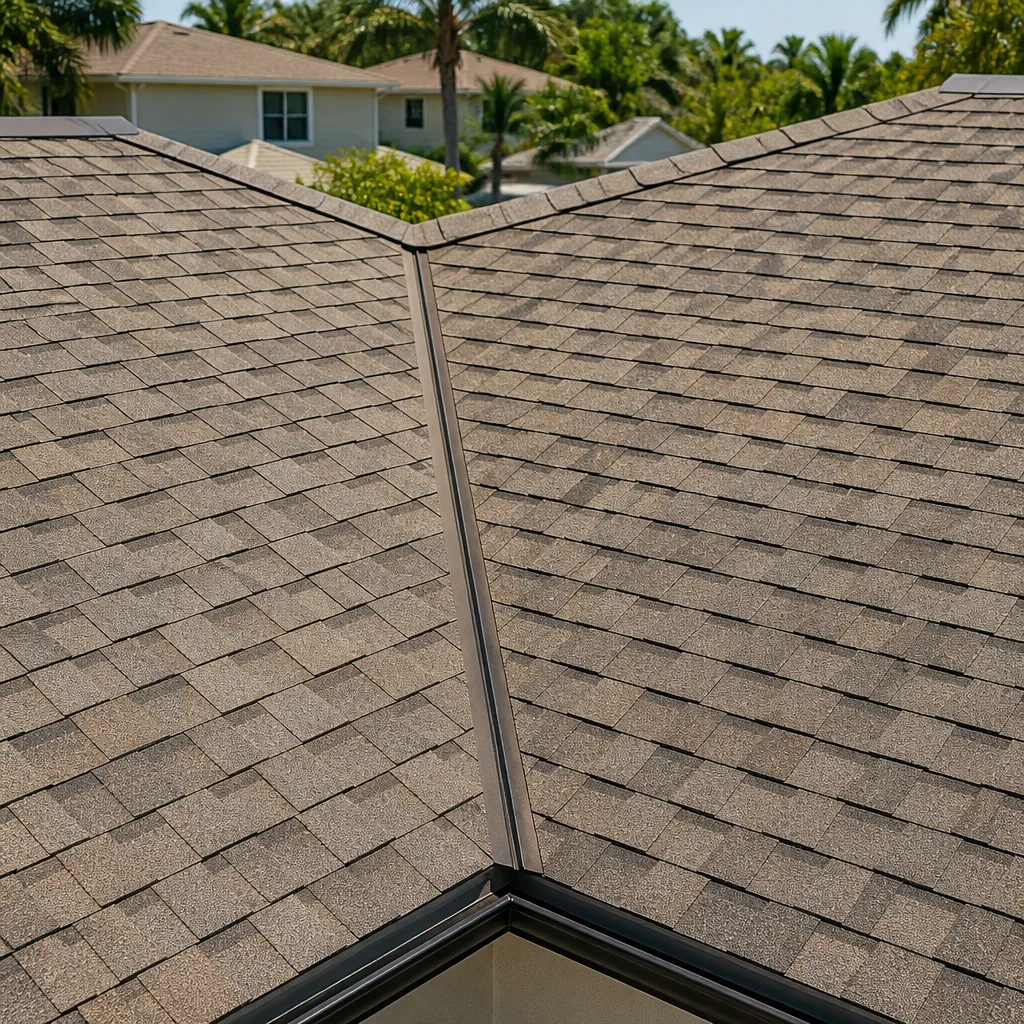
Why Your Tile Roof Looks Fine While the Roof Is Failing
Westchester homes built in the 1970s and 80s, most of them concrete block with Spanish or Mediterranean tile, are hitting the sweet spot right now where the tile is still decades from retirement and the underlayment has quietly run out of road. Standard felt underlayment that was fine on a national average was never a great match for Miami-Dade’s UV index. The sun here breaks down asphalt-saturated felt noticeably faster, and by the 20-year mark it’s brittle, cracked at the valleys, and letting water through in exactly the places you can’t see.
This is the part most “how long does a tile roof last” guides skip. They give you the tile number and stop. The number that actually matters is the one for the layer underneath, because that’s what keeps the rain out.
What to Look For: The Underlayment Is the Real Clock
When we assess a tile roof, we’re not grading the tile first. We’re asking how the underlayment was built and how the roof drains. Those two things decide whether you get 20 years or 30 out of the same tile.
- Underlayment type. Older felt degrades in roughly 20 to 25 years here. Current Miami-Dade code for re-roofs pushes toward high-performance peel-and-stick or mechanically-attached SA cap sheet underlayments, which stretch that to 25 to 30 years. They cost more up front than what a lot of contractors spec, and they’re the reason two re-roofs in the same Westchester block can age very differently.
- Drainage geometry. On the flat and low-slope sections common on these homes, water ponds between tile courses and sits at valleys and penetrations. Standing water in the sun is what kills underlayment fastest. A roof that sheds cleanly at every valley buys you years; one that pools at a single low corner does not.
- The secondary water barrier. Miami-Dade’s High-Velocity Hurricane Zone rules require one on all tile re-roofs, with self-adhering underlayment at a minimum of 18 inches from the eaves. Skip it and you fail inspection and stay exposed to wind-driven rain even with every tile in place. This is the kind of thing that doesn’t show up until the first big summer squall.
- How the tile is fastened. The tile-to-batten system has to meet HVHZ uplift specs. Plenty of older Westchester installations set tile in mortar alone, and that often won’t pass current code. Any re-roof has to re-secure those tiles with approved clips, which adds cost that generic lifespan charts never mention.
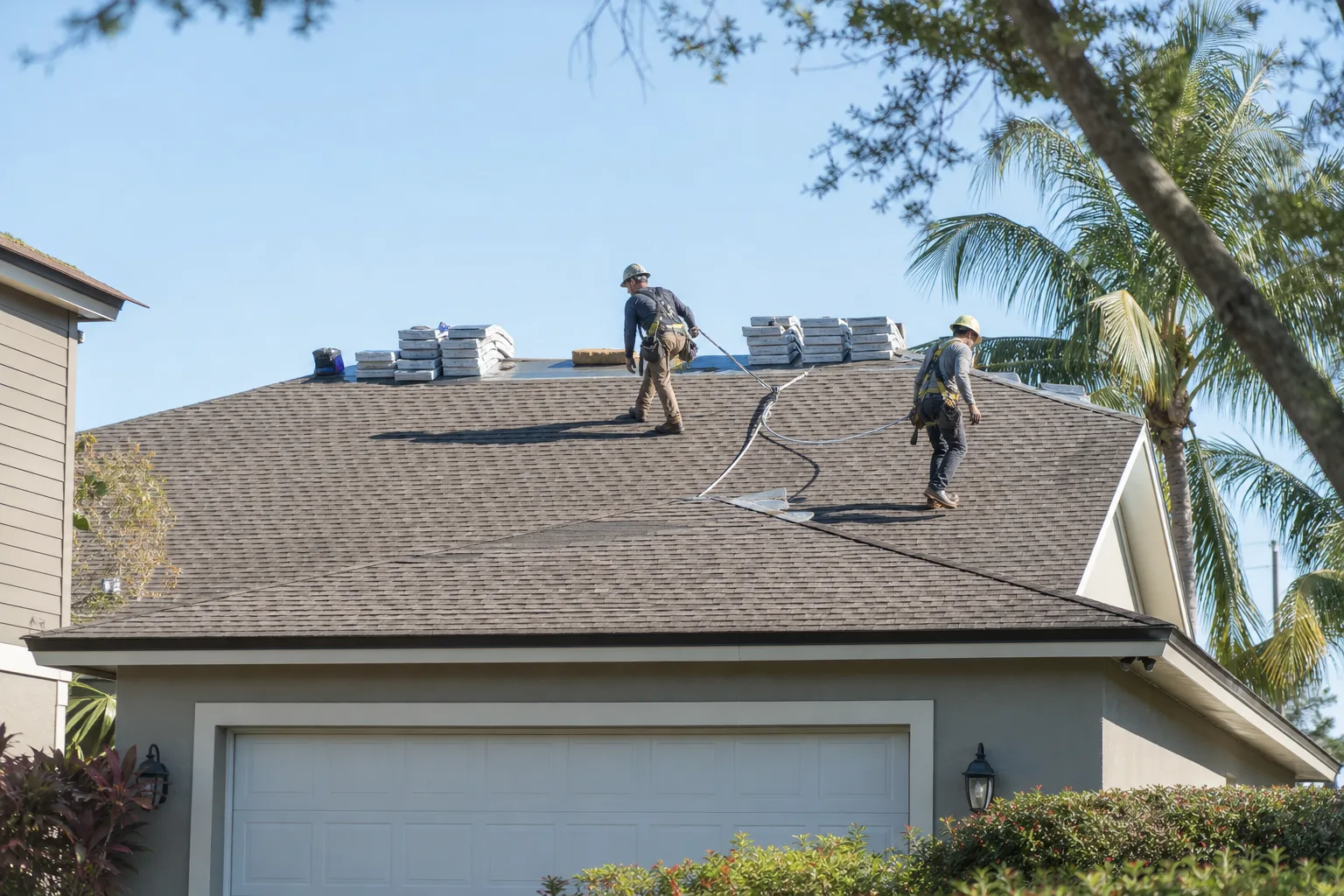
The Westchester Complication: County Permits and HVHZ Rules
Because Westchester is an unincorporated pocket of Miami-Dade, there’s no city hall to pull a permit from. Every tile re-roof runs through Miami-Dade County’s permitting system, and every product on it needs High-Velocity Hurricane Zone approval. That means the underlayment, the fasteners, and the tile system all need documented product approval, and the inspection is real. A contractor who’s used to a looser jurisdiction can lose you weeks here. Code fluency is the defining skill on a Westchester roof, full stop.
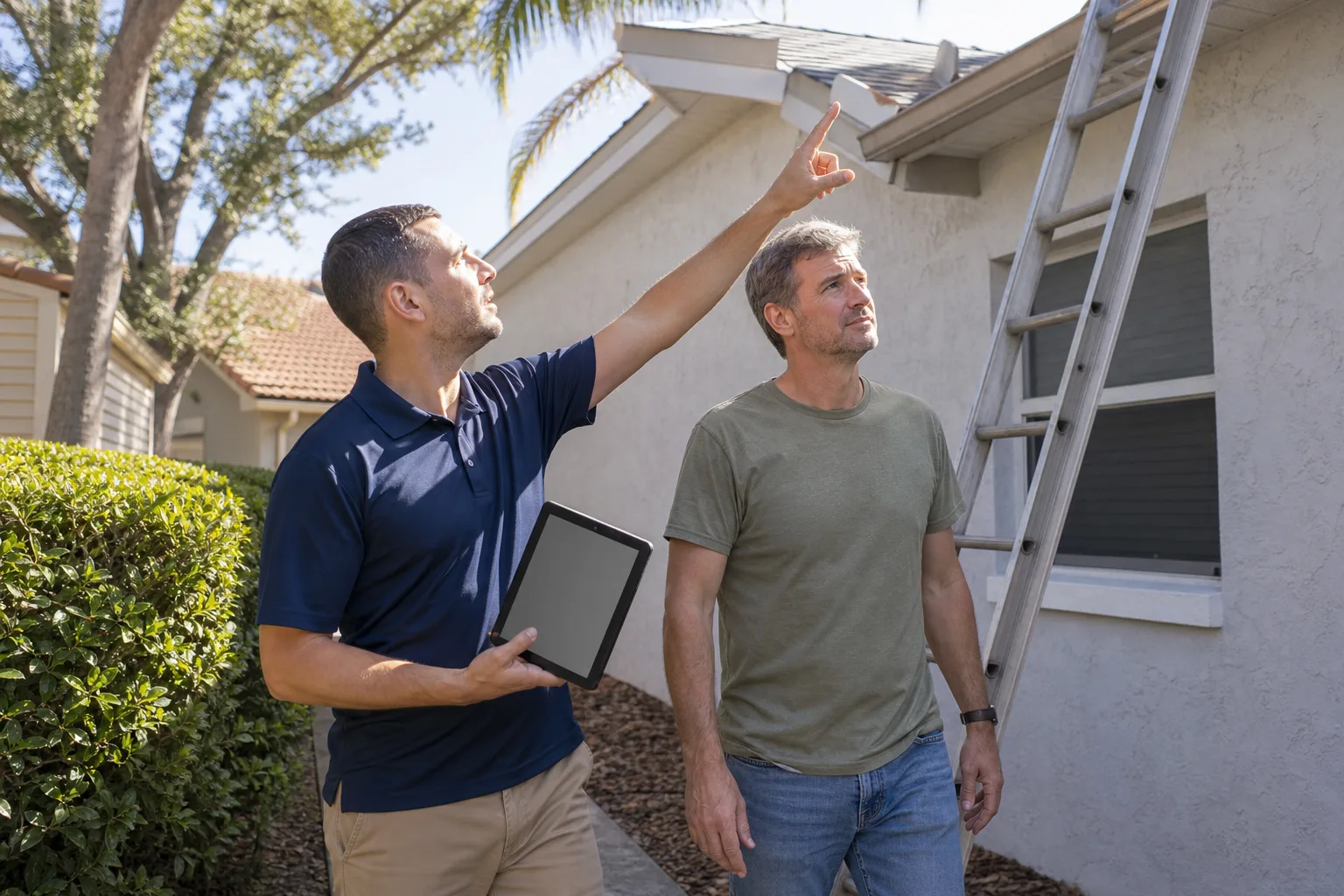
This is where our pre-project scope earns its keep. Groundwork Construction Co. of Westchester documents the deck and the underlayment with photos before we price anything. You see exactly what’s under those tiles while you can still change your mind, not after the demo crew has a pile in your driveway. From there it’s our Roofing work, backed in writing by the 730-Day Done Right Promise: if it isn’t done right, we make it right.
What a Tile Roof Job Costs in Westchester
Repair is almost always the smaller decision. Replacement is where the underlayment question gets settled for good, and it’s where HVHZ-compliant materials add real dollars compared with the old approach. Here’s roughly what to budget in this market:
| Job | Typical Range in Westchester |
|---|---|
| Tile roof repair (cracked tiles, local flashing) | $600-$2,500 |
| Roof repair (general) | $400-$1,800 |
| Roof replacement (including underlayment) | $8,000-$20,000 |
| Metal roof installation (for comparison) | $15,000-$40,000 |
Two things move you within those ranges: whether the tile can be re-set or has to be replaced, and how much of the deck needs work once the tile comes up. Upfront pricing means the number you see is the number you pay, and the standing $1,000 off projects over $10,000 plus 0% financing for 18 months help spread a job like this out without surprises. Our technicians have up to 12 years of experience, are background-checked, and arrive in uniform. If you’re weighing the whole scope, see the full Westchester service area for what else we handle.
Repair Now or Re-Roof Now? A Question Worth Asking Out Loud
If a single tile slipped or a valley started weeping after a storm, patch it. If you’re past year 20 on the original underlayment and seeing repeated leaks, patching is buying time against a clock that’s already run out. Catching it before the tile is compromised is the cheaper path, because tile you can save is tile you don’t pay to replace.
Here’s the honest math. At year 22 with intact tile, a re-roof is mostly an underlayment and flashing job. Wait five more years and water damage reaches the deck, you’re replacing sheathing too, and the price climbs. Wind-driven rain does the rest. A full underlayment and flashing replacement at the halfway point keeps the tile you already own working for decades more.
FAQs
A tile roof in Westchester lasts about 40 to 50 years for the tile, but the underlayment beneath it lasts only 20 to 25 years. That means most tile roofs here need a full underlayment and flashing replacement around the halfway mark, even when the tiles still look new. Call (833) 630-4214 for a free estimate and we’ll assess yours.
In most cases, yes, once you’re past the 20-year mark on the original underlayment. The tiles can outlast the layer that keeps water out by decades, and Miami-Dade HVHZ rules won’t let a re-roof go in without a compliant secondary water barrier anyway. A no-pressure assessment shows you what’s actually up there before you decide. Estimates are free.
Repair is cheaper for isolated damage, typically $600-$2,500 for tile roof repair versus $8,000-$20,000 for a replacement. Repair stops making sense once the underlayment is past its design life and leaks keep coming back, because you’ll pay twice. Call (833) 630-4214 and we’ll give you a straight recommendation either way.
Yes. Calls are answered by a live person 24/7, so you won’t land in voicemail. We document the deck and underlayment with photos before pricing, and we can usually get an assessment on the calendar quickly. Call (833) 630-4214 for a free estimate and design consult.
If you’d rather have it looked at, Groundwork Construction Co. of Westchester offers a no-pressure assessment in Westchester. We’ll show you what’s under the tile and give you upfront pricing before anything is signed. Call (833) 630-4214 for a free estimate.
Written by the team at Groundwork Construction Co. of Westchester, serving Westchester, FL.