
Free written scope consultation - allowances, timeline, and change-order rules on paper before a single trade is scheduled
Styles & brands we work with
- Kitchen remodeling
- Bathroom remodeling
- Home additions & ADU
- Roofing
- Windows & doors
- Driveway & pavers
- Fence
See the difference
 Before
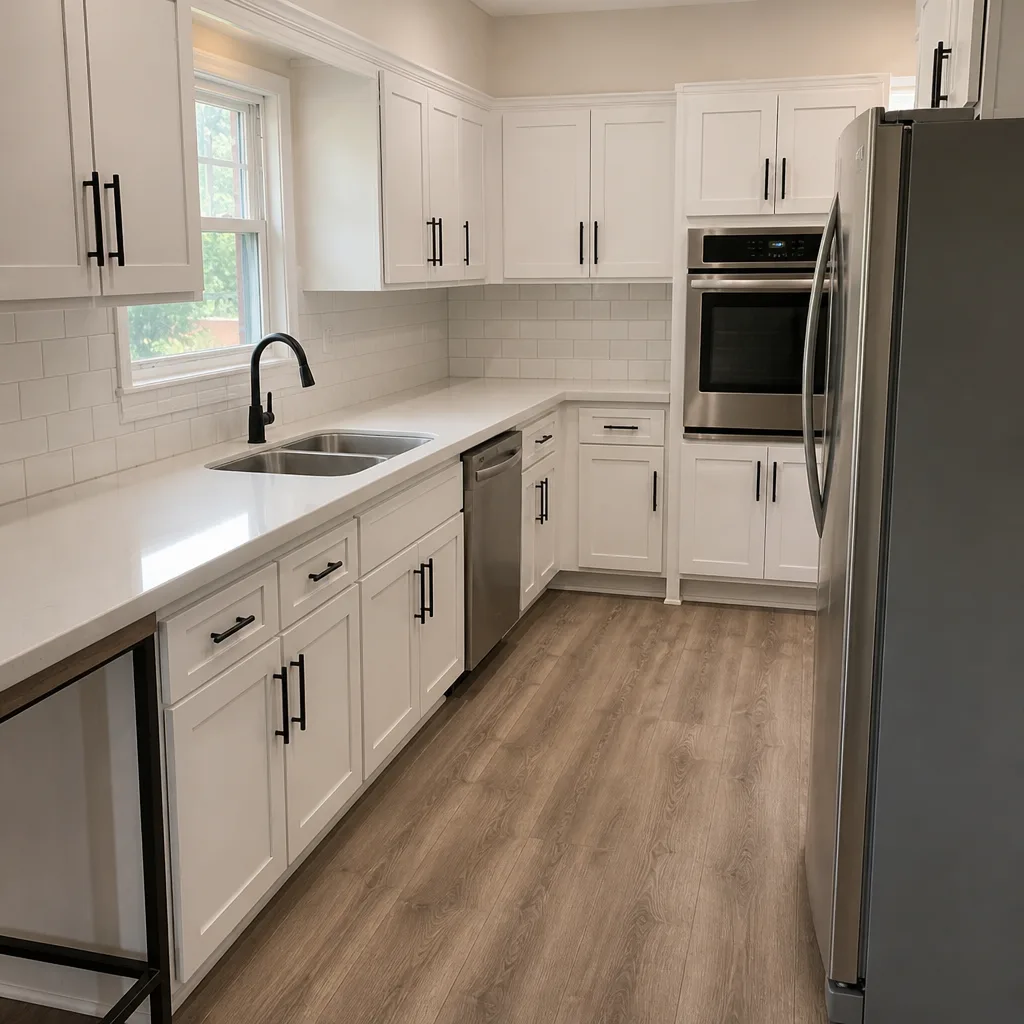 After
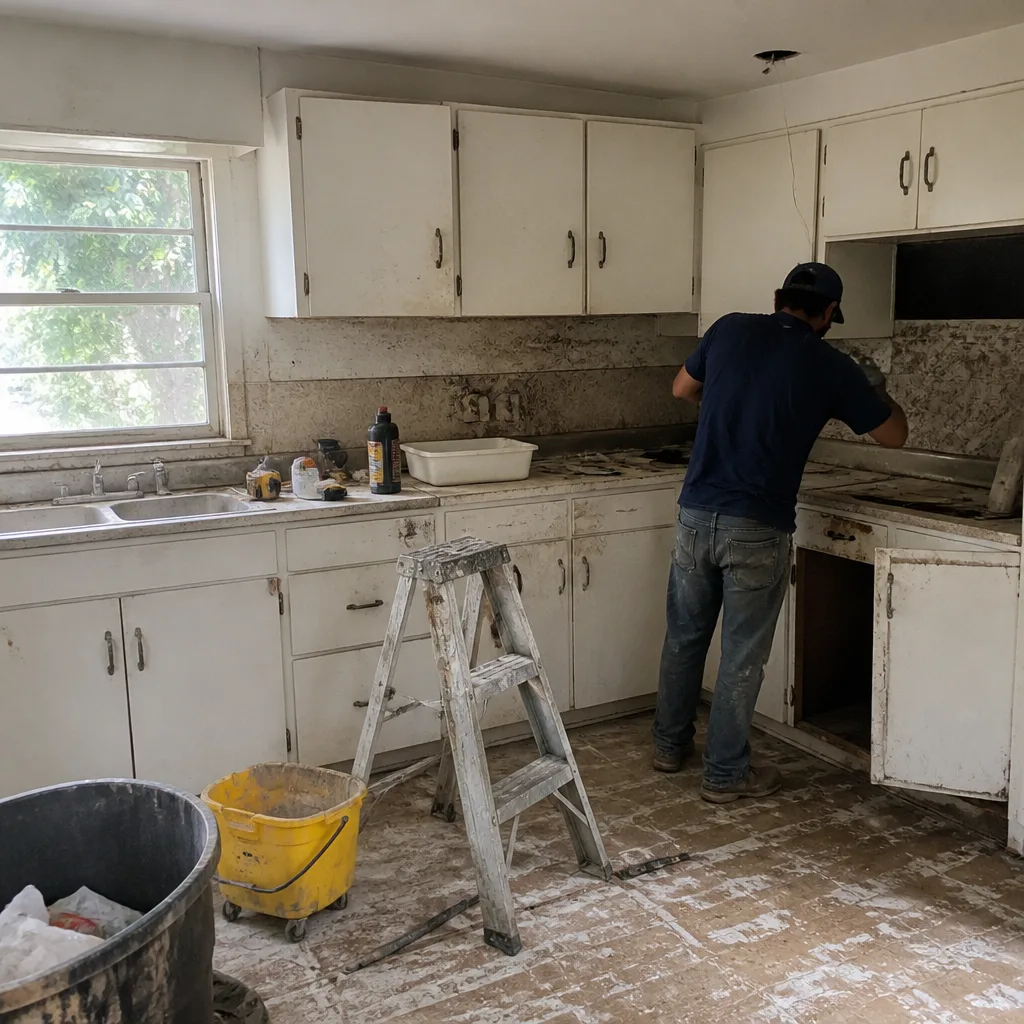 Before
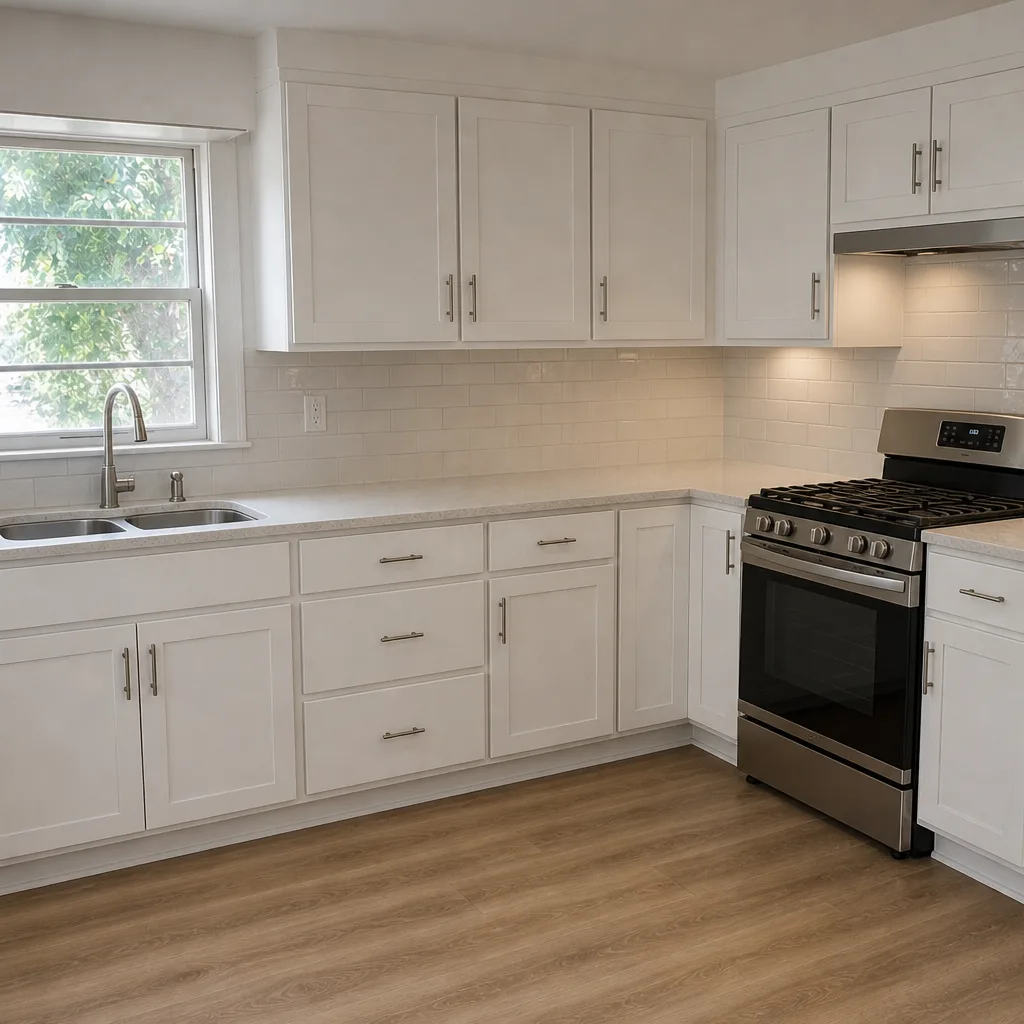 After
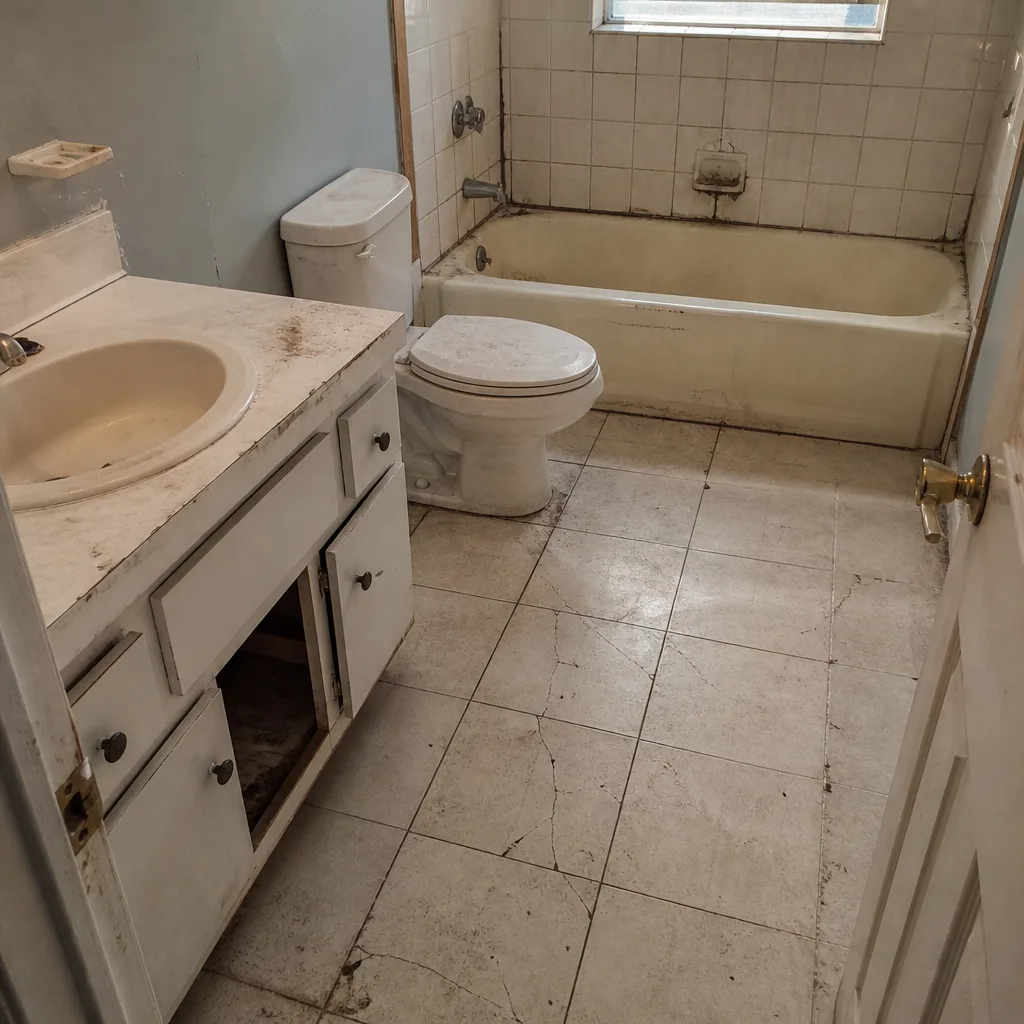 Before
 After
What Is Low-E Glass? A Miami-Dade Answer, Not a Northern One
Low-E glass is a window pane with an invisible metallic oxide coating that reflects a specific band of heat energy back where it came from. In Westchester, FL, that means reflecting the sun’s heat back outside before it ever reaches your living room. The coating itself is microscopically thin, applied during manufacturing, and it doesn’t tint the glass or cut visible light in any meaningful way. The result is a window that looks clear but performs like a filter against Florida’s near year-round solar load. If your 1970s ranch has single-pane aluminum sliders on the south or west side, low-E is the single biggest upgrade you can make to that glass, and it’s the reason window replacement in Westchester often pays back faster than homeowners expect.
We’re Groundwork Construction Co. of Westchester, and we specify a lot of glass. Here’s what most generic explanations get wrong.
Why Low-E Works Differently in Miami-Dade Than in Michigan
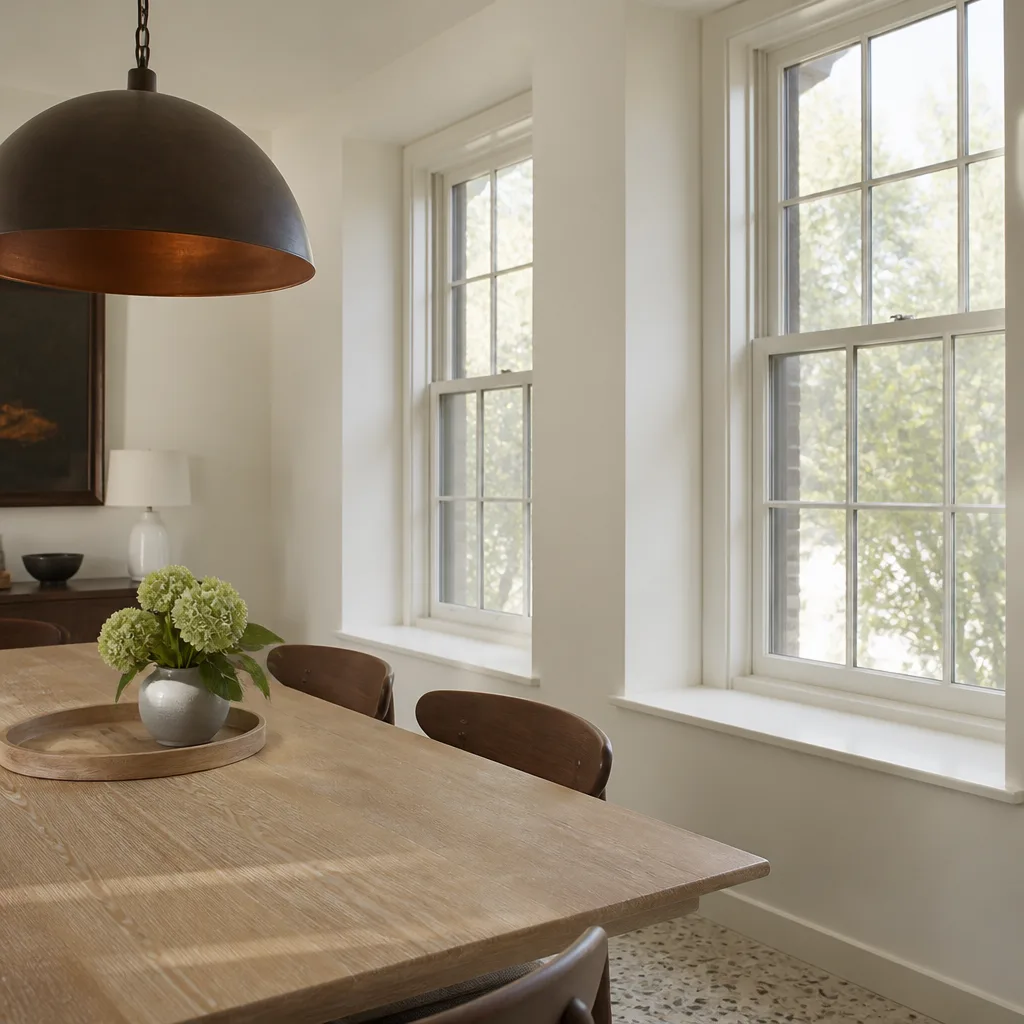
Most low-E explainers treat climate as uniform. It isn’t, and the wrong spec is genuinely worse than no upgrade at all. In a cold climate, low-E glass is tuned to retain interior heat during winter. In Miami-Dade, the engineering goal is the opposite: block solar heat gain from entering, because our cooling season runs essentially the entire year. A window spec’d for northern winters can let more heat in than a correctly specified unit designed for our climate.
SHGC vs. U-Factor, in plain terms
Two numbers decide whether a low-E window performs in Westchester: Solar Heat Gain Coefficient (SHGC) and U-factor. They target different problems, and Florida Energy Code weights them very differently than northern code.
- SHGC measures how much solar heat passes through the glass. Lower is better in Miami-Dade. The code here prioritizes a low SHGC because solar gain is the dominant cooling load.
- U-factor measures how well the unit resists heat transfer through the assembly (conductive heat). Lower is better, but Florida code treats it as a secondary concern because we rarely need to trap heat indoors.
- The takeaway: a northern-tuned window with a great U-factor and a high SHGC is the wrong product for a west-facing Westchester bedroom. That mismatch is exactly the mistake we correct on every project.
Coating position matters more than most homeowners know
In a double-pane unit, low-E coating goes on either surface #2 (facing the air gap from the outer pane) or surface #3 (the inner pane). Position #2 blocks solar heat from entering. Position #3 retains interior heat. Because Miami-Dade homes almost never need heat retention, surface #2 is the standard orientation here. Same product family, different performance. If a supplier can’t tell you which surface the coating sits on, that’s a red flag.
Where Low-E Actually Delivers in a Westchester Home
Westchester’s housing stock is mostly 1960s to 1980s concrete-block ranch homes and Spanish/Mediterranean-style houses, with flat or low-slope roofs and mixed mid-rise condos. The CB-stucco walls carry decent thermal mass, so the wall envelope does its job. The weak point is the glass, and orientation matters.
South- and west-facing windows on these flat-roofed ranches are the primary solar gain entry point. West-facing glass in particular takes the full afternoon sun, and you feel it as a hot room from 2 to 6 PM through August. Low-E on those orientations delivers the most measurable impact on your electric bill. East glass matters too but less. North glass is the lowest priority. That orientation map is the same one our field crews use when we walk a home, and it’s why we don’t quote a one-size-fits-all “replace every window” package.
One more local detail: Westchester is an unincorporated pocket of Miami-Dade, so there’s no city hall to sign off on a window job. Everything routes through Miami-Dade County e-permitting, and inspectors there work from product approval documentation, which brings us to the next point.
HVHZ Rules: Why Window Film Doesn’t Count
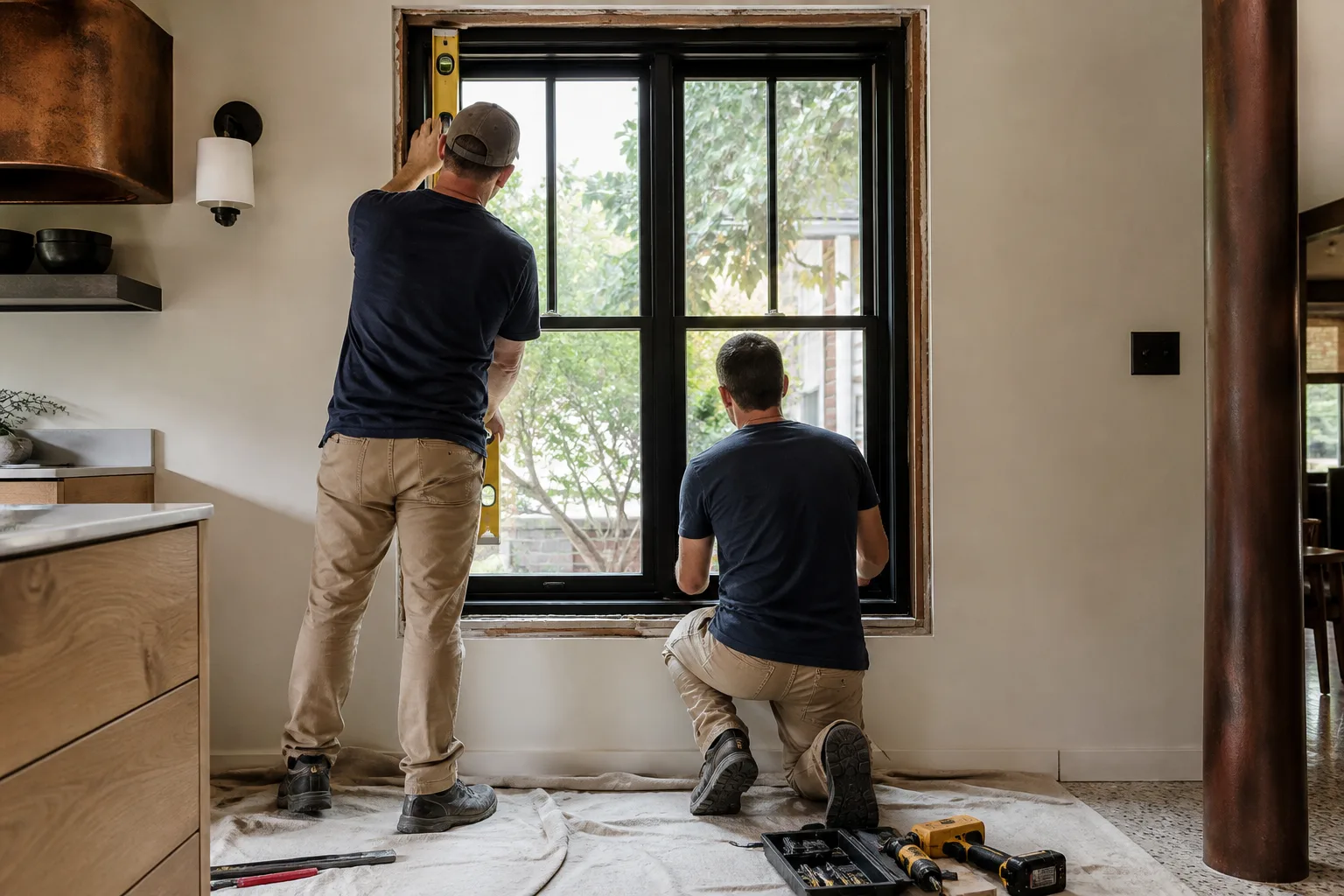
Westchester sits inside Miami-Dade’s High-Velocity Hurricane Zone. That means any new or replacement window assembly must carry a Notice of Acceptance (NOA) product approval for the HVHZ, covering impact rating, structural attachment, and the glazing spec that was tested. The low-E coating has to be part of that approved assembly.
Aftermarket window films are the common DIY mistake here. A film may cut visible light and some heat, but it does not satisfy Miami-Dade’s product approval requirements and it doesn’t make a window HVHZ-compliant. We’ve seen homeowners spend several hundred dollars on film to solve a heat problem, only to find it does nothing for code, doesn’t help the resale record, and sometimes voids a manufacturer’s warranty. When you’re evaluating a proper replacement instead, our Windows & Doors page lays out the product families and spec sheets we work from.
Cost expectations for full impact window replacement in Westchester run $8,000 to $25,000 depending on count and configuration; standard window replacement runs $4,500 to $15,000. Those ranges hold up because the assembly, not just the glass, has to pass inspection.
How We Specify the Right Glass for Your Home
Every manufacturer we work with publishes SHGC and U-factor values right on the product data sheet. Andersen and Marvin both do, and we pull those numbers into the permit package and the energy compliance report so inspectors see exactly what’s installed. We don’t want a Westchester homeowner guessing at a spec sheet; we want to hand you the sheet with the values circled.
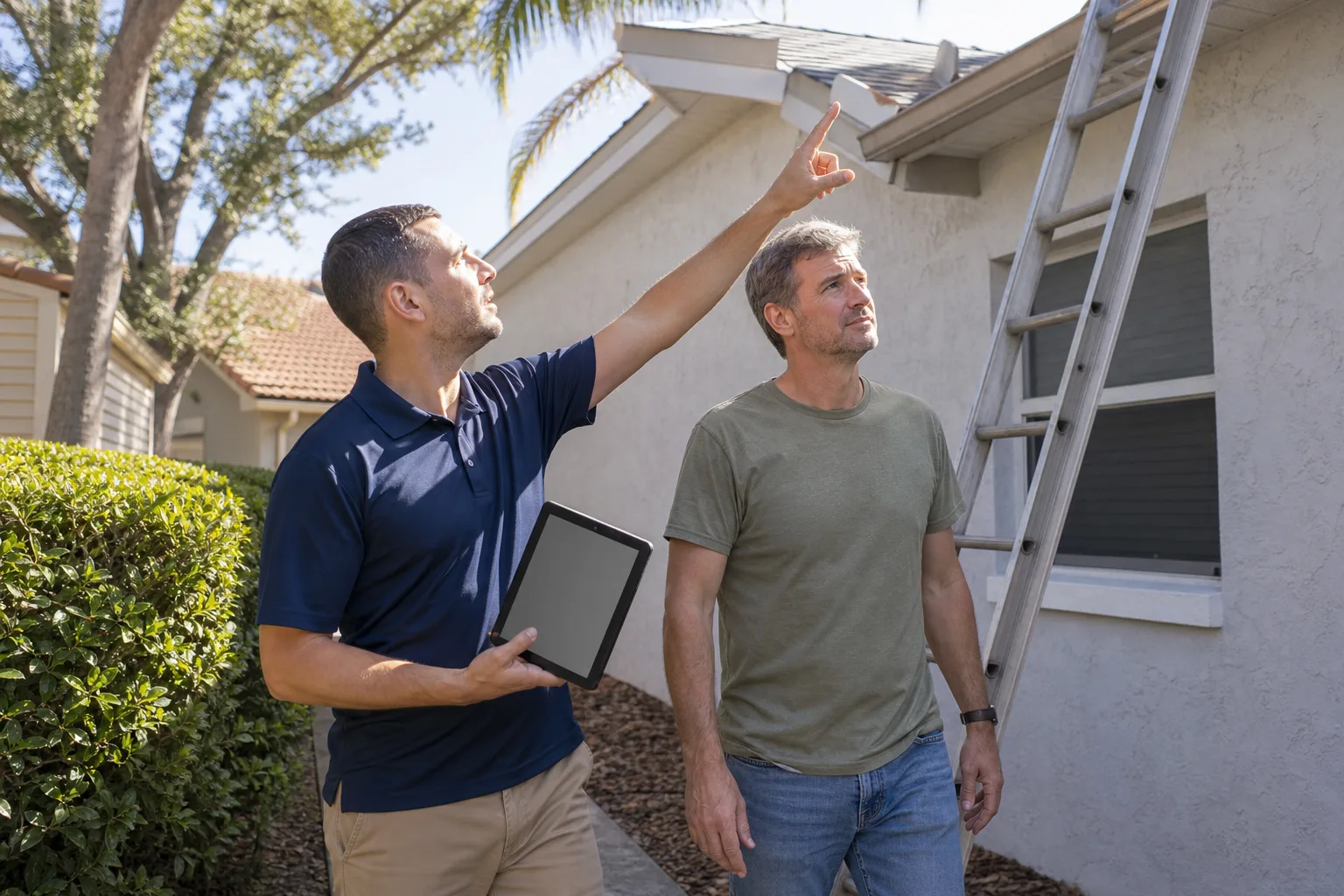
Our technicians have up to 12 years of experience reading these assemblies. Our process looks like this:
- Walk the home and map orientation, window count, and existing assembly type.
- Pull the right SHGC/U-factor combination for each orientation, not one spec for the whole house.
- Confirm the assembly carries an NOA approval for HVHZ.
- Submit through Miami-Dade County e-permitting and hold the job to inspection.
- Install with impact-rated framing and correct structural attachment.
- Hand over the data sheets and warranty paperwork at final walkthrough.
Every project is covered by our 730-Day Done Right Promise, and we back it with upfront pricing so the number you see is the number you pay. If you’re pricing glass by brand, Owens Corning and IKO also publish comparable SHGC guidance for their roofing-adjacent products, and we cross-check those against window spec sheets when a homeowner is planning both a roof and windows in the same year.
Because we’re the construction partner for the whole Westchester service area, we can also step into the roofing, kitchen, and fence side of a project if that’s what comes next.
FAQs
Low-E glass is a window pane with a thin metallic oxide coating that reflects a targeted band of heat energy, keeping solar heat outside in a sunny climate. In Westchester, the coating should be spec’d to block heat from entering, not to retain interior warmth. Call (833) 630-4214 for a free estimate on the right spec for your home.
Yes, because south- and west-facing windows on Westchester’s 1970s concrete-block ranches are the primary solar gain path into the house. A correctly specified low-E unit cuts that heat load measurably. Impact window replacement in the area runs $8,000 to $25,000, so the payback calculation belongs in the conversation. Call (833) 630-4214 for an exact quote, and estimates are free.
No. A window film may reduce heat and light but it is not part of an NOA-approved HVHZ product assembly, so it doesn’t satisfy Miami-Dade’s product approval requirements. Replacement with a properly specified and approved window is the compliant route. Call (833) 630-4214 if you’re weighing film versus replacement.
Yes. We walk the home, map orientation, and read SHGC and U-factor off the manufacturer’s data sheet, then quote the assembly with the NOA documentation you’ll need for inspection. We answer the phone with a live person, 24/7. Call (833) 630-4214 to schedule a no-pressure assessment.
Get the Spec Right the First Time
If you’d rather have it looked at, Groundwork Construction Co. of Westchester offers a no-pressure assessment in Westchester. We’ll walk your windows, read the numbers off the data sheet, and tell you plainly what the right low-E spec is for your home. Call (833) 630-4214 for a free estimate.
Written by the team at Groundwork Construction Co. of Westchester, serving Westchester, FL.