Free written scope consultation - allowances, timeline, and change-order rules on paper before a single trade is scheduled
Styles & brands we work with
- Kitchen remodeling
- Bathroom remodeling
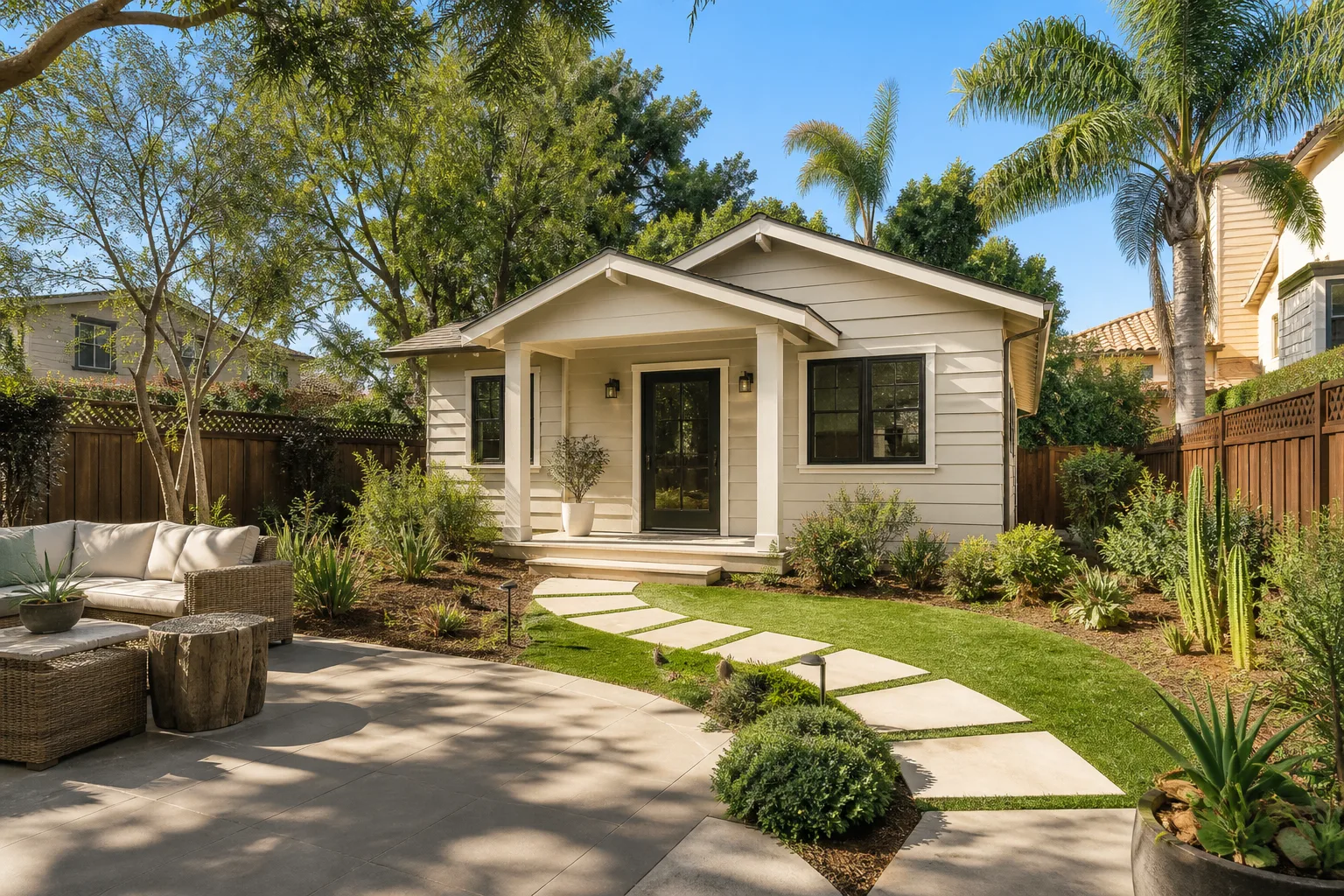
- Home additions & ADU
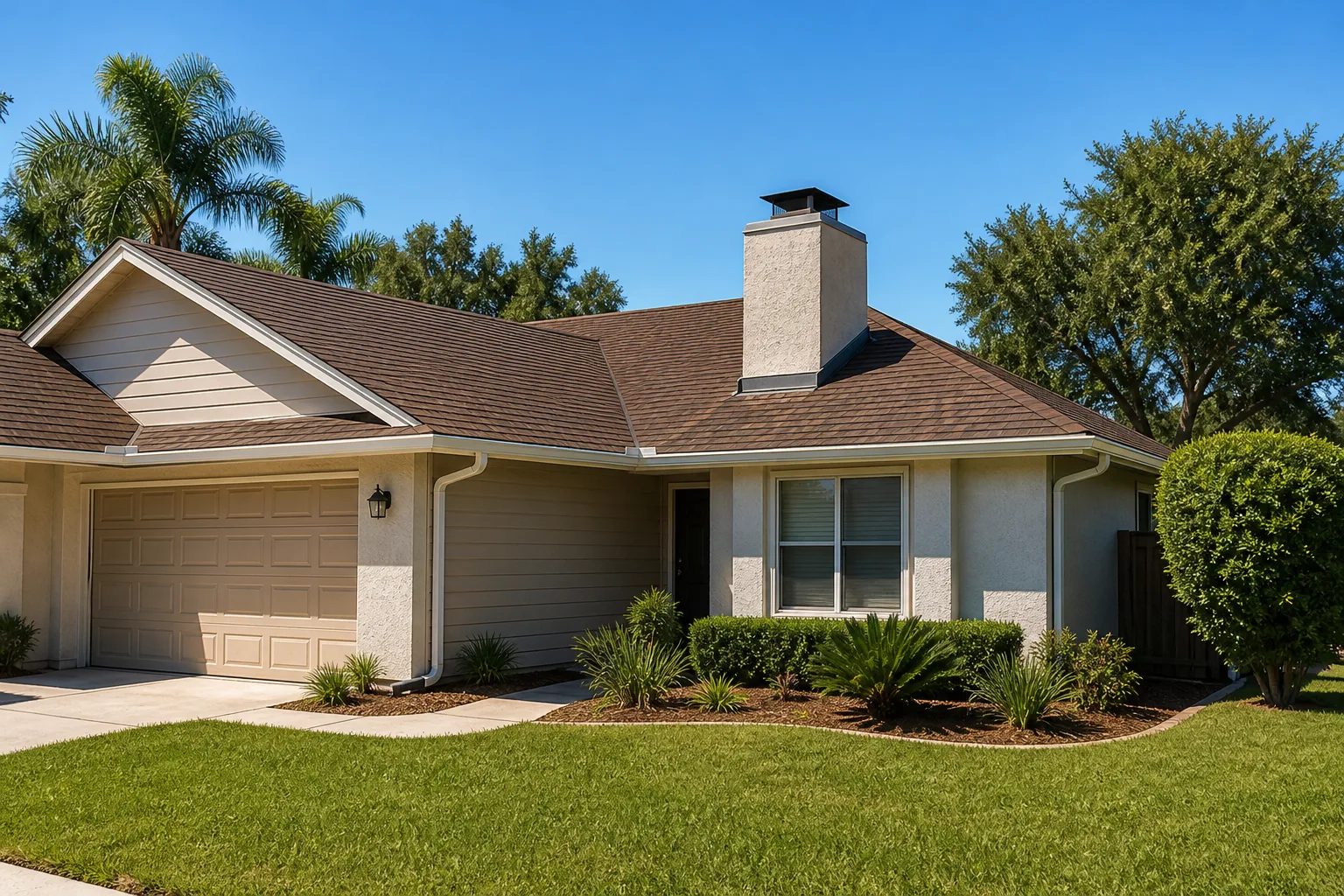
- Roofing
- Windows & doors
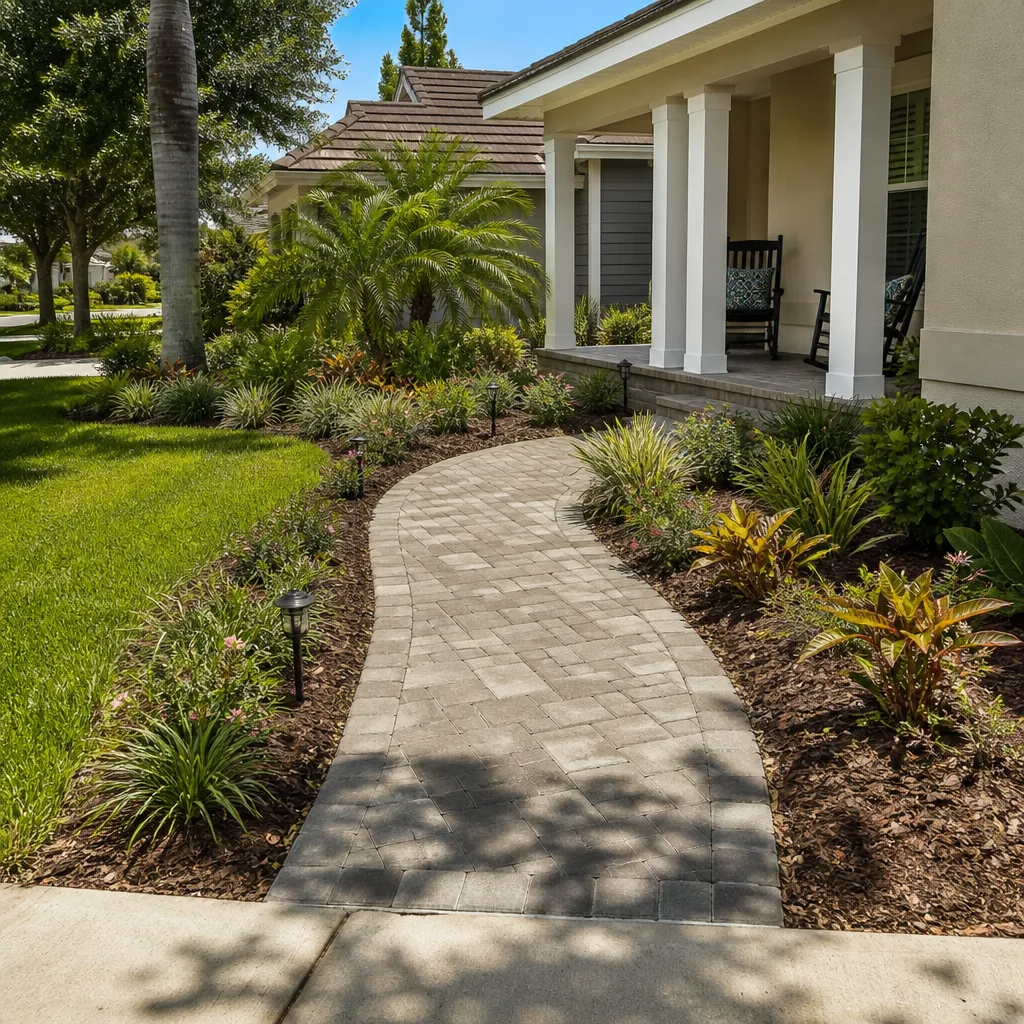
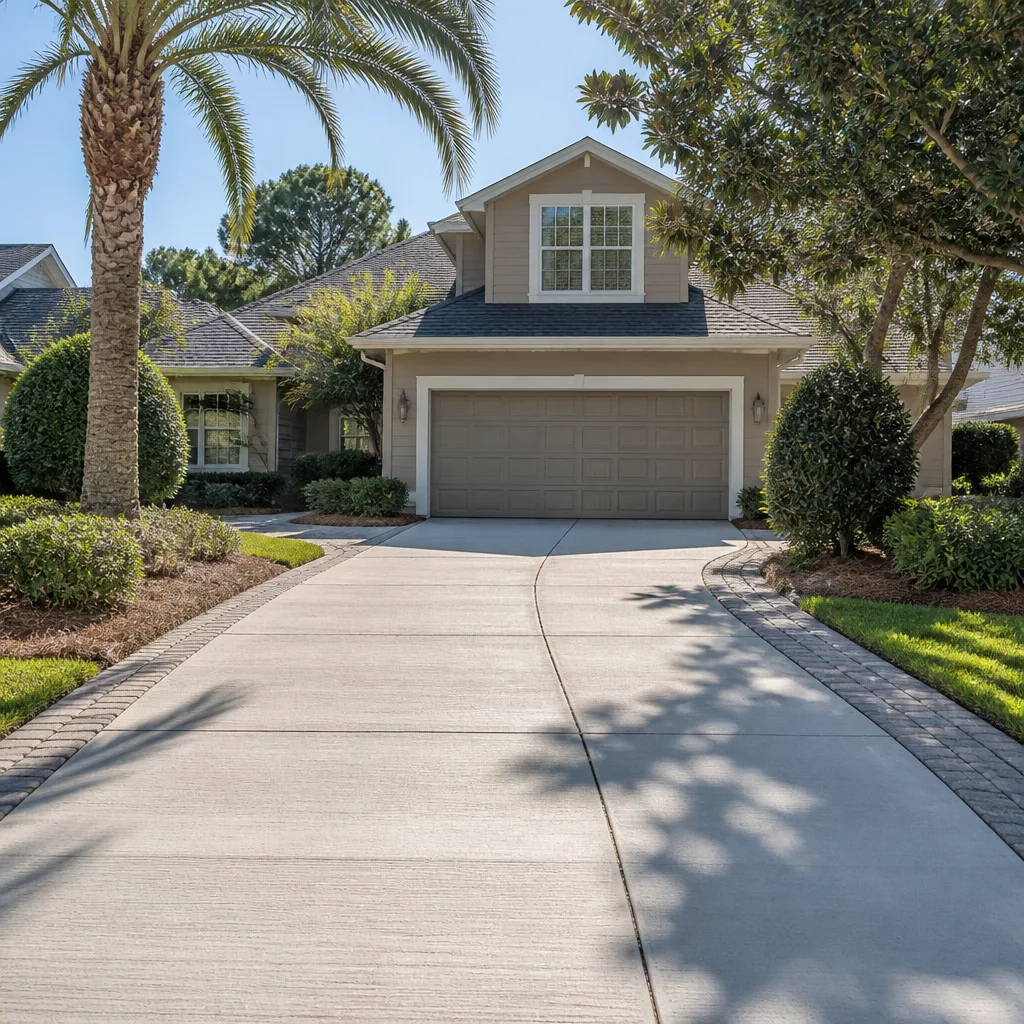
- Driveway & pavers
- Fence
See the difference
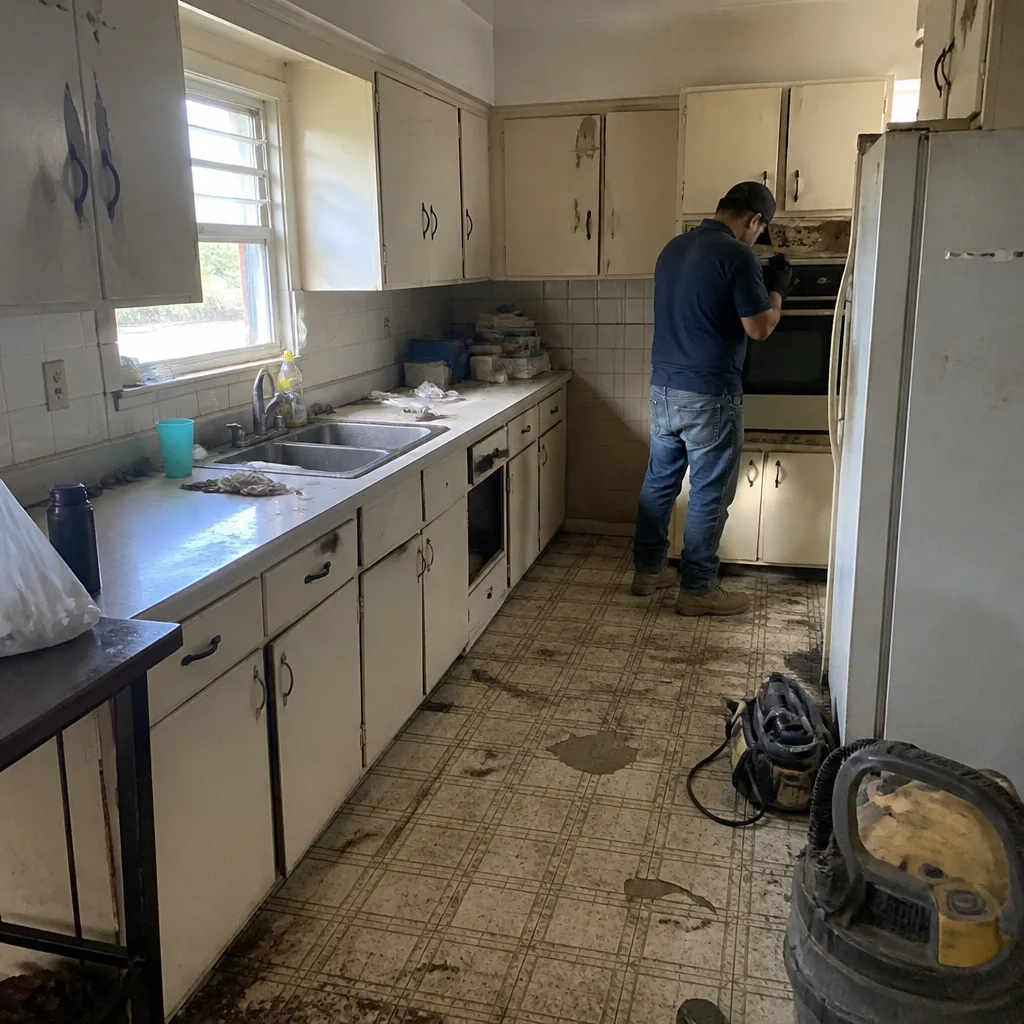 Before
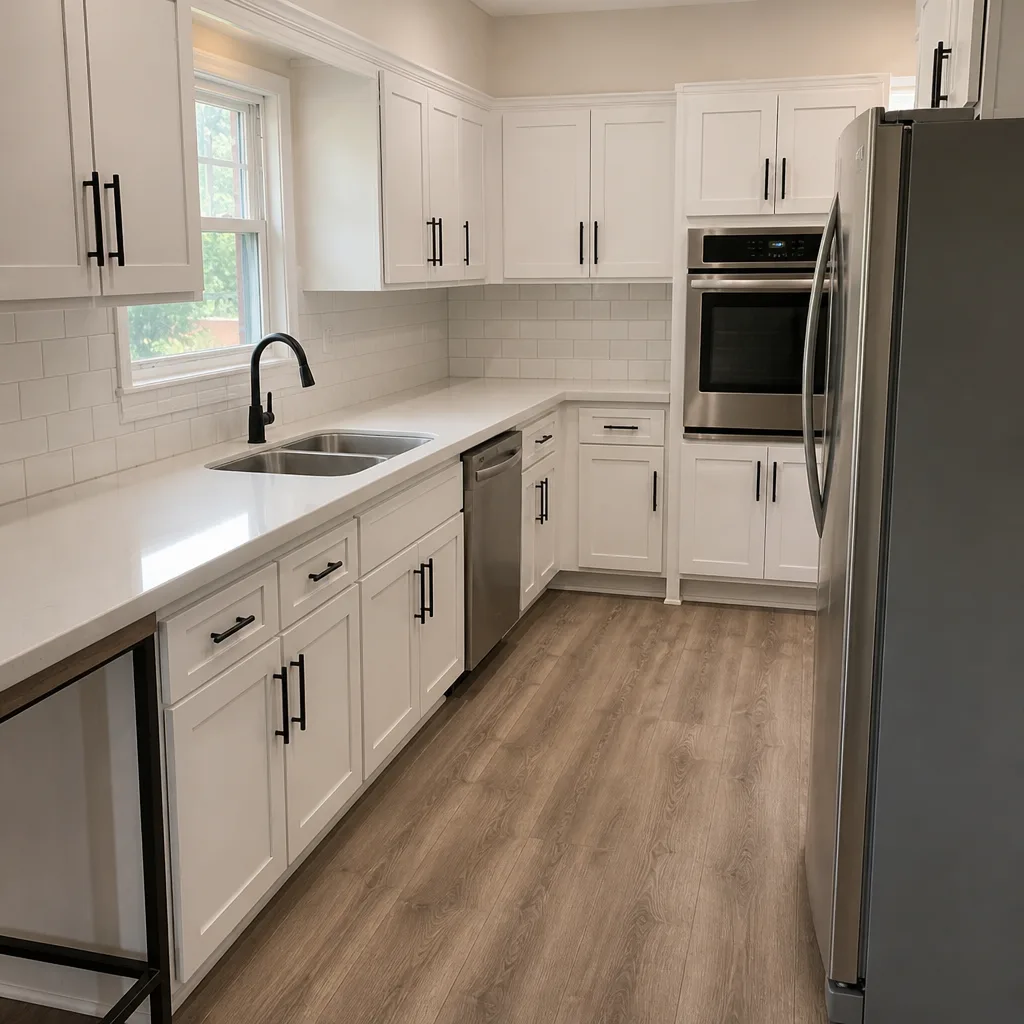 After
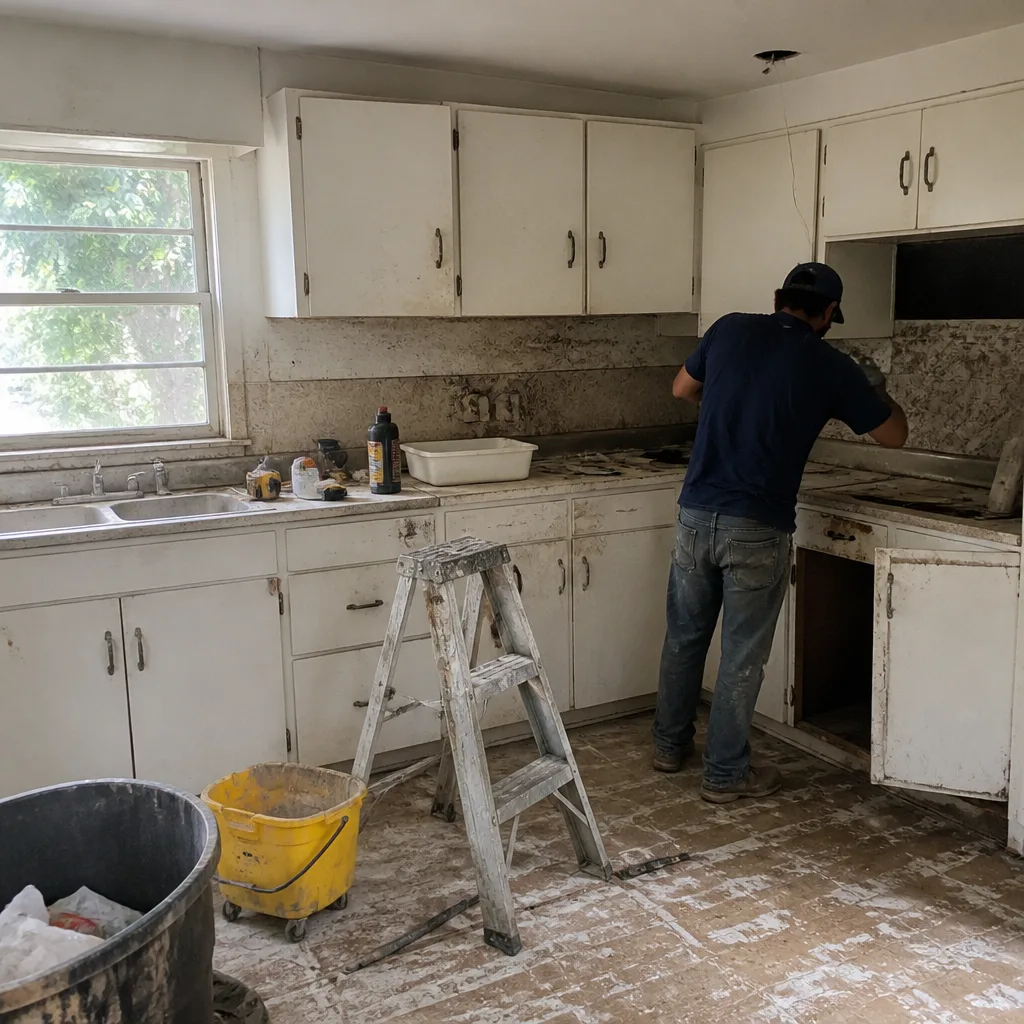 Before
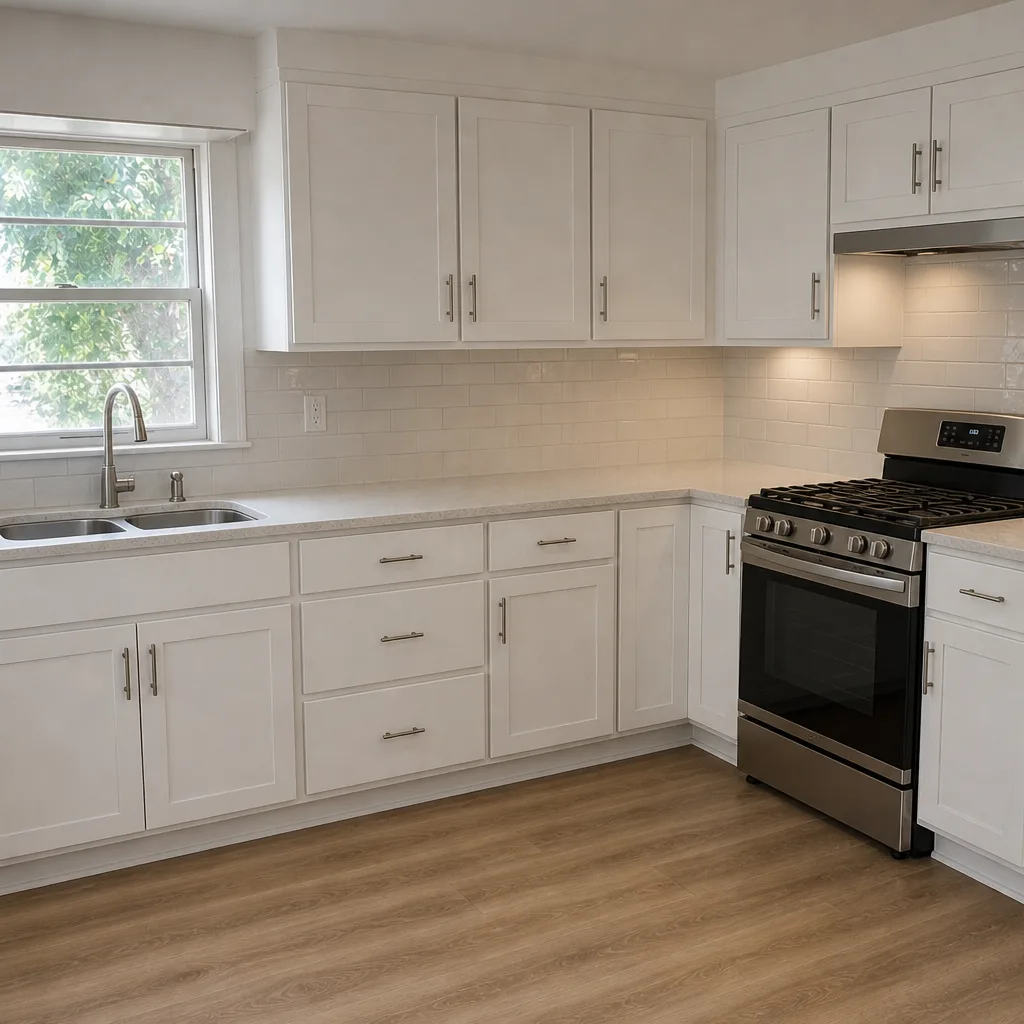 After
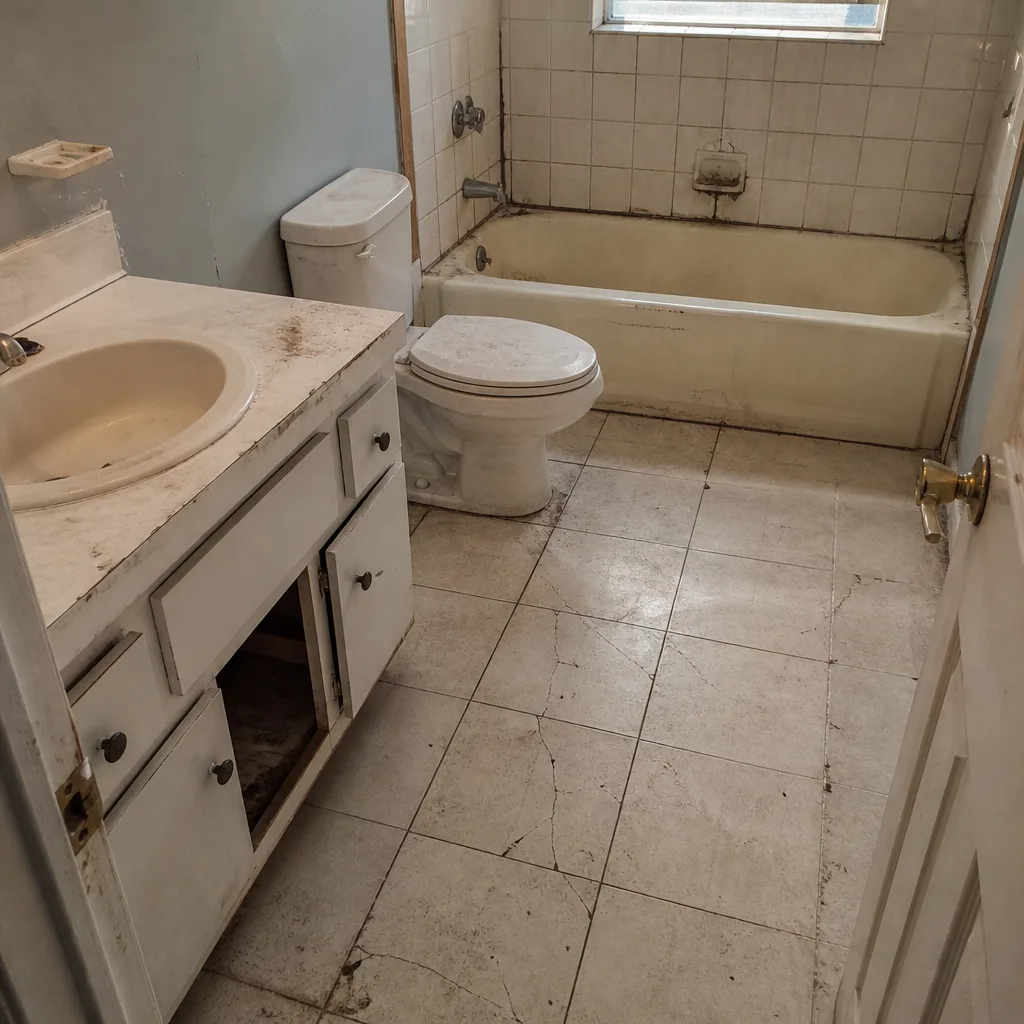 Before
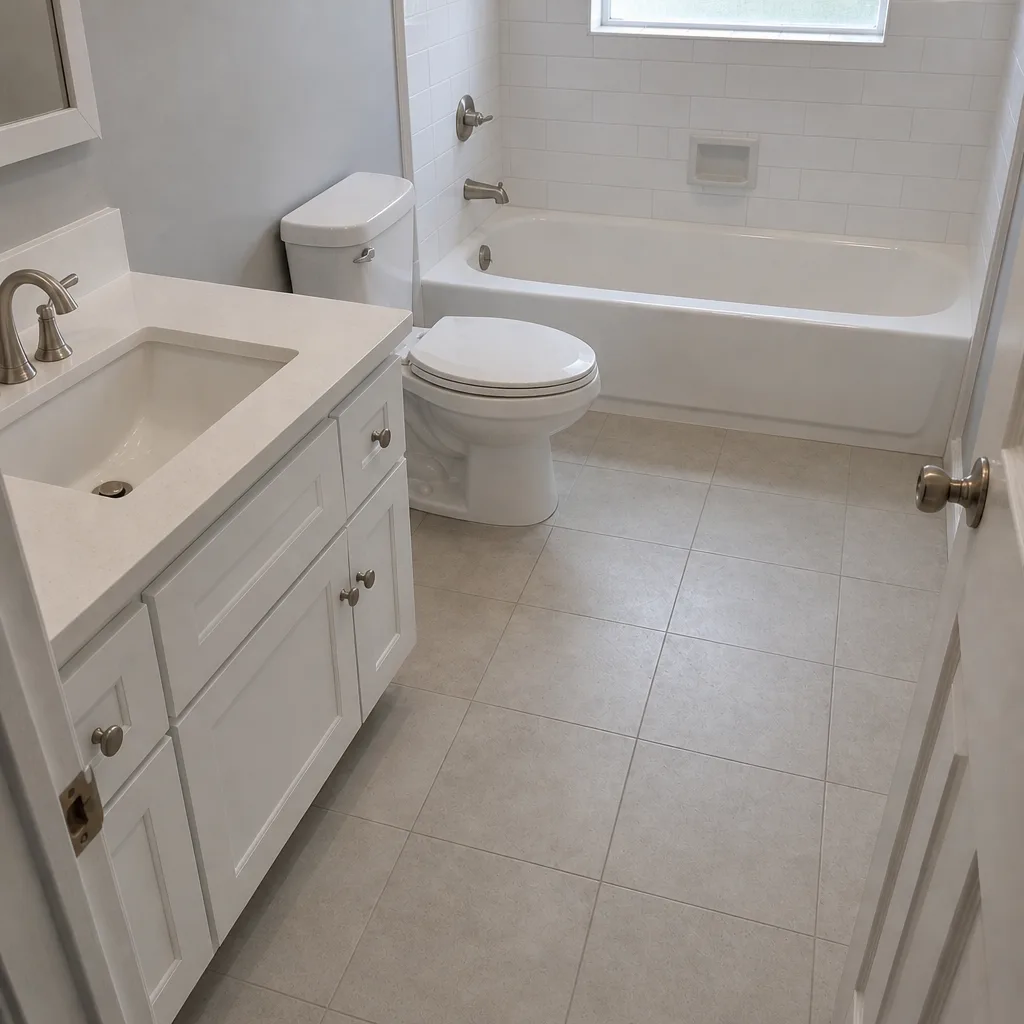 After
How Long Does a Paver Driveway Last in Westchester, FL? 30+ Years or Under 10, and the Sub-Base Decides
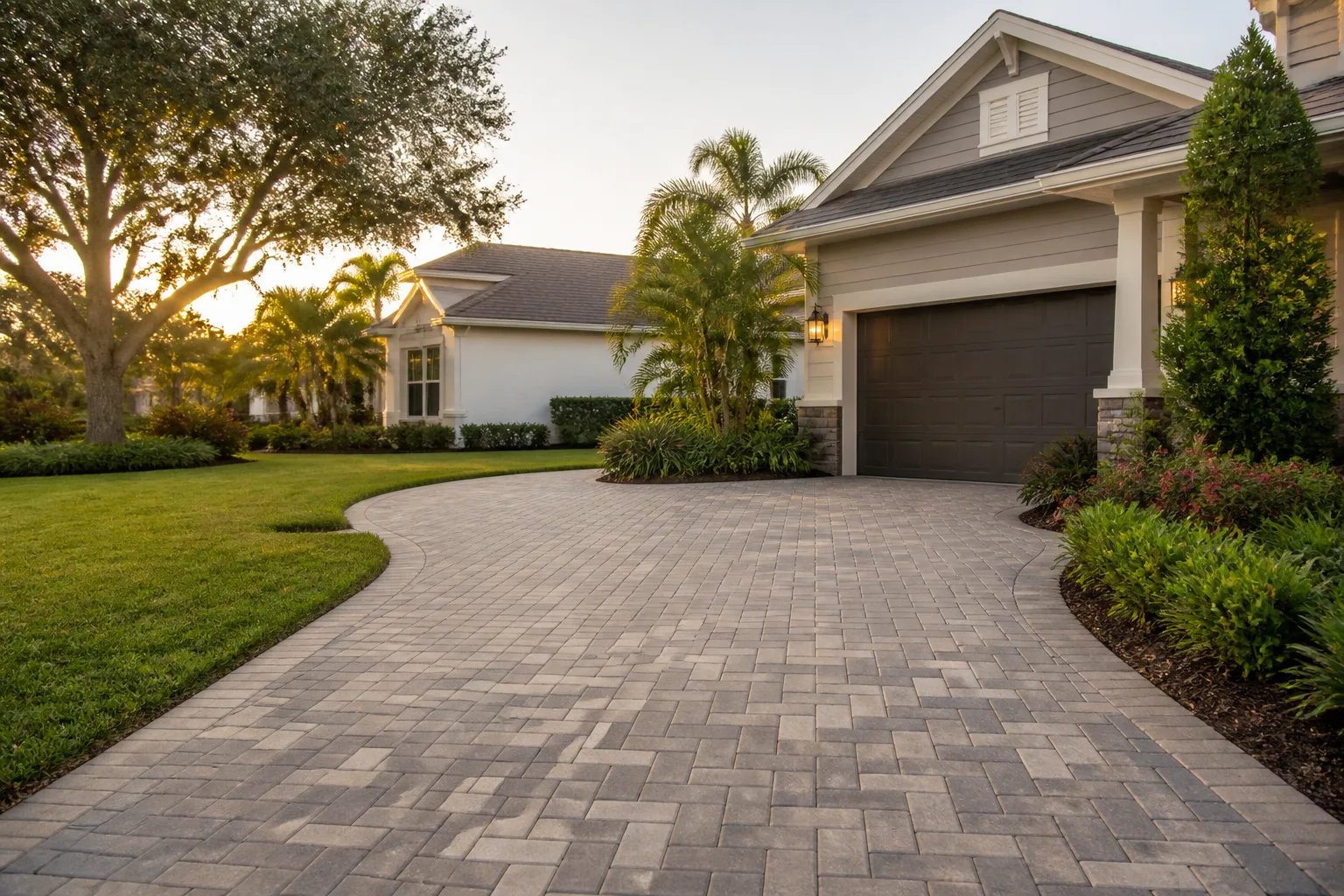
A paver driveway in Westchester, FL can last 30 or more years, but plenty of them fail in under 10, and the paver brand is almost never the reason. The difference is whether the contractor engineered the sub-base for South Florida’s sandy soils, high water table, and tropical rain intensity before a single paver went down. The standard “25 to 50 years” number you see quoted online comes from northern climate data, and it doesn’t translate cleanly here. If your driveway is already heaving, rocking, or washing out at the edges, call (833) 630-4214 and we’ll tell you what’s actually going on.
Key Takeaways
- Structural lifespan depends on base compaction and drainage, not on which paver you pick.
- Salt air near the coast erodes joint sand faster than inland markets, so joint maintenance matters more in Westchester.
- South Florida’s UV index fades concrete pavers noticeably faster than northern states, so UV-stable pigments are worth paying for.
- A written workmanship guarantee of two years or more is a fair benchmark for how much confidence a contractor has in their own base work.
Why Paver Lifespan Is a Sub-Base Question in Westchester
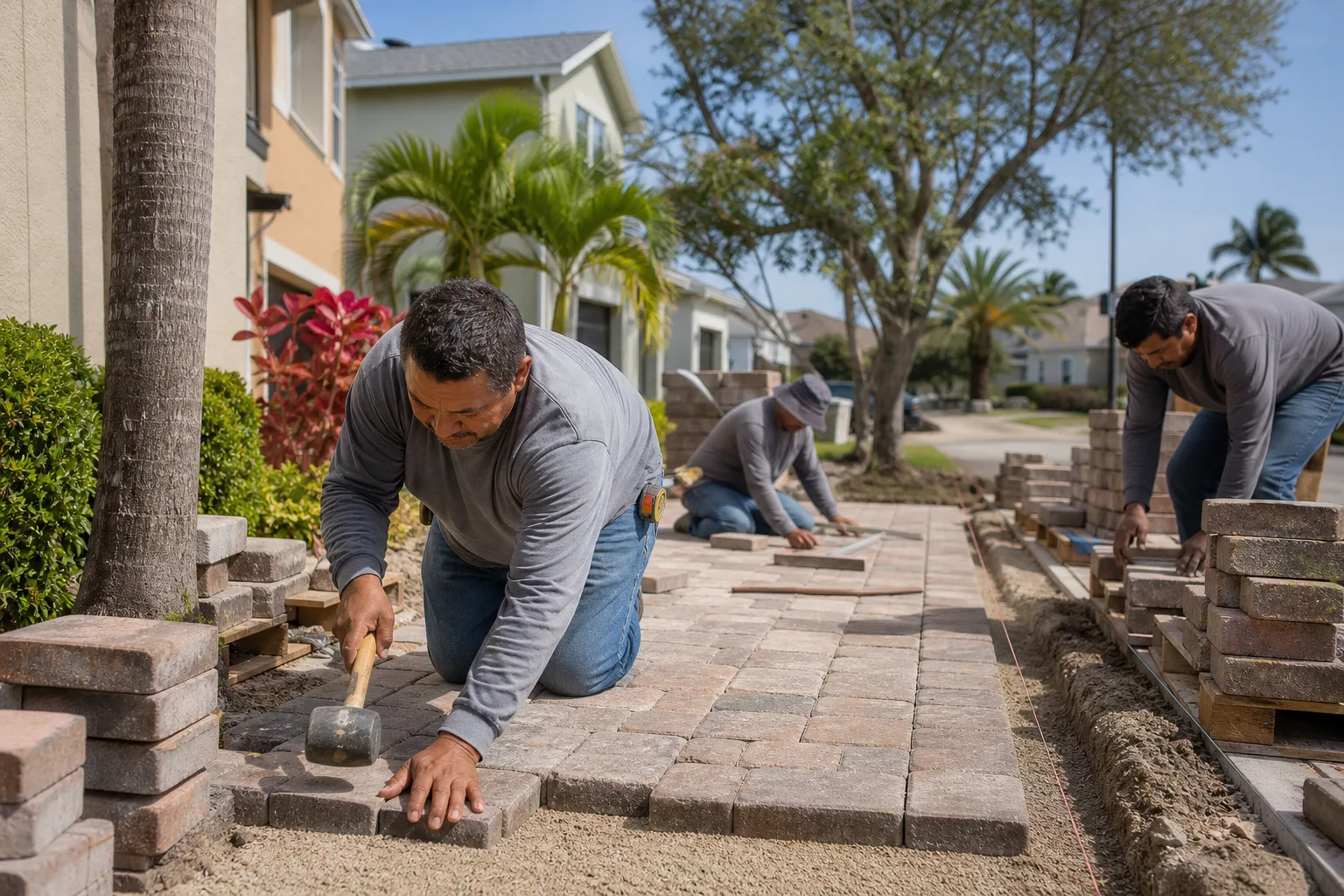
We’ve torn out driveways that were eight years old and looked like a 25-year-old install gone wrong. Underneath, the story was the same: a base that was too thin, never compacted in lifts, or laid over bare Miami-Dade sand with no separation fabric. Pavers are a wearing surface. The base is the structure. Get the base wrong and no paver on the market saves you.
Westchester sits on sandy, high-water-table sub-soil, and that changes the failure modes. Three show up again and again:
- Sandy soil migration. Fine sand works its way up into a compacted limerock or crushed-stone base when the two aren’t separated properly. Once the base loses its graded structure, pavers start to settle unevenly and you get dips that hold water.
- Hydrostatic lift during heavy rain. Tropical downpours saturate the ground fast. If water can’t drain out from under the driveway, pressure builds and lifts sections, especially where the base wasn’t graded to shed water. This is the same wind-driven-rain and drainage reality that shapes every roof and addition in Miami-Dade’s hurricane zone, just happening under the slab instead of over it.
- Edge creep from thermal expansion. South Florida heat cycles pavers constantly. Without a proper edge restraint set in concrete, the field spreads outward over a few seasons and joints open up.
Each of these shortens lifespan dramatically when it’s not addressed at installation. Addressed properly, they’re non-issues for decades.
The Failure Mode Nobody Talks About: Transition Zones Next to Old Concrete
Westchester’s 1960s-through-80s concrete-block ranch homes often still have the original driveway, and it was frequently poured over a sub-base that wouldn’t pass today’s standards. When pavers go in beside or over that old concrete, the seam between the two is a known failure point. One side moves differently than the other, and within a couple of seasons you get a cracked edge course and joint sand washing out at the transition.
We spec around it rather than hoping. That means cutting back the old concrete to sound material, tying the new base into a properly compacted, separated section, and detailing the edge restraint so the two surfaces can move independently without tearing apart. It’s unglamorous work you’ll never see, and it’s exactly what separates a driveway that lasts 30 years from one that’s patched twice by year eight. If you’re comparing bids on Driveway & Pavers, ask each contractor how they handle the transition to existing concrete. The answer tells you a lot.
Joint Sand, Salt Air, and What Maintenance Really Looks Like Here
Westchester’s proximity to the coast means salt air and humidity attack joint sand faster than they do in inland markets. Sand erodes, joints open, and once water gets in freely, the base starts taking the hit. You’ll also see efflorescence, that white chalky film, appear more readily in salt-air conditions.
Here’s the realistic schedule we give homeowners:
- Top off or replace joint sand every 2 to 3 years in exposed driveways near the coast.
- Use polymeric sand where longevity is the priority. It sets firmer, resists washout and erosion better than standard sand, and holds up to tropical rain intensity far longer.
- Re-seal on a 3-to-5-year cadence to slow surface wear and make routine cleaning easier. Sealing in Westchester runs $250-$700 depending on square footage and product.
Polymeric sand costs more up front. Over 20 years, the reduced re-sanding and fewer washout repairs usually make it the cheaper choice in this climate.
Structural Lifespan vs. Aesthetic Lifespan: Why UV Matters More Here
A concrete paver can stay structurally sound for 30 years and still look tired at year 12 because South Florida’s UV index fades pigment far faster than northern states do. That’s the distinction most lifespan articles skip. Structural life is set by the base. Aesthetic life is set by the paver itself, and specifically by whether the pigment is UV-stable.
This is where paver brand genuinely earns its keep. Premium lines with UV-stable pigments hold color far longer under relentless sun. When we build a driveway, we steer homeowners toward quality manufacturers, the same way we specify trusted names like Cambria and Silestone for kitchen countertops instead of whatever’s on the shelf. Material quality matters across every trade, and driveways are no exception.
What a Paver Driveway Costs in Westchester
For budgeting: paver driveway installation in Westchester runs $7,000-$18,000, and where your project lands in that range depends more on base depth, drainage, and square footage than on the pavers themselves. Sealing is $250-$700. Full replacement runs $5,000-$14,000. Upfront pricing means the number you see is the number you pay, with no surprises once the crew is on site. You can see the full breakdown on our Driveway & Pavers in Westchester page.
Judge Any Contractor by Their Warranty
Here’s a practical benchmark. A contractor confident in their sub-base work will back it in writing for years, not months. Groundwork Construction Co. of Westchester backs every driveway with our 730-Day Done Right Promise, one of the longest workmanship guarantees in residential construction. If settlement, edge failure, or joint washout shows up within two years of install, we correct it at no charge. When you’re comparing bids, ask what happens if the base fails. If the answer is vague, that tells you something. Our technicians have up to 12 years of experience, they’re background-checked and uniformed, and a live person answers the phone 24/7.
FAQs
A properly built paver driveway in Westchester typically lasts 30 or more years because the real variable is sub-base engineering, not the pavers. Installed over an inadequate base in sandy South Florida soil, the same pavers can fail in under 10. Call (833) 630-4214 and we’ll assess your existing driveway and give you a straight answer.
The three most common causes are sandy soil migrating into the base, hydrostatic lift during heavy rain when water can’t drain out, and edge creep from thermal expansion without a proper concrete-set restraint. All three are installation problems, which is why base prep matters more here than anywhere. Call us for a free estimate and we’ll walk you through what we’d do differently.
No. For most Westchester driveways, joint sand should be topped off or replaced every 2 to 3 years, and polymeric sand pushes that interval out further. Salt air and heavy rain erode joints faster near the coast. If water is pooling or the joints look open, call (833) 630-4214 before the base takes the damage.
It depends on whether the base has failed. If only the joint sand or a single edge course has gone bad, an isolated repair is far cheaper. If sections are lifting or settling, the base is the problem and patching the surface just buys a season. Call (833) 630-4214 for an assessment and an upfront number either way.
If you’d rather have it looked at, Groundwork Construction Co. of Westchester offers a no-pressure assessment in Westchester. We’ll tell you whether your driveway needs maintenance, a repair, or a rebuild, and quote it with upfront pricing so there are no surprises. Call (833) 630-4214 for a free estimate.
Written by the team at Groundwork Construction Co. of Westchester, serving Westchester, FL.