Free written scope consultation - allowances, timeline, and change-order rules on paper before a single trade is scheduled
Styles & brands we work with
- Kitchen remodeling
- Bathroom remodeling
- Home additions & ADU
- Roofing
- Windows & doors
- Driveway & pavers
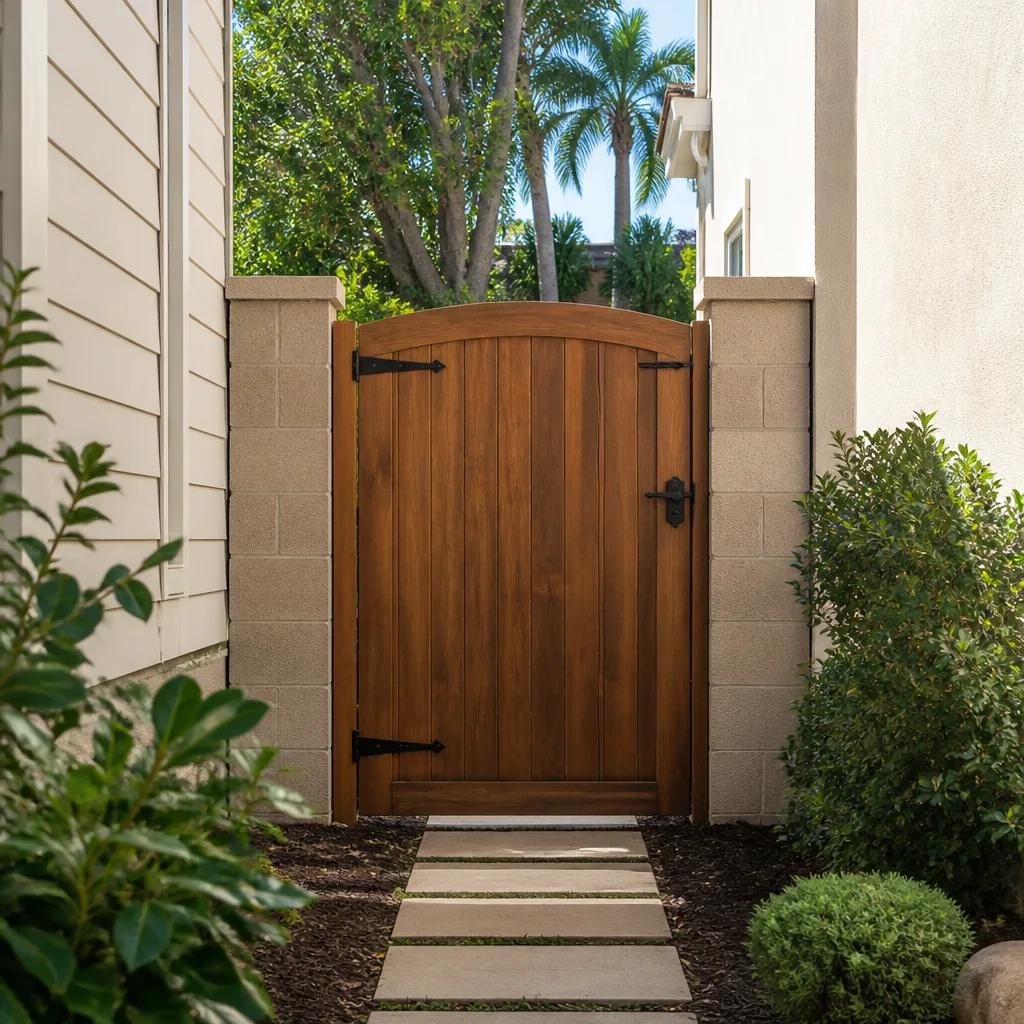
- Fence
See the difference
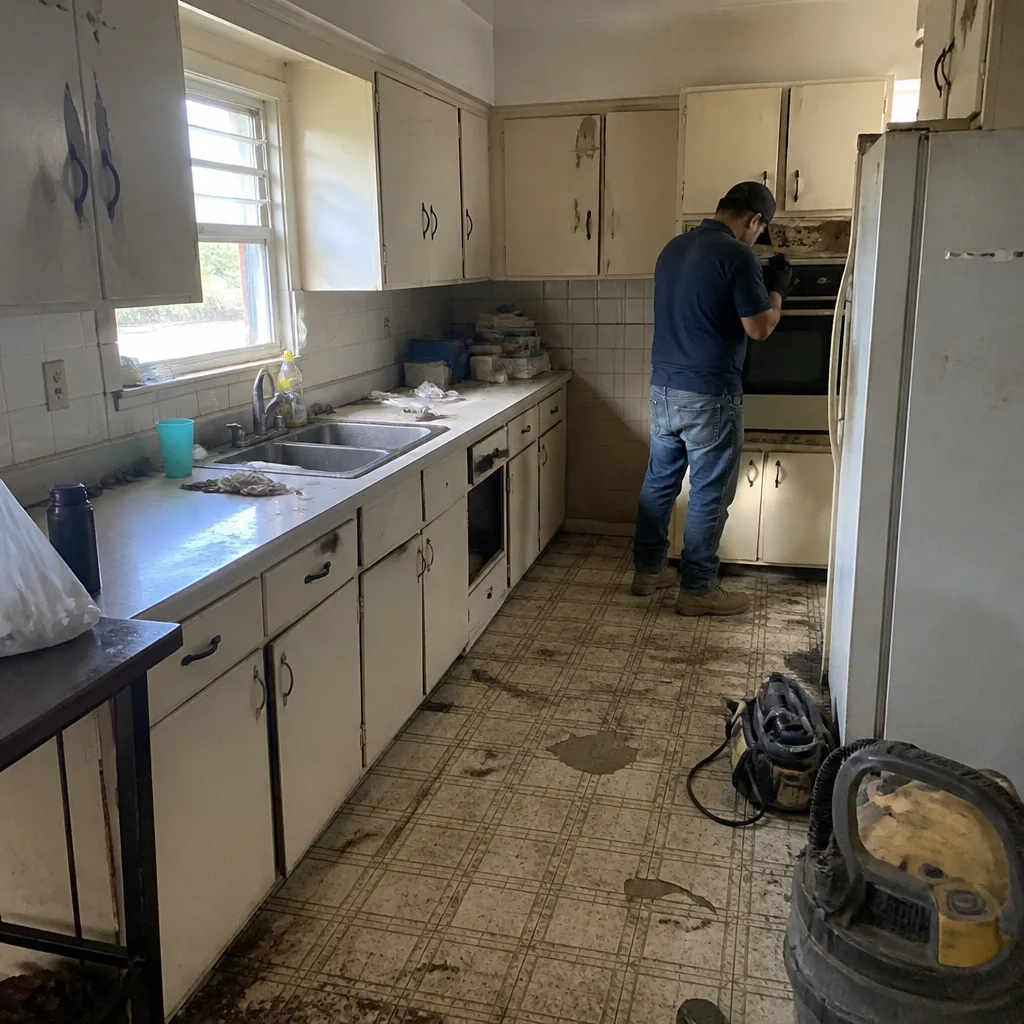 Before
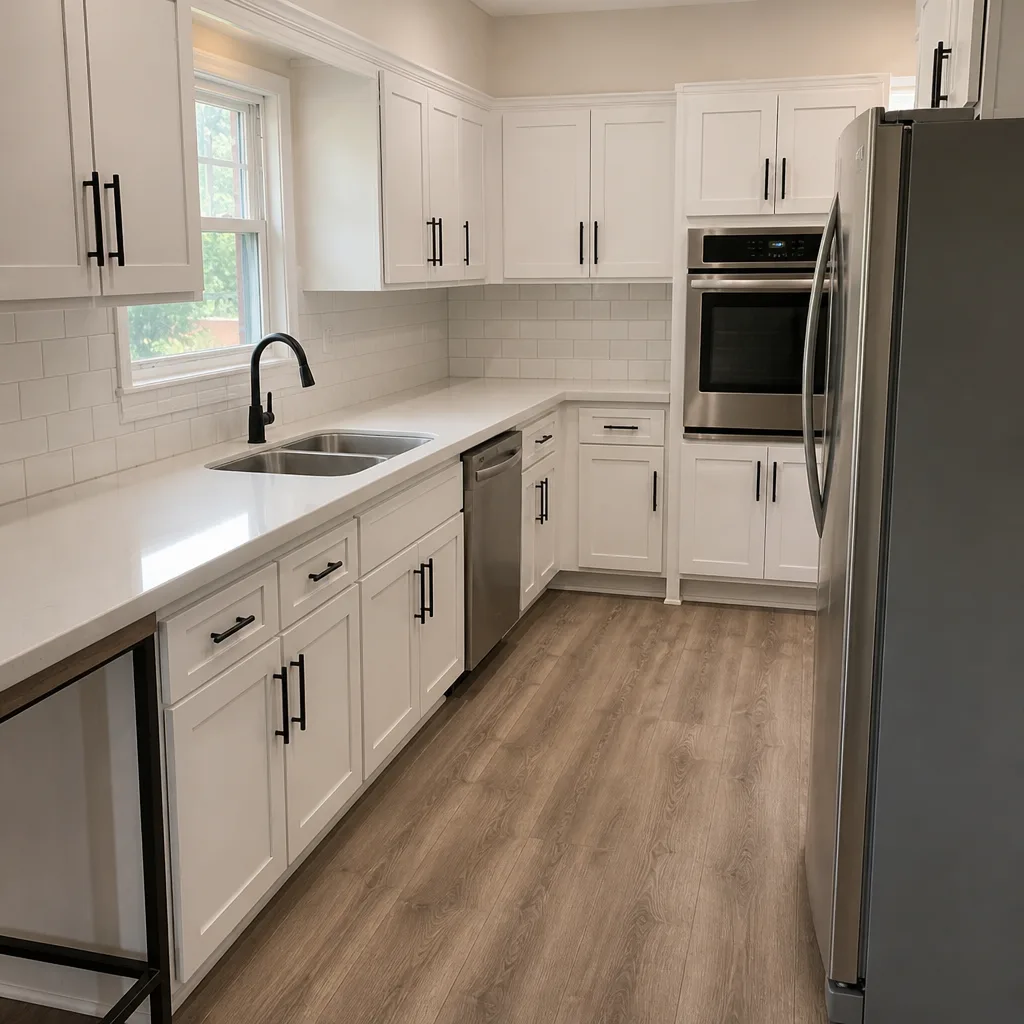 After
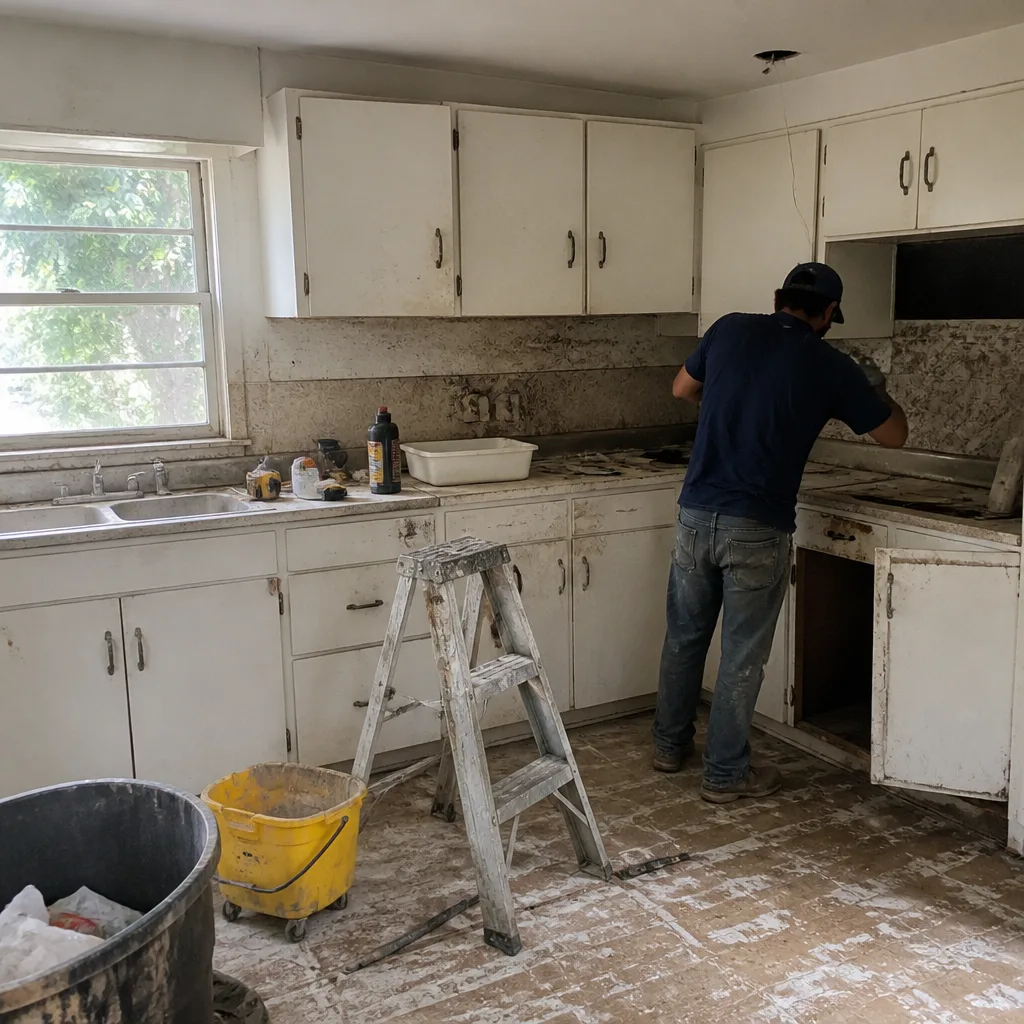 Before
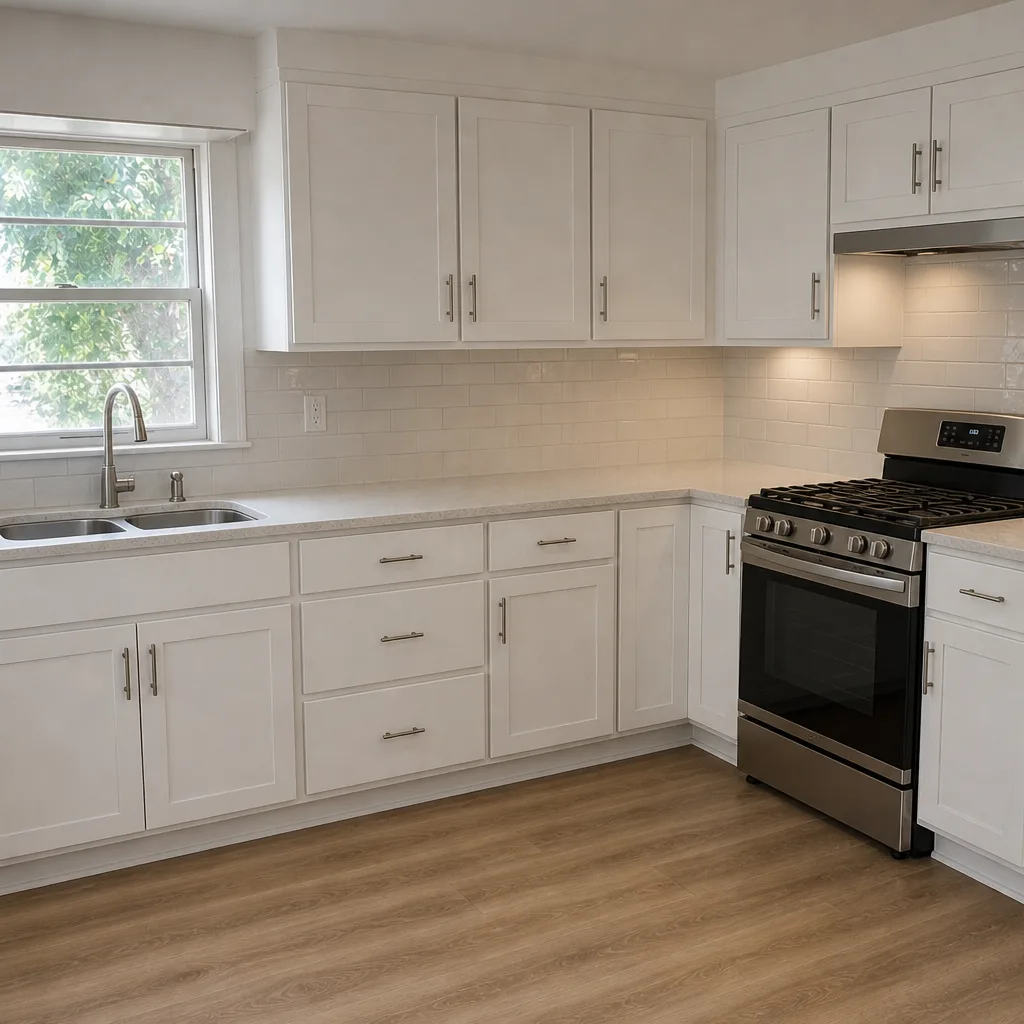 After
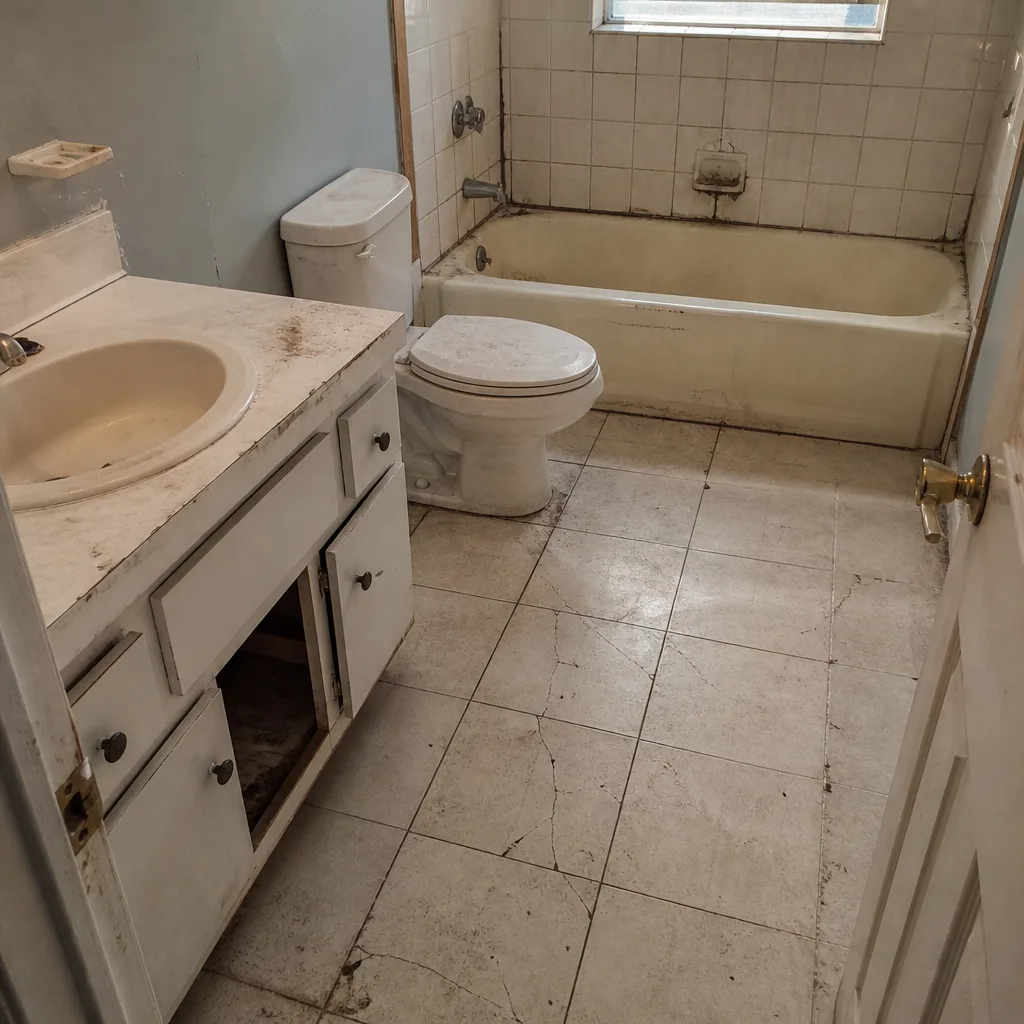 Before
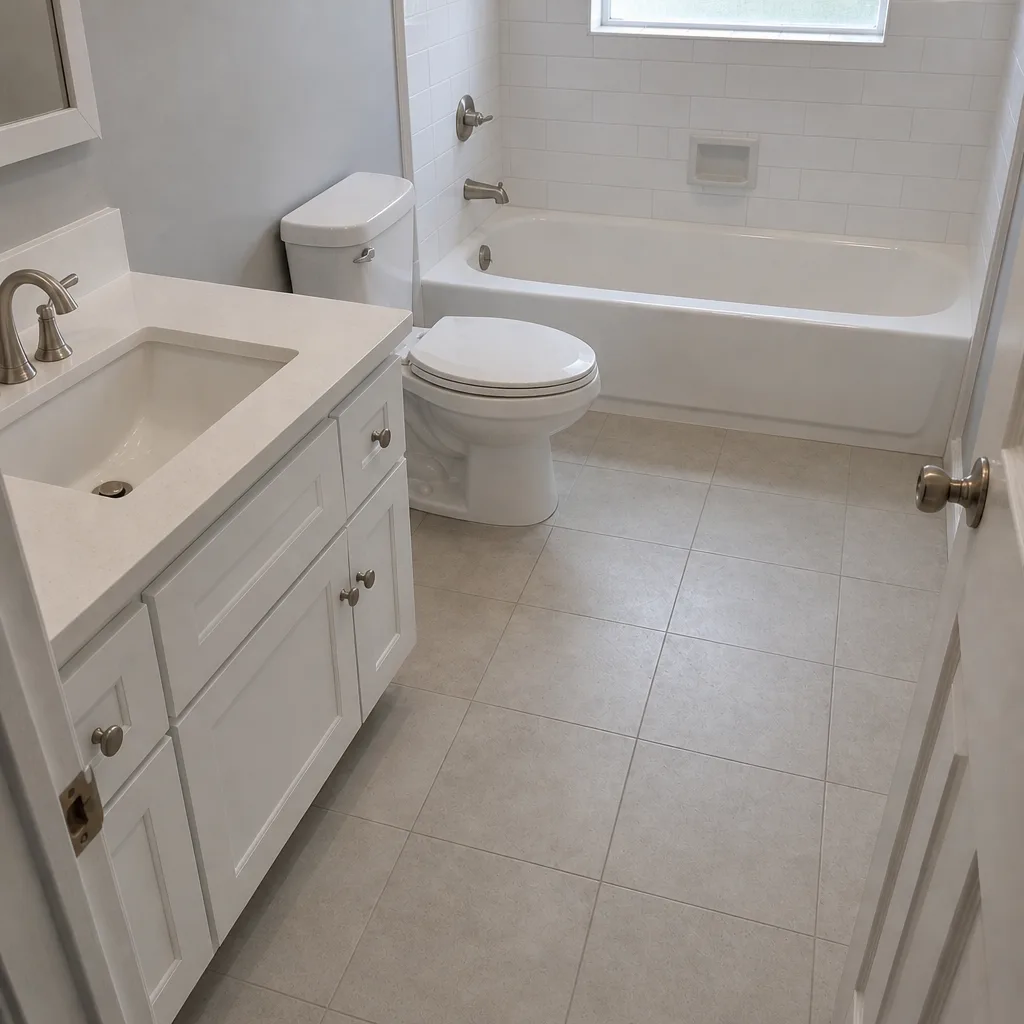 After
Stamped Concrete vs Pavers in Westchester, FL: Choose Pavers Unless You Want to Reseal Every Two to Three Years
For almost every driveway and patio in Westchester, pavers are the better long-term call. Stamped concrete looks convincing on day one, but in Miami-Dade’s UV index and twice-daily heat cycling, the color hardener and sealer break down fast, and a single thermal crack cuts right through the pattern with no invisible fix. The exception is a tight budget and a temporary timeline: stamped concrete runs cheaper up front. If you want the surface to still look like the sample in year five, we install pavers. Call (833) 630-4214 for a straight comparison on your specific lot.
Key Takeaways
- Stamped concrete in South Florida needs resealing roughly every 2 to 3 years to keep its color and pattern; skip it and the surface oxidizes to a faded gray.
- A monolithic slab cracks from heat expansion. That crack crosses the decorative stamping and can’t be repaired invisibly.
- Interlocking pavers flex at the joints, so movement doesn’t show as damage. There’s no sealer coat to delaminate in wind-driven rain.
- Paver driveways run $7,000-$18,000 in Westchester; concrete driveways run $4,500-$12,000. The gap is real, and the maintenance math closes it.
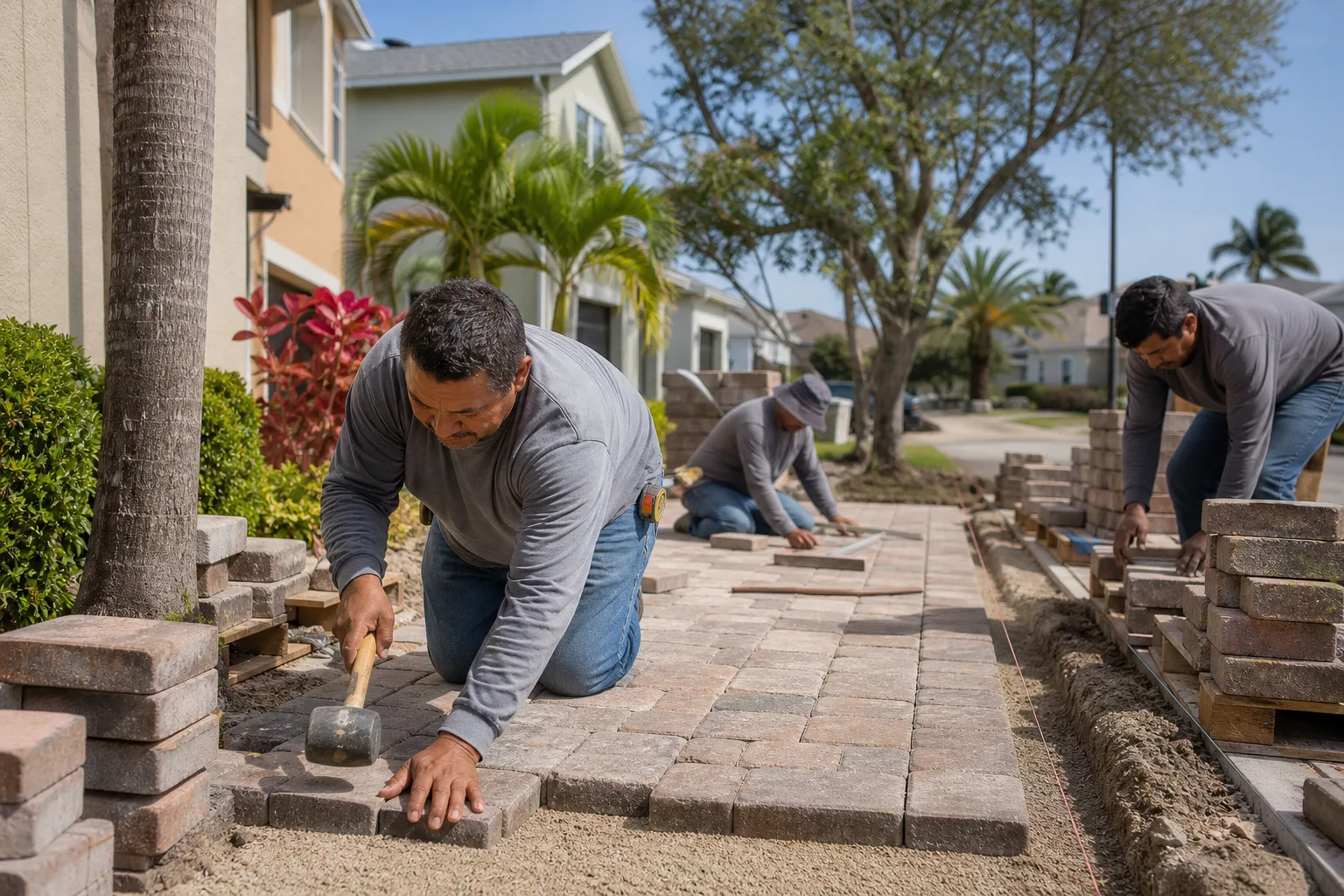
Why stamped concrete fades faster in Westchester than anywhere up north
Three years after installation, most stamped concrete driveways in South Florida look like a faded imitation of the showroom sample. The colorfast sealers that hold up in Atlanta or Phoenix don’t survive Miami-Dade’s UV index, and they don’t survive the twice-daily temperature swings that push and pull a slab from morning to afternoon.
UV degradation here runs roughly two to three times faster than in mid-Atlantic markets. That’s not a knock on any one installer. It’s the climate. Stamped concrete carries its color in a surface hardener and a sealer film, and both sit directly in the sun. The hardener tints the top layer, the sealer locks the color and protects the pattern. When the sealer wears, UV reaches the hardener, and the hardener oxidizes. The pattern doesn’t disappear overnight; it bleaches gradually until a stamped surface reads as plain, faded concrete with faint lines.
Keeping it colored means reapplying sealer every two to three years. That recurring cost almost never shows up in an installer’s quote, which is the part that frustrates homeowners most. You budgeted once and now you’re budgeting again, and again, for the life of the slab.
Cracks, storms, and why a slab behaves differently than pavers
Stamped concrete is a monolithic slab. One pour, one continuous surface. That’s its appeal and its weak point. When it cracks, and Miami heat expansion guarantees some cracking, the crack runs straight through the decorative pattern. You can fill it, but you can’t hide it. The repair never matches the surrounding stamping, so the flaw stays visible on a surface you paid a premium to make look good.
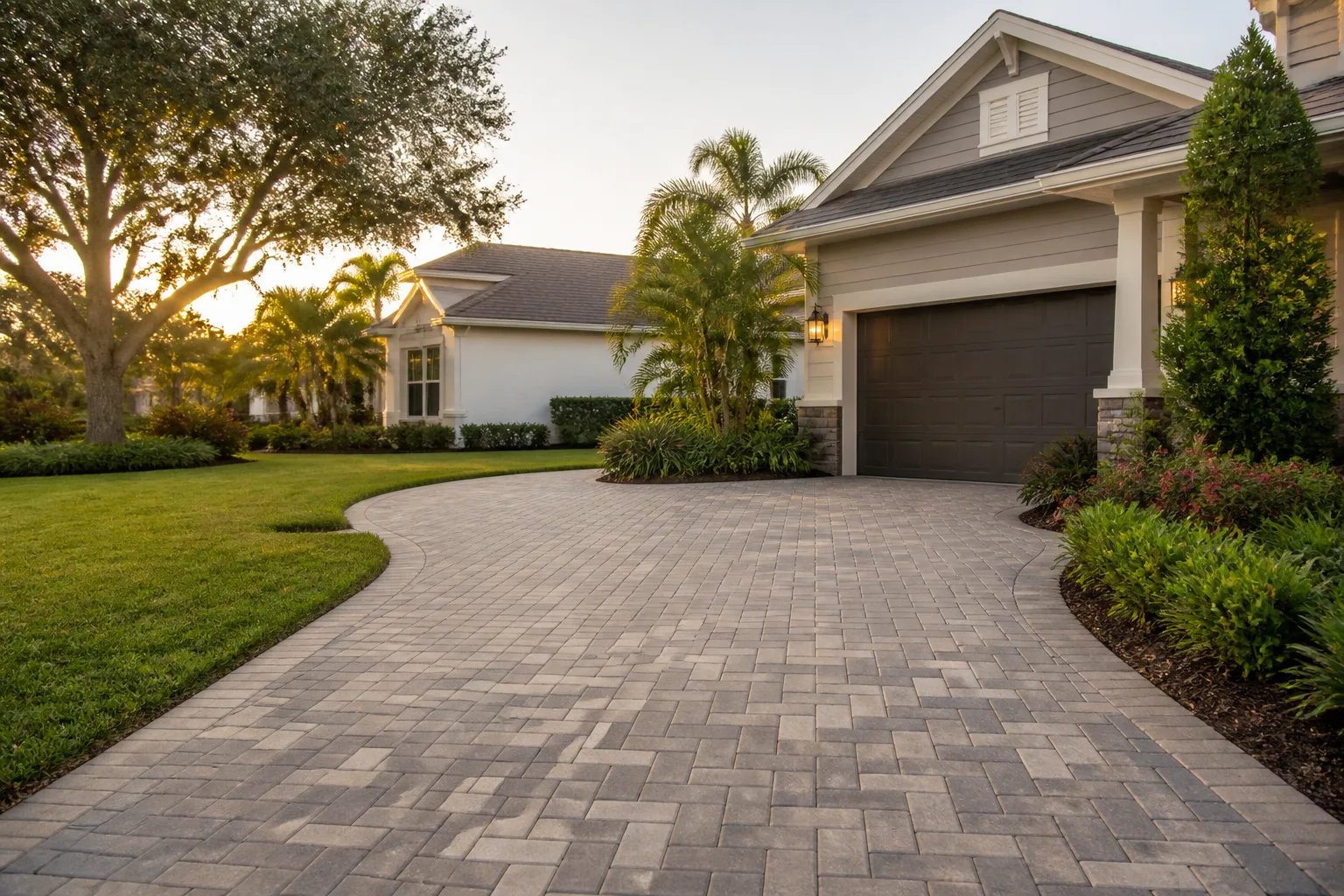
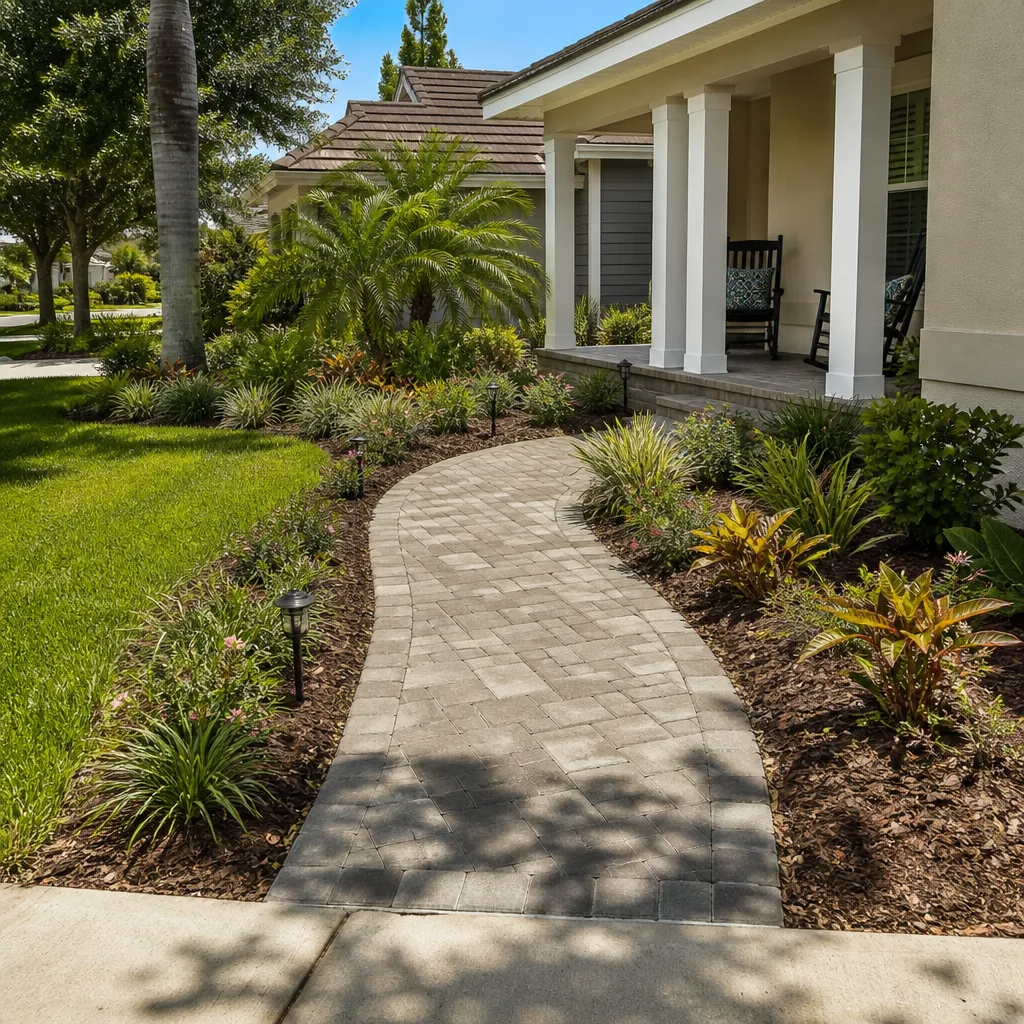
Pavers work the other way. They’re individual units set in a compacted base with sand in the joints. Movement happens at the joints instead of through the material, so the surface accommodates ground shift without a visible crack. Pull a settled paver, reset it, and the repair disappears. There’s nothing to color-match.
Hurricane season adds a second layer. Westchester sits in the High-Velocity Hurricane Zone (HVHZ), where wind-driven rain is a design requirement, not an afterthought. That rain finds every micro-crack in stamped concrete and works beneath the sealer coat, which is how delamination starts. Interlocking pavers have no sealer layer to delaminate. Water drains through the joints back into the base, and the surface stays structurally intact through the storm instead of peeling afterward.
Stamped concrete vs pavers: the honest side-by-side
Here’s the comparison we walk Westchester homeowners through, without the sales spin. Both are legitimate surfaces. They age very differently in this climate.
| Factor | Stamped concrete | Pavers |
|---|---|---|
| Upfront cost (driveway) | $4,500-$12,000 | $7,000-$18,000 |
| Sealing / resealing | Every 2-3 years in Miami-Dade | Optional sealer, not required for integrity |
| Cracking | Crack cuts through pattern, hard to hide | Movement at joints, individual units reset easily |
| UV fade | Fast; hardener oxidizes once sealer wears | Color runs through the unit, resists surface fade |
| Storm resilience | Sealer can delaminate under wind-driven rain | No sealer layer, drains through joints |
| Repair | Difficult color match on stamped surfaces | Swap single units, no color match needed |
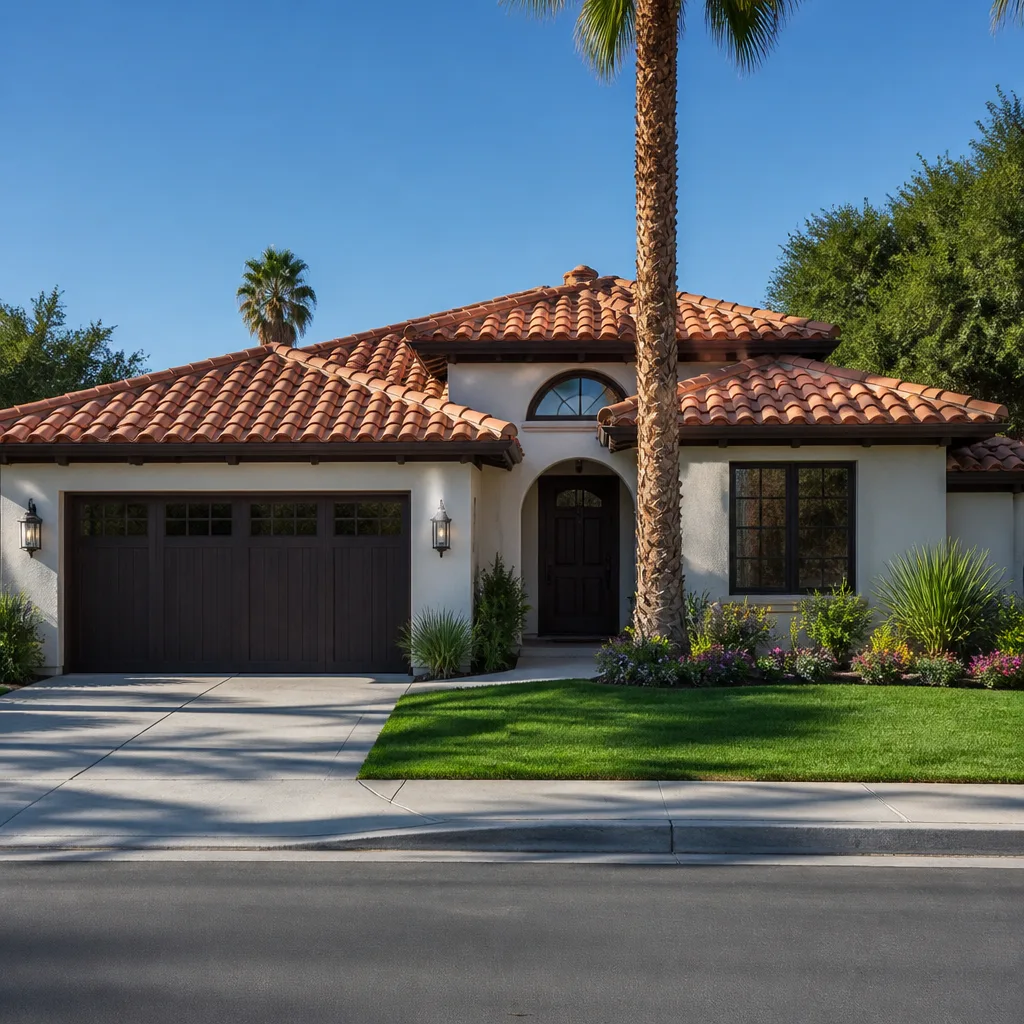
| Fit for Spanish/Mediterranean homes | Approximates the look | Genuine tumbled pavers match it |
Run the maintenance line over a decade and the upfront gap shrinks. Resealing every few years, plus the odds of a crack repair that never quite matches, adds up. Pavers cost more on day one and then mostly sit there. When workmanship is backed in writing, that quiet decade is the whole value.
The aesthetic argument Westchester homeowners keep coming back to
Westchester’s housing stock leans heavy on 1960s-through-80s concrete-block ranch and Spanish/Mediterranean-style homes. Those homes have an architectural language: clay tones, tumbled textures, a warm, broken-in look. Genuine tumbled pavers speak that language because they are that material. Stamped concrete imitates it. On a Mediterranean elevation, the imitation reads as imitation, especially after a couple of UV seasons fade the stamped color while the stucco walls hold their tone.
If your home is one of the newer two-story infills replacing an older ranch, a clean paver field in a tighter pattern gives you a sharper, more modern line. Either way, the surface should belong to the house. That’s a real design decision, not a marketing angle.
Materials that hold up here, from suppliers who’ve proven it
Material quality matters as much as the method. Plenty of stamped-concrete and paver failures in South Florida trace back to product chosen for price, not performance. We work from a curated set of vetted suppliers whose pavers are proven in this climate, names like Cambridge Pavers and Oldcastle, set on a base built to spec. You’re not getting whatever a crew picked up at surplus; you’re getting a material selected for HVHZ heat, sun, and rain, and installed by technicians with up to 12 years of experience.
Installation workmanship is where most surfaces actually fail, not the product. That’s why every paver project we run is covered by the 730-Day Done Right Promise. If the base settles or a joint fails within that window because of how it was installed, we make it right. Most stamped concrete crews won’t put that kind of guarantee in writing, and that gap tells you something. It’s built to last, backed in writing.
For the full scope of what we install, from base prep to finishing sand, see our Driveway & Pavers service. And because Westchester is unincorporated Miami-Dade, every driveway and patio project runs through county permits and inspections, often online through the county’s e-permitting system, with HVHZ product approval on the materials. There’s no city hall to lean on here, so permit fluency is part of the job. We handle it. If you’re still weighing hardscape options, our Driveway & Pavers in Westchester page covers what fits local lots and setbacks.
Pricing in Westchester: what each option actually runs
Numbers keep the decision honest. Here’s the market range for the surfaces Westchester homeowners ask about most, alongside the adjacent work that often comes up in the same conversation.
- Paver driveway installation: $7,000-$18,000
- Concrete driveway installation: $4,500-$12,000
- Driveway replacement: $5,000-$14,000
- Paver patio installation: $3,500-$11,000
- Driveway sealing: $250-$700 per application, which is the recurring stamped-concrete line item to factor in
Those sealing numbers are per pass, so over ten years your stamped concrete resealing alone can add a meaningful chunk to the “cheaper” option. Upfront pricing, no surprises, is how we quote. The number you see is the number you pay.
FAQs
Yes, stamped concrete is cheaper upfront, running about $4,500-$12,000 for a driveway versus $7,000-$18,000 for pavers. But stamped concrete needs resealing every two to three years in Miami-Dade’s UV, and a thermal crack can’t be repaired invisibly, so the lifetime cost favors pavers. Call (833) 630-4214 for a side-by-side on your actual driveway.
The slab may last decades, but the finish does not; the color hardener and sealer typically hold their look only two to three years before needing reapplication, and UV fade accelerates once the sealer wears. Skip resealing and the pattern fades to plain gray faster than in northern markets. For a surface that holds its appearance, call (833) 630-4214 and we’ll walk you through the alternatives.
Generally yes, because interlocking pavers have no sealer layer to delaminate. In Westchester’s HVHZ wind-driven rain, water finds micro-cracks in stamped concrete and works under the sealer, while pavers drain through the joints back into the base. Call (833) 630-4214 to talk through a storm-ready installation.
Genuine tumbled pavers match Spanish and Mediterranean architecture more authentically than stamped concrete, which approximates the look but fades to reveal it’s an imitation after a few UV seasons. Westchester’s 1960s-80s housing stock leans heavily on this style, so material choice shows. Call (833) 630-4214 and we’ll bring samples that fit your elevation.
Get the straight answer on your driveway
If you’d rather have your driveway or patio looked at than keep comparing photos online, Groundwork Construction Co. of Westchester offers a no-pressure assessment in Westchester. We’ll tell you where pavers win, where stamped concrete makes sense for your budget, and what each costs on your lot. Calls are answered by a live person, 24/7. Reach us at (833) 630-4214 for a free estimate.
Written by the team at Groundwork Construction Co. of Westchester, serving Westchester, FL.