Last updated November 18, 2026




Free written scope consultation - allowances, timeline, and change-order rules on paper before a single trade is scheduled
Construction Permits, Codes & Inspections in FL: What You Need to Know
Pulling a permit in Florida sounds straightforward until your inspector flags a fastener pattern that meets state code but fails Miami-Dade’s High-Velocity Hurricane Zone supplement. That single distinction can send your project back to design and cost you weeks. Westchester sits inside that overlay, which means the permit guides you find online for Tampa or Orlando don’t fully apply here. This guide covers what actually governs construction in Westchester, how the Florida Building Code and Miami-Dade’s amendments interact, which scopes homeowners skip permits on (and what it costs them at resale), how the inspection sequence runs, and why your windows and roof need Miami-Dade approval numbers the state listing alone won’t satisfy.
Quick Answer
In Westchester, every structural, roofing, electrical, plumbing, and mechanical project must comply with both the Florida Building Code and Miami-Dade County’s High-Velocity Hurricane Zone (HVHZ) amendments, and when the two conflict, the stricter Miami-Dade provision governs. Permits are issued through Miami-Dade County’s Building Department, inspections happen at defined stages, and products like windows, doors, and roofing systems need a Miami-Dade Notice of Acceptance (NOA) number, not just a state product approval. Skip the permit and you inherit problems that surface at insurance renewal and resale.
Styles & brands we work with
- Kitchen remodeling
- Bathroom remodeling
- Home additions & ADU
- Roofing
- Windows & doors
- Driveway & pavers
- Fence
Table of Contents
- Florida Building Code vs. Miami-Dade Amendments: Which One Wins?
- Which Projects Need a Permit in Westchester?
- Reading a Notice of Commencement Without Getting Burned
- The Inspection Sequence for a Standard Westchester Project
- HVHZ Product Approval: Why NOA Numbers Matter
- The Real Cost of Unpermitted Work at Resale
- How to Work With a Miami-Dade Inspector
Florida Building Code vs. Miami-Dade Amendments: Which One Wins?
Florida adopted a statewide building code in 2002, and most homeowners assume that code is the final word. It isn’t, not in Westchester. Miami-Dade County operates inside the High-Velocity Hurricane Zone, a regulatory overlay triggered by the region’s exposure to sustained hurricane-force winds, and that overlay adds requirements the state code either doesn’t include or states less strictly.
The practical rule is simple: when the Florida Building Code and the Miami-Dade HVHZ supplement disagree, the more restrictive requirement applies. That’s not a technicality. It shapes what materials you can buy, how they get fastened, and how much your contractor budgets for wind-load connections.
Where the two codes diverge most
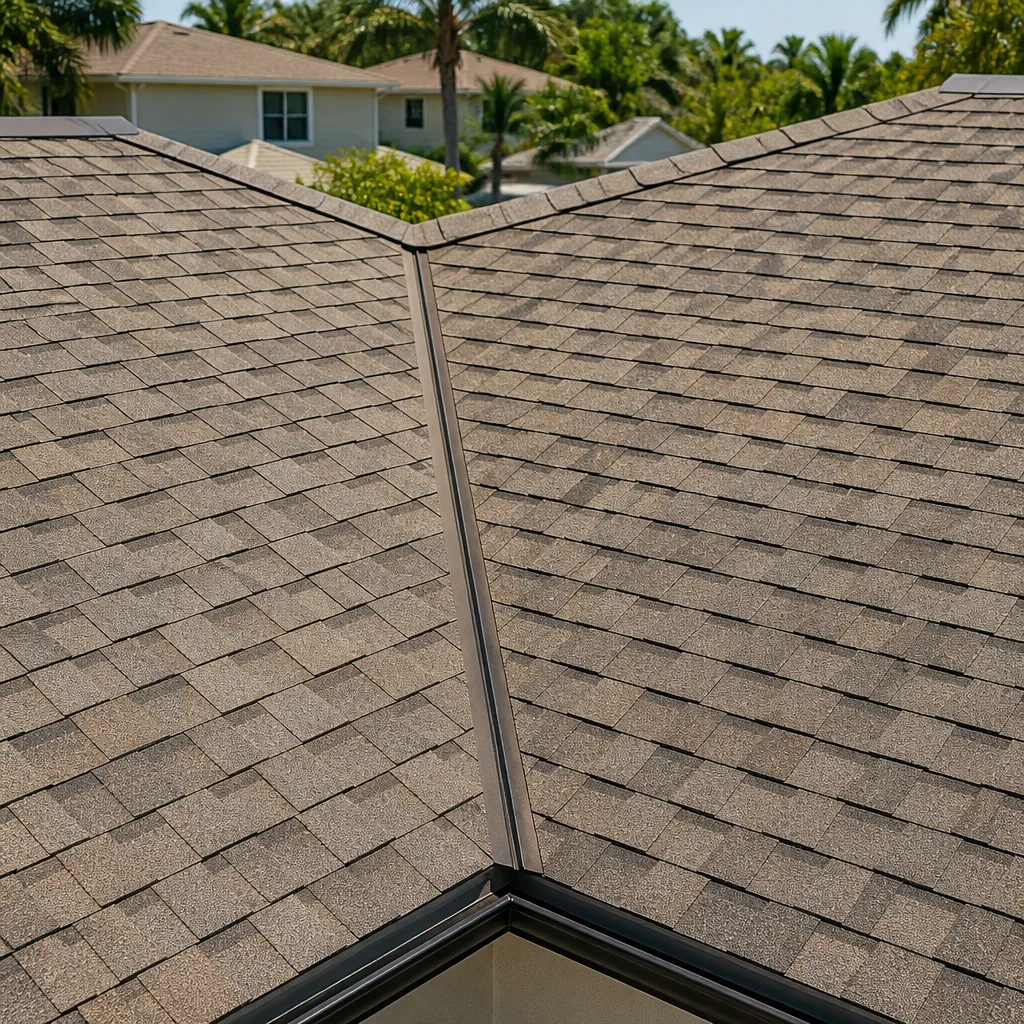
- Roofing systems. The state requires a product approval. Miami-Dade requires an NOA specific to the HVHZ, and the underlayment and attachment pattern in the NOA has to match what gets installed, nail for nail.
- Windows and doors. Impact ratings alone don’t clear a Miami-Dade inspection. The assembly needs an NOA number, and so do the anchors and sealants listed in it.
- Structural connections. Simpson Strong-Tie straps and anchors are common across the state, but the HVHZ supplement specifies a higher wind-speed design basis for Westchester than it does for counties to the north.
- Concrete block walls. Miami-Dade’s masonry reinforcement and grouting requirements for exterior walls are stricter than the state minimum, which affects everything from additions to fence-footing anchor details.
In our experience on Westchester projects, the code conflict surfaces most often during roofing and window replacement, because those scopes involve components with both a state and a county approval in circulation. A contractor who doesn’t know the difference can quote you a shingle that meets FBC but not HVHZ, and the substitution shows up during your final inspection, not on the invoice. The only safe approach is to verify the NOA before the product gets ordered.
Which Projects Need a Permit in Westchester?
Homeowners routinely skip permits on work they assume is cosmetic. Some of those assumptions are correct, but a lot of what feels decorative on the surface actually carries a permit trigger. Getting this wrong is the most expensive mistake in Westchester construction, because unpermitted work follows the house, not the contractor.
Work that requires a permit
- Any structural change, including removing or adding a wall, or enlarging a doorway
- Roof replacement, including re-roofing over the existing layer (which Miami-Dade restricts in the HVHZ)
- Window and door replacement in any exterior opening
- Electrical modifications beyond replacing a switch or fixture with a like-for-like swap
- Plumbing alterations, including water heater replacement and any change to supply or drain lines
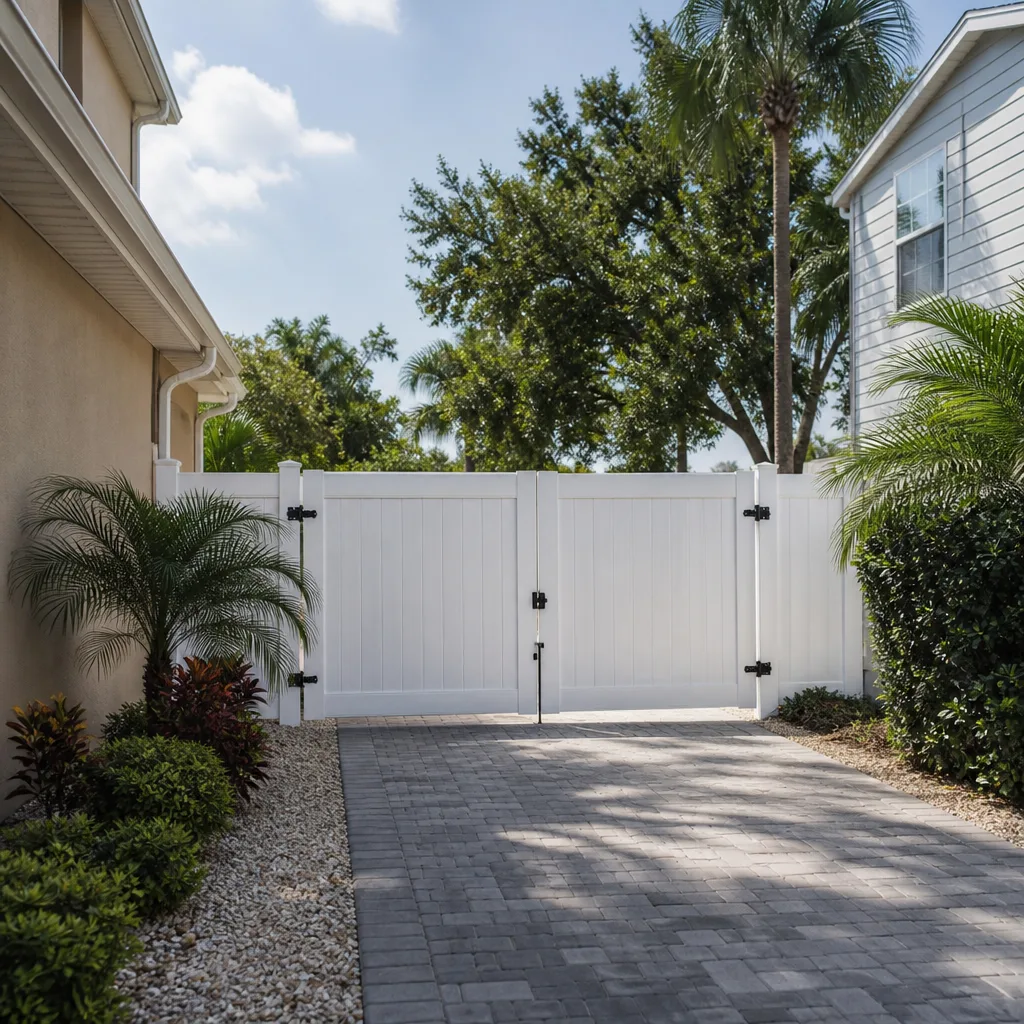
- Fence installation where the fence meets the property line, is over a height threshold, or where an HOA or municipality requires it
- Driveway and paver installation that modifies drainage, including regrading, and any work within a drainage easement
- Home additions, ADUs, patio enclosures, or any new habitable space
Work that usually doesn’t
- Interior paint, tile, and carpet
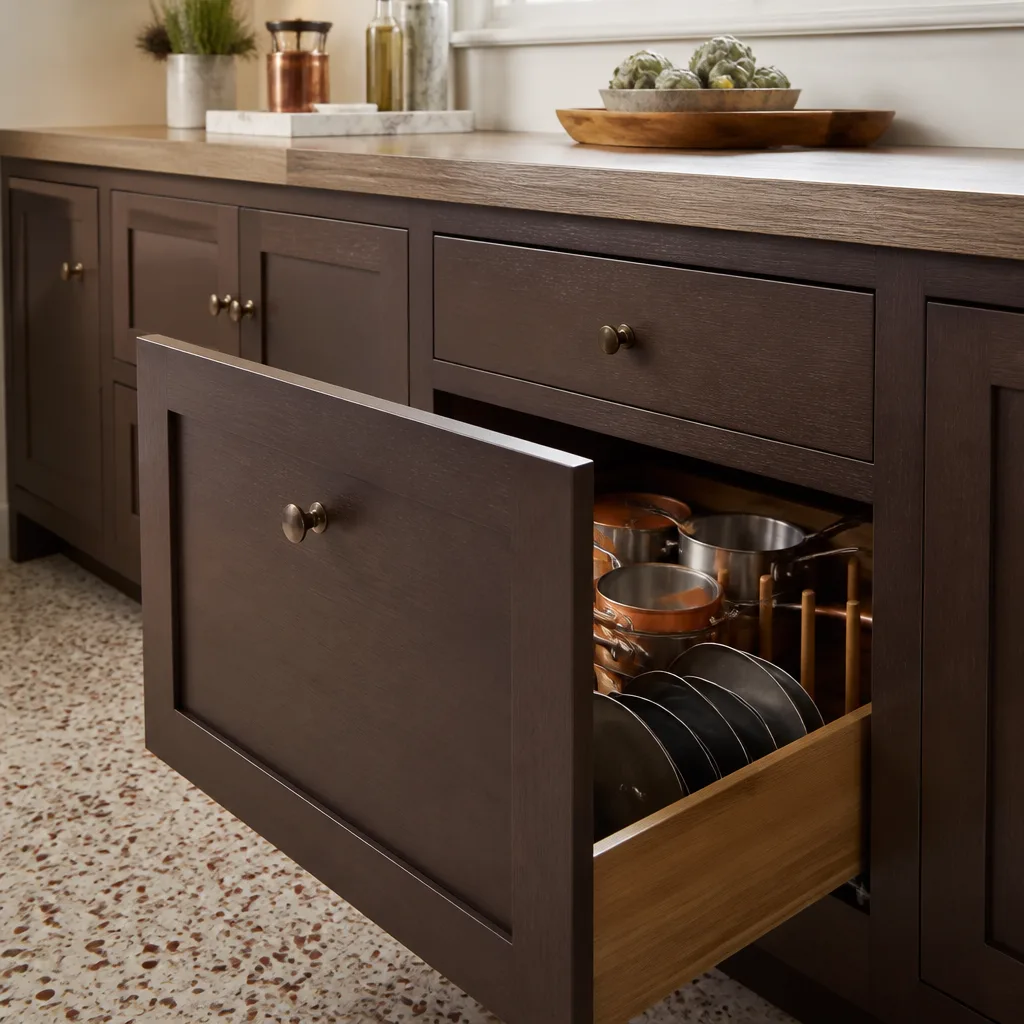
- Cabinet or vanity replacement without moving plumbing or electrical
- Swapping a light fixture or outlet with the same amperage and location
- Landscaping, and fencing below the municipal height trigger (confirm locally, since Westchester’s HOA neighborhoods often set stricter rules)
Two of the most commonly skipped permits in Westchester are interior wall removal and fence installation. The wall one is dangerous because the wall might be load-bearing, and the fence one is dangerous because it’s cheap to skip until a neighbor’s survey dispute or an insurance inspection surfaces it. A paver driveway fall under county code is only a permit issue if you alter the drainage, but our Driveway & Pavers in Westchester work involves confirming drainage plans before we ever break ground.
Reading a Notice of Commencement Without Getting Burned
A Notice of Commencement is a one-page legal document that tells the world construction is starting on your property. It’s required in Florida for any permitted project over $2,500 in combined labor and materials. The county records it, your contractor is supposed to post it on site, and if it’s filed incorrectly, you can end up with a lien on your house even after you’ve paid your contractor in full.
Why? Because the Notice of Commencement is what starts the clock for subcontractors and suppliers to file liens. When you record the notice, you’re publishing the legal description and owner’s name that a supplier needs in order to protect their payment claim. Mistakes on the notice, like the wrong legal description or the wrong owner name, can invalidate it, and that’s where lien exposure gets messy.
What to check on the Notice of Commencement
- Your name and the property’s legal description exactly as they appear on the deed
- The name of your contractor and their Florida license number
- The amount and description of the work
- The lending institution, if your project is financed
- A date the work is expected to be completed
You sign it, it gets recorded with the county, and you keep a copy. If your contractor tells you not to worry about it, that’s the first sign something’s off. On Westchester jobs, the discipline of getting this document right up front is why we pull the permit and record the notice as a package, before any materials arrive. Lien exposure isn’t a theoretical risk, it’s the single most common legal mess a serious addition or remodel produces.
The Inspection Sequence for a Standard Westchester Project
Miami-Dade County runs a defined inspection series, and the schedule for your project depends on the scope. For a typical Westchester project, here’s the sequence you’ll see. We list the sequence, not the DIY instructions, because the inspection failure points matter more than the steps themselves.
- Pre-pour or slab inspection. The foundation and any buried utilities are checked before concrete pours. Common failure: missing or incorrectly tied rebar, or a slab thickened-edge detail that doesn’t match the approved plans.
- Under-slab rough plumbing. Drain lines get inspected before the slab closes over them.
- Framing inspection. Wall framing, roof truss attachment, and the structural connections get checked. In the HVHZ overlay, this is where strap and anchor placement gets the closest scrutiny, and it’s the most common Westchester failure when a crew used state-code fasteners.
- Electrical, plumbing, and mechanical rough-ins. Separate inspections for each trade, often coordinated the same day.
- Insulation inspection. Confirm the R-value and installation before drywall.
- Drywall and fire-blocking. Verify drywall type and fire-rated assemblies where required.
- Final inspections. Mechanical, electrical, plumbing, and the building final. This is where door and window labels and roof NOA paperwork get checked against what’s installed.
For additions and ADUs, the sequence adds foundation and grading steps. Our Home Additions & ADU in Westchester projects typically run 6 to 12 inspections depending on size, and the under-slab and framing stages are where we see the highest failure rates. Inspectors aren’t looking for reasons to fail you, but they are checking specific tolerances, and a failed framing inspection in Westchester often means re-doing a connection detail the crew had already covered.
HVHZ Product Approval: Why NOA Numbers Matter
Miami-Dade County maintains its own product approval system separate from the state’s, and every product used in the High-Velocity Hurricane Zone needs a Notice of Acceptance, or NOA, specific to that county. If you’re replacing a window in Westchester, the window has to be listed in the NOA with the exact model, glazing, and anchor system that the NOA approves. A window sold as “impact-rated” without a Miami-Dade NOA doesn’t satisfy the code, even if it holds a Florida product approval.
Where this trips up Westchester homeowners
- Buying a window or door online with the right impact rating but no county NOA
- Ordering an NOA-approved window but with the wrong anchor spacing for your wall assembly
- Re-roofing with shingles whose NOA approves one underlayment, while the crew installs a different one
- Mixing approved and unapproved components, for example an NOA-approved hurricane shutter with anchors that aren’t in the NOA
Brand partnerships help here. When we specify a GAF or CertainTeed roofing system, we confirm the NOA matches the underlayment and attachment pattern for that exact assembly. The same discipline applies to windows from Andersen or Marvin: the NOA governs which model gets installed, and the label has to be on the window at final inspection. For fence and hardscape work, the products matter less for wind rating but the brand quality still matters for longevity, which is why we lean on Fence Installation in Westchester materials from established suppliers and confirm anchoring for the HVHZ wind design.
The Real Cost of Unpermitted Work at Resale
This is the section most homeowners need to read twice. Unpermitted work in Westchester doesn’t just create a title problem at closing; it can fail an insurance inspection, trigger a rescission of coverage, and force a retroactive permit that can require opening walls or removing finished surfaces. The financial consequences stack in a way that’s invisible until it’s expensive.
The chain reaction
- Disclosure at sale. Florida requires you to disclose known unpermitted work. A buyer’s inspector will flag it, and a lender will often refuse to finance until it’s permitted or removed.
- Retroactive permit. To permit already-constructed work, you submit as-built drawings and pay fees, sometimes higher than the original permit. If the work doesn’t meet code, it’s removed and rebuilt.
- Insurance consequences. Carriers increasingly inspect roofs, electrical panels, and water-heater installations before binding coverage. An unpermitted electrical panel change or an unpermitted roof can be grounds for declination or non-renewal.
- Appraisal risk. Appraisers treat unpermitted square footage differently. An unpermitted addition can be excluded from the gross living area calculation, which directly reduces your sale price.
- Negotiation leverage. Buyers who find unpermitted work often demand a credit at closing equal to two to four times the original permit cost, because they’re pricing in the risk of tearing it out.
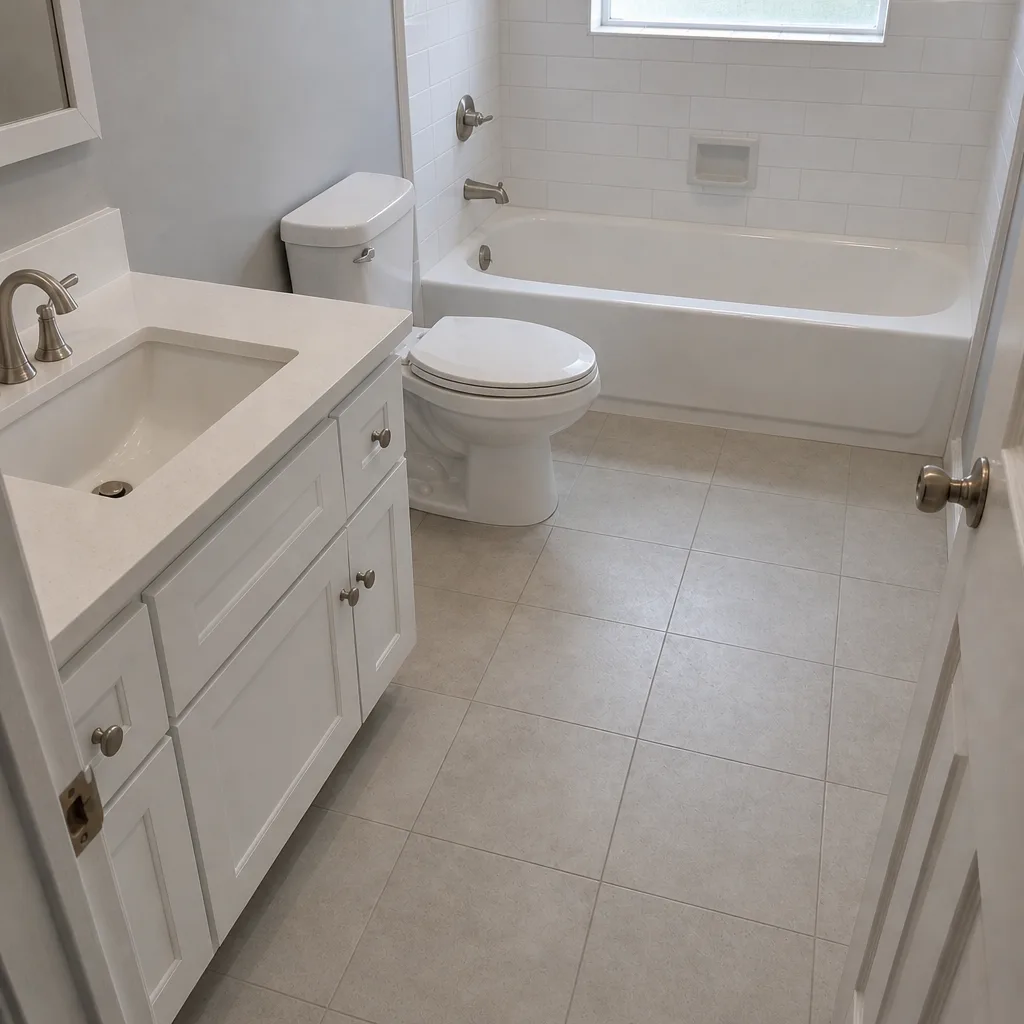
We’ve seen Westchester homes where an unpermitted bathroom remodel, done to a reasonable standard, cost the seller $8,000 to $15,000 at negotiation because a buyer’s inspector flagged it and the buyer priced in the retroactive permit and potential moisture risk. The original permit would have been a fraction of that.
How to Work With a Miami-Dade Inspector
Inspectors in Miami-Dade are professional, specific, and required to follow the code and their department’s procedural manual. They aren’t there to rehash a contractor’s design choices; they’re there to confirm the work matches the plans and the code. The way you make an inspection go smoothly is preparation, and that starts before the inspector arrives.
What smooth Westchester inspections have in common
- Plans on site and open to the page the inspection covers
- Product labels and NOA documentation ready for the inspector’s review
- All required hardware, straps, and fasteners visible, not buried under drywall or insulation
- A confirmed inspection appointment with the correct inspection type
- A signed-off digital permit visible in the department’s online system
If an inspection fails, don’t panic. Most failures are specific and fixable: a missing label, an incorrect anchor count, a piece of blocking that wasn’t called for in the plans. The dangerous failures are the ones that indicate the trade didn’t understand the HVHZ requirement at all, because they can ripple across the whole scope. When we see a framing failure on a Westchester job, we stop, review the approved fastening pattern, and correct the scope before the next inspection. A failed inspection is a data point; a rescheduled failure for the same reason is a warning sign. Our team has up to 12 years of experience across Westchester projects and manages the inspection calendar as part of every job so the homeowner isn’t the one chasing the county.
Common Mistakes to Avoid
- Assuming Miami-Dade is the same as Florida. The HVHZ supplement is stricter than the state code, and a contractor who quotes state-compliant materials in Westchester is likely quoting the wrong materials. Verify the NOA before ordering.
- Skipping the permit on “cosmetic” work. Interior wall removal and fence installation are two of the most commonly unpermitted scopes in Westchester, and both carry resale and insurance consequences. Check before you start.
- Signing a Notice of Commencement without reading it. An incorrect legal description or owner name can invalidate the notice and leave you exposed to subcontractor liens. Read the document, keep a copy, and confirm the contractor’s license number is correct.
- Assuming a Florida product approval satisfies Miami-Dade. A window or roof system needs a Miami-Dade NOA specific to the HVHZ. A state-level product approval alone won’t clear the final inspection.
- Reusing a permit that was issued for different work. Each scope has its own inspection sequence. Modifying a permitted scope without a revision creates a gap that shows up at final inspection.
- Ignoring the drainage detail on hardscape. A paver driveway that alters drainage without a permit is a common Westchester mistake, and the county can require it be re-graded at the homeowner’s cost.
- Not keeping the paperwork. Inspection records, NOA numbers, and the final signed-off permit are the first things a buyer’s agent requests. If you can’t produce them, the sale stalls.
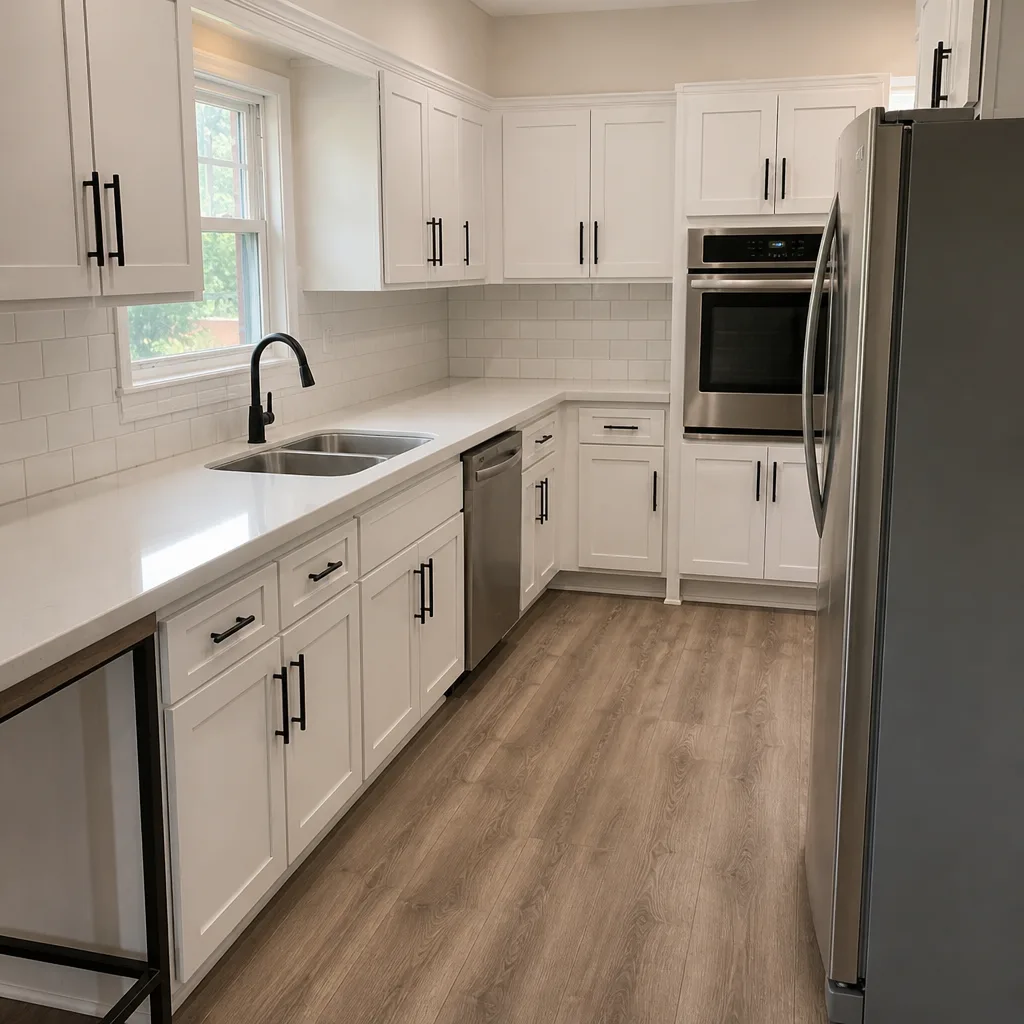
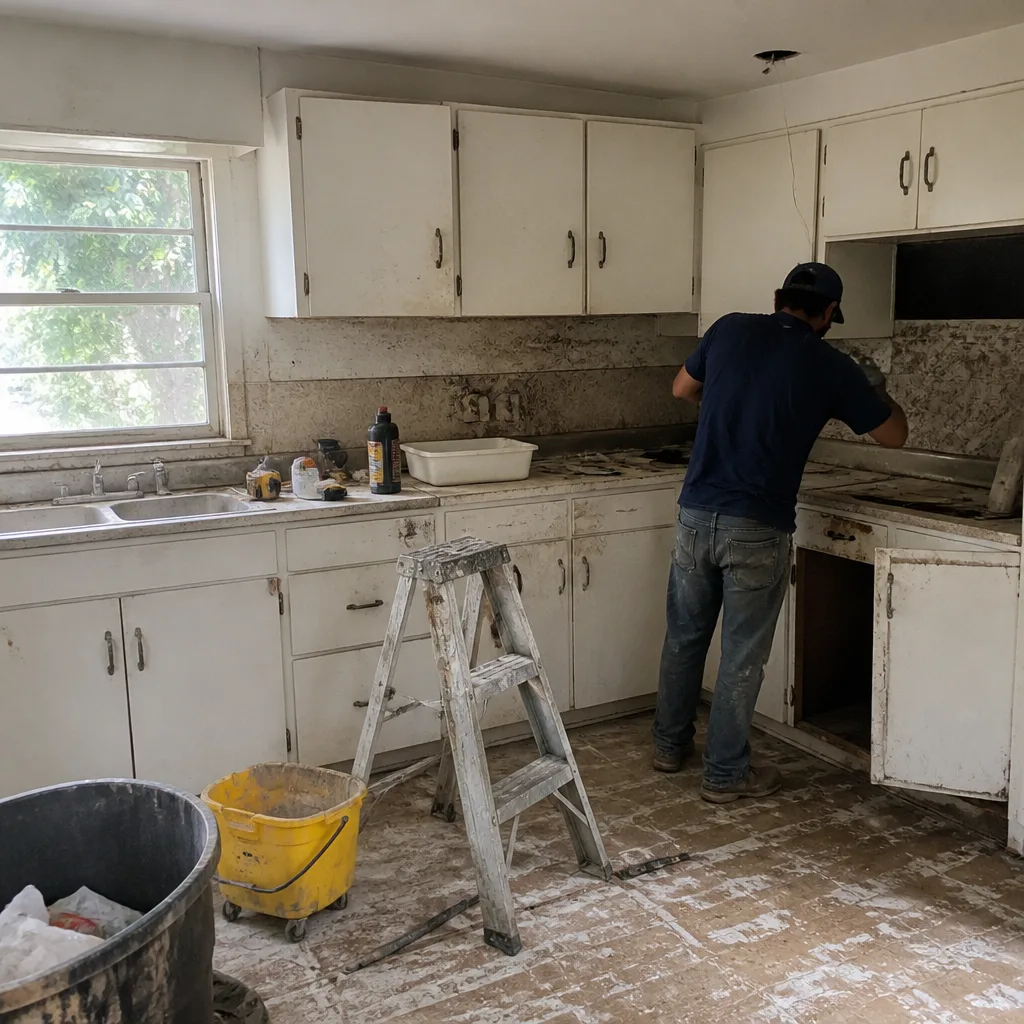
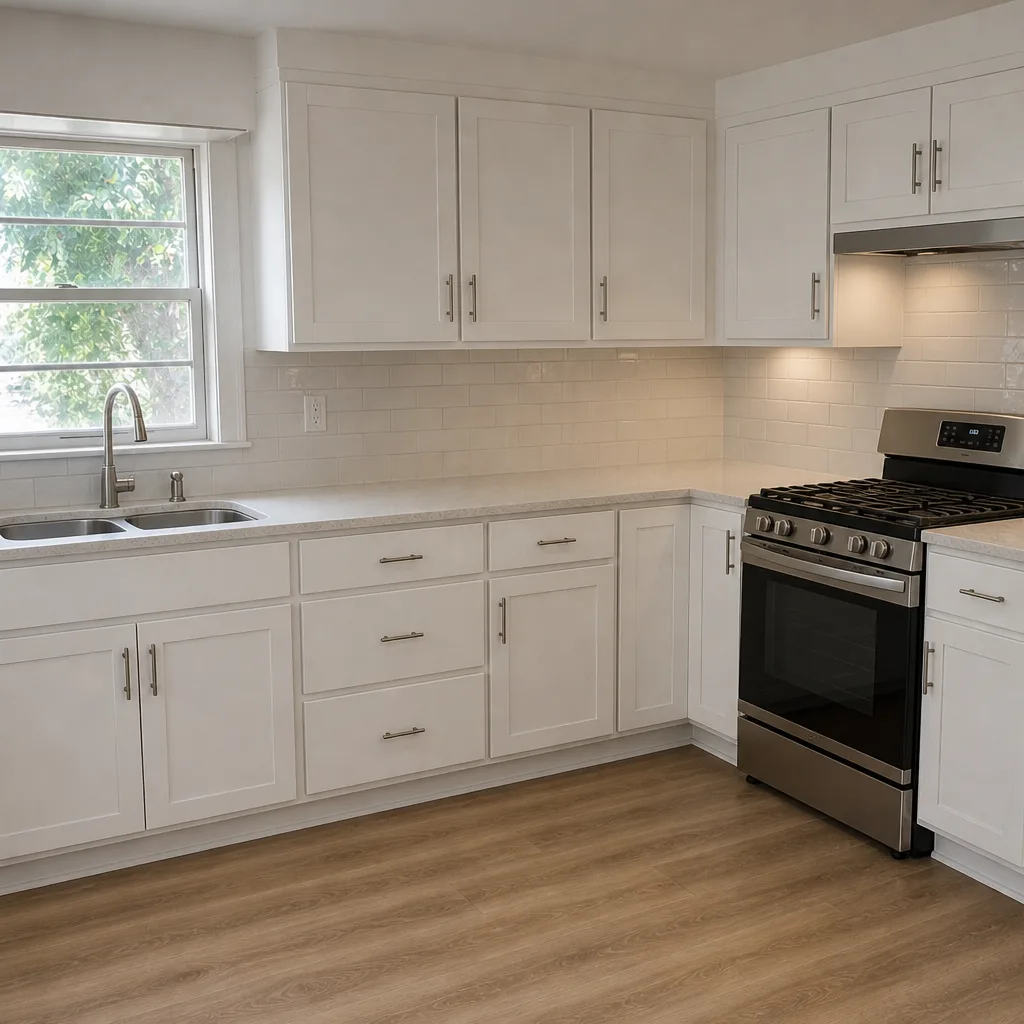
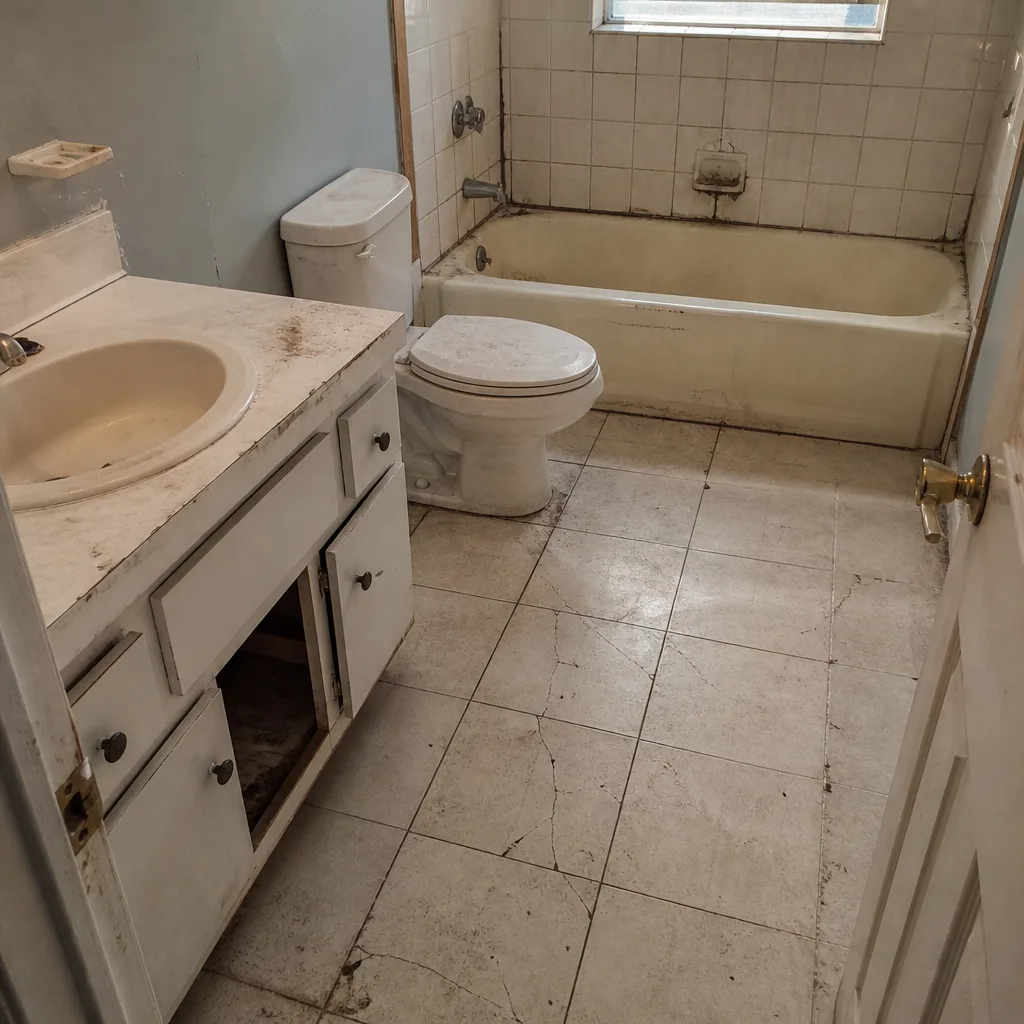
See the difference
 Before
 After
 Before
 After
 Before
 After
When to Call a Professional
Permit and inspection work involves a specific set of conditions. If your project touches structure, roofing, electrical, plumbing, or any exterior opening in Westchester, the code pathway is not something to manage on the fly. A wall removal that looks cosmetic can require an engineering letter, a re-roof needs the correct NOA-matched system, and an addition needs the full inspection sequence scheduled before construction starts. Groundwork Construction Co. of Westchester offers free estimates in Westchester, pull the permits as part of the job, and manage the inspection calendar from start to final sign-off. Call (833) 630-4214 to schedule your free estimate.
Frequently Asked Questions
Yes. Every exterior window and door replacement in Westchester requires a Miami-Dade County permit because the property is inside the High-Velocity Hurricane Zone, and the replacement assembly must carry a Miami-Dade NOA number specific to the model and anchor system. A Florida product approval alone doesn’t satisfy the code. Call (833) 630-4214 for an exact quote on a window replacement that includes the permit – estimates are free.
Yes. Florida requires a Notice of Commencement for any permitted improvement where the combined labor and materials exceed $2,500. That’s a low threshold, which means almost every serious Westchester remodel triggers it, and the document has to be recorded and posted on site before work starts. Call (833) 630-4214 to confirm whether your project scope crosses the threshold.
Sometimes, but the trigger is specific. A fence below the county’s height threshold and outside the property line usually doesn’t require a permit, but Westchester’s HOA neighborhoods often have stricter height and material rules that still require an approval. Because the consequences of a missed requirement are a fence that has to come down or a dispute at resale, it’s worth verifying before you build. Call (833) 630-4214 for a free estimate on a fence installation that accounts for permit and HOA requirements.
Most inspection failures are specific and fixable: a missing label, an incorrect anchor count, or work not matching the approved plans. The failure gets documented, the scope is corrected, and the inspection is rescheduled. Repeated failures for the same reason indicate the crew doesn’t understand the HVHZ requirement, and that’s a red flag for the entire job. Call (833) 630-4214 to discuss a project where you’re concerned about inspection quality.
Yes. Carriers increasingly inspect electrical panels, roofs, and water-heater installations before binding or renewing coverage. An unpermitted electrical change or roof replacement can result in a declined application or non-renewal, and the coverage gap can be worse than the cost of the original permit. Call (833) 630-4214 to discuss permitting a project that’s already in progress.
Standard residential permits in Miami-Dade typically run several weeks from submission to issue, and inspections add several more stages over the life of the job. The exact timeline depends on the scope and the completeness of the plans. An incomplete plan set or a missing NOA will send it back to the beginning. Call (833) 630-4214 to schedule a free estimate that includes a permit timeline for your scope.
The Bottom Line
Construction in Westchester runs on two codes working at once: the Florida Building Code and Miami-Dade County’s HVHZ amendments, and the stricter provision wins every time. Permits cover far more than new construction, especially on interior wall removal, fence installation, and window replacement. The Notice of Commencement is a legal document that controls lien exposure and needs to be read carefully. Inspections follow a defined sequence, and the failures that matter most come from crews using state-compliant materials under a county overlay. If you’re planning work in Westchester, the safest approach is to confirm the permit scope, the NOA on every product, and the inspection calendar before materials get ordered. That’s the discipline that keeps the job off the failure list. We build from foundation to finish line, backed in writing by our 730-Day Done Right Promise. Call (833) 630-4214 for a free estimate.
For the full range of what we build across Westchester and the surrounding communities, visit the Groundwork Construction Co. of Westchester home.
Written by the team at Groundwork Construction Co. of Westchester.