Last updated November 18, 2026

Free written scope consultation - allowances, timeline, and change-order rules on paper before a single trade is scheduled
DIY vs Professional Home Additions & ADU: What’s Safe to Do Yourself
In Florida, unpermitted addition work doesn’t just fail inspection – it can make your home legally unsellable until it’s remediated, and the remediation almost always costs more than the original professional bid. That’s not a scare tactic; it’s the reality when a title company finds a bonus room with no permit trail and the buyer’s lender walks. The genuinely surprising part is how narrow the safe DIY zone really is on a structural project. This guide draws the hard line: which scopes Florida law effectively reserves for licensed contractors, which tasks a homeowner can legally and safely self-perform, and how DIY on an addition changes your insurance and your sale price here in Westchester.
Quick Answer
On a home addition or ADU, structural work, electrical, plumbing, and HVAC must be handled by properly licensed trades in Florida, and owner-builder permits don’t exempt you from those requirements in any practical sense. The safe self-perform zone is finish work: interior painting, landscaping restoration, and cabinet installation in the finished space, sequenced around inspections. Anything that requires a permit, touches a load-bearing element, or ties into a system serving the existing structure should be hired out – no exceptions.
Styles & brands we work with
- Kitchen remodeling
- Bathroom remodeling
- Home additions & ADU
- Roofing
- Windows & doors
- Driveway & pavers
- Fence
Table of Contents
- What Florida Law Actually Requires You to Leave to the Pros
- The Owner-Builder Permit Myth and Its Real Limits
- The Legitimate DIY Zone: What You Can Safely Do Yourself
- How to Sequence Your DIY Tasks Around Inspections
- How DIY Affects Your Homeowner’s Insurance During and After Construction
- The Real Cost Comparison Nobody Shows You
- A Simple Decision Framework: DIY or Hire It Out
- Common Mistakes to Avoid
- When to Call a Professional
- Frequently Asked Questions
What Florida Law Actually Requires You to Leave to the Pros
Florida is specific about which scopes require a licensed contractor, and the list is longer than most homeowners expect. Structural work, electrical, plumbing, and HVAC are all licensed trades under Florida law, and an addition touches every one of them whether you realize it or not. Running a new subpanel, tying into your existing plumbing stack, extending ductwork into a new A-D-U – each of those is a licensed scope with its own permit and its own inspector.
The reason the law is written this way is straightforward: these systems fail in ways that hurt people. A miswired circuit starts a fire inside a wall cavity. A gas line or plumbing tie-in done wrong leaks silently. A structural beam undersized by one dimension can sag for years before anyone notices. In our experience working home additions across Westchester, the jobs that run into trouble almost always started with a homeowner who was capable and careful but simply didn’t know what they didn’t know about load paths and code.
Here’s the practical breakdown of what you should not attempt yourself:
- Structural work of any kind – foundation, framing, beams, headers, and any alteration to load-bearing walls. This is the highest-liability scope on an addition and the one inspectors scrutinize hardest.
- Electrical – new circuits, panels, subpanels, and anything requiring an electrical permit and rough-in inspection.
- Plumbing – supply lines, drain lines, and any tie-in to the existing system.
- HVAC – extending a system, adding a zone for an A-D-U, or installing a new unit.
- Roofing and waterproofing on the new structure, given the afternoon storms and hurricane exposure that shape Westchester construction.
None of this is about doubting your competence. It’s about the fact that a licensed contractor carries insurance, pulls the permit in their name, and is on the hook if something fails inspection. When you self-perform a licensed scope, you take on all three.
The Owner-Builder Permit Myth and Its Real Limits
The owner-builder exemption is real, but it’s far narrower than the internet makes it sound. Florida allows a homeowner to pull a permit and act as their own contractor on their own primary residence under specific conditions. What people miss is the fine print: the owner-builder route is designed for a homeowner doing the work themselves or directly managing it, not for a homeowner who hires unlicensed help to sidestep the licensing requirement.
A few limits that catch people off guard:
- It applies to your primary residence, not investment properties. If you’re building an A-D-U to rent or building for resale, the owner-builder exemption generally doesn’t apply the way people assume.
- It doesn’t unlock licensed trades. You can pull the permit, but the electrical, plumbing, and HVAC still have to be done by licensed trades and inspected.
- You become the responsible party. When you’re the owner-builder, you carry the liability a general contractor would otherwise hold. If a hired sub walks off mid-project or a defect surfaces during a sale, you own it.
- Disclosure follows the home. In many cases owner-builder permits have to be disclosed at sale, and lenders can be skittish about homes with a self-managed addition on the record.
We’ve seen homeowners in Westchester start an A-D-U under the owner-builder route, then discover at the framing inspection that the scope they planned to manage themselves now requires licensed trades they hadn’t lined up. The schedule stalls, the permit clocks, and the savings evaporate. If you’re seriously weighing the owner-builder path, read the statute carefully or have a contractor walk you through it before you break ground. Our team does this kind of pre-build consultation on Home Additions & ADU in Westchester projects, and the conversation usually saves more money than it costs.
The Legitimate DIY Zone: What You Can Safely Do Yourself
Here’s the good news: there’s a real, meaningful chunk of an addition you can absolutely do yourself, and it saves money without risking your investment. The key is that everything in this zone is finish work – it comes after the structure is closed and inspected, and it doesn’t touch a system that serves the existing house.
Tasks that are genuinely safe and legal for a homeowner to self-perform:
- Interior painting in the finished space – walls, ceilings, trim. Low risk, real savings, and no permit implications.
- Landscaping restoration after construction – reseeding, sod, plantings, and grading the yard back around the new footprint (grading away from the foundation matters here, not toward it).
- Cabinet installation in the new space, provided the rough electrical and plumbing are already inspected and signed off. Hanging cabinets is a craft, not a licensed scope, though you’ll want to check that any new outlets are positioned before you commit.
- Fixtures and hardware – faucets, light fixtures, door hardware – after the rough-in trades have finished and passed inspection.
- Closet systems and built-ins that don’t attach to or alter the structure.
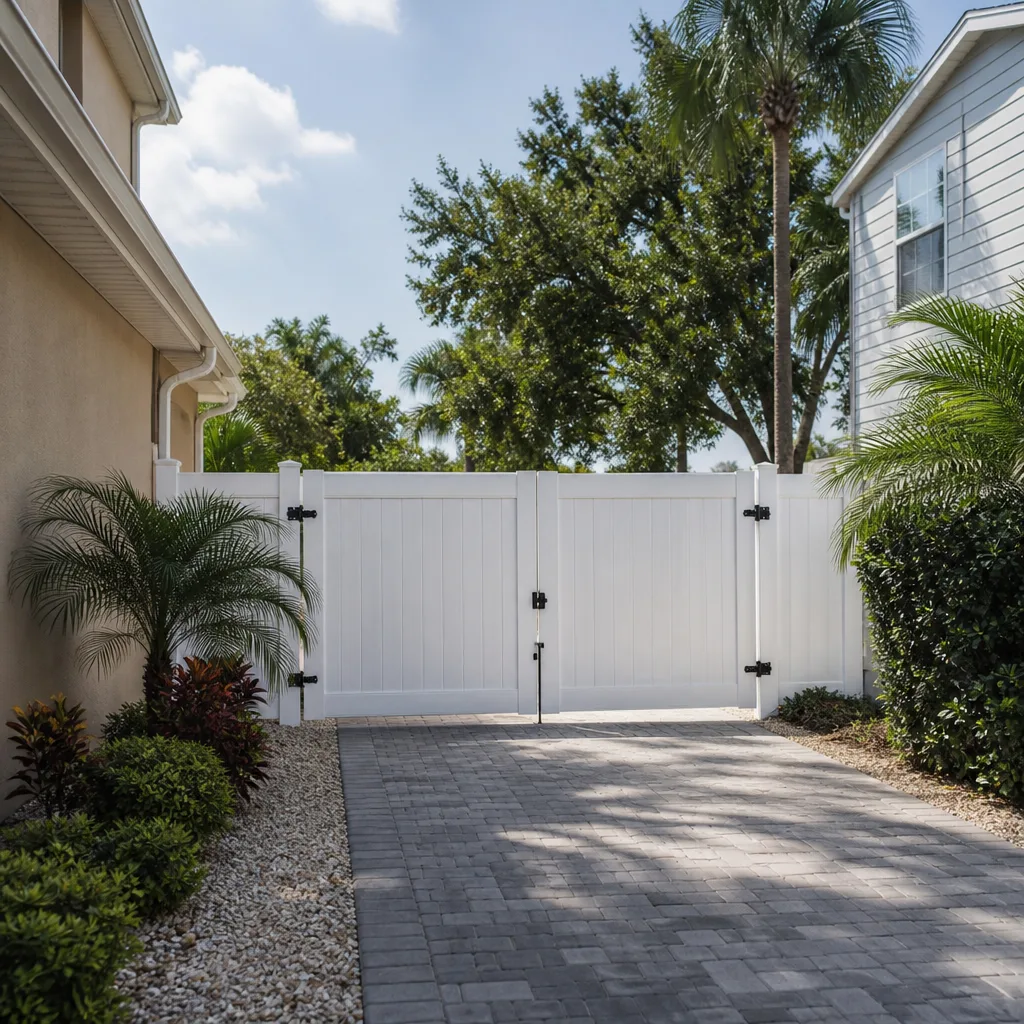
- Final landscaping on the new fence line, if you’re adding fencing around an A-D-U. Fence installation itself is a licensed scope in many Florida jurisdictions depending on height and location, so verify before you dig. We cover that in our guide to Fence Installation in Westchester.
The line is consistent: if the task touches the structure, a system, or the permit record, it’s not DIY. If it’s finish work on a closed, inspected space, it’s yours to own.
How to Sequence Your DIY Tasks Around Inspections
Timing is where DIY on an addition goes wrong even when the tasks themselves are fine. If you start painting drywall before the rough-in trade inspections are signed off, you’ve created a problem the inspector can’t see past – and they’ll fail the inspection and ask you to open it back up. We’ve watched homeowners lose two weeks and a re-inspection fee on exactly this.
Here’s the sequence that keeps DIY work out of the way of the permit process:
- Let the licensed trades finish their rough-in – framing, electrical, plumbing, and HVAC rough-ins all need to be inspected before anything is closed up.
- Pass rough-in inspections. Do not start any finish work until the inspector has signed off on the rough-ins. This is the single most important rule.
- Let insulation and drywall happen. Drywall is a fast, cheap scope to hire and a miserable one to DIY on a whole addition – leave it to a pro.
- Begin your DIY finish work – painting, cabinet installation, fixtures – once the space is closed and inspected.
- Schedule the final inspection only after all licensed trades have returned to install their fixtures and the space is complete.
- Do landscaping restoration last, after the final inspection clears and the site is stable. Grading too early just means redoing it after the last delivery truck leaves.
Think of it as two parallel tracks: the licensed track runs through the permit and inspections, and your DIY track runs on the finish work on either side of it. Never let them cross.
How DIY Affects Your Homeowner’s Insurance During and After Construction
This is the part almost nobody talks about, and it’s where DIY on an addition can quietly cost you the most. Your homeowner’s policy typically has exclusions or coverage gaps for work you perform on your own home without proper permitting and licensed trades. During construction, if a fire or water loss traces back to unpermitted or self-performed licensed work, an adjuster can deny the claim.
The coverage problem runs in two directions:
- During construction: many policies don’t automatically extend coverage to a new addition while it’s under construction, and if the work is unpermitted, coverage gets murkier. Some carriers require a builder’s risk policy for additions over a certain size. If you’re managing the project yourself, you may need to arrange that coverage, which most homeowners don’t realize until a storm hits and the new roof wasn’t on the policy yet.
- After construction: an unpermitted addition can be excluded from your dwelling coverage because it’s not legally part of the insured structure. That means you can pay to build it and still not have it insured. Add that to the disclosure and lending problems at sale and the savings math flips entirely.
Westchester sits in hurricane country, so carriers already underwriter carefully here. An addition with a clean permit trail and licensed trades is a coverage asset. An unpermitted one is a liability the underwriter will find eventually. If you’re not sure whether your current policy extends coverage to an addition in progress, call your carrier before you break ground – a ten-minute phone call that protects a six-figure project.
The Real Cost Comparison Nobody Shows You
The DIY calculus most people run is labor savings versus a pro’s bid. That’s the wrong equation. The real comparison includes timeline extension, re-inspection fees, and the premium you pay when a pro has to fix DIY mistakes mid-project – and that premium is the killer, because a contractor picking up someone else’s half-finished work charges more than they would have charged to do it right from the start.
Here’s how the numbers actually break down:
- Labor savings: real, but limited to the finish-work zone. Painting and landscaping done yourself can save a meaningful amount; structural and licensed labor doesn’t because you can’t legally do it.
- Timeline extension: the most expensive line item. A DIY addition that drags three months past schedule costs you in carry costs, temporary housing, and the fees on permits that expire. Florida permits have expiration dates, and renewals cost money.
- Re-inspection fees: each failed inspection has a fee, and repeated failures on the same scope can trigger extra scrutiny from the building department.
- The fix-it premium: when a licensed pro has to undo and redo DIY structural or rough-in work, the cost is the original scope plus the removal, plus the reason the original failed. In our experience across Westchester, that premium typically runs higher than the pro bid would have been in the first place.
- Resale and insurance exposure: the hardest to quantify and often the largest. An unpermitted addition that has to be remediated before sale costs whatever the remediation costs, plus whatever the buyer negotiates down because of the history.
The upfront pricing Groundwork Construction Co. of Westchester offers – the number you see is the number you pay – matters here. A fixed bid against DIY savings is a fair comparison. A vague bid against DIY savings is where homeowners get squeezed. If you want a real number to compare against, we’ll give you one with a free estimate, no pressure to sign.
A Simple Decision Framework: DIY or Hire It Out
If you take one thing from this guide, take this framework. It has three conditions, and if the project hits any one of them, you hire it out. Not might – do.
Ask yourself these three questions, in order:
- Does the work require a permit? If yes, hire it out. The permit exists because the work has a failure mode that hurts people or the structure. Unpermitted work is a liability that follows the home to sale.
- Does it touch a load-bearing element? If yes, hire it out. A remove-a-wall or extend-the-roof-line decision is where structural mistakes get made, and the cost to correct them dwarfs any labor savings. You can’t inspect a load path by looking at it, and neither can we without the plans.
- Does it affect a system that serves the existing structure? If yes, hire it out. Tying into electrical, plumbing, or HVAC means the new space and the old house now share a failure point. That’s licensed trade territory every time.
If the answer to all three is no – you’re painting a finished room, grading the yard, hanging cabinets after inspection – it’s a legitimate DIY task. That’s the entire safe zone, and it’s bigger than you might think. Most of the finish work on an addition is available to you. None of the structure is.
Common Mistakes to Avoid
- Starting finish work before rough-in inspections pass. Painting or hanging cabinets before the inspector signs off means the drywall comes back down if they fail the rough-in. We’ve seen this cost homeowners two weeks and a re-inspection fee on a Westchester addition this year.
- Assuming the owner-builder permit unlocks licensed trades. It doesn’t. Pull the permit as an owner-builder and the electrical, plumbing, and HVAC still have to be done by licensed trades, or you fail the inspection and start over.
- Self-performing a licensed scope “to save money.” Every dollar saved on an unlicensed tie-in comes back multiplied at inspection, at resale, or at claim time. It’s the most expensive savings available.
- Not telling your insurance carrier before construction starts. Most policies won’t automatically extend coverage to an addition in progress, and an unpermitted addition may be excluded from coverage after the fact. Call the carrier before you break ground.
- Grading the yard toward the new foundation. After construction, Westchester’s storm season makes this a real problem. Grading must slope away from the foundation, not toward it, or you’ll be pumping water out of a brand-new space.
- Treating the permit timeline as an afterthought. Permits in Westchester and across the county expire, and renewals cost time and money. A schedule that ignores inspection windows and permit clocks will blow past its budget no matter how good the work is.
- Hiring an unlicensed “handyman” to handle a licensed scope. If the person doing the electrical or plumbing can’t produce a license, you’re the one holding the liability when the inspection fails or a defect surfaces later. It’s not worth it, no matter what the bid says.
When to Call a Professional
Call a professional the moment your addition involves structure, a licensed trade, or a system that ties into the existing house. In practice that describes the whole structural envelope of any addition or A-D-U – foundation, framing, roof, electrical, plumbing, and HVAC – and it describes every scope that requires a permit. It also describes any situation where you’re not certain what the scope legally requires, because the cost of guessing wrong is a failed inspection or an unsellable home. When we sit down with Westchester homeowners on Home Additions & ADU projects, the first conversation is almost always about drawing the line clearly between what they can do and what we do. Groundwork Construction Co. of Westchester offers free estimates in Westchester – call (833) 630-4214 to get a straight answer on your project, before you spend a dollar on DIY.
Frequently Asked Questions
You can legally pull an owner-builder permit on your primary residence and manage the project yourself, but you cannot legally self-perform the licensed trades – electrical, plumbing, and HVAC – and structural work falls into the same practical category. The owner-builder route gives you management control, not a license to do licensed work. Call (833) 630-4214 to walk through what the owner-builder route covers for your specific project.
It can, especially if the work is unpermitted or a claim traces back to self-performed licensed work. Most policies don’t automatically extend coverage to an addition under construction, and an unpermitted addition may be excluded from dwelling coverage after completion. Call your carrier before construction starts, and if you’re not sure the policy is right, a free estimate from us can at least tell you what your project legally requires. Call (833) 630-4214 to schedule.
The savings are real but limited to the finish zone – painting, landscaping restoration, cabinet installation, fixtures, and built-ins. Painting an A-D-U interior or reseeding the yard after construction can save a meaningful amount. Anything structural or licensed saves nothing because you can’t legally do it. Call (833) 630-4214 for a free estimate and we’ll break out which line items are yours to take.
You pay a re-inspection fee and you redo the work – often including opening up drywall or reframing to expose the failed scope. The bigger risk is a repeated failure that draws extra scrutiny and delays the permit. If you’ve already started and you’re not sure the work will pass, call (833) 630-4214 for a free estimate on bringing it to spec.
Yes. An accessory dwelling unit is a full addition on its own footprint and requires permits for structure, electrical, plumbing, and HVAC, with inspections at each phase. Skipping the permit doesn’t make the ADU disappear – it makes it uninsured and hard to sell. Call (833) 630-4214 for a free estimate and we’ll walk you through what the permit process looks like from first application to final inspection.
Starting finish work before the rough-in trades pass inspection. It’s the mistake we see most often here in Westchester, and it costs homeowners a re-inspection fee plus the time to open up and redo the work. The fix is sequencing – finish work waits for the inspector. Call (833) 630-4214 for a free estimate and we’ll help you build a sequence that keeps your DIY work out of the inspector’s way.
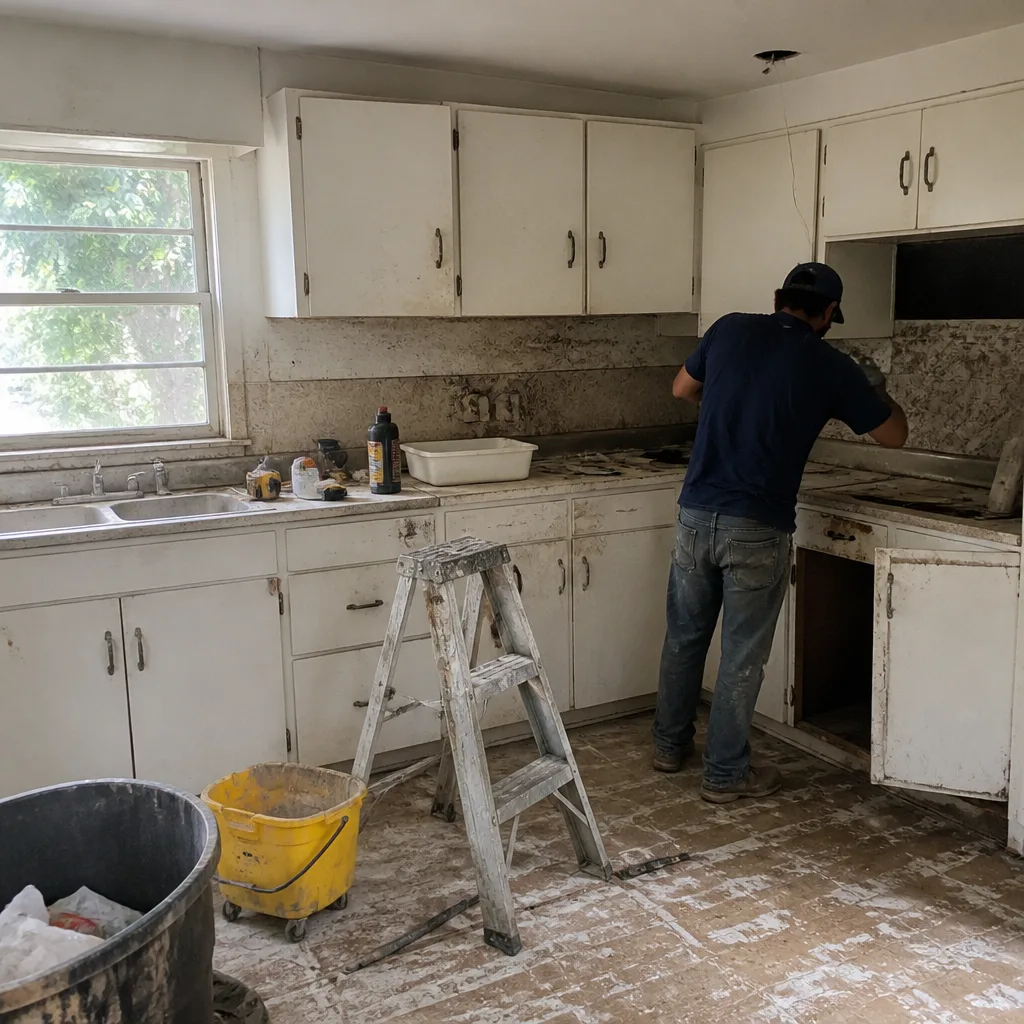
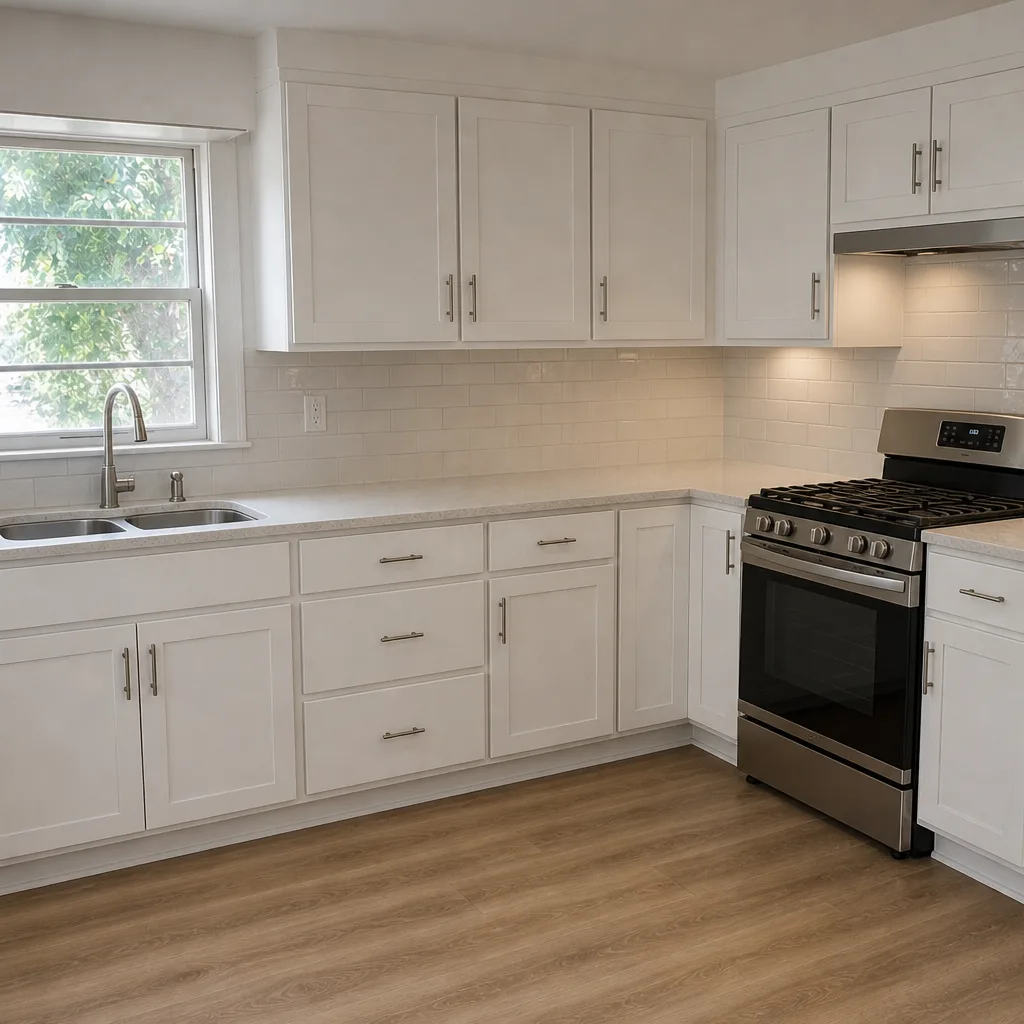
See the difference
 Before
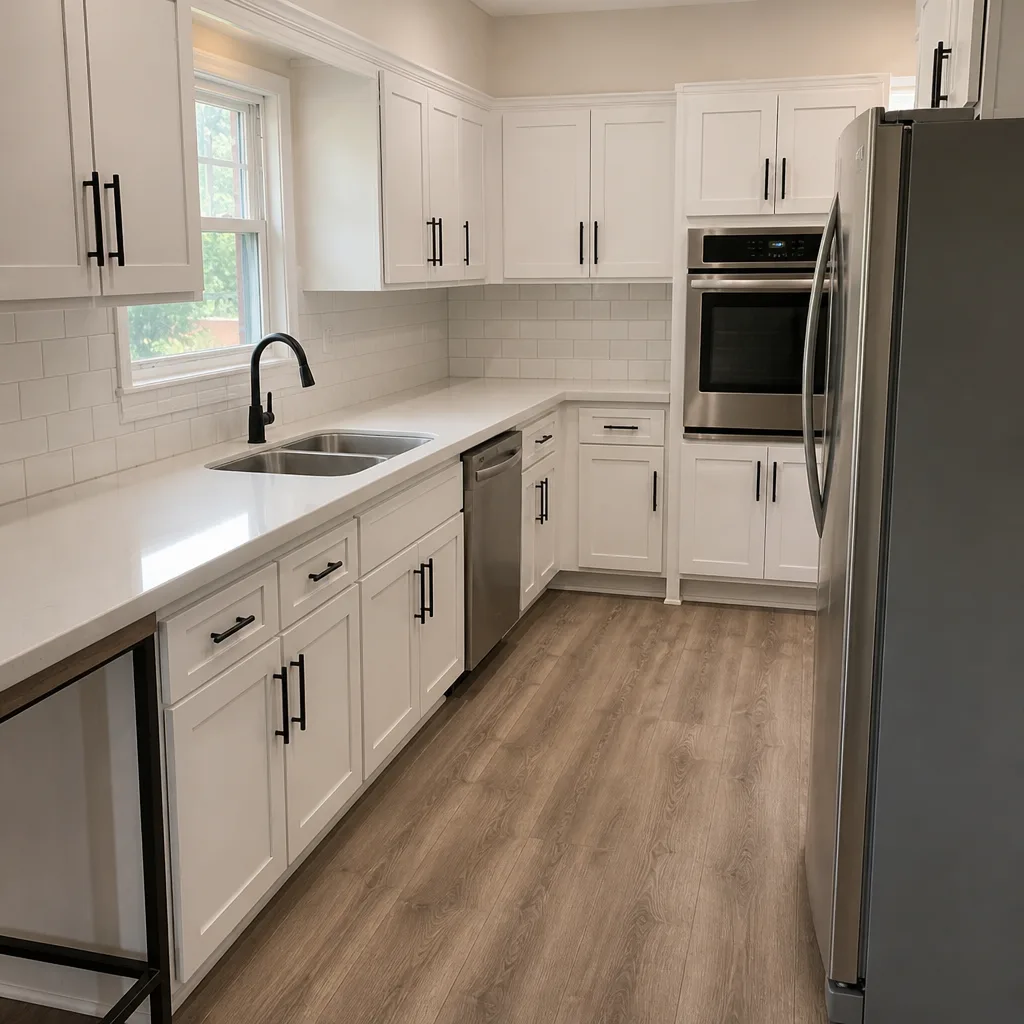 After
 Before
 After
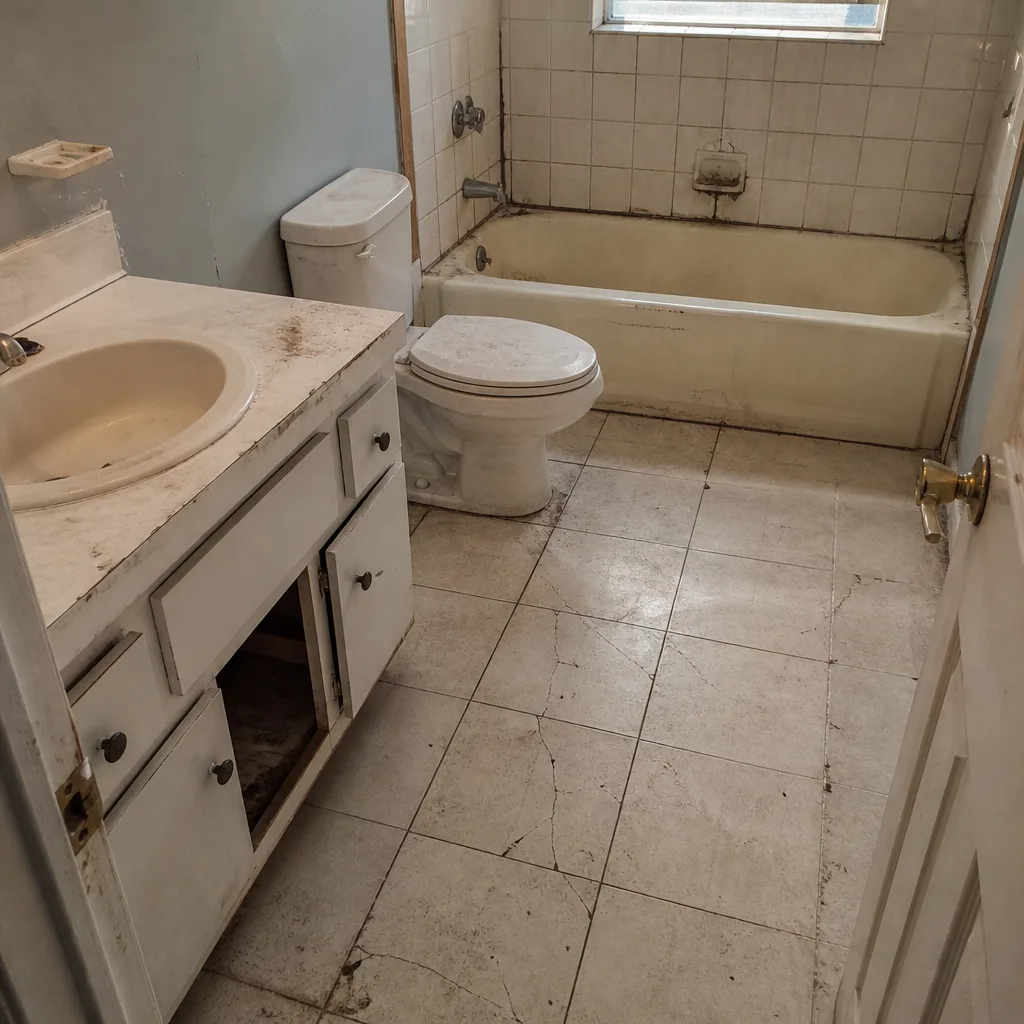 Before
 After
The Bottom Line
The question isn’t whether you can handle addition work yourself – it’s whether DIY on a structural project protects or destroys the investment you’re trying to build. Florida law reserves structural, electrical, plumbing, and HVAC for licensed trades, and the owner-builder permit gives you management control, not a license. The real DIY zone is finish work: painting, landscaping restoration, cabinets, fixtures, sequenced around inspections. Everything that touches a permit, a load-bearing element, or the existing systems is a hire-it-out scope. Done that way, DIY saves you real money and the addition stays insurable, sellable, and inspection-ready. From foundation to finish line, that’s the balance to protect.
Related Reading
- Groundwork Construction Co. of Westchester home – who we are and the full scope of what we build.
- Home Additions & ADU in Westchester – permits, planning, and the full build process.
- Fence Installation in Westchester – licensed fencing around your finished addition, including lines from Ameristar, Jerith, and Bufftech that hold up in Westchester weather.
- Driveway & Pavers in Westchester – access, drainage, and the driveway work that pairs with an addition or ADU build.
Contact
If you’re weighing DIY against a professional bid on a home addition or ADU in Westchester, call (833) 630-4214 for a free estimate. We’ll give you a line-item breakdown of what the project legally requires, what you can safely do yourself, and what the number actually looks like – upfront pricing, no surprises. From foundation to finish line, we’ll draw the line for you. Live person, 24/7, and a 730-Day Done Right Promise on every project we complete.
Written by the team at Groundwork Construction Co. of Westchester.