Last updated November 18, 2026

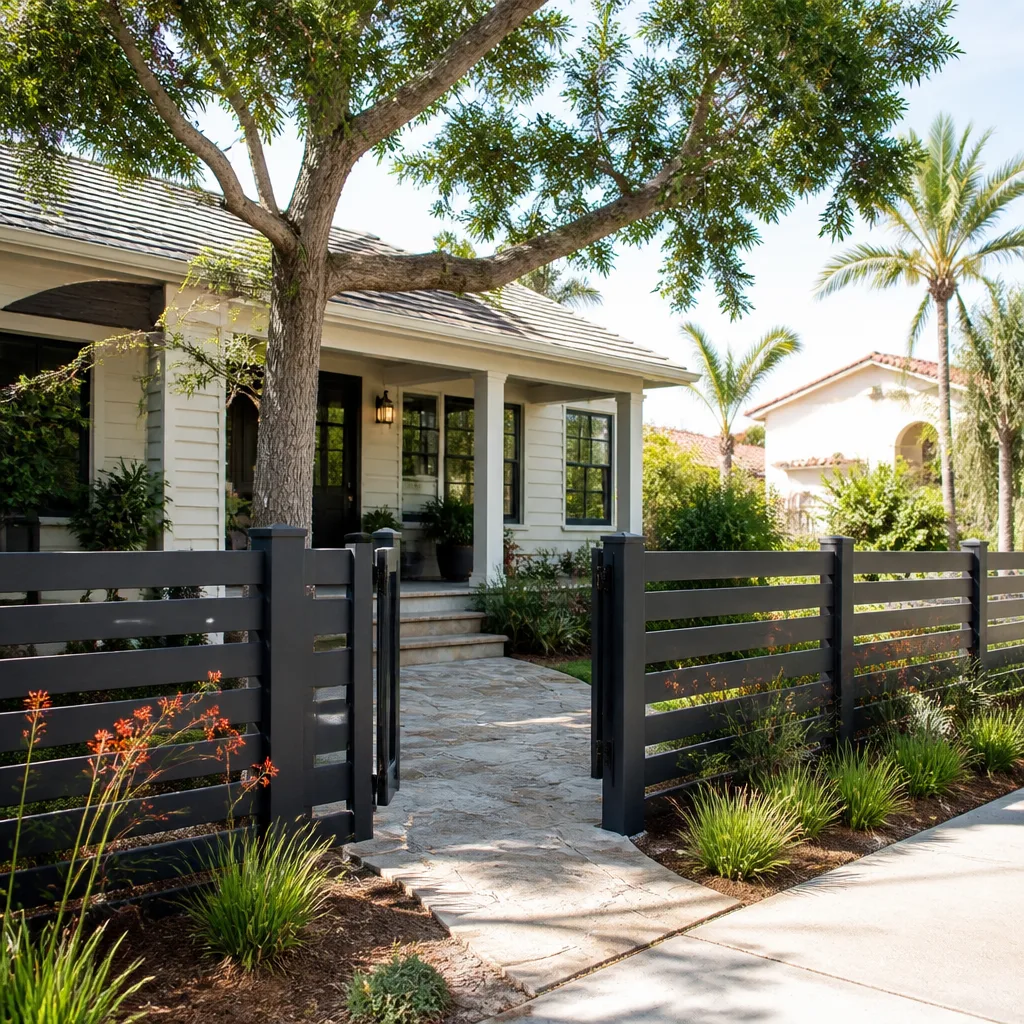


Free written scope consultation - allowances, timeline, and change-order rules on paper before a single trade is scheduled
How Long Does Driveway & Pavers Take? Timelines and What to Expect
The paver installation itself is usually the shortest part of the job. Homeowners call us expecting to hear “three days,” and then the real timeline – excavation, hauling away old material, base gravel, compaction, and the curing window on polymeric sand and sealer – pushes the calendar out to a week and a half or more. Most people don’t find out until a dumpster is parked in their driveway and both cars are blocked in. Here’s the phase-by-phase breakdown for Westchester homeowners who want to plan around construction instead of guessing through it, including what’s realistic for Florida’s rainy season and why the base work, not the pretty top layer, controls the schedule.
Quick Answer
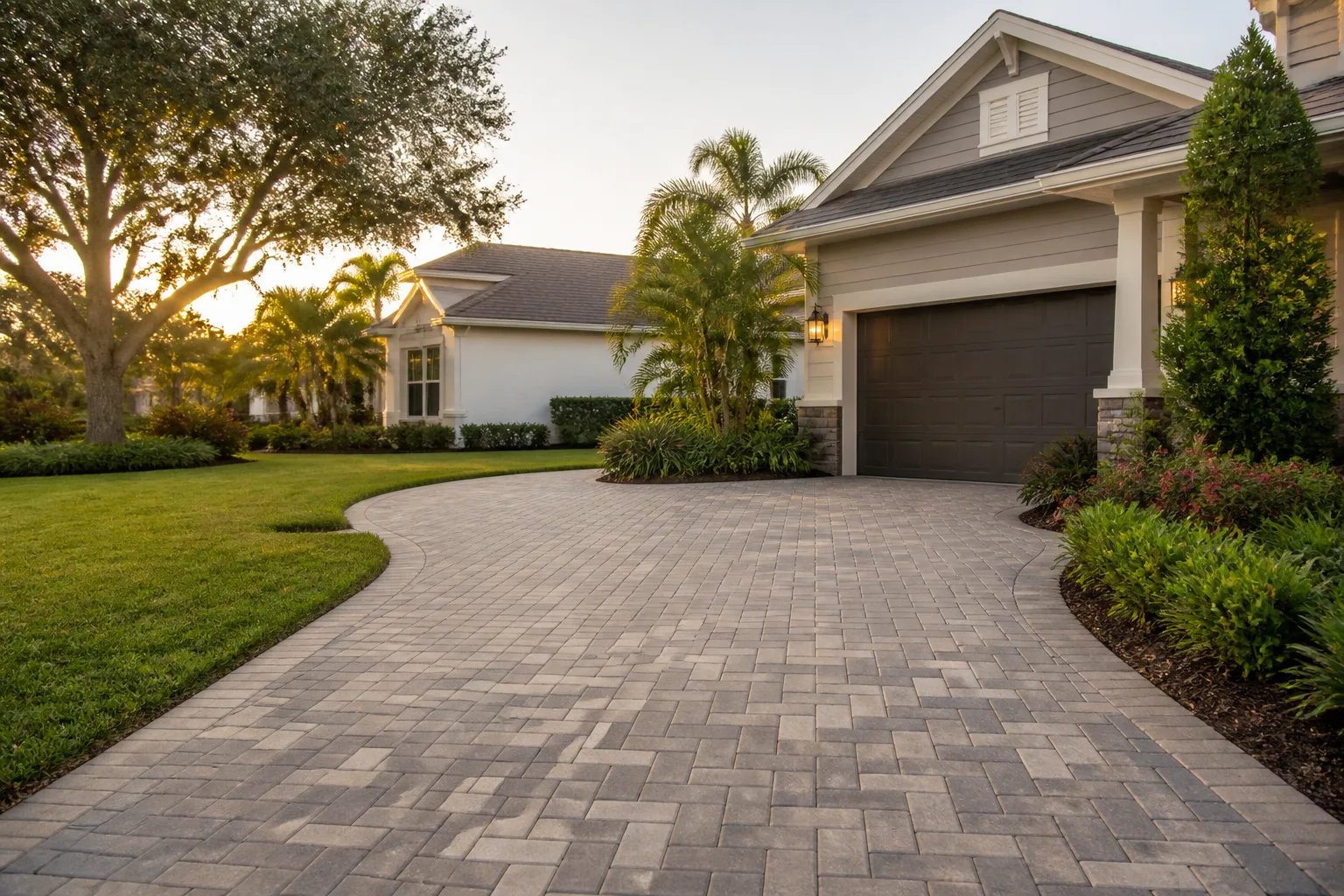
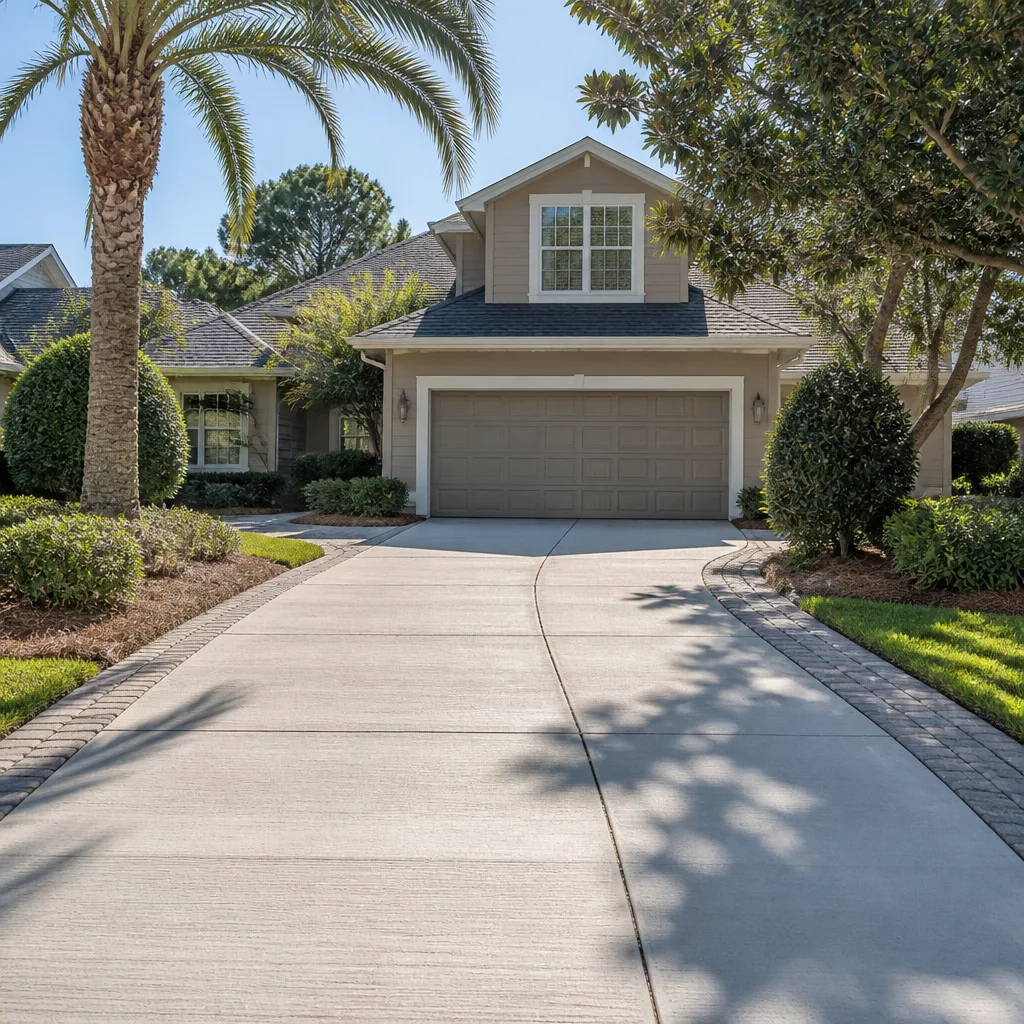
A typical two-car driveway (roughly 400 to 600 square feet) takes 5 to 10 working days from demo to drive-on ready when the base is built correctly and weather cooperates. Smaller walkways and patios run 3 to 5 days. Larger, curved, or multi-level designs in Westchester can stretch to two weeks or more. The final seal coat requires an additional 24 to 72 hours of cure time before vehicles go back on the surface.
Styles & brands we work with
- Kitchen remodeling
- Bathroom remodeling
- Home additions & ADU
- Roofing
- Windows & doors
- Driveway & pavers
- Fence
Table of Contents
- The Phase-by-Phase Timeline
- Why Base Depth Drives the Whole Schedule
- What “Cure Time” Actually Means for Sand and Sealer
- How Driveway Size and Design Change the Timeline
- Florida’s Rainy Season and Mandatory Weather Delays
- Red Flags in Contractor Timelines
- Common Mistakes to Avoid
- Frequently Asked Questions
The Phase-by-Phase Timeline
No honest paver job has a single number attached to it. The schedule breaks into six distinct phases, and each one has its own clock. Here’s what a straightforward driveway install looks like on a calendar in Westchester, where the soil tends to run sandy near the coast and heavier inland:
- Demo and excavation (1 to 2 days). Removing the old surface – asphalt, concrete, or failing pavers – plus hauling away spoils. A small walkway can be torn out in half a day; a full driveway with thick concrete takes longer because the slab gets broken and trucked off.
- Base gravel and compaction (1 to 2 days). Crushed stone gets laid in 2-inch lifts and compacted after each one, not dumped and rolled once. This is the phase that separates a driveway that lasts 25 years from one that sags in year two.
- Bedding sand (half to one day). A 1-inch layer of course sand is screeded level over the compacted base. Simple, but it has to be dead flat.
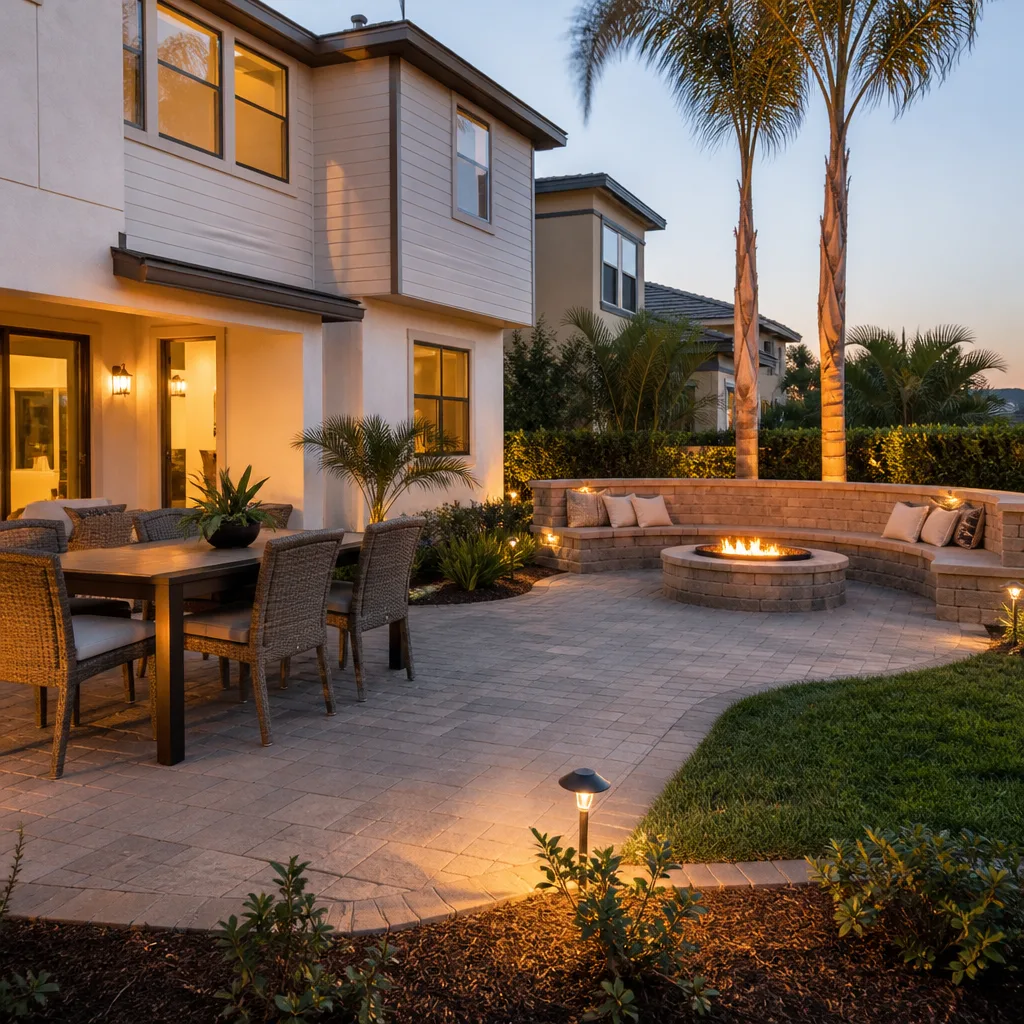
- Paver laying (1 to 3 days). The visible work. A two-person crew lays 300 to 500 square feet per day on a standard running-bond pattern. Herringbone or curved layouts slow things down considerably.
- Joint sand and edge restraint (half a day). Polymeric sand goes into the joints, edges get locked with restraint, and the whole surface is compacted one final time to seat the pavers.
- Sealing and cure (1 to 3 days of curing after the seal coat). The sealer is applied after the sand sets – typically the next day – and then cures before traffic returns.
Add those up and you land at 6 to 11 working days for a typical two-car driveway. In our experience, the excavation and base phases eat more calendar time than homeowners expect, especially on older Westchester properties where the existing driveway was poured over a gravel bed that no longer drains properly. If you’re planning a broader exterior project, it helps to line up the paver schedule against other work – our Groundwork Construction Co. of Westchester home page has the full scope of what we handle.
Why Base Depth Drives the Whole Schedule
Ask three contractors how long the job takes and one will say three days while another says two weeks. Almost always, the difference is how seriously they’re treating the base. A paver sits on top of four layers: soil, compacted gravel, bedding sand, and joint sand. Get the gravel wrong and the pavers will heave, settle, or shift within a couple of seasons.
For residential driveways in Westchester, a compacted gravel base typically runs 4 to 6 inches deep for pedestrian and light vehicle use, and 6 to 8 inches where heavier vehicles park. Every inch beyond a standard depth adds compaction time – not just because there’s more material, but because each lift has to be watered, rolled, and checked for density before the next one goes down. A driveway that needs 8 inches of base instead of 4 will add roughly half a day to a full day to the schedule. It’s worth the time. Rushing the base to save a day is how you end up with a sunken paver ring around the tires within a year.
- Soil type matters. Sandy soils common in coastal Westchester drain fast and compact predictably. Inland clay holds water and often needs subgrade correction or underdrain before gravel goes down.
- Tree roots need addressing. Mature oaks and pines push pavers up. Grinding out roots and rebuilding that section of base adds a day.
- Drainage slope is non-negotiable. Driveways must pitch away from the house and toward the street or a drainage point. Rebuilding a slope means more excavation and recompaction.
If a contractor quotes you the same number of days whether your driveway needs a full depth rebuild or a light refresh, ask why. Base depth is the single biggest variable in the timeline, and it should be reflected in both the schedule and the price.
What “Cure Time” Actually Means for Sand and Sealer
Homeowners hear “cure time” and assume it means the pavers need to sit. Not quite. The pavers themselves are ready the moment they’re laid and compacted. What needs time is the polymeric sand in the joints and the sealer on top, and each has its own cure clock.
Polymeric sand activates when it gets wet. Once it’s swept into the joints and misted, the polymer binds the sand grains together and hardens into flexible mortar. That activation takes 24 to 48 hours of dry weather to fully set. If it rains hard in the first 12 hours, the sand can wash out of the joints or cure unevenly. That’s why responsible crews won’t sweep and activate polymeric sand when a storm is in the forecast.
Sealer – whether water-based or solvent-based – forms a film that has to off-gas and bond before it takes foot traffic or vehicle weight. Water-based sealers typically need 24 hours before foot traffic and 48 to 72 hours before vehicles. Solvent-based sealers can take longer to fully harden, especially in humidity.
- Foot traffic: usually safe after 24 hours on the sand alone.
- Vehicle traffic: safe once the sealer has cured – 48 to 72 hours after the seal coat in most cases.
- Heavy vehicle or hot tire contact: wait a full week for best results, especially on dark pavers in summer.
If your driveway is your only vehicle access, plan to park on the street – and check with Westchester’s code enforcement about overnight street parking limits – for at least two nights after the final seal coat. That’s the realistic window, and it’s the one contractors often leave out of the quote.
How Driveway Size and Design Change the Timeline
Square footage is a starting point, but it’s a lazy way to estimate duration. Two driveways of the same size can finish a day or more apart depending on three things: design complexity, access, and layout.
Design complexity
A simple running-bond pattern with a border is the fastest layout. Herringbone and basketweave take longer because every paver angle changes and cuts increase. Curved edges, circles, or multi-material designs (Belgard plank pavers mixed with asphalt-style borders, for example) add cutting time and layout time – often 30 to 50 percent longer on the laying phase. A driveway with an inlaid compass rose or contrasting driveway apron can add a full day or more by itself.
Access constraints
If a crew can back a dump truck right up to the excavator, material moves fast. On tighter Westchester lots – a narrow drive with a fence on one side and mature landscaping on the other – everything moves by wheelbarrow or mini skid steer. That can easily add a day to the excavation and base phases. Sidewalks, low branches, and gate openings all have a say. If you plan to add a fence alongside the new driveway, coordinate the two schedules – our Fence Installation in Westchester team can tell you the same thing.
Slope and elevation changes
Flat is fast. Any driveway with a noticeable grade – a slope from the street up to a garage, or a step-down to a lower pad – requires terracing, retaining, or stepped paver courses. Each elevation change is its own small construction project.
The practical takeaway: a 500-square-foot straight driveway in a simple pattern is a 5 to 7 day job. The same square footage in herringbone with a curved border, tight site access, and a slope change is a 10 to 14 day job. If you’re adding an ADU, garage extension, or covered carport over or beside the driveway, most of that sequencing lives in your larger build – take a look at our Home Additions & ADU in Westchester page for how we phase site work around a new structure.
Florida’s Rainy Season and Mandatory Weather Delays
Westchester, Florida sits in one of the wettest climates in the country. From June through September, afternoon thunderstorms are a daily reality, and a driveway project has to account for them. This is not a contractor excuse – it’s a hard physical fact of the trade.
- Excavation can’t proceed in standing water. A saturated excavation trench is unstable, and pavers laid over a wet base will settle. Crews wait for the pit to drain before continuing.
- Compaction is unreliable on wet gravel. Gravel that’s too wet can’t reach the required density. It needs to dry before it can be rolled properly, which pushes everything downstream.
- Polymeric sand can wash out. If a storm hits within the first 12 hours after activation, the sand may fail and need to be redone.
- Sealer gets ruined by rain. Freshly sealed pavers exposed to rain too soon can cloud, blister, or turn white. A sealer coat that gets rained on within 12 to 24 hours often has to be stripped and reapplied.
Responsible contractors build weather contingency into the schedule – typically 1 to 3 buffer days during the wet season, less during the dry months of October through May. If you’re scheduling a Westchester paver project between June and September, expect a schedule with buffer days built in and treat that as a positive signal. A contractor who promises a weatherproof dry-season pace in July is telling you something about how they handle risk. If you want the full-service view of exterior work including pavers, Driveway & Pavers in Westchester covers the service specifics.
Red Flags in Contractor Timelines
A contractor’s quoted timeline tells you a lot about how they work – often more than their price does. Here’s what to listen for.
- “We can have that done in two days.” On a real driveway install with demo, excavation, and base rebuild, two days means one of those phases is being skipped. Usually it’s base depth or compaction.
- No weather allowance at all. If a June quote doesn’t mention rain contingency in Westchester, they either don’t plan carefully or they plan to push past problems and let you discover them later.
- No cure time mentioned. A quote that says “ready to drive on the same day” is either skipping polymeric sand or skipping sealer – sometimes both.
- A single number with no breakdown. “Five days” without a phase-by-phase schedule is a promise, not a plan. Ask for the breakdown in writing.
- Crew is generic, not named. On bigger scopes, a background-checked, uniformed crew that shows up and knows the plan on day one is a serious signal of schedule reliability. Our technicians have up to 12 years of experience and arrive ready to work.
- No written timeline at all. Verbal timelines vanish the moment the crew doesn’t show up.
- “We’ll start whenever.” A firm start date and a clear calendar are signs of a contractor with a real schedule – not one juggling too many jobs.
If your quote has any of these, ask for the phase breakdown. A contractor with real experience won’t bat an eyelid at the request.
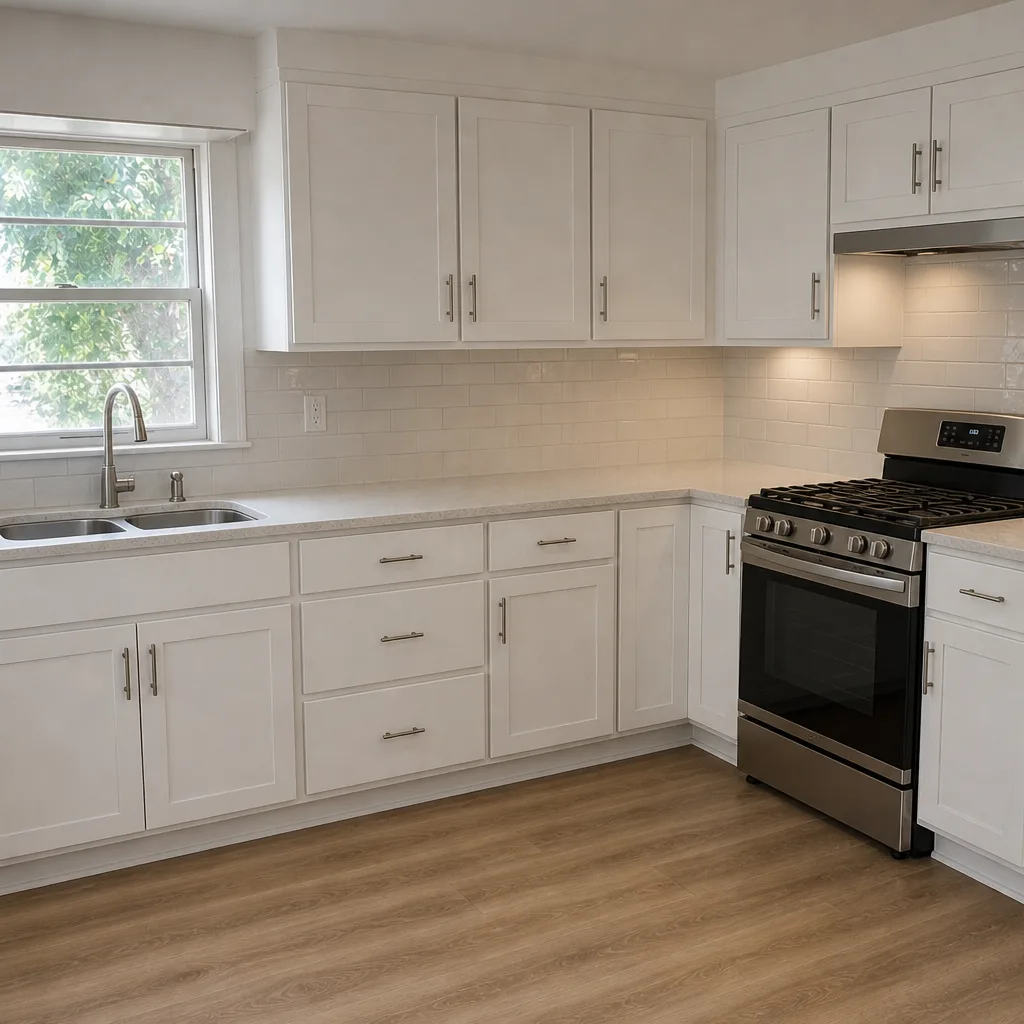
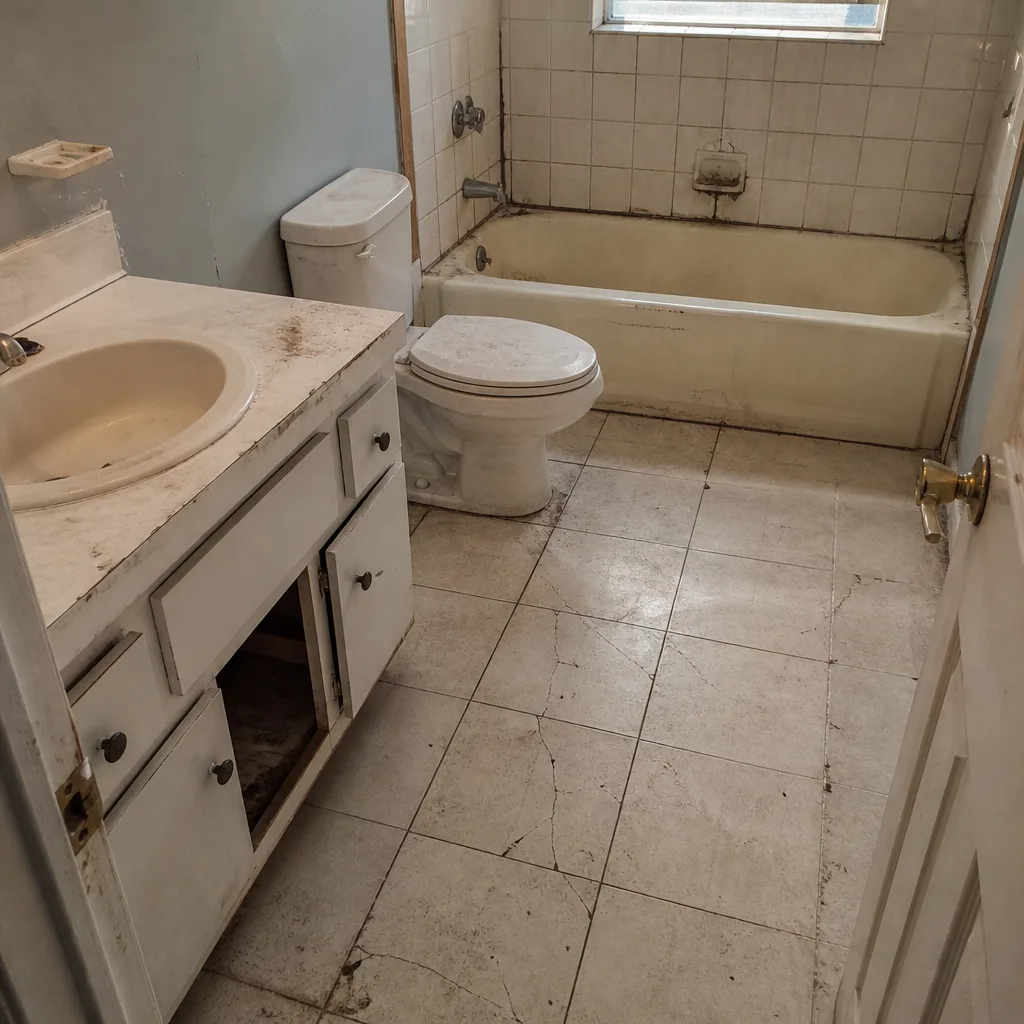
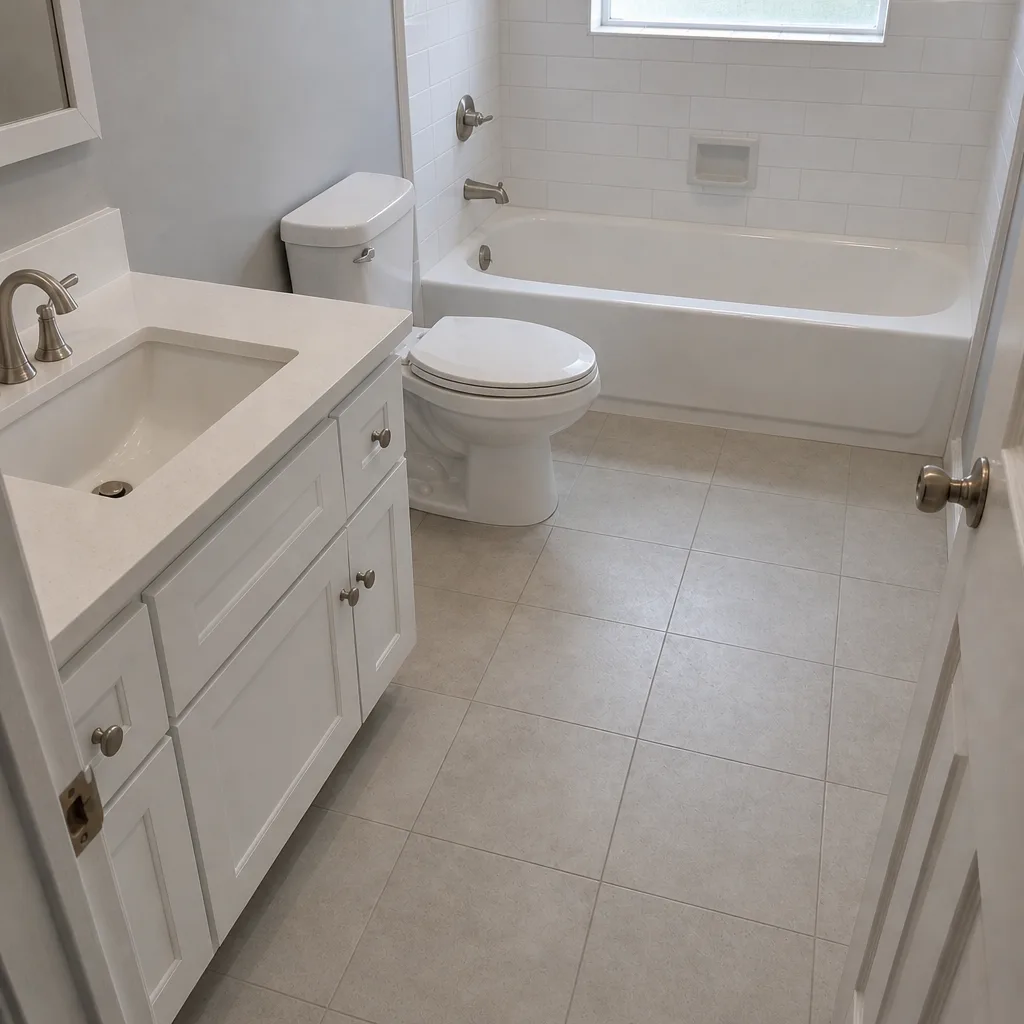
See the difference
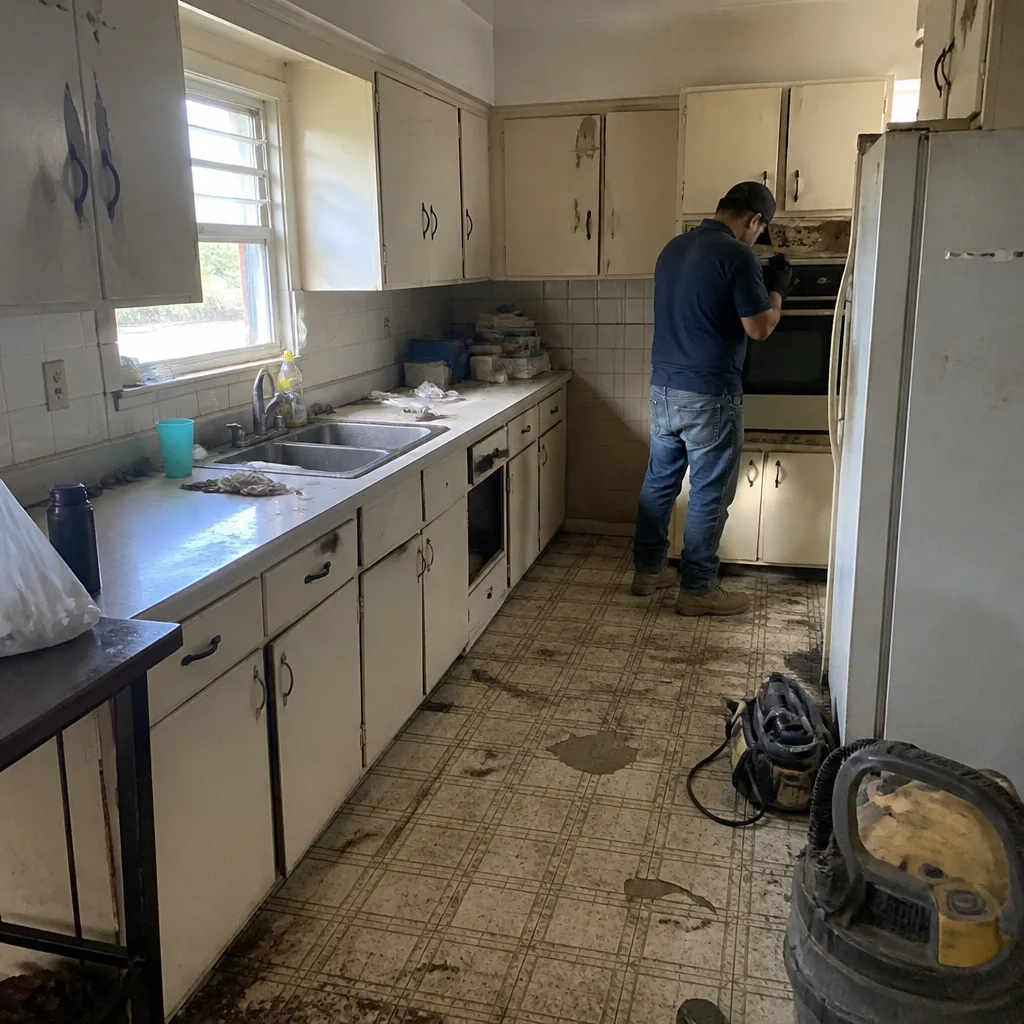 Before
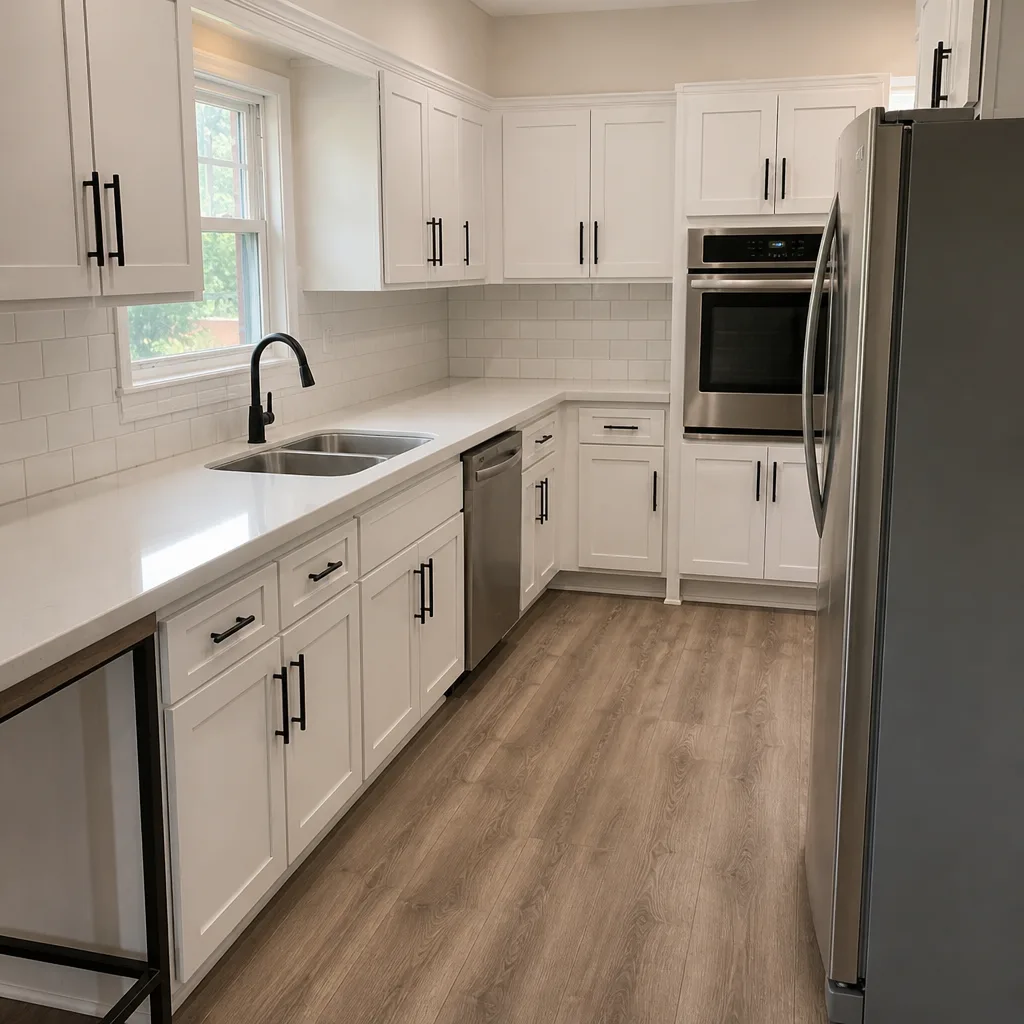 After
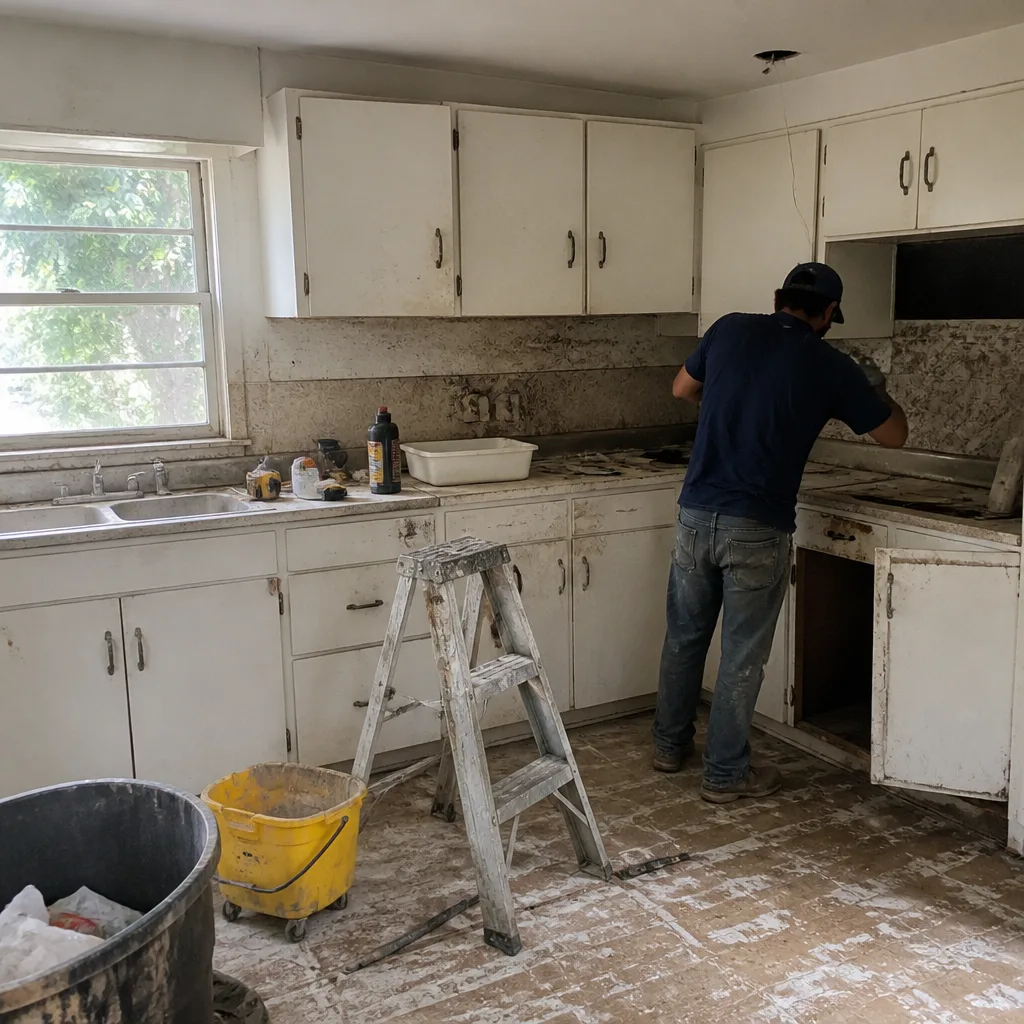 Before
 After
 Before
 After
Common Mistakes to Avoid
- Booking work in peak rainy season without cushion. Late summer in Westchester brings daily storms. If you need the driveway ready for a specific date, aim for the dry season or plan two extra weeks of buffer.
- Choosing a contractor on speed alone. The fastest bid is usually fast because they’re cutting base depth, using insufficient edge restraint, or skipping sealer. Those shortcuts show up within a year.
- Not asking when cars can go back on the pavers. Get it in writing. Curing time is different for foot traffic and vehicle traffic, and a careless early drive can damage the sealant.
- Parking on the street without checking Westchester rules. Some residential streets have overnight restrictions. Plan alternative parking before demolition day, not after.
- Not coordinating with other projects. If you’re also replacing a fence, widening a gate, or adding an ADU, schedule those ahead of the paver work – once the driveway is sealed, you don’t want heavy equipment rolling back over it.
- Ignoring drainage. A beautiful new driveway that pitches toward the house is a problem waiting for the next big storm. Verify the slope plan before excavation begins.
- Paying the full amount up front. A reasonable deposit and a schedule-tied payment plan protect you if the timeline slips. “Pay us in full” before work starts is a red flag anywhere.
When to Call a Professional
Small paver patios and walkways are tempting DIY projects, but driveways are not. The base depth, compaction, and drainage work involved in a driveway job require heavy equipment and density testing – the kind of gear most homeowners don’t own and don’t want to rent. Add Florida’s rainy season and the fact that a badly built driveway fails quietly for a year before it becomes obvious, and the case for hiring a trained crew becomes clear. Beyond that, if your driveway has settled, if pavers are rocking underfoot, if water pools near the garage, or if you’re considering a full replacement or new install on a Westchester property, it’s time for a professional assessment. Groundwork Construction Co. of Westchester offers free estimates in Westchester – call (833) 630-4214 to schedule yours. We work with a curated set of brand partners – Belgard among them – and every project is backed by our 730-Day Done Right Promise. If it’s not done right, we make it right.
Frequently Asked Questions
A typical two-car driveway in Westchester takes 5 to 10 working days from demo through drive-on ready, plus 48 to 72 hours of cure time after the final seal coat before vehicles return. Larger or more complex jobs can run two weeks or longer, and rainy-season projects should plan for 1 to 3 buffer days. Call (833) 630-4214 for a free estimate with a written phase-by-phase schedule.
No. Plan on staying off the pavers for at least 24 hours for foot traffic, and 48 to 72 hours for vehicles after the seal coat is applied. Heavy vehicles and hot-tire contact on dark pavers should wait a full week. Driving early can mar the sealer and disturb the joint sand before it sets.
For a small, straightforward walkway or single-car pad with easy access, a solid crew can finish in 3 to 5 working days including cure time. Any full driveway installation finished in less than that is almost certainly skipping base depth, compaction steps, or sealer cure – all of which shorten the life of the surface.
Yes. From June through September, afternoon storms are routine in Westchester, and each one can cost half a day or more depending on the phase it interrupts. Wet excavation, wet gravel, washed-out polymeric sand, and rained-on sealer all require waiting or redoing work. A contractor who builds in buffer days is protecting the quality of your driveway, not padding the schedule. Call (833) 630-4214 for an honest estimate of your specific timeline.
Most full driveway installations in Westchester land in a range driven by square footage, base depth, pattern complexity, and drainage work required – it’s a number that can only be set after an on-site estimate. Our upfront pricing means the number you see is the number you pay, with no change orders and no surprises once work starts. Call (833) 630-4214 for your free estimate – financing options including 0% for 18 months are available, plus $1,000 off projects over $10,000.
Yes. Every Groundwork project is covered by our 730-Day Done Right Promise – if it’s not done right, we make it right. That’s one of the longest workmanship guarantees in residential construction, and it applies to driveway and paver projects just like our other service lines. Call (833) 630-4214 to talk through the coverage in detail.
The Bottom Line
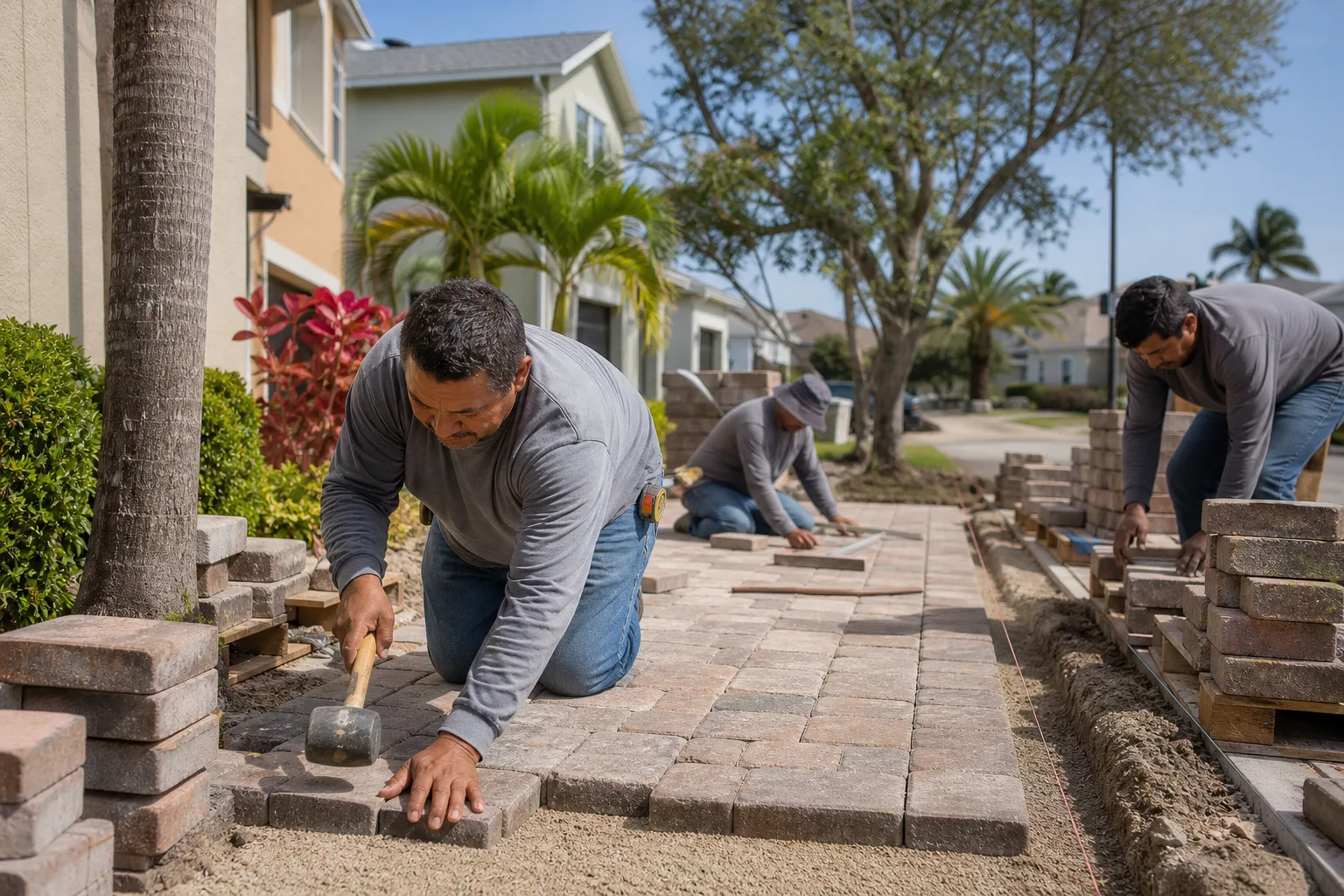
A driveway paver install doesn’t take three days. It takes five to twelve, depending on base depth, design, access, and cure windows. The base phase and the sealing cure are where real contractors earn their reputation, and where shortcuts show up a year later as sunken pavers and cloudy sealer. In Westchester, plan around the rainy season, verify the cure timeline in writing, and treat a phase-by-phase schedule as the sign of a professional job. Choose a crew that will answer the phone, show up in uniform, and stand behind the work. Call (833) 630-4214 for your free estimate – we’re answering live, 24/7, and we’ll put the timeline in writing before we break ground.
Written by the team at Groundwork Construction Co. of Westchester.