
Free written scope consultation - allowances, timeline, and change-order rules on paper before a single trade is scheduled
Styles & brands we work with
- Kitchen remodeling
- Bathroom remodeling
- Home additions & ADU
- Roofing
- Windows & doors
- Driveway & pavers
- Fence
See the difference
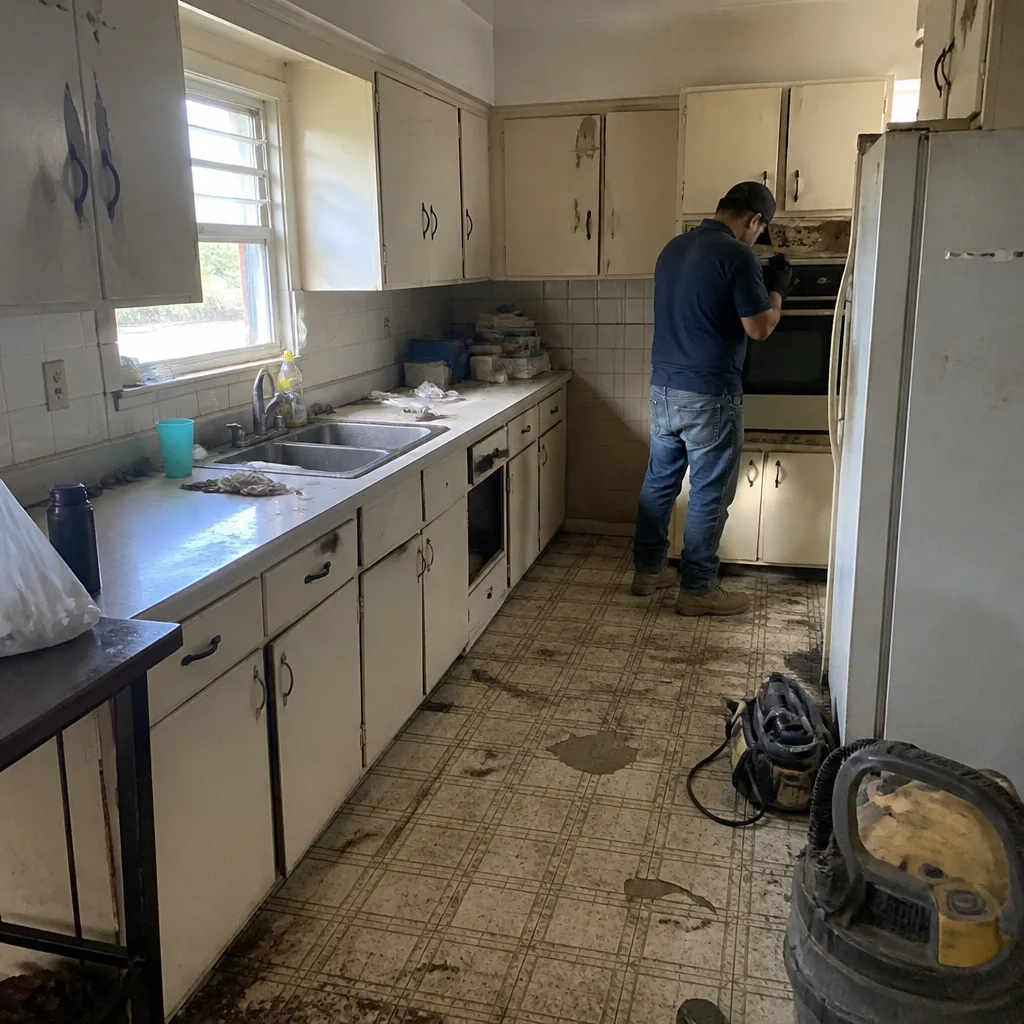 Before
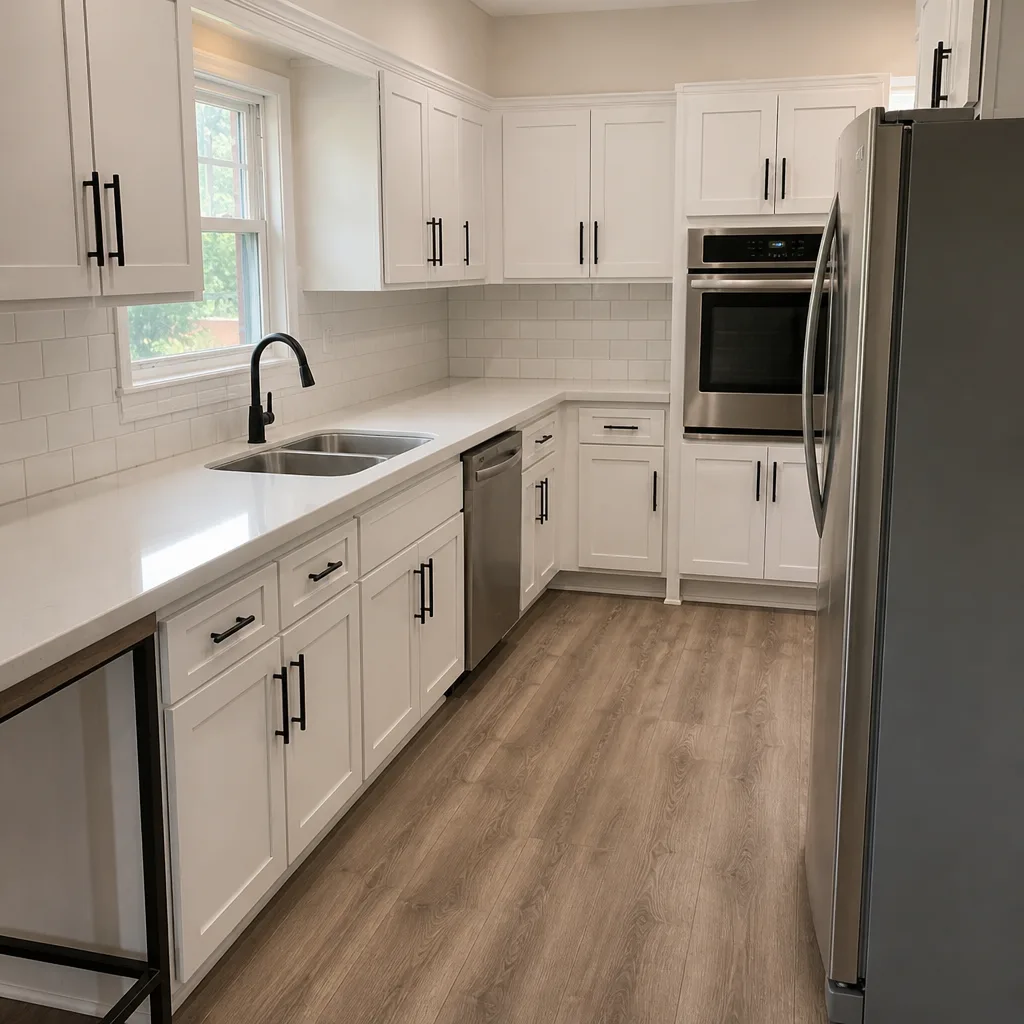 After
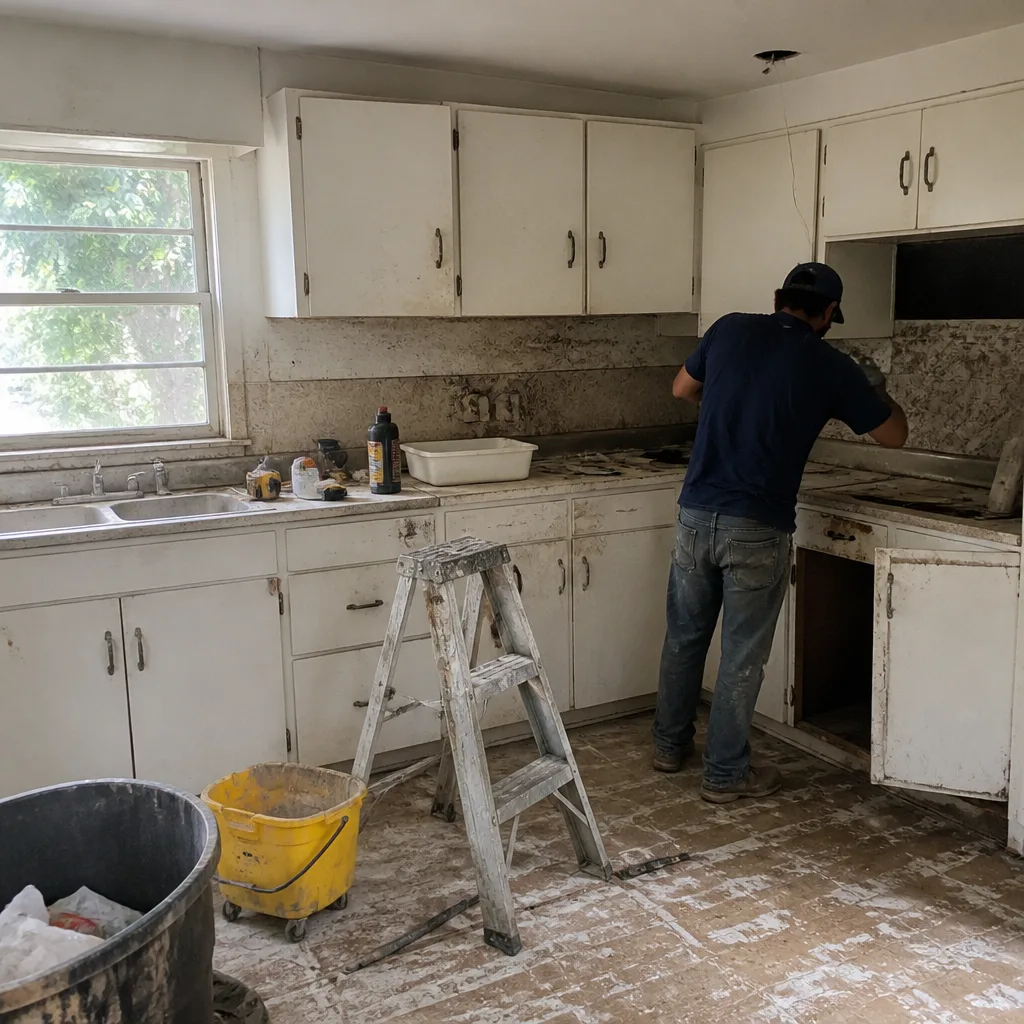 Before
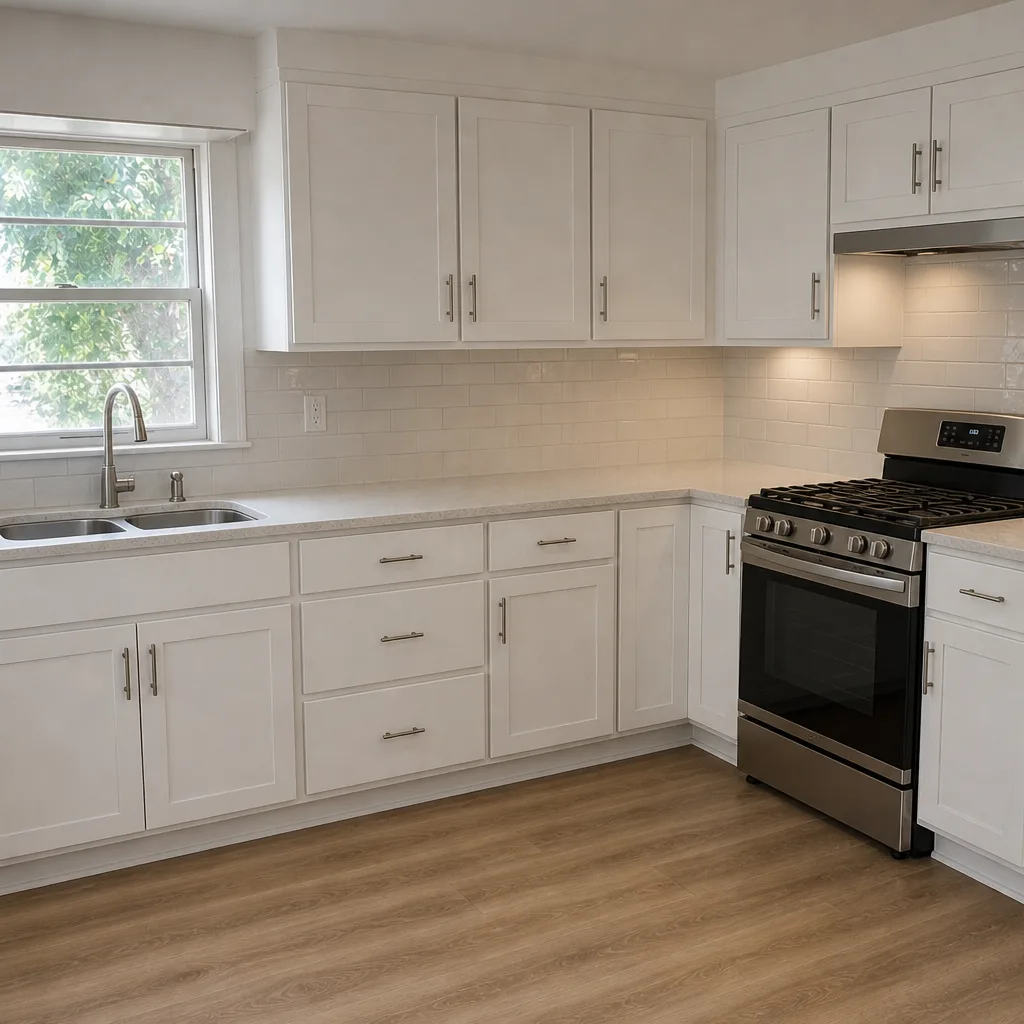 After
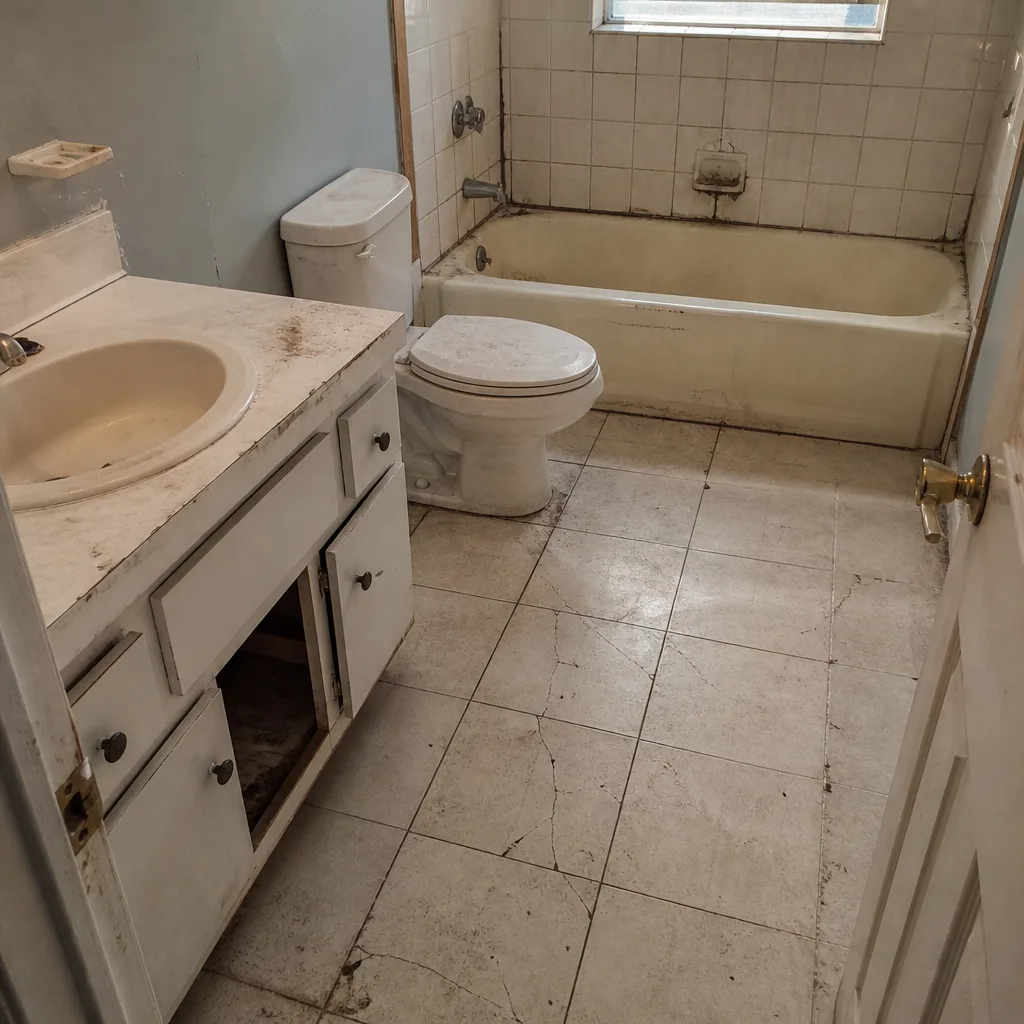 Before
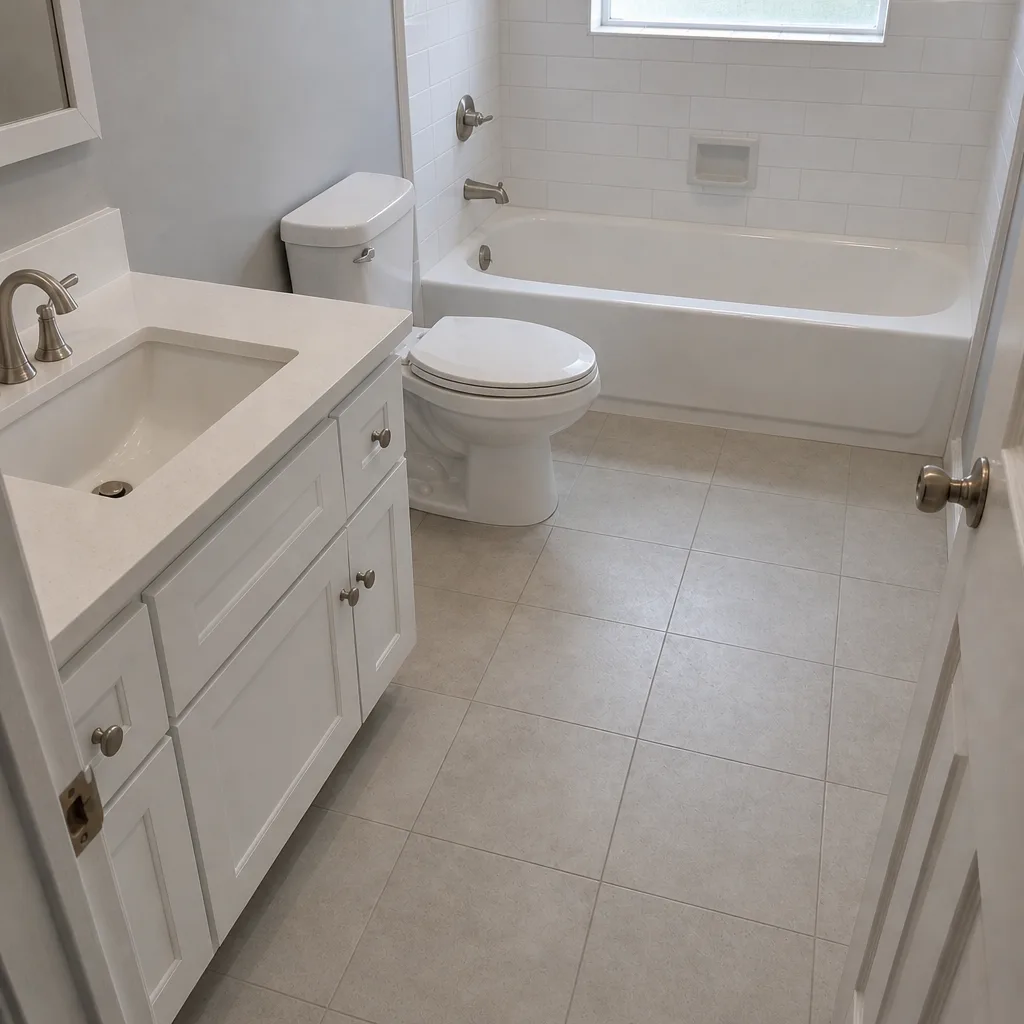 After
Home Depot Impact Windows vs Professional Installation in Westchester, FL: Which Actually Passes Inspection?
Choose a professional installation when your home sits in Westchester’s unincorporated Miami-Dade jurisdiction, because a retail purchase shifts the entire High-Velocity Hurricane Zone compliance burden onto a third-party installer with no relationship to the retailer. Choose the retail route only if you already hold a current Miami-Dade NOA matching your exact opening and have a licensed installer lined up who will pull the permit in their own name. For nearly every Westchester homeowner in a concrete-block home, the professional path is the one that closes out clean. Call (833) 630-4214 and we’ll walk you through what your specific opening requires.
Home Depot will sell you impact windows. They will not pull your Miami-Dade County permit, verify the Notice of Acceptance against your specific rough opening, or show up when the county inspector flags the anchor pattern. That work lands on whoever installs the glass. If that installer is a subcontractor with no relationship to the retailer, the accountability gap is yours to carry.
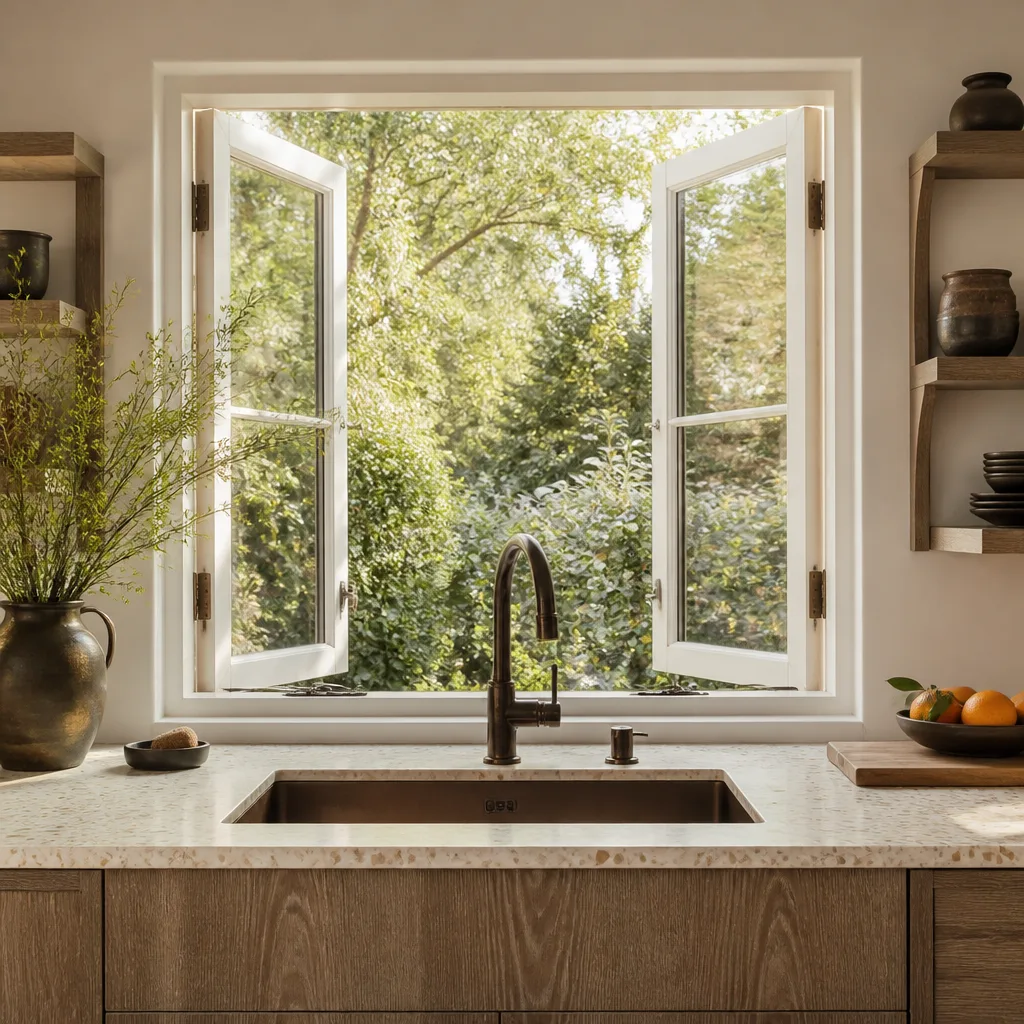
What Westchester’s Housing Stock Does to an Off-the-Shelf Window Purchase
Most of this community was built between the 1960s and 1980s, and the default wall assembly is concrete block finished in stucco. That single fact drives everything about how an impact window gets anchored, permitted, and inspected here. A masonry opening in a CB-stucco wall does not accept the same anchorage pattern as a wood-frame nail flange, and Miami-Dade’s HVHZ rules are strict about which approved method applies to which substrate.
The gap opens when a homeowner buys a window off the rack and hands it to an installer who runs the same anchor schedule they use on frame construction. The unit carries a strong product rating. The installation still fails because the anchorage method in the field doesn’t match the method listed in the product approval. That mismatch surfaces at the inspection, not at the register, and by then the window is set in the wall.
Westchester’s unincorporated status sharpens this. There’s no city hall to sign off. Every permit, inspection, and code enforcement action runs through Miami-Dade County, usually through the online e-permitting portal. A contractor who only knows municipal permitting will lose weeks learning a county system they should already live in. Getting fluent in county e-permitting and HVHZ product documentation is the defining skill on any window job here, and it’s the same skill that keeps additions and roof work moving. If you’re weighing a broader scope, the home page and our Westchester service area overview lay out how the pieces connect.
The NOA-Matching Problem Nobody at the Register Will Explain
A Notice of Acceptance isn’t a general “this product is hurricane rated” stamp. The approval is tied to the specific product model, the frame material, the anchorage method, and the opening type it’s installed into. Change any one of those and the approval no longer covers what you’re building. Buy an impact unit off the shelf and you may hold a document that describes a different configuration than the wall in front of you.
Miami-Dade County’s e-permit application requires the licensed contractor to submit the product’s NOA number as part of the filing. A Home Depot receipt does not satisfy that requirement. The full approval documentation package does, and it has to match the specific installation. When the product and the installation don’t align, the permit can’t close out, and the person left holding an open permit is the homeowner.
Here’s what we check before a single unit gets ordered:
- The NOA number on the exact model, verified against the opening type and frame material for your wall.
- The anchorage method the NOA specifies for concrete-block masonry, not wood frame.
- Whether the product is approved for the HVHZ at all, which is a stricter standard than general Florida product approval.
- That the e-permit filing carries the correct NOA documentation so the county inspector has what they need on day one.
Our technicians have up to 12 years of experience reading approval documents against real openings, and that’s the part of the job most homeowners never see. What they do see is a window that passes, a permit that closes, and no letters from code enforcement. When you’re ready to move, Windows & Doors covers the full scope of what we handle.
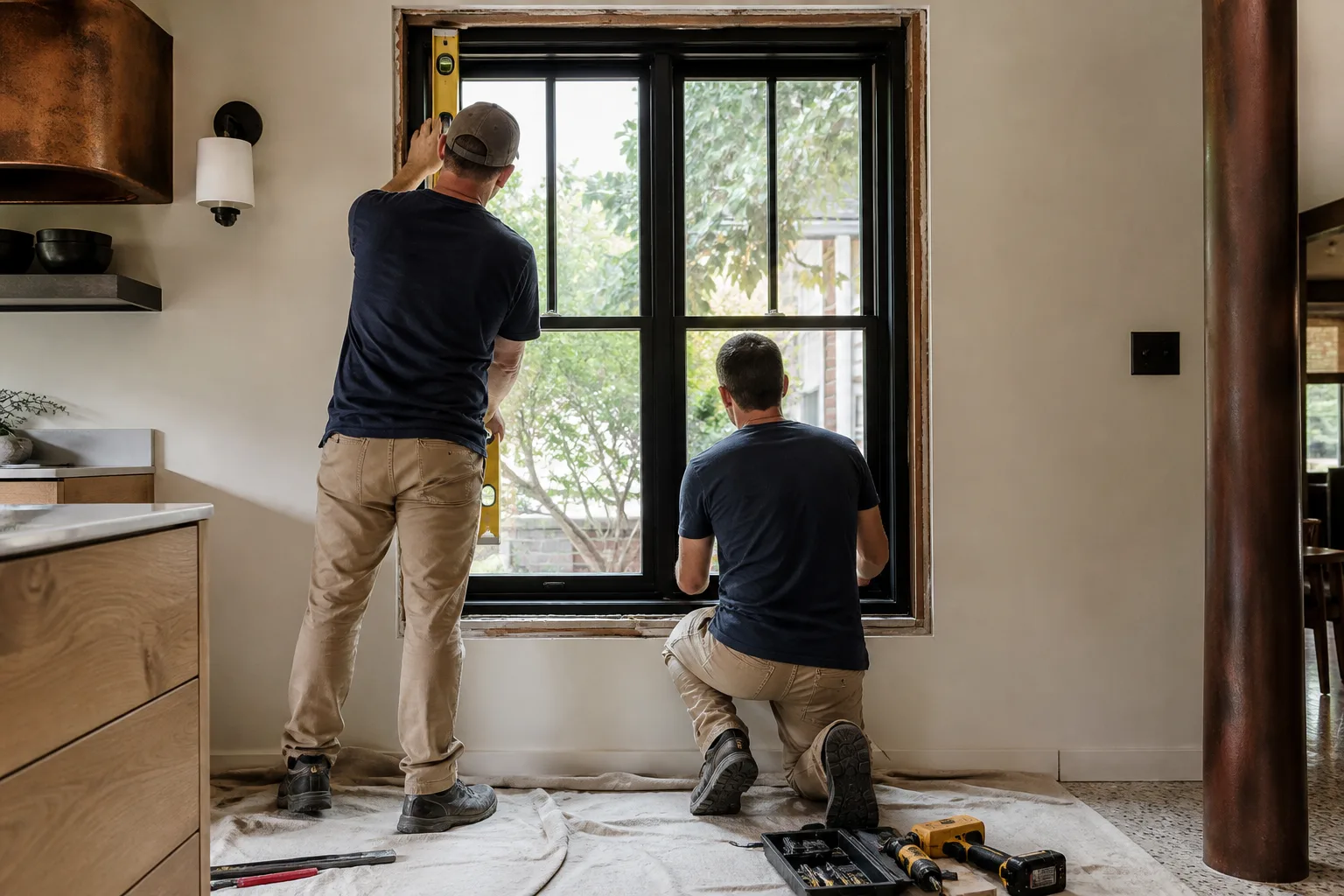
Why the Warranty Splits When You Buy Retail
Buy a window from a retailer and a separate installation from their contracted network, and you’ve split your coverage across two entities. The product warranty lives with the manufacturer. The installation warranty lives with the installation contractor, and it’s typically a limited term that has nothing to do with the product warranty. File a leak claim and you may get routed between the two until you give up.
Neither entity carries a 730-day workmanship promise. That’s the piece that matters in a climate where wind-driven rain pushes hard against every seam and flashing detail through the summer. A window that’s properly rated but poorly flashed will find the water. Westchester’s heavy rain and hurricane-season gusts test the installation, not the product label, and a two-track warranty gives you no single party to hold responsible when it does.
Our model is different by design. Product selection, NOA verification, Miami-Dade permit application, and installation are handled by one company. The upfront pricing you see includes permit fees and documentation, so there’s no surprise invoice when the county filing comes due. The 730-Day Done Right Promise covers the full scope: if it’s not done right, we make it right, and there’s one number to call.
| What you’re comparing | Retail purchase + third-party install | Groundwork Construction Co. of Westchester |
|---|---|---|
| NOA verification | Yours to confirm | We match the NOA to your opening before ordering |
| Miami-Dade e-permit | Pulled by an unrelated installer | Filed by us, with NOA documentation included |
| Masonry anchoring spec | Often standard frame pattern | Built to HVHZ masonry requirements |
| Product warranty | One entity | Brand partners like Andersen, Pella, and Marvin, handled by us |
| Workmanship coverage | Separate limited term | 730-Day Done Right Promise |
| Accountability for permit close-out | Falls to you | Ours from start to finish |
What Impact Window Installation Costs in Westchester
Impact window installation across Westchester runs $8,000 to $25,000 depending on count, opening sizes, and product line, while standard window replacement sits at $4,500 to $15,000. The impact figure includes the permit and documentation work that a retail purchase leaves you to coordinate. Here’s how the numbers break down:
| Scope | Price range |
|---|---|
| Impact window installation | $8,000 - $25,000 |
| Standard window replacement | $4,500 - $15,000 |
Brand choice matters less to the price than the permit and anchoring work does, but it matters to the long haul. We work with Andersen, Pella, and Marvin because those lines carry the approval documentation and the track record that hold up under HVHZ review. Every brand on our list is there because it earns its place, not because it’s easy to source. If you’re also planning roof or structural work around the window project, roof replacement runs $8,000 to $20,000 and we handle both under the same 730-Day Done Right Promise.
FAQs
Yes, but the licensed contractor installing them must submit the product’s NOA number as part of the Miami-Dade County e-permit application, and the NOA has to match your specific opening, frame material, and anchorage method. A retail receipt doesn’t satisfy the filing. If the product and installation don’t align, the permit won’t close and you’re carrying it. Call (833) 630-4214 and we’ll check whether a unit you’ve already bought will pass HVHZ review before you commit.
Some retail units do carry a valid NOA, but the approval is tied to the exact model, frame material, anchorage, and opening type, so a rated product can still fail inspection if the anchorage spec doesn’t fit your concrete-block wall. The label alone isn’t the approval. Our technicians verify the NOA against your opening before ordering so the filing and the installation match.
Whoever holds the permit is responsible for the close-out, and in most retail-plus-subcontractor arrangements that burden ends up with the homeowner. Miami-Dade County, not a city hall, runs the inspection, so there’s no local sign-off to fall back on. One company handling product, permit, and install keeps that responsibility in one set of hands.
Professional impact window installation in Westchester runs $8,000 to $25,000, and that range includes permit fees and NOA documentation. Retail shopping can look cheaper up front until you add a separate installer, permit coordination, and the cost of redoing an installation that fails inspection. Call (833) 630-4214 for exact pricing on your openings; estimates are free.
If you’d rather have it looked at, Groundwork Construction Co. of Westchester offers a no-pressure assessment in Westchester. We’ll check your openings, confirm which NOA applies, and give you the number before work starts. Call (833) 630-4214 for a free estimate. Live person, 24/7, and upfront pricing with no surprises.
Written by the team at Groundwork Construction Co. of Westchester, serving Westchester, FL.