
Free written scope consultation - allowances, timeline, and change-order rules on paper before a single trade is scheduled
Styles & brands we work with
- Kitchen remodeling
- Bathroom remodeling
- Home additions & ADU
- Roofing
- Windows & doors
- Driveway & pavers
- Fence
See the difference
 Before
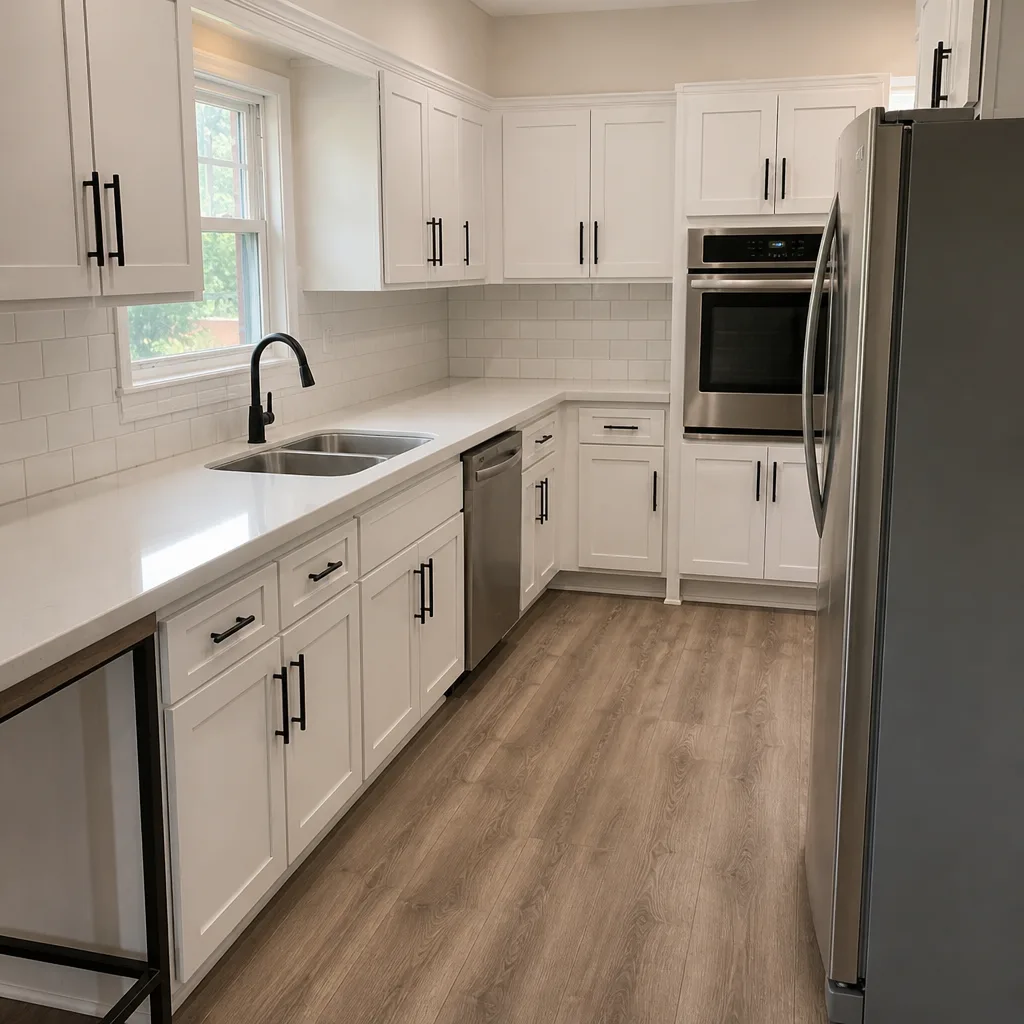 After
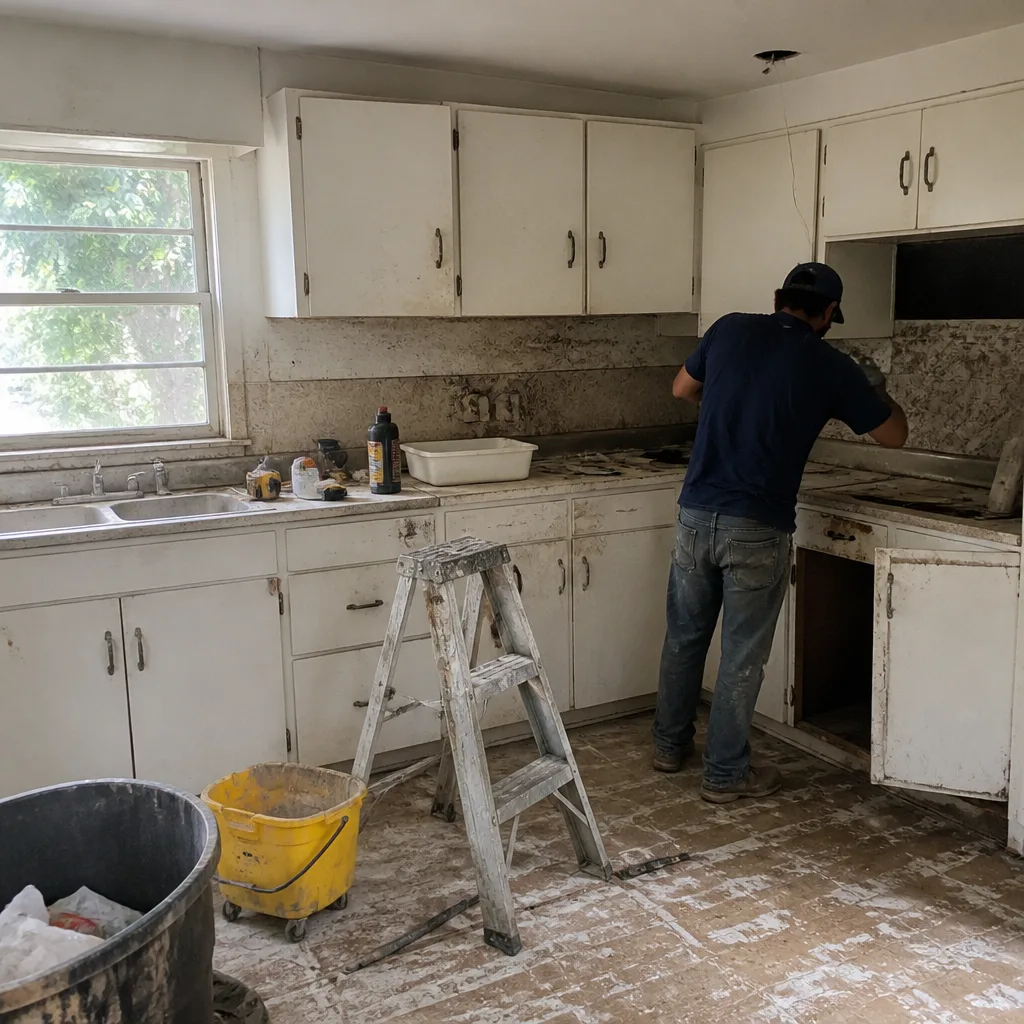 Before
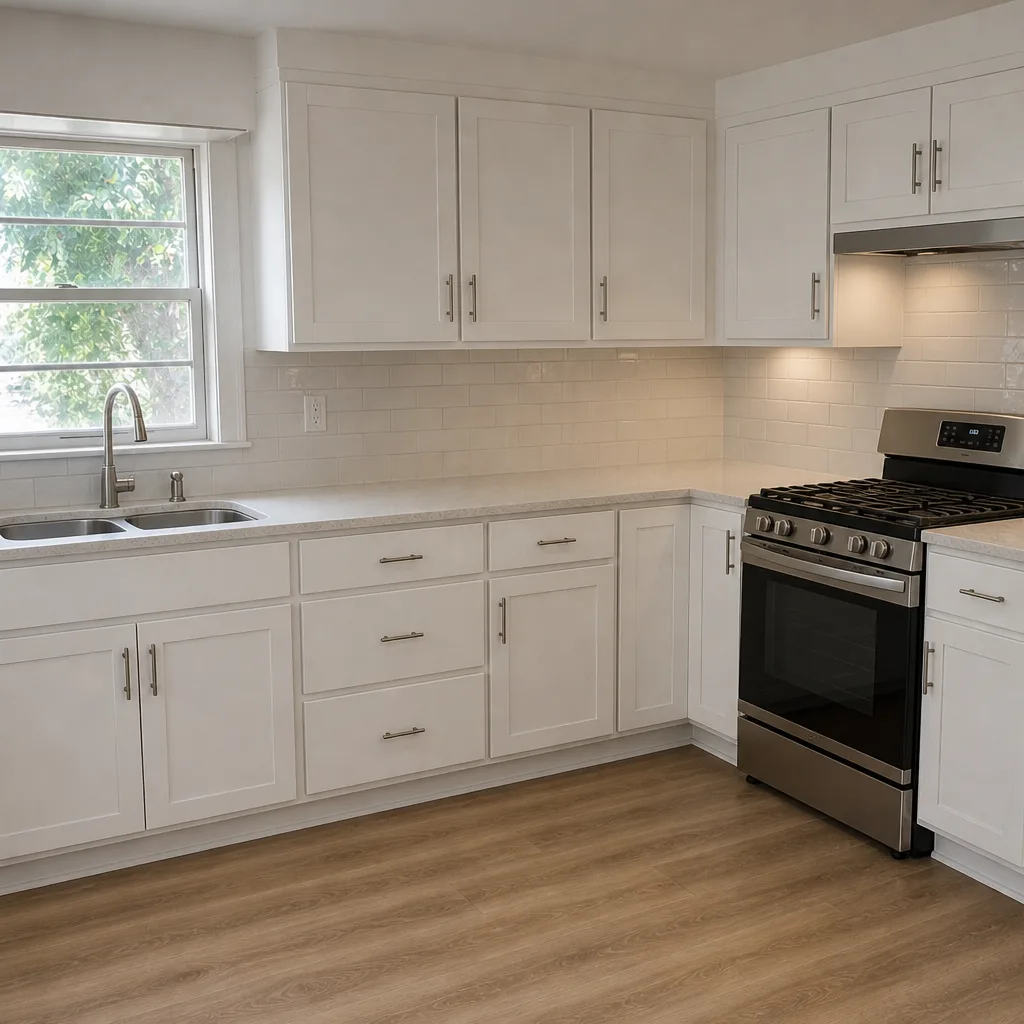 After
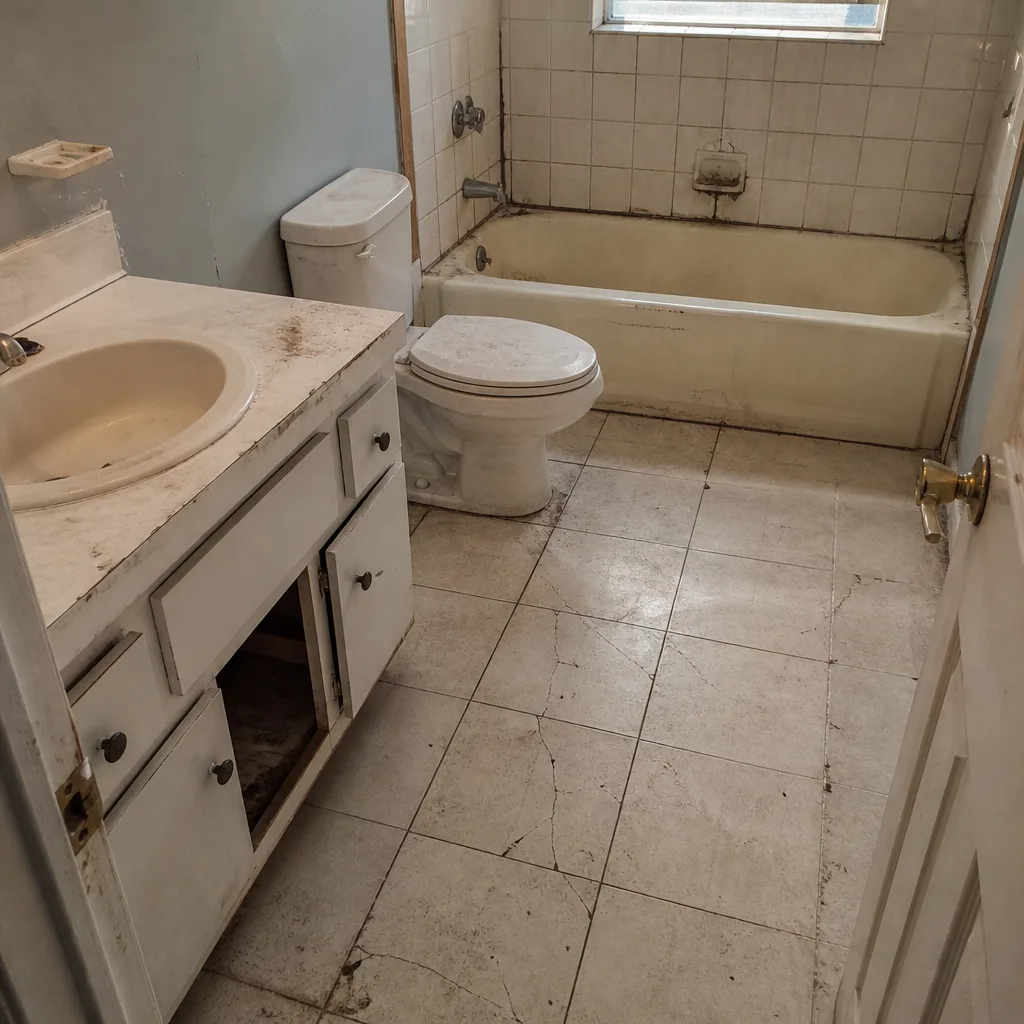 Before
 After
How to Measure a Window for Replacement in Westchester, FL
You measure a replacement window in Westchester by recording the daylight opening of the existing buck (not the rough masonry opening), taking three width and three height readings to find the smallest, then confirming the unit you order meets the Miami-Dade NOA minimum installation bite. In a concrete-block home, the number you write down first is almost never the number that actually sizes the window. Get the order wrong and you’re not patching a gap, you’re failing an HVHZ inspection.
Groundwork Construction Co. of Westchester handles this measurement with a background-checked, uniformed technician before a single unit is ordered. Call (833) 630-4214 to schedule it, and we’ll take the readings that hold up at permit time, not just at installation.
Key Takeaways
- In concrete-block (CB) construction, the ordering measurement is the daylight opening of the existing buck, not the rough masonry opening.
- Take width at top, middle, and bottom, and height at left, center, and right. The smallest number governs.
- Your replacement unit must meet the Miami-Dade NOA minimum installation bite or it won’t pass inspection even if it fits the hole.
- Stucco return depth determines the correct frame projection. Miss it and you’re paying for stucco patching after the fact.
- We measure on site. You should never order an HVHZ window off a self-measure and a hope.
Why the concrete-block buck changes everything
If your Westchester home went up in the 1970s or 1980s, the wall around your window is a cut masonry opening with a wood or aluminum buck set into the block. That buck is a separate frame the original window was nailed to, and it sits proud of or flush with the block depending on the era and the original installer. The rough masonry opening and the daylight opening of the buck are two different numbers, and they differ by the buck depth. Order to the rough opening and your new window lands in the wrong plane, with a frame that has nothing solid to bite into.
Westchester’s housing stock is full of this: 1960s-80s CB-stucco ranch and Spanish/Mediterranean homes alongside mid-rise condos, with infill teardowns replacing them one lot at a time. The older walls in that mix are the ones most likely to have a buck that doesn’t behave the way a wood-frame window opening would. That’s why the measurement you take first in a Westchester home is the daylight opening, measured to the frame, not the block.
The three-point measurement rule for masonry openings
Concrete-block walls are rarely perfectly square after decades of South Florida settling, so a single reading in the middle of the opening tells you almost nothing. Take width at the top, middle, and bottom, and height at the left, center, and right. The smallest dimension governs the size of the replacement unit, because a window that’s too wide for the narrowest point won’t seat, and one that’s too tall for the shortest point won’t clear the head.
Here’s what to record on the measurement sheet:
- Width, three readings: top, middle, bottom of the daylight opening.
- Height, three readings: left, center, right.
- Smallest width and smallest height govern the order size.
- Buck depth: how far the buck projects from the block face.
- Stucco return depth: how deep the stucco returns to the frame, so the installer can spec frame projection.
When we take those readings for a Windows & Doors replacement in Westchester, we also photograph each measurement against a tape so the order and the permit file match. If you’re planning a broader exterior refresh that includes a Westchester service area project like kitchen or bath work, the same discipline applies to every opening that touches the envelope.
The NOA minimum installation bite: the step that fails inspections
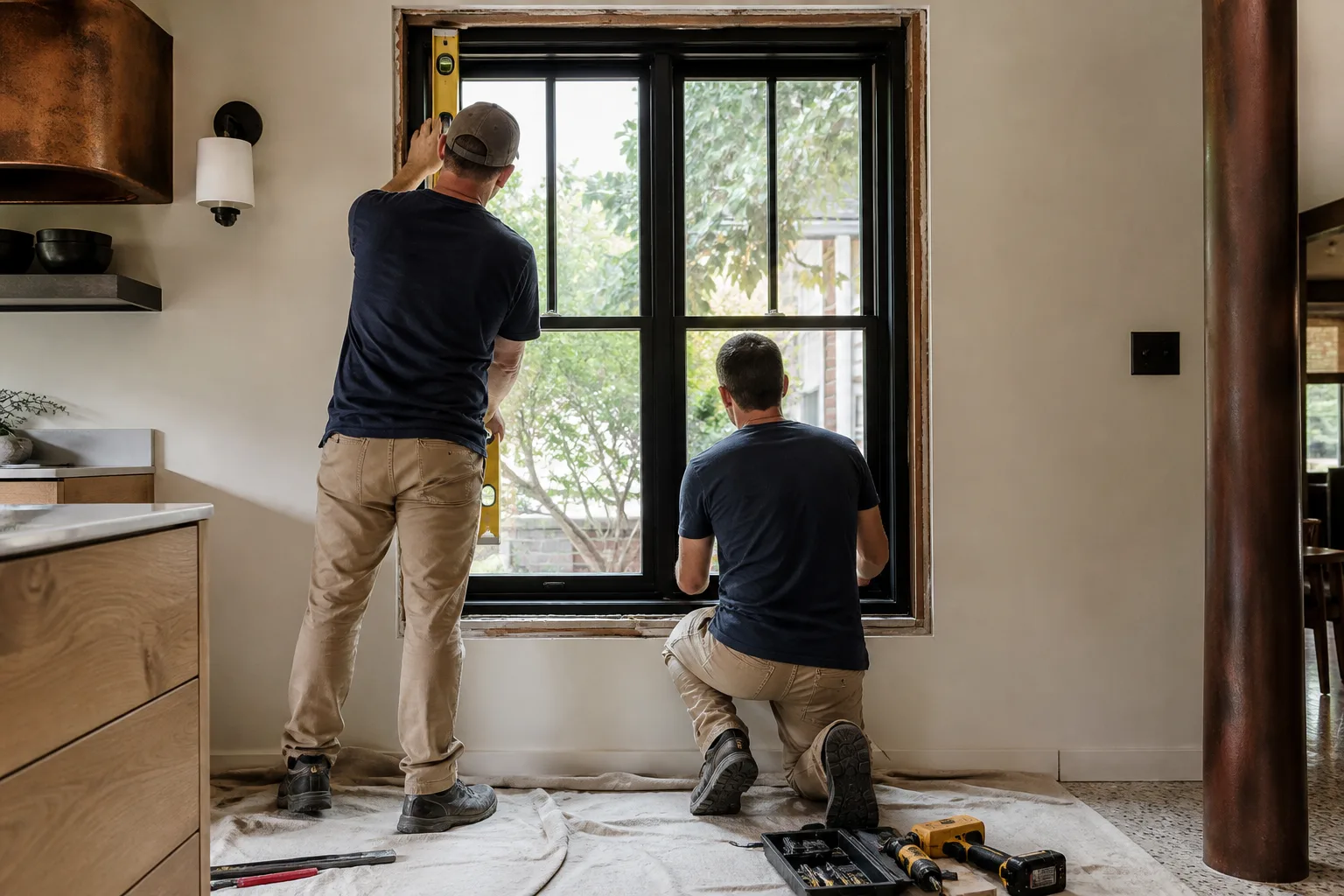
Miami-Dade product approvals don’t just approve a window, they specify a minimum installation bite. The bite is the overlap of the frame onto the buck or the masonry, and if your replacement unit is too small to meet that overlap, the product won’t pass inspection even if it sits perfectly in the hole. This is the detail most homeowners miss, and it’s why ordering strictly off the smallest measured opening can go wrong: the window has to be sized large enough to meet the NOA bite while still fitting the narrowest point of the wall.
Westchester is an unincorporated Miami-Dade community, so there’s no city hall to walk into with a permit application. All permitting, inspections, and code enforcement go through Miami-Dade County, often via e-permitting, and the High-Velocity Hurricane Zone (HVHZ) product approval documentation has to line up with the installed dimensions. That’s the part of this job where a measurement mistake becomes a failed inspection rather than a cosmetic problem, and it’s the reason we run every order through an HVHZ-checked spec before it leaves the desk.
The stucco return: the measurement that saves the patch job
In a CB-stucco wall, the installer also needs the stucco return depth to spec the correct frame projection. The return is how far the stucco laps back toward the window frame, and it varies across Westchester’s older homes because stucco gets patched and re-coated over time. Get the projection wrong and the window sits too proud or too recessed, which means stucco patching, sealant work, and sometimes a second visit after the install.
The brands we work with make the projection decision cleaner. Andersen and Marvin both publish their frame and accessory details so we can confirm the projection against the measured return before ordering. Heavy summer rains and wind-driven rain in Miami-Dade also punish a poorly seated frame, so the projection has to shed water, not just look right from the curb.
What a replacement window costs in Westchester
Replacement windows in Westchester typically run $4,500-$15,000 for a whole-home set. Impact-rated windows, which is what most CB-stucco homes in the HVHZ end up needing, run $8,000-$25,000 depending on the count, the unit size, and whether the buck needs any repair. Your measurement determines the unit count and size, so the measurement is where the budget gets fixed, not after the order.
| Item | Westchester price range |
|---|---|
| Standard window replacement (whole home) | $4,500-$15,000 |
| Impact window installation | $8,000-$25,000 |
| Stucco patch and return detailing | Quoted from the measured return |
Upfront pricing, no surprises: the number you see is the number you pay. The 730-Day Done Right Promise backs the workmanship on every install, and the standing offers ($1,000 off projects over $10,000, plus 0% financing for 18 months) apply here the same as anywhere else. Our technicians have up to 12 years of experience taking HVHZ measurements.
FAQ
You can take the three-point readings, but you shouldn’t order an HVHZ window off a self-measure. The daylight opening of the buck, the NOA minimum installation bite, and the stucco return all have to align before a unit is ordered, and a single miss can fail the Miami-Dade inspection. Call (833) 630-4214 and we’ll measure on site and confirm the spec before anything is ordered.
Window replacement in Westchester runs $4,500-$15,000 for a typical whole-home set, and impact-rated units run $8,000-$25,000. The count, unit sizes, and any buck repair drive the range. Call (833) 630-4214 for an exact quote. Estimates are free.
In a wood-frame house, the opening is studs and drywall. In a Westchester concrete-block home, it’s a cut masonry opening with a wood or aluminum buck set in the block, and the daylight opening of that buck is the number that sizes the order, not the rough masonry opening. The two differ by the buck depth, which varies by era and installer. A measurement taken the wood-frame way will be wrong here.
Most CB-stucco homes in the Hurricane Zone meet the HVHZ requirements with impact windows, and the install needs a Miami-Dade County permit through e-permitting with NOA documentation on file. There’s no city permit window in unincorporated Westchester, so everything runs through the county. We handle the permit documentation and the HVHZ spec check as part of the install, and our technicians carry the up-to-12-years of experience to get it right.
If you’d rather have this done right than measure it twice, Groundwork Construction Co. of Westchester offers a no-pressure assessment in Westchester. Call (833) 630-4214 and we’ll take the readings that hold up at inspection.
Written by the team at Groundwork Construction Co. of Westchester, serving Westchester, FL.