



Free written scope consultation - allowances, timeline, and change-order rules on paper before a single trade is scheduled
Styles & brands we work with
- Kitchen remodeling
- Bathroom remodeling
- Home additions & ADU
- Roofing
- Windows & doors
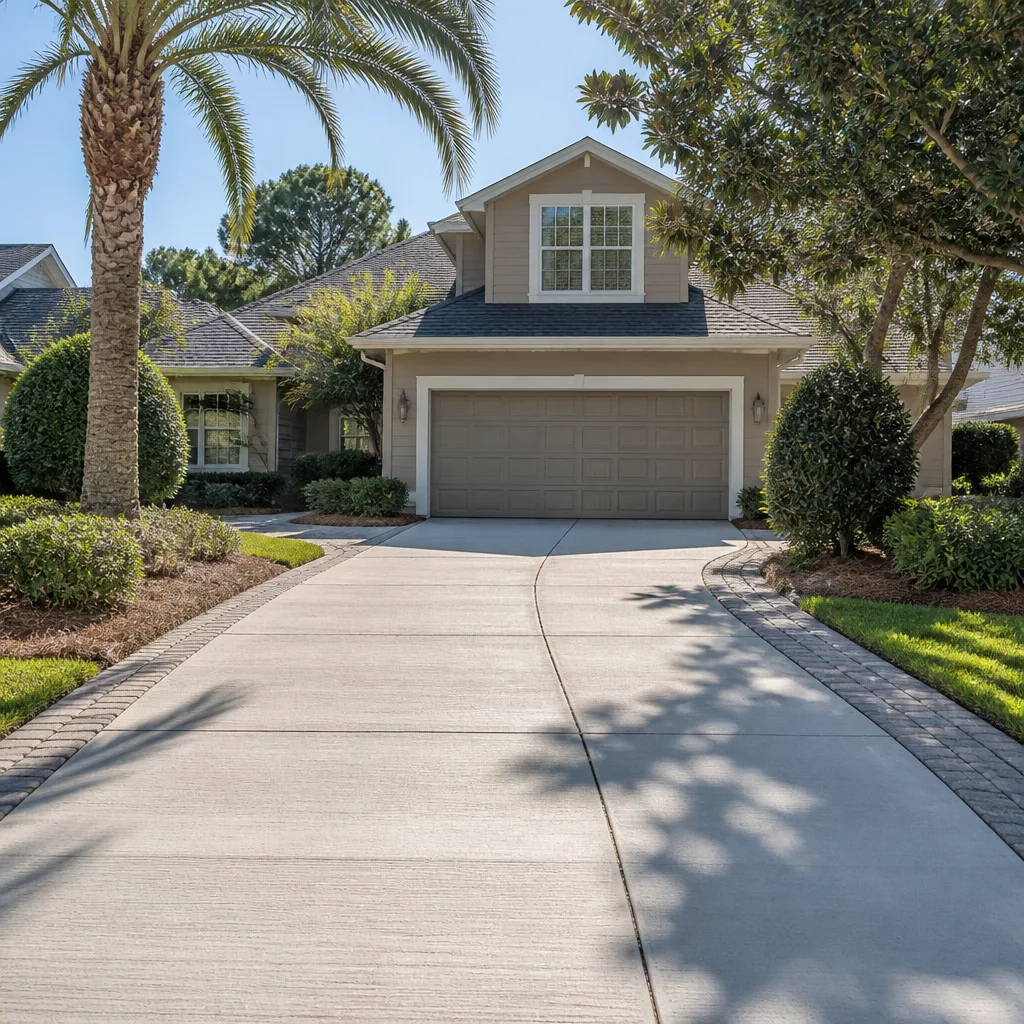
- Driveway & pavers
- Fence
See the difference
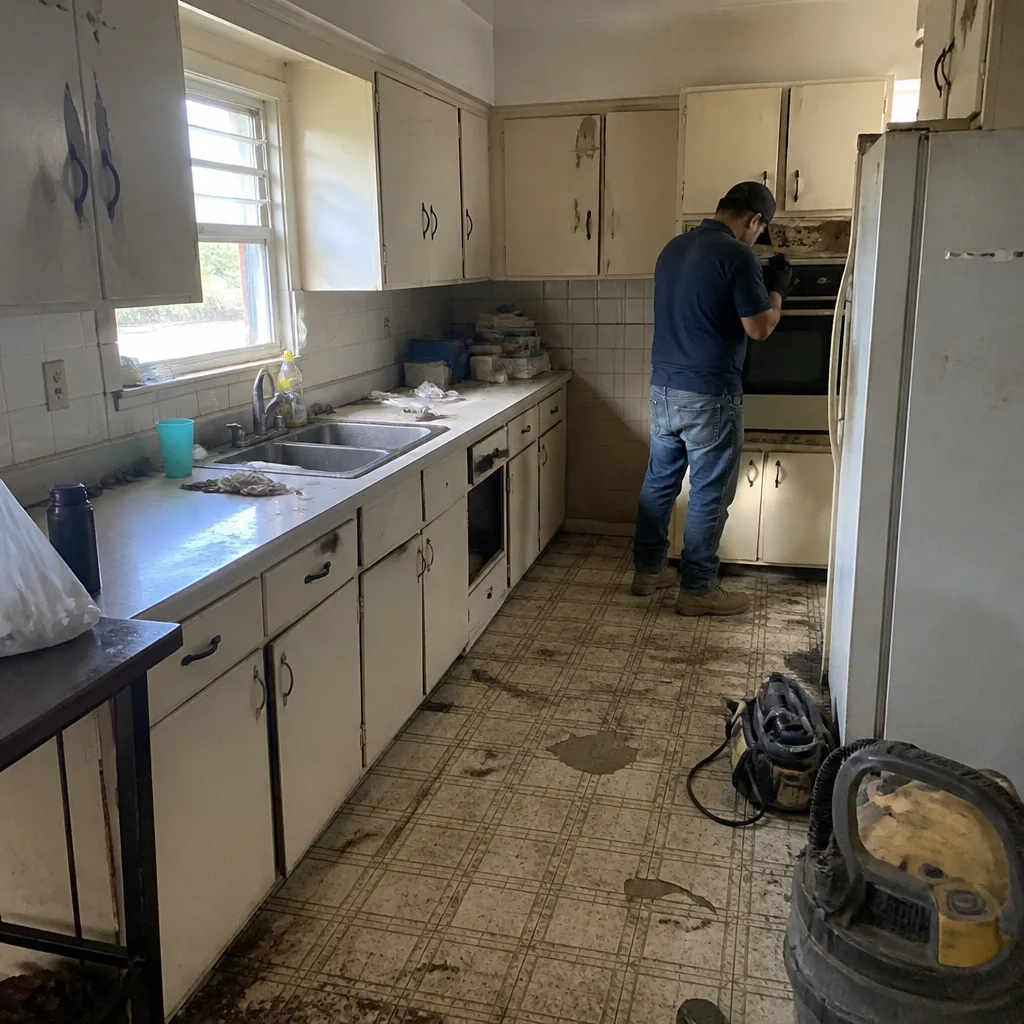 Before
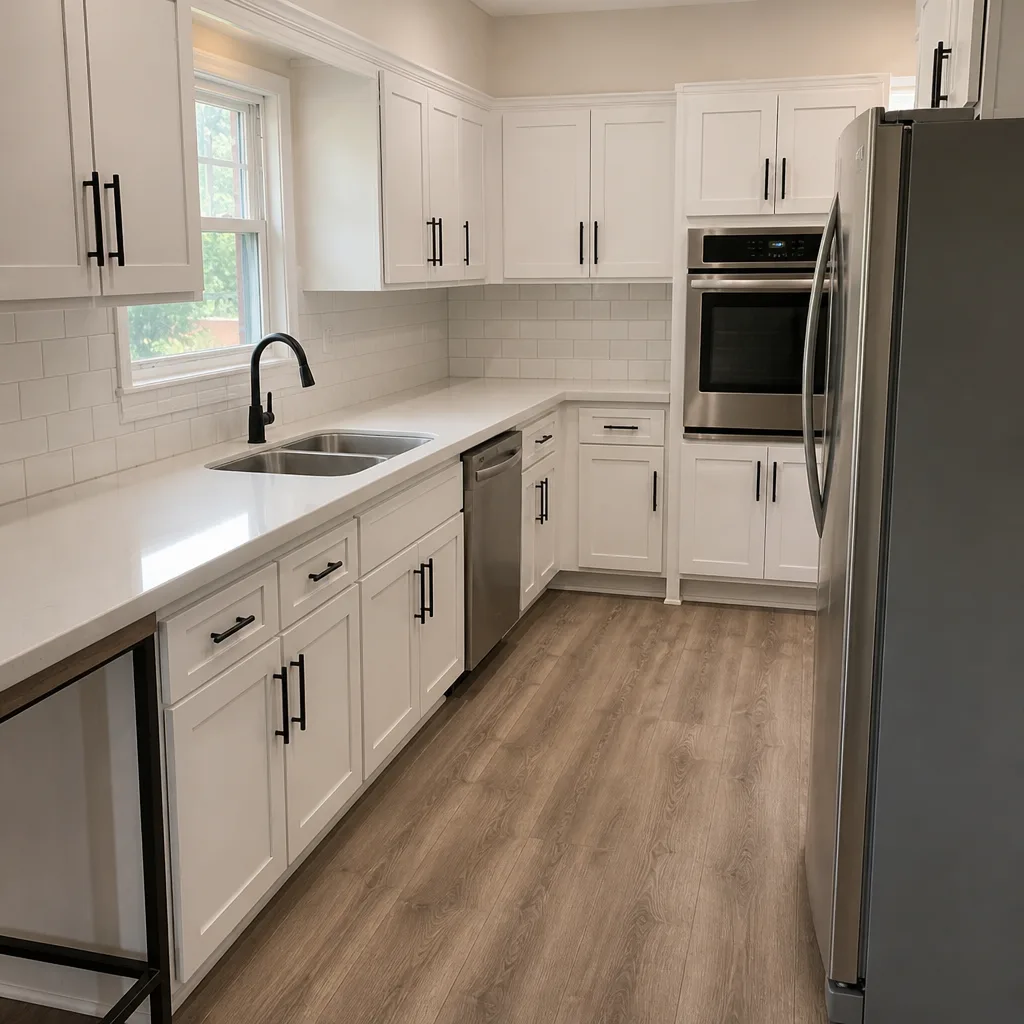 After
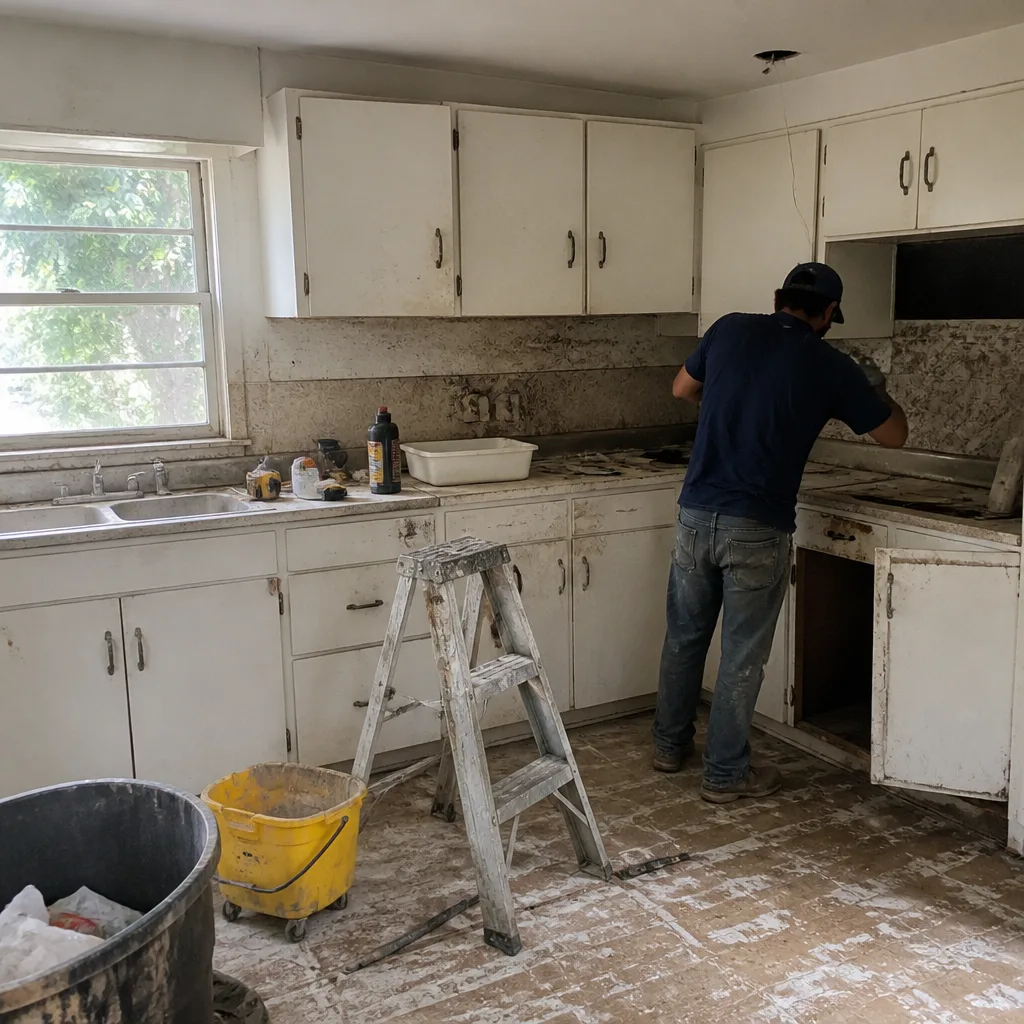 Before
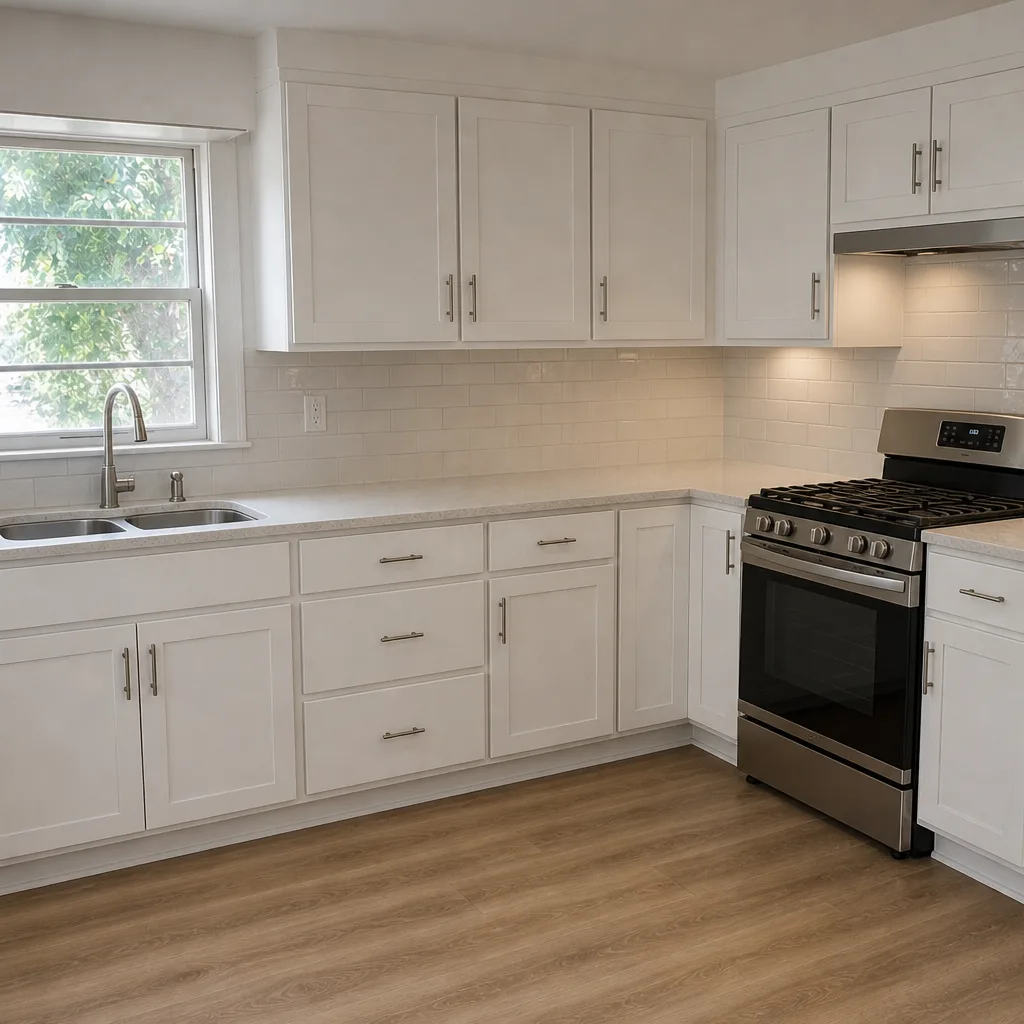 After
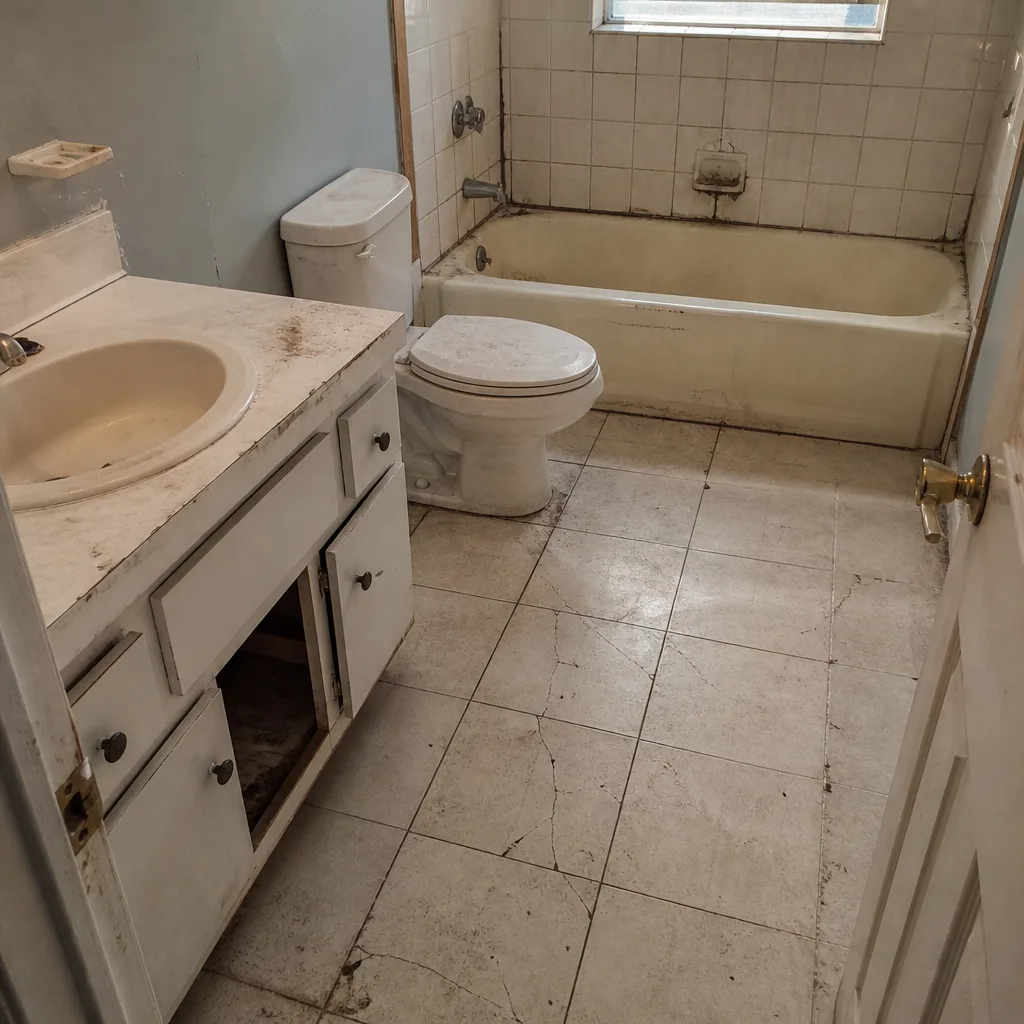 Before
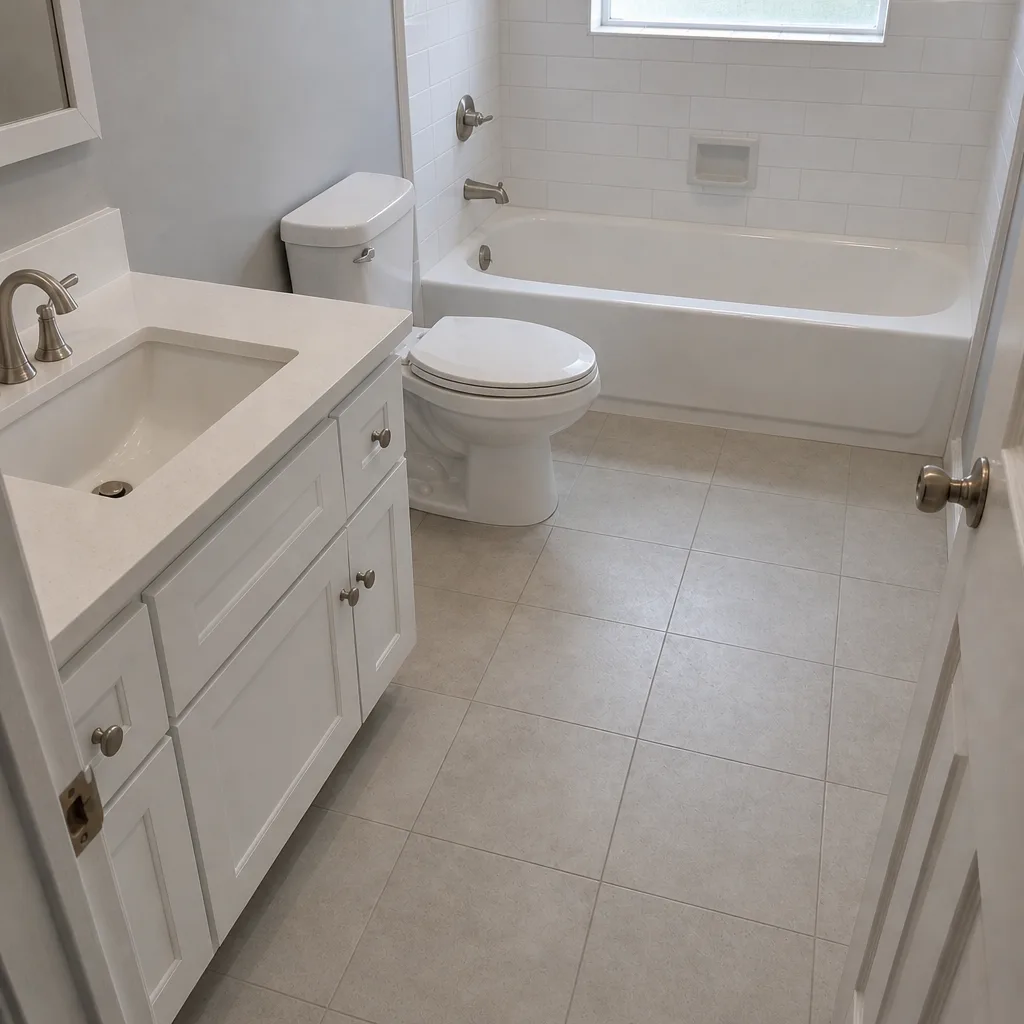 After
How Long Before You Can Drive on New Concrete in Westchester, FL?
The short answer: keep cars off new concrete for at least 7 days, and treat that as a floor, not a target. In Westchester’s summer heat, fresh concrete doesn’t cure evenly. The surface can harden within a day while the slab interior is still gaining strength, and pavement surface temps here routinely climb past 120°F. Without proper wet-curing in the first 72 hours, that 7-day rule stretches toward 10 to 14 days for anything heavier than a passenger car. If you’re planning a pour or worried about a driveway that’s already cracked, call Groundwork Construction Co. of Westchester at (833) 630-4214 for a straight answer and a free estimate.
Westchester sits in unincorporated Miami-Dade, where almost everything about a concrete project runs through county rules rather than a city hall. Permits go through Miami-Dade County e-permitting, and inspections come from county reviewers, not a local municipal sign-off. The housing stock tells its own story: 1960s-to-80s concrete-block ranch and Mediterranean-style homes, mid-rise condos, and a steady wave of infill builds replacing the older slabs with larger two-story homes. That mix means a lot of new driveways, pour-in-place patios, and addition slabs are going in right next to 40-year-old concrete, and getting the cure right is what separates a slab that lasts from one that spiderwebs in a year. Pair that with hurricane-zone construction standards and heavy summer rain, and the timing of a pour matters more here than the generic online advice admits.
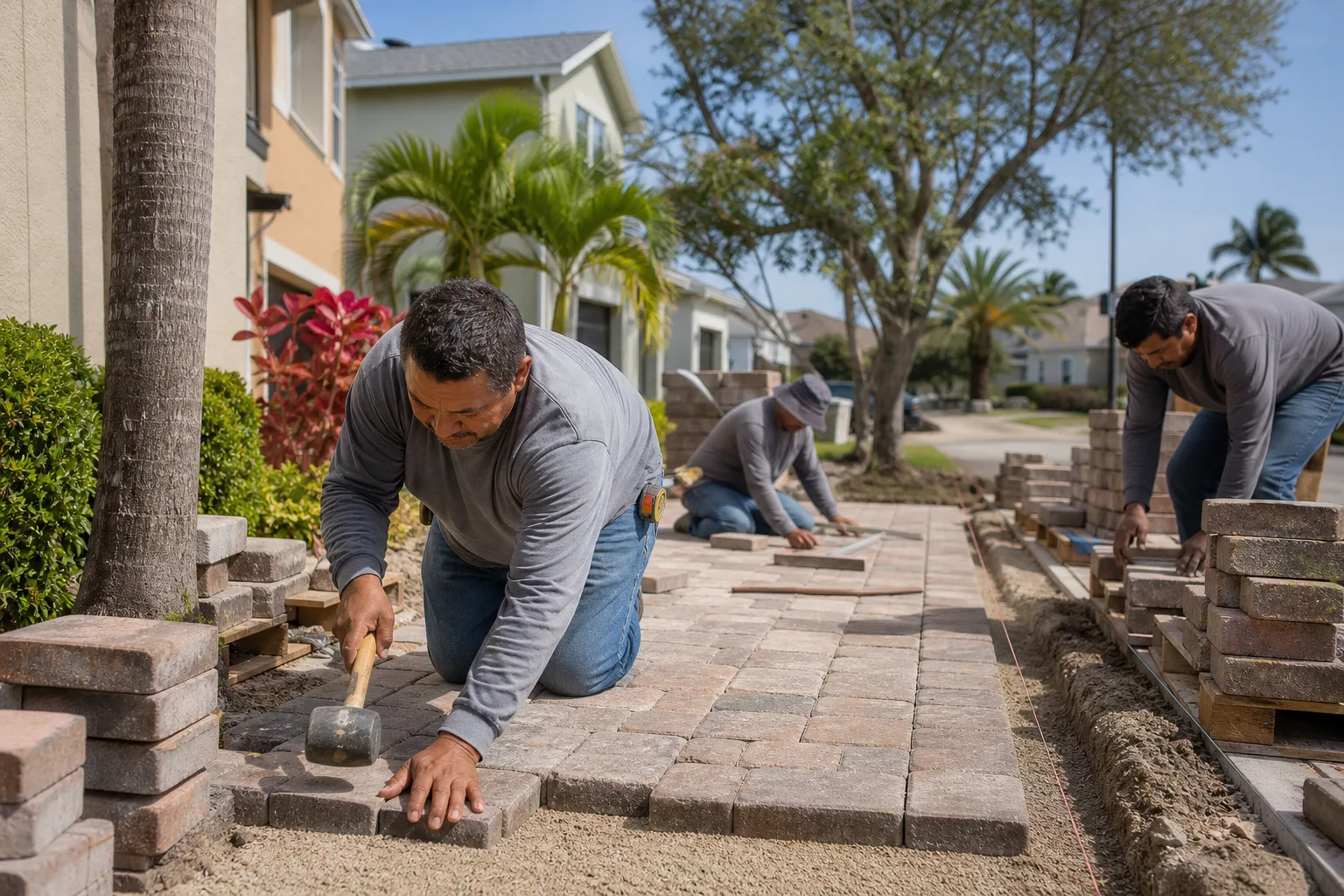
Surface Hard vs. Structurally Cured: Why the 7-Day Number Is Misleading in Westchester Heat
Here’s the distinction most concrete pages skip. Concrete doesn’t “dry.” It cures through a chemical reaction called hydration, where cement binds with water to build strength. In cool, mild climates that reaction proceeds slowly and evenly. In Westchester’s July and August heat, the top quarter-inch can lose its water and set up firm in a matter of hours while the interior of the slab is still a work-in-progress. You can walk on it at 24 to 48 hours and it feels like rock. It isn’t. The slab depth hasn’t reached design PSI yet, and putting a vehicle load on a still-hydrating interior causes subsurface micro-fractures. Those cracks hide. They surface six to eighteen months later as map cracking and joint spalling, and by then the cause is long gone from memory.
The fix is active curing, not wishful waiting. Two methods we rely on in Miami-Dade summer conditions:
- Wet curing with burlap or soaked blankets. The slab is covered and kept damp for the first several days, holding moisture in so the interior hydrates at full strength instead of starving for water.
- Curing compound. A sprayed-on membrane that slows evaporation from the surface. It’s the practical choice for large driveways where keeping burlap wet around the clock isn’t realistic.
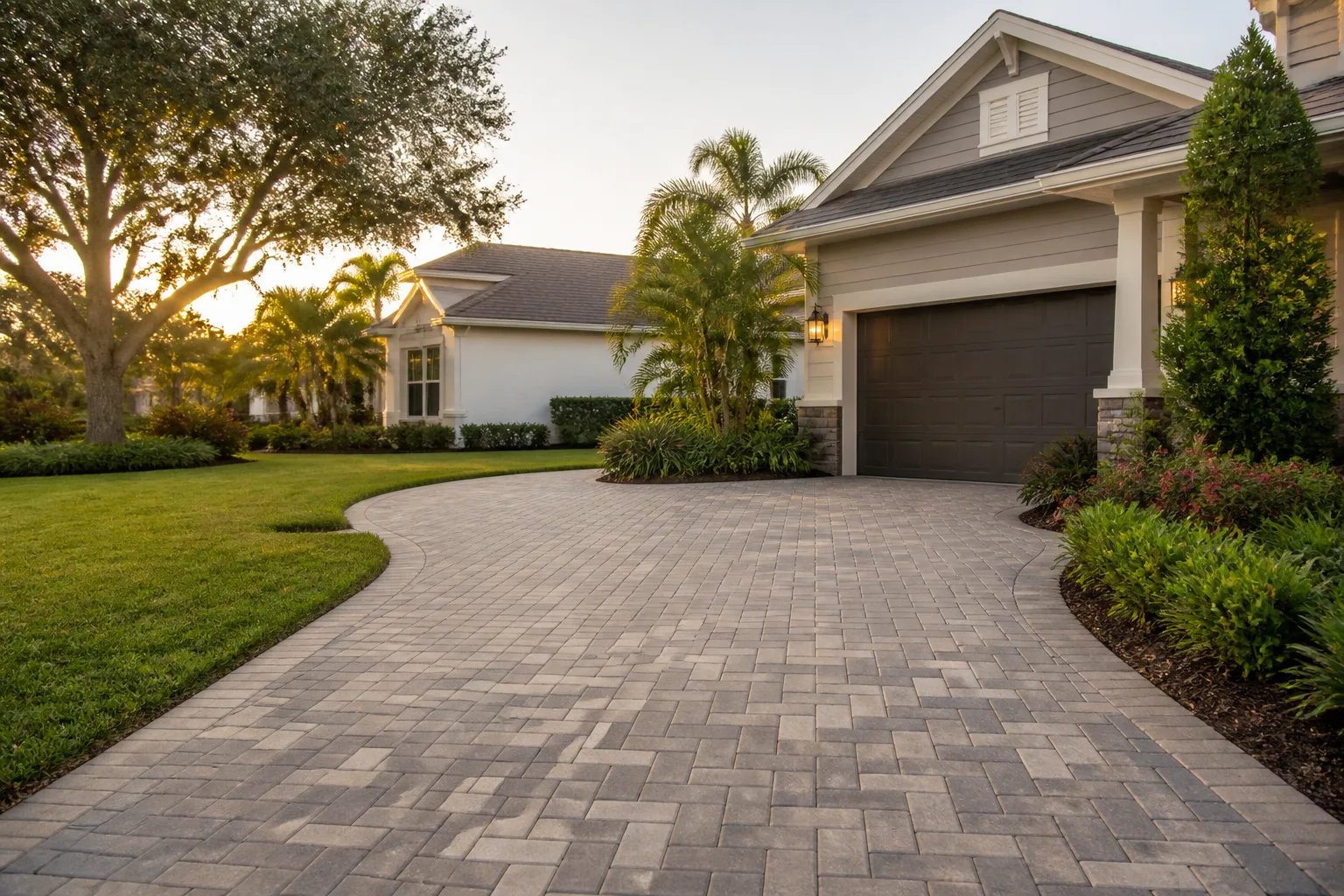
Skip either one in 90°F-plus weather and you get a surface that looks finished but a PSI curve that came in under spec. That’s the gap between “cured enough to walk” and “cured enough to park.” It’s also why we frame new slabs as a Driveway & Pavers job with a real cure plan attached, not a one-day transaction.
The Westchester Summer Rain Risk: Timing the Pour Around the Afternoon Storms
Westchester’s rainy season brings something the 7-day answer never accounts for: a fast, heavy downpour within the first 4 to 6 hours of a pour can wash the cement paste right off the surface. What’s left is weak, sandy concrete at the top of the slab that will dust and flake for years. Crews here manage this by watching radar and scheduling pours for early morning, before the afternoon build-up, and by having plastic sheeting and a tarp plan staged before the first load of concrete arrives. A sudden storm an hour into a pour isn’t a “hope for the best” situation. It’s a cover-it-now situation. When we set up a pour, weather windows are part of the plan, the same way we plan a home project around Miami-Dade County inspection dates rather than a wish list.
A Realistic Timeline for Westchester Concrete, With Temperature Context
Here’s what to expect at typical Westchester summer temperatures versus our milder winter weeks, and where the numbers actually land:
| Milestone | Summer (90°F+, covered & wet-cured) | Milder months (uncovered risk) |
|---|---|---|
| Foot traffic | 24-48 hours | 24-48 hours |
| Passenger cars (sedans) | 7 days minimum | 7 days minimum |
| SUVs, trucks, heavier vehicles | 10-14 days | 10-12 days |
| Full design strength (~28 days) | 28 days | 28 days |
A couple of practical notes. Don’t park a loaded truck or an RV on a 7-day slab even if a sedan is fine by then, because the load per tire is what stress-cracks young concrete. And once the slab does hit its 28-day strength, sealing it helps in South Florida. A sealer every two to three years runs $250 to $700 for a typical Westchester driveway and keeps rain and sun from eating into the surface. When you’re planning the whole hardscape, Driveway & Pavers in Westchester covers the surfacing choices and how each one cures and ages differently in this climate.
When to Call About Cracks in the First 30 Days
Hairline shrinkage cracks in the first 30 days are normal and often aren’t structural. What matters is the pattern and the width. Cracks wider than a credit card, cracks that run straight across travel lanes, or anything that appears within a week of driving on the slab deserve a look. Our technicians have up to 12 years of experience and can tell a cosmetic shrinkage line from a load failure by eye, which is the difference between a $250 to $700 sealing job and a concrete driveway replacement running $4,500 to $12,000. If premature cracking or surface failure shows up within two years of a job we’ve done, our 730-Day Done Right Promise means we investigate it and make it right.
How Do You Describe a Crack When You Call?
You describe the pattern, the width, and the timeline. Tell us when the slab was poured, whether it was wet-cured or covered during the hot stretch, whether you drove on it before the 7-day mark, and whether the cracks are tight hairline spiderwebs (usually cosmetic) or a single wide split crossing a lane (usually structural or a subbase problem). That short description lets us route you to the right answer instead of guessing. Calls are answered by a live person 24/7, so a cracked driveway that has you worried on a Sunday night gets a real response, not a voicemail. Also worth noting: since Westchester is unincorporated, larger pours and driveway replacements need Miami-Dade County permits and inspections, so the scope of a driveway replacement sometimes includes county sign-off before the slab goes down.
FAQs
No, not with a car. Three days is enough for walking, and the surface may feel rock-hard, but a vehicle load on concrete that young in Westchester heat risks the subsurface micro-fractures that turn into visible cracks months later. Wait the full 7 days for a sedan and 10 to 14 for anything heavier.
About 28 days to reach design strength, and that’s true in Westchester too. The difference here is that heat can dry the surface long before the interior finishes hydrating, so wet-curing or a curing compound during the first several days is what keeps the 28-day curve on track.
It helps it cure correctly, which is the goal. Plastic or burlap keeps moisture in so the slab interior keeps hydrating instead of losing water to the sun. Uncovered concrete in Miami-Dade summer heat can harden on top and stay weak underneath.
Most often it’s one of three things: the slab wasn’t wet-cured through the hot stretch, it was driven on too early, or the subbase wasn’t compacted to spec before the pour. In Westchester, an afternoon rainstorm that hit during the pour can also be a culprit. That’s exactly the kind of failure our 730-Day Done Right Promise is set up to catch and fix. Call (833) 630-4214 for an exact assessment; estimates are free.
Get It Right the First Time in Westchester
If you’d rather have it looked at, Groundwork Construction Co. of Westchester offers a no-pressure assessment in Westchester. We’ll check the slab, explain what we see, and give you upfront pricing with no surprises. From a full Driveway & Pavers build to a crack that just needs eyes on it, call (833) 630-4214 for a free estimate. Our technicians are background-checked, arrive in uniform, and every job is backed by the 730-Day Done Right Promise.
Written by the team at Groundwork Construction Co. of Westchester, serving Westchester, FL.