



Free written scope consultation - allowances, timeline, and change-order rules on paper before a single trade is scheduled
Styles & brands we work with
- Kitchen remodeling
- Bathroom remodeling
- Home additions & ADU
- Roofing
- Windows & doors
- Driveway & pavers
- Fence
See the difference
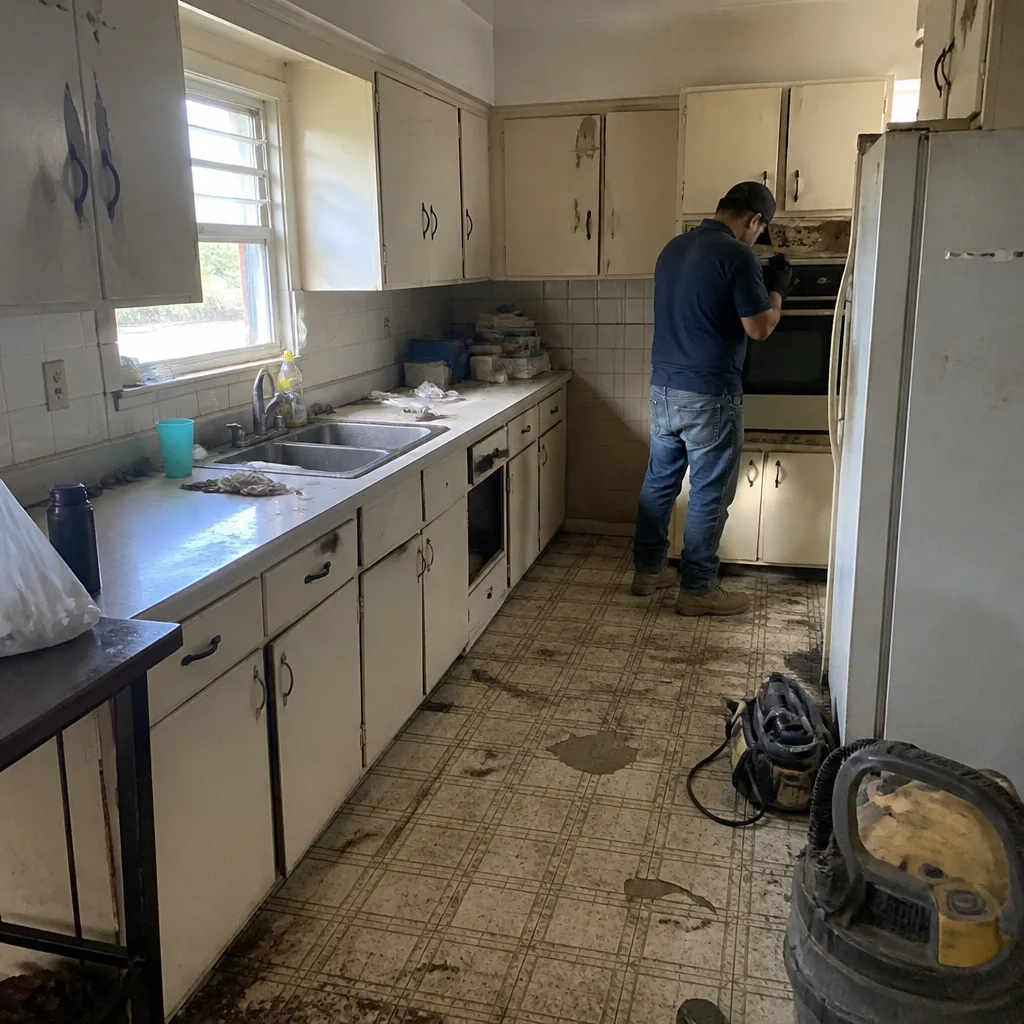 Before
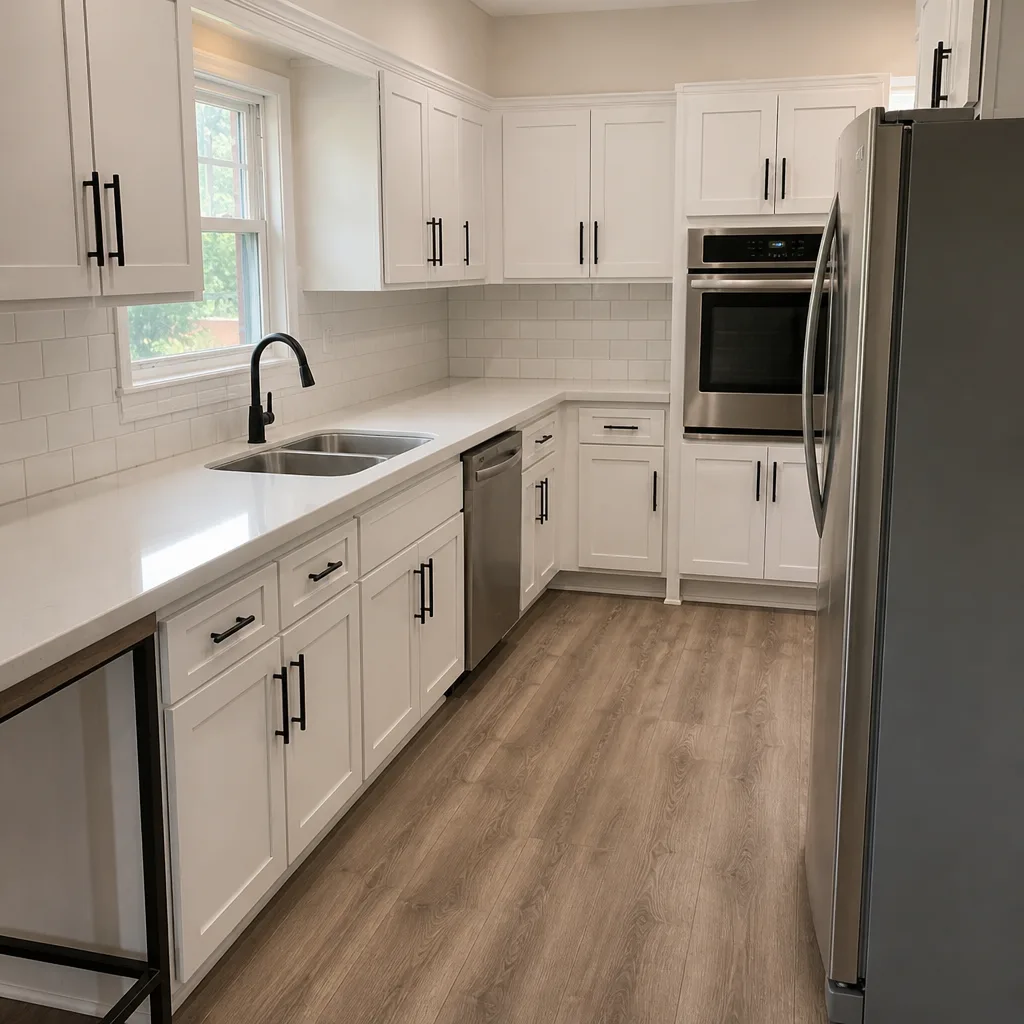 After
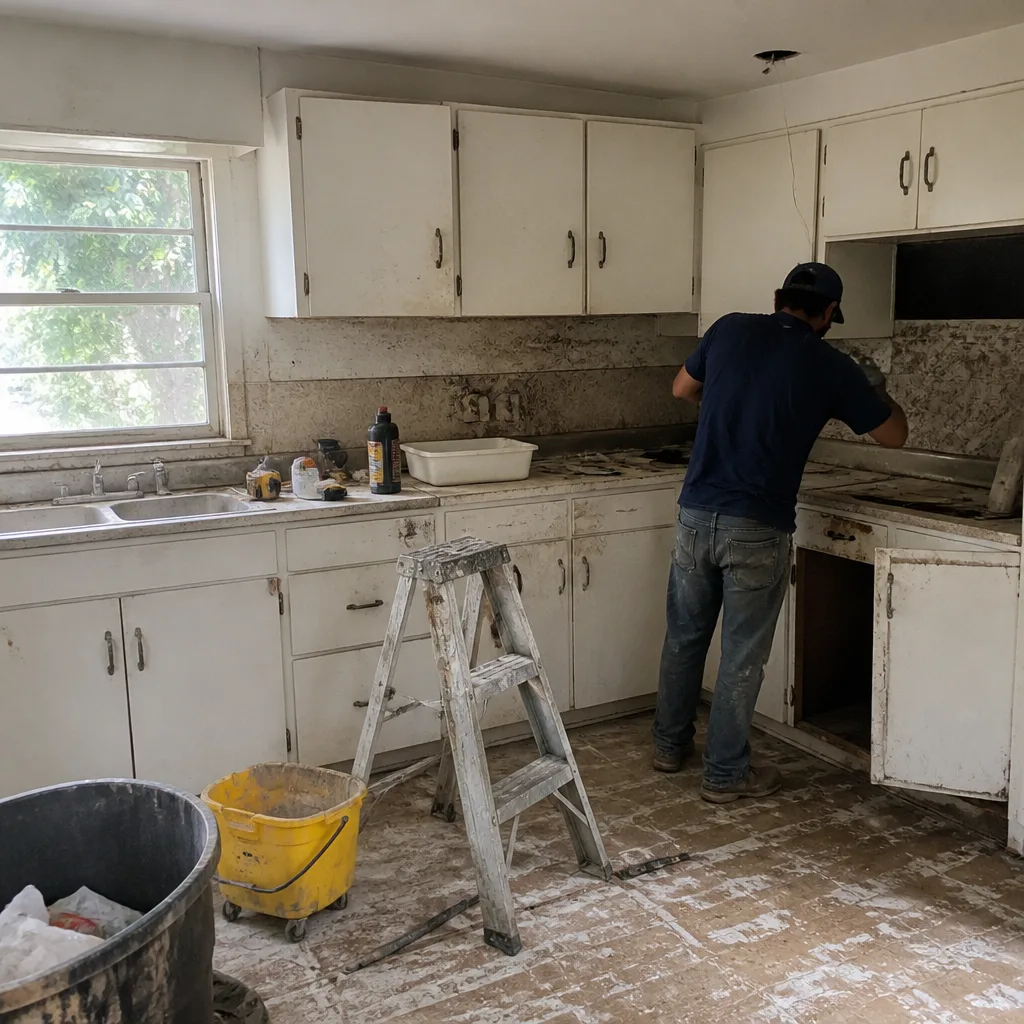 Before
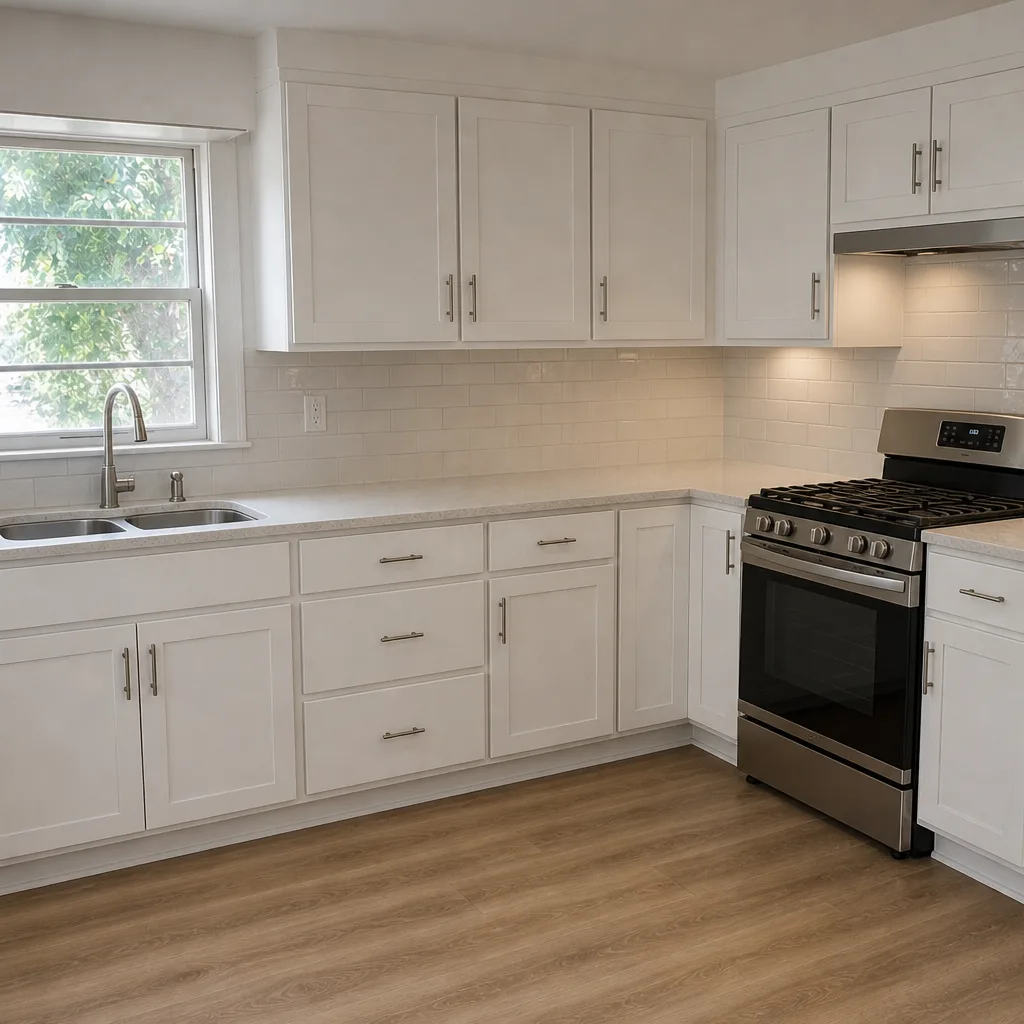 After
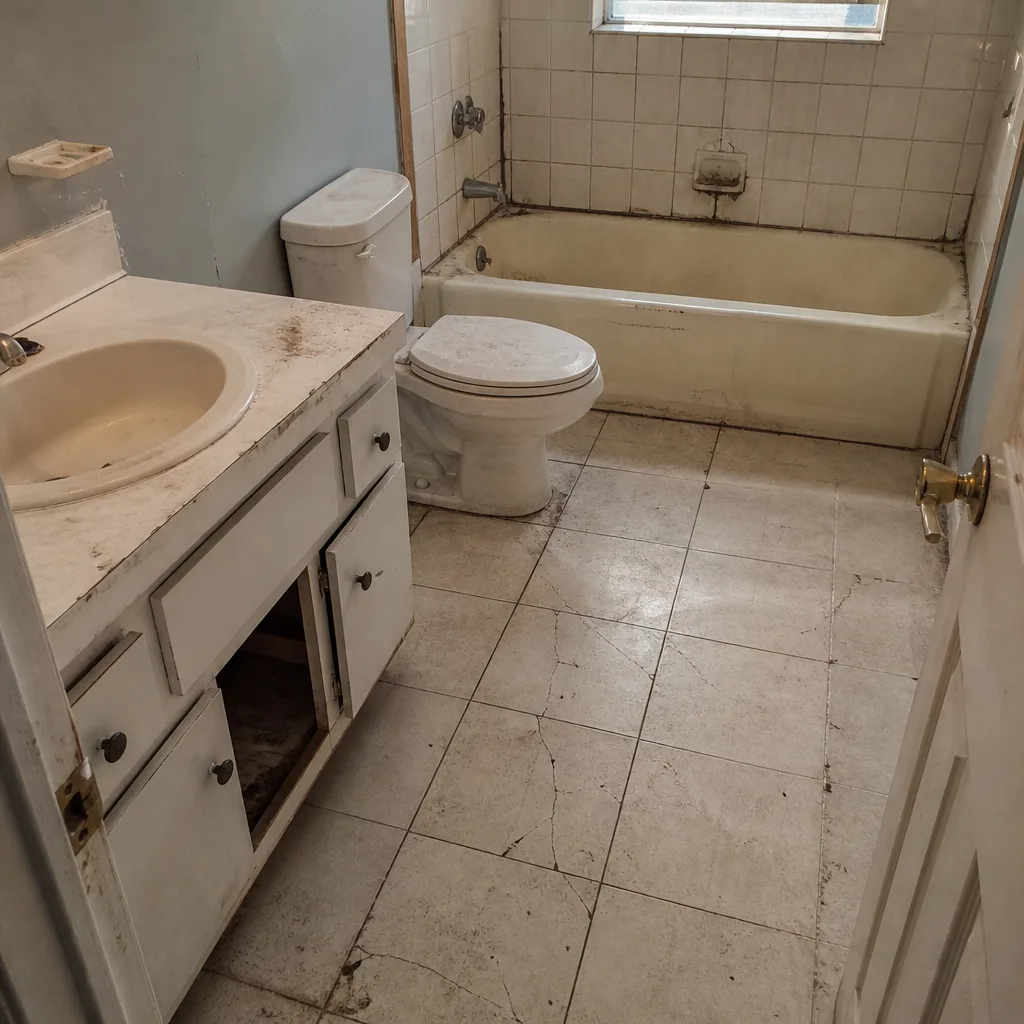 Before
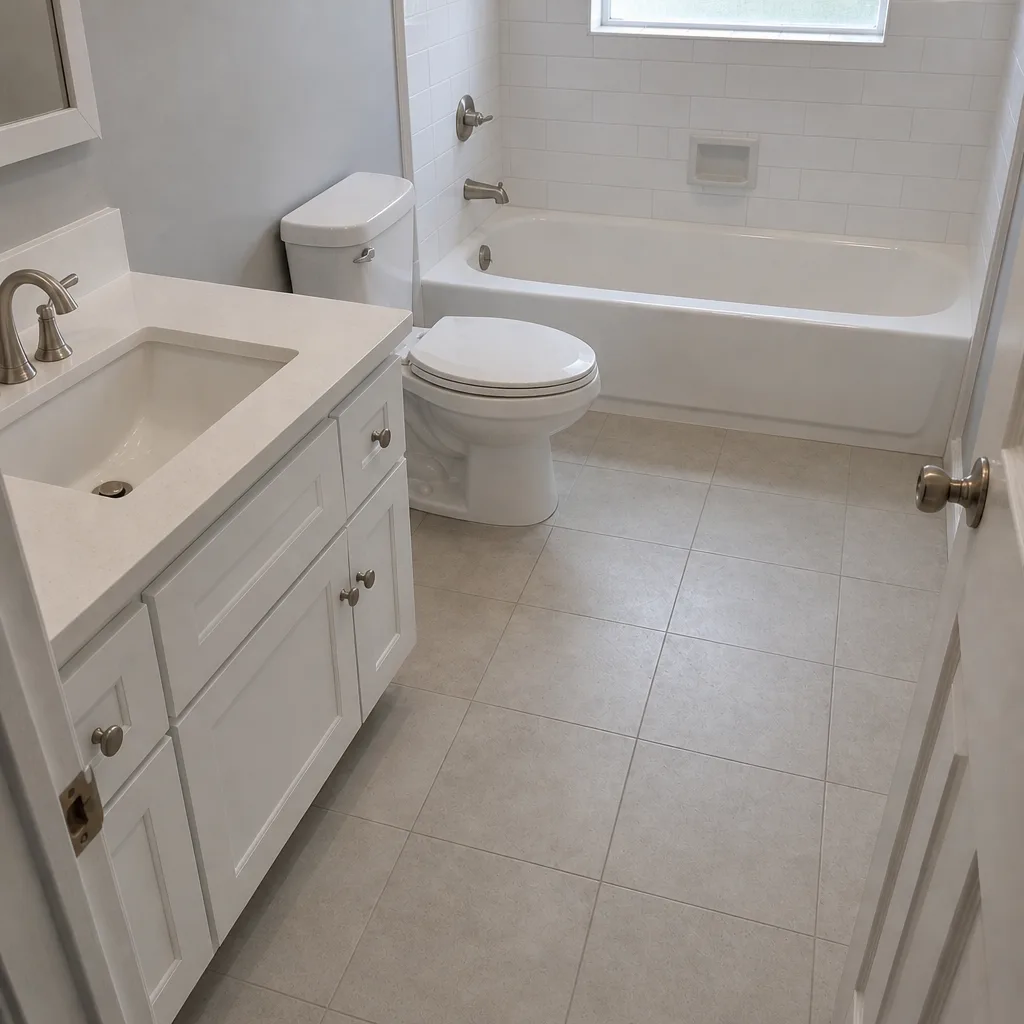 After
How to Fix a Leaning Fence Post in Westchester, FL
The short answer: a leaning fence post in Westchester is almost always a soil and drainage problem, not a loose post. Pull the post, re-excavate with an oversized footing, set it in hydraulic cement, and add a gravel drainage collar so water can’t pool against the base. Skip that last part and Miami-Dade’s clay-mixed soil will heave it back out of plumb by next summer’s rains. Most single-post re-sets here run $3,500-$9,000 depending on how much of the run needs correcting, and homeowners who want it diagnosed properly call (833) 630-4214 for a free assessment.
South Florida’s clay-mixed soil expands when it’s wet and contracts when it dries. Across roughly 60 inches of annual rain and a real dry season, that cycle works loose even concrete footings that were set correctly the first time. Bracing a post back upright treats the picture on the wall, not the foundation. Our technicians have up to 12 years of experience at this, and the honest verdict on most leaning posts we look at is that the post did its job; the dirt let it down.
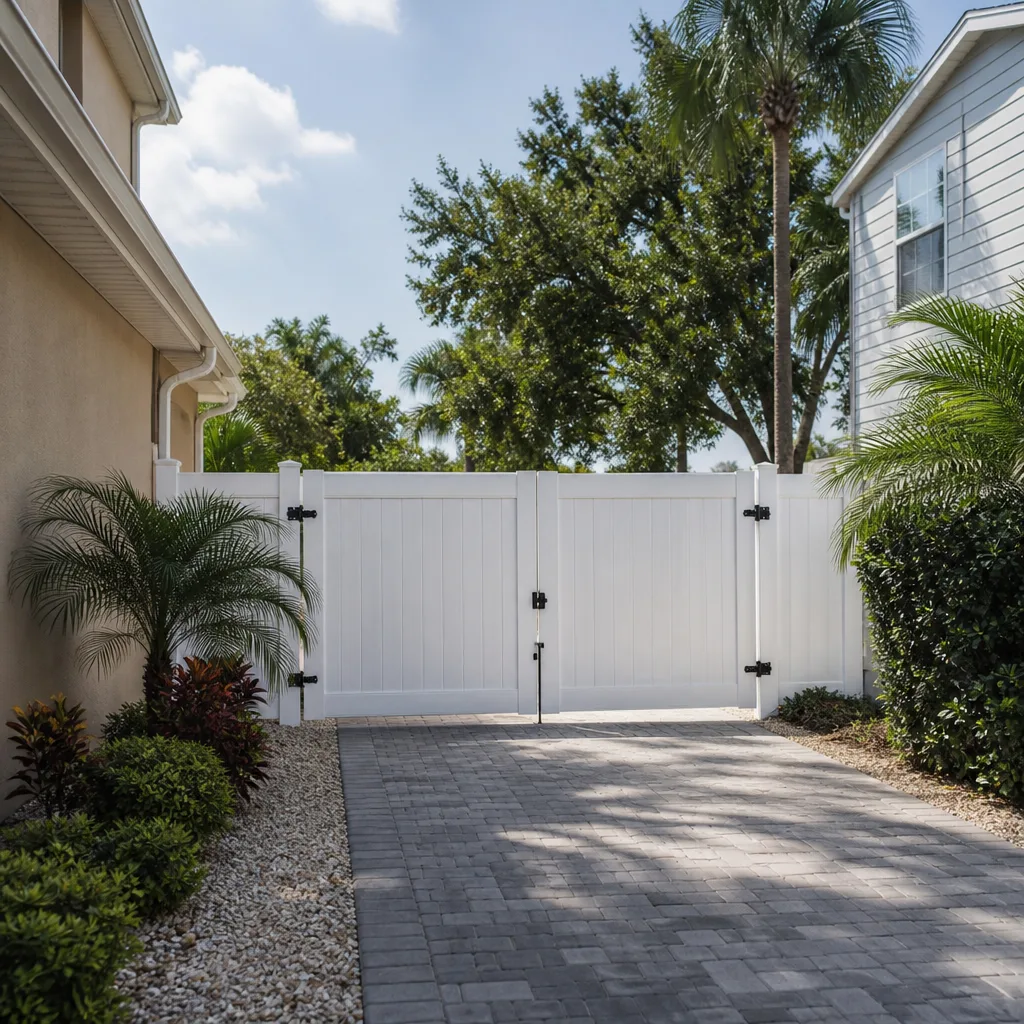
Why Westchester Posts Lean: The Wet/Dry Cycle Nobody Explains
Westchester’s housing stock pushes this to the front of the line. A lot of the neighborhood is 1960s-80s concrete-block ranch and Spanish/Mediterranean homes with fences that have stood through decades of rainy seasons, plus infill rebuilds where new fencing got dropped straight into the same heavy soil with a standard footing. That soil doesn’t behave like the sandy loam in other parts of Florida. It holds water, swells against the concrete, then shrinks away in the dry months and leaves a gap. Water slides into the gap next rain, and the post pivots a little more each cycle.
What you see above ground is the last thing to move. The real damage happens in about the top 18 inches of soil, where the wet/dry swing is strongest. That’s why a post can look fine for ten years and then lean six inches in one storm season.
The Three-Point Diagnostic We Run Before Touching a Post
Before we re-set anything, we figure out what the post is actually doing. Skipping this step is how a repair fails in the first rainy June.
- Probe the concrete at the base. A screwdriver or tile probe pushed against the footing tells us plenty. Soft, crumbly, or hollow-sounding concrete means the original pour was dry-packed and has degraded, or that water has eroded the soil beside it and the footing is now carrying air. Solid concrete that’s still hard but out of plumb points to heaving soil instead.
- Map the water. After a summer downpour, we look for where the water actually goes. Pooled water behind the fence line, a low spot where the lot next door drains onto yours, a downspout dumping at the base, or a missing swale all tell us the post is being actively undermined. Fix the post without fixing the drainage and you’ve scheduled the same repair for next year.
- Check for root intrusion. Westchester yards grow Ficus and Sea Grape, and their roots find footing holes fast. A Ficus hedge planted 18 inches behind a fence line will push roots under the footing and lift it, and Sea Grape spreads wide and shallow. If we find roots, moving the post a few inches and trimming back the offending root is often part of the solution.
Roots deserve a second look because they’re the cause people miss. A tree that looks two feet clear of the fence can still have roots running under the footing. When a post leans and the concrete is intact, roots or drainage are almost always behind it.
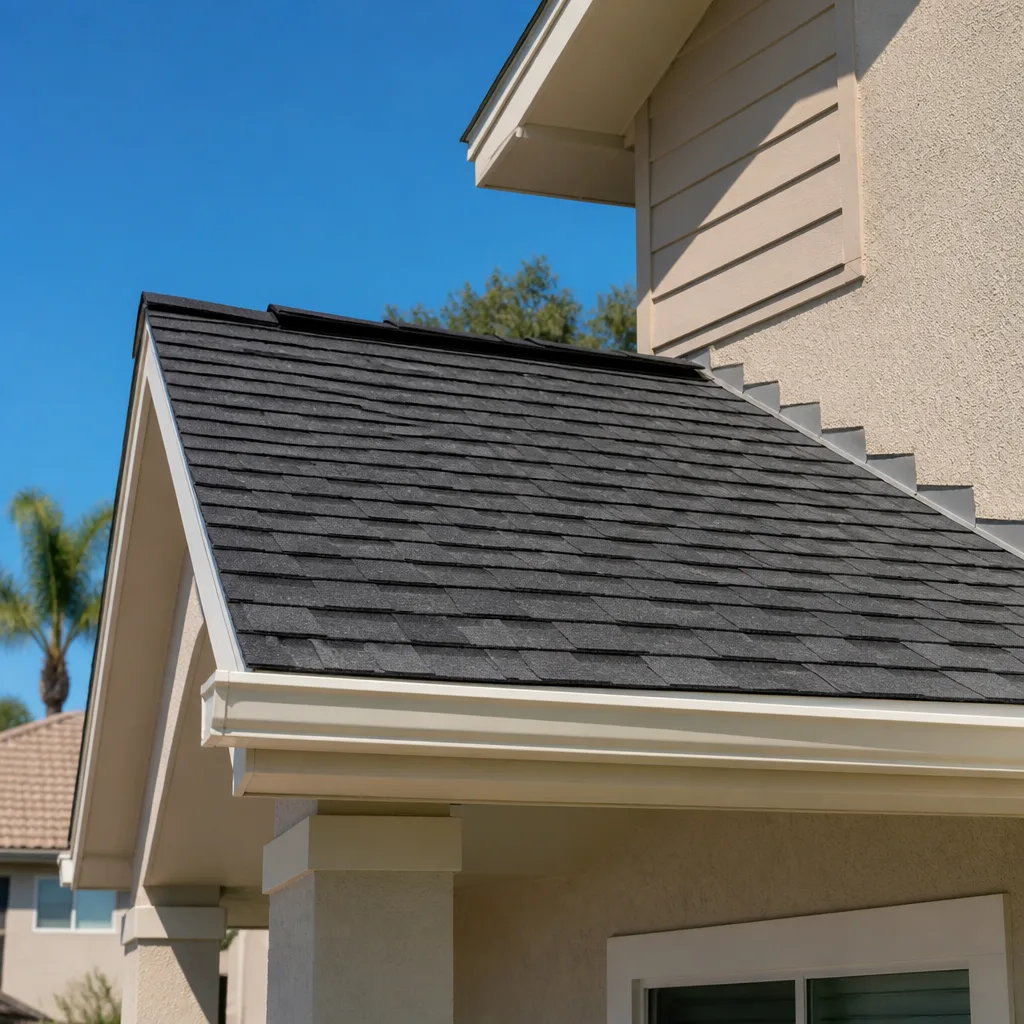
The Correct Re-Set for South Florida Soil
Standard footing dimensions built for other climates don’t hold up here. A proper re-set in Westchester soil means:
- An oversized footing. We dig wider and deeper than a generic fence guide calls for, so there’s enough concrete bearing against soil that moves. The extra mass resists the heaving that pulls a smaller footing out of line.
- A gravel drainage collar. Gravel packed around the base of the footing gives water somewhere to go instead of pooling against the concrete. This single step is the difference between a repair that lasts and one that comes back.
- Hydraulic cement, not dry-pack. Hydraulic cement sets fast and holds up against water, which matters in ground that’s wet half the year. The old dry-pack method leaves a crumbly base that degrades and lets the post move again.
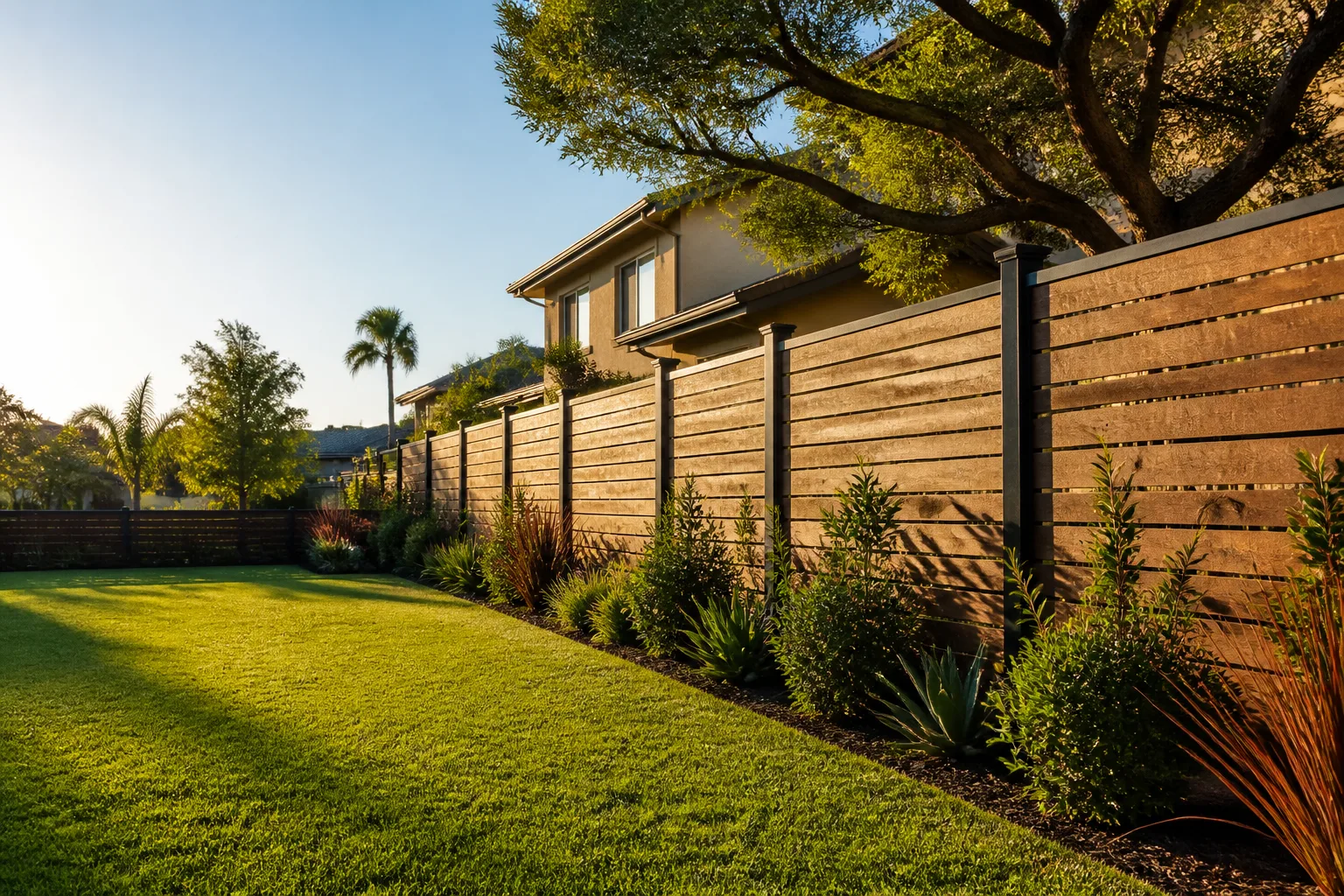
For bigger corrections, repairing the whole run at once is usually the smarter money. If a fence is past patching, our Fence Installation page covers what a full replacement looks like and what materials make sense for this climate.
Common Local Scenarios (Where Westchester Homeowners Actually Get Stuck)
A post leaning after a weekend storm. Summer rains dump fast here, and a post with weak drainage can shift in a single system. Homeowners who call on a Saturday get a live person, 24/7, not a voicemail until Monday.
A slow lean over months. Usually heaving soil or a root heave under the footing. The fix is diagnosis first, then the correct re-set, then drainage.
A fence built on an infill lot. New builds often skip drainage to save time, and the footing fails within a couple of seasons. We see this on the newer two-story infill homes going in around Westchester.
A fence that’s out of plumb after a permitted project. Worth reading the next section on code.
Does an Out-of-Plumb Post Affect Miami-Dade Code?
Westchester is an unincorporated pocket of Miami-Dade, so fence work runs through county permits and inspectors rather than a standalone city hall. Miami-Dade sits in the High-Velocity Hurricane Zone, and fence wind-resistance is tied to post geometry and footing. A post that has shifted out of plumb may no longer meet the wind-resistance the code expects. If your fence repair is permit-visible, or if you’re replacing a fence that was permitted, an inspector can require it be brought back into compliance. We walk homeowners through what county e-permitting actually requires for the job before we start, so there’s no surprise mid-project.
What It Costs in Westchester
Upfront pricing, no surprises: the number you see is the number you pay. For fence post re-sets and leaning-fence corrections in Westchester:
| Work | Typical Range |
|---|---|
| Single post re-set (footing, gravel collar, hydraulic cement) | $3,500-$9,000 |
| Multiple-post correction along a run | Within the same range, scaled to the run |
| Full vinyl fence replacement (if repair no longer makes sense) | $3,500-$9,000 |
| Aluminum fence replacement | $4,000-$10,000 |
Qualifying projects over $10,000 get $1,000 off, and we offer 0% financing for 18 months so a bigger correction isn’t a surprise to the budget. Every project we do carries the 730-Day Done Right Promise: if it’s not done right, we make it right.
When to Call a Pro Instead of DIY
You can brace a post back upright with a temporary support, and that’s a reasonable stopgap after a storm. What you can’t safely or reliably do on your own is pull a footing, re-excavate the soil, and set a new one at the right depth with the right drainage. That’s heavy work around buried utilities and tree roots, and getting it wrong means the same repair again next season. Our background-checked, uniformed technicians diagnose the root cause, not just re-brace the symptom. That’s the whole difference between a fix that holds and one that fails. For a broader look at what we do across the trades, see our home page.
FAQs
Yes. A single leaning post is usually a re-set, not a full replacement. We pull the post, correct the footing and drainage, and set it in hydraulic cement. Full replacement only makes sense when multiple posts are failing or the fence is past its service life.
Leaning-fence corrections in Westchester typically run $3,500-$9,000, depending on how many posts are involved and how much footing work the soil needs. Call (833) 630-4214 for an exact quote, and estimates are free.
Because the drainage was never corrected. If water still pools against the base, the soil keeps swelling and shrinking and the post keeps moving. A gravel drainage collar is the piece most DIY and quick-fix repairs skip, and it’s the piece that makes the fix last.
It depends on the scope and whether the fence is permit-visible. Since Westchester is unincorporated Miami-Dade, fence work goes through the county, and a post out of plumb may not meet HVHZ wind-resistance geometry. We help you figure out what the county requires before any work starts.
Get It Diagnosed Right the First Time
If you’d rather have it looked at, Groundwork Construction Co. of Westchester offers a no-pressure assessment in Westchester. We’ll tell you whether it’s drainage, roots, or a footing that never held, and give you an upfront number before any work begins. Call (833) 630-4214, and a live person answers, 24/7. You can also read more about our Fence Installation in Westchester options if a full replacement makes more sense than a repair.
Written by the team at Groundwork Construction Co. of Westchester, serving Westchester, FL.