
Free written scope consultation - allowances, timeline, and change-order rules on paper before a single trade is scheduled
New Detached ADU in Miami Springs, FL: What It Takes and What It Costs
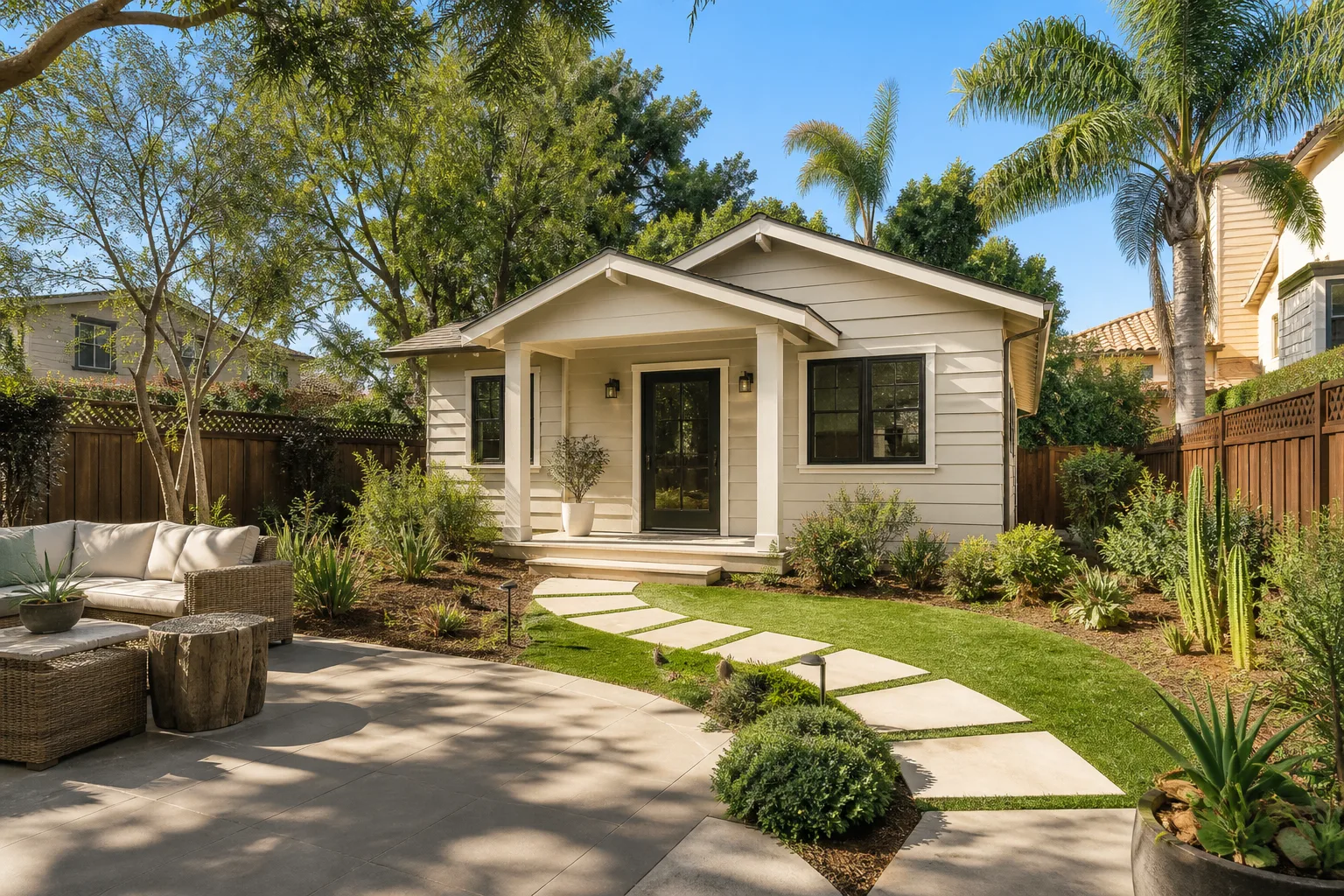
A new detached ADU in Miami Springs typically runs $106,200 to $259,600 for a fully permitted, finished structure with its own address, kitchen, bath and utility connections, and takes 6 to 10 months from the first site visit to the final inspection. Most detached units here land between 600 and 900 square feet. Call (833) 630-4214 to schedule a free on-site estimate and we’ll walk your lot, check setbacks and give you a written line-item number.
How we build a detached ADU here, stage by stage
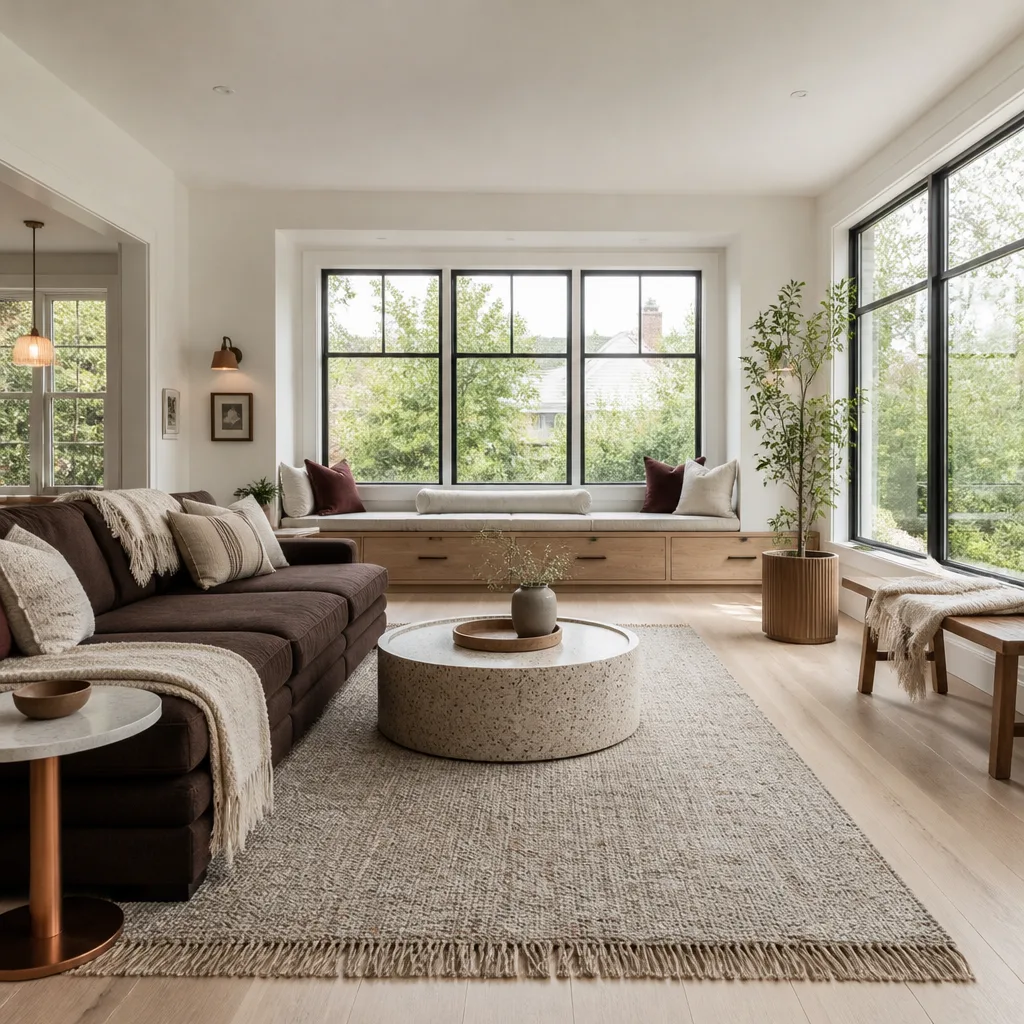
Detached means detached. You’re putting a second, self-contained legal dwelling in the backyard, so every stage has to clear two sets of eyes: Miami Springs’ planning and building departments and Dade County’s flood and environmental rules. Here’s the sequence we follow.
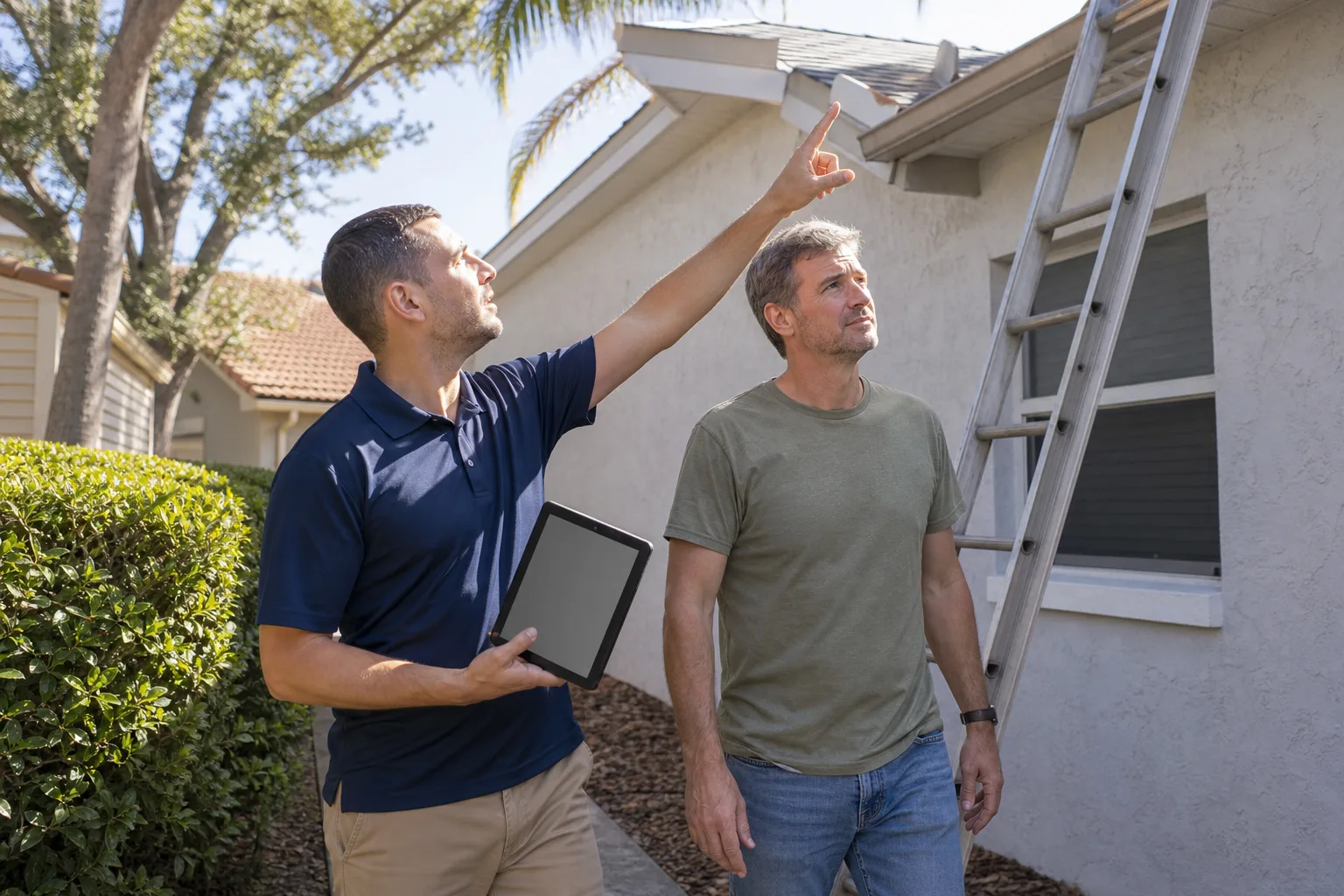
Stage 1 – Site visit and feasibility (week 1). We measure the lot, confirm the setbacks your zoning district allows, locate the existing water, sewer and electrical service, and look at where the water table sits. The homeowner decides where the unit goes and roughly what size it’ll be. On many lots near the Miami Canal, this stage is where we find out a standard slab won’t hold.
Stage 2 – Design and permitting (months 1 through 3, sometimes longer). Drawings go to the city for architectural review, then to the building department for the construction permit and to the county for flood and utility sign-off. The homeowner makes the design calls here: roof style, window type, exterior finish, whether it matches the main house or reads as its own structure. This is the slowest stage in Miami Springs, and it’s the one reviewers scrutinize hardest in the architecturally controlled districts.
Stage 3 – Site work and foundation (weeks 1 through 4 of construction). Clearing, grading, drainage, and then the foundation. In Miami Springs this often means a raised slab or an engineered foundation rather than a simple pour, because the limestone sits wet and the water table is shallow. Inspections of footing and slab come before anything else goes up.
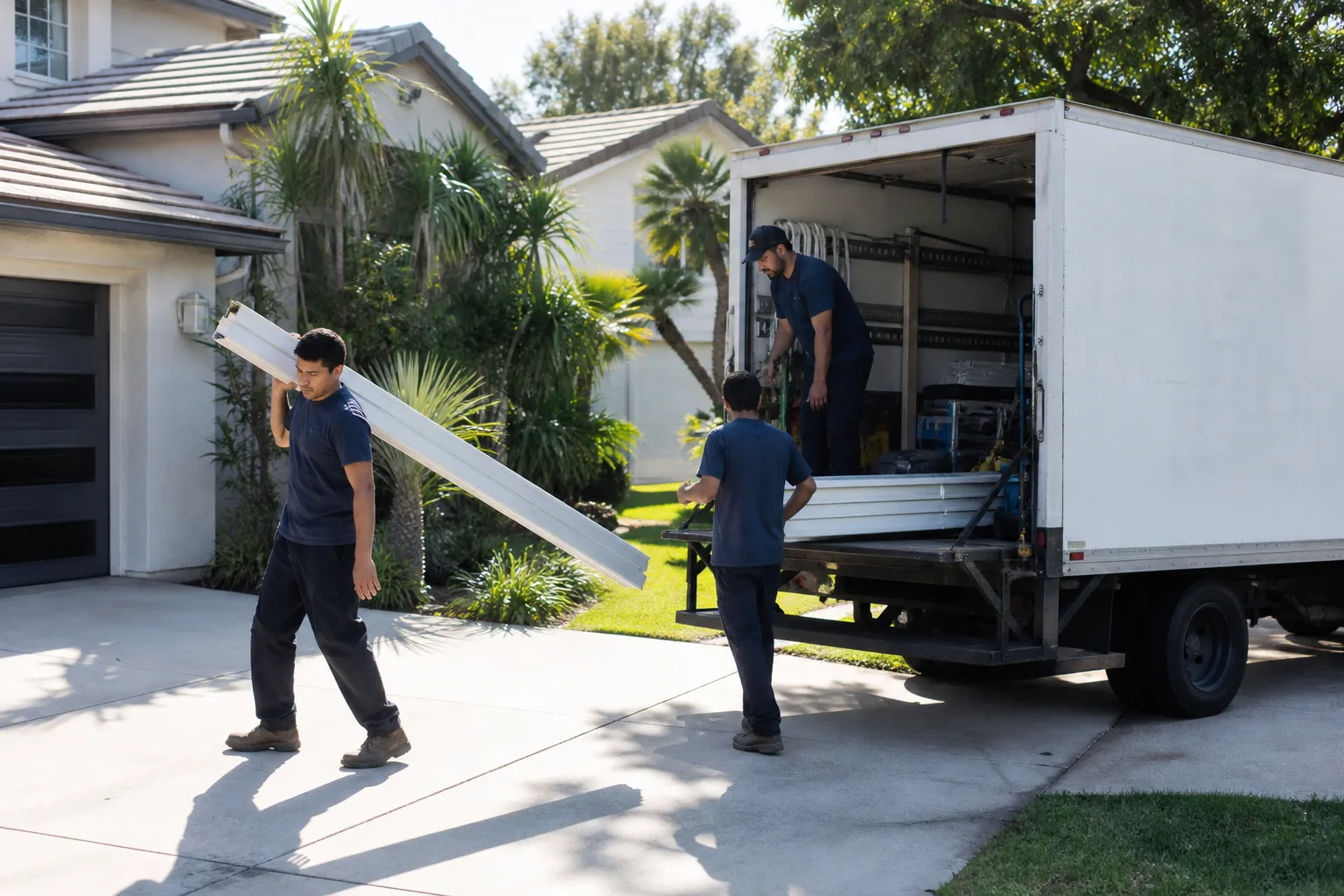
Stage 4 – Structure, roof, and rough-in trades (weeks 5 through 16). CBS walls and stucco to match the main house, roof framing and covering, then electrical, plumbing, and AC rough-in. Each gets its own inspection. The homeowner picks finishes around week 8, well before drywall goes up.
Stage 5 – Finishes, final inspections, and handoff (weeks 17 through 24). Insulation, drywall, cabinets, counters, fixtures, flooring, paint, then the final inspections and the certificate of occupancy. The homeowner walks the finished unit with us before we sign off.
That’s the honest arc. Nothing skips a step, and the permits drive the calendar more than the hammering does.
Styles & brands we work with
- Kitchen remodeling
- Bathroom remodeling
- Home additions & ADU
- Roofing
- Windows & doors
- Driveway & pavers
- Fence
The options you’ll actually choose between
Detached ADUs are not one product. The choices below are the ones that move both the look and the price the most.
- Size and layout. A studio keeps the cost near the low end. A one-bedroom or one-bedroom-plus-den at 700 to 900 square feet lands mid-range. Every extra bathroom or walk-in closet pushes it higher, and so does any square footage beyond what the lot comfortably holds.
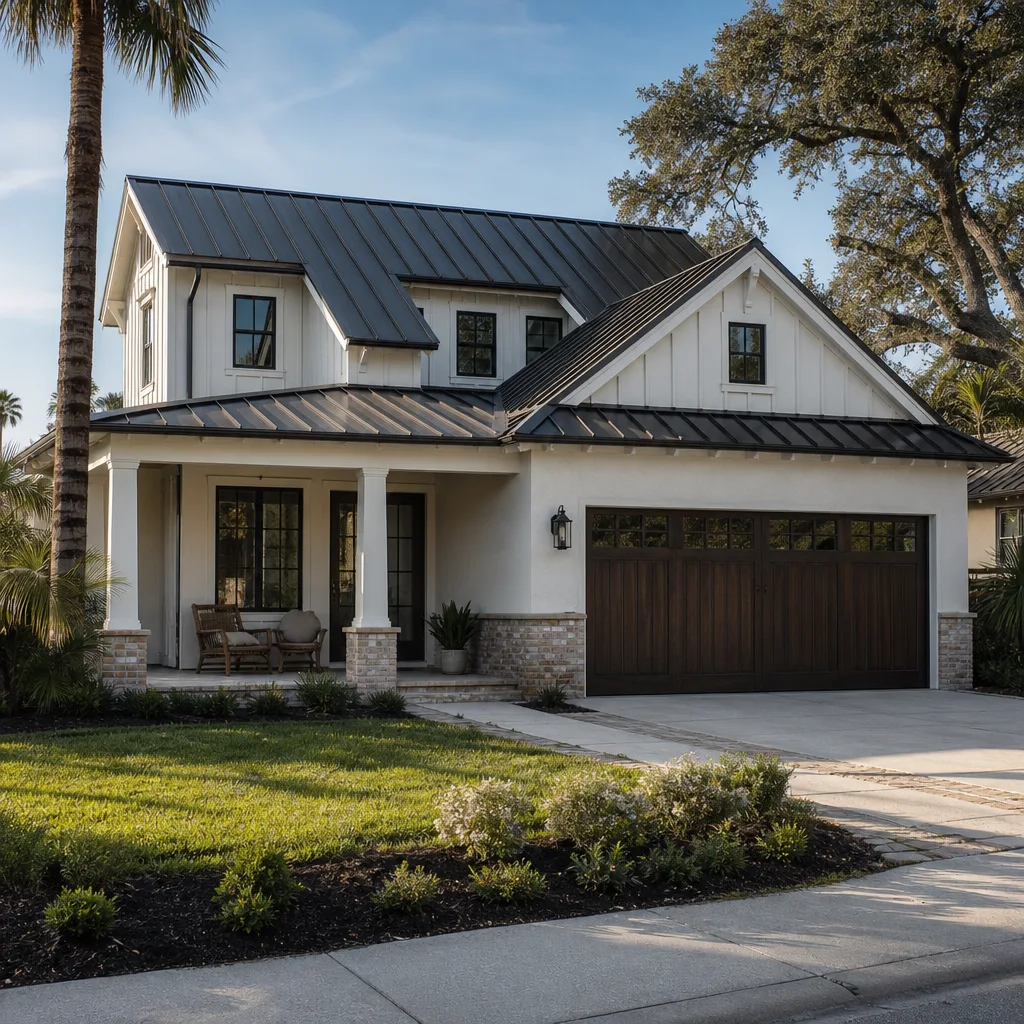
- Roof. A standing-seam metal roof runs roughly $17,700 to $47,200 and holds up well against Miami Springs’ intense UV and rain cycles. A shingle roof costs less upfront and needs replacing sooner. On the older core streets, a tile roof that matches the main house may be the only thing architectural review will approve, and it’s a different budget.
- Foundation type. A standard slab is cheapest where the ground allows it. On low-lying lots, a raised slab or an engineered foundation costs more but is the difference between a building that drains correctly and one that doesn’t.
- Exterior finish. Stucco over CBS is the default and matches the neighborhood’s Spanish bungalow look. Siding or a fiber-cement panel look costs comparable but can fight the architectural review in the historic districts.
- Windows. Impact-rated windows run $9,440 to $29,500 installed and are worth considering if you want the unit to double as a storm shelter and avoid shutters. Standard windows cost less but need protection every hurricane season.
- Utilities – separate or tied to the main house. A separate meter lets you rent the unit cleanly. Tied-in service is cheaper to install but muddies the rental math. This is a decision the homeowner has to make early, before the electrical plan is drawn.
What a New Detached ADU costs in Miami Springs, FL
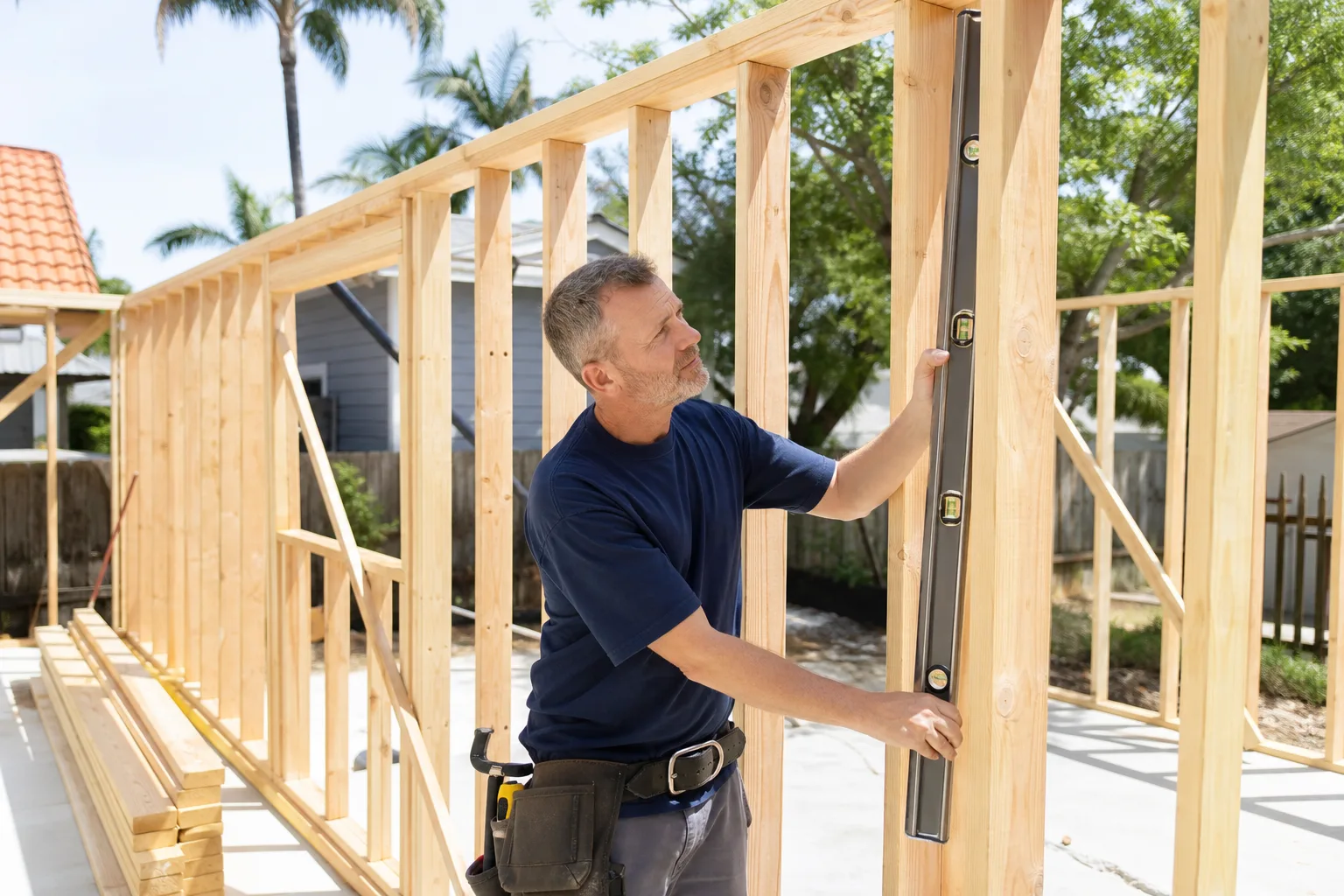
Plan for $106,200 to $259,600 for a complete, permitted detached ADU in Miami Springs. That range covers design, permits, construction, materials, and the final inspection with certificate of occupancy signed off. A project lands at the low end when it’s small, simple, and built on ground that takes a standard foundation. It climbs toward the top when the lot fights you, the unit is big, or the finishes are premium.
Five things push the number up or down:
- Size and unit count. Square footage is the biggest lever. Two bedrooms and two baths cost materially more than a studio.
- Site and soil. A lot that needs a raised slab, engineered drainage, or grading around aquifer seepage costs more than one that doesn’t. This is the variable most Miami Springs homeowners don’t see coming.
- Utility work. Bringing a new water, sewer, electrical, and AC service to a backyard structure is real money, especially a separate meter. Relocating existing lines adds cost on top.
- Finish grade. Stock cabinets and standard fixtures versus custom millwork, natural stone, and premium appliances can swing the same 800-square-foot layout by a wide margin.
- Permit scope and review complexity. A unit inside the architecturally controlled districts takes longer and can require design revisions. That time is real cost.
A written estimate from us lists every line item: design fee, permit fees, foundation, framing, roof, each trade rough-in, finishes, and the final inspection. Upfront pricing means the number you see is the number you pay, backed by our 730-Day Done Right Promise. What typically isn’t in a written estimate: landscaping after the build, a fence around the unit, and any furniture. Call (833) 630-4214 for a line-item estimate on your lot.
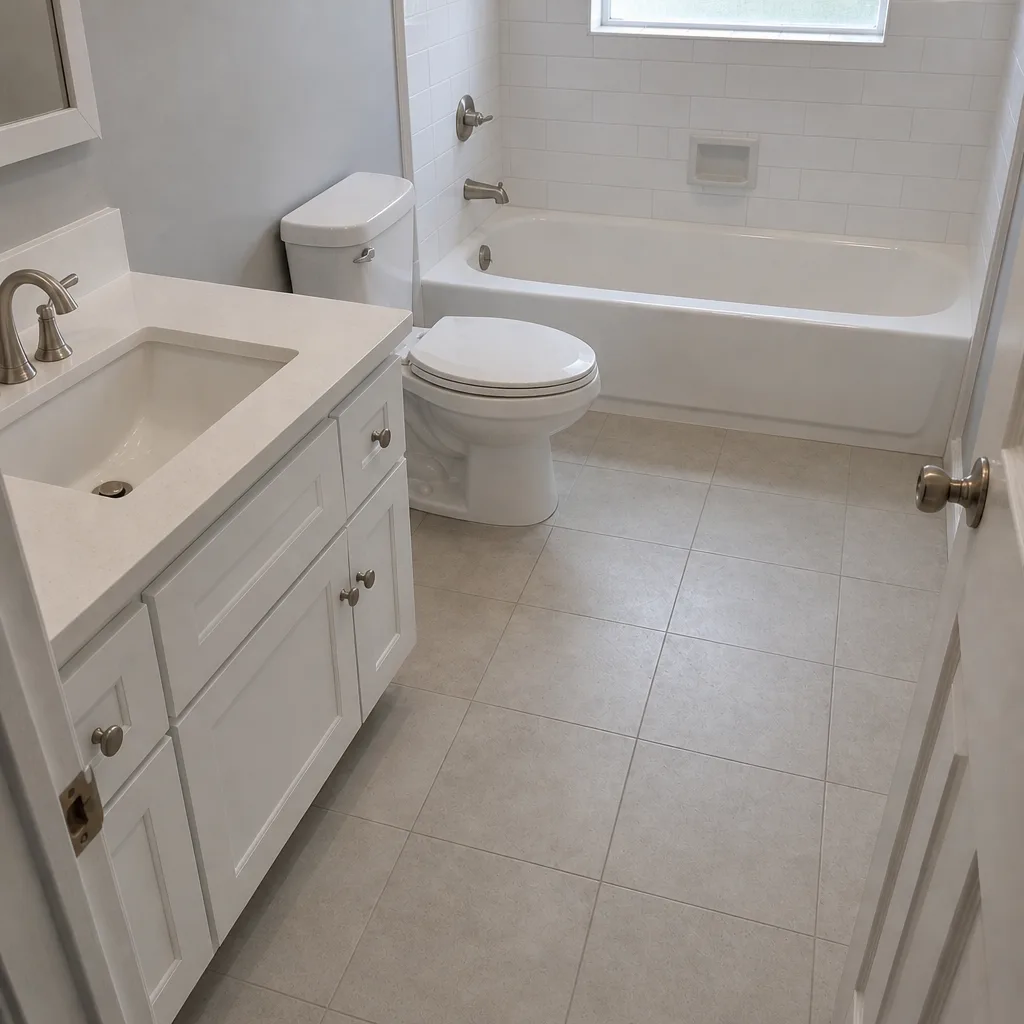
See the difference
 Before
 After
 Before
 After
 Before
 After
What Miami Springs homes specifically do to this job
Miami Springs isn’t a blank-slate suburb, and a detached ADU here answers to more than one authority. The city runs its own architecturally controlled districts designed around Mediterranean-revival character, and the airport next door adds aviation noise, height, and drainage constraints on top. Add Dade County flood rules and you have a review that’s slower and more design-sensitive than what a homeowner in Hialeah or Doral just across the line will face. That’s the real reason ADUs here take longer to permit than the build itself.
Then there’s the ground. Sitting on low-lying limestone near the Miami Canal and the Biscayne Bay watershed, the lot often can’t take a standard slab because the water table is a few feet down. We hit wet limestone fast, and units near the canal frequently need raised construction or drainage engineered around aquifer seepage. Foundation engineering is not optional here; it’s the reason the building stands dry.
The housing stock matters too. The core runs on 1920s to 1950s Spanish bungalows and Mediterranean Revival homes with detached garages, arched porches, original clay tile roofs, and Dade County pine or terrazzo floors. Newer canal-front infill adds CBS construction. We work on both, and we know that whatever we tuck in the backyard has to hold its own next to original architecture that architectural review is watching. Our technicians have up to 12 years of experience building to that standard, and we’re licensed and insured on every job.
Serving Miami Springs, FL – Our Local Coverage Area
We serve Miami Springs and nearby communities. Use the map below to see the area we cover. If you’re nearby, we can almost certainly help.
Frequently asked – New Detached ADU in Miami Springs
Expect 6 to 10 months from the first site visit to the certificate of occupancy. Permitting and architectural review take the longest, often 2 to 4 months on their own, and Miami Springs review is slower than in neighboring cities. Construction itself runs about 5 to 7 months once permits clear. Call (833) 630-4214 for a timeline tied to your lot.
Yes, always. A detached ADU in Miami Springs needs a building permit, a utility connection permit, and Dade County flood review, and units in the architecturally controlled districts also go through design review. Nobody should build one without permits, and skirting them puts the whole project at risk. We pull every permit and manage every inspection.
No. A detached unit is its own building, so it needs its own water, sewer, electrical service, and AC. If the main house sits far from the backyard spot, that run costs more. The main decision is whether to separate the meters or tie into the house. We design the utility plan before anything is built.
Plan for $106,200 to $259,600 for a complete, permitted, move-in-ready unit. Size, ground conditions, utility distance, and finish grade move the number. We give you a written line-item estimate so you see exactly where the money goes. Call (833) 630-4214 and the estimate is free.
Not when the scope is clear. Our upfront pricing means the number in the written estimate is the number you pay, with no surprise change orders. If you ask for something new mid-build, we price it in writing before we touch it. Every project carries our 730-Day Done Right Promise.
Get a free estimate for your Miami Springs ADU
Call (833) 630-4214 and we’ll set up a free on-site estimate for a new detached ADU in Miami Springs. On the visit we walk the lot, measure the setbacks, check the soil and water table, and talk through what fits. Within days you’ll have a written line-item estimate. If the project grows into something bigger than a single unit, this often comes up as part of a full Home Additions & ADU in Miami Springs plan, and homeowners often pair the finish work with a new Paver Driveways in Miami Springs path or an upgraded Concrete Driveways & Concrete Work in Miami Springs approach while the equipment’s on site. You can see the full range of what we build on our Home Additions & ADU service page, and if you want to know about work outside this job, we cover Miami Springs and the surrounding area directly.
Written by the team at Groundwork Construction Co.