




Free written scope consultation - allowances, timeline, and change-order rules on paper before a single trade is scheduled
Styles & brands we work with
- Kitchen remodeling
- Bathroom remodeling
- Home additions & ADU
- Roofing
- Windows & doors
- Driveway & pavers
- Fence
See the difference
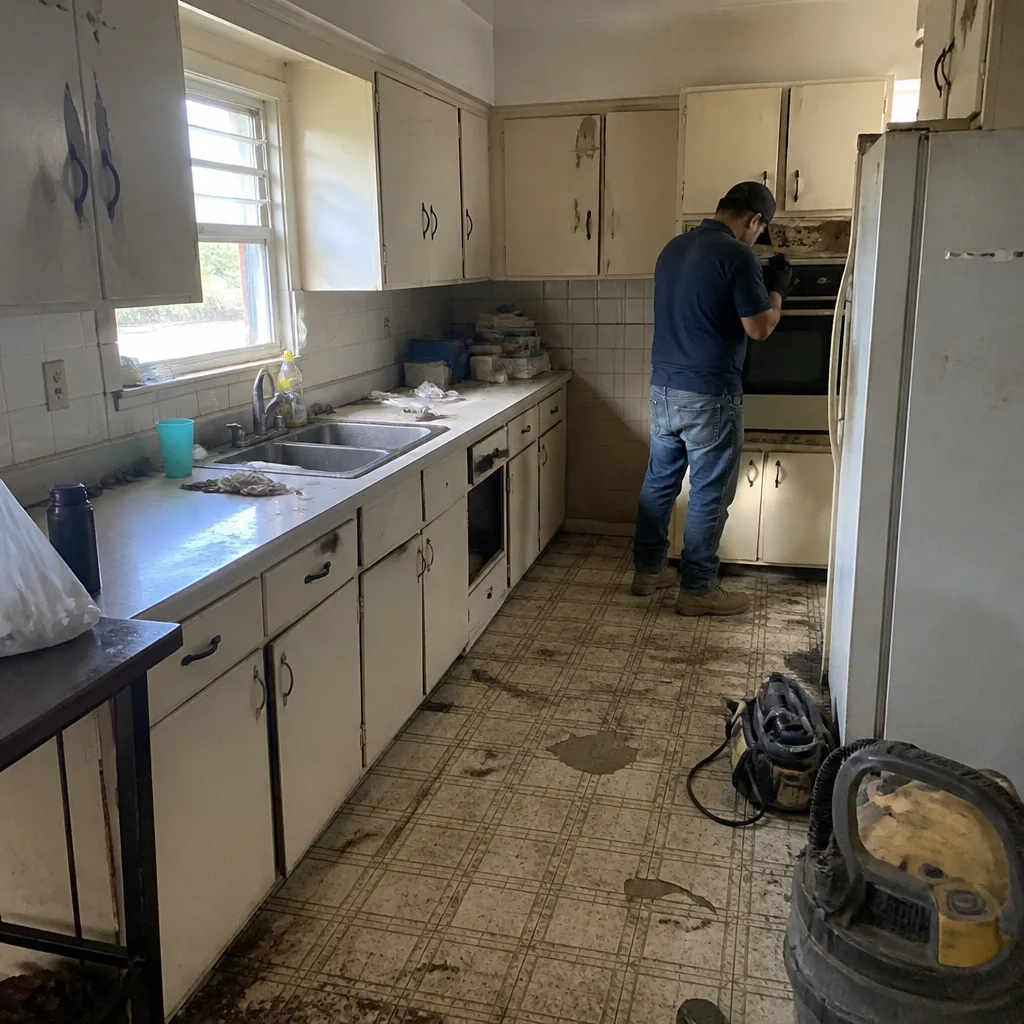 Before
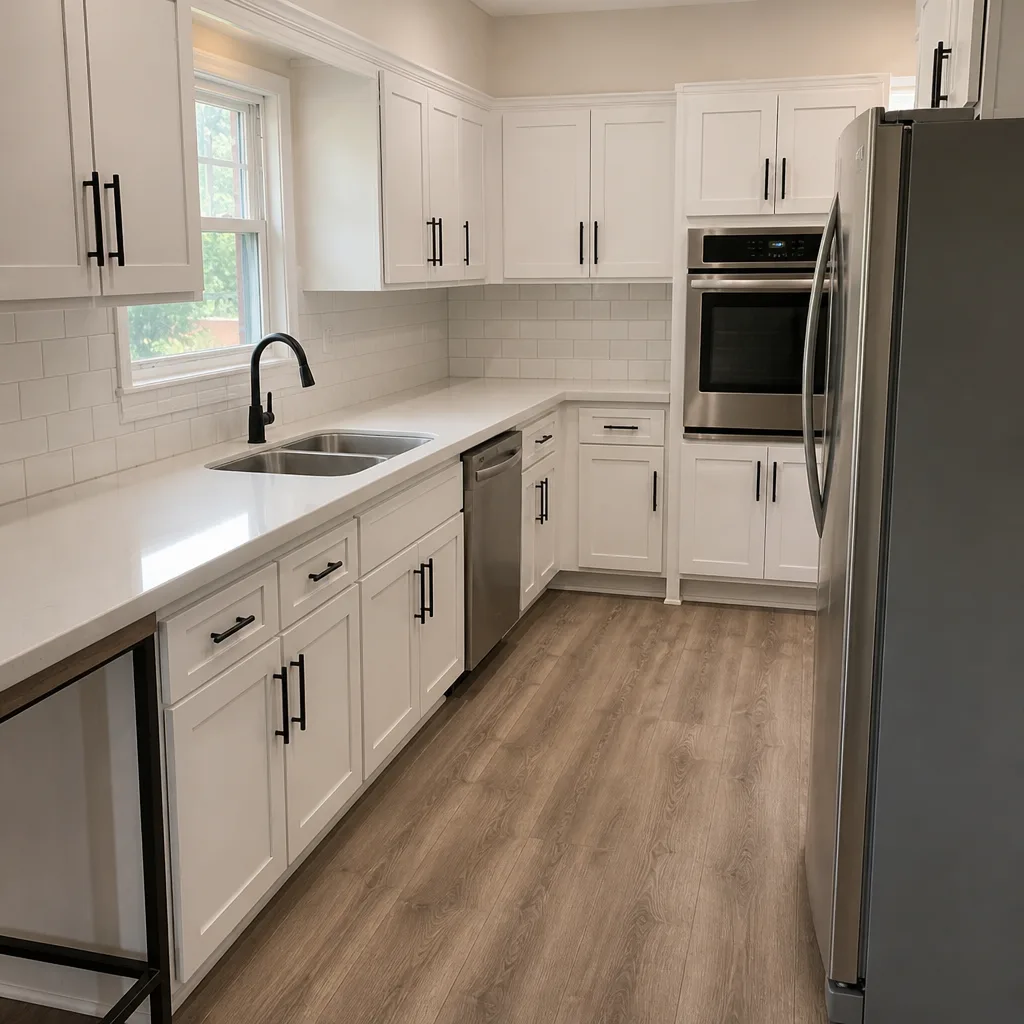 After
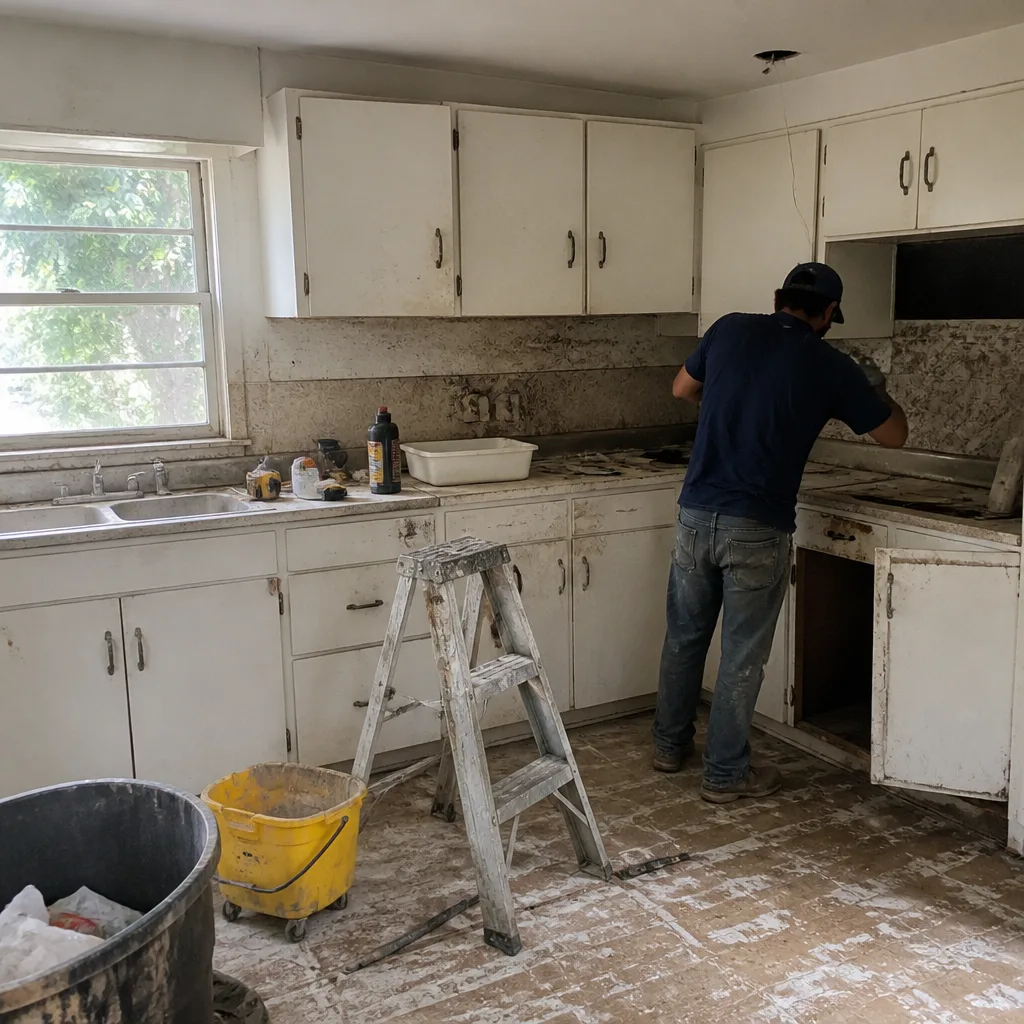 Before
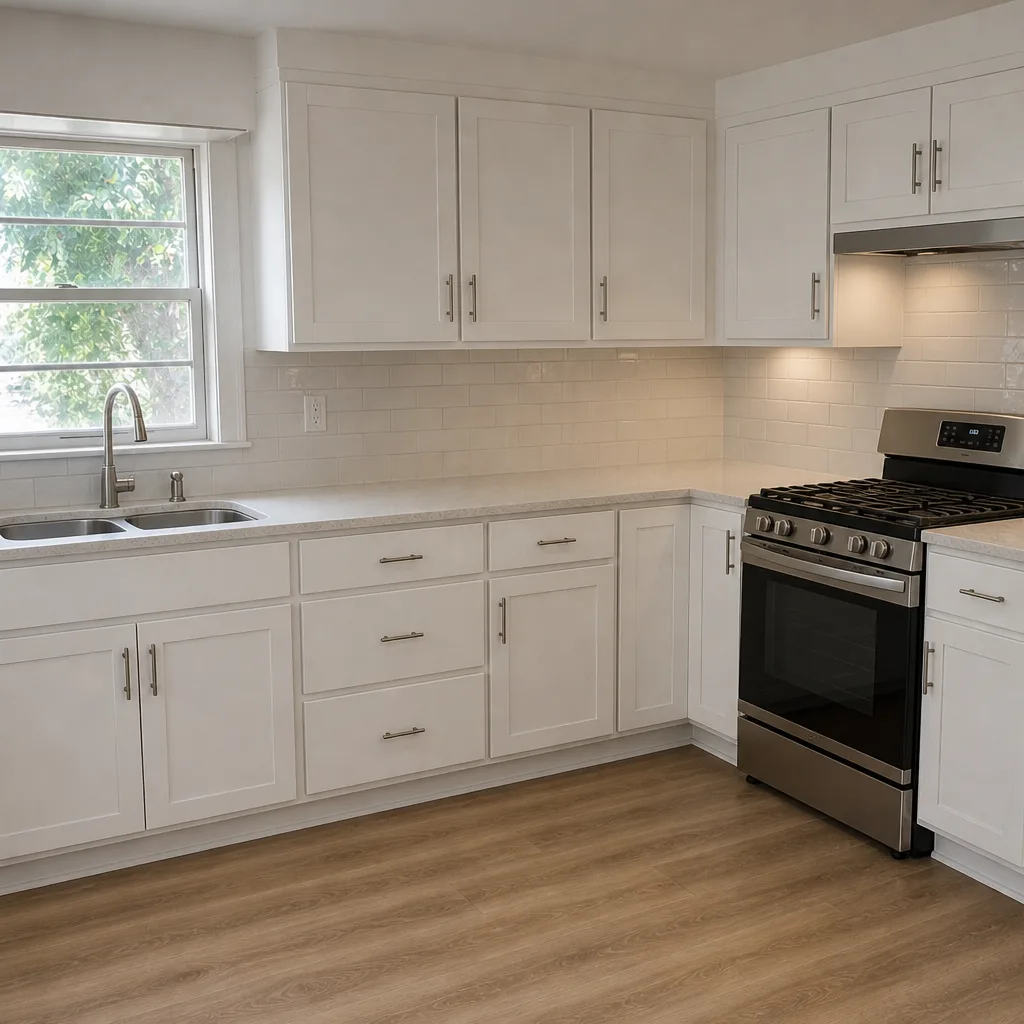 After
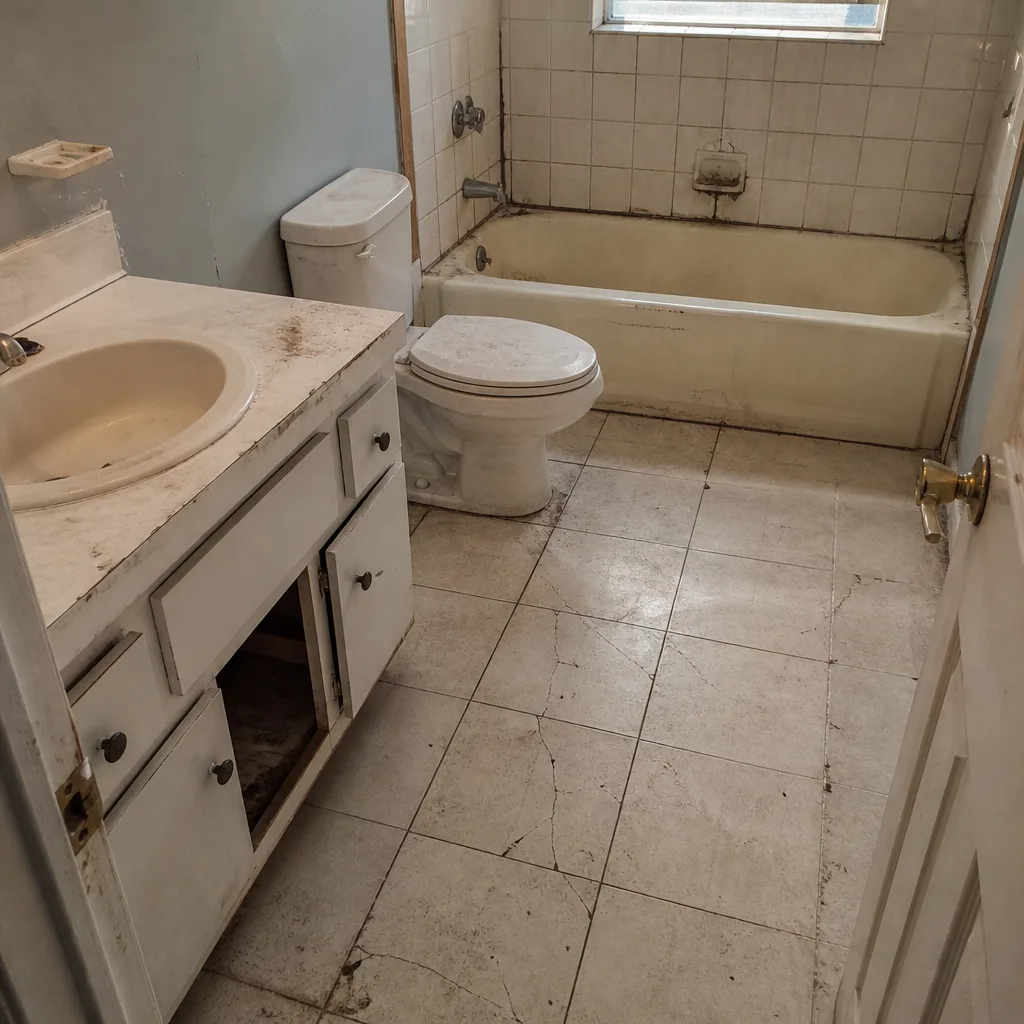 Before
 After
What Is a Miami-Dade NOA? The Product Approval That Decides Whether Your Westchester Windows Pass Inspection
A Miami-Dade NOA (Notice of Acceptance) is a county-issued product approval document from the Miami-Dade Building Code Compliance Office. It certifies that one specific product assembly is approved for use in the High-Velocity Hurricane Zone (HVHZ), and it carries an expiration date, a defined scope of approved use, and a tracking number that inspectors verify live during the inspection. An expired or misapplied NOA fails inspection exactly like no NOA at all.
Your contractor said the windows are NOA-approved. But is the approval current? Does it cover masonry frame installation? Does it match the DP rating needed for your specific floor and exposure? Those are three different questions, and all three have to be “yes” for your Miami-Dade county permit to close. For a straight answer on what your specific project needs, call (833) 630-4214 and we’ll walk you through it.
Why an “NOA-Approved” Window Can Still Fail a Westchester Inspection
The phrase “NOA-approved” gets thrown around loosely. What matters is whether the NOA on file matches your building, your installation method, and the year the permit is pulled. A NOA is not a permanent stamp. It expires, it gets revised, and it gets superseded by newer approvals. A product line approved in 2019 may be on a later revision by the time your Westchester permit is reviewed.
Westchester sits inside unincorporated Miami-Dade, which changes the paperwork path entirely. There’s no city hall to walk into. Every new build, addition, or window replacement runs through county e-permitting and county inspectors, so the NOA has to satisfy Miami-Dade’s building code office, not a municipal reviewer. That county-level check is where most NOA problems surface.
The three dimensions of NOA validity that matter at inspection
- The approval hasn’t expired. Inspectors pull the tracking number against the live county database. An expired NOA reads as unapproved, full stop.
- The installation method matches the approved application. A NOA approved for wood-frame installation does not cover a masonry-frame install, and vice versa. The document specifies exactly which conditions it approves.
- The DP rating meets the design pressure requirement. Design pressure depends on building height, wind exposure category, and location within the HVHZ. The right product with the wrong DP rating for a second-story corner unit still fails.
The Masonry vs. Frame Trap in Westchester’s Housing Stock
Here’s the mismatch we see most often in Westchester. The county’s existing homes, most from the 1960s through the 1980s, are concrete-block (CB) stucco construction with masonry frame openings. Much of the newest infill being built on the same streets is two-story wood-frame. Those two buildings need different NOA application scopes for the same window product.
A contractor who specs one window line across both buildings without checking the approved application can install a technically approved product in an unapproved way. The county inspector flags it, and the permit stalls. Same house, same product, wrong scope. This is one of the most common causes of HVHZ installation rejection in Miami-Dade, and it’s entirely avoidable with 10 minutes of database checking before the permit is filed.
It’s also why we read the NOA before we read the product spec sheet. When we specify Windows & Doors from partners like Andersen and Marvin for a Westchester project, the approval scope gets matched to the actual wall assembly on that address.
What Actually Happens When an NOA Issue Surfaces at Inspection
The short version: the permit can’t close. The homeowner can’t legally occupy or sell the structure as permitted, and the contractor has to re-submit with the correct documentation. That re-submission adds weeks to close-out, and if the wrong product is already installed, it can mean replacement.
Here’s the sequence in practice:
- Inspector checks the NOA number against the county database at the scheduled inspection.
- If the approval is expired or the scope is wrong, the inspection fails and a correction notice is issued.
- The contractor re-submits with a current, correctly-scoped NOA, or replaces the product.
- A re-inspection is scheduled and the close-out waits until it passes.
We’ve seen permits sit for weeks over a document that should have been verified before the first window arrived on site. The fix during construction is slow and costly. The fix before permit filing takes minutes.
How Groundwork Verifies Every NOA Before Filing in Westchester
Before we file a permit in Westchester, every window and door specified for the project is checked against the Miami-Dade online product approval database. We confirm three things on that check: the NOA is current, the approved application matches the wall assembly at that address (masonry vs. wood frame), and the DP rating meets the requirement for that building’s height and exposure. Then the homeowner gets the NOA number and expiration date in writing as part of their project package, not buried in fine print.
That level of documentation is part of how we work across our Westchester service area, and part of the 730-Day Done Right Promise. If the approval turns out to be wrong after the job, we make it right. The verification up front is what keeps that promise from being tested in the first place.
Beyond the paperwork, the field process is built for HVHZ work: background-checked, uniformed technicians who understand impact-rated installation, and calls answered by a live person, no matter what time you’re stuck on a question. Upfront pricing, no surprises, so you know the scope and the number before we start.
Typical Westchester window and door pricing
| Scope | Westchester Range |
|---|---|
| Impact window installation | $8,000-$25,000 |
| Standard window replacement | $4,500-$15,000 |
| Roof repair (flashing, tie-in around new openings) | $400-$1,800 |
These ranges are what we see in the Westchester market for jobs that include proper HVHZ documentation. A quote that comes in well below the low end usually means a shortcut somewhere in the product approval or installation method.
Why This Matters Before You Sign a Window Contract
The NOA isn’t a detail the contractor handles after the fact. It’s the piece that determines whether your permit closes and whether you can sell the home without a cloud on the title. If you’re planning a window or door project in Westchester, ask your contractor for the NOA tracking number and expiration date before you sign. If they can’t produce both, that’s your answer.
FAQs
A Miami-Dade NOA is a county-issued product approval that certifies a specific product assembly is approved for use in the High-Velocity Hurricane Zone, with an expiration date and a tracking number inspectors verify during inspection. It is not a manufacturer claim or a sticker; it’s a county document backstopped by a live database.
Yes. An expired NOA fails inspection the same as no NOA at all, because the inspector checks the tracking number against the current county database. The approval has to be current on the inspection date, not just on the day the permit was filed. Call (833) 630-4214 if you’re unsure whether your product’s approval is still active.
Yes, if the installation method doesn’t match the approved application. A product approved for wood-frame installation is not approved for masonry-frame use, and Westchester’s 1960s-80s CB-stucco homes need masonry-scope approvals. The DP rating also has to meet the requirement for that building’s height and exposure, not a generic number.
Impact window installation in Westchester typically runs $8,000-$25,000, depending on window count, floor level, and HVHZ documentation scope. The range accounts for proper NOA verification and installation method matching. Call (833) 630-4214 for an exact quote; estimates are free.
The permit can’t close, the homeowner can’t legally occupy or sell the structure as permitted, and the contractor has to re-submit with the correct documentation. That can delay close-out by weeks, and if the wrong product is already installed, it may require replacement. Premium materials and proper documentation belong together: built to last, backed in writing.
If you’d rather have it looked at, Groundwork Construction Co. of Westchester offers a no-pressure assessment in Westchester - call (833) 630-4214.
Written by the team at Groundwork Construction Co. of Westchester, serving Westchester, FL.