Last updated November 18, 2026
Free written scope consultation - allowances, timeline, and change-order rules on paper before a single trade is scheduled
Construction Cost Breakdown: The Westchester Homeowner’s Reference for 2026
If you’re using a national cost-per-square-foot average to budget your Westchester construction project, you’re likely 20 to 30 percent low before the first nail goes in, and that gap doesn’t show up until you’re already committed to a contractor and the change orders start landing. The reason is simple: national averages price a house in Ohio, not a house in Miami-Dade County under the High Velocity Hurricane Zone code, with post-hurricane demand still squeezing material prices and licensed labor commanding a real premium. This reference gives you actual 2026 cost ranges for the projects Westchester homeowners ask about most, the context behind those numbers, and the tools to read a bid without getting blindsided. We’ll cover driveways, additions, roofing, full renovations, permit costs most guides ignore, and how to build a contingency that fits Westchester’s risk profile rather than a generic 10 percent rule.
Styles & brands we work with
- Kitchen remodeling
- Bathroom remodeling
- Home additions & ADU
- Roofing
- Windows & doors
- Driveway & pavers
- Fence
Quick Answer
A typical Westchester construction project in 2026 runs roughly 20 to 35 percent above national averages when you account for Miami-Dade labor premiums, HVHZ product requirements, and permit and inspection costs. Driveway and paver work commonly lands between $12 and $32 per square foot, home additions run $190 to $340 per square foot, asphalt shingle roof replacement falls around $11,000 to $26,000 for an average home, and full kitchen or bathroom renovations range from $28,000 to $95,000 depending on scope and finish level. Budget a Westchester-specific contingency of 15 to 20 percent, not the generic 10 percent, because hurricane-zone code compliance and variable soil conditions reliably add real dollars mid-project.
Table of Contents
- Why Westchester Construction Costs More Than National Averages
- Driveway and Paver Costs in Westchester for 2026
- Home Addition and ADU Costs in Westchester
- Roofing Costs and the HVHZ Reality
- Full Renovation Costs: Kitchens, Baths, Whole Homes
- The Miami-Dade Labor Premium and the Licensed vs. Unlicensed Gap
- How to Read a Contractor Bid
- The Permit and Inspection Cost Layer
- Building a Westchester-Specific Contingency Budget
- Common Mistakes to Avoid
- When to Call a Professional
- Frequently Asked Questions
- The Bottom Line
Why Westchester Construction Costs More Than National Averages
Three forces are shaping construction pricing in Westchester in 2026, and most cost guides ignore all three. The first is post-hurricane demand. Every major storm that hits Florida resets the supply chain for shingles, impact windows, lumber, and concrete, and that reset trickles down to Westchester jobs for 12 to 24 months afterward. The second is the Miami-Dade labor premium. Licensed, insured trades cost more here than in most of the country because the regulatory bar is higher, the insurance is more expensive, and the pool of genuinely licensed contractors is smaller. The third is a material supply pattern specific to South Florida: HVHZ-compliant products cost more than their standard counterparts elsewhere, and they’re often stocked in fewer quantities locally, so lead times and pricing both carry a premium.
Westchester sits inside Miami-Dade County, which means every structure here must comply with the Florida Building Code as amended for the High Velocity Hurricane Zone. That’s not a paperwork detail. It changes which shingles you can buy, which windows you can install, how your roof deck gets fastened, and how much your concrete pour has to reinforce. A Westchester homeowner budgeting off a national per-square-foot figure is comparing apples to a hurricane-rated mango.
- HVHZ product compliance: Impact-rated windows, specific roofing underlayments, and enhanced fastening systems all cost more than standard products used in most national estimates.
- Insurance and licensing overhead: Licensed contractors in Miami-Dade carry higher insurance premiums that get baked into every bid.
- Post-storm demand cycles: Materials and labor both get repriced after major Florida storms, and those price increases stick for a year or more.
- Soil and water table: South Florida’s high water table and limestone-influenced soils affect foundation and drainage work, adding scope that inland estimates don’t include.
None of this means you can’t afford your project. It means the number you budget needs to reflect where the house actually sits. In our experience working Westchester projects, the homeowners who avoid the mid-project shock are the ones who started with ranges calibrated to Miami-Dade, not to an online calculator built for Kansas.
Driveway and Paver Costs in Westchester for 2026
Driveway installation or replacement in Westchester runs $12 to $32 per square foot in 2026, depending on material. A standard concrete driveway costs $12 to $18 per square foot installed. Paver driveways run $18 to $32 per square foot, with brick and travertine at the higher end. A typical two-car Westchester driveway, which works out to roughly 400 to 600 square feet, lands between $5,500 and $19,000 installed depending on which material you choose.
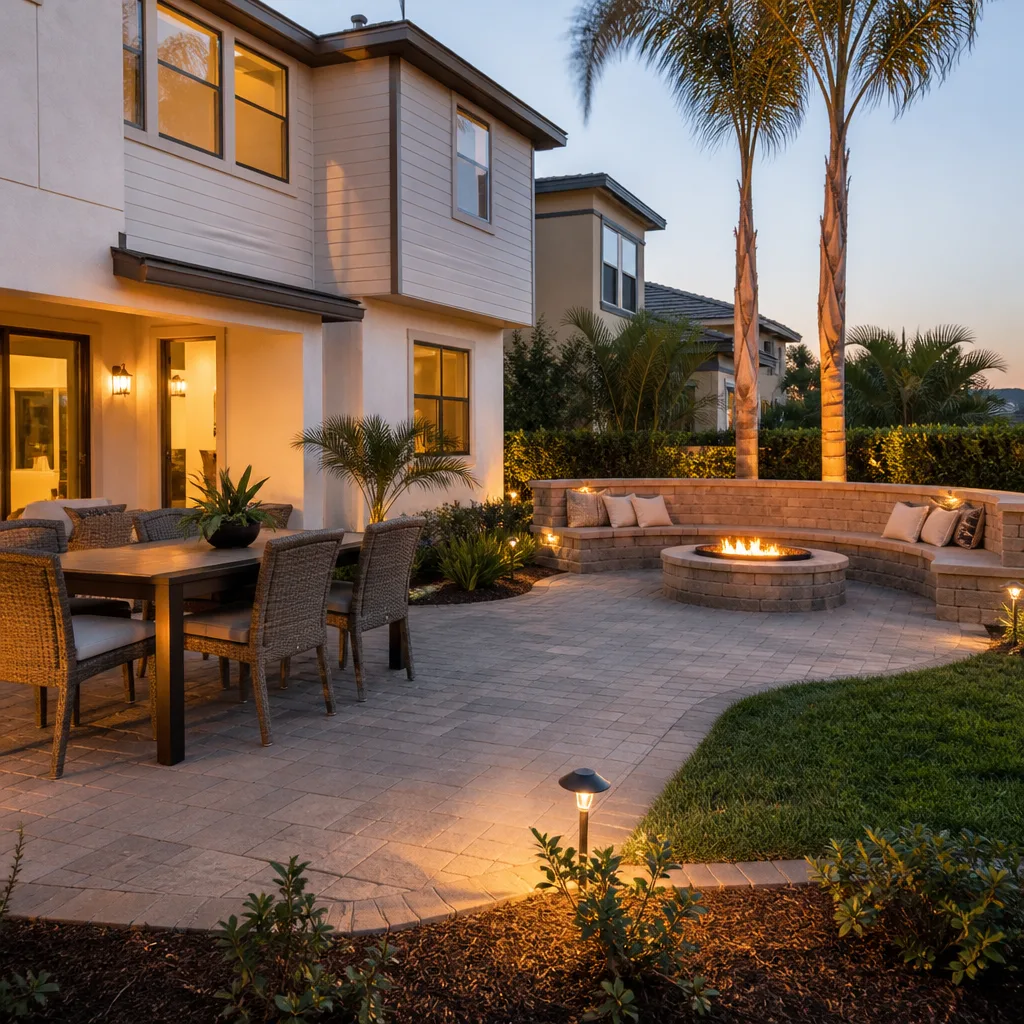
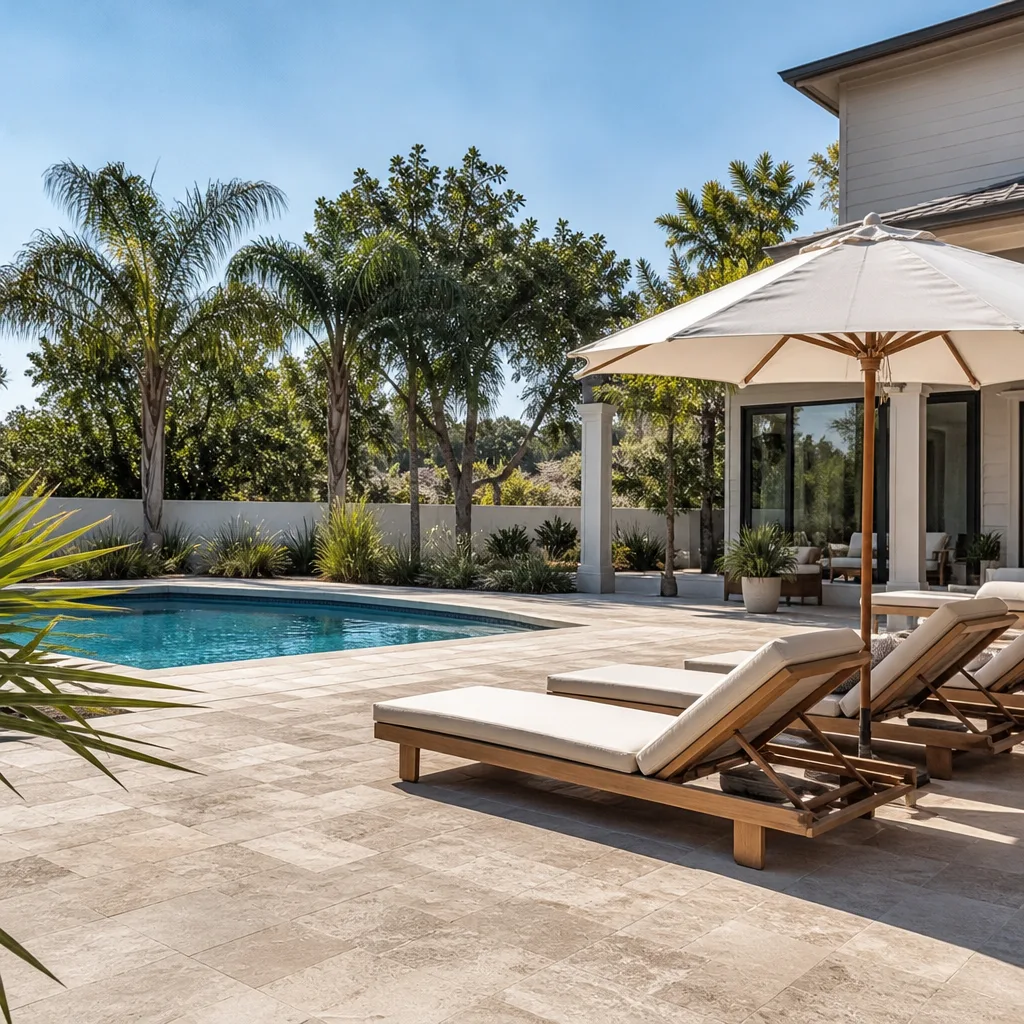
The material choice is where most of the cost variance lives. Concrete is the budget play, but in a Westchester climate it’s also the material most likely to crack if the sub-base isn’t prepped properly on our soil conditions. Pavers cost more upfront but handle thermal expansion and root intrusion better and can be repaired tile by tile rather than replaced in slabs. For a full line-item walkthrough of paver styles, base prep, and what affects the per-square-foot number, our Driveway & Pavers in Westchester guide goes deeper.
Here’s what a 2026 Westchester driveway budget typically includes:
- Demolition and haul-away: $900 to $2,400 for an existing driveway.
- Base prep and grading: $3 to $7 per square foot, essential in Westchester’s soil conditions.
- Concrete pour (standard): $12 to $18 per square foot installed.
- Paver installation: $18 to $32 per square foot installed.
- Drainage improvements: $400 to $1,800 if regrading or a French drain is needed.
- Permit and inspection fees: $150 to $650 depending on scope and whether the driveway meets the property line or right-of-way.
One thing Westchester homeowners consistently underestimate: drainage. Our flat lots and heavy summer rain mean a driveway poured without proper slope and base prep will start holding water within two seasons, and fixing that after the fact costs more than doing it right the first time. Get two or three itemized quotes and make sure base prep and drainage are called out as line items, not buried in a lump sum.
Home Addition and ADU Costs in Westchester
Home additions in Westchester run $190 to $340 per square foot in 2026 for a standard room addition, and ADUs (accessory dwelling units) run $200 to $370 per square foot, depending on whether you’re building attached or detached and how much of the structure is finished living space versus utility. A 400-square-foot in-law suite typically lands between $76,000 and $148,000. A detached ADU built to full code for rental or family use can run $180,000 to $260,000 for a modest one-bedroom footprint.
Those ranges are higher than national averages because of three Westchester-specific factors: HVHZ code means every window, door, and roof component on the addition must be impact-rated, which adds roughly 8 to 15 percent to the shell cost. Miami-Dade permit review for a new structure is longer and more expensive than in most counties. And connection to existing utilities, especially electrical panel capacity and sewer laterals, often requires work most estimates don’t include.
- Zoning check first. Confirm what your lot allows before you design anything. In Westchester, setback and lot coverage requirements vary by block, and an ADU that looked straightforward on paper can lose half its buildable footprint to a setback rule.
- Structural assessment. Adding on means the existing foundation and roof tie-in have to carry the new load. A structural evaluation costs $400 to $900 and catches problems before they become change orders.
- Design and engineering. Expect $4,500 to $18,000 for architectural drawings and engineering stamps on a typical addition.
- Permit and plan review. Plan review and permit fees for a Westchester addition usually land between $1,800 and $6,500, sometimes higher for an ADU with separate utility connections.
- Build-out. Framing, HVHZ-compliant envelope, mechanical, electrical, plumbing, finishes, and a final inspection sign-off.
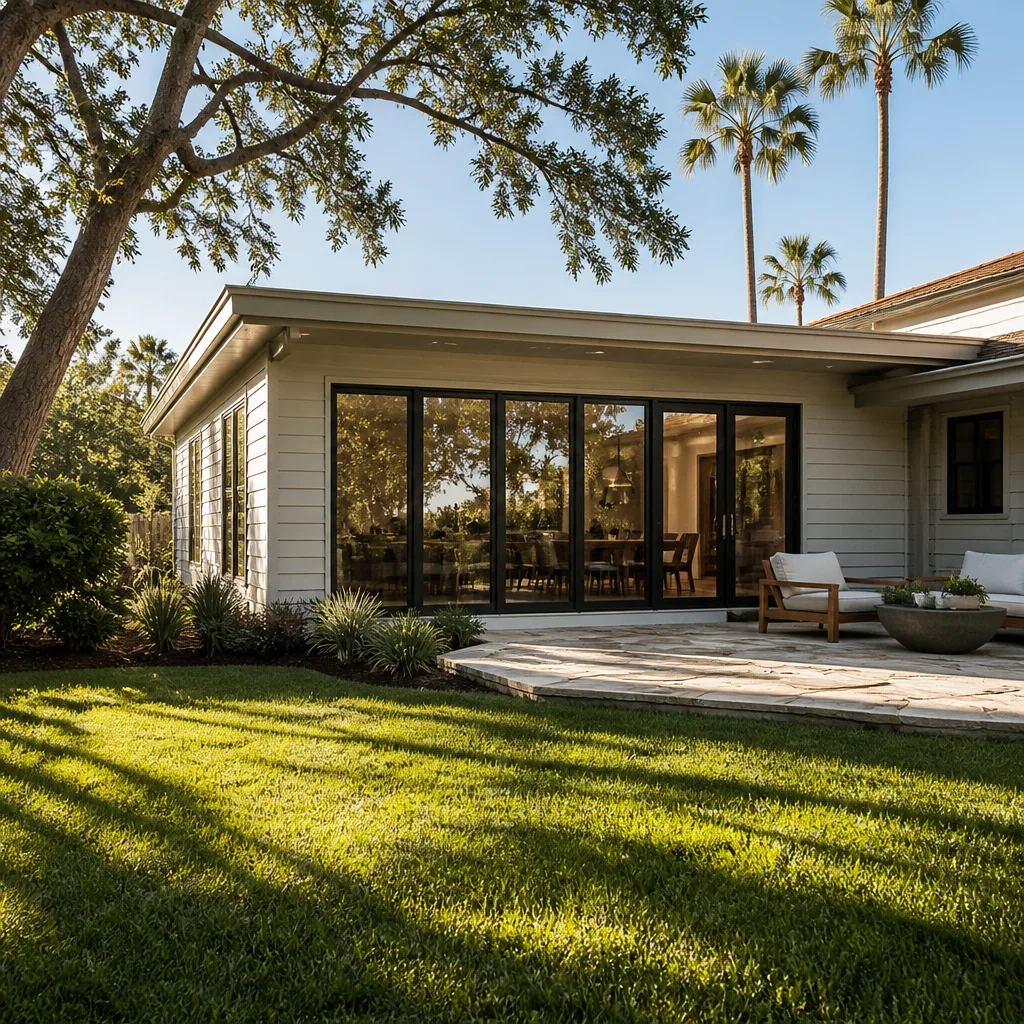
For a full breakdown of addition types, ADU options, and what actually drives the cost up or down in this market, see our Home Additions & ADU in Westchester guide. The number that matters most is scope clarity before you sign. An addition bid with no line items for utility upgrades or permit fees isn’t a deal, it’s a down payment on change orders.
Roofing Costs and the HVHZ Reality
Roof replacement in Westchester in 2026 runs $11,000 to $26,000 for an asphalt shingle roof on a typical single-family home, $18,000 to $42,000 for tile, and $22,000 to $55,000 for a standing seam metal roof. Those ranges are higher than Florida’s statewide averages, and the reason is HVHZ code. Every component on your roof, from the underlayment to the fastener pattern, has to meet High Velocity Hurricane Zone standards, which means product premiums that don’t exist in most of the country.
We’ve replaced a lot of roofs in Westchester, and the pattern that surfaces most often is an aging roof that received a minor patch after a storm and now has a fastening schedule that doesn’t match what the current code requires. When you go to replace it, that mismatch often means a full re-deck in addition to a full re-roof, which can add $2,500 to $6,000 to the project. This is the kind of thing that doesn’t show up in an online calculator but absolutely shows up on your bid.
A realistic 2026 Westchester roofing budget should include:
- Tear-off and disposal: $2,000 to $5,500 depending on roof size and layers.
- Deck inspection and repair: $800 to $6,000 depending on how much rot or non-compliant fastening is uncovered.
- Underlayment (HVHZ-compliant): $1,200 to $3,800.
- Shingles or tile (HVHZ-rated): $6,500 to $32,000 depending on material and size.
- Flashing, vents, and penetrations: $700 to $2,400.
- Permit and inspection: $350 to $1,200, plus a final HVHZ inspection sign-off.
Roofing is one of the trades where matching a top-tier product line matters most. GAF and Owens Corning are the two most common systems we install because their shingles are HVHZ-rated and their warranties are the strongest when the whole system is installed together. A roofer mixing brands on one roof often voids the manufacturer warranty. Ask about brand and warranty coordination before you sign, and ask for the manufacturer spec sheet so you can confirm HVHZ compliance in writing.
One safety note on roofing. Roof work at height is genuinely dangerous, and the tear-off and re-deck phases are the riskiest part of any residential project. It’s not a job to take on as a homeowner, even for what looks like a minor repair. Hire a licensed roofer who carries workers’ compensation insurance, and ask to see proof.
Full Renovation Costs: Kitchens, Baths, Whole Homes
Full kitchen renovations in Westchester run $45,000 to $95,000 in 2026 for a mid-to-high-end remodel. A full bathroom renovation runs $28,000 to $62,000. Whole-home renovations, meaning three or more rooms plus systems work, start around $160,000 and climb from there depending on how much of the structure is being changed. Those ranges include cabinetry, countertops, floors, appliances, and the mechanical upgrades that older Westchester homes routinely need once walls are open.
The biggest variable in a Westchester renovation is what the walls reveal. Homes built in the 1950s through the 1980s, which covers a lot of the Westchester housing stock, frequently have undersized electrical panels, older plumbing, and sometimes cast-iron or galvanized drain lines that are near end-of-life. Pulling a kitchen wall open can uncover $6,000 to $14,000 in mechanical upgrades that a bid built from the surface didn’t anticipate. This is why a Westchester contingency needs to run 15 to 20 percent, not the generic 10 percent most guides recommend.
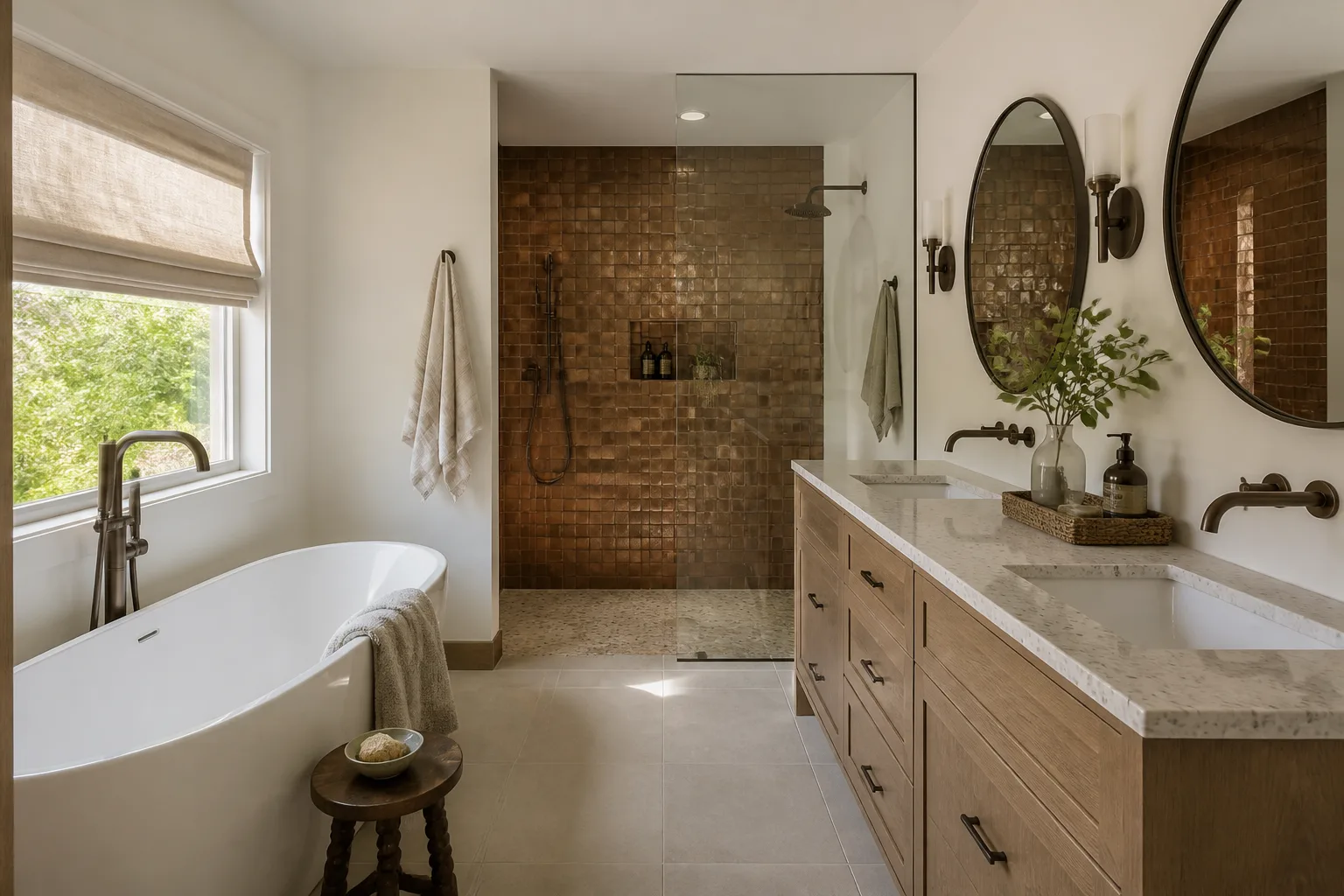
For kitchens, cabinetry and countertops form 40 to 55 percent of the total cost. KraftMaid cabinets and Cambria quartz countertops are the two brand categories where the price-per-linear-foot varies most between entry-level and premium. Expect KraftMaid cabinetry at $220 to $650 per linear foot installed. Cambria quartz at $60 to $105 per square foot installed. Bathroom renovations follow a similar pattern, with tile, fixtures, and shower systems driving the majority of the cost.
The single best way to keep your renovation budget on track in Westchester is to insist on line-item pricing from the first estimate. “Cabinets: allowance” is a shortcut that hides the real number until it’s too late. And with premium brand partners, matching components within the same system matters more than most homeowners expect, because the manufacturer warranty usually depends on the whole assembly being installed together.
The Miami-Dade Labor Premium and the Licensed vs. Unlicensed Gap
Licensed construction labor in Miami-Dade County costs 15 to 25 percent more than the national average, and that number reflects a real regulatory barrier, not a scam. Becoming a licensed contractor in Florida requires proof of experience, insurance coverage, and ongoing continuing education, and maintaining all of that costs money that gets passed through in every bid. When a Westchester homeowner gets a bid that’s 30 percent below the next one, the gap is almost always labor, and the gap in labor usually means the contractor is unlicensed, uninsured, or both.
Here’s how to think about the licensed versus unlicensed decision. It’s not a savings opportunity, it’s a risk calculation. If an unlicensed crew gets hurt on your property, your homeowners insurance is the policy on the hook, not theirs. If their work fails an HVHZ inspection, the correction cost is yours. If they disappear mid-project, your deposit is gone and the county won’t help recover it. The licensed contractor’s bid is higher because it carries those risks on your behalf.
- Verify the license. Every Florida contractor has a license number you can look up on the state’s DBPR database. Check it, and check the name matches the bid.
- Confirm general liability and workers’ comp insurance. Ask for a certificate of insurance and verify the coverage dates include your project window.
- Get the scope in writing. A real bid lists materials, brands, and quantities, not just the total.
- Compare the middle of the pack. The lowest bid is usually lowest because something’s missing. The highest bid isn’t automatically the safest. The middle bids are where honest numbers usually sit.
- Confirm who pulls the permit. In Miami-Dade, the licensed contractor should be the one pulling the permit. If they ask you to pull it as the owner, walk away.
Groundwork Construction Co. of Westchester works with a network of licensed, insured professionals across every trade, and every project is covered by the 730-Day Done Right Promise. That’s not a sales pitch, it’s a response to the exact gap we see most in this market. Homeowners burned by a low bid tend to become the toughest negotiators on the next one, and the answer isn’t to shop for a cheaper crew. It’s to build a scope that’s honest on day one and hire someone accountable for what happens after.
How to Read a Contractor Bid
A good construction bid in Westchester is a document you can actually read: line items for every major scope area, a brand and model for every material, a timeline, and a payment schedule. If the bid is two pages long and has one lump-sum number at the bottom, you’re not looking at a bid, you’re looking at a handshake with a decimal point. The specific things to check in the first five minutes are where costs are padded, where they’re suspiciously low, and what’s missing.
- Padded line items: Look at general conditions, cleanup, and supervision line items. A 15 percent “general conditions” line on a $40,000 kitchen is high. Eight to 12 percent is more typical.
- Suspiciously low line items: A $600 allowance for kitchen tile on a 200-square-foot floor is $3 per square foot, which buys builder-grade ceramic, not the travertine the showroom showed you.
- Omitted scope to watch for: Permit fees, demo, dumpsters, structural repairs, painting of new drywall, final cleaning, and HVHZ-specific product requirements are the six most frequently omitted items we see in Westchester bids.
- Vague brand language: “Premium windows” is not a spec. “Andersen 400 Series, impact-rated, tempered glass” is. Demand brand, model, and rating.
- Payment structure: A deposit over 10 to 15 percent before materials deliver is a red flag. A reasonable contractor has a payment schedule tied to milestones, with a final payment after your walkthrough and inspection sign-off.
- Warranty terms: Read the warranty section carefully. Workmanship warranties vary widely, and “as required by applicable law” is not a workmanship warranty.
- Change order process: Every honest bid explains how change orders are priced and approved. If it doesn’t, ask for it in writing before signing.
Bring the bid to your first walkthrough meeting and read it line by line with the contractor, not after you’ve signed. A contractor who can’t or won’t walk you through the bid isn’t going to walk you through the build either. This is one of the reasons we structure estimates as line-item documents with fixed pricing on scope. The number you see is the number you pay, unless you change the scope, and that gets written down and signed off before anyone swings a hammer.
The Permit and Inspection Cost Layer
Permits and inspections for a Westchester construction project in 2026 typically add $800 to $6,500 depending on scope. A driveway replacement usually runs $150 to $650. A roof replacement runs $350 to $1,200. A kitchen or bathroom renovation runs $600 to $2,200. An addition or ADU runs $1,800 to $6,500. Those numbers rarely appear in online cost guides, but they show up on every real project in Miami-Dade County.
The bigger cost isn’t the permit fee itself, it’s the inspection process. Every HVHZ-required inspection is a milestone that has to pass before the next phase can start, and a failed inspection means a delay that costs real money in labor and schedule. Roofing inspections, structural inspections, mechanical and electrical rough-ins, and final sign-offs all have to pass on separate visits. A contractor who builds the permit process into their pricing and schedule has priced in the delay risk. A contractor who promises “we’ll handle it later” has priced in a future problem.
Three things to check on any Westchester bid:
- Are permit and inspection fees listed as a line item? If they’re bundled into the total with no itemization, ask for the breakdown.
- Who pulls the permit? The licensed contractor should. An owner-pulled permit shifts liability to you.
- What is the inspection schedule? Every phase that requires inspection should be identified in the timeline, with the correct inspection sign-off listed for each.
In our experience, the single best predictor of a smooth Westchester project is a clean permit history on the contractor’s side. A contractor who’s pulled permits and passed HVHZ inspections on similar projects knows exactly what the county review process expects and prices the schedule accordingly. A contractor who avoids permits is telling you something important before work even starts.
Building a Westchester-Specific Contingency Budget
The generic “add 10 percent” contingency is wrong for Westchester. Not because 10 percent isn’t prudent, but because it doesn’t match the specific risks this market carries. HVHZ code compliance can add cost mid-project if the inspection uncovers non-compliant work from a previous contractor. Miami-Dade soil conditions can affect foundation and drainage costs on driveways, additions, and pavers. And older homes in Westchester routinely reveal mechanical and structural conditions when walls open up. A contingency budget for Westchester should run 15 to 20 percent on renovations, 12 to 18 percent on additions, 10 to 15 percent on roofing and driveways, and 8 to 12 percent on windows, doors, and fencing.
Here’s how to build it:
- Start with the base scope number. Take your itemized bid total for the agreed-upon work. That’s the base.
- Add the permit and inspection estimate. Not a placeholder, an actual estimate based on the scope.
- Add an HVHZ compliance margin. Assume 5 to 10 percent of the base scope for unexpected code compliance costs, especially on older structures.
- Add a mechanical and structural reveal margin. On renovations over 20 years old, assume another 5 to 10 percent for whatever the walls uncover.
- Add a schedule float. Not a dollar amount per se, but a buffer in your mind and your lease or temporary housing plan for two to four weeks of schedule slip. Miami-Dade inspections are the usual bottleneck.
The right total contingency for most Westchester renovation projects lands at 15 to 20 percent of the base scope after all of the above. The number feels high the first time you see it. It feels reasonable the first time the walls open and reveal what the bid couldn’t see. And the good news is that a properly structured bid, with line-item pricing and a clear change order process, means your contingency usually goes unspent. You budget it to not need it.
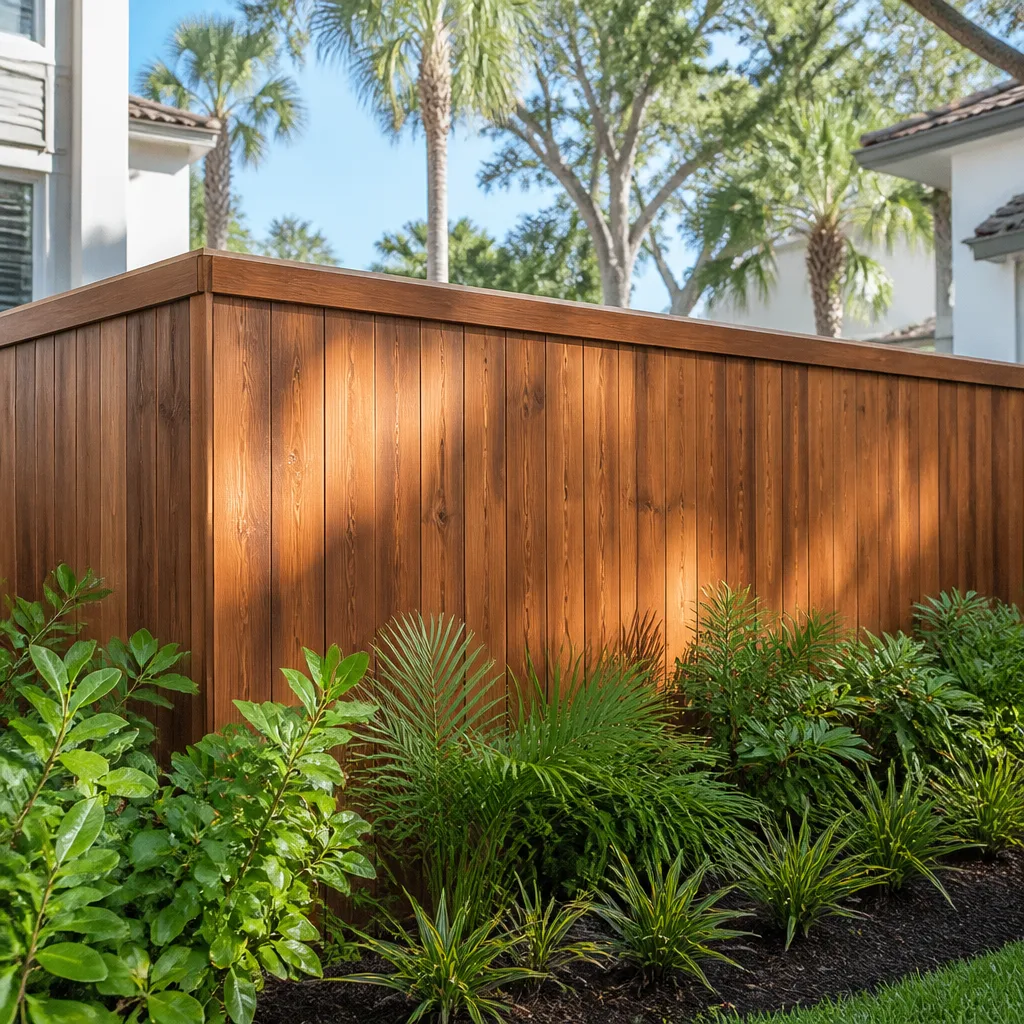
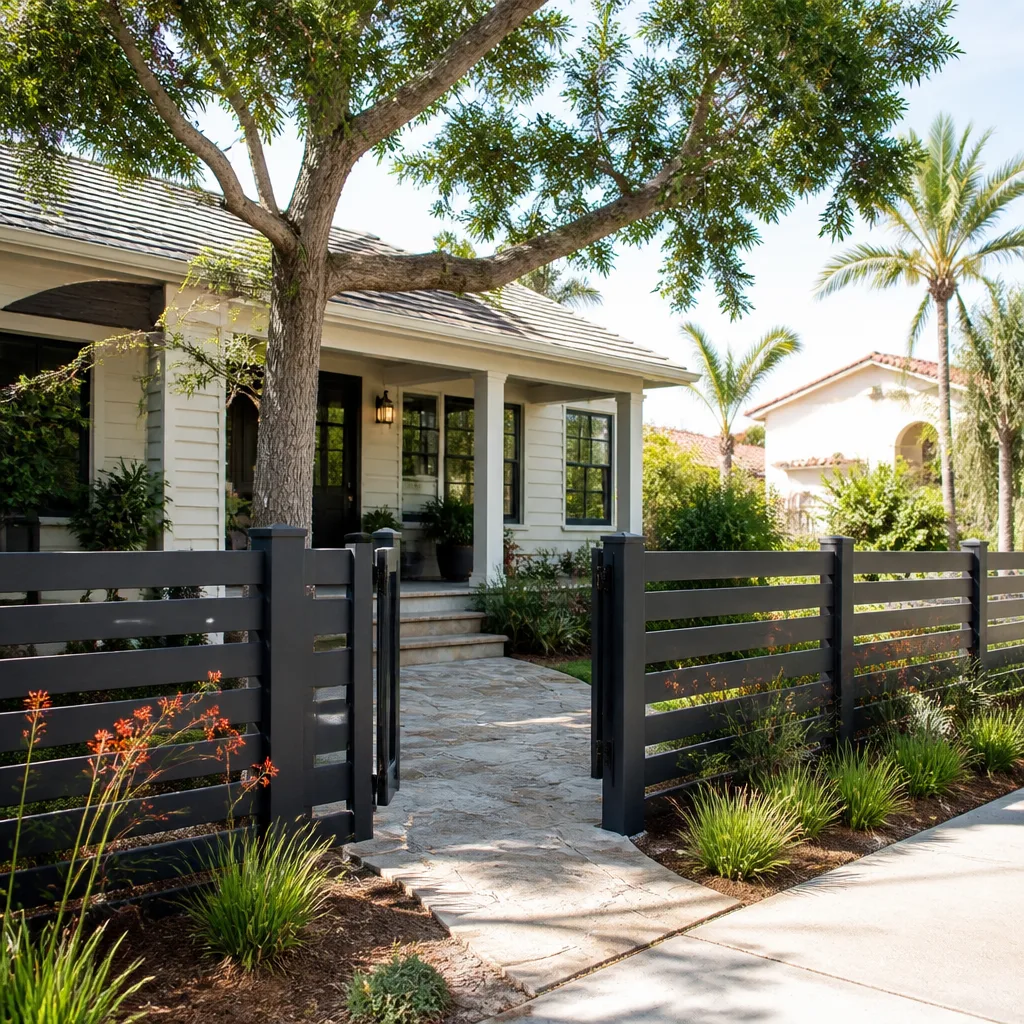
For the exterior of the home, fence installation and window and door replacements are two project types where a Good fence and a properly installed impact window both add real value and hold up to the climate. If you’re planning a fence alongside one of these bigger projects, our Fence Installation in Westchester guide covers materials, permits, and the Westchester-specific rules about setback and lot line. Bundling scope across multiple trades on one permit sometimes saves real money.
Common Mistakes to Avoid
- Budgeting off a national cost-per-square-foot average. A national average for a kitchen remodel or an addition doesn’t account for HVHZ product premiums or Miami-Dade labor rates. Expect a 20 to 35 percent gap between a national average and what the same project actually costs in Westchester.
- Accepting allowances without checking them against reality. An allowance is the contractor’s estimate for an item the homeowner hasn’t picked yet. If the allowance for tile is $4 per square foot and the tile you want is $9, that $5-per-square-foot gap becomes a change order on every square foot of the room.
- Skipping the license verification step. A bid from an unlicensed contractor is a bid from someone who can’t legally pull the permit, and that shifts a real liability onto you. Check the DBPR record before you sign anything.
- Pulling the permit as the owner. In Miami-Dade, letting a contractor talk you into pulling the permit as the owner shifts inspection and code-compliant liability onto you. The licensed contractor pulls the permit, every time.
- Setting contingency at the generic 10 percent. Westchester’s HVHZ code compliance and soil conditions add real dollars mid-project. Set contingency at 15 to 20 percent for renovations and never below 10 percent for anything else.
- Reading the warranty after the work is done. Ask about the workmanship warranty before you sign, get the warranty terms in writing, and compare them directly across bids. A two-year workmanship warranty and a five-year one are not the same product, and both are different from what the manufacturer covers on the materials.
- Assuming brand consistency is optional. Mixing brands within a product system, like roofing shingles from one manufacturer and underlayment from another, can void the manufacturer warranty. Insist on brand and model numbers in the bid for every major material.
When to Call a Professional
Call a professional when the project touches the building envelope, the structural load path, the electrical panel, the plumbing system, or anything HVHZ-related. That covers roofs, impact windows, additions, and any renovation that opens up walls to mechanical or structural work. Call a professional before you buy materials for a bigger project, because material choice affects permit scope and inspection requirements more than most homeowners expect. Call a professional if a previous contractor’s work has failed an inspection, because code compliance corrections are often more expensive than the original job. And call a professional if you’re planning a fence, driveway, or window replacement and want to know whether the scope actually needs a permit in Westchester, because the answer varies by lot and sometimes by material.
Groundwork Construction Co. of Westchester offers free estimates in Westchester, with line-item pricing and a design consult built into the initial visit. Call (833) 630-4214 to schedule yours.
Frequently Asked Questions
A typical Westchester project in 2026 costs 20 to 35 percent above national averages, with driveways running $5,500 to $19,000, roof replacements at $11,000 to $26,000, kitchen and bath renovations at $45,000 to $95,000 and $28,000 to $62,000 respectively, and home additions at $190 to $340 per square foot. The gap above national averages comes from HVHZ code compliance, Miami-Dade labor premiums, and post-hurricane material pricing. Call (833) 630-4214 for an exact quote calibrated to your address, scope, and materials.
A properly structured bid with line-item scope and a clear change order process shouldn’t produce surprise costs, though some adjustments are legitimate if the walls reveal non-compliant work or a material is unavailable. The two biggest sources of legitimate change orders are hidden conditions uncovered mid-project and material substitutions driven by supply, and both should be documented and approved in writing before work proceeds. With upfront pricing, the number you see is the number you pay unless you change the scope. Call (833) 630-4214 to review your scope options and get a fixed-price estimate.
Yes, permitted work is pulled by the licensed contractor, not the homeowner, and that’s how it should be on any Westchester project. Pulling the permit shifts inspection and code-compliant liability to the party who’s actually performing the work, which is the licensed contractor’s job. If a contractor asks you to pull the permit as the owner, that’s a request to shift risk onto you, and it’s a red flag. Call (833) 630-4214 to confirm permit handling on your project.
A full bathroom renovation in Westchester typically runs four to seven weeks, a full kitchen eight to twelve weeks, a home addition four to seven months, and a roof replacement one to three weeks depending on size and materials. Miami-Dade inspection schedules are the most common source of schedule slip, and HVHZ inspection milestones need to be built into the timeline from the start. Call (833) 630-4214 for a schedule estimate on your specific project.
Construction in Westchester costs more than most of Florida because Miami-Dade County requires HVHZ-compliant products on every envelope component, licensed labor carries a higher insurance and regulatory overhead here, and post-hurricane demand keeps material prices elevated. The gap runs 15 to 30 percent versus non-hurricane-zone counties in the state. It’s a real cost of living in a place that’s built to withstand what comes across the coast. Call (833) 630-4214 to talk through what’s driving cost on your specific project.
A Westchester-focused contractor understands HVHZ code requirements, Miami-Dade permit review timelines, and the local material supply pattern in ways a national operator typically doesn’t. Familiarity with the specifics of the local inspection process is the biggest time-and-cost differentiator on any project here. The right contractor also carries the licenses, insurance, and inspection history that a national operation would need to duplicate locally. Call (833) 630-4214 to schedule a free estimate from a Westchester team.
The Bottom Line
Construction pricing in Westchester in 2026 reflects three forces most cost guides don’t acknowledge: post-hurricane demand, Miami-Dade labor premiums, and HVHZ material requirements. Budget 20 to 35 percent above national averages for equivalent scope, use Westchester-specific cost ranges for driveways, additions, roofing, and renovations, and set contingency at 15 to 20 percent rather than the generic 10. Read every bid for line-item clarity, brand and model specs, permit handling, and workmanship warranty terms. And hire licensed, insured professionals with a verifiable permit history. Groundwork Construction Co. of Westchester offers free estimates, line-item pricing, and the 730-Day Done Right Promise on every project. Call (833) 630-4214 to schedule yours.
Written by the team at Groundwork Construction Co. of Westchester.
See the difference
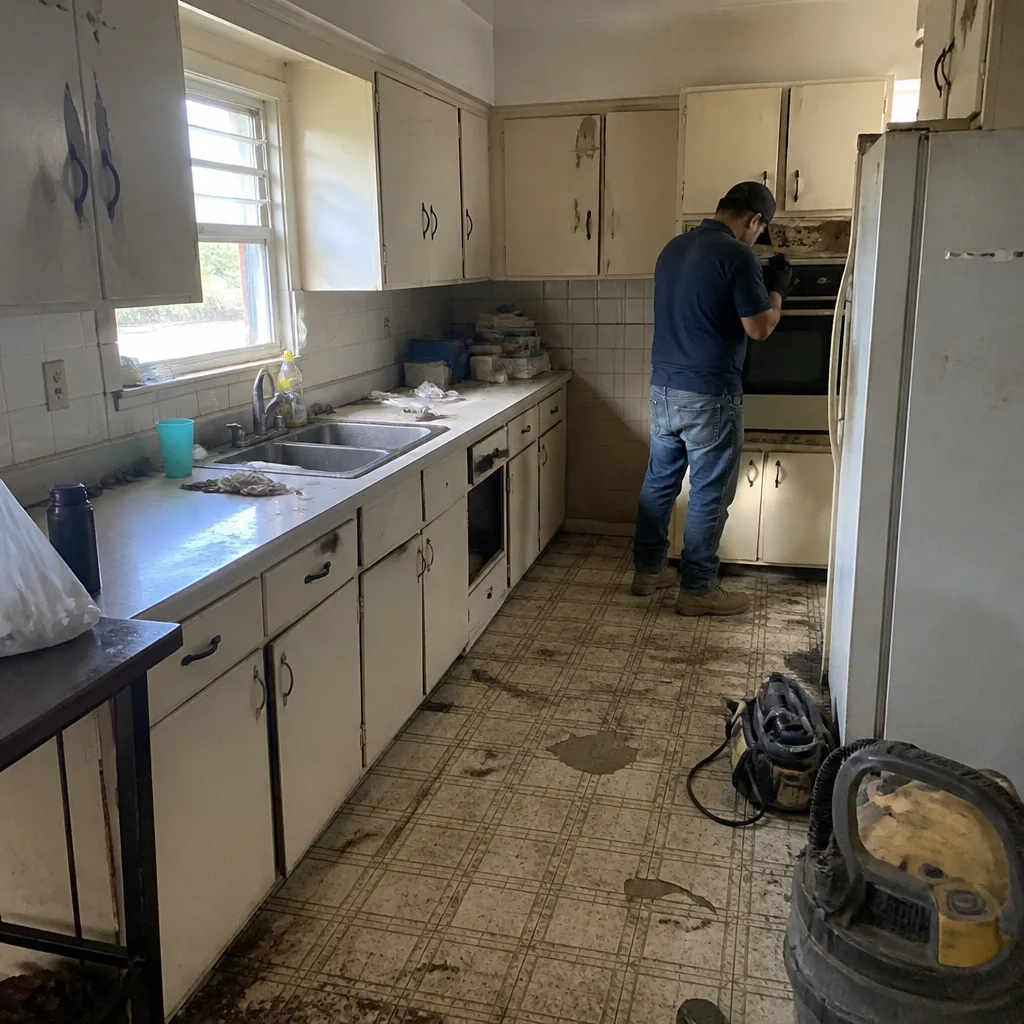 Before
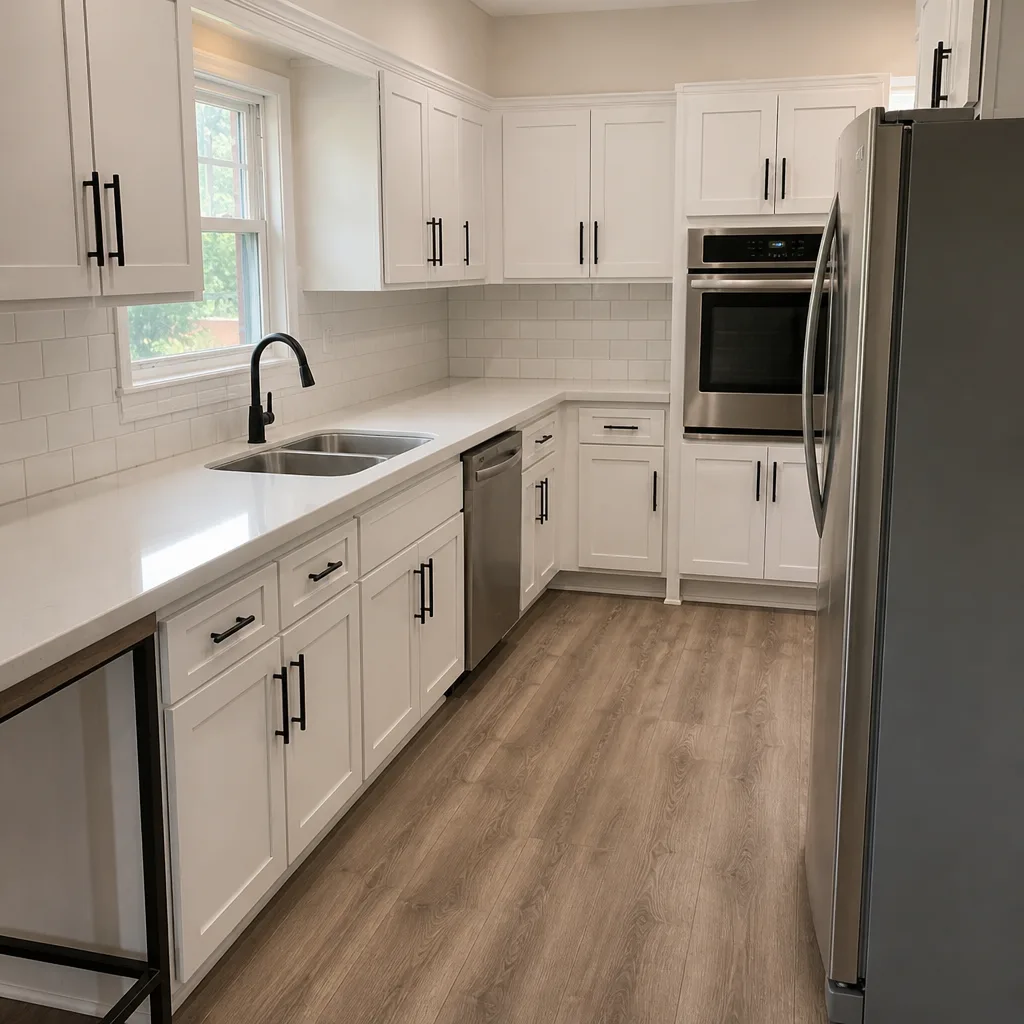 After
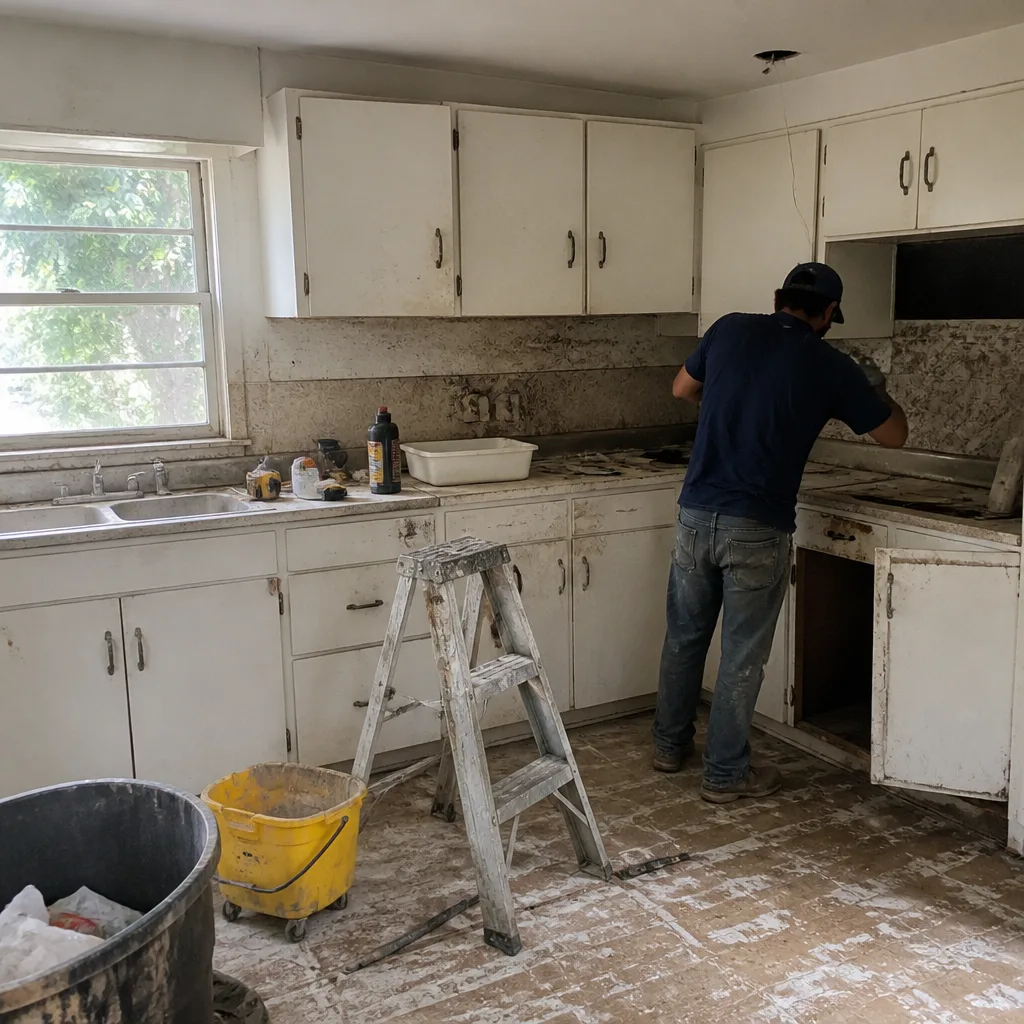 Before
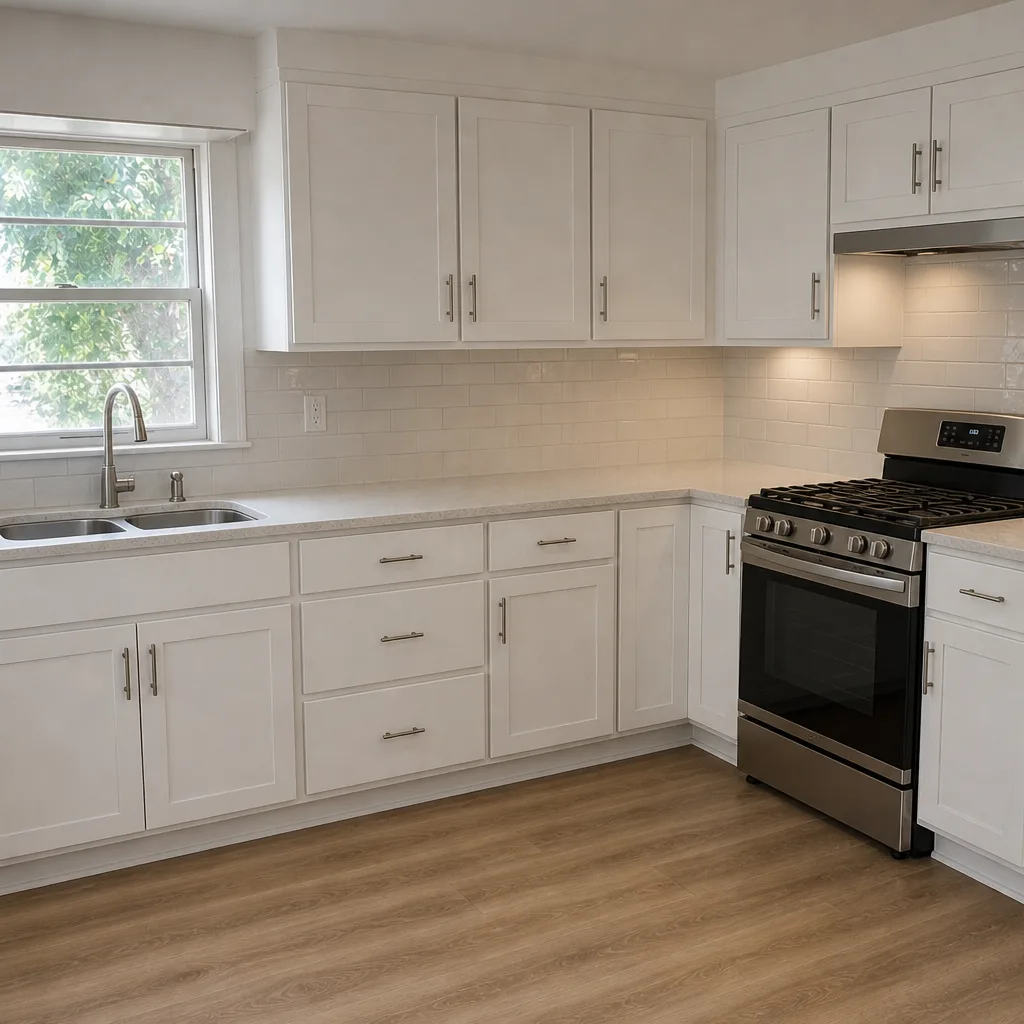 After
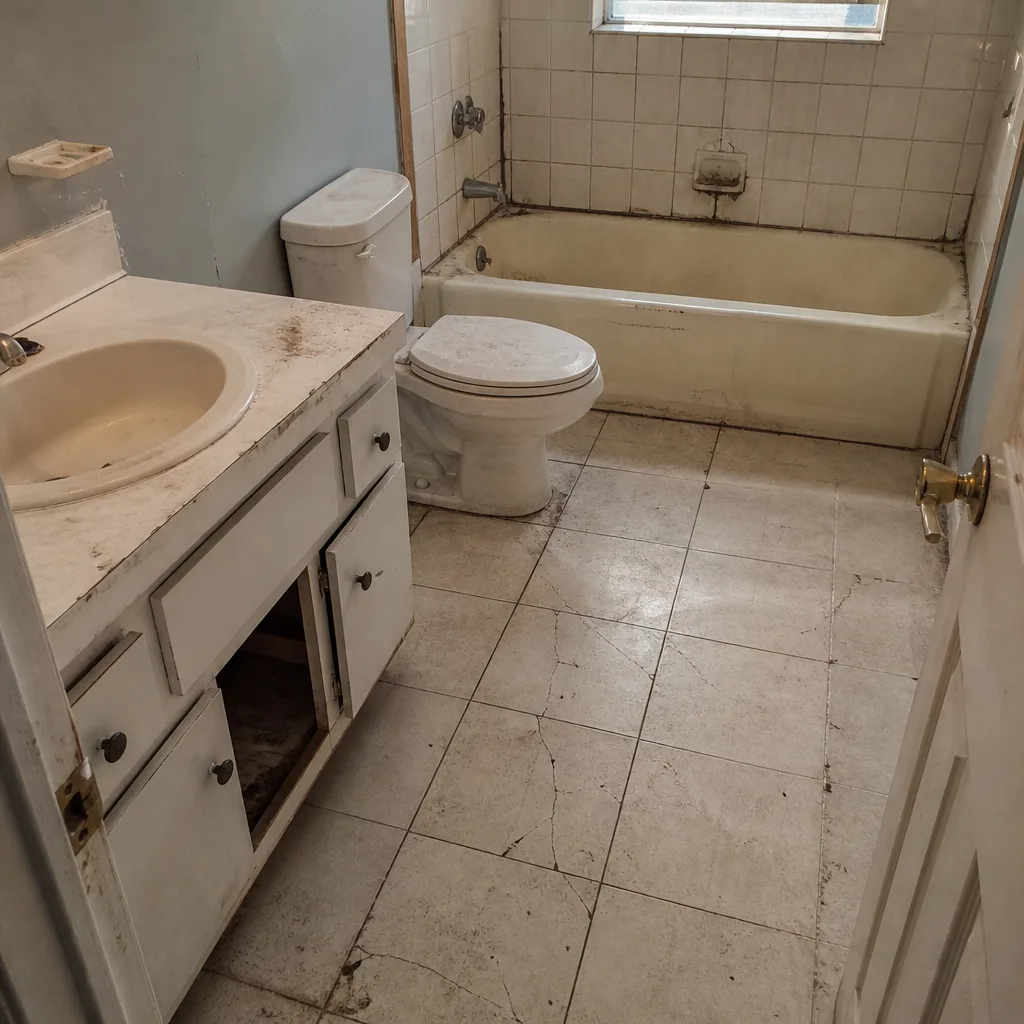 Before
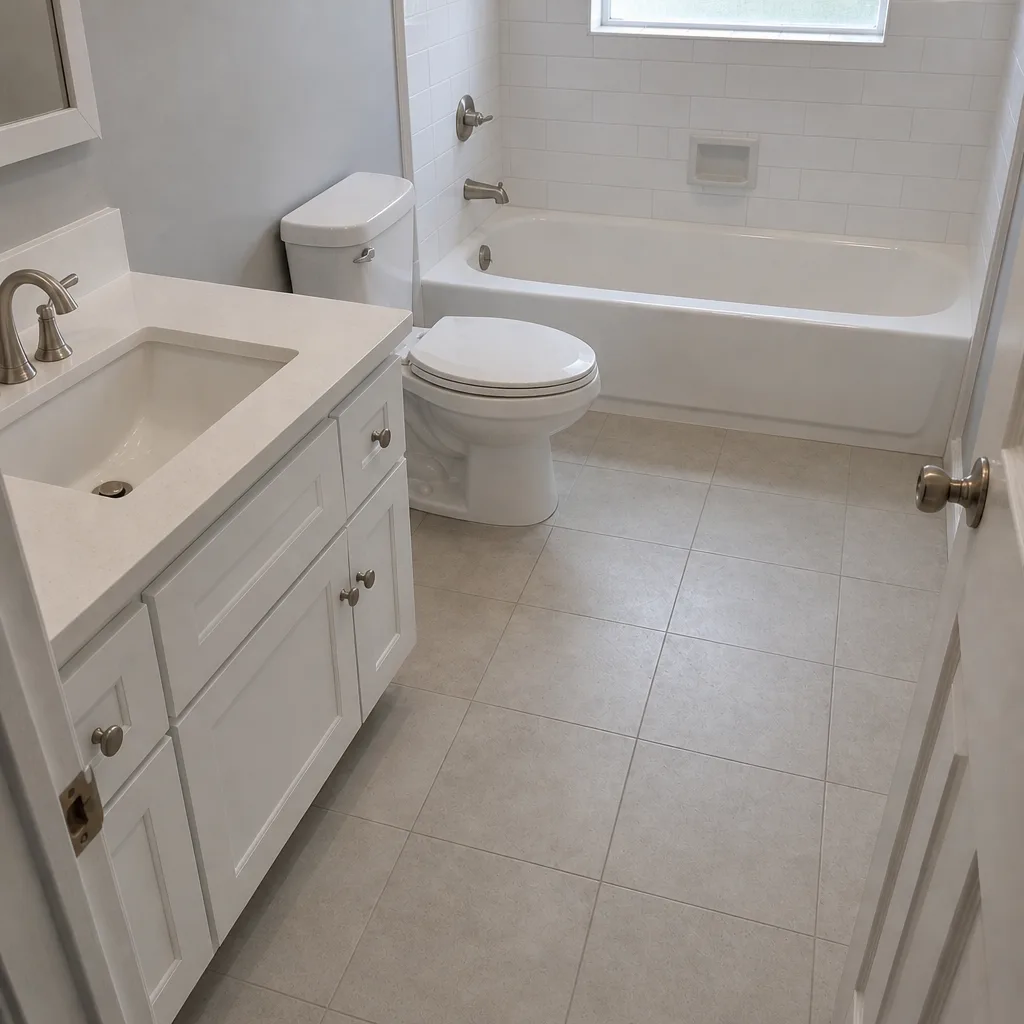 After