Last updated November 18, 2026



Free written scope consultation - allowances, timeline, and change-order rules on paper before a single trade is scheduled
DIY vs Professional Construction: The Westchester Homeowner’s Decision Guide
Here’s the part most Westchester homeowners don’t hear until it costs them: in a lot of Florida counties, you can pull your own permit, act as your own contractor, and legally build. In Miami-Dade, which governs Westchester, that door is narrower than people assume, and the paperwork you sign to walk through it carries weight most homeowners never read closely. The real DIY-versus-pro question here isn’t about whether you can swing a hammer. It’s about jurisdiction, insurance, and resale. This guide walks through what owner-builder permits actually allow in Westchester, where DIY quietly voids coverage, what the five most common projects really demand in skill and tools, and a framework for deciding scope by scope.
Quick Answer
In Westchester, DIY is legally and financially viable for a narrow set of cosmetic, non-structural projects: interior paint, cabinet refacing, tile backsplash, fencing on your own line, and similar work that doesn’t touch the building envelope or trigger a permit. Anything structural, anything inside the High Velocity Hurricane Zone (HVHZ), and anything requiring an owner-builder affidavit is a professional job in practice, because a failed inspection or an unpermitted scope can void insurance and complicate a sale. The dividing line in Westchester is permit jurisdiction and resale exposure, not weekend confidence.
Styles & brands we work with
- Kitchen remodeling
- Bathroom remodeling
- Home additions & ADU
- Roofing
- Windows & doors
- Driveway & pavers
- Fence
Table of Contents
- Why Jurisdiction, Not Skill, Decides the DIY Question in Westchester
- What Miami-Dade’s Owner-Builder Permit Actually Allows
- Where DIY in Westchester Creates Insurance Gaps That Show Up at Claims Time
- A Realistic Skill and Tool Audit for the Five Most Common Projects
- The Hidden Cost of DIY Mistakes in HVHZ-Regulated Scopes
- A Decision Framework: Project Type, Permit, and Resale Impact
- How Unpermitted Westchester Work Surfaces at Resale
- Common Mistakes to Avoid
Why Jurisdiction, Not Skill, Decides the DIY Question in Westchester
Westchester sits in unincorporated Miami-Dade County, which means your permit authority is the county, not a city hall. That single fact reshapes the DIY conversation. Miami-Dade enforces the Florida Building Code with local amendments, and it applies HVHZ standards to the entire county. The HVHZ rules were written after Hurricane Andrew and they govern how roofs, windows, doors, and structural connections are fastened, sealed, and inspected. A homeowner with genuine carpentry skill can still fail an HVHZ inspection because the fastening pattern or product approval doesn’t match the code, not because the work looks bad.
We’ve watched this play out across Westchester neighborhoods like Banyan Drive and the streets off Coral Way, where ranch homes from the 1950s and 60s are common. Those homes often have original roof-to-wall connections that don’t meet current HVHZ requirements. A homeowner re-roofing a shed or patching a fascia might assume the code applies only to full replacements. It doesn’t. Any permitted work inside the envelope has to meet current standards, and the inspector will check the details, not the curb appeal.
The practical result: in Westchester, “can I do this myself?” has three layers. First, can you legally pull the permit as an owner-builder for this scope? Second, does the work fall inside HVHZ-regulated categories? Third, will the result hold up at insurance and resale? Answer all three honestly and the DIY list shrinks fast. Skip them and you’re gambling on the largest asset most Westchester families own.
What Miami-Dade’s Owner-Builder Permit Actually Allows
Miami-Dade allows a homeowner to act as their own contractor for construction on a property they own and will occupy, but the permission comes with an affidavit that most people skim. The owner-builder affidavit states, in substance, that you accept full responsibility for the work, that you’re not acting as a contractor for hire, and that you understand the county will hold you to code compliance the same way it holds a licensed contractor. Sign it and you’ve stepped into the contractor’s legal shoes for that scope.
What the affidavit means in practice:
- You own the inspection risk. If the work fails, the county doesn’t care that you’re not a professional. You remediate at your own cost, and remediation often requires hiring a licensed contractor to redo permitted work.
- You can’t sell the property as if a licensed contractor built it. The permit record shows the owner-builder designation. Buyers and their agents read permit history, and an owner-builder roof or addition raises questions a licensed-contractor record doesn’t.
- You can’t hire unlicensed subs to do the “hard parts.” If you pull the owner-builder permit, the subs you bring in still need to be licensed for their trades, and the county can require their information. Hiring a friend with a truck to do the electrical is not the same as staying legal.
- Insurance carriers treat it differently. Some policies ask specifically whether work was performed by a licensed contractor. An owner-builder answer can change your premium or your coverage terms.
The affidavit isn’t a loophole. It’s a transfer of liability, and it’s written so that the county and your insurer both know exactly who’s accountable. Before you sign one in Westchester, read every line and ask what happens if the job fails inspection. If the answer is “I’d have to hire someone to fix it,” you’ve already found the real cost of DIY.
Where DIY in Westchester Creates Insurance Gaps That Show Up at Claims Time
Insurance gaps from DIY work rarely appear when you finish the job. They appear when you file a claim, and by then the work is done and the money is spent. In Westchester, the gaps cluster in a few predictable places, and they’re worth understanding before you pick up a tool.
Roof work. This is the biggest one. A homeowner who patches or replaces roofing without a permit and without HVHZ-compliant fastening can find that a wind or water claim gets denied or reduced because the carrier determines the damage stemmed from non-compliant work. After a storm season, that’s the difference between a covered repair and a five-figure out-of-pocket bill.
Electrical and plumbing alterations. Moving an outlet, adding a circuit, or rerouting a drain line without a permit leaves no inspection record. If a fire or leak traces back to that work, the carrier can point to unpermitted modifications as a coverage issue. In older Westchester homes with original wiring, this risk compounds because the surrounding systems are already aged.
Structural changes. Removing a wall, enlarging a doorway, or modifying a load path without engineering and permits is the fastest way to create a claim dispute. Carriers and inspectors look for the permit and the engineering when structural damage is involved.
Windows and doors. In the HVHZ, replacement openings need product approval and proper installation. A homeowner-installed window without the approval paperwork can be excluded from storm coverage.
The pattern is consistent: the gap appears at claim time, not at installation time. In our experience, Westchester homeowners who’ve been through one denied claim stop DIYing permitted scopes immediately. The lesson is expensive and it’s learnable in advance.
A Realistic Skill and Tool Audit for the Five Most Common Projects
Most Westchester homeowners considering DIY are looking at one of five project types. Here’s what “I can do this myself” honestly requires for each, judged by skill, tools, and permit exposure rather than optimism.
- Interior painting and trim. Genuinely DIY-friendly. You need prep skill, masking discipline, and a decent brush and roller set. No permit, no HVHZ exposure, low resale risk. The failure mode is sloppy prep, which shows in a year. This is the project where DIY usually makes sense.
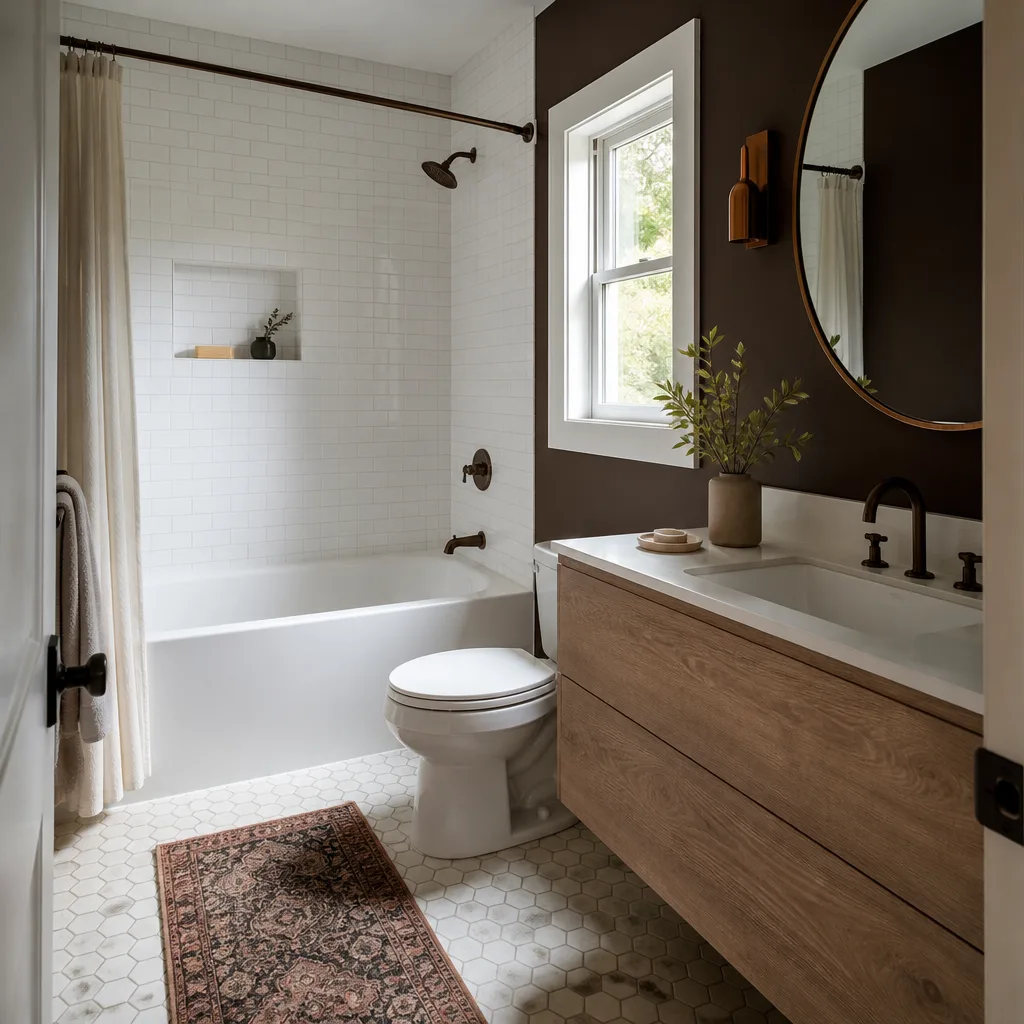
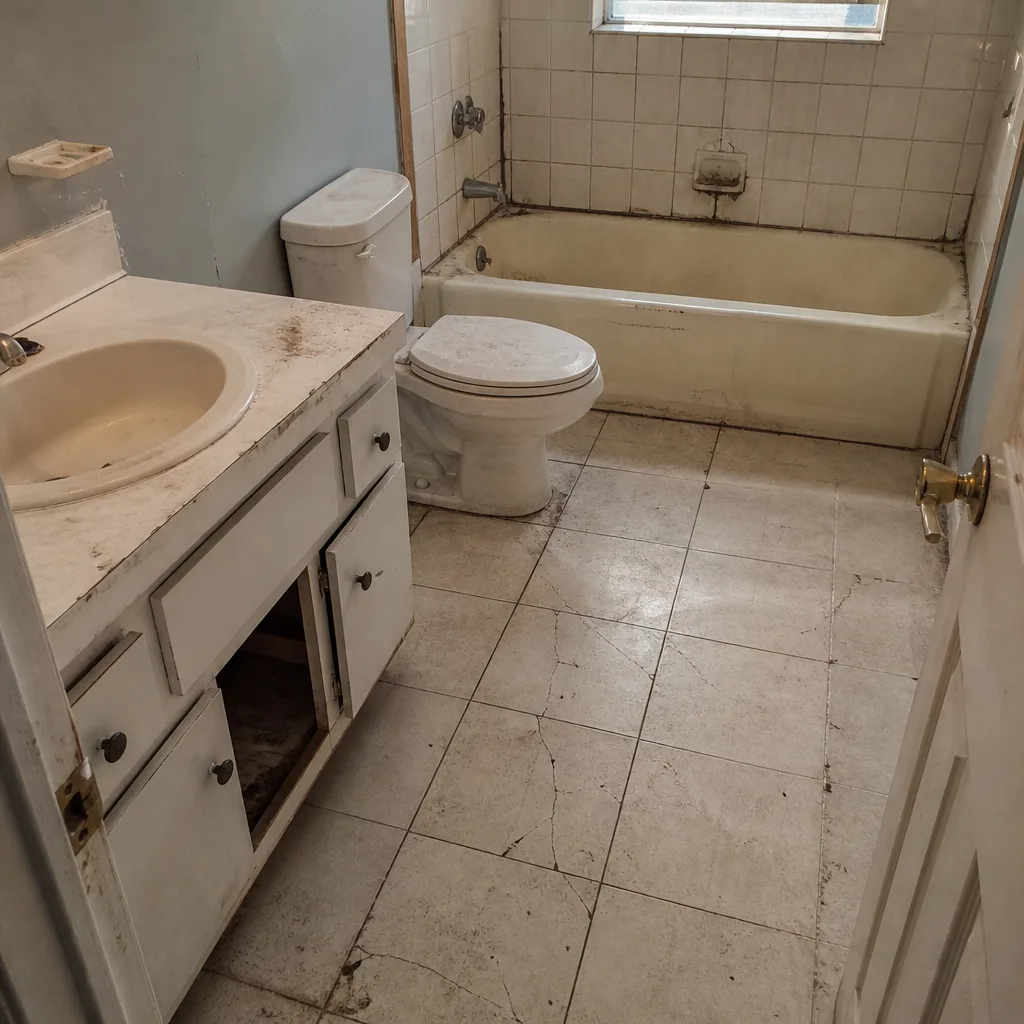
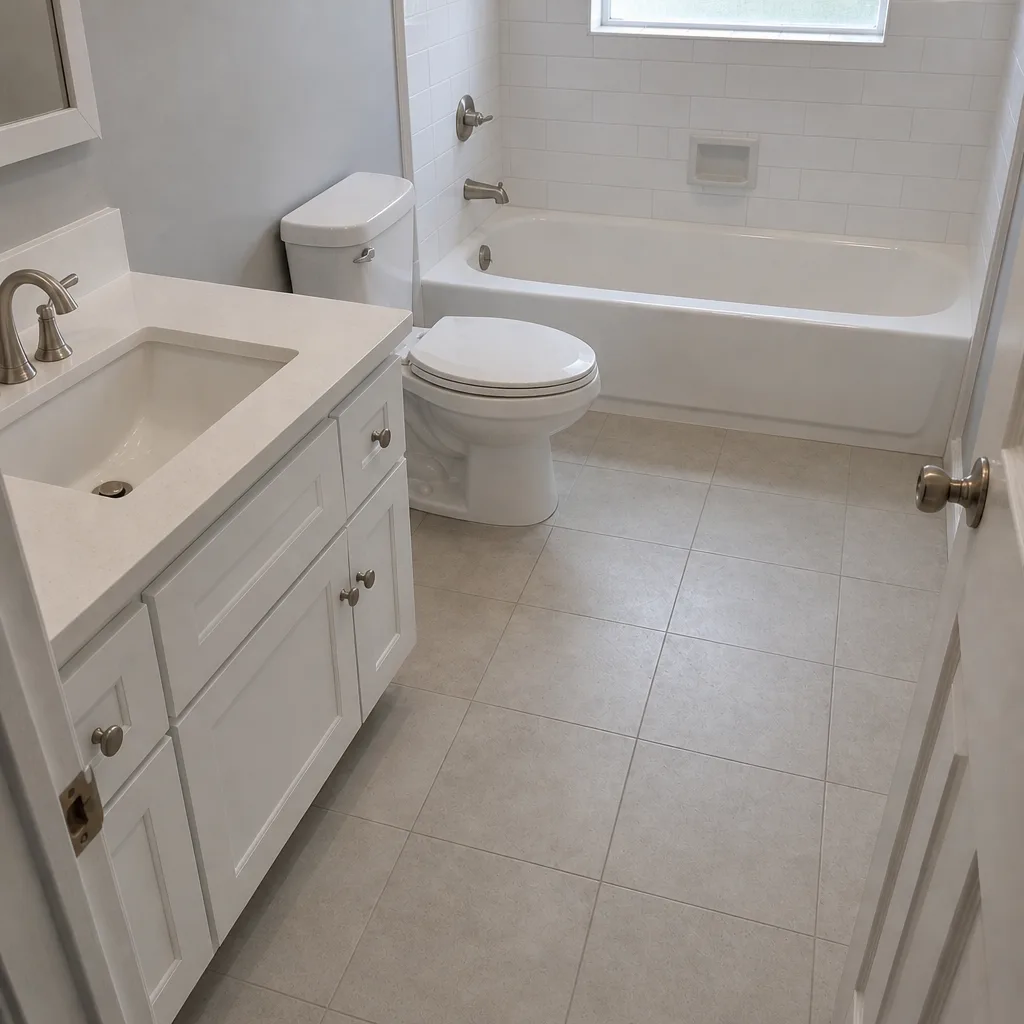
- Bathroom refresh (fixtures, vanity, tile). Mixed. Swapping a faucet or a vanity top is manageable with basic plumbing comfort and a shutoff valve you trust. Retiling a shower pan or moving a drain crosses into waterproofing and code territory, and a failed shower pan in a humid Westchester climate shows up as mold within a season. Permit required for plumbing relocation; not for cosmetic swaps.
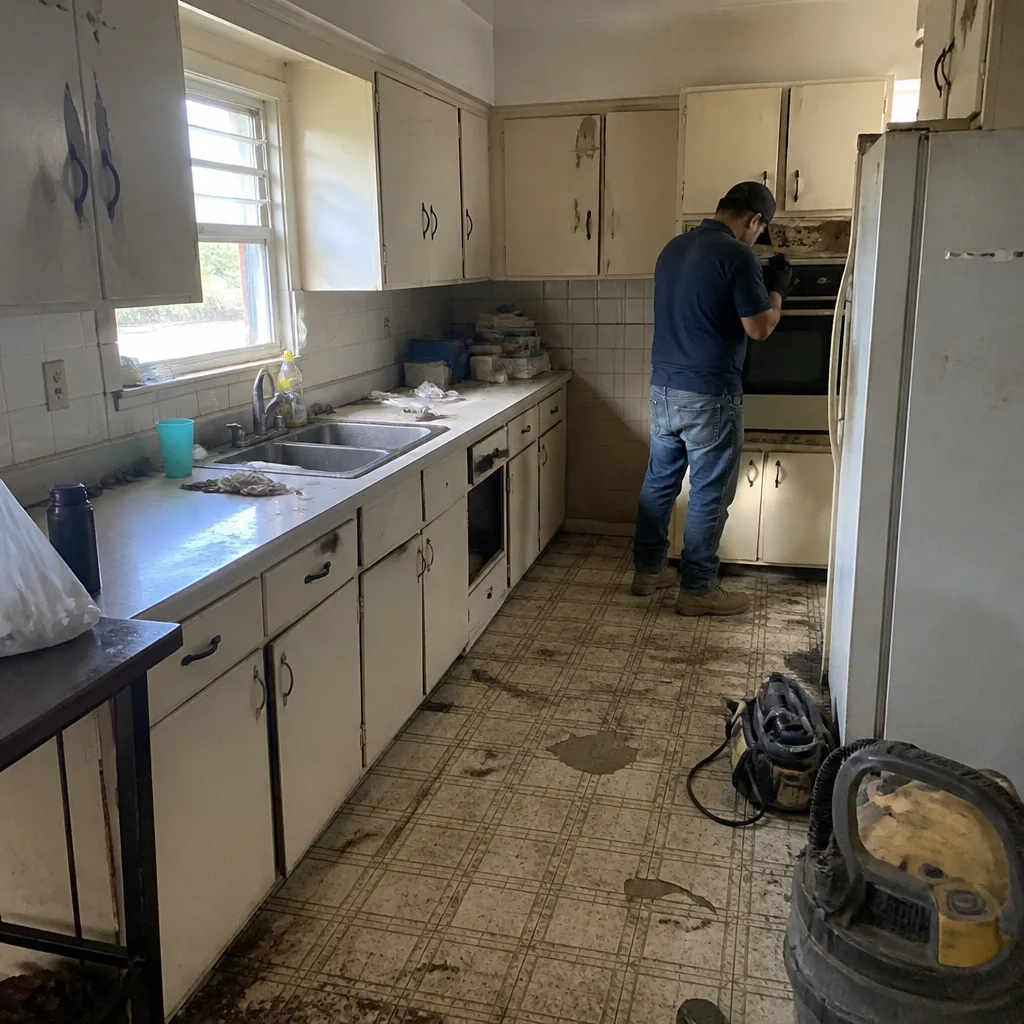
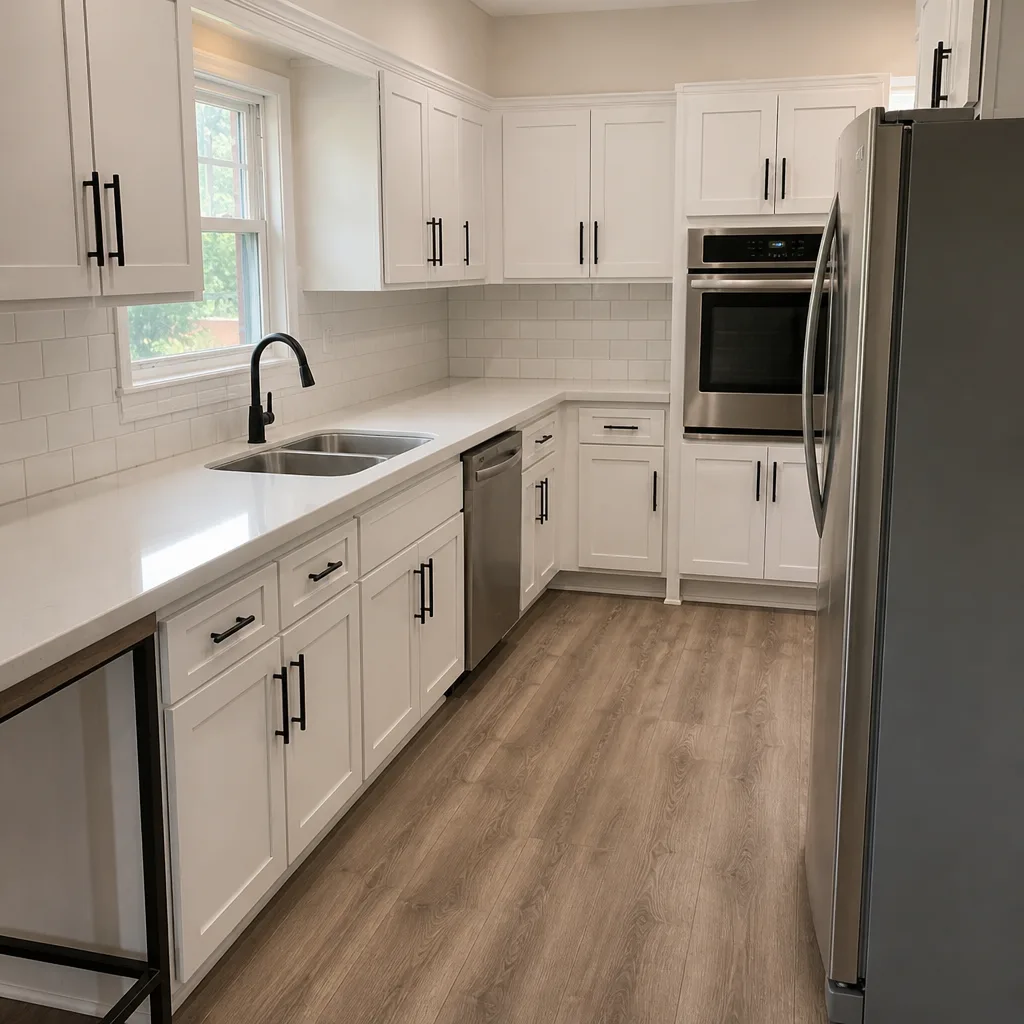
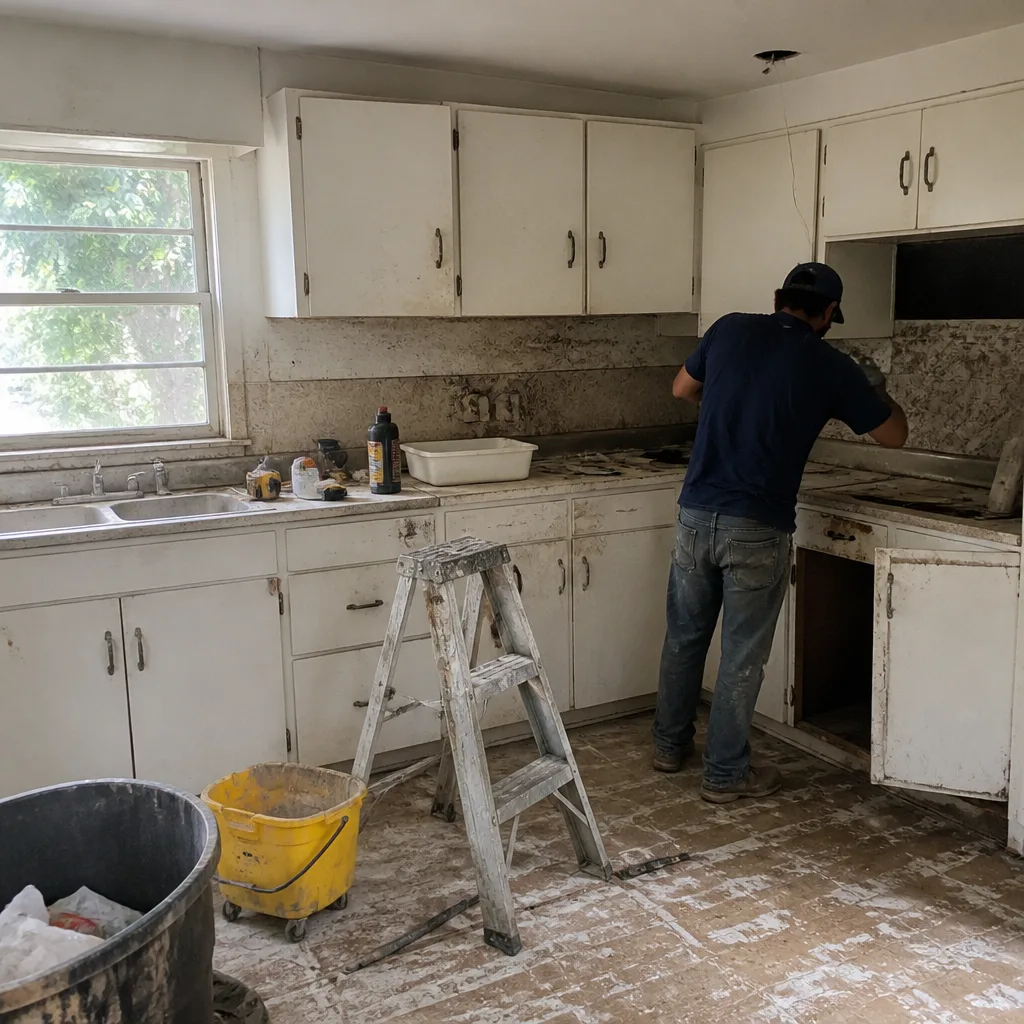
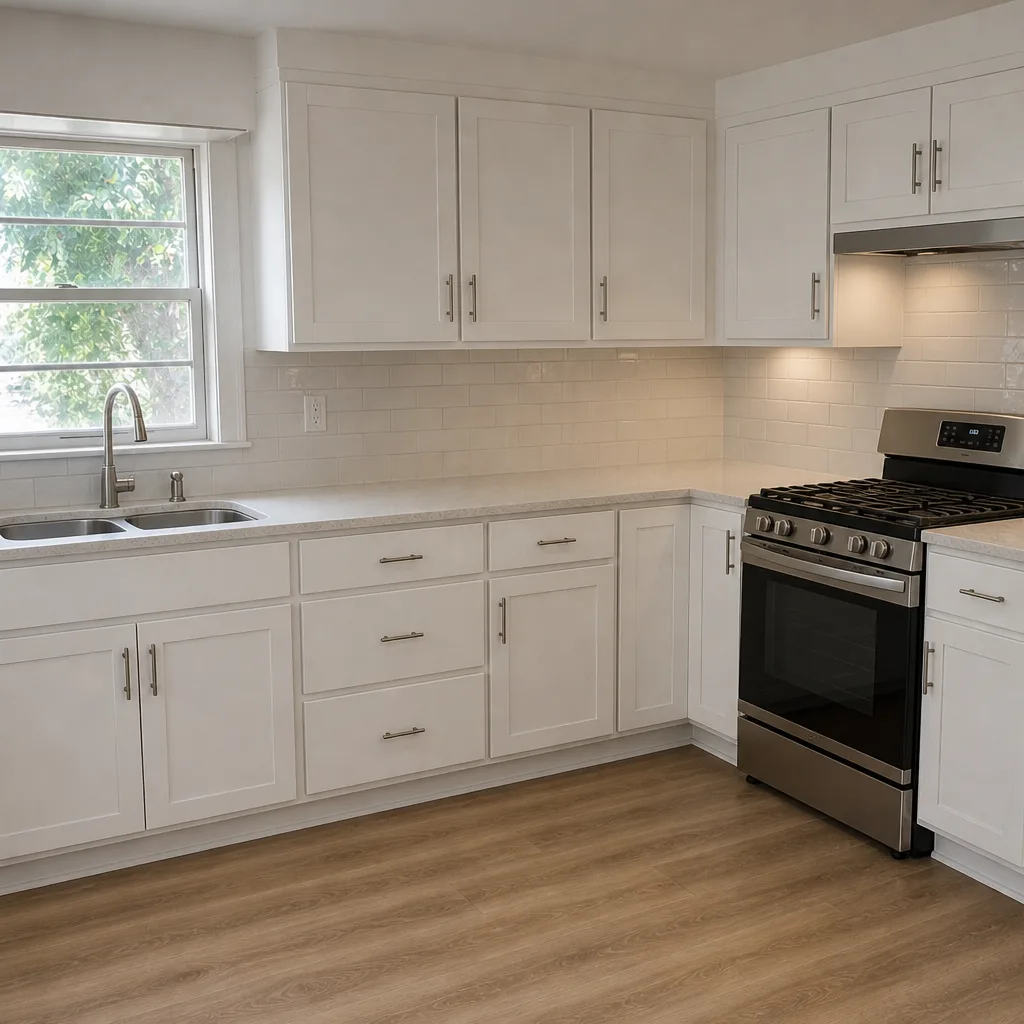
- Kitchen remodel (cabinets, counters, layout). Not a realistic DIY scope once you touch layout, electrical, or plumbing. Even a cabinet-only swap demands level walls (rare in 1960s Westchester homes), counter templating, and appliance coordination. Brands like Caesarstone and Kohler are specified through fabricators and dealers who expect professional installation, and a botched install voids material warranties.
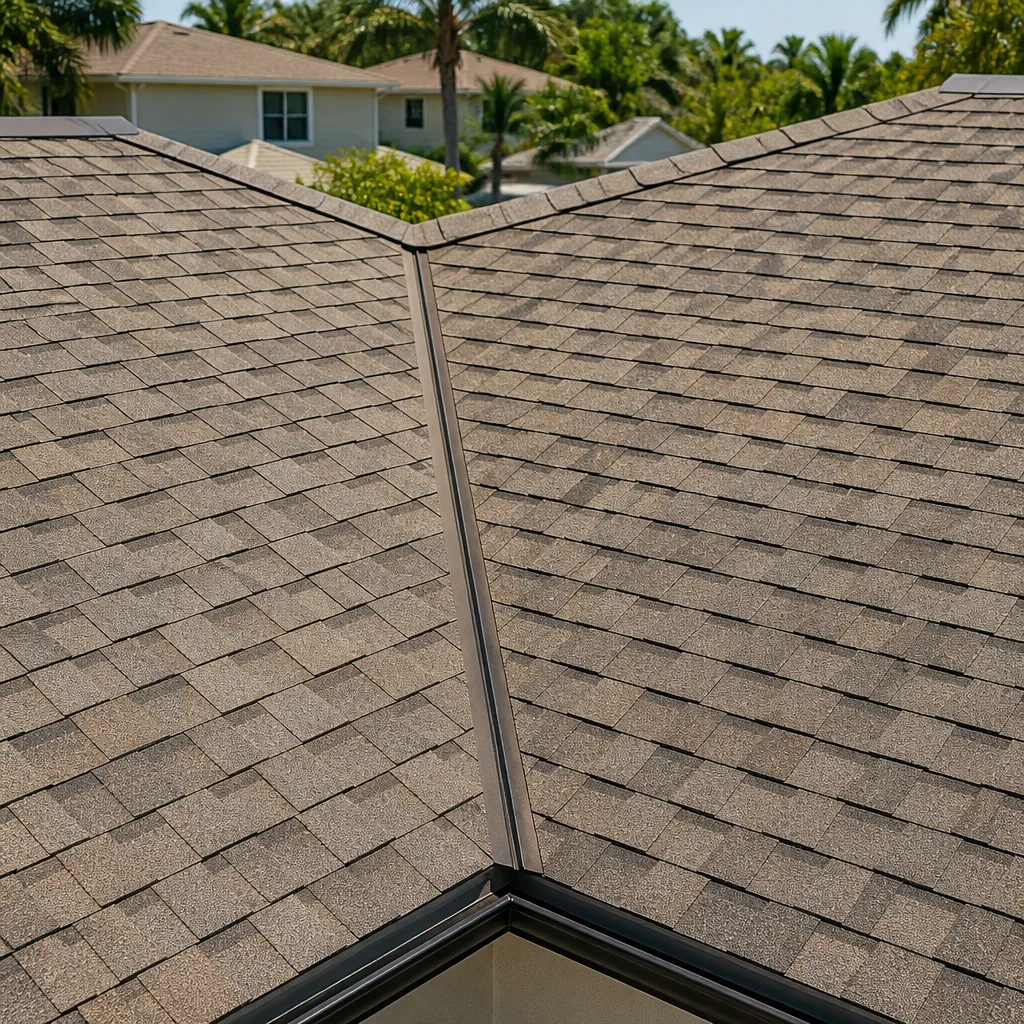
- Roofing and roof repair. Not DIY in Miami-Dade. HVHZ fastening, product approval, and inspection requirements make this a licensed trade by default. The safety risk of working at height on a steep or aged roof is real, and a fall is a life-changing event. This is a trained-professional scope in Westchester, full stop.
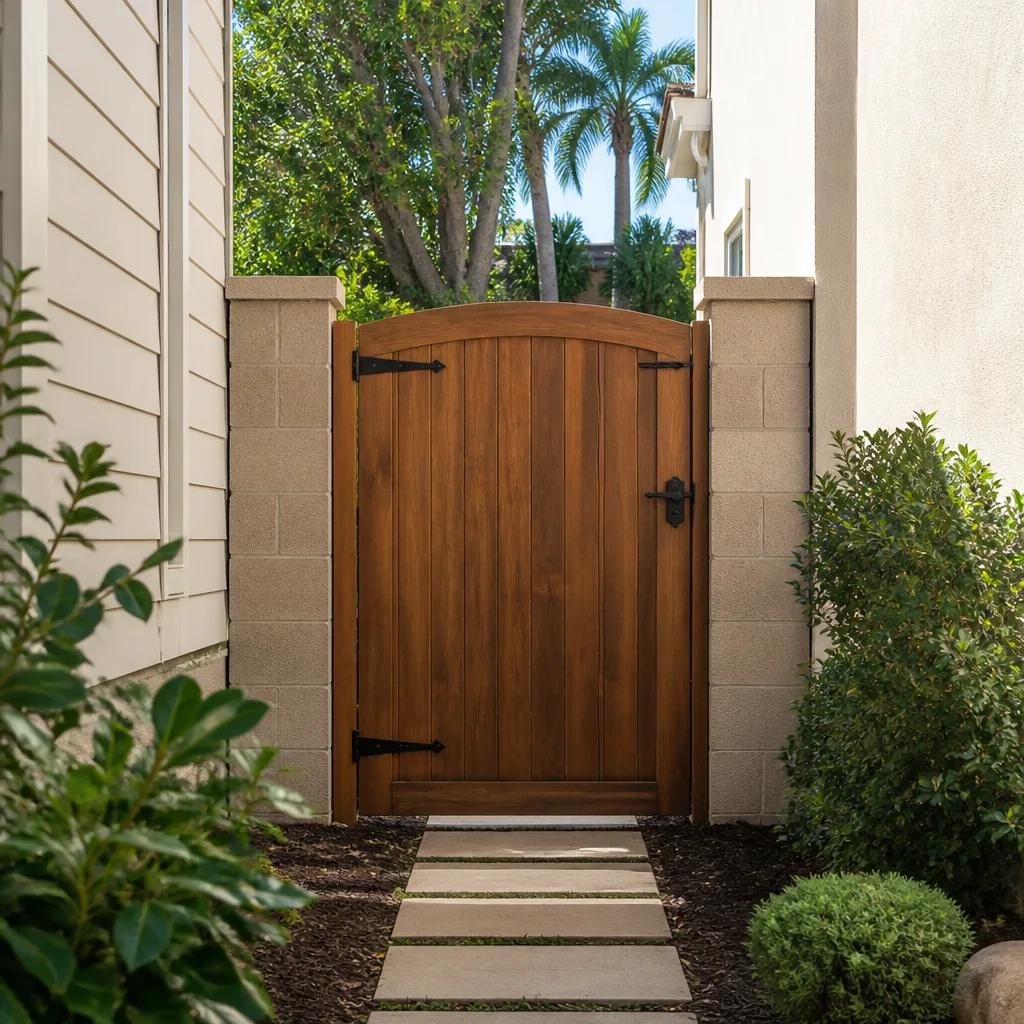
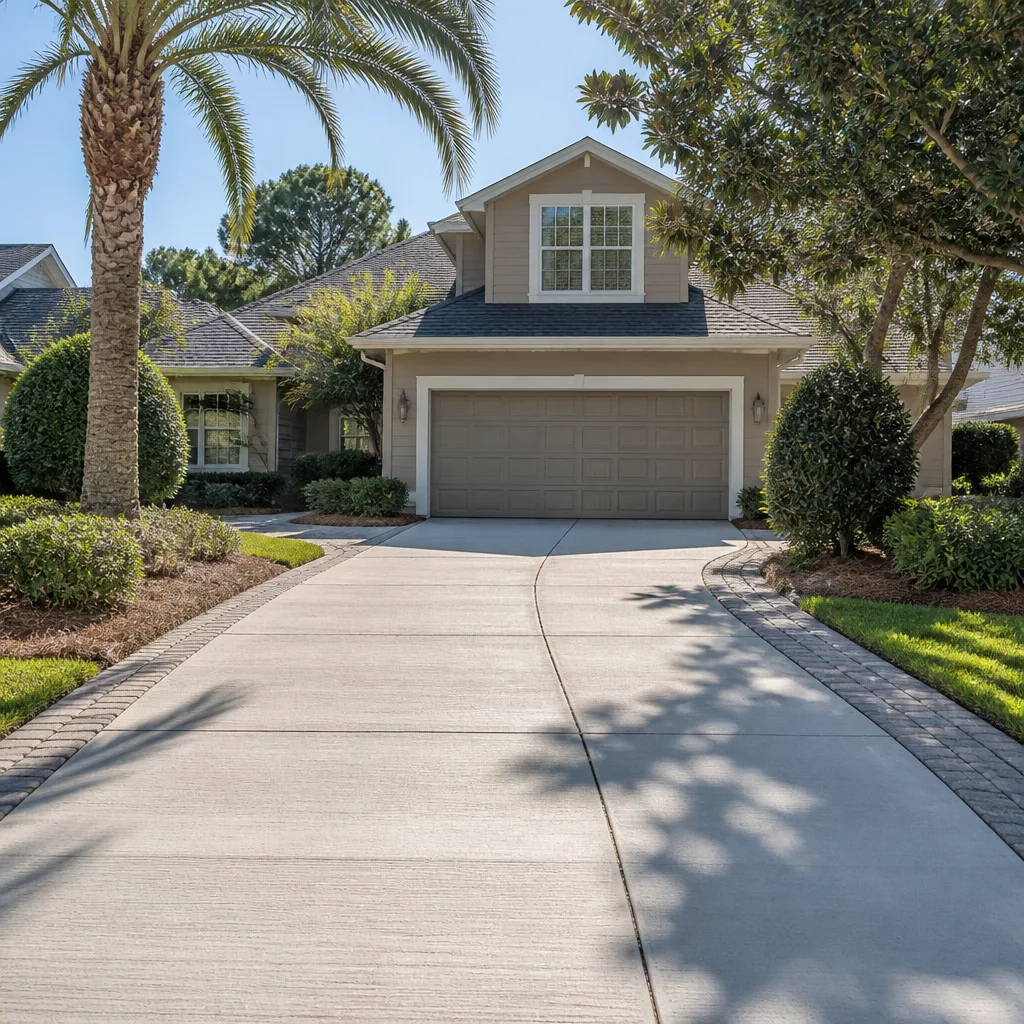
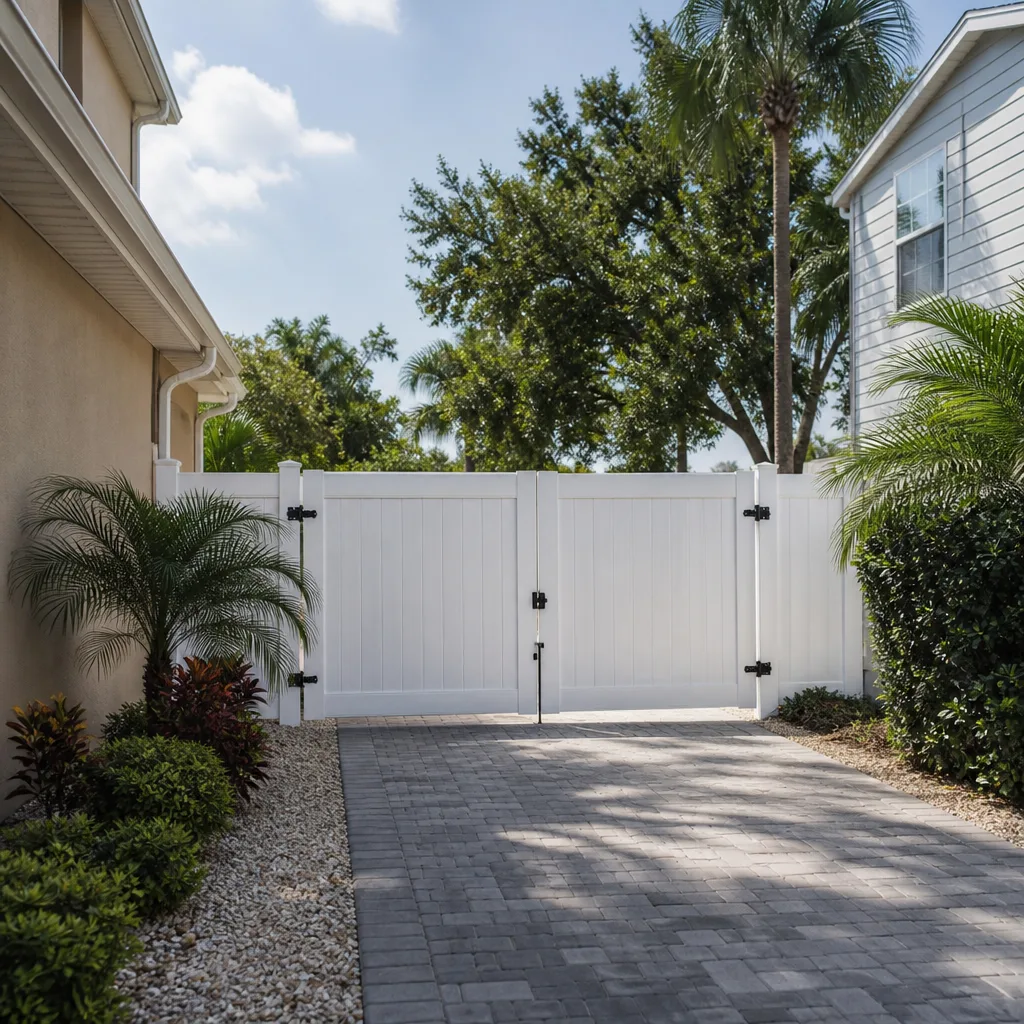
- Fence, driveway, and hardscape. Partly DIY. A wood fence on your own property line is often permit-light and manageable. Pavers over a properly prepped base are achievable but labor-heavy, and the base prep is where most failures originate. Anything structural, like a retaining wall or a driveway that changes drainage, needs engineering and permits.
The through-line: projects that stay inside the envelope and don’t touch structural, electrical, or plumbing systems are often fair game. Projects that cross those lines are professional scopes in Westchester, regardless of how confident you feel.
The Hidden Cost of DIY Mistakes in HVHZ-Regulated Scopes
The most expensive DIY mistake in Westchester isn’t the redo. It’s the inspection failure that forces a licensed contractor to remediate work you’ve already paid for. Here’s how that cost stacks up.
Say you replace a section of roof yourself without a permit. A later inspection or a claim reveals the fastening pattern doesn’t meet HVHZ standards. Now a licensed contractor has to remove the non-compliant work, reinstall to code, and pull the permit to document it. You’ve paid twice for the same square footage, and the second payment includes the tear-off and disposal you didn’t budget for. In our experience, the remediation on an HVHZ scope routinely exceeds the original professional bid by 30 to 60 percent because of the double labor and the permit and inspection costs layered on top.
The same dynamic hits structural patches, window replacements, and any electrical or plumbing alteration that fails inspection. The county doesn’t credit the work you did. It requires compliant work, and compliant work usually means hiring the trade you tried to avoid. Add the resale complication (a buyer’s inspector finds the unpermitted scope, and the seller negotiates a credit or pays to correct it) and the DIY “savings” turns into a loss.
The flip side is that a licensed contractor on an HVHZ scope delivers documentation: permit, inspection record, product approvals, and a workmanship warranty. In Westchester, that documentation is worth as much as the construction itself.
A Decision Framework: Project Type, Permit, and Resale Impact
Skip the gut check. Use this three-question framework to decide each scope honestly. It’s the same logic we apply when a Westchester homeowner calls asking whether they should just handle it themselves.
Step 1: Does the scope require a permit? If yes, the DIY question becomes an owner-builder question, and that means reading the affidavit, accepting the inspection risk, and understanding the insurance and resale consequences. If no, move to step 2.
Step 2: Does the scope sit inside HVHZ-regulated categories (roof, windows, doors, structural connections, envelope)? If yes, it’s a professional scope in Westchester regardless of skill. HVHZ compliance is a code and documentation exercise, and it’s the exception to “I could probably figure it out.”
Step 3: Will the work show up at resale or on a claim? If the work is visible, structural, or tied to a system (electrical, plumbing, roof, envelope), assume it will be inspected at sale or scrutinized at claim time. Only proceed DIY if you’re comfortable documenting your own work to the same standard a licensed contractor would.
Run a paint job through the framework and it clears every gate. Run a roof replacement through it and it fails step 1 and step 2 immediately. Most Westchester projects fall somewhere in between, and the framework tells you which side of the line you’re on. If two of the three steps go against DIY, call a professional and stop negotiating with yourself.
How Unpermitted Westchester Work Surfaces at Resale
Westchester’s housing stock is largely ranch and mid-century homes, and buyers here have learned to read permit history closely. When an unpermitted addition, roof, or electrical alteration shows up in a title search or an inspector’s report, the negotiation shifts against the seller.
Common outcomes we’ve seen:
- A buyer’s lender refuses to fund until the unpermitted work is permitted retroactively or removed. That can mean opening walls to inspect what was done.
- An appraiser flags a non-permitted addition as non-living-area square footage, which lowers the appraised value below the purchase price and stalls the deal.
- A buyer demands a credit equal to the professional cost of remediation, plus a buffer, because the buyer now carries the risk.
- An insurer refuses to bind a policy on a home with an owner-builder roof record, forcing the seller to replace it before closing.
In each case, the seller pays the remediation and the buyer gets the value. The DIY savings from years earlier get clawed back at the closing table. If you’re planning to sell a Westchester home in the next few years, treat permit history as part of the asset and keep it clean.
Common Mistakes to Avoid
- Signing the owner-builder affidavit without reading it. It transfers liability for code compliance and inspection failure to you. In Westchester, that means a failed HVHZ inspection lands on your ledger, not the county’s.
- Assuming “cosmetic” means “no permit.” Moving a load-bearing wall for a better view is cosmetic in spirit and structural in code. Pull the permit or don’t move the wall.
- Hiring an unlicensed sub to do the permitted work. The county requires licensed trades on permitted scopes. An unlicensed helper voids the permit’s protection and can void your insurance too.
- Letting a roof or window go unpermitted in the HVHZ. No product approval and no inspection record means a claim denial risk and a resale problem in one move. This is the most expensive mistake on the list.
- Trusting a single bid that reads “labor and materials.” Vague bids leave scope undefined, which is where budget overruns come from. Insist on line-item pricing in writing before work starts.
- Relying on a handshake warranty. If the guarantee isn’t in writing with a defined term, it isn’t a guarantee. Compare workmanship terms before signing, not after.
- Ignoring Westchester’s humidity and storm exposure in material choices. A material that performs in a dry climate can fail here. Choose products rated for the local environment and installed by people who work in it daily.
See the difference
 Before
 After
 Before
 After
 Before
 After
When to Call a Professional
Call a professional in Westchester when the scope crosses any of these lines: the work requires a permit, the work is inside the HVHZ, the work touches structural, electrical, or plumbing systems, the work is high off the ground, or the result will be examined at resale or at claim time. That covers roofing, window and door replacement, additions, most kitchen and bathroom remodels past cosmetic swaps, and any driveway or hardscape that changes drainage. It also covers the projects where a failed inspection would force licensed remediation, because that scenario costs more than starting with a professional. Groundwork Construction Co. of Westchester offers free estimates in Westchester. Call (833) 630-4214 to schedule yours, and you’ll get a written line-item quote with the scope spelled out before anyone picks up a tool.
Frequently Asked Questions
Yes, but only within the limits of Miami-Dade’s owner-builder rules, which require that you own and occupy the property, sign an affidavit accepting full responsibility for code compliance, and comply with every applicable permit and inspection requirement. The owner-builder path doesn’t exempt the work from code or from HVHZ standards. It just moves the liability from a licensed contractor to you. Call (833) 630-4214 to talk through your specific scope with our team before you decide.
Interior paint, cabinet refacing, tile backsplash, cosmetic fixture swaps that don’t move plumbing or electrical, and fencing on your own property line are typically permit-free in Westchester, provided the work doesn’t touch the building envelope or a regulated system. Anything that changes structure, electrical, plumbing, roofing, windows, or doors requires a permit. Call (833) 630-4214 for a free estimate and a clear read on whether your project needs one.
It can, specifically when the work is unpermitted, inside the HVHZ, or performed by an unlicensed party. Most policies don’t say “DIY voids coverage,” but they can deny or reduce a claim where damage traces to non-compliant work. Roof and window work carry the highest risk because HVHZ compliance is documented through permits and product approvals. Call (833) 630-4214 to get a compliant scope priced before you risk a claim.
Remediation typically costs more than the original professional bid, because it includes removing the non-compliant work, reinstalling to code, pulling the permit, and passing inspection. In our experience, an HVHZ remediation can run 30 to 60 percent over the professional bid. Get a written estimate before you commit to the DIY path so you know the downside number. Call (833) 630-4214 for a free estimate.
Yes. Roof replacement in Miami-Dade, including Westchester, requires a permit, HVHZ-compliant fastening, product approval paperwork, and inspections. A homeowner can technically pull an owner-builder permit, but the practical requirements make this a licensed-professional scope. A non-compliant roof creates claim and resale problems that far exceed any DIY savings. Call (833) 630-4214 for a free roof estimate.
Check three things: state licensing, active insurance, and a written warranty with a defined term. Ask for the license number, the certificate of insurance, and the workmanship guarantee in writing before work starts. Groundwork Construction Co. of Westchester backs every project with the 730-Day Done Right Promise, so the guarantee is in writing with a term you can hold us to. Call (833) 630-4214 for your free estimate.
The Bottom Line

The DIY-versus-professional decision in Westchester is a jurisdiction question first and a skill question second. Miami-Dade’s owner-builder rules, HVHZ standards, and the way insurance and resale treat unpermitted work make DIY a narrow lane: paint, cosmetic swaps, fence, and similar scopes. Anything inside the envelope, structural, or permitted belongs to a licensed contractor, and the cost of getting that wrong shows up at claim time or closing. If you want the scope priced properly and the documentation in hand, the answer is one call. Groundwork Construction Co. of Westchester offers free estimates with written line-item quotes, upfront pricing with no surprises, and the 730-Day Done Right Promise behind the work. Call (833) 630-4214 to schedule your free estimate.
If you’re weighing a larger project, our guides on Groundwork Construction Co. of Westchester home show the full range of what we handle, from foundation to finish line. For outdoor scopes, see driveway and pavers in Westchester, fence installation in Westchester, and home additions and ADU in Westchester, each with the permit and inspection path spelled out so you can compare DIY against professional scope by scope.
Written by the team at Groundwork Construction Co. of Westchester.