Last updated November 18, 2026



Free written scope consultation - allowances, timeline, and change-order rules on paper before a single trade is scheduled
DIY vs Professional Fence Installation: What’s Safe to Do Yourself
Renting a post hole digger and mixing your own concrete sounds like a reasonable Saturday project. Then you’re 18 inches into Westchester’s root-dense, rocky substrate, the auger has stalled twice, and you’re still not at minimum code depth. That gap between “this looks easy” and “this is actually working” is exactly where most fence projects fall apart. Fence installation is one of the few home projects where the DIY-versus-professional line isn’t about skill level at all. It’s about whether you have the right equipment and the specific South Florida code knowledge to set posts correctly the first time, because everything above ground is only as good as what’s holding it there. This guide draws that line clearly: what you can safely handle yourself, what you shouldn’t touch, and what it really costs either way.
Quick Answer
You can safely DIY fence repairs – board replacement, staining, sealing, hardware swaps, and minor fixes to an existing sound structure – without special equipment. You should not DIY new fence installation in most of Westchester and Miami-Dade County: post depth, soil drainage, property-line surveys, and permit/inspection rules all require equipment most homeowners don’t own and code knowledge they don’t have. Getting a post four inches too shallow creates gate and panel problems within two years.
Styles & brands we work with
- Kitchen remodeling
- Bathroom remodeling
- Home additions & ADU
- Roofing
- Windows & doors
- Driveway & pavers
- Fence
Table of Contents
- What “Post Depth” Actually Means in South Florida Soil
- The Miami-Dade Permit Reality
- What’s Safe to Do Yourself
- Why Property Lines Need a Survey First
- The Honest Cost Breakdown: Materials, Labor, and Failed Posts
- Matching Fence to Westchester Soil and Storm Season
- Modular and Panel Systems: What’s Changing
- Common Mistakes to Avoid
- When to Call a Professional
What “Post Depth” Actually Means in South Florida Soil
“Post depth” isn’t just how deep the hole is. It’s the combination of hole depth, footing width, concrete volume, and what’s sitting under and around the post that keeps it plumb through two wet seasons and one tropical storm. Miss on any of those and the whole fence suffers for it.
In South Florida, the code minimums exist for a reason. Miami-Dade’s high-velocity hurricane zone requirements mean a 6-foot privacy fence typically needs posts set deeper than the 2-foot depth you’ll read on most national DIY blogs. In Westchester’s soil – a mix of sandy limerock pockets, old fill, and dense root systems from mature oaks and ficus – that extra depth isn’t just regulation. It’s the difference between a post that holds and one that leans after the first heavy rain.
Here’s what actually happens when a post is four inches too shallow:
- Year one: Everything looks fine. The gate swings true. Nobody notices.
- Year two, first wet season: Soil around the shallow footing softens and shifts. The post begins a slow rotation.
- Gate problems emerge: A gate shifts out of square even when the post is barely leaning. Latches stop lining up, hinges pull. You start shimming.
- Panel sag: Adjacent panels absorb the changed tension. Pickets pop from rails.
- The expensive fix: Replacing a post means pulling concrete, disassembling two panels, and re-setting. It’s not a repair; it’s a redo.
In our experience across Westchester, the post failures we see most aren’t from bad materials. They’re from depth. When we plan a fence, the hole and footing are the first thing we spec and the last thing we compromise on.
The Miami-Dade Permit Reality
Here’s where most DIY guides stop being useful for Westchester homeowners: Miami-Dade County takes fences seriously. A fence over 6 feet tall, a fence on or near a property line, and fence work within certain setback zones typically require a permit, an inspection, and in some cases a licensed contractor to pull the work.
The rules aren’t designed to punish you. They exist because a fence in a high-wind zone is a wind sail. An improperly anchored fence doesn’t just fall – it can become airborne during a storm and damage property or injure someone. That’s a real legal exposure most homeowners never consider when they watch a 12-minute YouTube tutorial.
What happens if you skip the permit:
- The inspection fails retroactively. When you sell the home, a buyer’s inspector or a lender may flag unpermitted fence work.
- Code enforcement can require removal. An unpermitted fence may have to come down and be rebuilt to code – at your cost.
- No insurance coverage for storm damage. If your unpermitted fence fails in a storm and damages a neighbor’s property, your coverage may get complicated.
- Neighbor disputes escalate. An unpermitted fence on or over a property line is a much tougher fight than a properly surveyed, permitted one.
If you’re planning a fence project in Westchester and you’re not sure where your property lines actually sit or what your permit situation is, that’s a conversation worth having before anyone digs. Our team handles the permits and inspections as part of our fence installation in Westchester work, so you get a completed, code-compliant fence and the paperwork to prove it.
What’s Safe to Do Yourself
Not every fence task needs a contractor. If your fence is structurally sound and you’re handling maintenance, a competent DIYer can do real work and save real money. Here’s where we’d draw the comfortable line:
Safe to DIY
- Replacing individual boards or pickets. If a picket is cracked, warped, or chewed by a dog, swapping it is straightforward with a drill, a pry bar, and matching material.
- Staining and sealing. A wood fence needs sealing roughly every two years in South Florida’s humidity. Prep, stain, and dry time – you can handle it. Wait for a window with low rain odds.
- Hardware swaps. Hinges, latches, gate handles, and post caps are all easy. This is a common solution for a gate that’s sticking or rattling.
- Minor repairs to existing sound structure. Tightening loose rails, replacing a hinge that pulled, re-nailing a popped nail – all reasonable.
- Cleaning and inspection. Walking the fence line after a storm, checking for rot at the base, and photographing anything concerning costs nothing and helps a lot.
Don’t DIY
- New fence installation. New posts, new footing, new structural work. This is where the equipment gap and code gap both show up.
- Replacing a failed post. Pulling concrete and re-setting a post is a job for someone with the tools and permitting know-how. It’s also often a sign that a deeper failure is nearby.
- Moving a fence line. Any change to where the fence sits on the property.
- Fence height changes. Raising a fence to or above 6 feet typically triggers permit requirements.
A practical rule: if the work involves new holes, call a professional. If the work is keeping what’s already there, you can often handle it.
Why Property Lines Need a Survey First
This is the part most DIY guides skip, and it’s the one with the most expensive consequences: installing a fence requires knowing exactly where your property line is, not where you think it is. Not where the old chain-link once sat. Not where a county plat map suggests it might be.
A survey-verified boundary is the standard. A licensed surveyor walks the property, stakes the corners, and produces a document that’s defensible in a dispute. That document matters because fence disputes escalate fast and cost more to resolve than the fence itself.
What happens if a fence goes over the line:
- The neighbor notices, often months later. The fence ends up being their first complaint, not their first conversation.
- They request removal. You’re now paying to pull and reset a fence you just paid to install.
- Code enforcement or a civil claim enters. Over-the-line construction is a real nuisance claim in Florida.
- The encroachment shows up at sale. A title search or buyer inspector flags it, and it becomes a closing problem.
A survey typically runs a few hundred dollars. Pulling a fence because it’s six inches over the line runs several thousand, plus the relationship damage. If you’re installing in Westchester and you haven’t seen a survey since you closed on the house, get one before you dig or speak with a contractor who requires one.
The Honest Cost Breakdown: Materials, Labor, and Failed Posts
DIY installation seems cheaper because you only see materials. The math changes the moment you factor in equipment, permits, and the cost of correcting a mistake. Here’s an honest look at the real comparison, using ballpark ranges typical of the Westchester and Miami-Dade market.
DIY path – what it really includes
- Material cost: Roughly $25 – $55 per linear foot for typical wood privacy fence, or $35 – $75 per linear foot for vinyl/panel systems, depending on height and grade.
- Equipment rental: Post hole digger or auger, concrete mixer, level, string line – typically $150 – $400 for a weekend rental, more if the job takes multiple weekends.
- Concrete: $150 – $500 for a typical residential lot, depending on post count and footing depth.
- Permits (when required): Often $100 – $400 for a residential fence permit in Miami-Dade.
- Your time: A 100-foot fence is often 40 – 80 hours of labor for a homeowner unfamiliar with the work, often across multiple weekends.
Professional path – what the labor cost covers
- Installed cost: Roughly $45 – $95 per linear foot typical of Westchester – material, labor, footing, permits, and cleanup included.
- Speed: Most residential fences are completed in a few days, not weeks.
- What you’re paying for: Correct footing, code compliance, a passed inspection, and a workmanship guarantee. Our jobs are covered by the 730-Day Done Right Promise – if it’s not done right, we make it right.
The “failed post” cost nobody plans for
If a DIY post fails and a professional has to come in after the fact, the correction cost typically runs $300 – $800 per post, once you factor in concrete removal, panel disassembly, resetting, and reconnection. Two failed posts can wipe out the entire material savings of a DIY install. That’s the line that matters most: DIY saves money only if nothing fails. When something fails, you’ve paid twice.
Matching Fence to Westchester Soil and Storm Season
Westchester’s conditions shape what works and what doesn’t. Sandy limerock pockets drain fast; heavy fill areas don’t. Root systems from mature trees shift soil. And the June-to-November storm season means every fence has to perform as a wind structure, not just a visual boundary.
Here’s what we consider:
- Wind load and fence height. A 6-foot privacy fence catches far more wind than a 4-foot picket fence. In a high-wind zone, the taller the fence, the more critical the post spacing, footing depth, and connection method.
- Drainage. Posts that sit in poorly draining soil rot faster. Correct footing design includes drainage consideration, not just concrete.
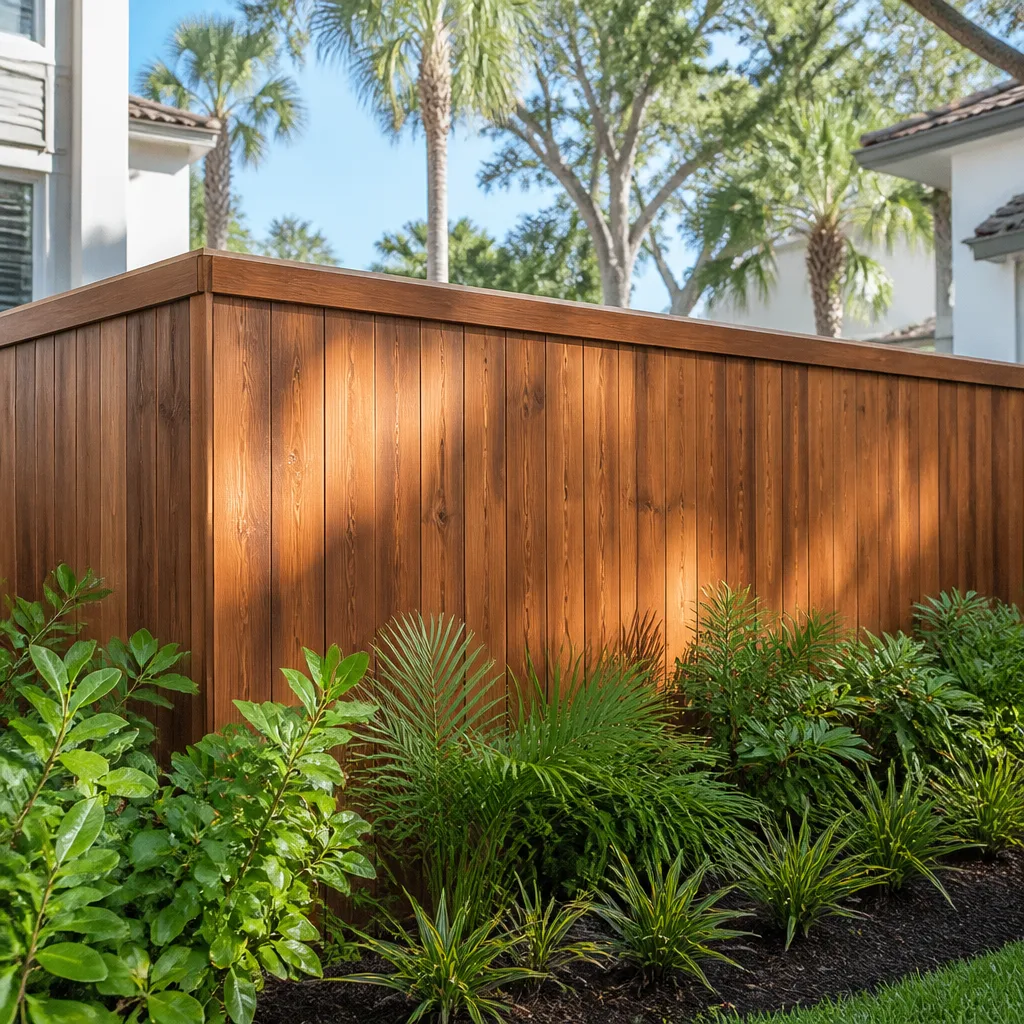
- Material choice. Wood needs sealing every couple of years in this humidity. Vinyl and composite hold up better but cost more upfront. Aluminum systems are popular where wind is the main concern.
- Preserving your soil. Heavy auger work in root-dense soil can damage nearby trees. A contractor handles this carefully; a DIYer typically learns it the hard way by destroying an irrigation line or root.
We see this every storm season in Westchester: the fences that fail are rarely the largest or the newest. They’re the ones whose posts were set to minimum depth for the wrong soil condition. Getting that right isn’t a matter of fancy materials; it’s a matter of knowing the ground.
Modular and Panel Systems: What’s Changing
The fence industry is moving toward modular systems, and that trend is reaching Westchester. Panel-based installs are faster, come with tighter manufacturing tolerances, and reduce the number of field decisions that can go wrong. Some of that direction is powered by companies like Boxabl (modular construction components) and Cover (prefab construction panels) – both of which have shown how much can be gained by building the components carefully, then assembling them accurately on site.
That’s a useful analogy for fencing. The best installs treat each panel section as a manufactured unit: correct height, correct rail spacing, correct footing spacing, assembled to spec. When it’s done right, you get a fence that looks right and behaves right for years. When it’s done at whatever depth the ground allows, you get panels that sag and gates that bind.
Brand partners matter here the same way they do for kitchens and roofs. We work with a curated set of manufacturers in every trade because “whatever’s in stock” is how homeowners end up replacing a fence in four years instead of fifteen. If you’re weighing materials, our Groundwork Construction Co. of Westchester home page lays out the brands we build with.
Common Mistakes to Avoid
Most of the bad fences we’re called out to look at share the same handful of mistakes. Here’s what to watch for, whether you’re going DIY or hiring out:
- Setting posts to 2 feet because a national blog said so. Miami-Dade’s wind zone and Westchester’s soil call for deeper footings. That two-foot “guide” is where the gate problems start.
- Skipping the survey. Installing without a survey-verified boundary is the most expensive shortcut in fence work. A few hundred dollars for the survey prevents thousands in removal and dispute costs.
- Assuming fences never need permits. Height, location, and setback all affect whether you need one in Miami-Dade. Confirm before you dig.
- Using too little concrete, or too much water in the mix. A weak mix or a narrow footing doesn’t fail on year one. It fails in year two or three, when you’re least expecting it.
- Setting the fence on the assumption the old fence line was correct. Old fences can be six inches off. Rebuilding on a bad line just reproduces the problem.
- Ignoring drainage. Westchester’s wet-season water tables can soften shallow footings. A post that never dries rots from the base up.
- Treating every fence project as one weekend. A 100-foot fence is roughly 40 – 80 hours for a first-timer. Underestimating that leads to corners cut at exactly the wrong step: the footing.
Each of these mistakes has a relatively small fix at the front end and a large one at the back end. We see them regularly in Westchester because fence work is one of the few home projects where skipping a step doesn’t create an obvious failure for a year or two – it just creates a slow one.
When to Call a Professional
Call a professional if any of these apply to your project: you’re installing a new fence rather than repairing one; your fence needs a permit; a post has already failed; you’re changing the fence line, height, or material; the ground is dense, rocky, or has major root systems; or you’re simply not sure the old fence line is actually on your property. Any of those means the equipment gap or code gap applies, and correcting after the fact costs more than doing it right once.
For fence repairs and maintenance, most homeowners can handle the work. For fence installation, we’d genuinely rather do it once properly than have you call us in 18 months to fix a post you set yourself. Groundwork Construction Co. of Westchester offers free estimates in Westchester – call (833) 630-4214. Every install includes permits pulled and inspections passed, and it’s covered by the 730-Day Done Right Promise.
See the difference
 Before
 After
 Before
 After
 Before
 After
Frequently Asked Questions
You can legally install a fence yourself in Westchester in limited cases, but it’s risky. Miami-Dade County typically requires a permit, an inspection, and in some cases a licensed contractor for new fence installation, especially over 6 feet tall or near property lines. Most homeowners are better off with a professional install and handling only repairs themselves.
Fence posts in South Florida generally need to be set deeper than the 2-foot depth recommended by national guides, because of Miami-Dade’s high-wind-zone requirements and the area’s sandy limerock soil. The exact depth depends on fence height, material, and soil conditions – typically determined during the estimate. Post depth is the single most common failure point in fence installations in Westchester.
They fail in year two or three, not year one. Shallow posts allow soil movement during wet season, which causes post rotation, panel sag, and gates that stop lining up. Correcting a failed post typically costs $300 – $800 once you factor in concrete removal and reconnection, which is why most homeowners never get the savings they expected from DIY.
Yes. A survey-verified boundary is the only reliable way to know where your fence legally belongs. Installing without one risks building over the property line, which can lead to neighbor disputes, required removal, and title problems at sale. Ask a contractor to require the survey as a condition of the project – the better ones always will.
Board replacement, staining and sealing, hardware swaps, post cap replacement, and minor repairs to an existing sound structure are all safe for a competent homeowner. Any work that involves new holes, new posts, or changing the fence line or height should be handled by a licensed professional.
Most residential fences in Westchester are completed in a few days, compared to 40 – 80 hours of homeowner time for a DIY install spread across multiple weekends. The professional timeline includes permits, inspections where required, and cleanup.
The Bottom Line
The DIY-versus-professional line in fence work isn’t about whether you’re handy. It’s about whether you have the equipment to dig a proper footing and the code knowledge to set posts at the right depth, on the right line, with the right permit. Repairs and maintenance are yours for the taking. New installation belongs with a crew that does this work routinely, because a fence is a wind structure in Miami-Dade, and the post is the whole story. If you’re planning a fence project in Westchester, the smartest shortcut is a free estimate – not a rented auger.
We’d also point you toward related projects where the same “get the ground right first” principle applies. Our team handles Driveway & Pavers in Westchester and Home Additions & ADU in Westchester with the same approach to the foundation work – because anything built on a footing only lasts as long as the footing does.
Get a Free Fence Estimate in Westchester

Fence installation involves more than meets the eye: permitting, survey-verified property lines, post depth, soil conditions, and wind-zone code requirements. Our technicians have up to 12 years of experience working in Westchester’s soil and storm conditions, and we handle the permits and inspections as part of the job. Every project is backed by the 730-Day Done Right Promise, our background-checked, uniformed technicians, and no-hassle upfront pricing – the number you see is the number you pay.
Call (833) 630-4214 to schedule your free estimate and design consult. Calls are answered by a live person 24/7. We also offer 0% financing for 18 months and $1,000 off projects over $10,000. See our full fence installation services in Westchester or start at our Groundwork Construction Co. of Westchester home page for everything we build.
Written by the team at Groundwork Construction Co. of Westchester.