

Free written scope consultation - allowances, timeline, and change-order rules on paper before a single trade is scheduled
Styles & brands we work with
- Kitchen remodeling
- Bathroom remodeling
- Home additions & ADU
- Roofing
- Windows & doors
- Driveway & pavers
- Fence
See the difference
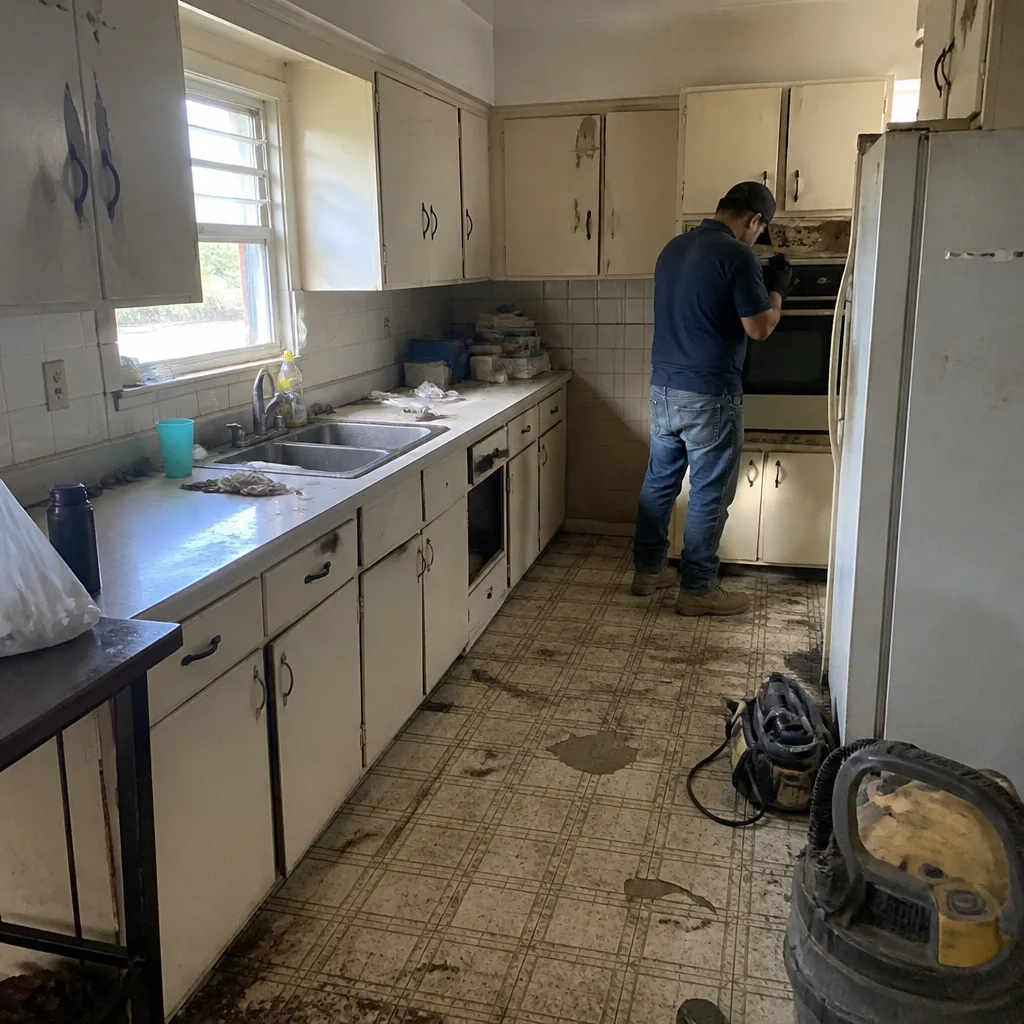 Before
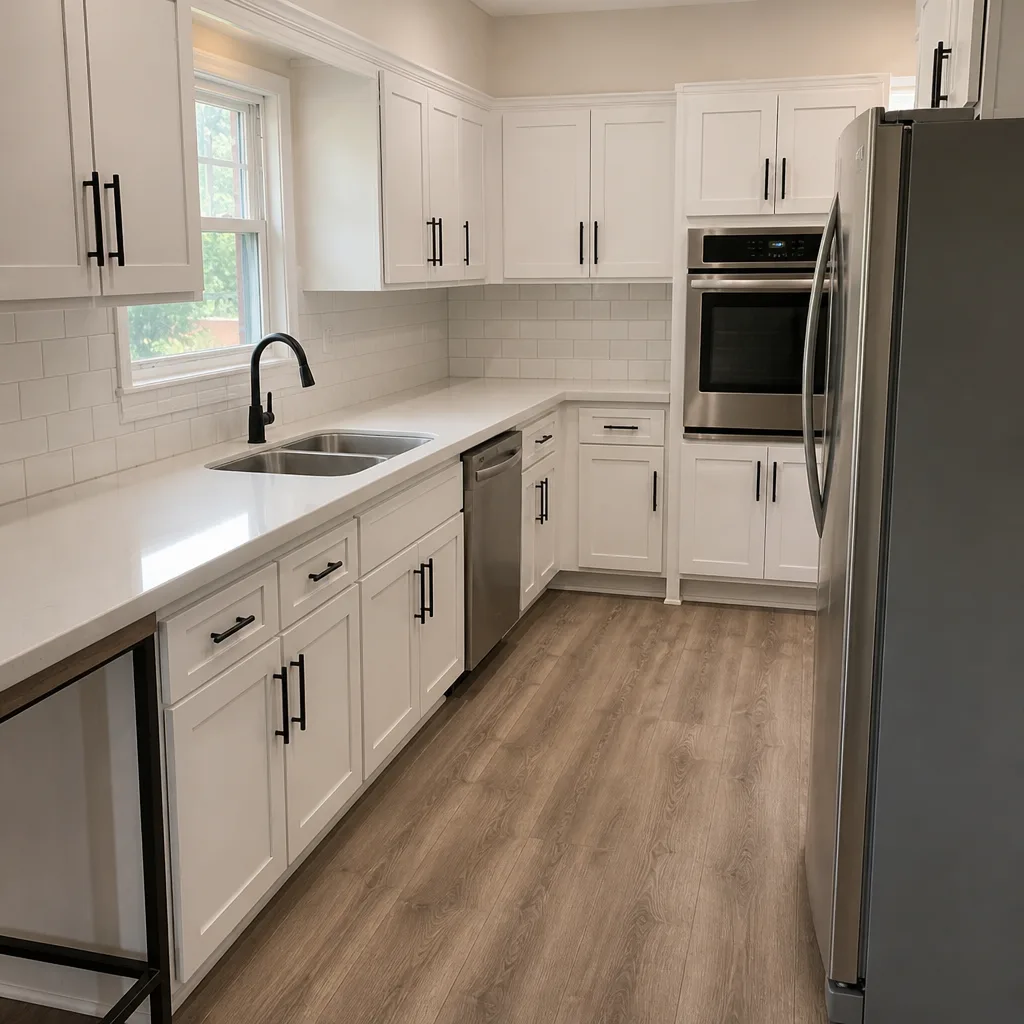 After
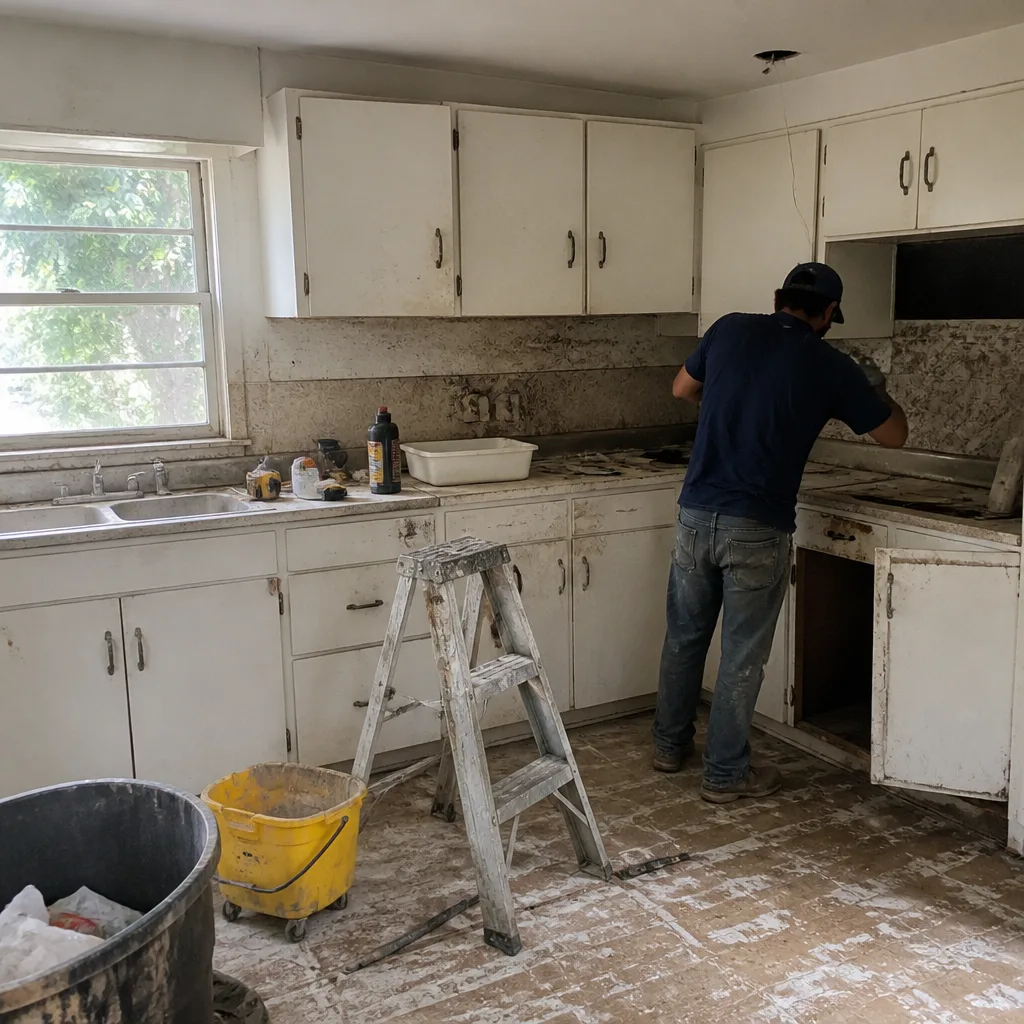 Before
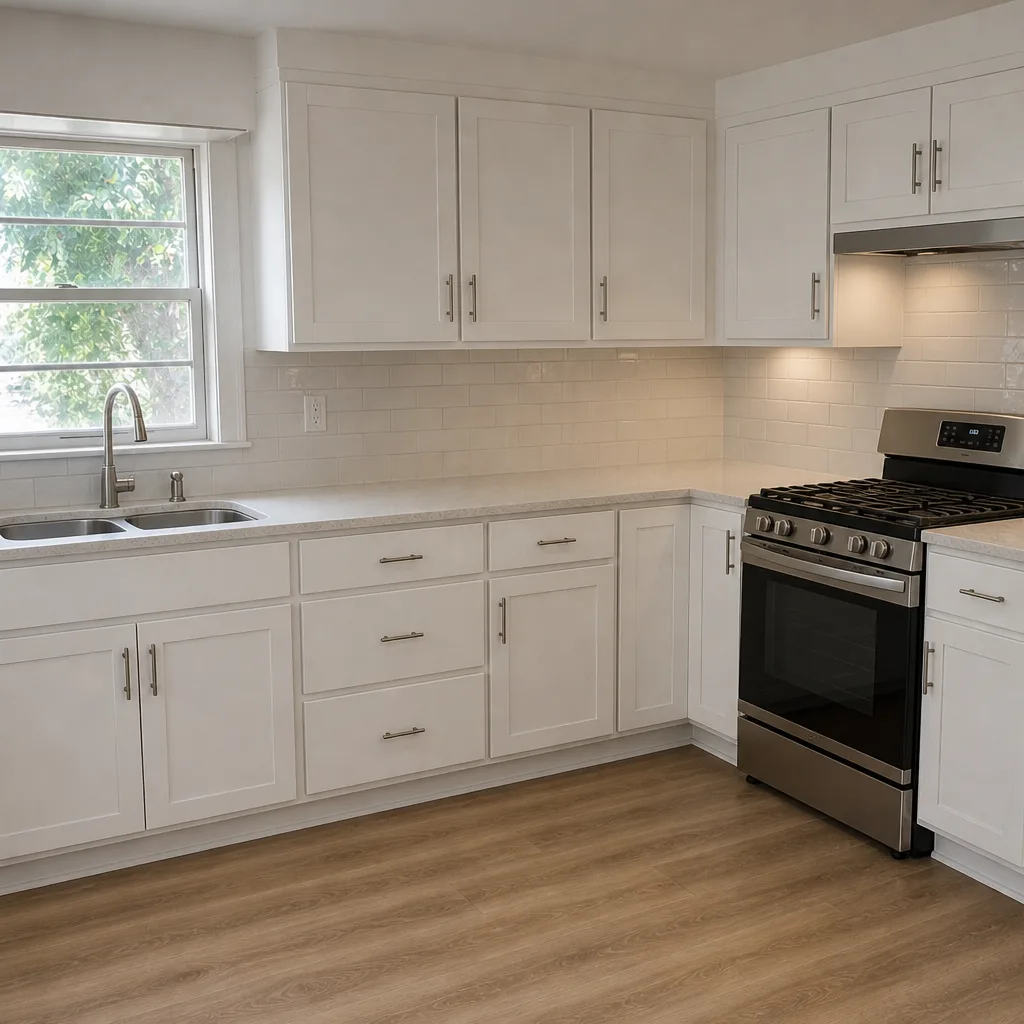 After
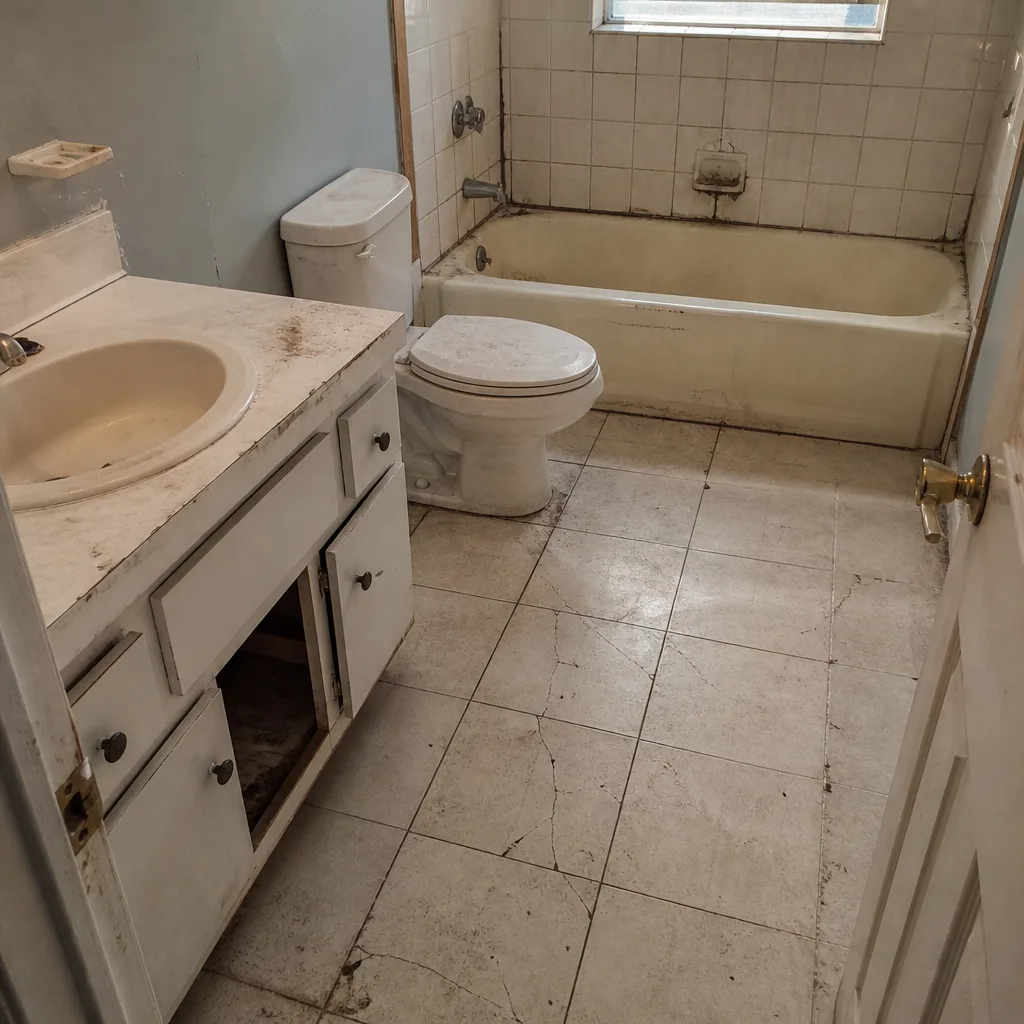 Before
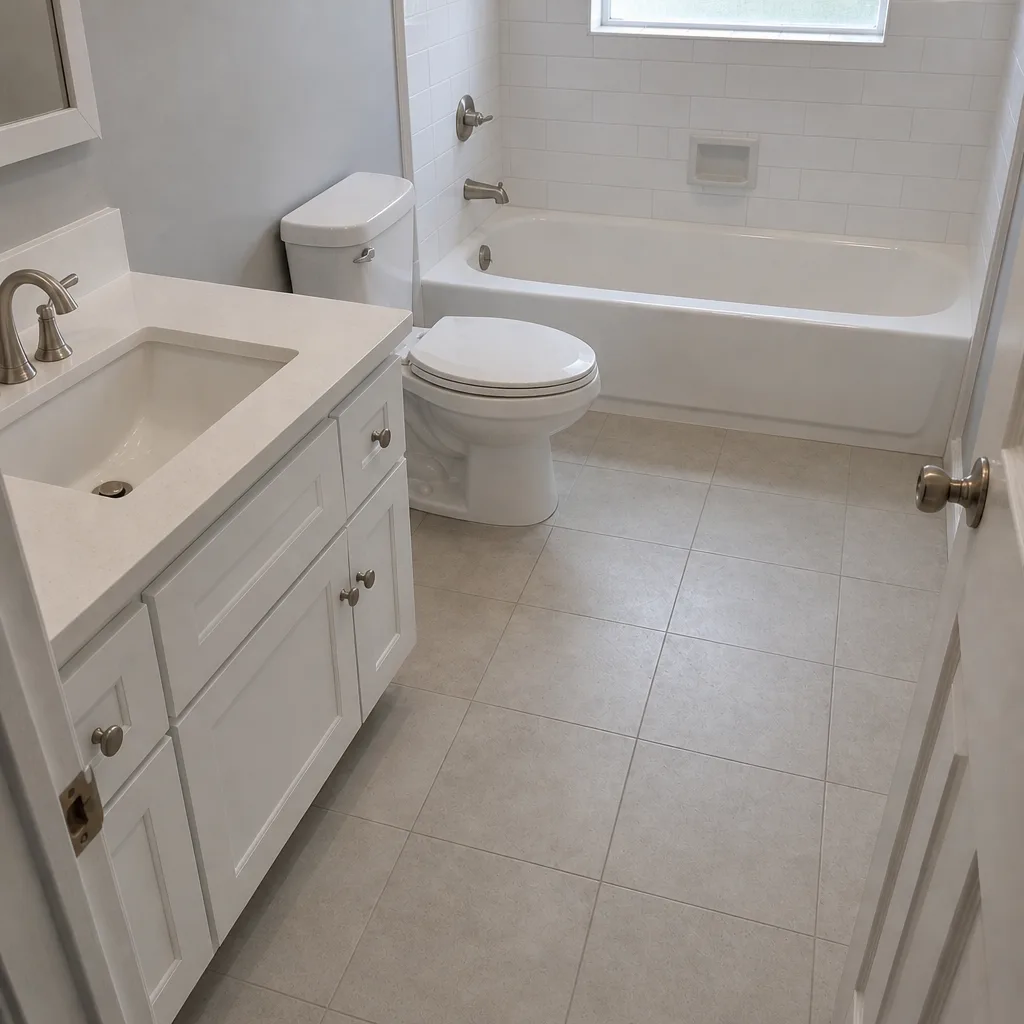 After
How Deep Should Fence Posts Be in Westchester, FL? The Miami-Dade Answer Most Guides Skip
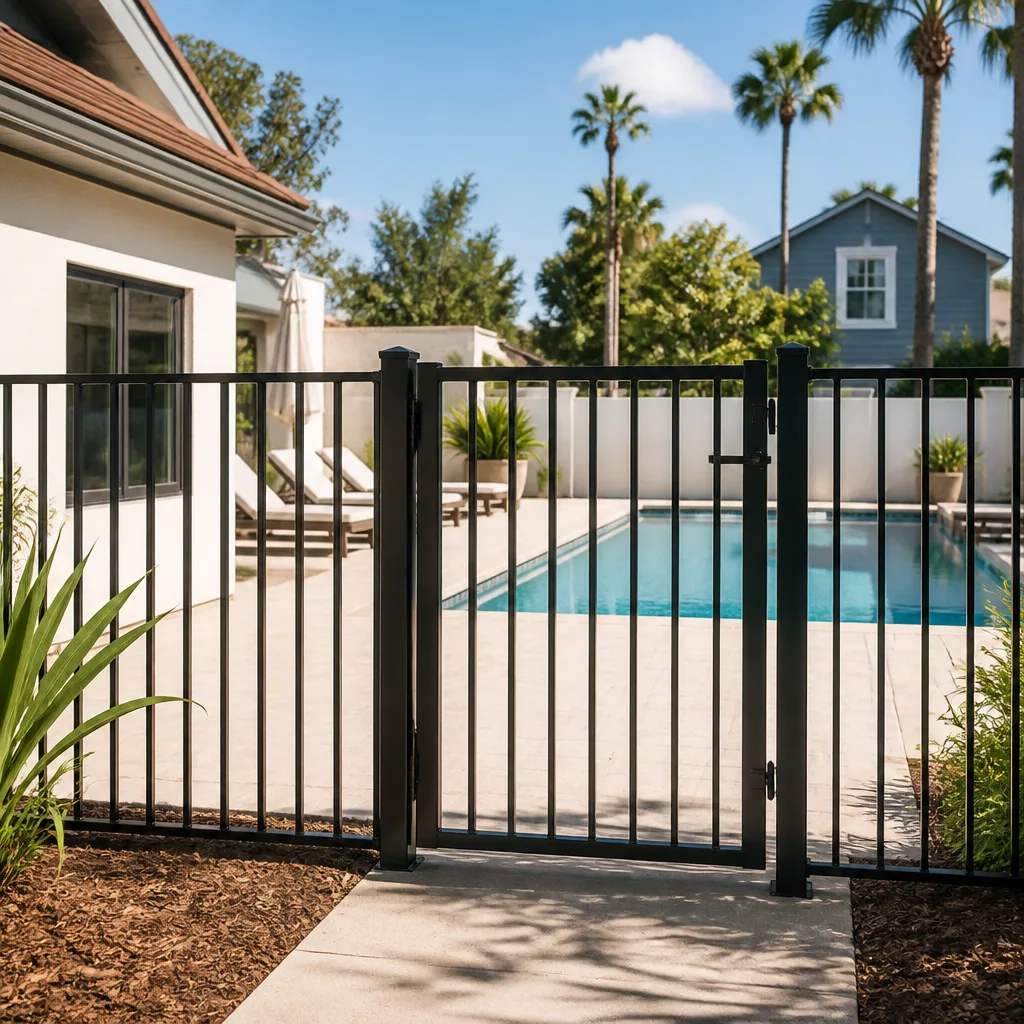
In Westchester, FL, fence posts should be set a minimum of 24 to 36 inches deep, with the exact depth driven by Miami-Dade County’s High-Velocity Hurricane Zone (HVHZ) wind-load requirements for your fence height, not by a generic fraction rule. A 6-foot privacy fence typically needs posts embedded at least 30 inches with a footing diameter of 12 inches or more to pass county inspection. The popular “bury one-third of the post” advice was written for northern frost-heave conditions and doesn’t meet the standard that actually governs work here.
If you’re pricing a fence or worried about an existing one leaning after last storm season, call Groundwork Construction Co. of Westchester at (833) 630-4214. We handle Miami-Dade e-permitting and HVHZ product approval on every fence we build.
Why the One-Third Rule Doesn’t Hold Up Here
Every fencing article you’ll find online repeats the same guidance: bury one-third of the post’s above-ground length. A 6-foot post goes 2 feet down. That number traces back to cold-climate engineering, where the goal is getting below the frost line so frozen soil doesn’t heave the post upward each winter.
Westchester doesn’t have a frost line. Soil here doesn’t freeze, so heave isn’t the failure mode. The failure mode is lateral wind load during a hurricane, and that’s a much more demanding test. A post set 2 feet deep in Minnesota soil might survive decades. That same post in Westchester, holding a 6-foot solid panel against 170-mph design winds, is a lever arm waiting to snap its footing sideways.
Miami-Dade’s HVHZ rules treat fence posts as structural elements. Embedment depth, footing diameter, concrete volume and post spacing are all calculated from the fence’s height and the wind-speed exposure category of the site. Those are engineering numbers, not rules of thumb, and they’re the standard a county inspector will hold you to.
What Miami-Dade HVHZ Actually Requires for Fence Posts
Because Westchester is an unincorporated Miami-Dade community, there’s no city hall to pull a fence permit from. Every fence runs through Miami-Dade County e-permitting and inspection, and HVHZ requirements apply. Here’s what that means in practice for a residential privacy fence:
- Depth by height: A 4-foot fence typically calls for 24-inch embedment; a 6-foot fence typically calls for 30 to 36 inches. Taller panels and solid privacy styles push toward the deeper end.
- Footing diameter matters as much as depth: Going deeper without widening the concrete does little for lateral resistance. A 12-inch to 18-inch diameter footing is common for 6-foot fences, and going wider is often the correct fix for a post that’s already failed.
- Concrete volume: A 12-inch diameter by 36-inch deep footing takes roughly 1.6 to 2 bags of 80-lb concrete mix. Shallow, narrow footings are the number one cause of fence failure we see after storm season.
- Product approval: HVHZ requires NOA (Notice of Acceptance) documentation for impact-rated products. Standard wood and vinyl fence panels are typically approved through prescriptive details, but any fence spec must match a county-accepted method.
This is where county permitting fluency saves real money. Groundwork’s team knows exactly which embedment depth and footing specification will pass a Miami-Dade inspection the first time, so there are no re-digs, no failed inspections and no weeks of delay waiting on a reinspection slot.

South Florida Soil: Why Two Neighbors on the Same Block Need Different Footings
Westchester’s soil is not uniform. Infill lots where 1960s-80s concrete-block ranch homes are being replaced with larger two-story builds often sit on imported fill that hasn’t fully consolidated. Older lots may still have compacted clay and the original builder’s rubble beneath the surface. Bearing capacity can vary dramatically within a single block, and that changes the footing design.
We’ve seen posts set to a textbook depth punch through soft fill and sink. We’ve also seen posts hit a rubble layer 18 inches down and stop cold, which means the footing ends up shallower than the plan. A proper install accounts for what’s actually in the ground before the concrete goes in, not after.
That variability is exactly why a fixed depth rule posted on a forum can’t answer the question for your specific property. The right number comes from your fence height, your exposure category and what the soil does when you auger into it.
Concrete Mix and Drainage: The Detail That Sinks More Westchester Fences Than Depth Alone
Fast-set dry-pour concrete bags are popular because they’re convenient. In Westchester, they’re a liability. South Florida’s high water table combined with heavy summer rain saturation can undermine a dry-poured footing, and once water channels form around the post, the footing loses its grip.
Our approach uses pre-mixed wet-pour concrete with a drainage aggregate layer at the base of the hole. That aggregate layer gives water somewhere to go instead of pooling against the concrete and softening the surrounding soil. It’s a small detail, but it’s the difference between a fence that stands through a decade of storm seasons and one that leans after the third summer.
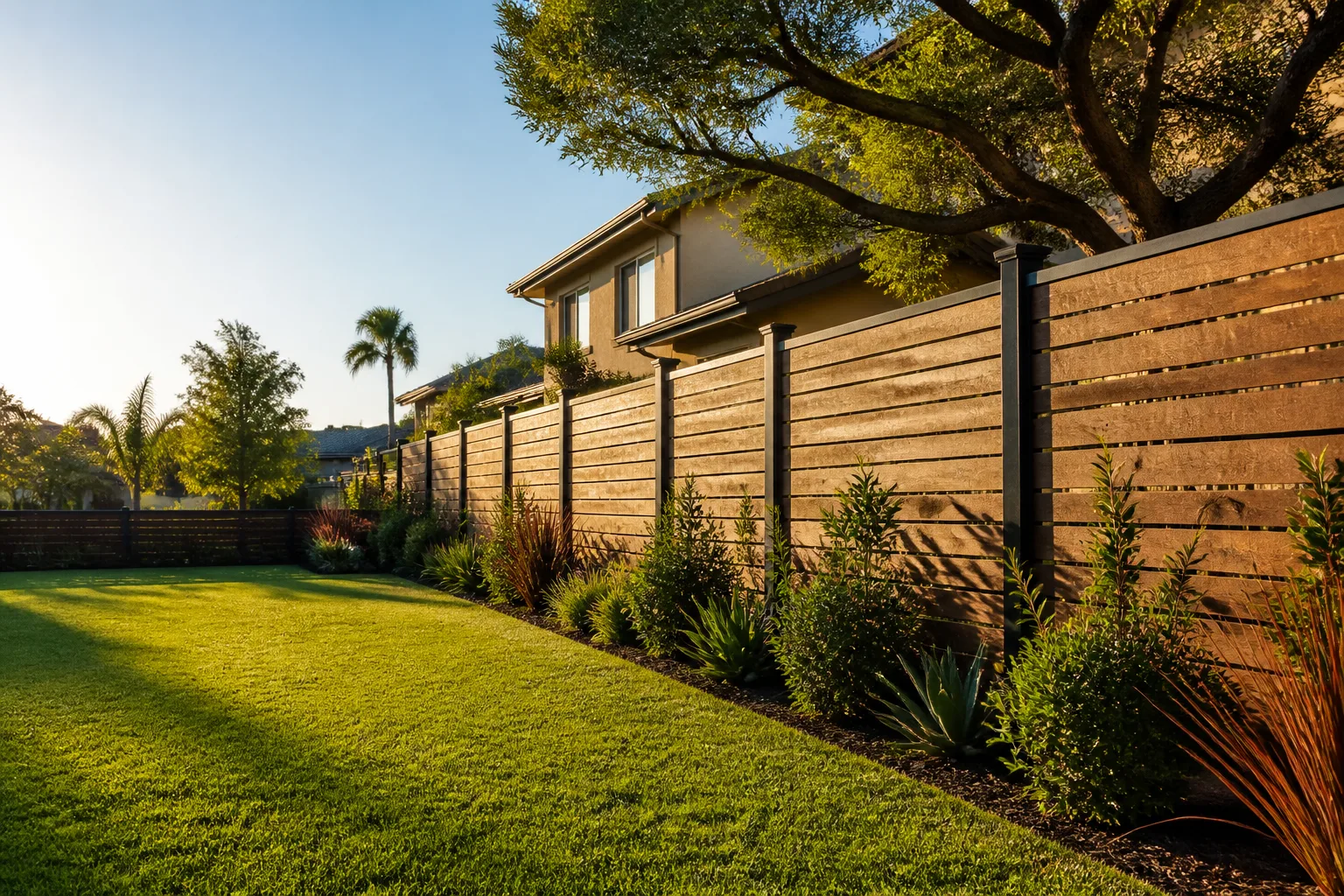
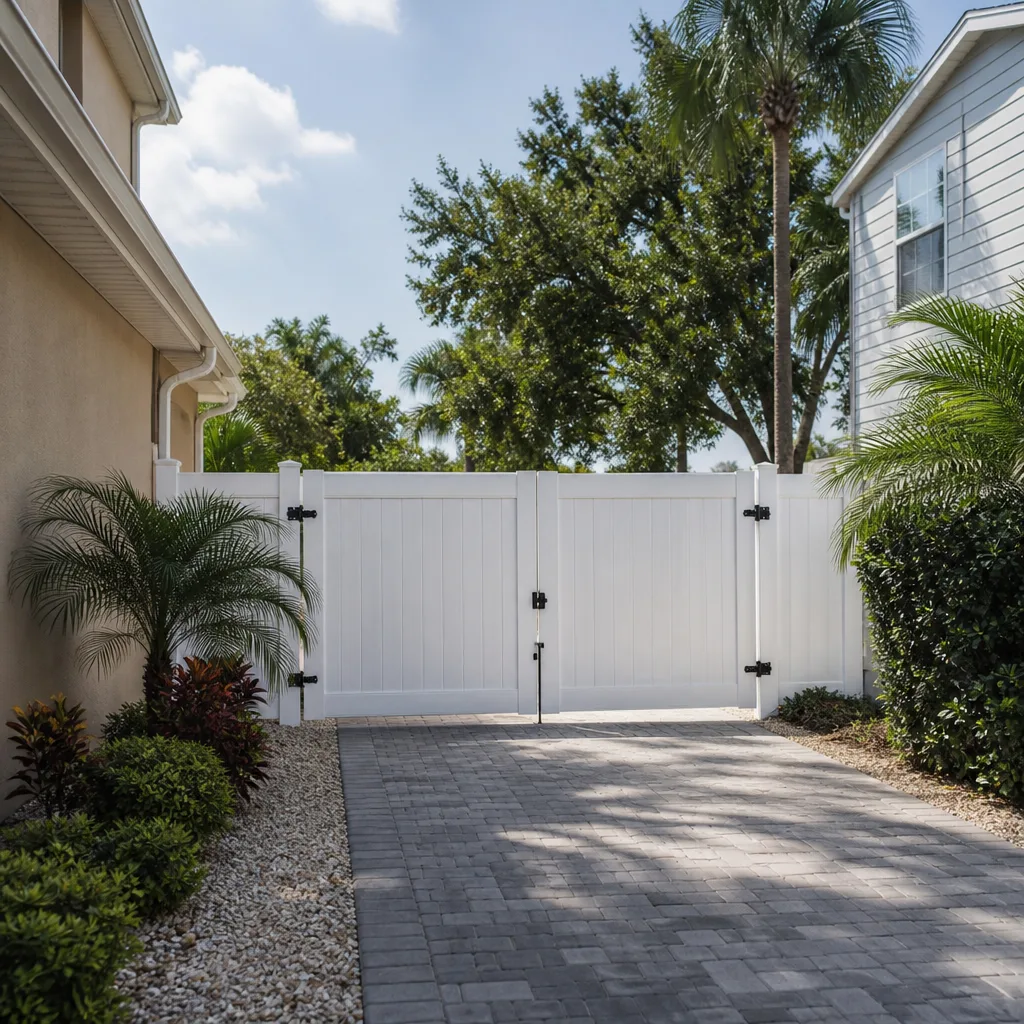
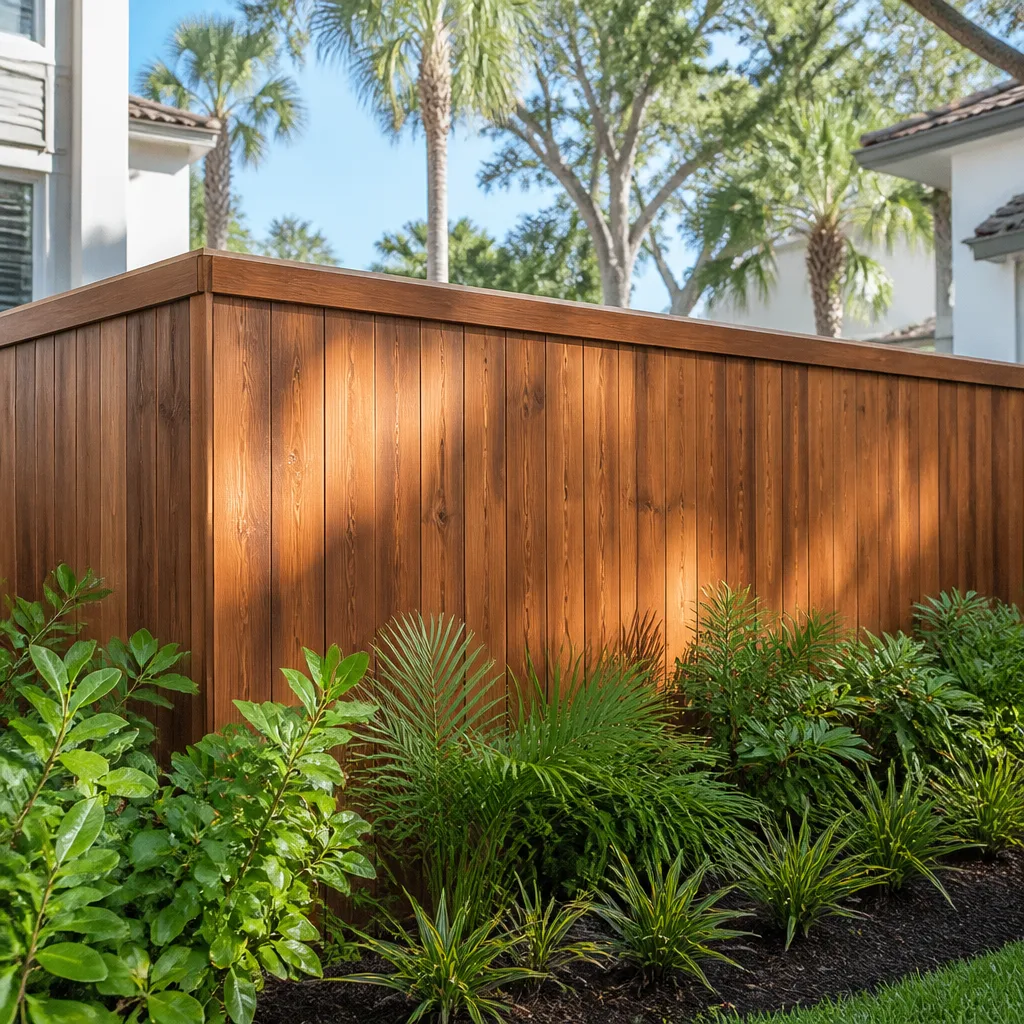
For the actual fence build, our Fence Installation service page covers materials, styles and finishing. If you’re comparing options, our guide to Fence Installation in Westchester walks through what works best on local lots.
What Fence Installation Typically Runs in Westchester
Most residential fence installations in Westchester fall between $3,500 and $9,000, depending on linear footage, material and how many post holes need engineered footings. A straightforward vinyl privacy fence on a level infill lot sits near the lower end. Longer runs with site-specific footing requirements, aluminum or composite panels, and existing fence removal push toward the upper end.
| Scope | Typical Range |
|---|---|
| Vinyl fence installation, standard residential run | $3,500 - $9,000 |
| Aluminum fence installation | $4,000 - $10,000 |
| Individual post re-set with engineered footing | $150 - $400 per post |
| Concrete footing upgrade (deeper or wider) | $50 - $150 per hole |
Upfront pricing means the number on the estimate is the number you pay. We also offer 0% financing for 18 months and $1,000 off projects over $10,000. Every fence is backed by our 730-Day Done Right Promise: if it’s not done right, we make it right. And with GAF, CertainTeed, James Hardie and other brand partners on our roster, the materials behind the fence match the workmanship holding it up.
When to Call a Pro Instead of Digging Yourself
If you’re replacing a single picket or setting a decorative post in a pot, DIY is reasonable. If you’re installing or repairing a structural fence in Westchester, the depth question is a code question, and getting it wrong means a failed inspection, a permit problem or a fence that goes down in the next named storm.
Our technicians have up to 12 years of experience, are background-checked and arrive in uniform. Calls are answered by a live person, 24/7. If you’re wondering whether your existing fence would survive a hurricane inspection, we’ll tell you what we see.
FAQs
Fence posts in Westchester should be set 24 to 36 inches deep, with the exact depth set by Miami-Dade HVHZ wind-load requirements for the fence’s height and exposure category. A 4-foot fence typically needs 24 inches; a 6-foot privacy fence typically needs 30 to 36 inches with a 12-inch-plus footing diameter. Call (833) 630-4214 for an exact spec on your property.
Yes, most residential fences in Westchester require a Miami-Dade County permit pulled through the county’s e-permitting system, since Westchester is unincorporated and has no city hall to issue one. Fence height, setback and HVHZ details are all reviewed at the county level. We handle the permit and inspection as part of the job.
Leaning posts are almost always a footing problem, not a post problem. Shallow embedment, narrow footings or dry-pour concrete that’s been undermined by rain and water table movement are the usual culprits. Going deeper and wider with pre-mixed wet-pour concrete and a drainage aggregate base is the fix. Call (833) 630-4214 and we’ll diagnose it on site.
If fewer than about a third of the posts are failing and the panels are sound, repair is cheaper, typically $150 to $400 per post with a proper footing. If the fence is more than 15 years old or multiple posts are leaning, replacement usually wins on cost per year. Estimates are free and there’s no pressure either way.
If you’d rather have it looked at, Groundwork Construction Co. of Westchester offers a no-pressure assessment in Westchester. Call (833) 630-4214 for a free estimate, and we’ll tell you exactly how deep your posts need to go and what it takes to pass Miami-Dade inspection the first time.
Written by the team at Groundwork Construction Co. of Westchester, serving Westchester, FL.