Last updated November 18, 2026



Free written scope consultation - allowances, timeline, and change-order rules on paper before a single trade is scheduled
Fence Installation Warning Signs Every Homeowner Should Know
The most dangerous fence contractor isn’t the one who does bad work. It’s the one who does just enough work to make it hard to prove they didn’t finish the job. A crew that vanishes with half the posts set leaves you with a fence that looks almost done, a contract that’s vague on the finish line, and a deposit you’ll never see again. In our experience across Westchester, we’ve watched more homeowners get burned by paperwork than by poor craftsmanship. This guide walks you through the specific red flags that separate a legitimate installer from one who will cost you twice as much to fix.
Quick Answer
The biggest fence installation warning signs are: a quote with no line-item breakdown for materials, labor, and permits; a contractor who won’t pull the permit before work begins; and crews who set posts without proper concrete footings or install panels before the posts cure. Any one of these should stop you from signing. A legitimate installer gives you itemized numbers in writing, pulls permits before the first shovel hits the ground, and stands behind the work with a real warranty – not a handshake.
Styles & brands we work with
- Kitchen remodeling
- Bathroom remodeling
- Home additions & ADU
- Roofing
- Windows & doors
- Driveway & pavers
- Fence
Table of Contents
- Warning Sign #1: The Lump-Sum Quote With No Line Items
- Warning Sign #2: “We’ll Pull the Permit After We Start”
- Warning Sign #3: On-Site Installation Red Flags
- How to Inspect a Finished Fence Before Final Payment
- The 730-Day Done Right Promise vs. a Handshake Warranty
- Deposit and Payment Schedule Red Flags
- Common Mistakes to Avoid
- When to Call a Professional
Warning Sign #1: The Lump-Sum Quote With No Line Items
A fence quote with a single number on it is not a quote. It’s a guess dressed up as a contract. When a contractor hands you a sheet that says “Fence installation – $9,400” and nothing else, you have no way to know whether that number includes post concrete, gate hardware, haul-away of old fencing, or the permit fee. You also have no way to compare it against two other bids. That’s often the point.
An itemized quote for fence installation in Westchester should break out at least these categories:
- Materials – linear feet of fence, post count, panel count, gate hardware, concrete bags for footings, and fasteners. If you’re going with vinyl, wood, or aluminum, the material brand and gauge should be named.
- Labor – separate line for demolition and haul-away of an existing fence if there is one, post-setting, panel installation, and gate hanging.
- Permits – the actual fee, plus who pulls it. In Westchester, most residential fence permits run through the city or county building department and cost between $75 and $350 depending on height and lot line location.
- Site prep – root removal, grading, or fence-line clearing. This is where surprise charges live when it’s missing from the original quote.
A contractor who refuses to itemize is usually hiding one of two things: a margin so thin they’ll upcharge you mid-job, or a scope so loose they intend to bill you for anything they “didn’t include.” Upfront pricing, no surprises, is how a legitimate fence installation in Westchester should be quoted from the first call. Any number you can’t trace back to a line item is a number you can’t trust.
Warning Sign #2: “We’ll Pull the Permit After We Start”
This one sentence causes more problems than any other. When a contractor tells you they’ll pull the permit after work begins, what they’re actually telling you is one of three things: they aren’t licensed to pull it, they don’t want the inspection, or they plan to finish before anyone notices.
Here’s what that means for you legally in Westchester. If your fence is built without a permit and a neighbor files a complaint, the building department can issue a stop-work order and require you to remove the fence at your own expense. Your homeowner’s insurance may also decline to cover damage caused by an unpermitted structure – including damage to a vehicle that hits it or a fence that fails in a storm and damages property. And when you sell the house, an unpermitted fence shows up on the title search. You could be the one paying to tear it down years later.
Fence height and setback rules in Westchester vary by zoning district. Front-yard fences are typically capped at 4 feet, side and rear at 6 feet, and corner lots have sight-triangle restrictions that trip up even experienced installers. A contractor who knows the local code will tell you the height limits for your specific lot before quoting the job.
Ask any fence contractor one question before signing: “Will you pull the permit in your company’s name before the first post goes in, and will you send me the approved permit number?” A legitimate installer answers yes without hesitation. Anyone who dodges that question is telling you what they plan to do with your project.
Warning Sign #3: On-Site Installation Red Flags
Some of the worst problems happen after the contract is signed and the crew is on your property. Watch for these during installation. You don’t need to hover, but you should walk the fence line once when posts go in and once before final payment.
- Posts set without adequate depth. Wood and vinyl fence posts in Westchester should sit at least 24 to 36 inches below grade, and deeper for gate posts. A crew that sets posts 12 inches down is betting your fence won’t get hit by a hurricane. In Westchester, that’s a bad bet.
- No concrete collar around the post base. Posts should be seated in concrete shaped with a slight crown at the top so water runs away, not into the base. A post that’s set in soil with a couple of scoops of dry mix thrown on top will loosen within a single rainy season.
- Panels installed before posts cure. Concrete needs at least 24 to 48 hours to cure before panels are hung. If you see panels going up the same afternoon as the posts, you’re looking at a fence that will sag and rack on the first hot day.
- Gate posts not braced. A gate is the heaviest load on a fence line. Gate posts should be thicker than line posts and set in more concrete. If the gate is hung between two thin posts, the entire section will sag.
- No fence-line clearing before digging. Roots, rocks, and existing utilities are supposed to be located before the first hole is dug. Call 811 for utility locates – it’s free and it’s the law.
None of this is meant to turn you into a job supervisor. It’s meant to give you two touchpoints during installation where a five-minute walk tells you whether your money is being spent well.
How to Inspect a Finished Fence Before Final Payment
A finished fence that looks good from the driveway can still fail within a year. Before you hand over the final payment in Westchester, walk the fence line and check these five things the same way you’d inspect a newly finished bathroom.
- Post plumb. Put a level against the face and side of every third post. The bubble should sit in the center within a degree or two. Posts that lean even slightly will continue moving once wind and soil settle.
- Panel gap consistency. The gap between vertical pickets should be the same within an eighth of an inch from one end of the fence to the other. Tighter or looser runs indicate the fence was racked rather than built level.
- Gate swing. Open the gate fully and let it go. It should hang without dragging, latch without lifting, and swing on its own without a bounce at either end. A gate that closes hard is a hinge, post, or footing problem rolled into one.
- Top rail straightness. Sight down the top rail from one end of the fence. It should be one clean line. Waves in the top rail mean posts were set at different heights.
- Ground contact. No panel or picket should touch the soil. Moisture wicks up from the ground and rots wood or harbors mold on vinyl. Look for a 1- to 2-inch gap between the bottom of the fence and grade.
If a fence fails any of these checks, the work isn’t finished, no matter what the invoice says. A reputable contractor expects this walkthrough and welcomes it. If you’re also considering hardscape work or a new gate landing, our Driveway & Pavers in Westchester team coordinates the grading and the fence line so the fence and the pavers meet cleanly.
The 730-Day Done Right Promise vs. a Handshake Warranty
“We stand behind our work” is not a warranty. It’s a sentence. A warranty is a written document with a defined term, a defined scope of what’s covered, and a defined process for getting a problem fixed. The 730-Day Done Right Promise is exactly that: two full years of workmanship coverage in writing. If a post loosens, a gate sags, or a panel lifts after installation, we make it right – one of the longest workmanship guarantees in the residential construction space.
Here’s the distinction that matters most in Westchester. A handshake warranty expires the moment the contractor stops returning your calls. Ask any fence installers you interview these three questions:
- How many years is the workmanship warranty, and does it cover labor as well as material? Material warranties come from the manufacturer – your Belgard or Tremron warranty covers the product, not the install.
- Who pays for a return trip if a post fails in year two? The promise should answer this without a phone call.
- What does the warranty exclude? A real warranty names its exclusions in writing. A fake one has no exclusions because it doesn’t exist.
Material brand partnerships matter here too. If a contractor uses unknown fence panels from a distributor you can’t identify, the material warranty – if there is one – dies with them. Ask for the brand on the quote. Belgard and Tremron both publish clear warranty terms on their panels and posts.
Deposit and Payment Schedule Red Flags
Payment terms tell you how a contractor manages their business. A crew that needs a 50% deposit before ordering materials is usually borrowing your money to fund a job they haven’t started. A legitimate schedule uses a smaller deposit – typically 10% to 25% – and ties the rest of the payment to specific milestones.
- Red flag: Cash-only, no receipt, no written invoice. You have no paper trail if the job goes sideways.
- Red flag: Full payment before the final walkthrough. Once your money is in their account, your leverage is gone.
- Red flag: A deposit that changes the day of the job. “Materials went up” is not a valid reason if the quote was line-itemed and signed.
- Red flag: Asking you to write the check to a personal name rather than a company. Money orders and personal checks should be made out to the business.
A cleaner schedule looks like this: a modest deposit to lock materials, a progress payment when the posts are set and inspected, and the balance after your final walkthrough passes. If you’re planning a larger combined project – new fencing, refreshed hardscape, and a new outbuilding – the Home Additions & ADU in Westchester team can sequence payment milestones across the full scope so nothing overlaps without an inspection in between.
Common Mistakes to Avoid
- Hiring the lowest bid without reading the scope. In Westchester, a $4,000 difference on a 150-foot fence usually means one contractor is quoting materials only and the other is quoting the full install. Compare line items, not bottom-line numbers.
- Assuming the crew is insured because they said they are. Ask for a certificate of insurance naming you and your property. Every legitimate fence contractor carries general liability, and most carry workers’ comp. A company that can’t produce the certificate is passing risk to your homeowner’s policy.
- Skipping the utility locate. Digging without a free 811 locate can mean hitting an irrigation line, a low-voltage wire, or a gas line. In Westchester’s older neighborhoods, fence lines often cross infrastructure that predates the current house.
- Not checking fence height against your HOA or zoning. Front-yard fences capped at 4 feet and side-yard fences at 6 feet are the common rules in Westchester, but corner lots and historic districts have their own restrictions. An install that violates them may have to come down.
- Letting the crew install panels the same day as posts. Concrete needs time. A crew that’s rushing the cure is signaling they don’t plan to return.
- Accepting a verbal warranty. Get it in writing with the term in years, the covered scope, and the exclusions named. Without that, you have nothing if the gate sags in month 14.
- Paying the balance before the walkthrough. The final payment is your leverage. Use it. Walk the line, check the gate, count the posts, then pay.
See the difference
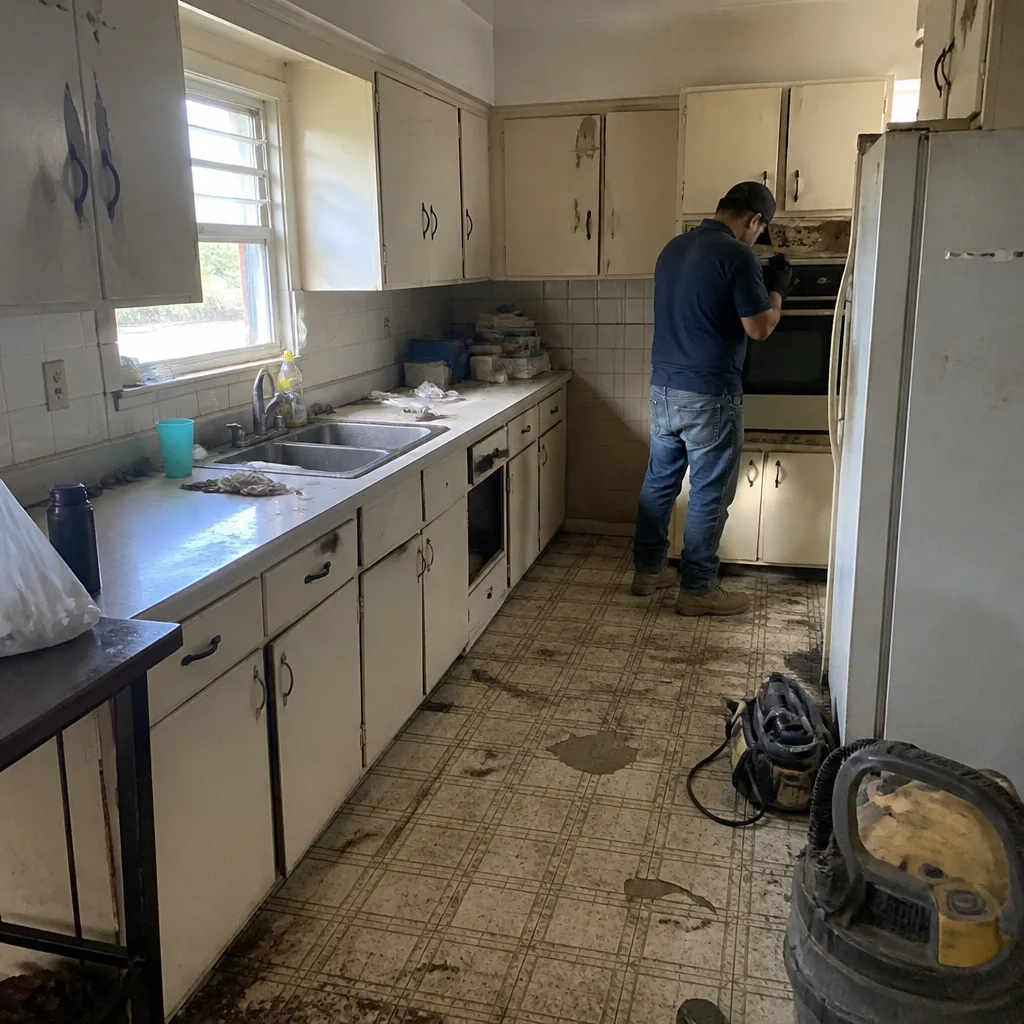 Before
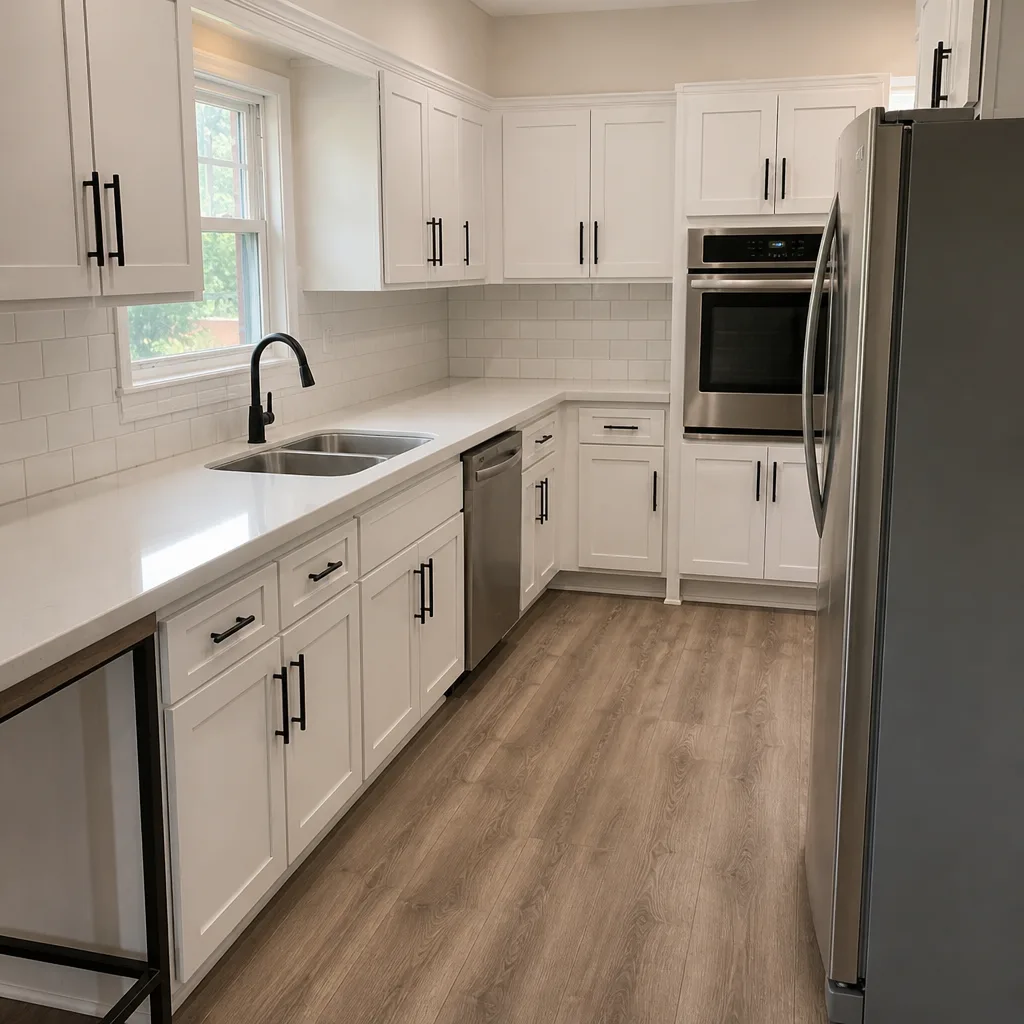 After
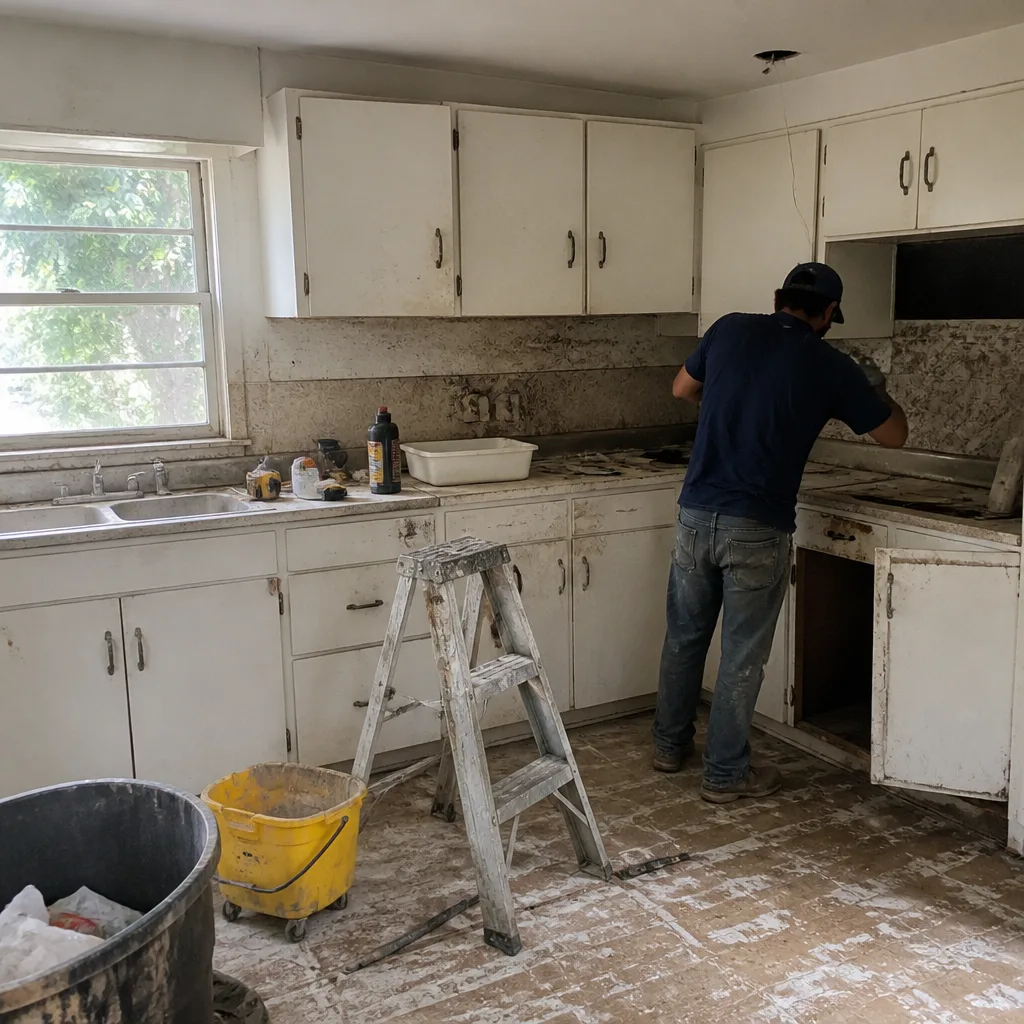 Before
 After
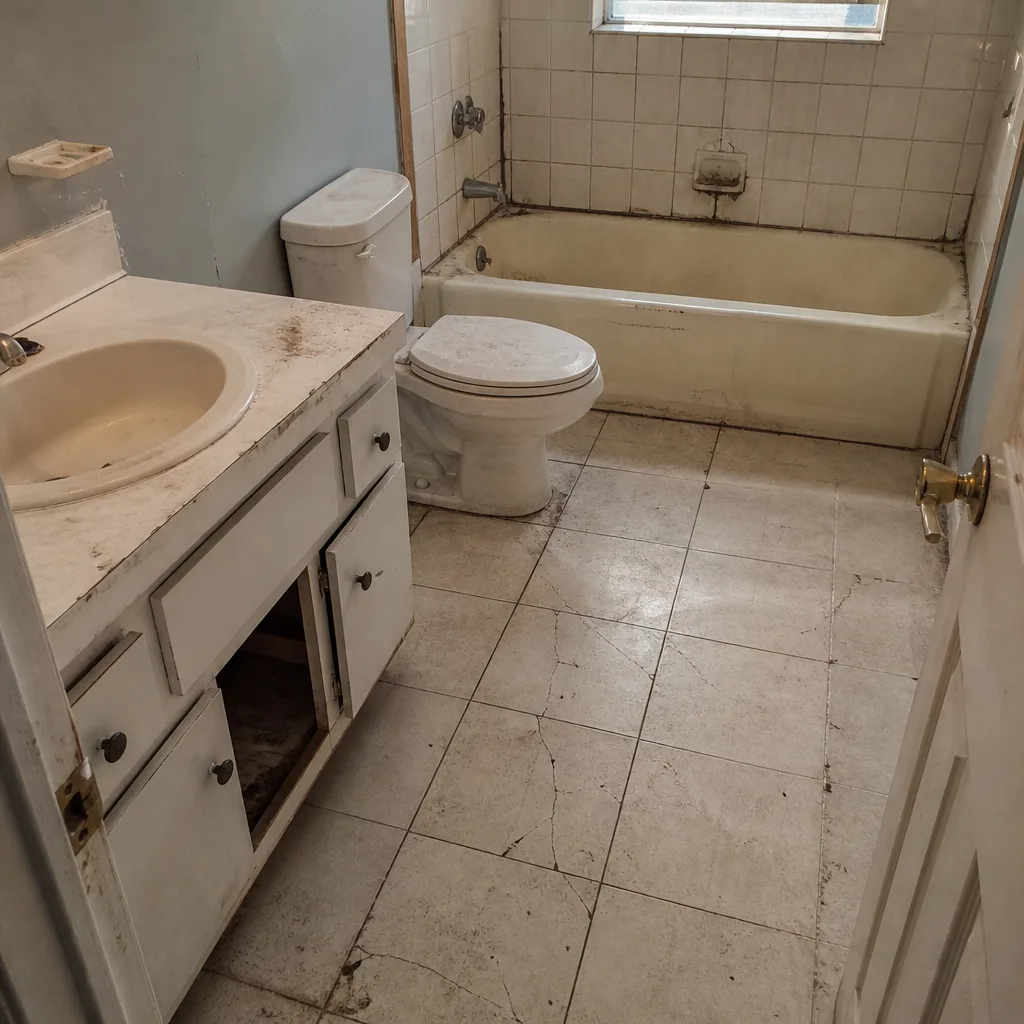 Before
 After
When to Call a Professional
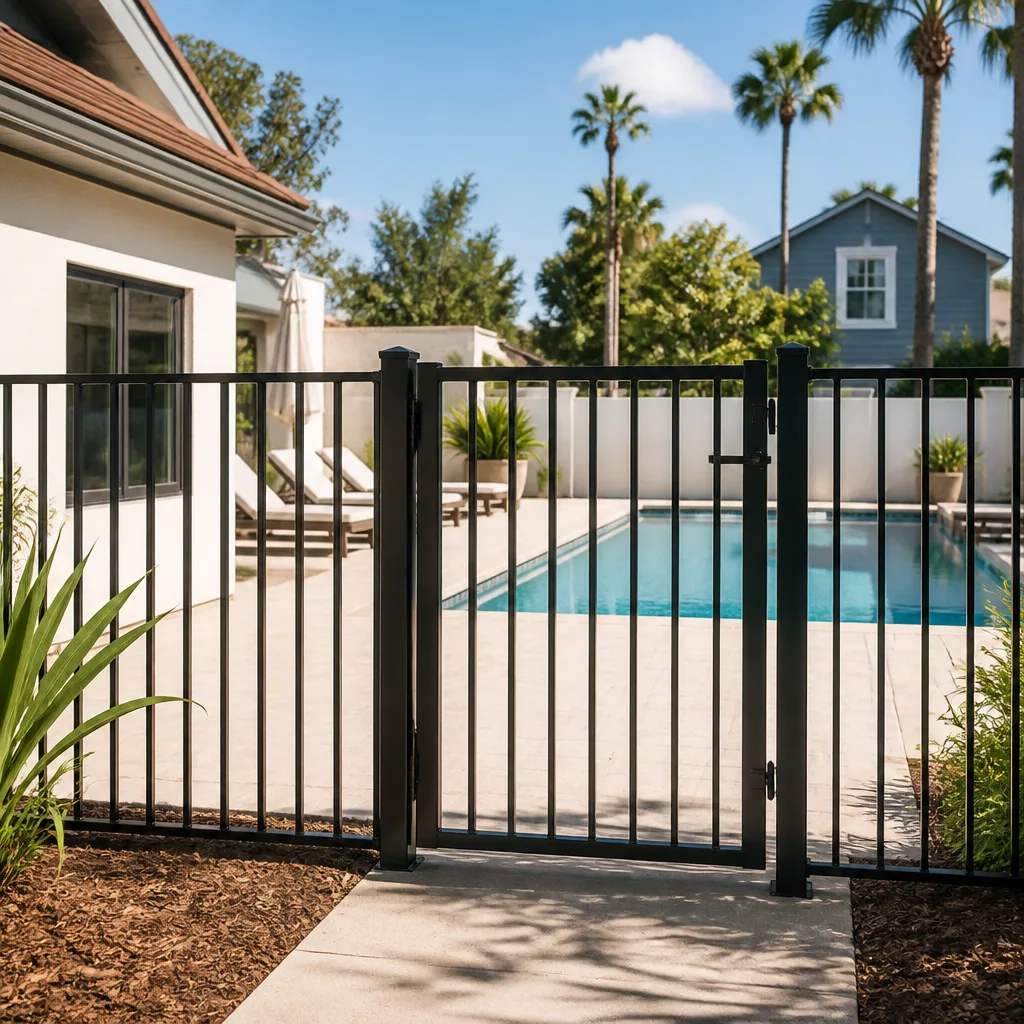
Some fence work is genuinely straightforward to remedy yourself – a picket replaced, a hinge tightened, a latch adjusted. The moment the problem involves a post, a footing, or a permit, it’s time to call a professional. A leaning post in Westchester usually means a failed concrete collar, and fixing it correctly means pulling the post, re-digging to depth, and re-pouring the footing. A gate that drags usually points to sagging gate posts, which is a structural fix, not a hinge swap. And any fence that’s been flagged by a building inspector or that crosses a property line dispute goes straight to a licensed installer, not a handyman. Dialing through a problem on your own risks making it worse before a pro can get eyes on it.
If you’ve been burned before – bid too low, crew gone missing, warranty in fine print – you already know why this matters. When you’re ready to restart the project with an installer who answers the phone and puts the terms in writing, Groundwork Construction Co. of Westchester offers free estimates. Call (833) 630-4214.
Frequently Asked Questions
The single biggest warning sign is a quote with no line-item breakdown for materials, labor, and permits. If you can’t see what each dollar covers, you can’t compare bids and you can’t hold the contractor accountable when the scope shifts. Any legitimate fence installer in Westchester gives you itemized pricing in writing, with the material brand named and the permit fee shown. Call (833) 630-4214 for a free line-item estimate on your Westchester fence project.
No. In most Westchester jurisdictions, the permit must be issued before work begins, and pulling it retroactively can trigger a stop-work order, a fine, and a required removal of the fence. The homeowner ultimately carries the liability, not the contractor. Ask for the approved permit number in writing before the first post is dug. If you’re not sure whether a permit was filed for a fence you already have, call us at (833) 630-4214 and we can tell you what to check.
Fence posts in Westchester should be set at least 24 to 36 inches below grade, deeper for gate posts, in a properly crowned concrete footing. Shallow posts in the sandy or clay-heavy soil common in parts of Westchester loosen within a single rainy season. If your current fence has visible lean after heavy rain, the footings are almost certainly too shallow. Call (833) 630-4214 for a free inspection and estimate on a rebuild.
Residential fence permits in Westchester typically run between $75 and $350 depending on fence height, lot line location, and whether the property sits in a historic district. The permit should appear on your quote as its own line item, and it should be pulled in the contractor’s name before work begins. If a contractor tells you no permit is needed, ask them to put that in writing – most won’t. Call (833) 630-4214 for a quote that itemizes the permit fee up front.
Before final payment, check post plumb with a level, verify consistent panel gaps, open and release the gate to confirm smooth swing and latch, sight down the top rail for straightness, and confirm at least a 1-inch gap between fence bottom and ground. If any of those fail, the job isn’t finished. A written warranty – like our 730-Day Done Right Promise – should also be in your hands before the final check clears. Call (833) 630-4214 to schedule a free estimate if you’re starting a new install.
You don’t need to be home every hour, but you should walk the fence line twice: once when posts go in and once before final payment. Those are the two checkpoints that catch the most expensive problems. Any reputable installer expects the walkthrough and welcomes questions. If the crew objects to you inspecting the work before signing off, that’s its own warning sign. Call (833) 630-4214 to schedule your free estimate and lock in the milestone inspections in writing.
The Bottom Line

The fence contractors who cost homeowners the most money aren’t the ones doing visible bad work. They’re the ones who work just fast enough to make the finish line fuzzy, quote one number so the scope stays loose, and offer a warranty made of words instead of paper. In Westchester, the pattern is consistent: the red flags show up in the first conversation, not on the last day. Line-item quotes, permits pulled before work begins, posts set to depth with a proper footing, panels hung after cure, and a written workmanship warranty that names its exclusions – those are the five things that separate a contractor who finishes from one who disappears. If any of those are missing, keep looking. If they’re all there, you’ve found your installer.
If you’re ready to price your fence with an installer who puts the terms in writing, we’d like to hear from you. Groundwork Construction Co. of Westchester offers free estimates across every fence project, and our crews are background-checked, uniformed, and covered by the 730-Day Done Right Promise. Visit our Groundwork Construction Co. of Westchester home to see how our seven core service lines connect – from fencing and hardscape to kitchens, baths, roofing, windows, and full additions. Take a look at fence installation in Westchester or, if a new gate is part of the plan, ask about coordinating it with a driveway refresher. Reach us at (833) 630-4214 for a free estimate, and we’ll walk the property with you.
Written by the team at Groundwork Construction Co. of Westchester.